





































The U.S. tariffs on fashion as seen by an American By Antonio Padilla
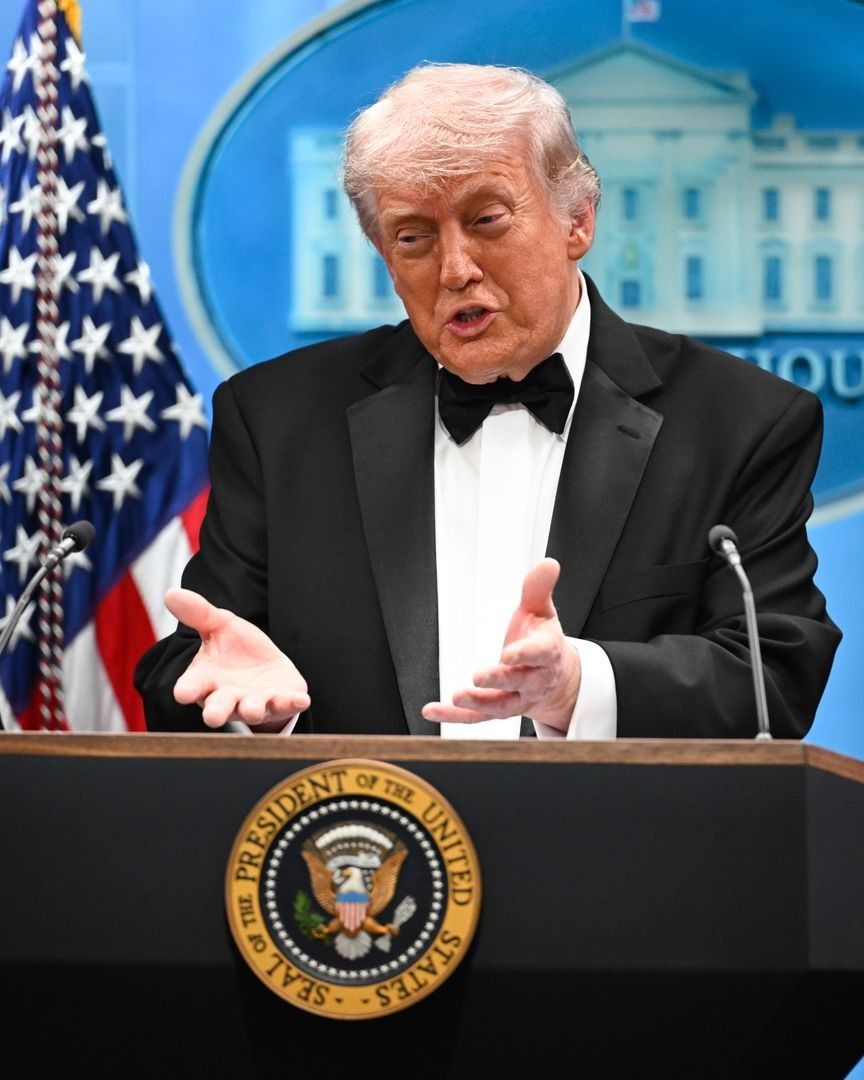
For our monthly guest newsletter, we asked Antonio Padilla, the voice behind @immaculate.style, to share his perspective on the current crisis shaking the European fashion industry due to tariffs introduced by the Trump administration. Today, the European fashion industry is watching with concern as a situation unfolds that threatens to redefine global trade dynamics. It all began with the “Liberation Day” announcement on April 2, 2025, when President Trump imposed a baseline 10% tariff on over 180 nations, with heavier specific tariffs on major fashion trading partners: 20% on the European Union, 34% on China, and up to 49% on manufacturing hubs like Vietnam and Cambodia.
These measures, effective from April 9, rattled markets, with significant declines in stocks of brands like adidas and Richemont, prompting the EU to respond with counter-tariffs on €22 billion of American goods, only to suspend them for 90 days pending negotiations. Trump’s subsequent threat of a 200% tariff on European alcoholic beverages further escalated tensions, fueling fears of a global trade war. In this context, European brands face rising costs, fiercer domestic competition, and a potential shift toward second-hand markets, while American consumers could see retail prices rise by 20-30%. Antonio Padilla shared his perspective on this complex scenario, offering insight into how European luxury can navigate this storm.
These measures, effective from April 9, rattled markets, with significant declines in stocks of brands like adidas and Richemont, prompting the EU to respond with counter-tariffs on €22 billion of American goods, only to suspend them for 90 days pending negotiations. Trump’s subsequent threat of a 200% tariff on European alcoholic beverages further escalated tensions, fueling fears of a global trade war. In this context, European brands face rising costs, fiercer domestic competition, and a potential shift toward second-hand markets, while American consumers could see retail prices rise by 20-30%. Antonio Padilla shared his perspective on this complex scenario, offering insight into how European luxury can navigate this storm.
Trying to unravel the complexities of the new tariffs is enough to make anyone’s head spin. Global regions are engaged in complex negotiations, but the most pivotal for the luxury goods sector is the recently finalized 15% tariff agreement, concluded last week. The European Union, a cornerstone of global luxury fashion production, faces this tariff hike, which, while far from ideal, is a marked improvement over the 30% increase initially proposed. The lower tariff benefits both consumers and brands that ship imported goods. The 15% tariff translates to lower prices in stores compared to the initially proposed 30% hike.
If imported items remain affordable, people like me will still be able to buy them. But when the effect fully materializes, shoppers like me will soon feel the pinch. As new luxury merchandise arrives later this year, brands have made it clear they’ll pass these added costs directly to consumers. The category that will feel the most impact has to be handbags. Sales of handbags and leather goods account for around 75% of Louis Vuitton’s total revenue. If their biggest category takes a hit, the negative impact will be felt across most major luxury brands. Yet, the more seismic shift for U.S. buyers may come from the scrapping of the de minimis rule, in place since 2016, which allowed goods valued under $800 to enter the U.S. without duties, taxes, or customs scrutiny.
Originally crafted to curb duty evasion from shipments out of China and Hong Kong, the rule’s elimination now applies universally, taking effect on Friday, August 29. When President Trump signed the executive order in late July, he declared that the de minimis practice “needed to be eliminated to end the proliferation of shippers worldwide that deceptively exploit the de minimis privilege to evade duties, inspection, and U.S. law.” Last year, U.S. Customs recorded a staggering 1.36 billion packages, valued at $64.6 billion, entering under this exemption—a tenfold leap from the 134 million in 2015.
Companies like Temu have built their business models around around this loophole, fueling a meteoric rise in shipments over less than a decade. With the rule now history, many mail couriers have already thrown in the towel on shipments to the United States. Letters, documents, and small gifts under $100 will still make it through, but it’s uncertain whether consumers will continue receiving direct shipments from luxury fashion hubs like France, Italy, the UK, and Japan. Gen Z shoppers will undoubtedly be hit first. Younger consumers tend to order smaller, cheaper items more frequently from websites like Amazon and other retailers. With the de minimis rule gone, low-cost items will now be subject to duties and taxes, and younger consumers are far more price-sensitive.
Life in Trump’s golden age: $542 shipping on a $261 top. His trade war is the biggest tax hike on Americans in modern history. pic.twitter.com/JDiXFRqvLz
— Republicans against Trump (@RpsAgainstTrump) May 3, 2025
So far, Americans have dodged the full brunt of tariffs, as many were announced, delayed, and renegotiated multiple times. But the end of the de minimis rule could quickly jack up prices on imported goods. It all boils down to supply and demand: steady demand paired with shrinking supply spells higher prices. The rule was originally designed to keep international goods within reach for U.S. shoppers, so its reversal could make luxury fashion, and a host of other categories, far pricier for folks like me stateside. From an everyday shopping perspective, it hasn’t really hit our radar yet. But I think the elimination of the de minimis rule will soon have a major impact. I’ve only noticed additional costs and duties while shopping for clothes in the last couple of months, but soon we’ll see price increases on everyday essentials not made in America, such as toothpaste or even the new iPhone coming out soon.
The uncertainty over how duties will be collected is a major reason mail couriers have hit the brakes on U.S. shipments. If consumers or shipping companies end up on the hook for paying duties before delivery, it could create a serious bottleneck. That’s why over 20 countries have already signaled they’ll suspend shipments once the change kicks in. I think a rise in grey market practices or underground importing could happen in the long run, but not in the immediate future. Some brands are holding off on shipping to the U.S. until they establish warehouses here. Instead of shipping individual orders to the U.S., they’ll ship in bulk to their U.S. warehouses and then distribute domestically. If brands follow this model, consumers will only have to wait a few months until storage facilities are in place.
@databutmakeitfashion “fashion isn’t political” welllll!!! #fashiontrends #dataanalytics #tariffs Young And Beautiful - Lana Del Rey
Ashley Dudarenok, who runs a consumer-research consultancy in China and Hong Kong, told TIME that many shippers aren’t equipped to handle the new requirements. She warned that this rule could trigger steep price hikes, even on bargain items: “A $12 children’s swimsuit from a place like Temu now costs $31 after duties, nearly tripling the price. Imported goods are expected to become 12–22% more expensive across the board.” In the long run, this could reshape shopping habits for U.S. consumers, myself included. Many may start gravitating toward brands that manufacture domestically, snap up secondhand luxury, or champion small American makers.
Additionally, I think it has already affected the resale market. I wasn’t surprised to see a company like The RealReal post its biggest quarterly revenue ever. Prices for luxury clothes and bags are simply too high for most people. As for American brands, there aren’t many that produce fully U.S.-made garments besides denim and T-shirts, so I’m not sure consumers will turn to American-made fashion, since the options are limited. I personally don’t think tariffs will give a boost to Made in USA fashion, as we just don’t have the manufacturing infrastructure for it, and support for fashion brands is very difficult to obtain in the U.S. There’s a reason why all the biggest tech companies in the world are here in America, because that’s the industry where all the funding goes. Venture capital investors want to invest in the next big tech company, not a fashion brand.
One thing’s clear as day: the era of cheap, lightning-fast international shipping is on its last legs, and shoppers will likely start feeling the squeeze as soon as September. I don’t think tastes will shift, because everyone has social media now and can see clothes, bags, and jewelry from around the world. However, very soon, access could become a bigger status symbol. If you’re able to travel to Japan and secure items from the latest A.Presse collection, for example, it will set you apart even more due to its high exclusivity. Louis Vuitton seems to be taking a proactive approach by building a second leather goods manufacturing facility in Texas. While I don’t think other brands will necessarily follow that step, I do believe European fashion houses recognize the impact of these tariffs. We’ve already been in a luxury downturn for two years, so international brands will need to find ways to keep American consumers engaged.
My gut reaction has been frustration since the tariffs were announced. It’s inflation on purpose. They’ll mostly hurt consumers and are unlikely to result in companies moving production to the U.S. I’m not a fan, since they affect all American shoppers without delivering much change. I think it could be remembered as a real turning point, especially in reducing fast fashion consumption. “Shein Hauls” became a huge part of online culture during and after the pandemic, fueling overconsumption of cheap items just to gain likes and followers. From that perspective, this shift could be positive. People may buy more from quality brands and pre-owned markets, leading to better long-term sustainability.