
























The anorak is making a comeback Thanks to Oasis and the gorp aesthetic
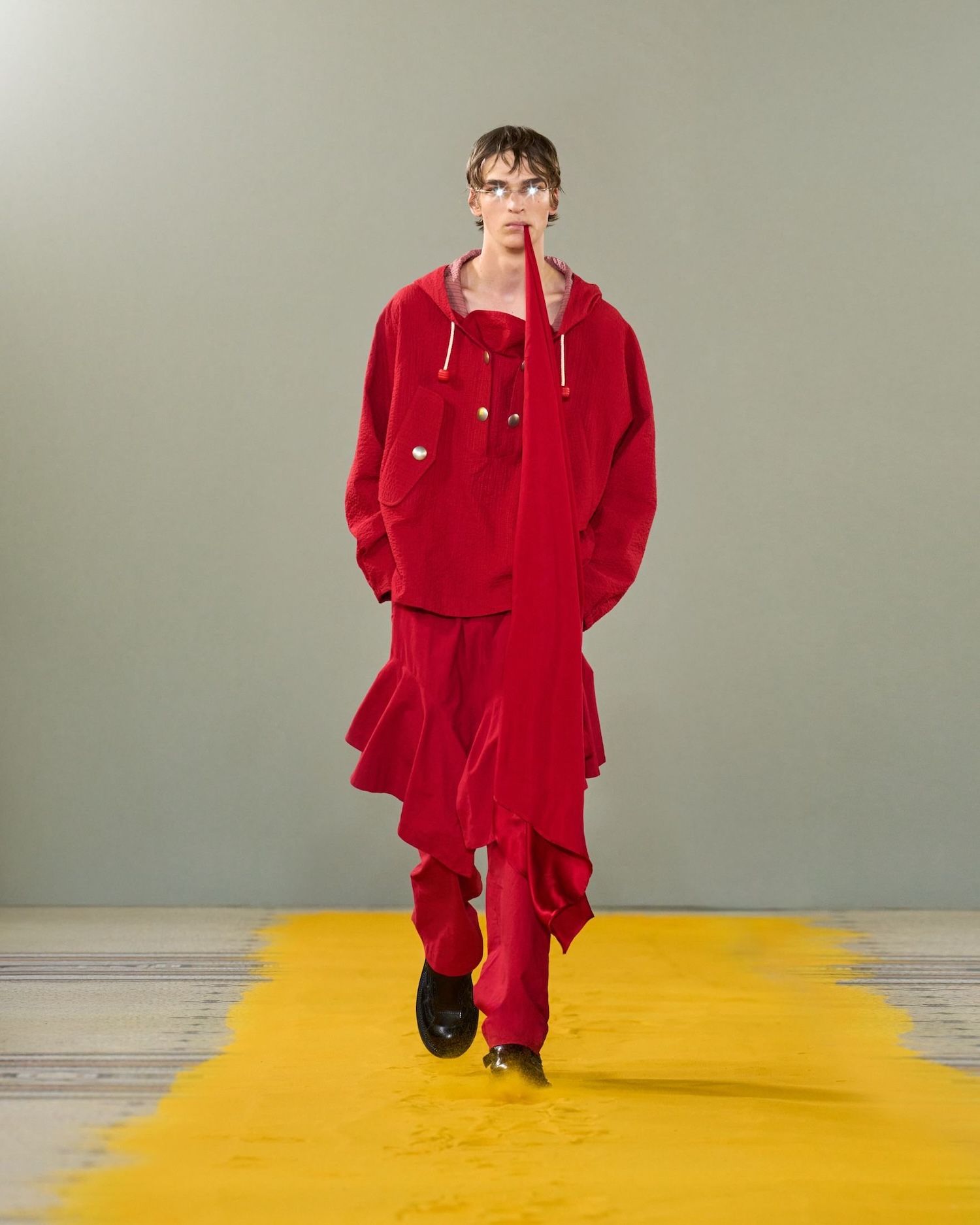
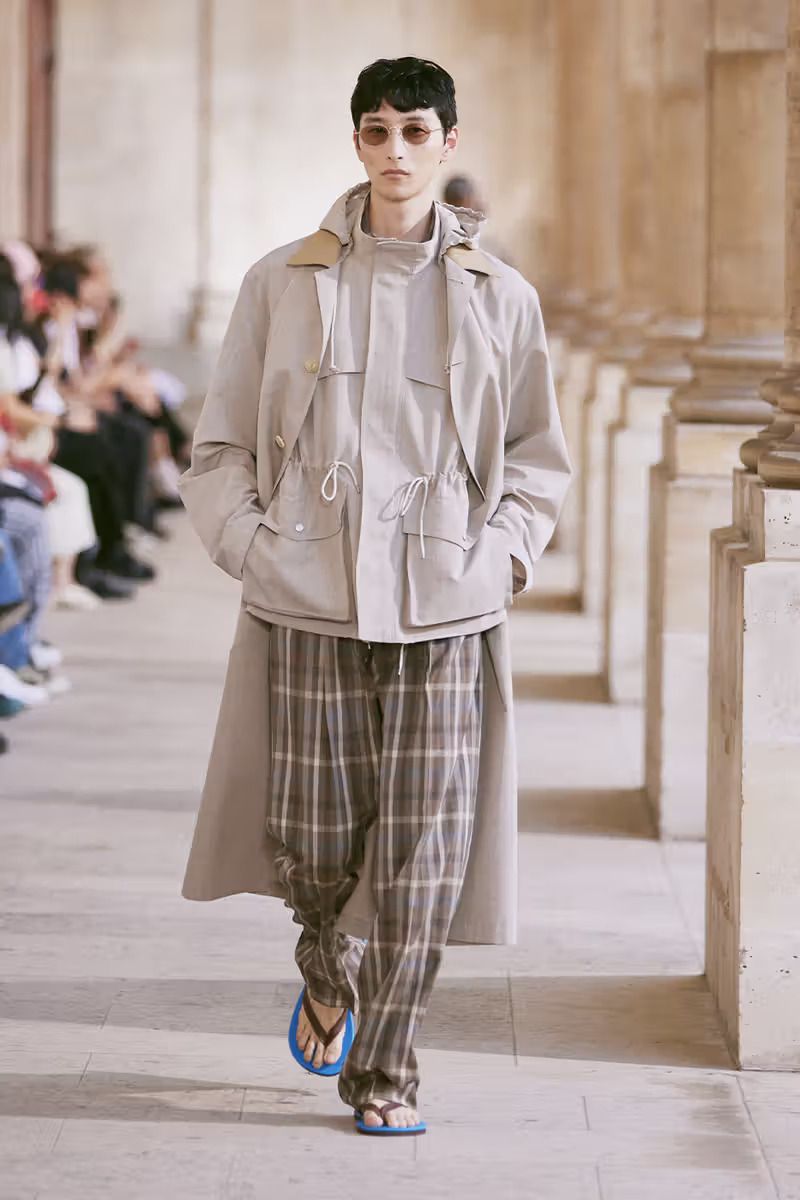
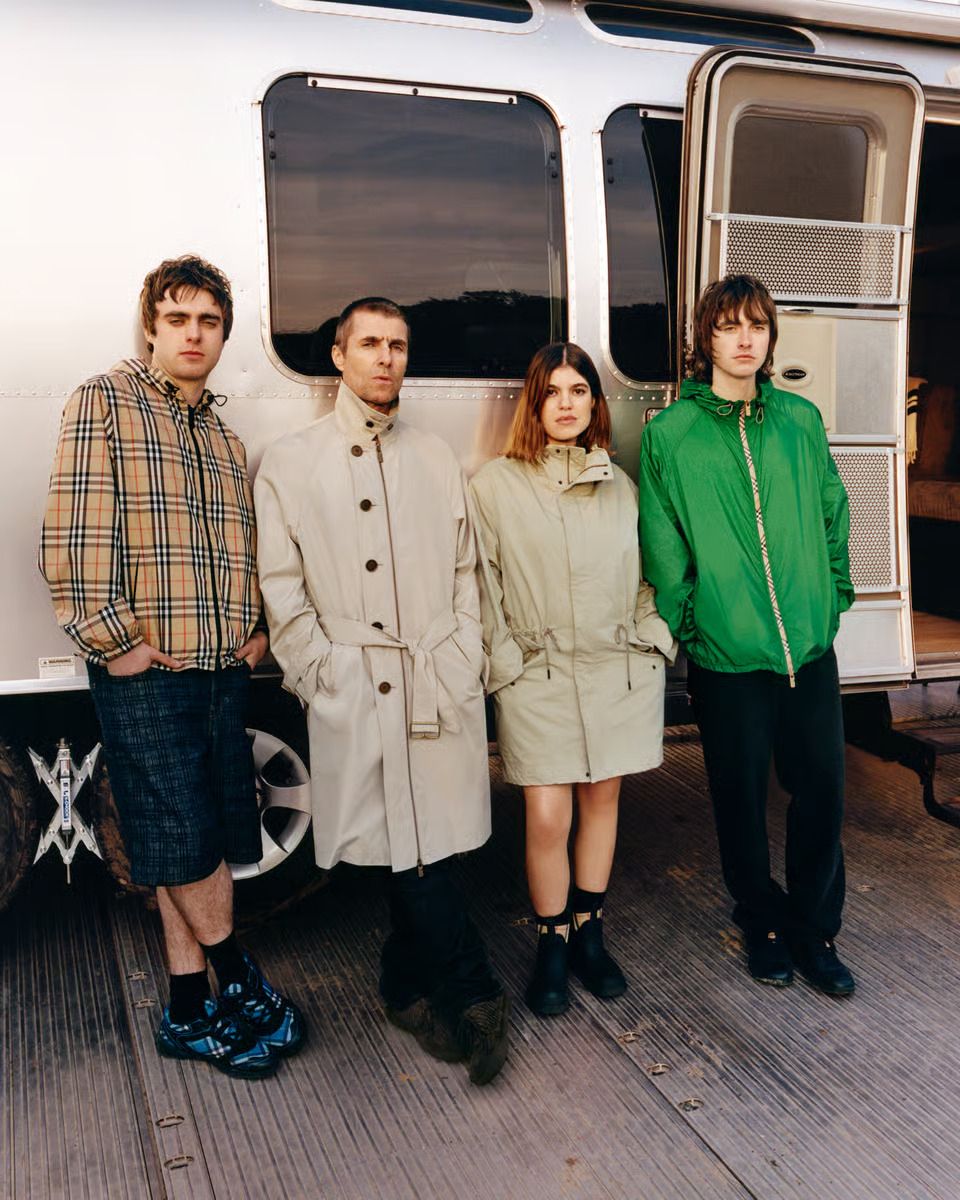
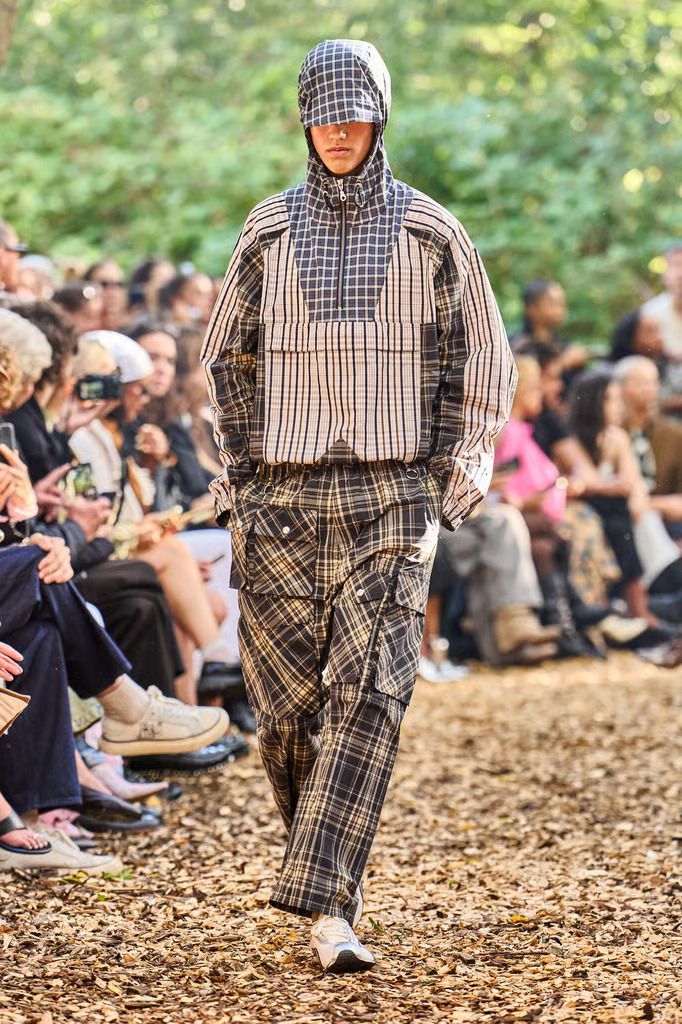
From the icy expanses of the Arctic to streetstyle, the anorak jacket has managed not only to withstand the wind, but also to survive over time. The word anorak comes from Inuktitut/Greenlandic and originally referred to a coat made by the Inuit people from seal or reindeer skins, sewn using shark teeth as buttons and made waterproof with whale fat. After being adopted by Arctic explorers and sailors, the garment became a staple in the wardrobe of soldiers and mountaineers thanks to its extraordinary protective qualities.
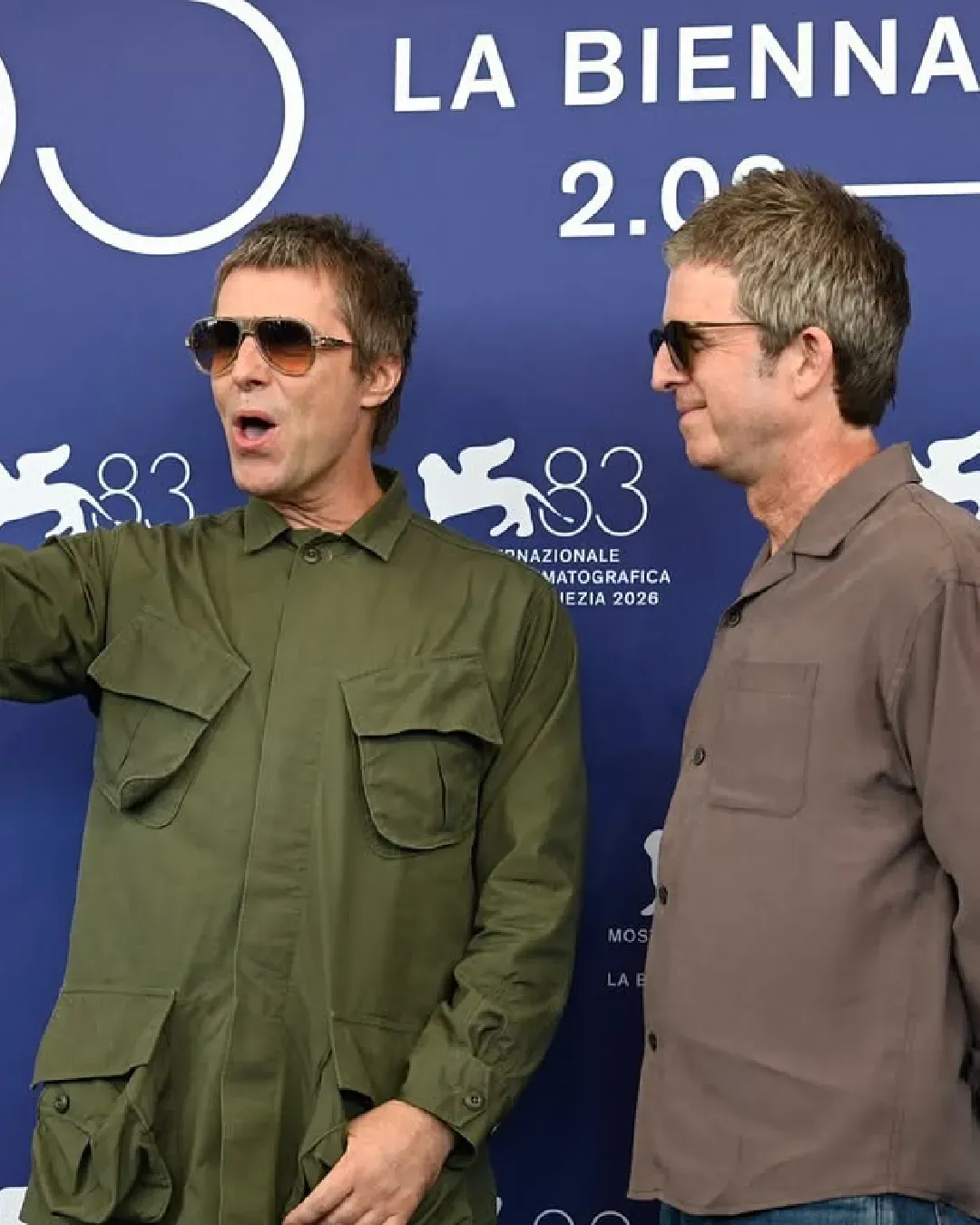
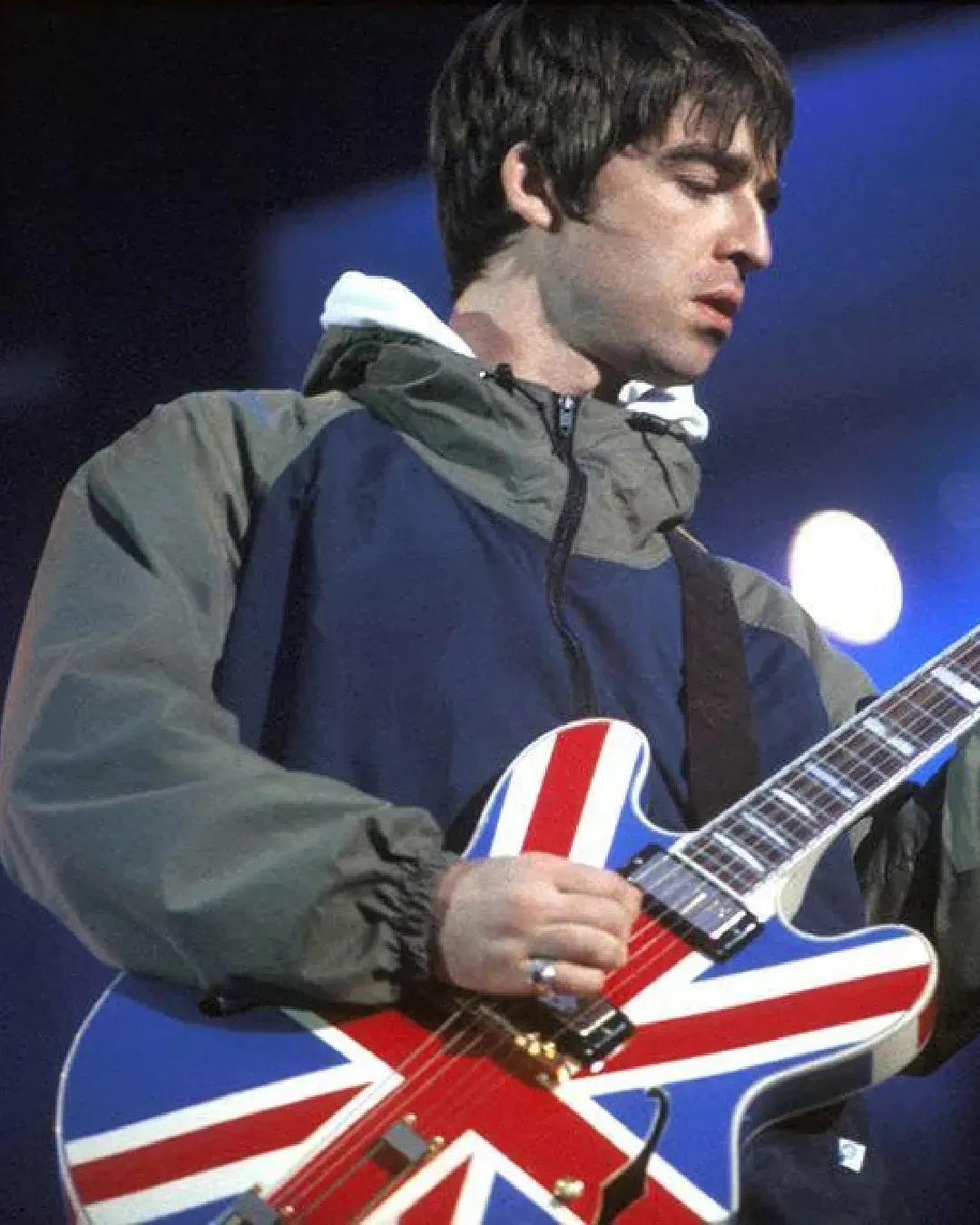
It was often reinterpreted as a variant of the famous fishtail parka M-51, made of felt or heavy wool and cotton fabrics, but it was in the early 1960s that the anorak conquered the United Kingdom, becoming the uniform of the Mods, a London subculture of working-class youth who loved modern jazz and Vespa scooters. In the 1990s, the garment became standard on britpop stages, and today it is making a comeback as the ultimate utility jacket. The anorak follows the same fate as Oasis: sixteen years after the Paris quarrel, the band returns with a reunion tour and the jacket that made them famous is reclaiming space in recent collections not only for its functionality and practicality, but also as a piece to which fashion adds a personal twist.
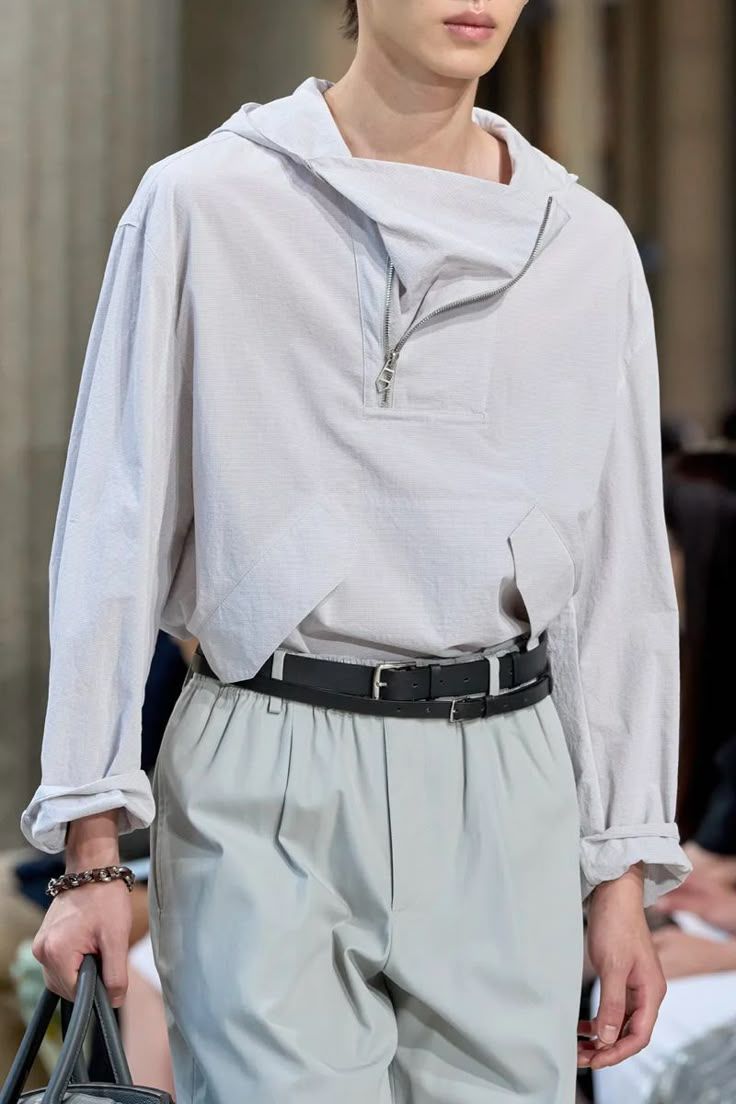
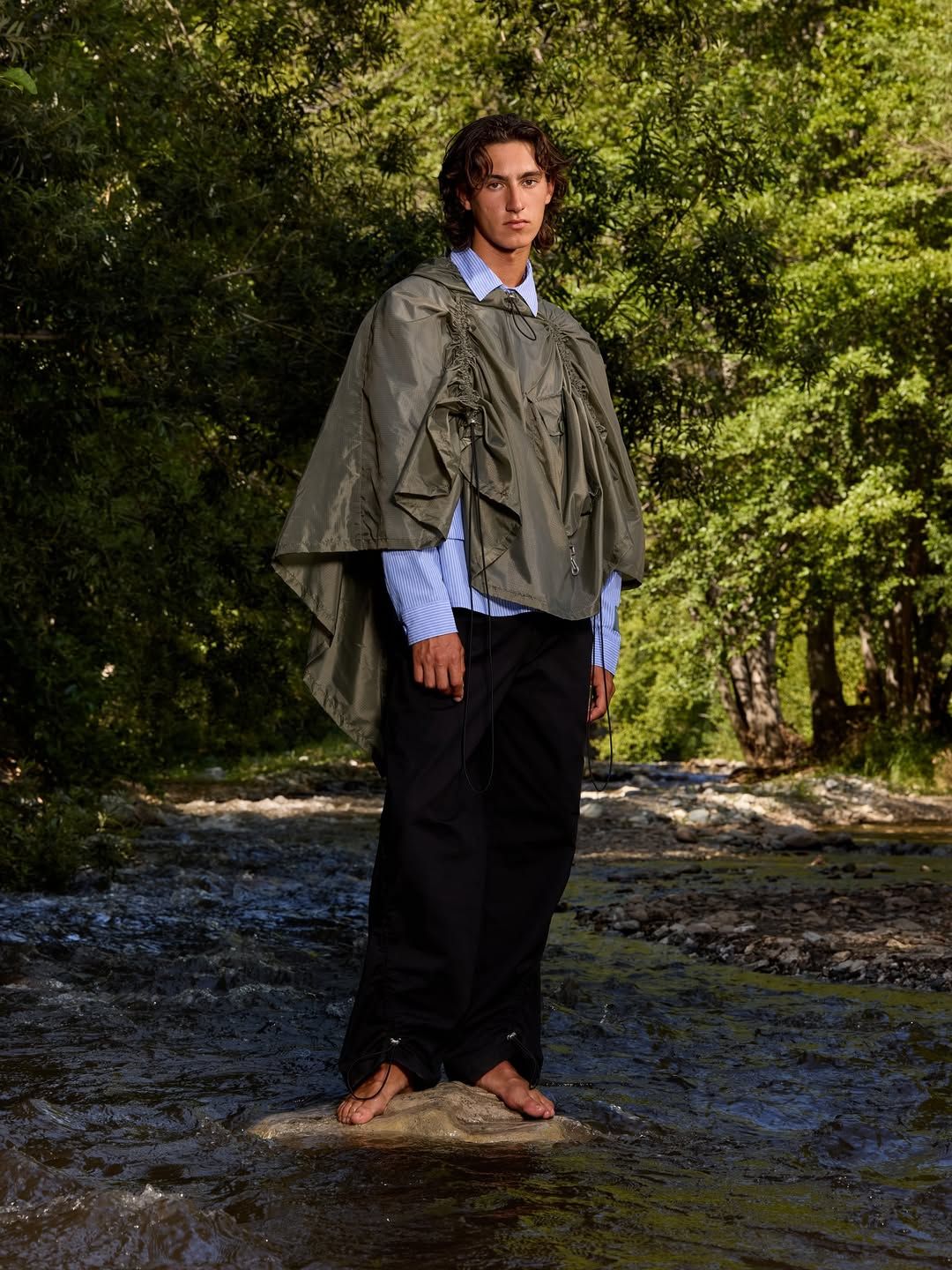
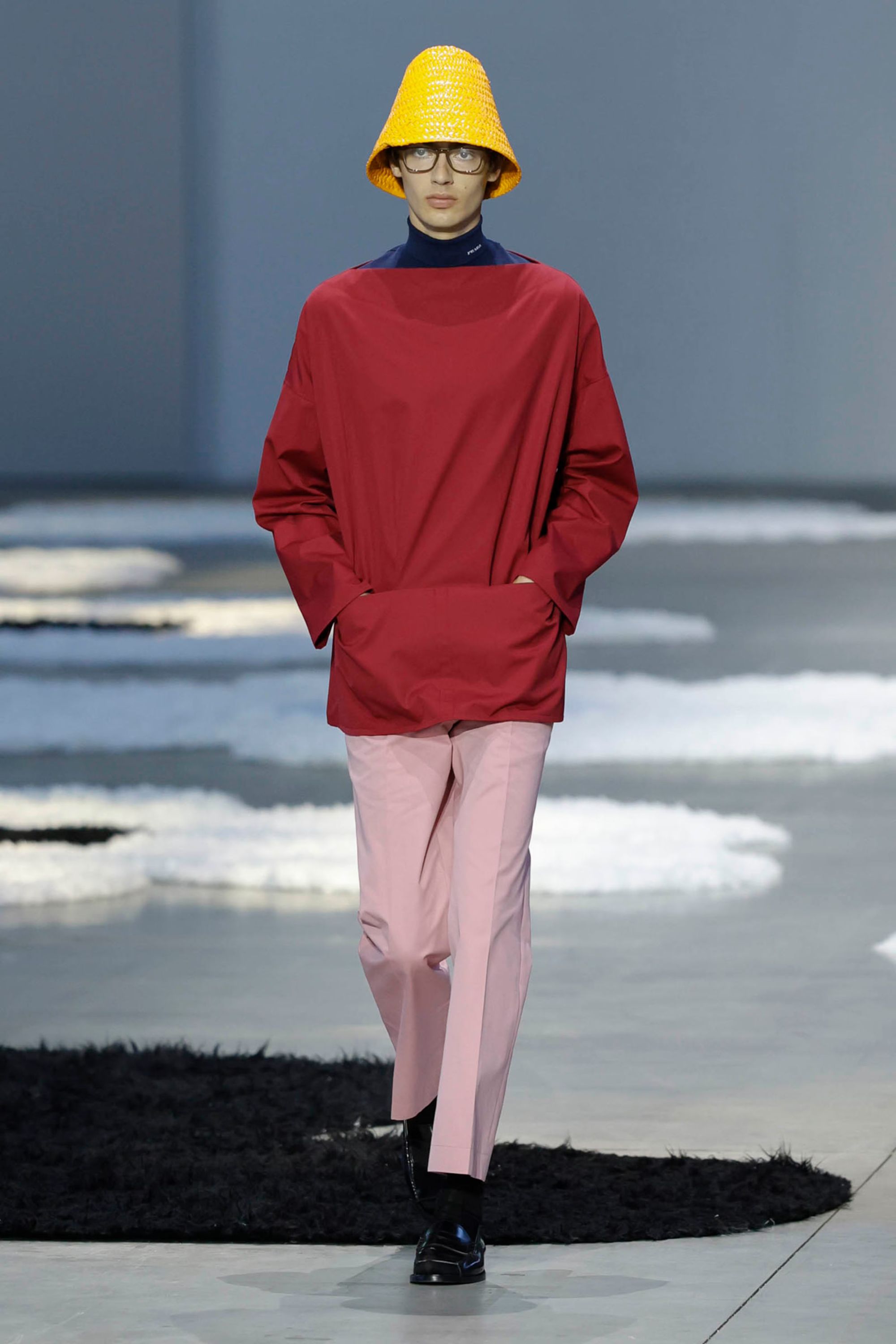
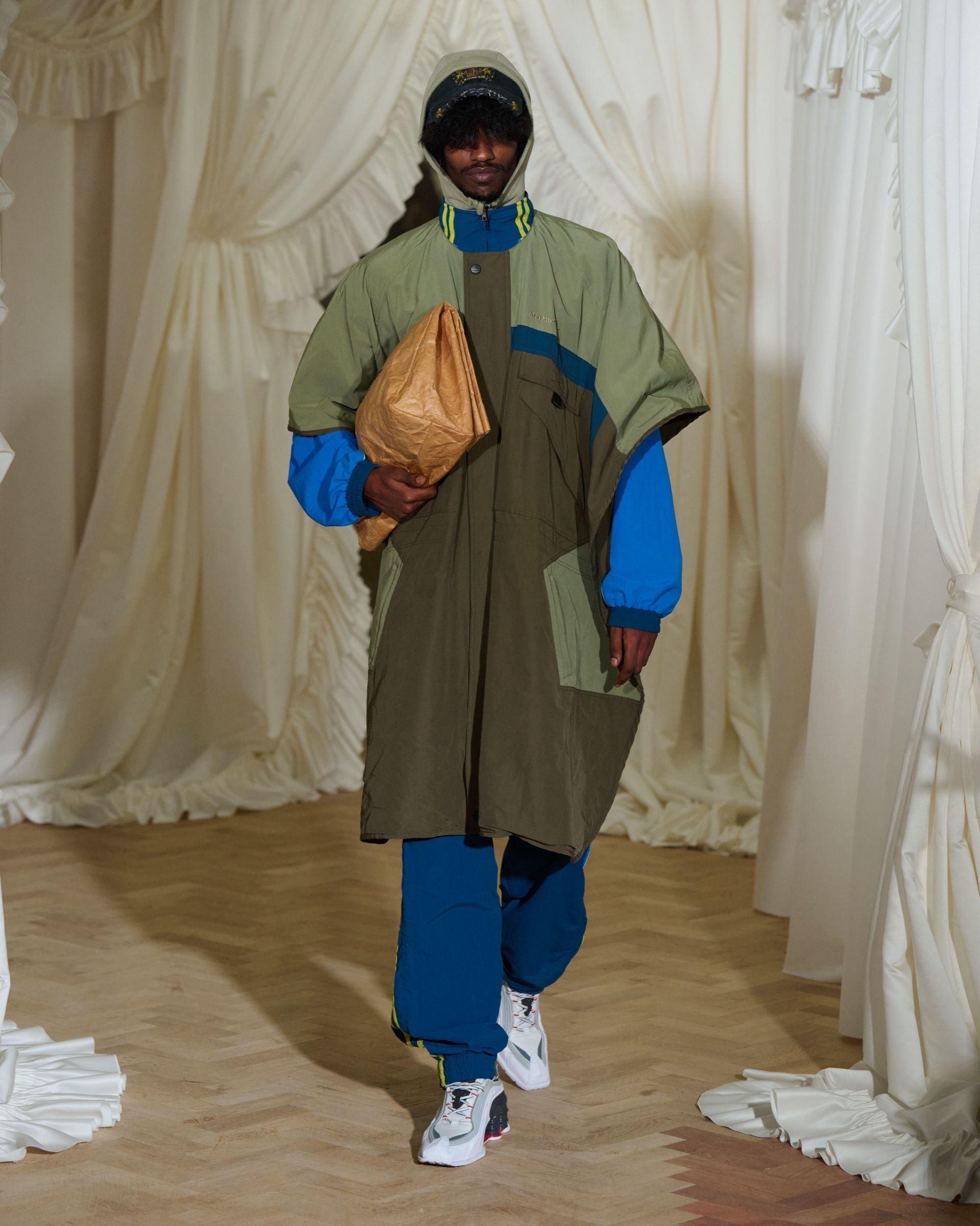
Miuccia Prada and Raf Simons, for the SS26 of Prada, have removed the hood, collar, and zipper from the Inuit jacket while keeping the typical large front pocket, and propose for the SS26 Prada menswear collection a more minimal and conceptual version of the anorak paired with conical straw hats. The garment’s London spirit is celebrated by Martine Rose, who transforms it into a poncho, and by Burberry, where Daniel Lee revisits it with the brand’s traditional check pattern also conceived as a festival look. Fittingly, the entire Gallagher family—from Liam to Lennon, Molly, and Gene—wears it in the brand’s summer campaign shot at Glastonbury.
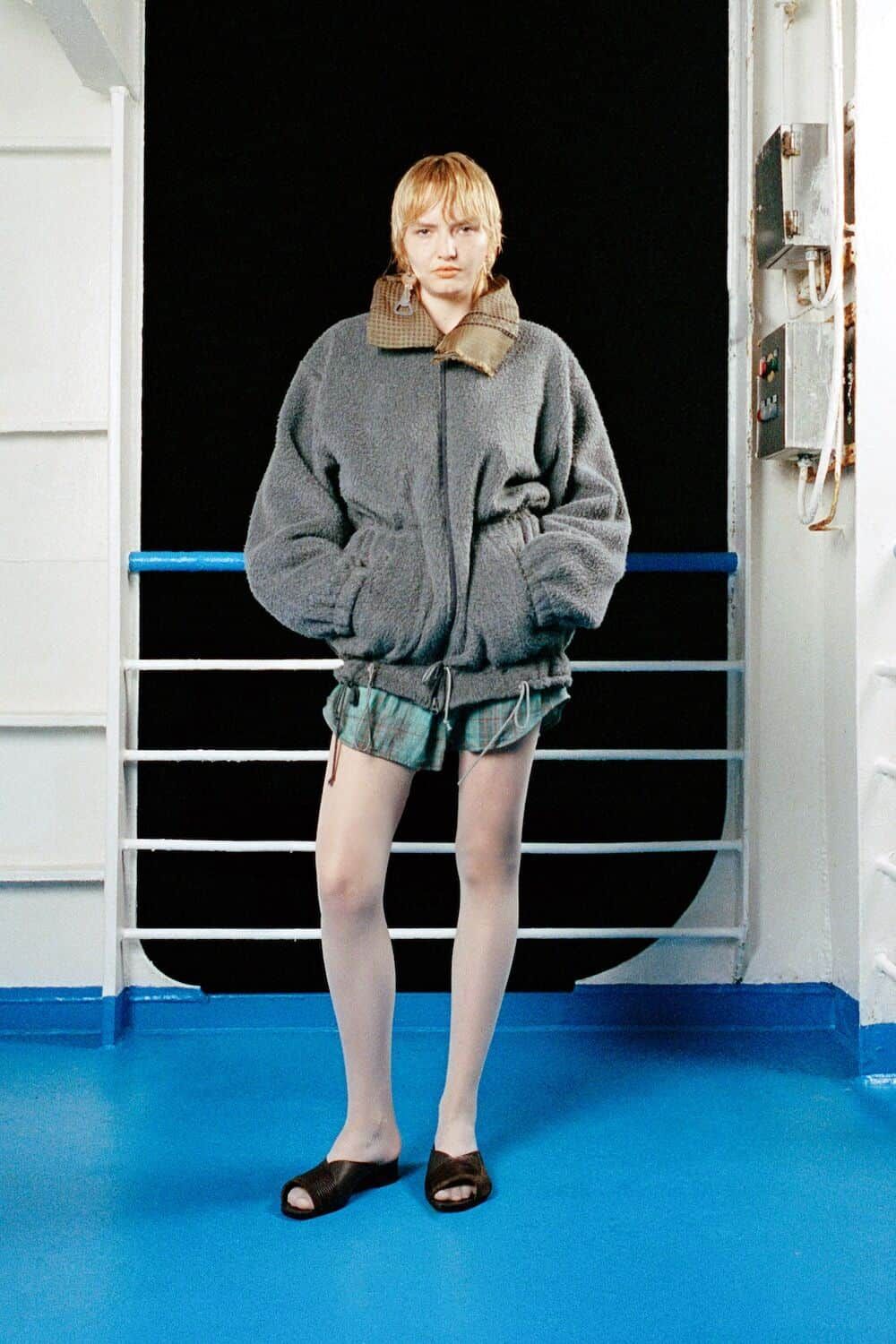
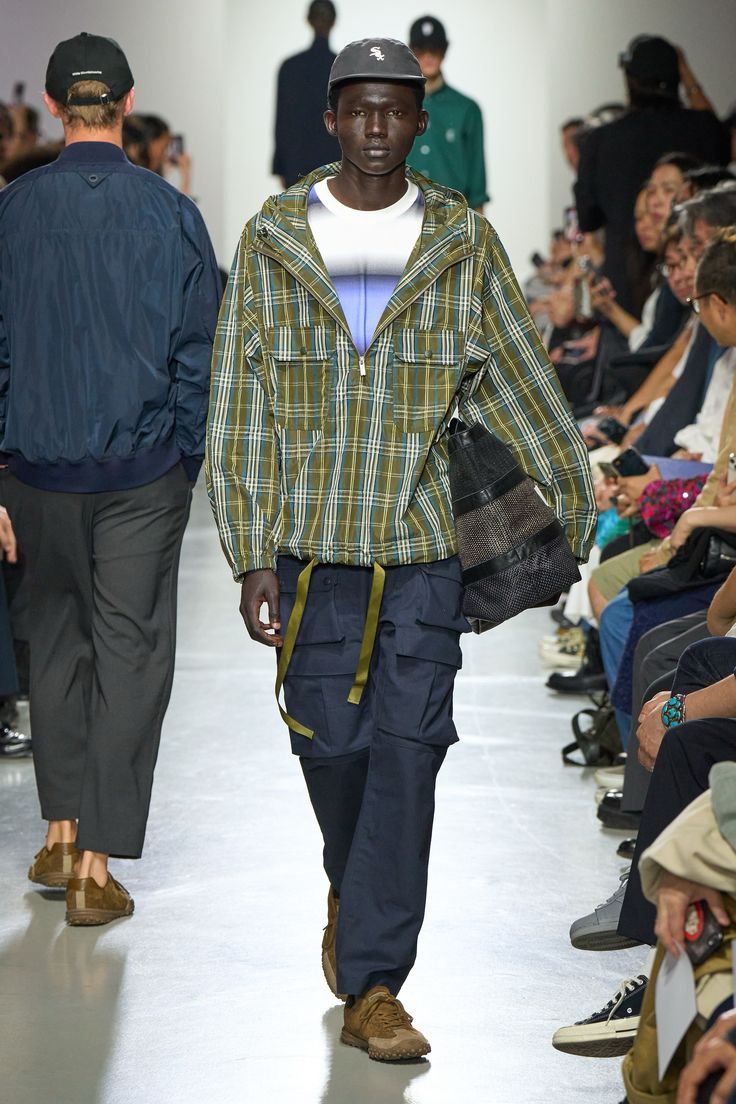
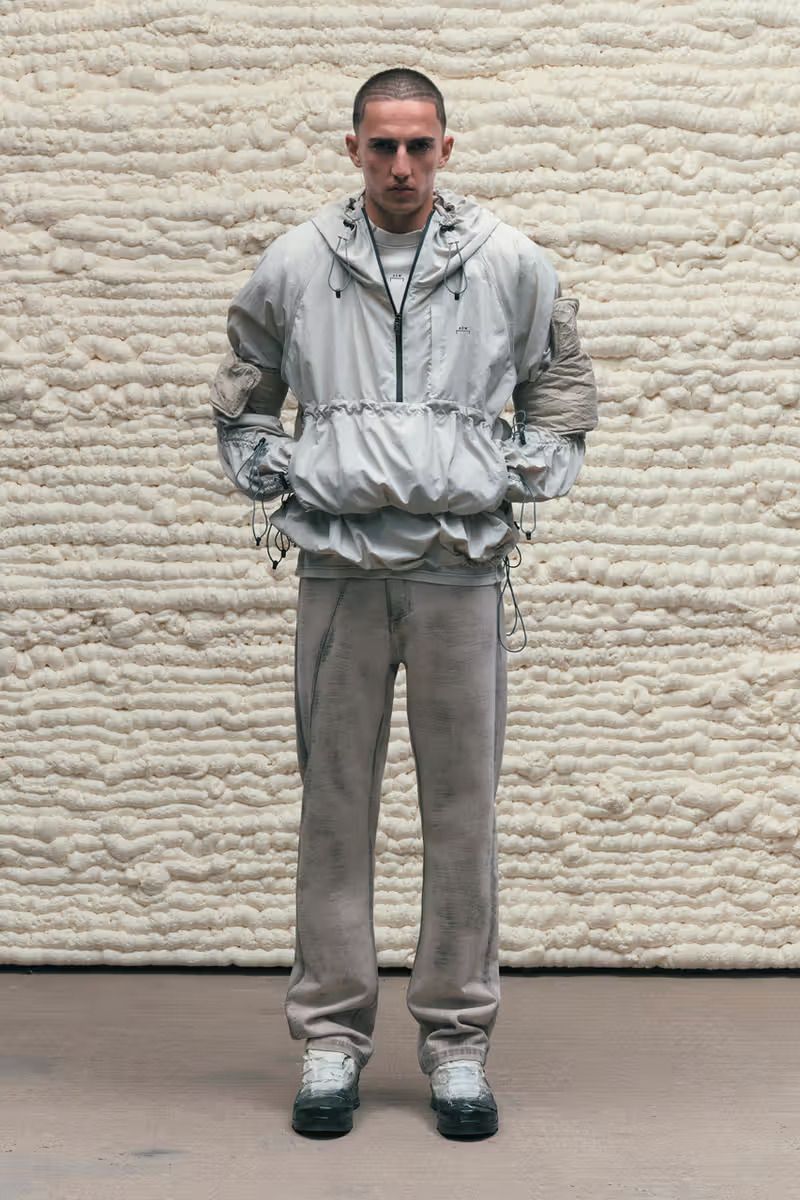
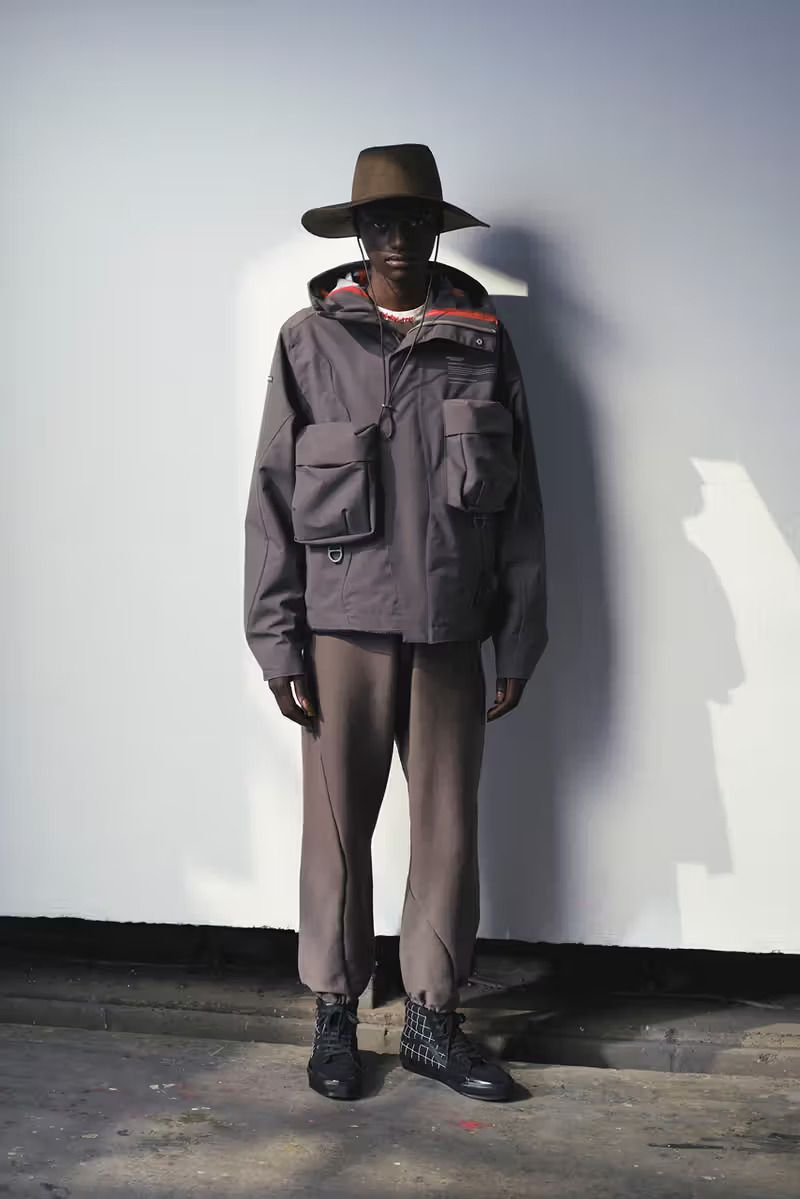
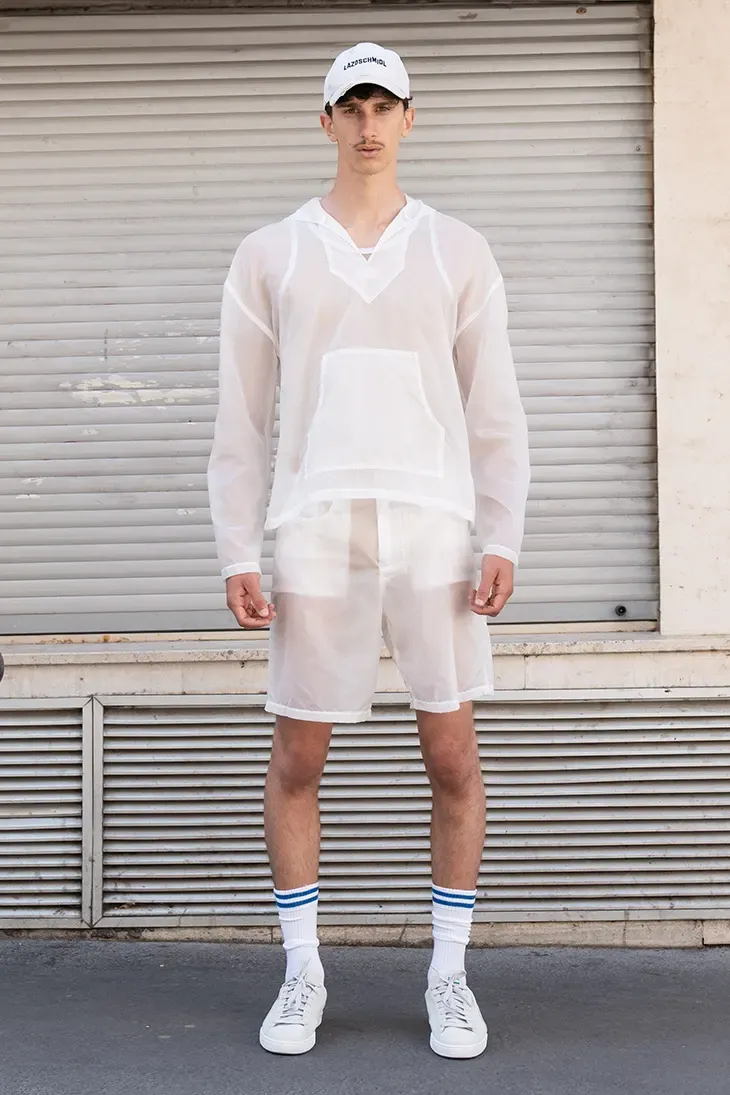
The gorpcore trend has also rekindled the charm of the anorak: for A-Cold-Wall it is an object of technical experimentation, White Mountaineering presents it as an essential trekking piece, while Reese Cooper, Undercover, and Plan C blend it with elements of the fisherman-core aesthetic. In some cases, the Inuit jacket becomes part of a set: in its most recent collection, Lazoschmidl presents a coordinated outfit with anorak and shorts featuring a plastic-effect python print. Several brands have reinterpreted the Inuit jacket using formal garments and fabrics: in the case of Nehera and MM6 Maison Margiela, the jacket is paired with classically tailored trousers, almost like an office look.
When thinking of the anorak, references to grunge style are inevitable. Auralee, for example, creates a sort of trench coat with an anorak worn underneath with checkered pants and flip-flops, while Kolor presents in its latest summer collection a windbreaker with a faded floral pattern. Along the same lines, Magliano features a kind of felted anorak with the edge of a checkered flannel shirt peeking out. Brands like Rolf Ekroth and Emporio Armani instead offer the padded jacket in patchwork versions: the former shows a cargo set mixing various checkered prints, the latter a ski suit that looks like it came straight from an ’80s wardrobe.
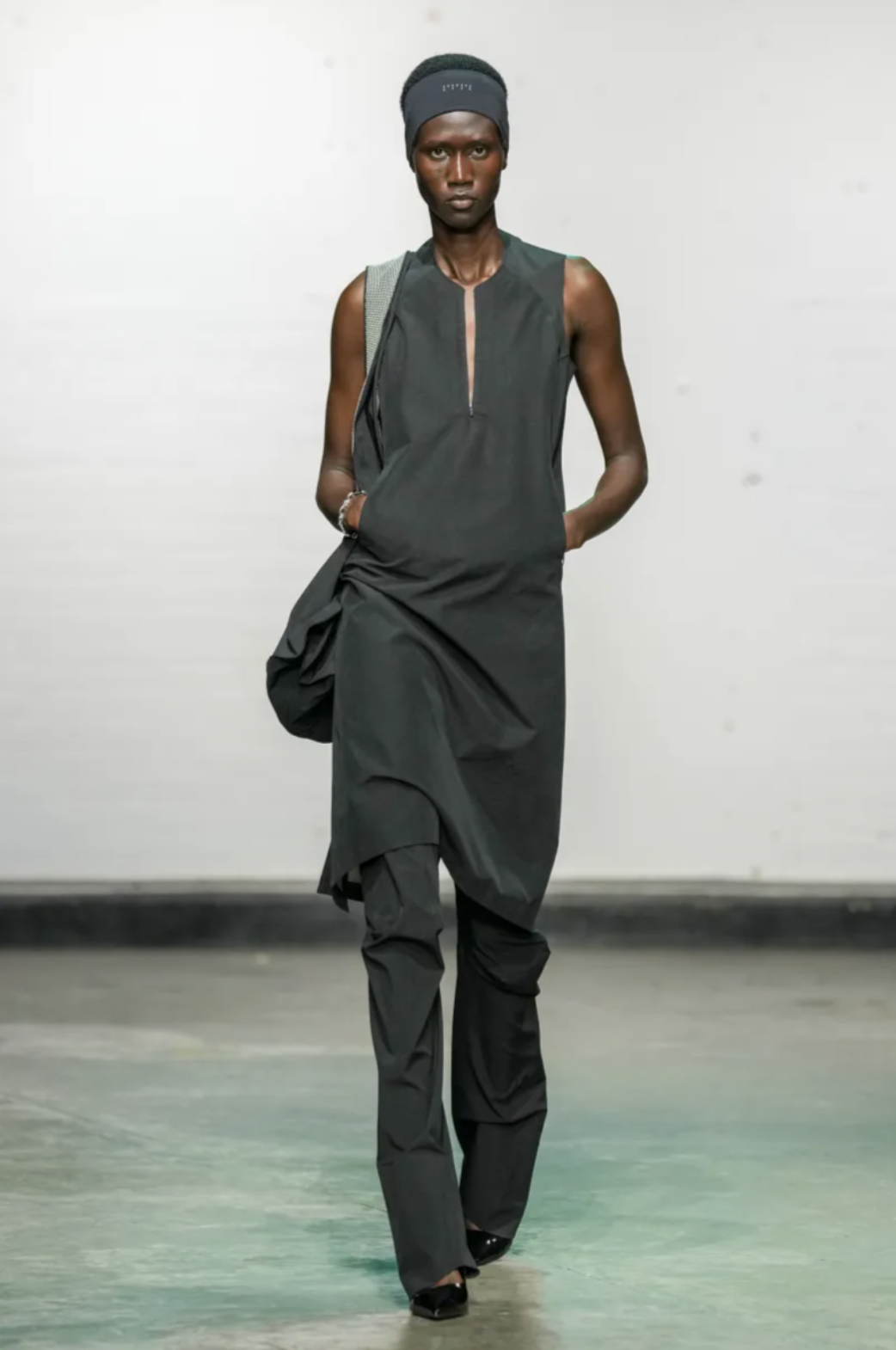
Even niche minimalist brands have rediscovered the anorak, interpreting it in different ways: Johanna Parv turns it into a key element for monochromatic outfits, TWP pairs it with more formal pieces, and Lemaire in its latest summer collection presented multi-pocket parkas and thin military-green windbreakers, sometimes embellished with tribal jewelry reminiscent of Inuit community amulets. Other designers preferred to offer a deconstructed version of the Inuit jacket: at Ferragamo Maximillian Davis, inspired by dancers’ rehearsal looks, created deconstructed jumpsuits and windbreakers for SS25 while keeping the anorak’s “wrinkled” texture, while Ambush enriches the Inuit jacket with cowboy fringes, Maison Mihara Yasuhiro features a sleeveless parka with extra sleeves stitched to the front, and Craig Green breaks down the coat by applying laces to its edges or showing it worn inside out.
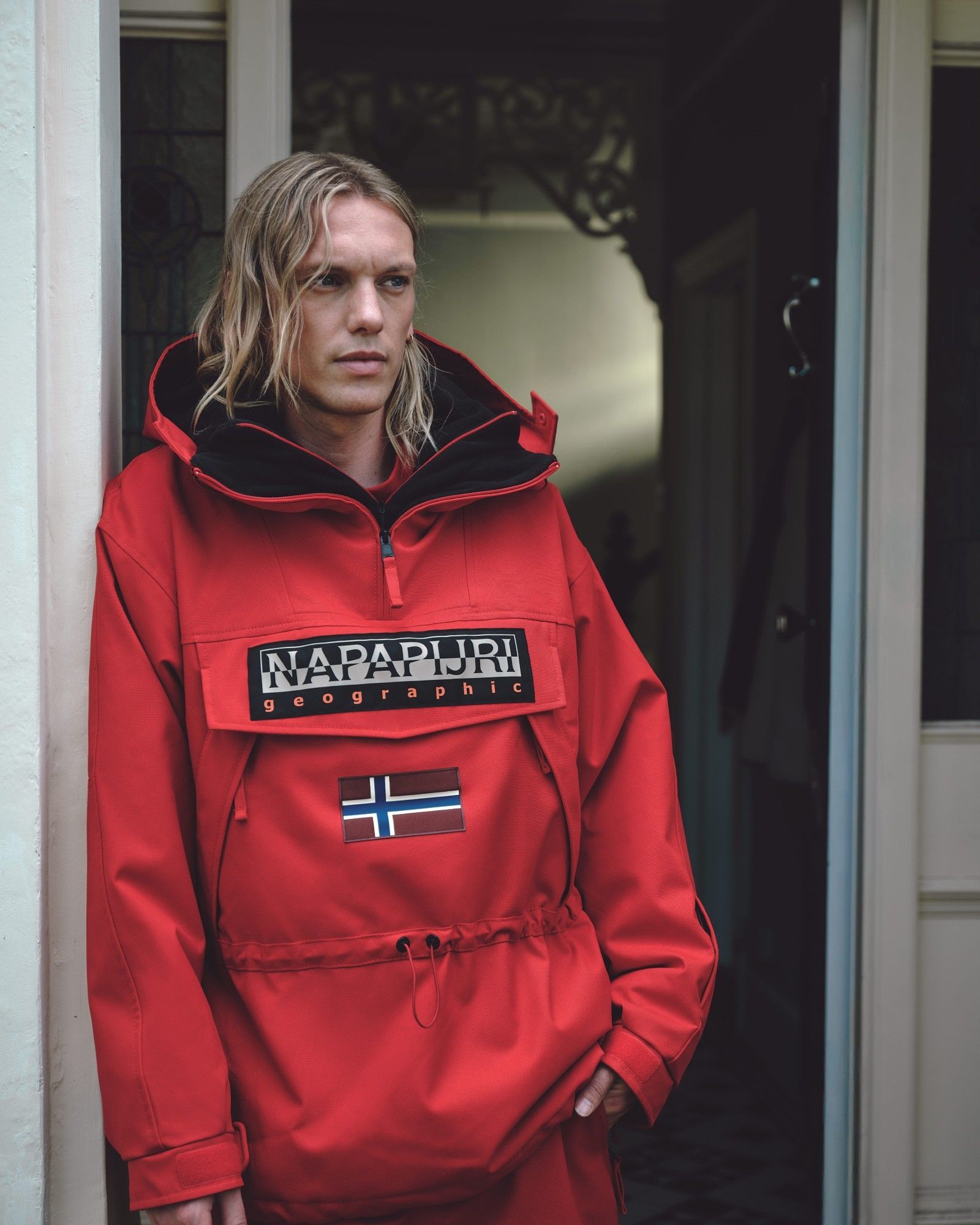
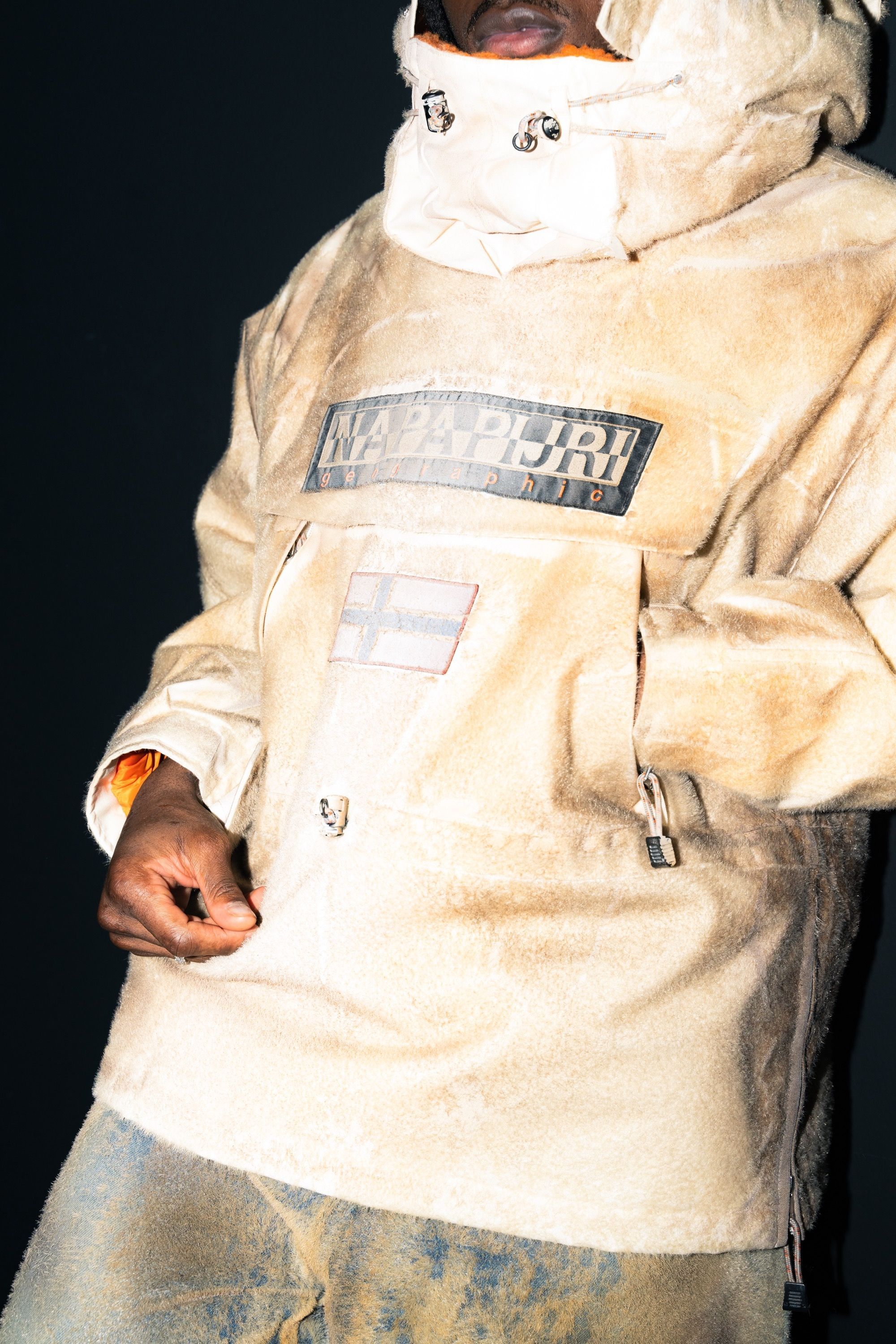
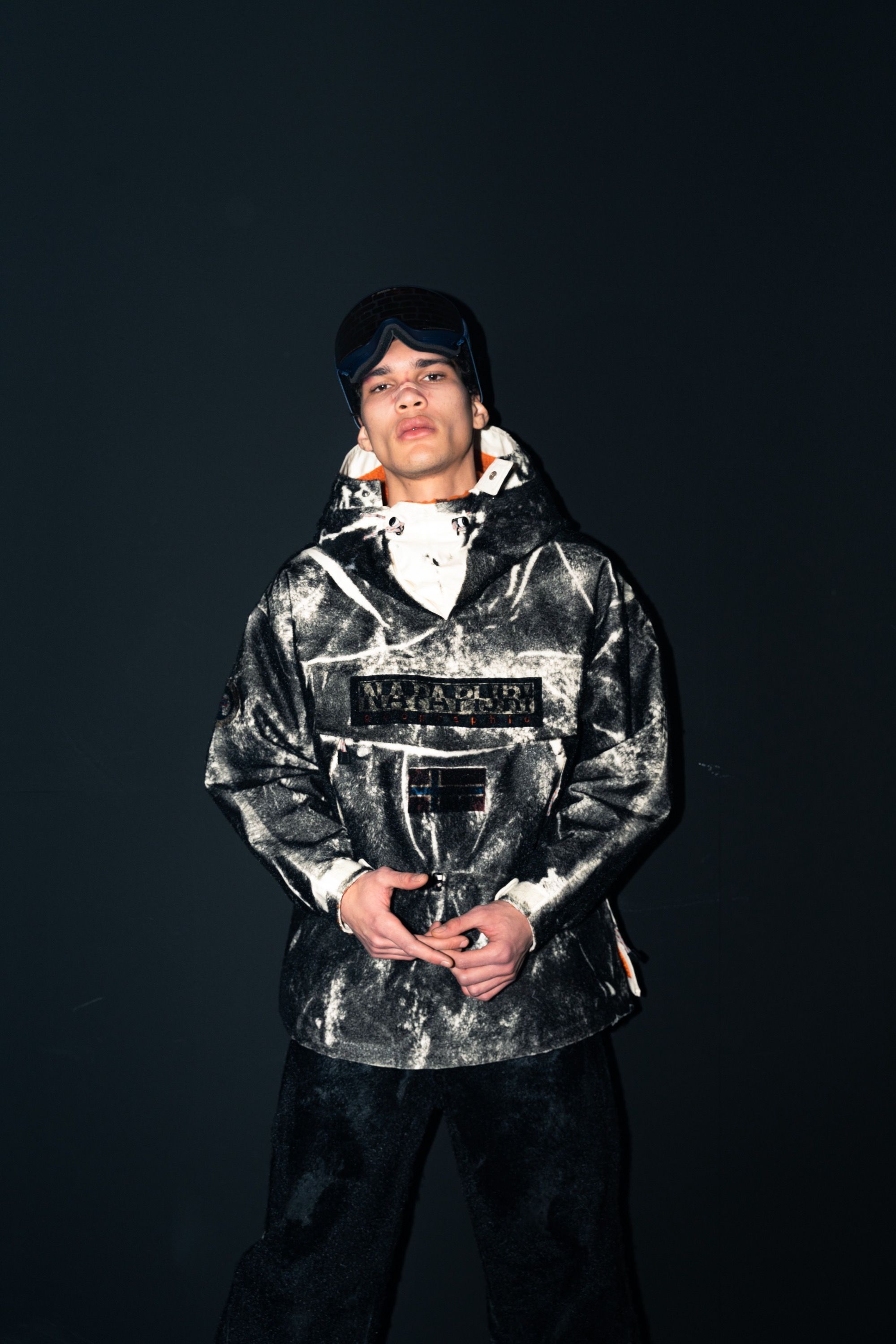
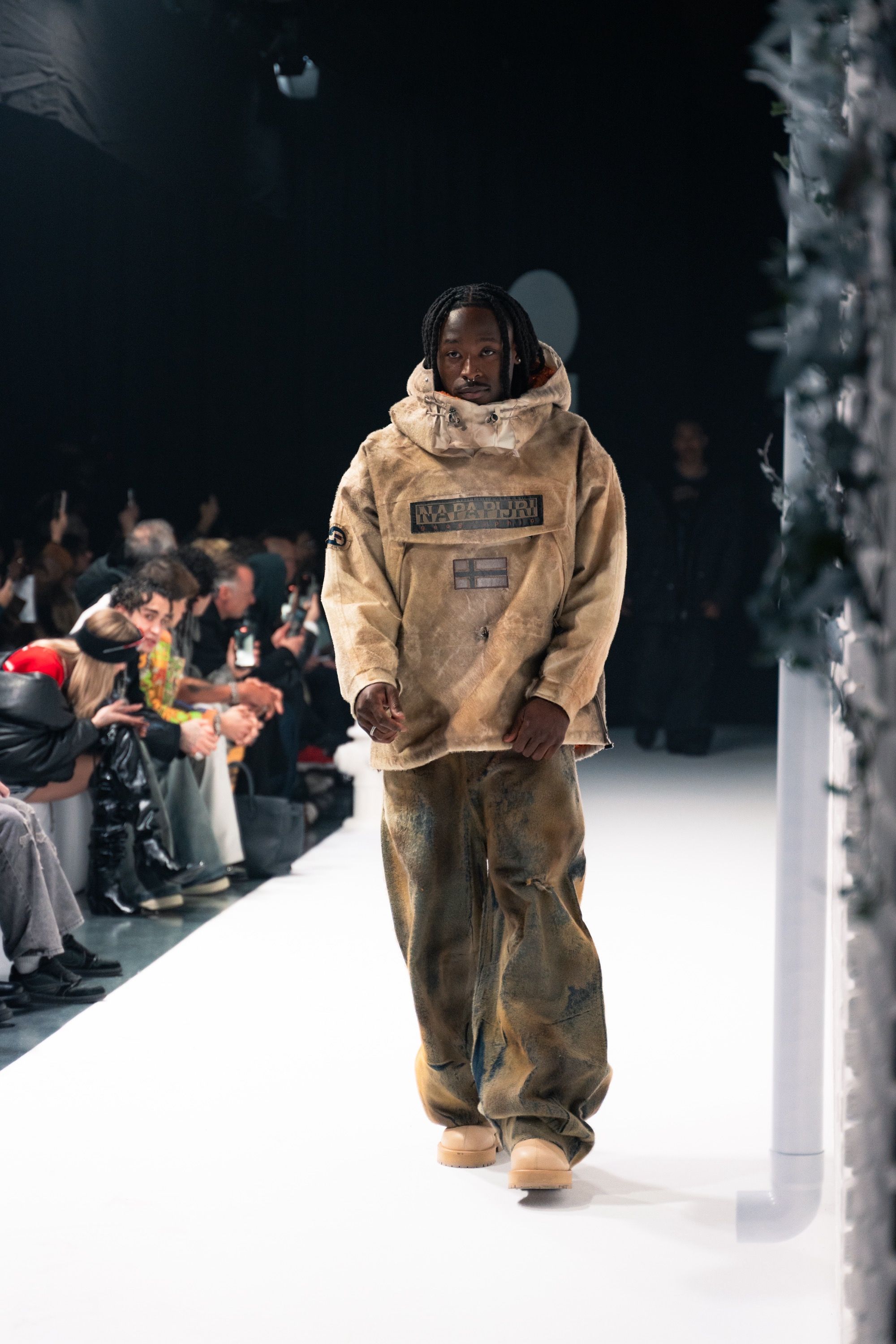
The anorak has been and still is very popular in the world of rap and more generally of streetwear. Domenico Formichetti, founder of PDF, has celebrated its connection to hip-hop culture in his latest shows, where he also unveiled a collaboration with cult brand Napapijri. Likewise, Willy Chavarria reinterpreted the street spirit of the anorak in his SS26, presenting oversized tracksuits with multi-pocket windbreakers and intertwining the jacket with the roots of Chicano subculture.