

























Wicker baskets are (once again) our favorite bags this summer From Jane Birkin to Catherine Deneuve, how to turn a picnic bag into a red carpet accessory
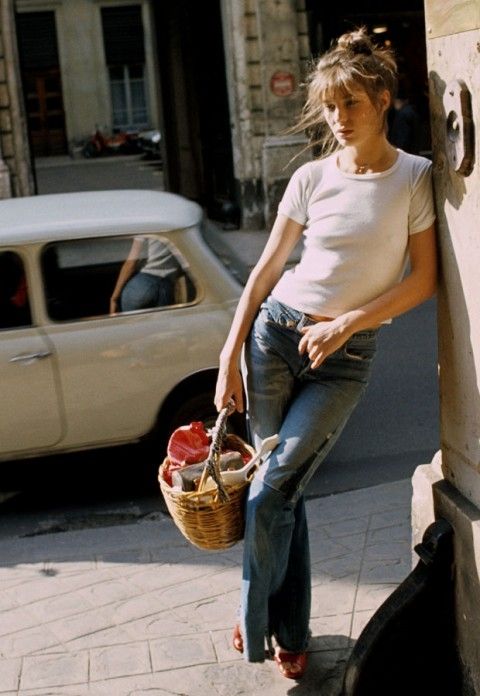
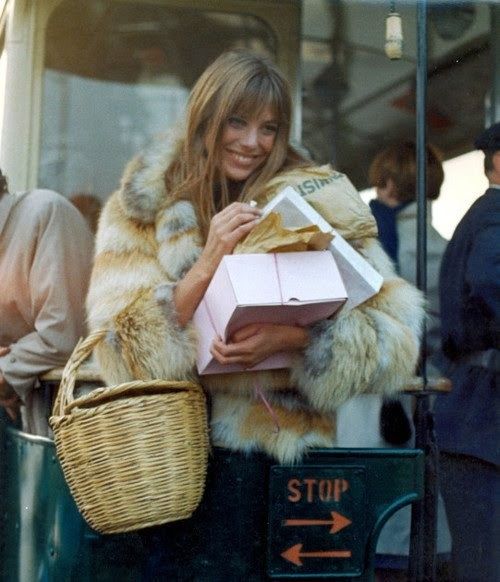
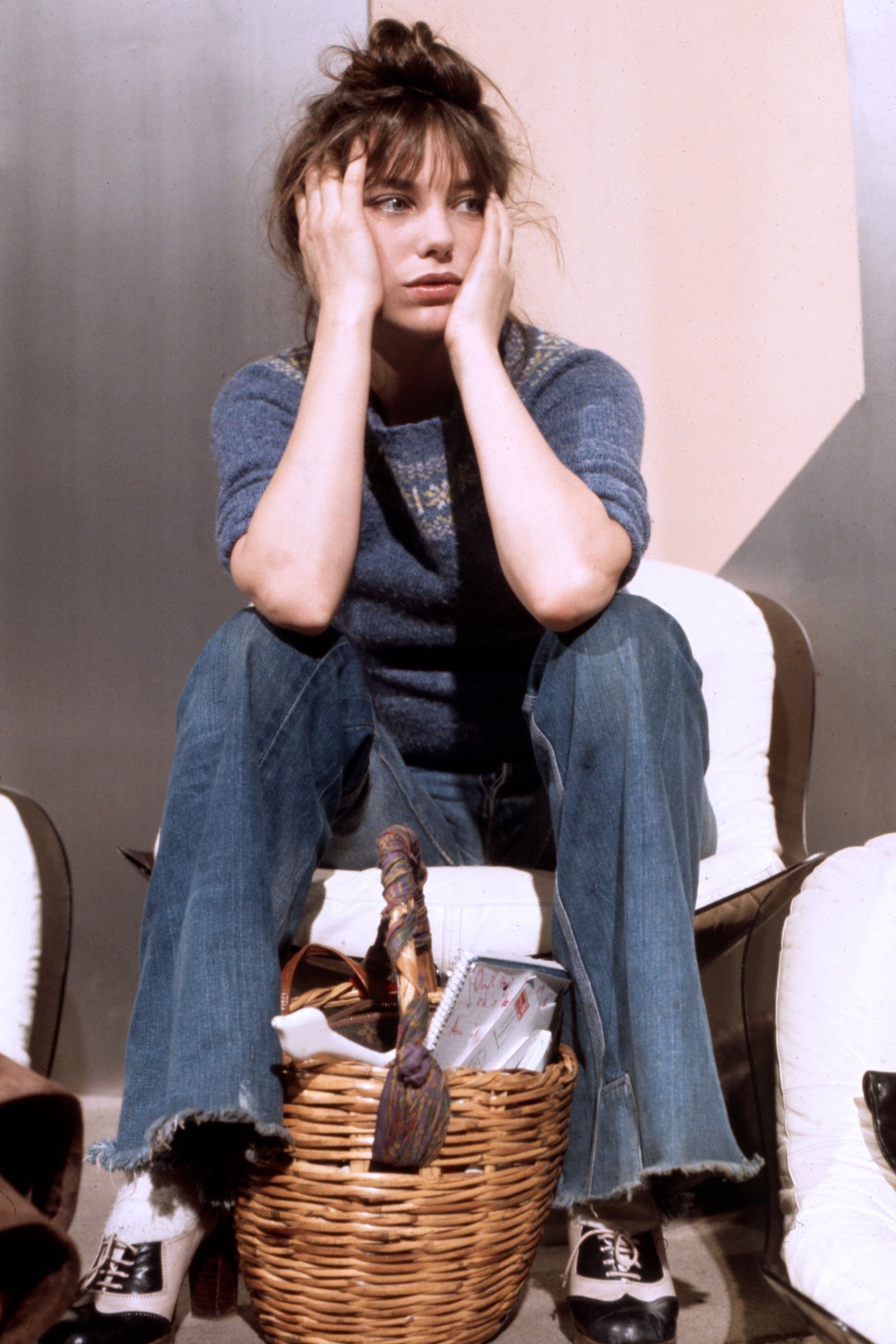
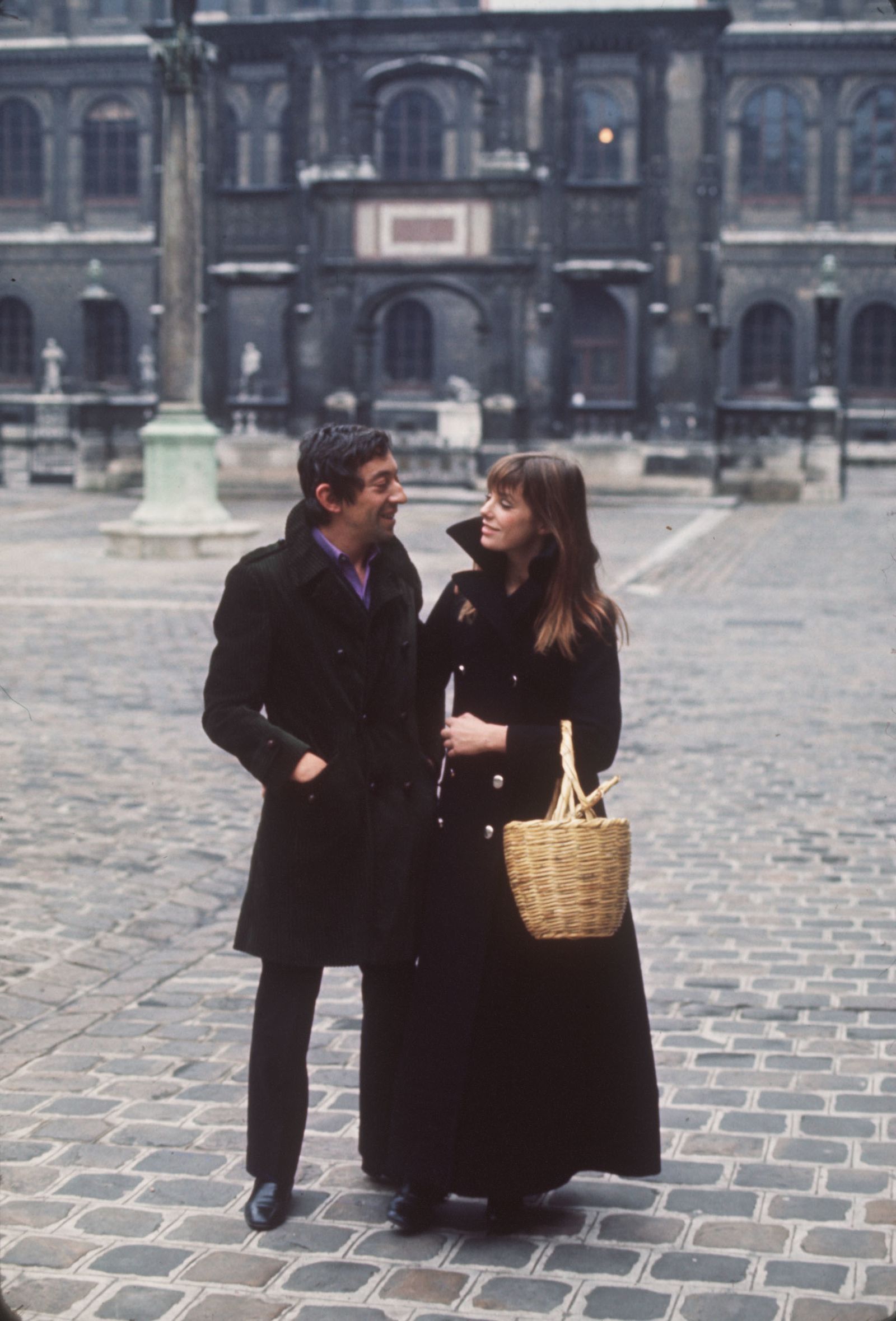
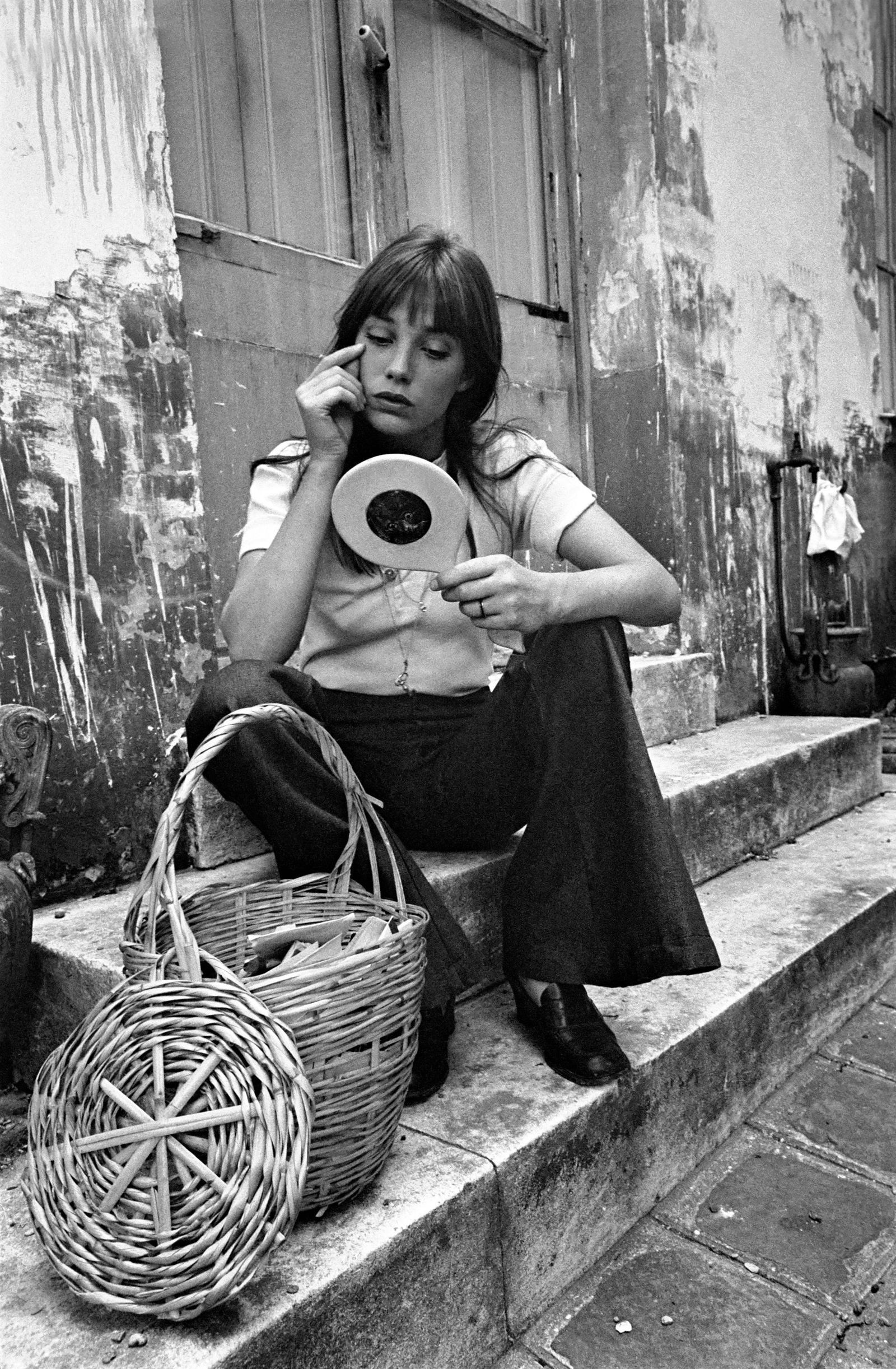
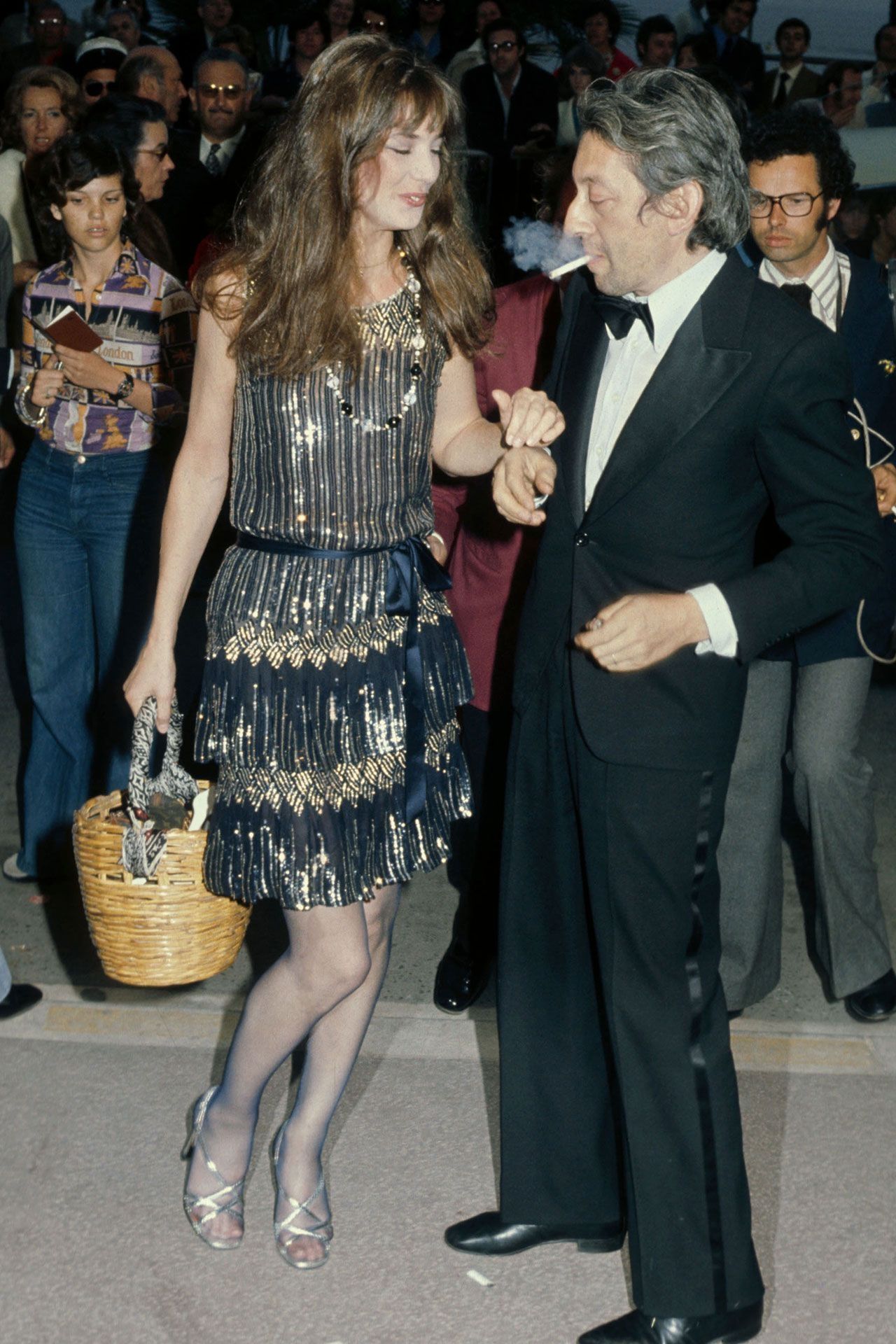
Whether worn in the city, to the market, the beach, or for a lovely picnic on the Champ-de-Mars, the basket bag has been, for over a century, not only a timeless and elegant piece of the French wardrobe but also of unbeatable practicality. Every year, it reappears around Easter and doesn’t leave us until autumn arrives, even though it is all-terrain and four-season. And once again this summer, whether round, egg-shaped, worn over the shoulder, as a clutch, or as a tote, the basket bag is back — to our great delight. If there’s one thing the basket bag has taught us, it’s that the line between shopping bag and it-bag is a fine one. So here’s a quick history of the basket bag, from its origins to today, at a time when it has left the market stalls to appear on the shelves of the biggest fashion houses.
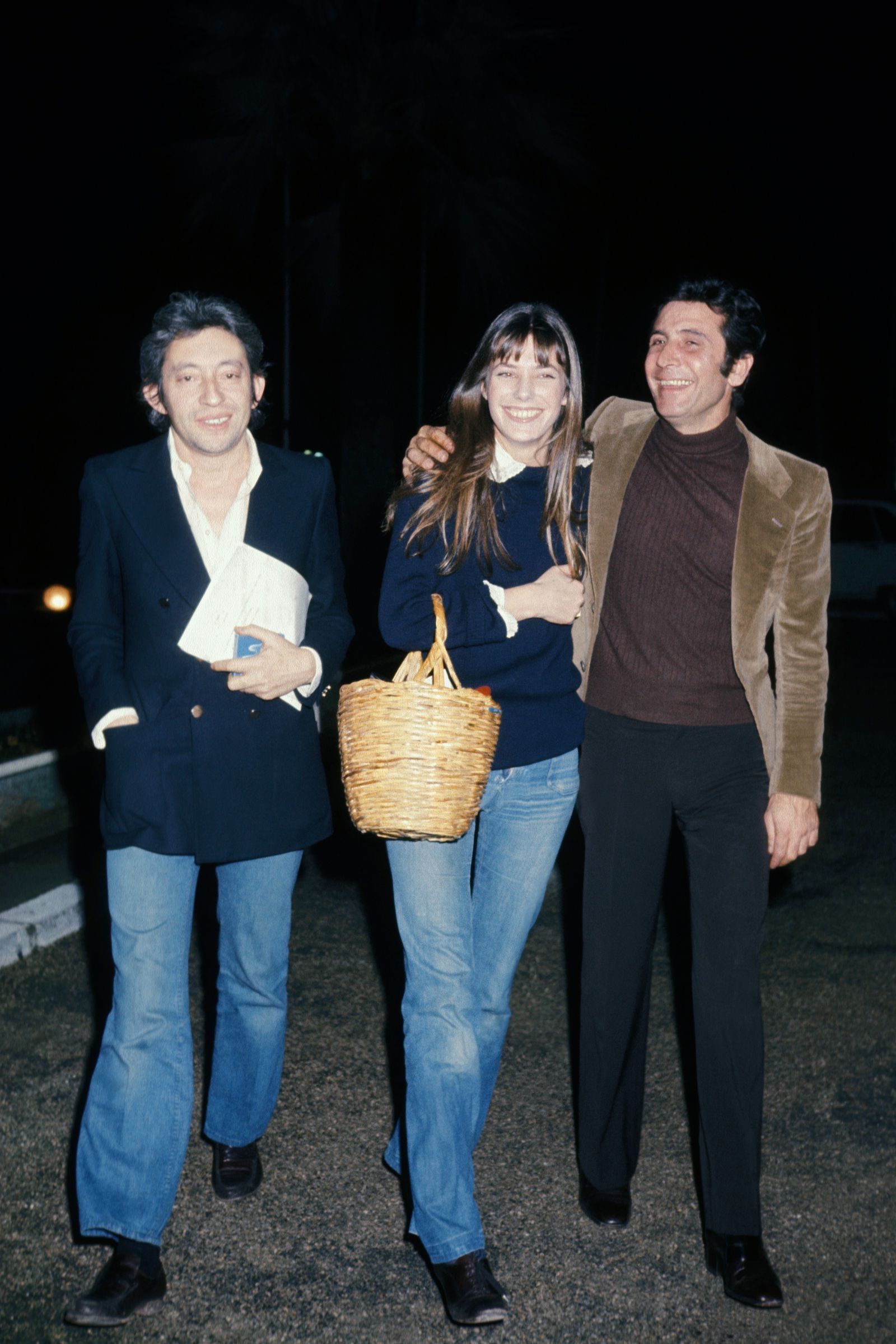
Whether made of wicker, straw, bamboo, or raffia, the basket bag is everywhere. Yet the beginning of its story didn’t predict a bright future in fashion for this original piece, but rather in the world of furniture. The art of basket weaving and wicker braiding arrived in France in the 1900s, straight from Ancient Egypt, and was originally used to decorate the furniture and homes of wealthier classes. The wicker bag itself was used to carry goods, belongings, or everyday objects. But nothing escapes fashion, which, as early as the 20th century, took this everyday object and transformed it into a trendy, fashionable, elegant piece. More than a fashion house, it’s a fashion icon we owe this transformation to: Jane Birkin, a proto-it-girl who, before inspiring Hermès' Birkin bag, inspired thousands of young French women to turn the raffia tote they used for shopping into a real fashion item. Whether she wore it in the city with her iconic jeans/white shirt combo or on the most elite red carpets, like at the Cannes Festival in 1974, Jane Birkin took her basket bags everywhere.
Cinema also helped bring the accessory into the spotlight: the basket bag appears in cult films like Jacques Deray’s La Piscine (worn by Jane Birkin herself), To Catch a Thief (with Grace Kelly), and Jacques Demy’s The Young Girls of Rochefort with Catherine Deneuve. Very quickly, major fashion houses embraced the trend: between the “Classic Panier” from Celine, the “Cabas Woody” by Chloé, Jacquemus’ “Panier Soli,” and the “5 à 7” by Saint Laurent, customers are spoiled for choice. In the past three months alone, searches for raffia bags from Loewe have increased by 1600% on Net-a-Porter, reports The Guardian — a clear indicator that fashion trends come and go, but the basket bag remains. The only downside one could argue is that, even though it represents French craftsmanship, basketry is low-paying work and risks disappearing due to ever-lower demand, outpaced by fast fashion. So let’s hope this trend’s persistence not only inspires people to get themselves a basket bag but also to support the small artisans who’ve been working wicker for over a century, making these unique made-in-France pieces possible.