




















Even creative directors need a trailer When waiting isn't enough, along comes anticipation
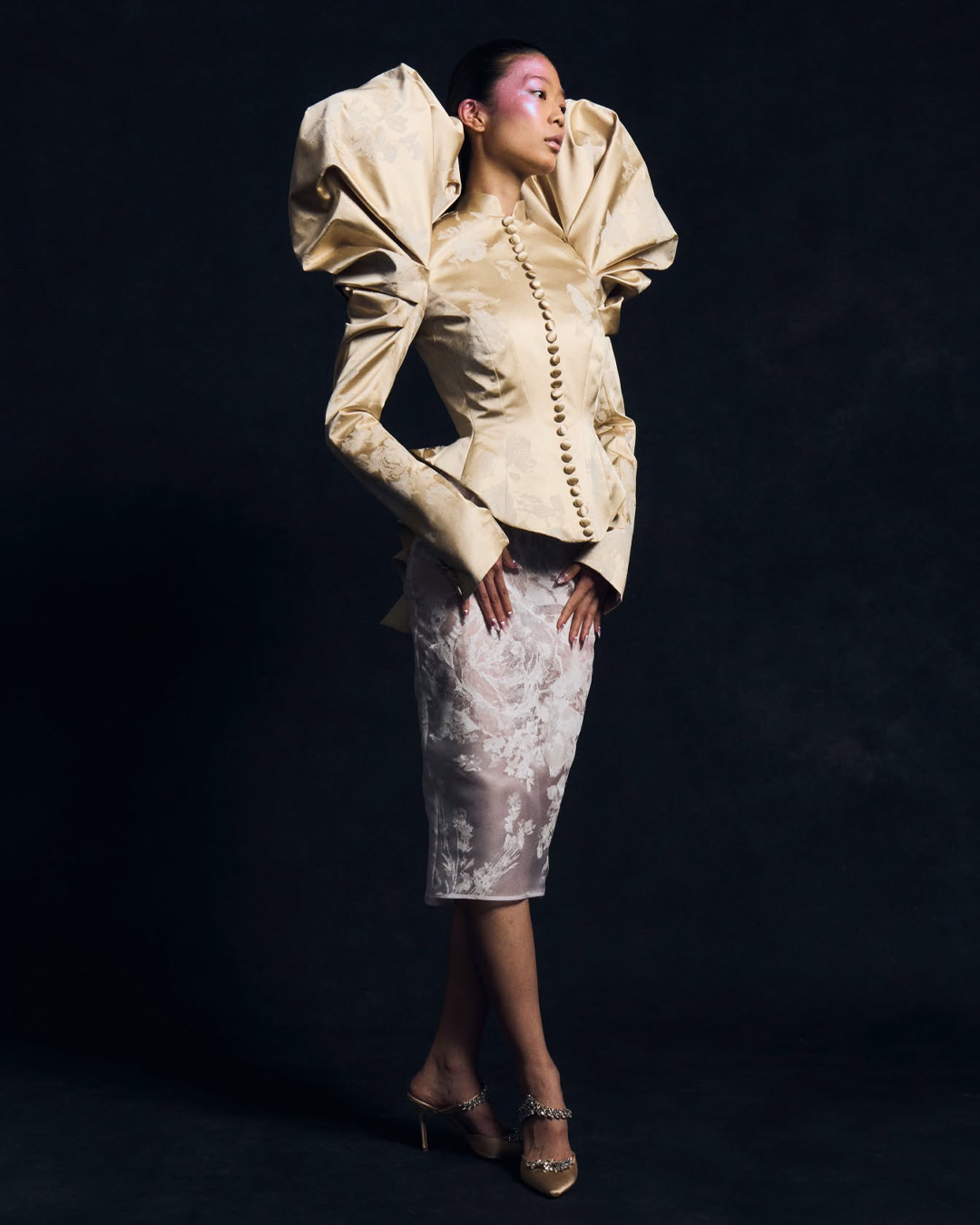
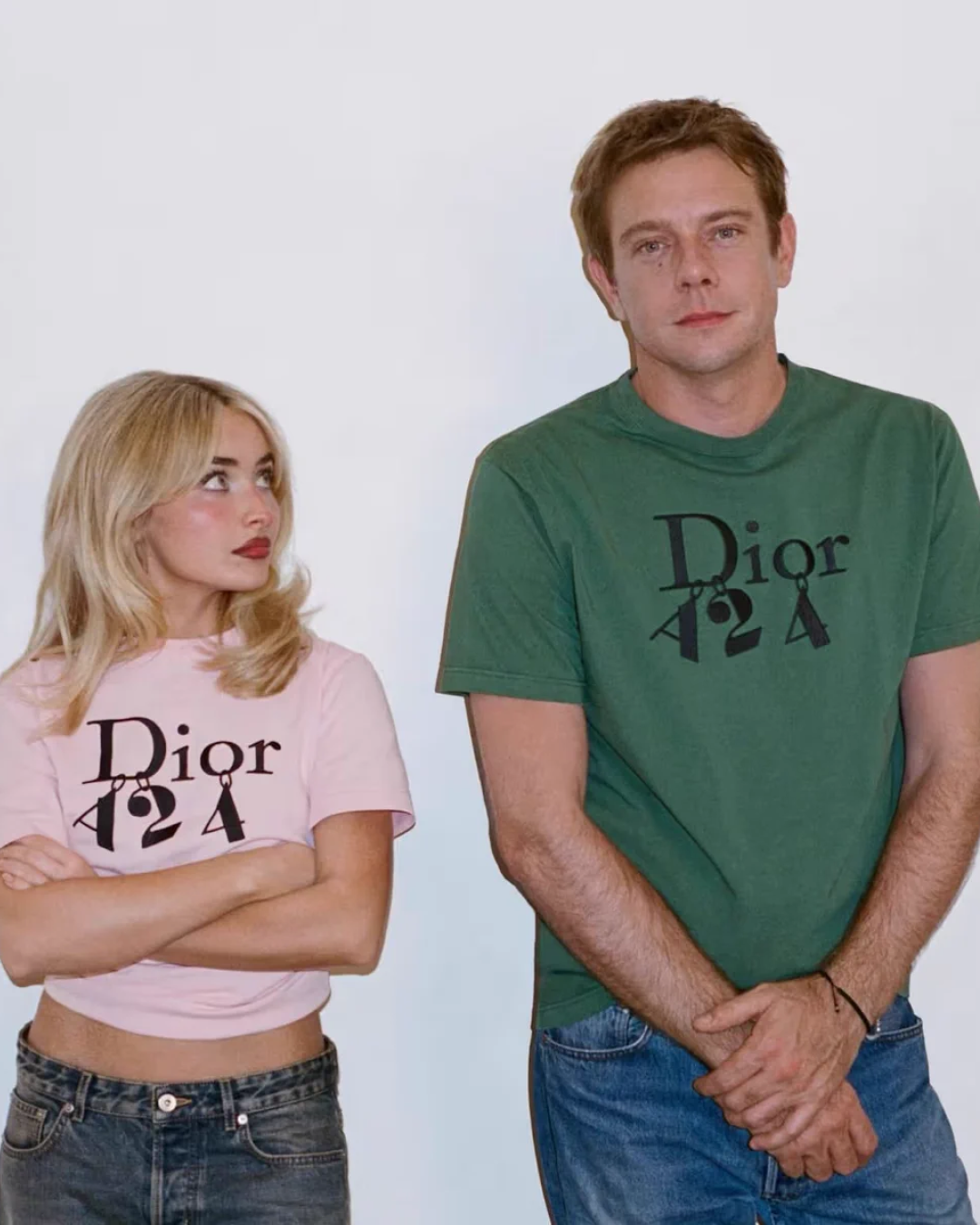
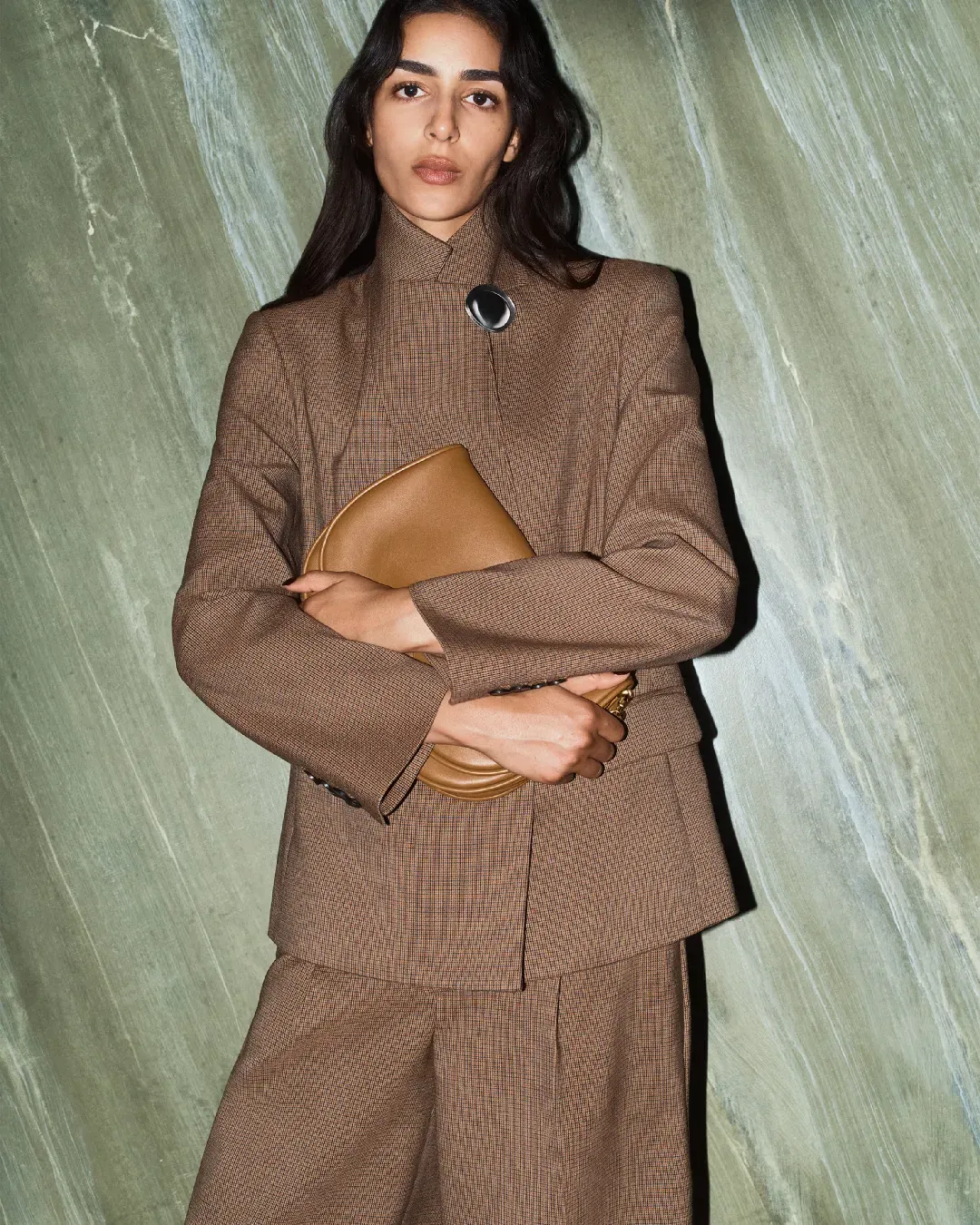
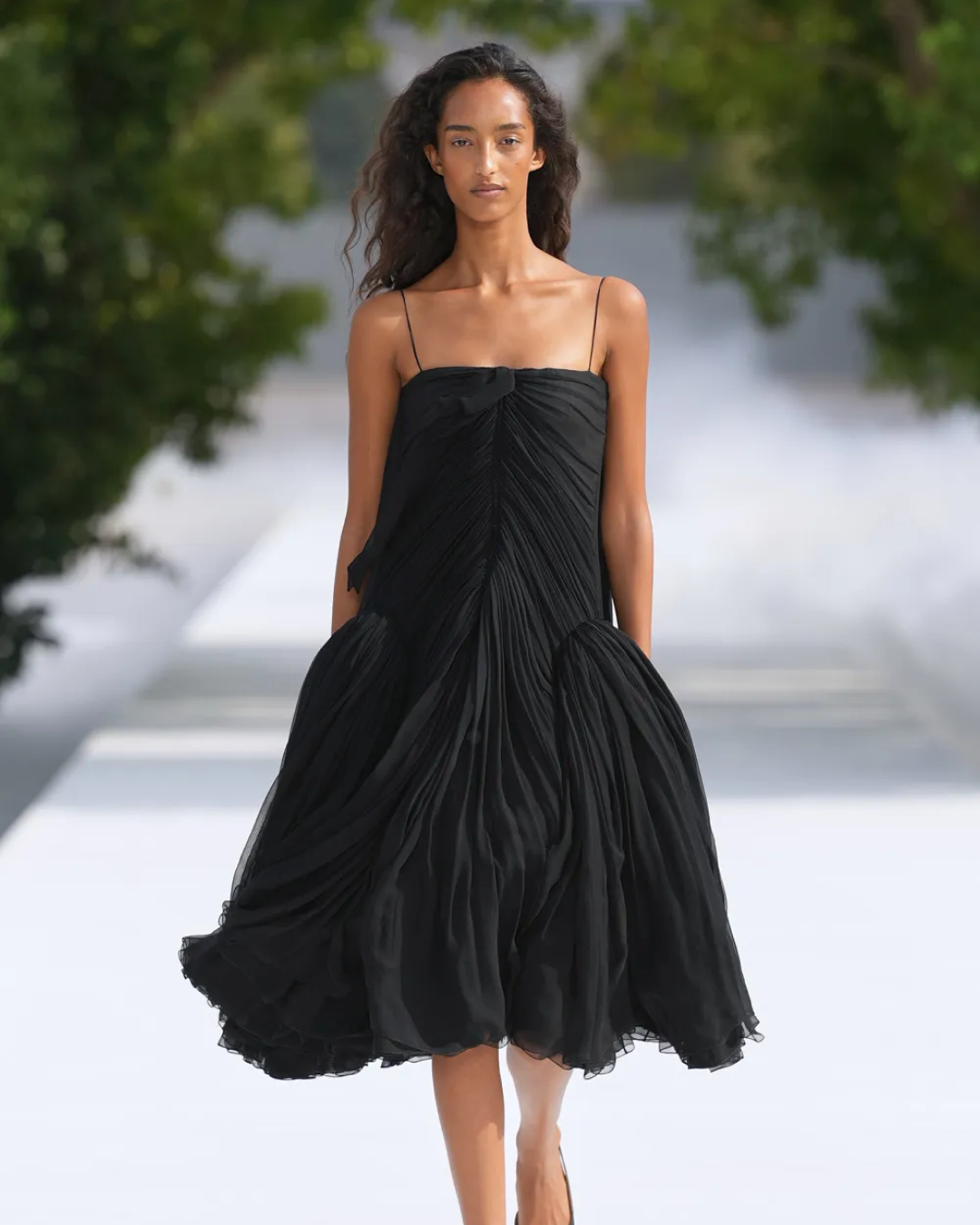
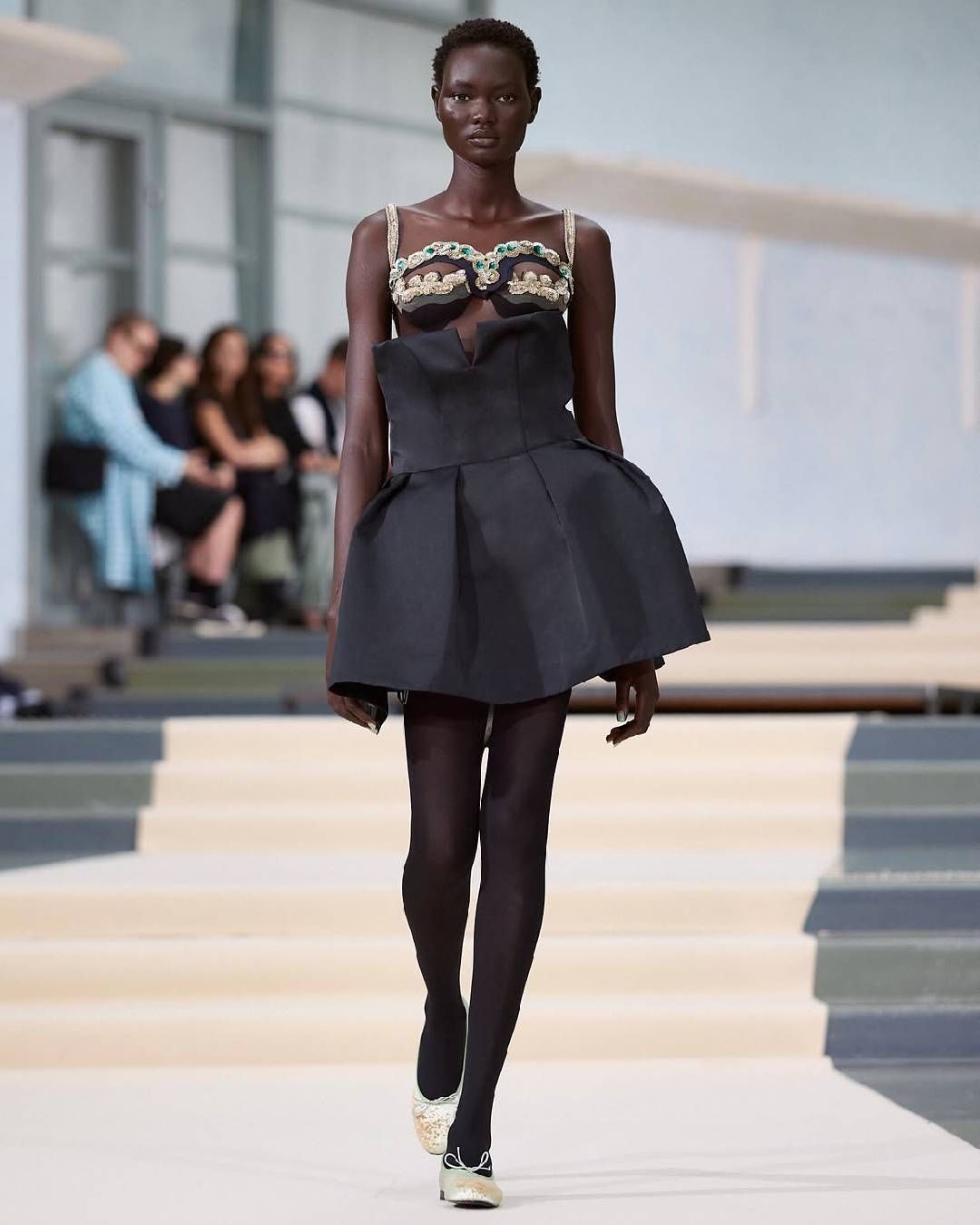
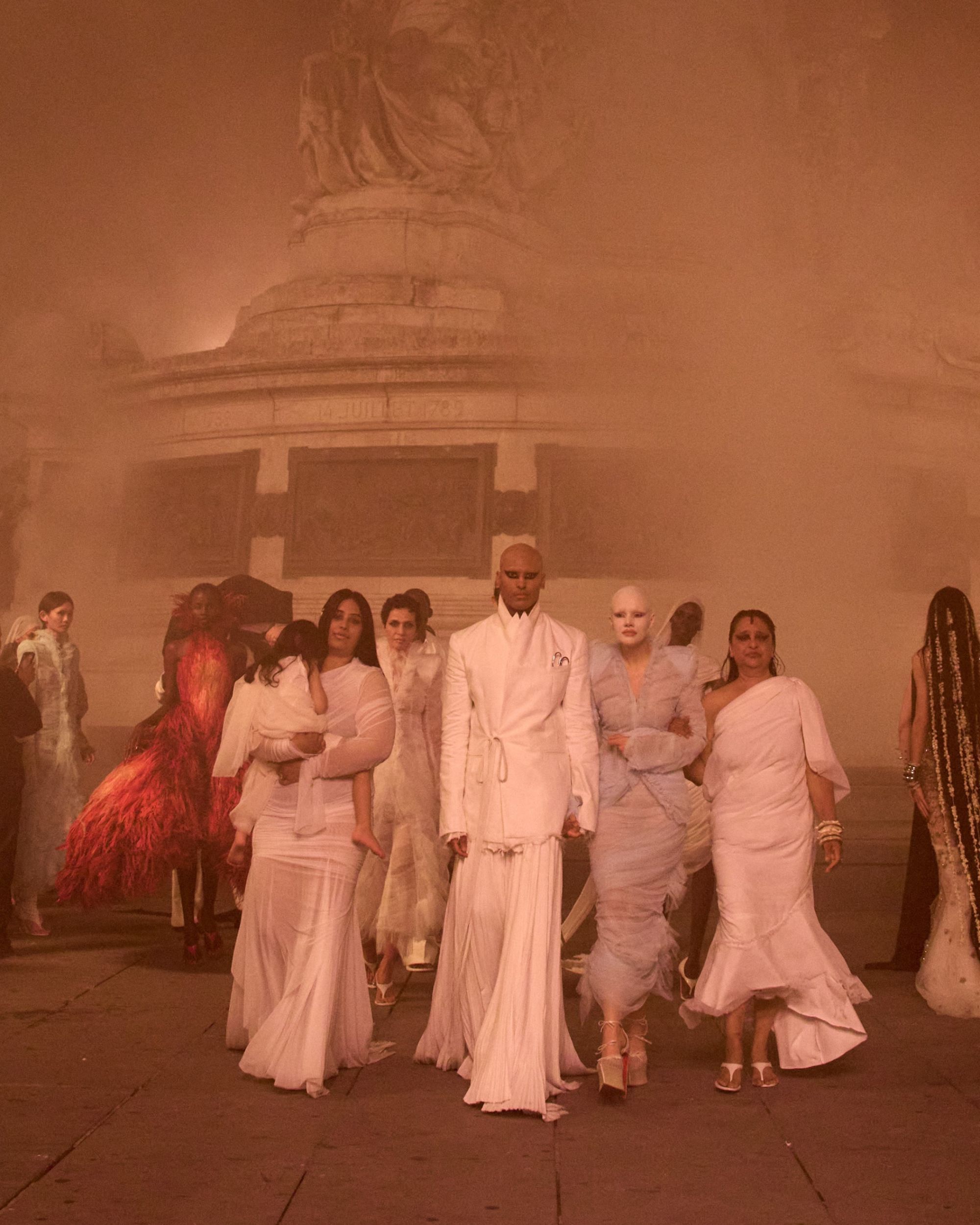
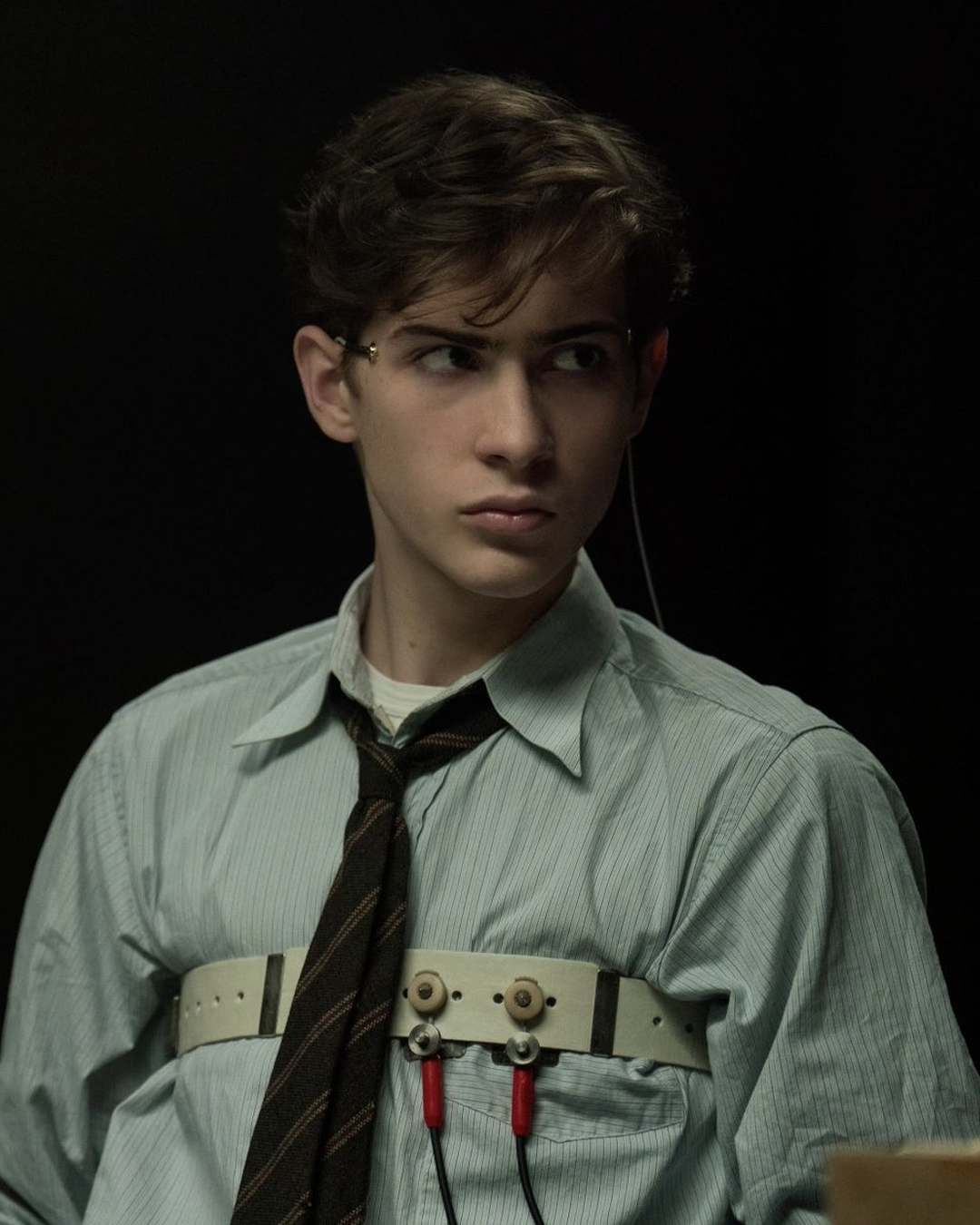
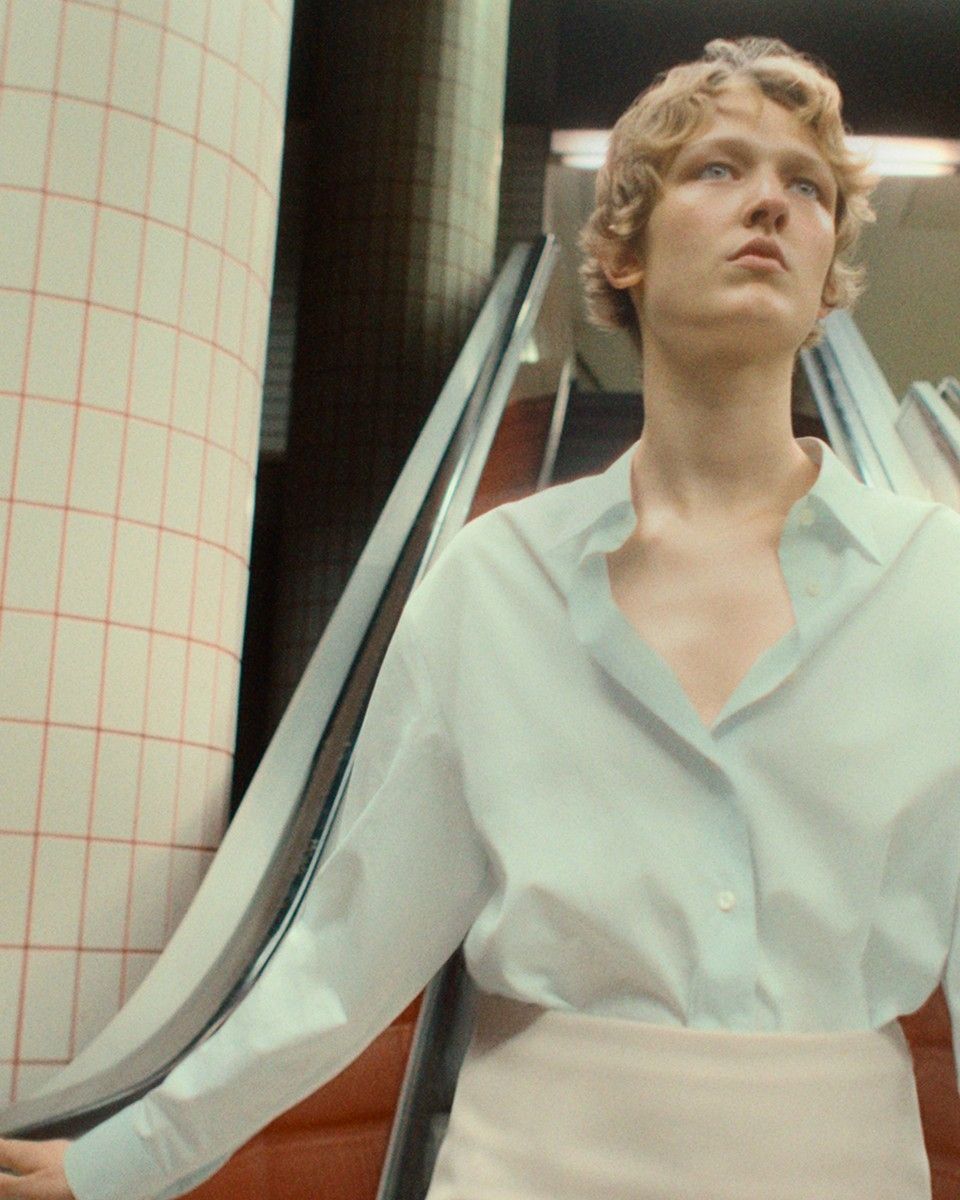
There was a time when, in anticipation of a new cultural event—be it cinema, music, or fashion—all you could do was mark a date on your calendar and talk about it with friends. Today, things have changed: the phenomenon of hype has taught brands, creatives, and companies that anticipation can be architected down to the smallest detail, orchestrated in a way not unlike a marketing funnel. That’s why our collective cultural life today is made of teasers: post-credit scenes, posters, and trailers offering only tiny glimpses of what’s to come, snippets of new albums, photoshoots that hint at the future without revealing it. And while the world of series, cinema, music, and even literature is already dominated by this practice that draws attention, stirs excitement, and sparks conversation, this habit has now fully arrived in fashion. In recent days, two of the most anticipated debuts of the upcoming season were introduced with what are, in everything but name, "trailers" for new creative directors: yesterday marked the release of Wanderlust, a video that previews the themes and mood of the new era of Jil Sander under Simone Bellotti; and also of Versace, which cleared its profile except for the last campaign created under Donatella, publishing a photoshoot and accompanying video of the “new” Versace by Dario Vitale. And just as Glenn Martens’ debut at Maison Margiela was previewed with a micro-video of a hand polishing a spoon against a backdrop of damask wallpaper, shortly before Jonathan Anderson’s show for Dior a teaser featuring Sam Nivola was posted as the very first glimpse into the brand’s new creative direction. But why do creative directors need a “trailer”?
The most obvious answer would be that, like any other trailer, fashion trailers are meant to build anticipation and, indirectly, to inform the audience that a particular event is about to happen. After all, even in cinema, a movie can flop at the box office without the support of marketing—this is a lack of awareness. But beyond these basic functions, these “trailers” have another purpose: they don’t simply announce that a debut will take place—they aim to offer a preview, even partial, of what that debut will look like, not just in terms of clothing, but also in overall aesthetic. Both the Jil Sander and Versace teasers, for example, appear to be shot on analog film to convey a sense of authenticity and “depth.” Looking more closely, the Versace teaser is composed of a series of expressionist close-ups, vaguely Nouvelle Vague in style, that seem to aim at removing from the brand’s aesthetic the patina of glamour, of overt and artificial sensuality, placing it in a softer, more lived-in world made of more tactile textures, sincerity, and nostalgic romanticism. Similarly, though perhaps less radically, Jil Sander’s Wanderlust evokes the urban functionalism of Hamburg, suggesting a metaphorical “homecoming” for the brand, bringing its tones back to a pleasantly cold modernist functionalism. It’s a sort of presentation where Simone Bellotti filters Jil Sander’s rationalism through a nostalgic lens, with rich yet soft colors, the organic grain of film, and dreamlike framing that adds a human dimension to the brand’s minimal and rational backbone.
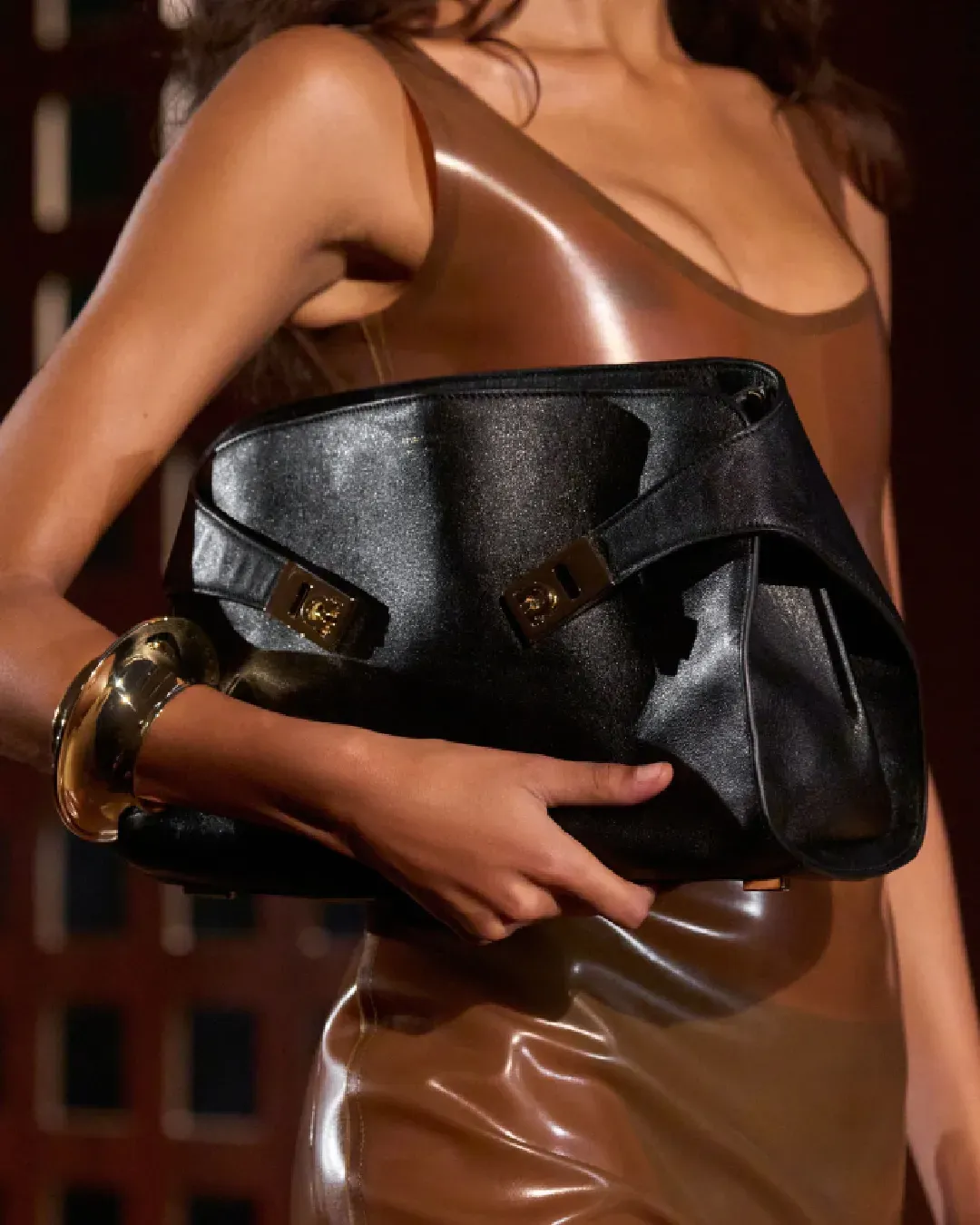
What’s striking about this new practice is its closeness to the promotional methods typical of the entertainment industry. That fashion has increasingly adopted tactics from that world to raise awareness is already well known, but the current moment the industry finds itself in gives all of this even greater significance. Across the entire luxury fashion scene, 2025 is a year of directional and creative change. These debuts don’t just follow the usual cycle of creative director changes already common in fashion, but represent a more or less collective response by the entire industry to the end of a tumultuous growth era in the sector, which now requires a new formula and therefore a new way of communicating. More and more, the role and work of the creative director are drifting from the original function of designing clothing and are beginning to resemble entire creative franchises, expressive of a sensibility that starts with the product but extends into a full multi-platform visual language that touches lifestyle, visual elements, music, and a whole sphere of aesthetic-intellectual preferences—demonstrating just how much the scope of brand storytelling has expanded. Fashion is returning, in short, to building micro-worlds and inviting us inside—but the question is, who will answer the call?