



















The men's suit is changing From hourglass jackets to cartoon suits, a new silhouette
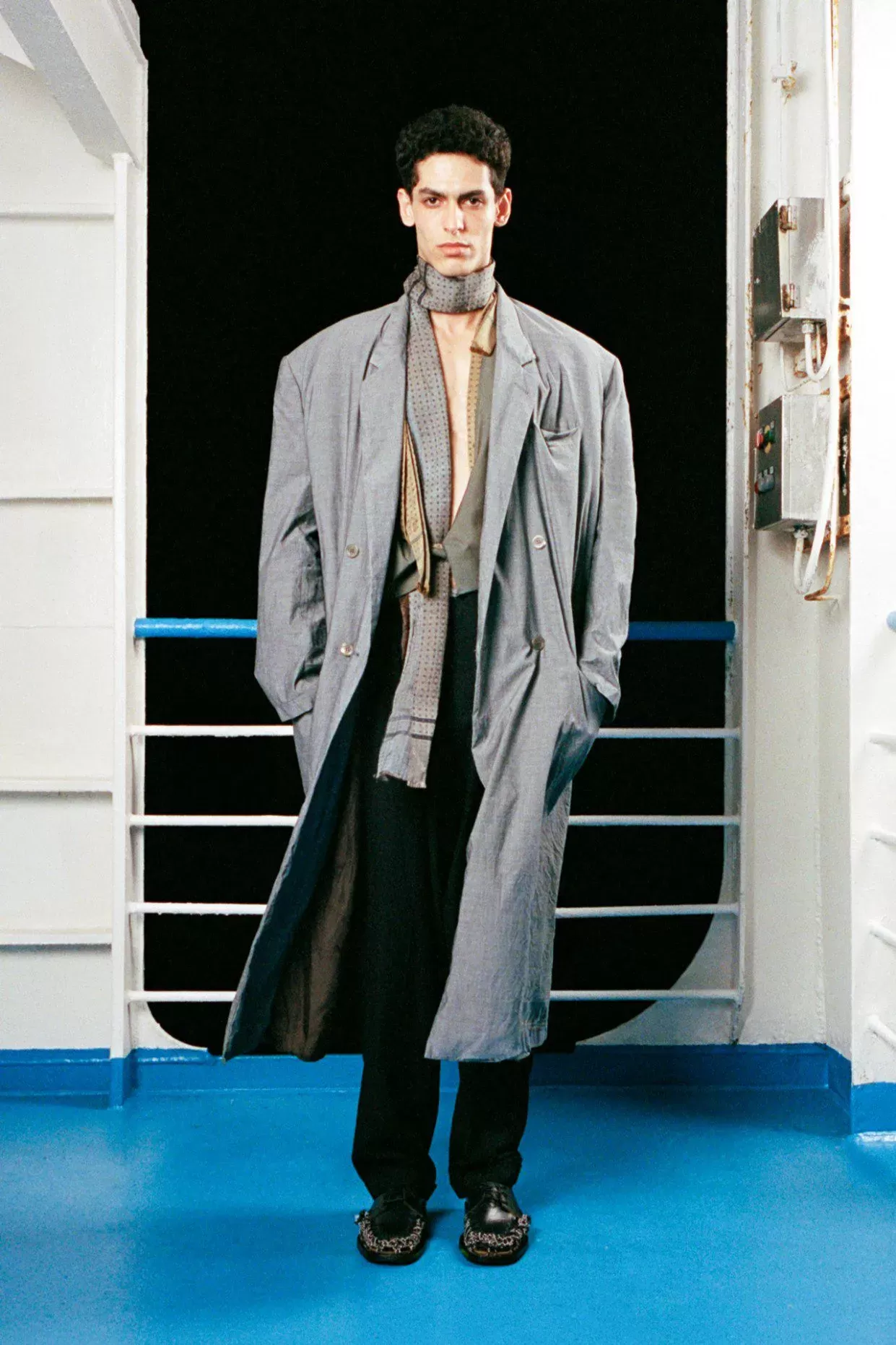
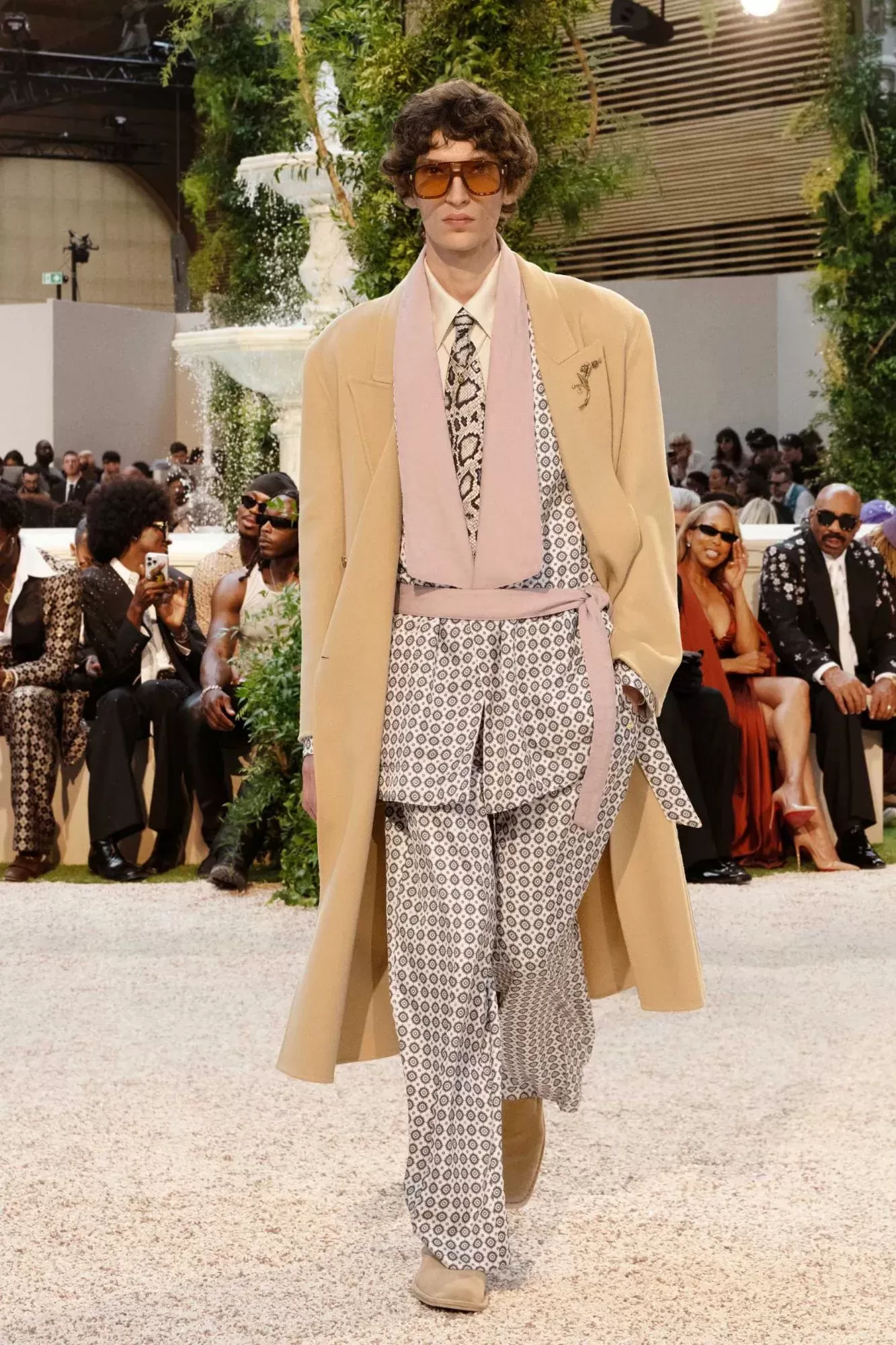
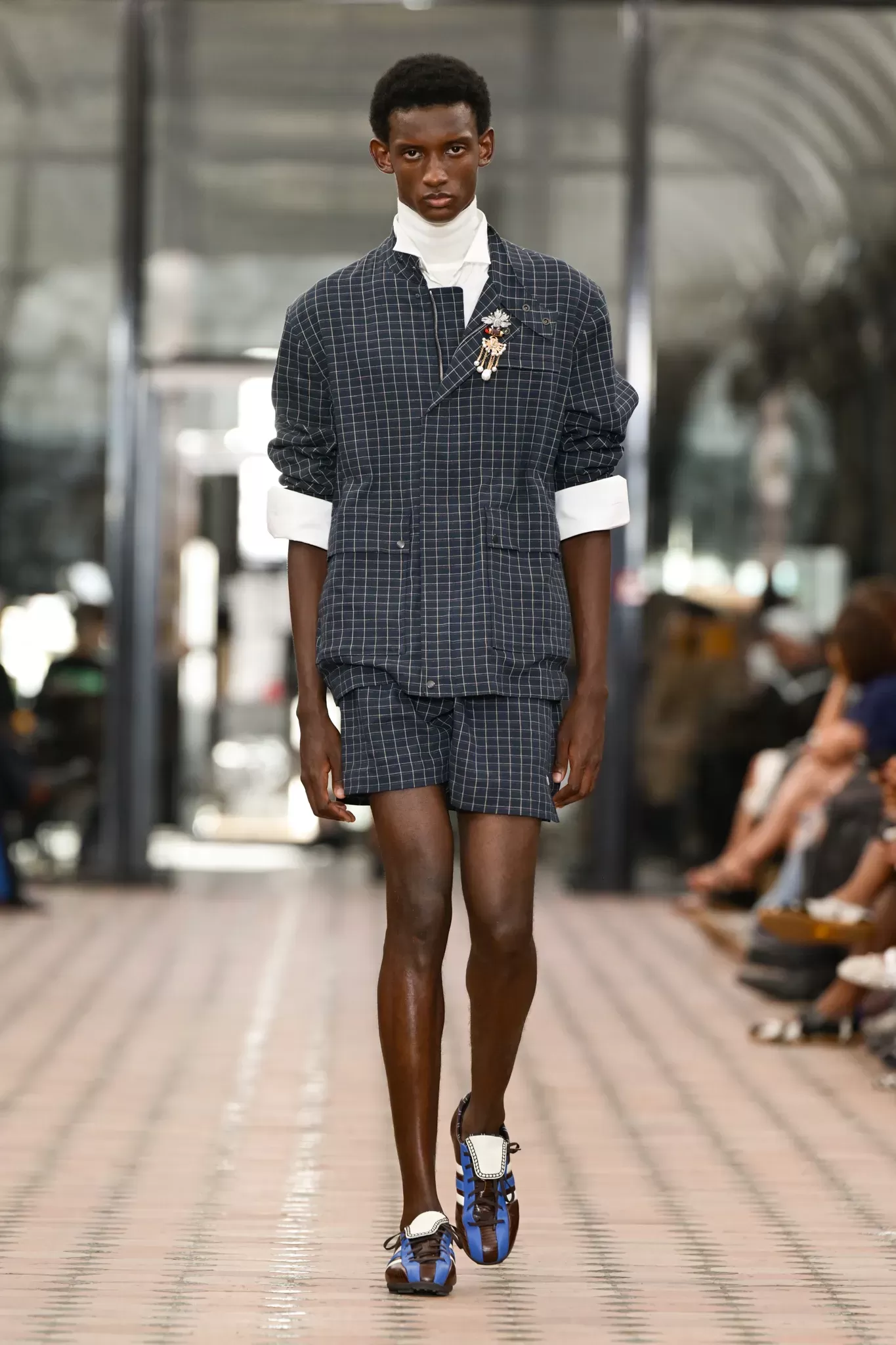
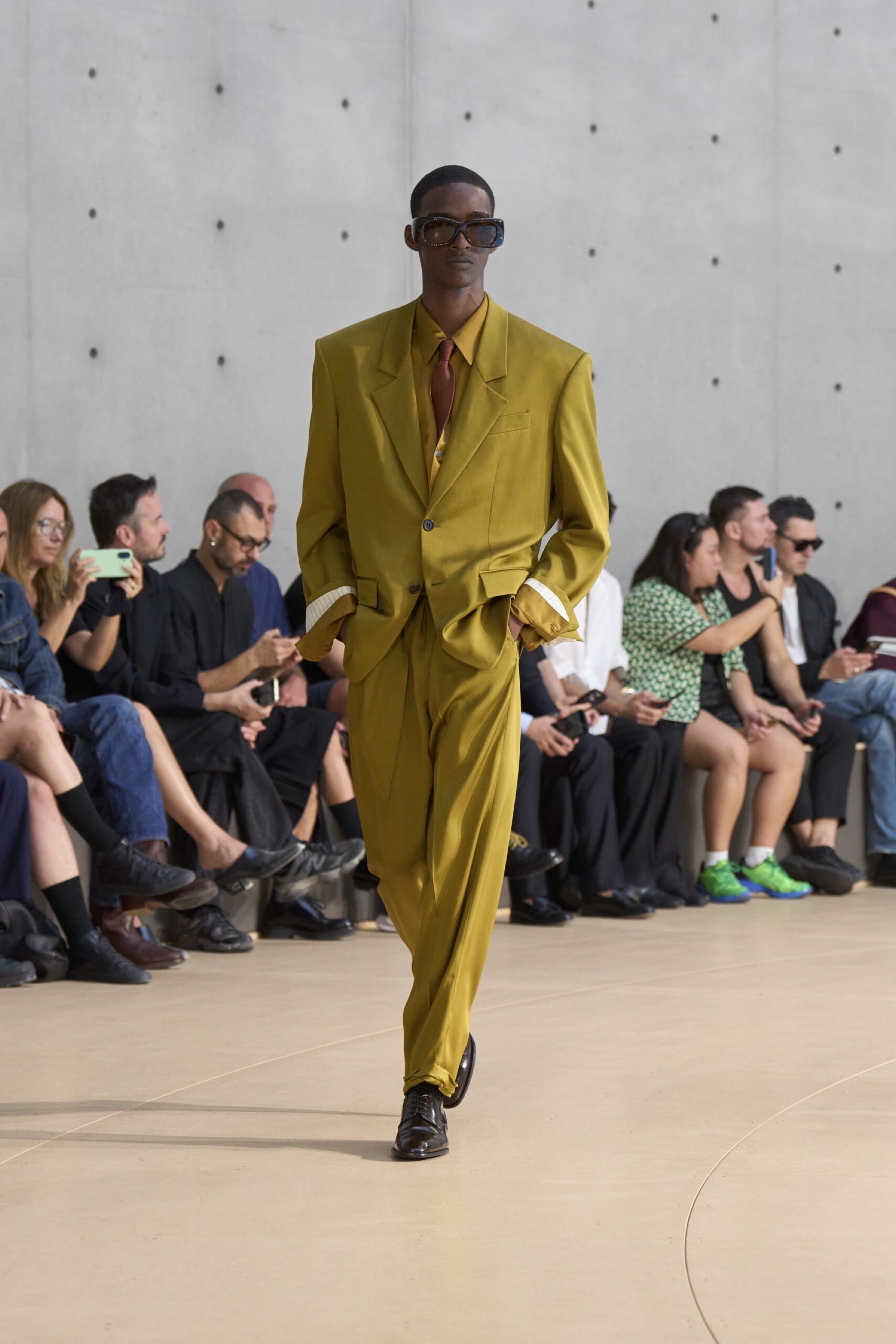
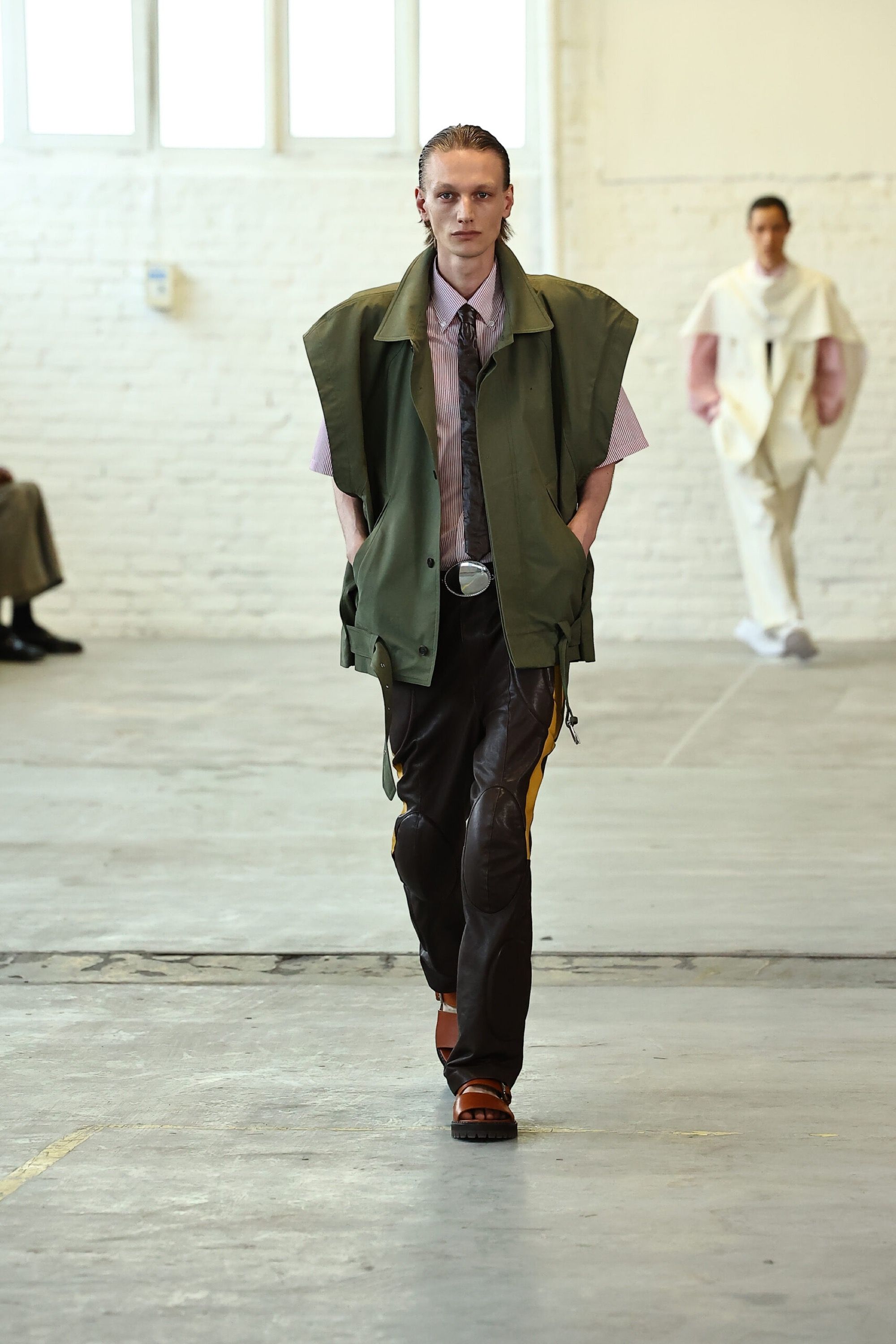
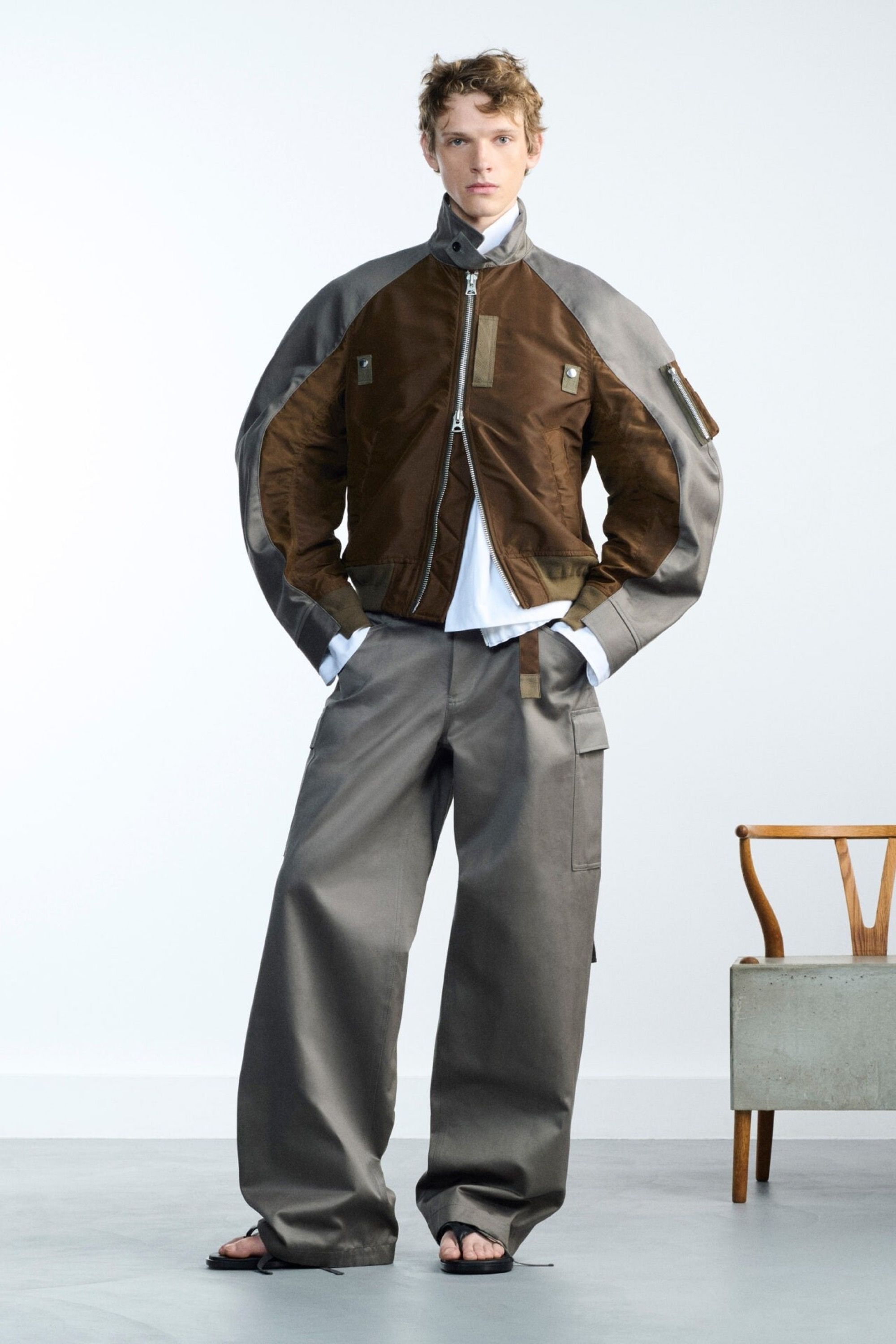
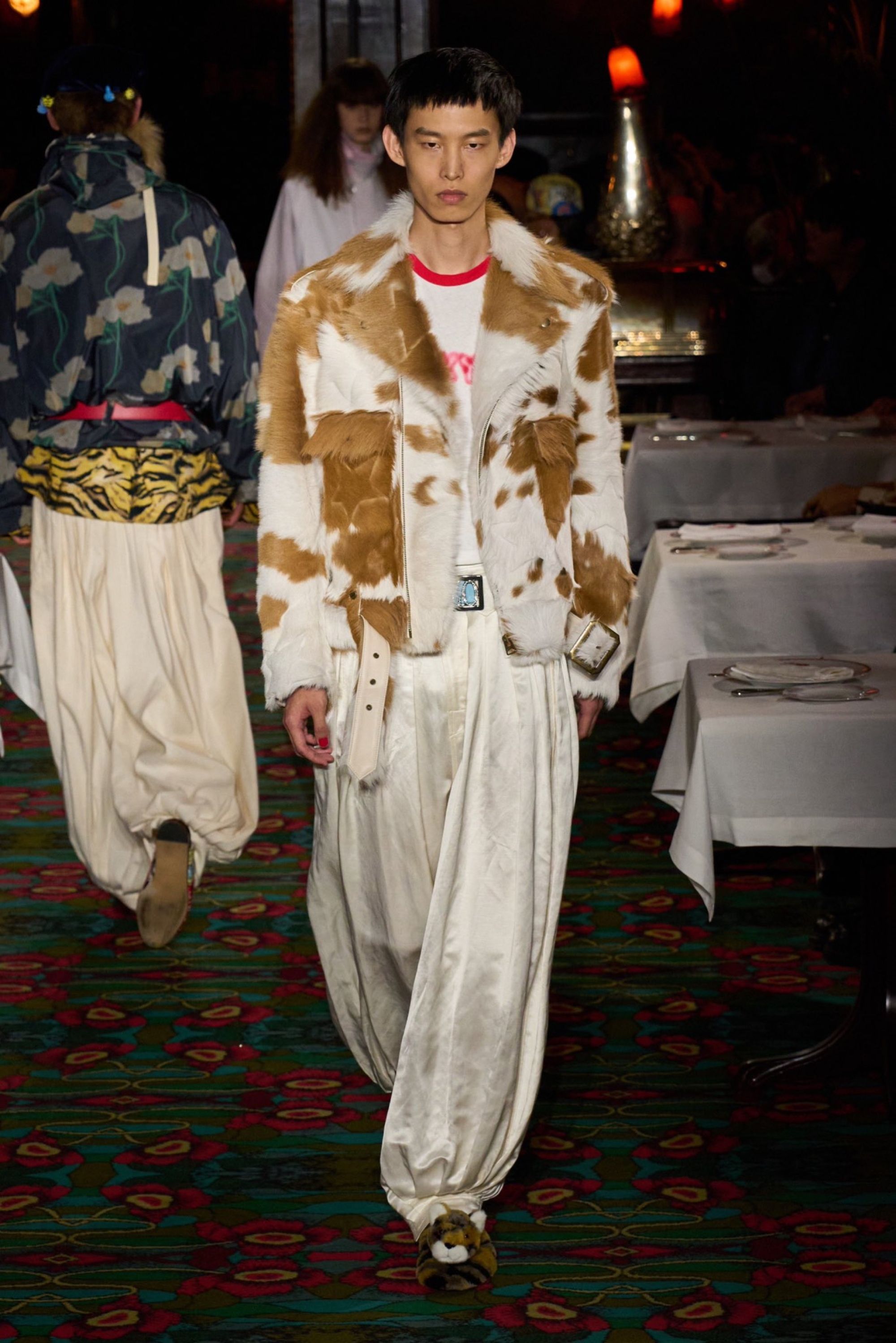
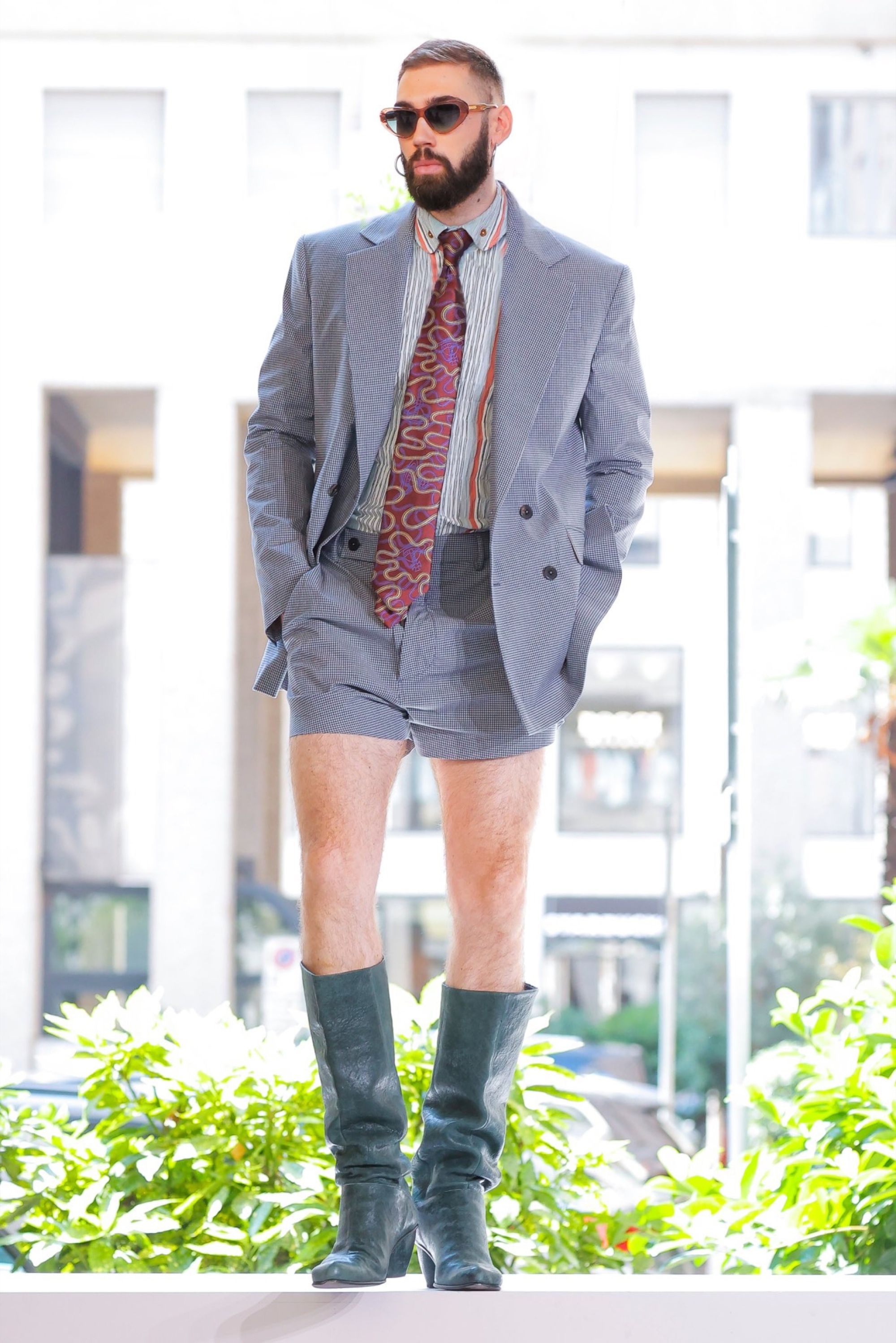
Western men's clothing for centuries followed rigid rules and inflexible standards, limited to the uniform of the soldier or the businessman. Today, thanks to the shift from a nationalist model of man, rooted in the traditions and customs of his community, to a cosmopolitan one, and thanks to new questions in the debate on identity and gender, the image of the men's suit has been transformed by new aesthetics, contaminations, and stylistic influences. On the runways of recent fashion weeks, surprising visions and new experimentation have not been lacking.
Have blazers become pajamas?
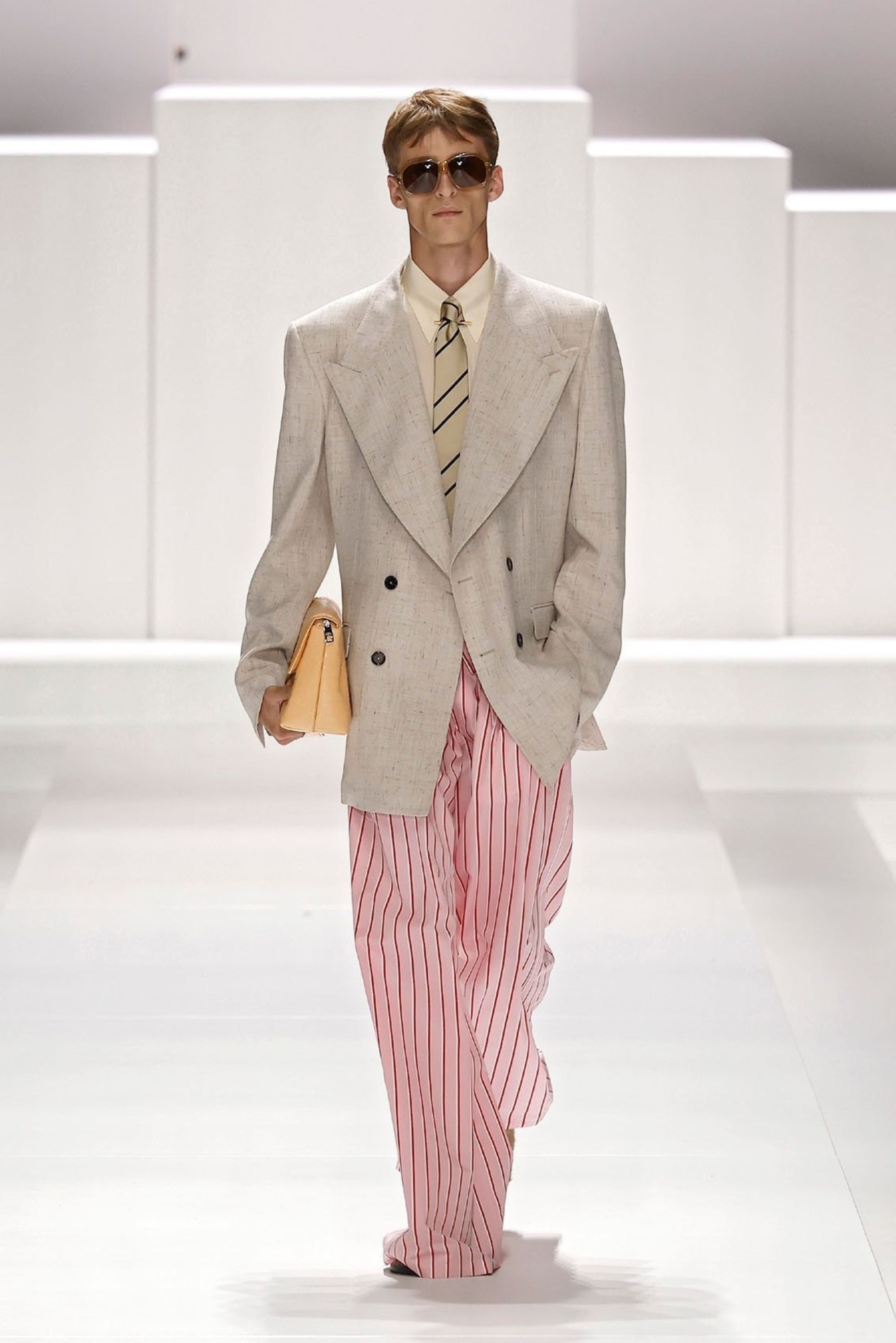
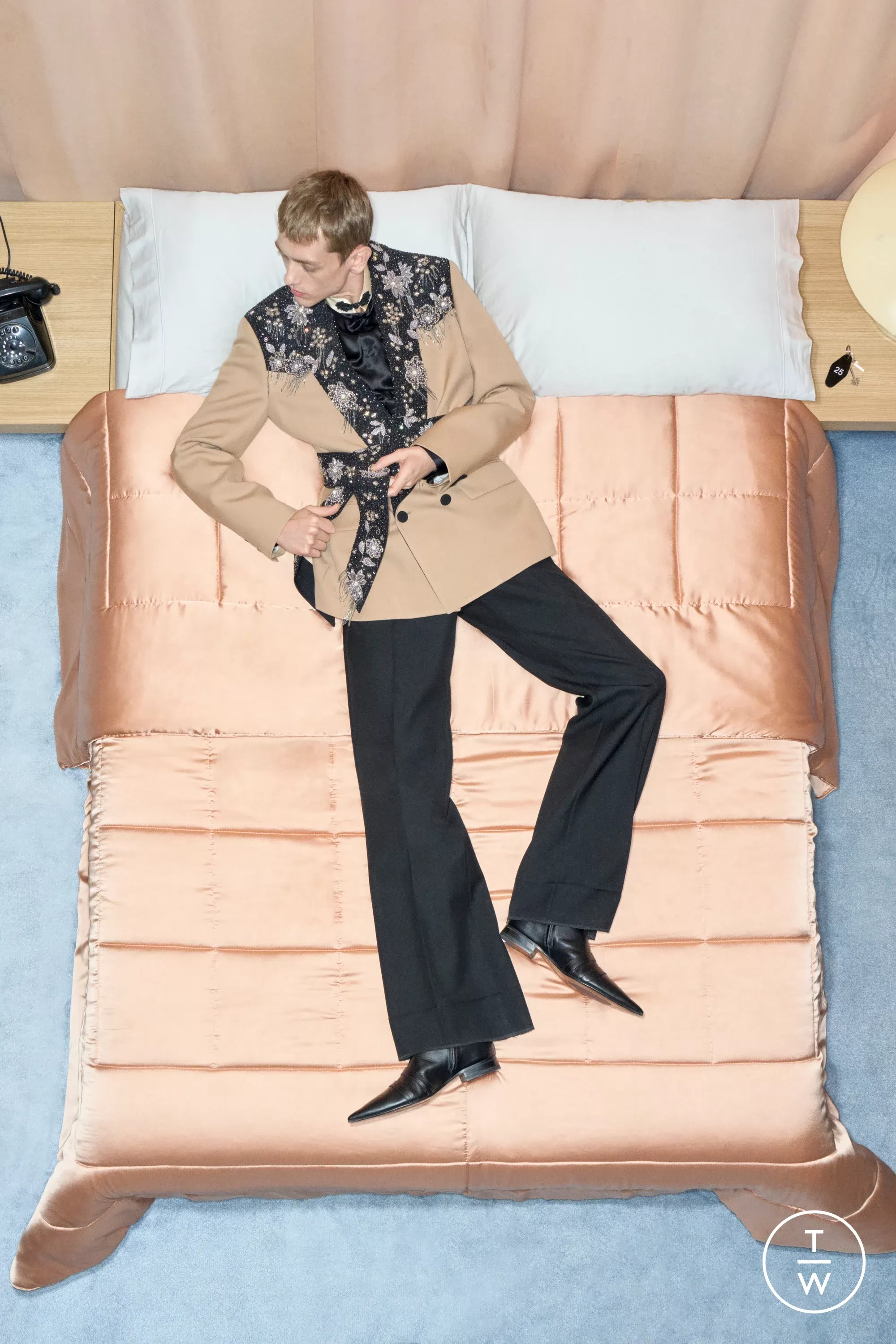
Many creatives are reflecting on the idea of comfort by softening tailoring, unlining jackets, and making pants more fluid in fit. This is certainly not a new concept, if we think of Armani’s deconstructionist philosophy; however, the real innovation seen in recent collections lies in representing comfort by merging the codes of tailoring with those of nightwear. Dolce&Gabbana, in their most recent show, brought the classic striped pajama with shirt out from the sheets, worn under double-breasted jackets or trench coats. Staying within the codes of bedcore, Valentino and Amiri opted for robes with tied scarves at the waist instead of traditional blazers. This fascination with homewear was also present in Mordecai’s summer show, featuring a pinstriped pajama-suit with drawstring pants and no collar.
Some like it sporty
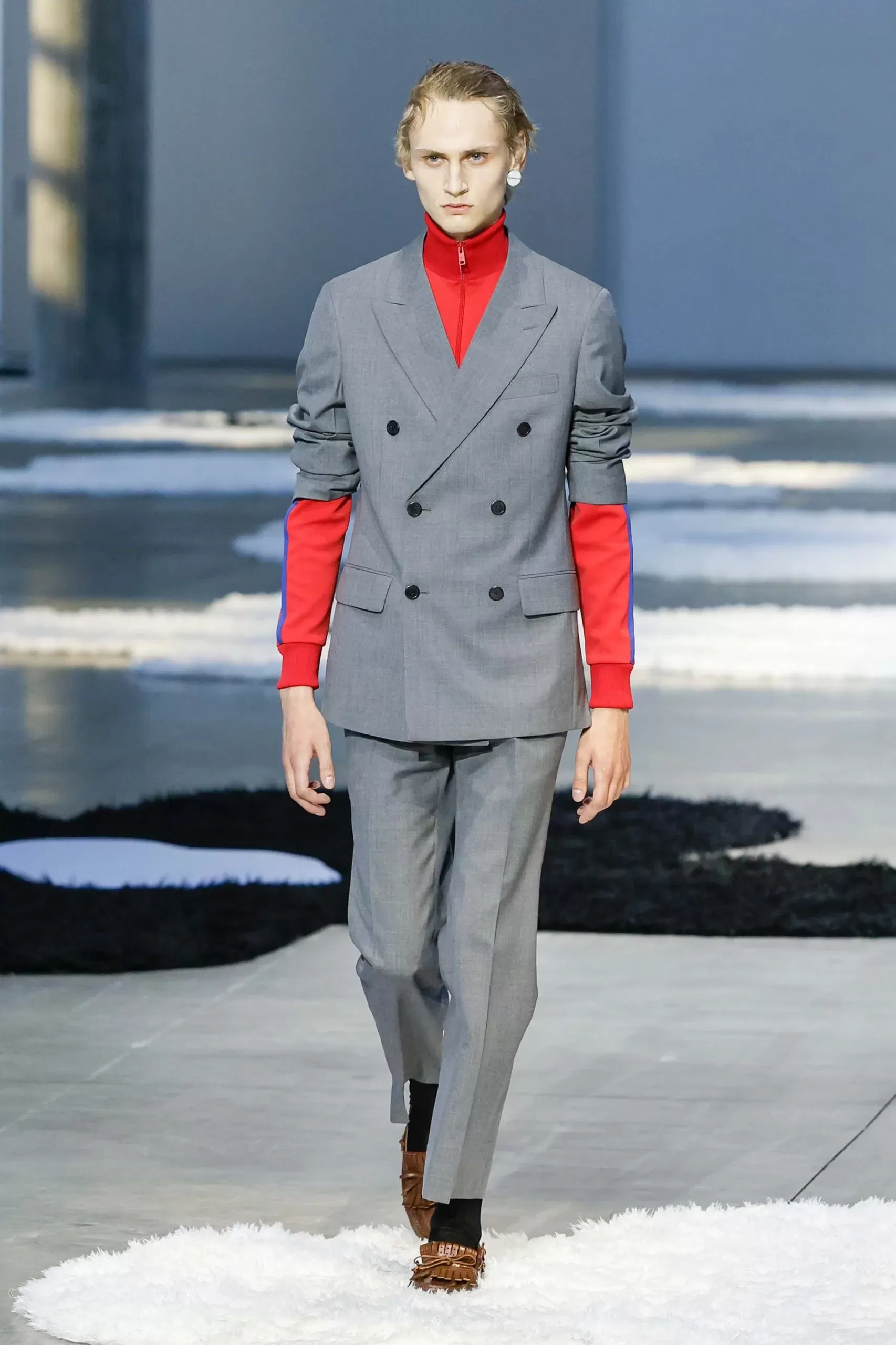
Contaminations between tailoring and sportswear are also present. The gentle man envisioned by Miuccia Prada and Raf Simons wears classic zip-up tracksuits à la Kill Bill, underneath serious grey suits and trench coats with rolled-up sleeves. The entire Resort 2026 collection by Moschino is a continuous and irreverent mix of gymwear and tailoring: Adrian Appiolaza presents blazers with gym shorts and suits with weightlifting belts at the waist. Magliano, who has always played with sportswear connected to sartorial tradition, in the fashion film shown during Milan Fashion Week dressed some characters with worn sweatpants paired with oversized jackets.
No ironing this summer
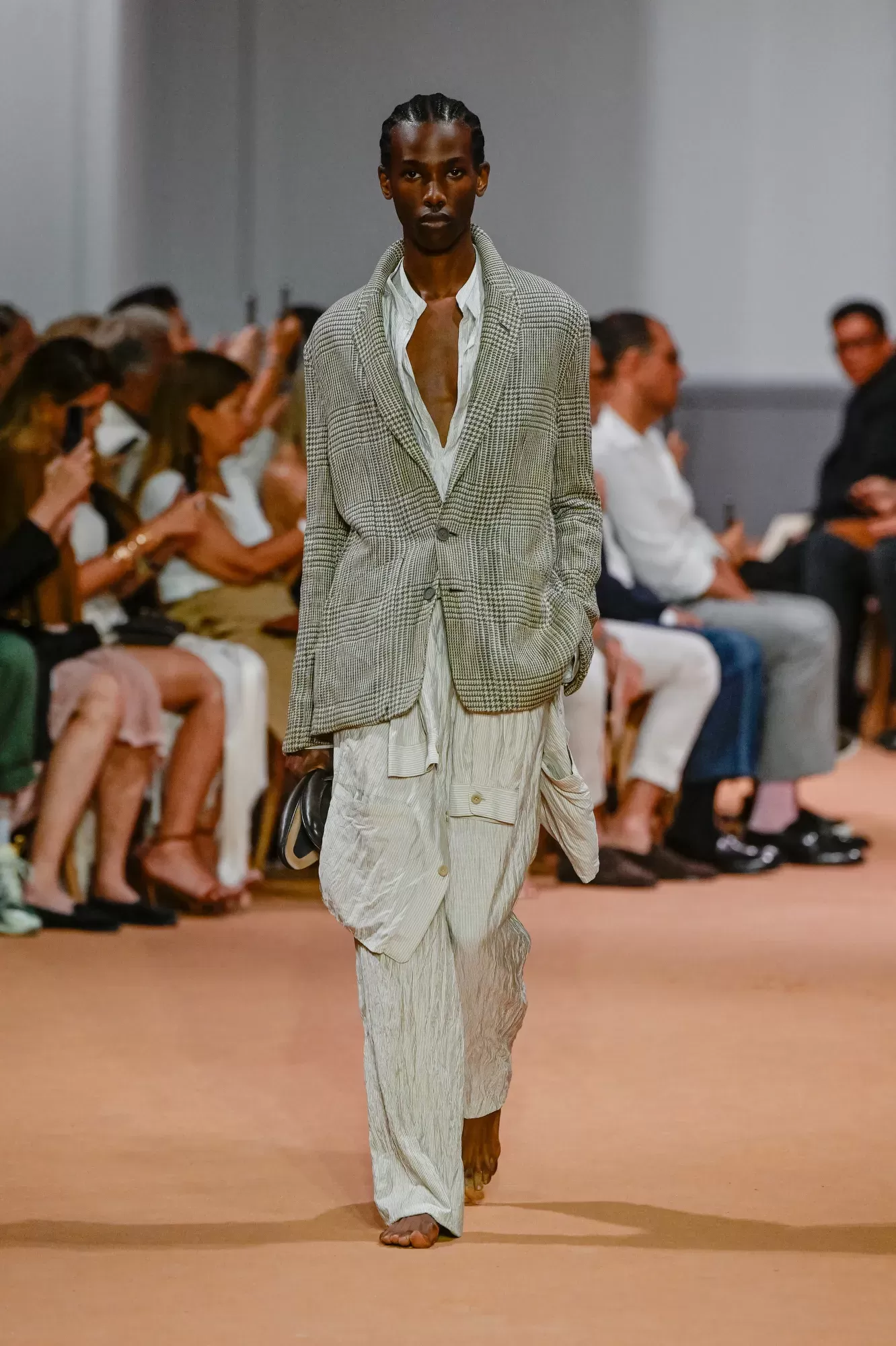
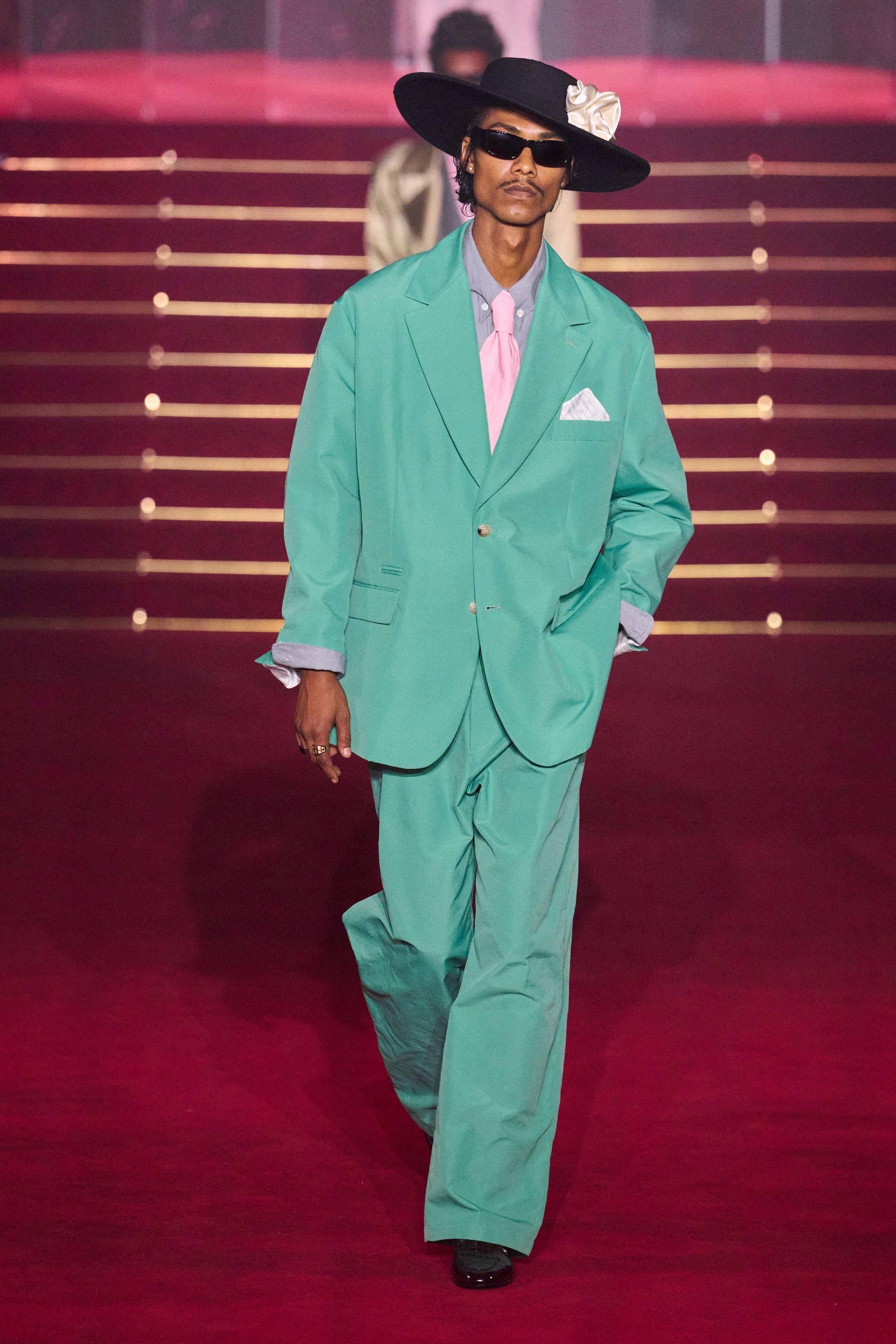
In this fashion week, men's suits were so comfortable that designers forgot to iron them. At Zegna, blazers and shirts bear crumpled traces of daily journeys, as if the fabrics used had been left to dry in the sun. The oversized cotton and linen suits with a Mexican vintage look from Willy Chavarria are born wrinkled, while Simon Porte of Jacquemus leaves creases on jackets and shorts, symbolizing imprints of childhood memories in the French countryside.
Blazers hit the gym
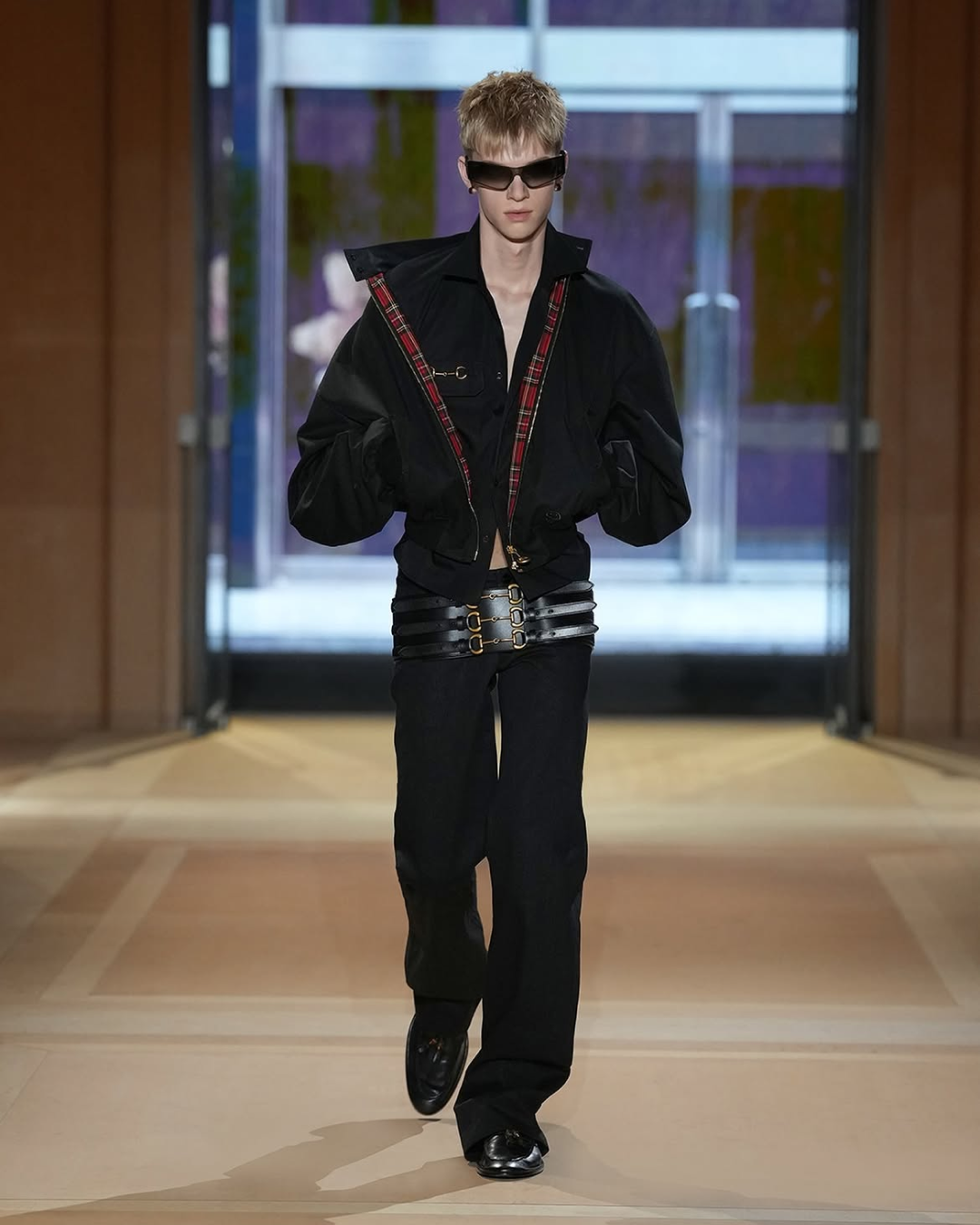
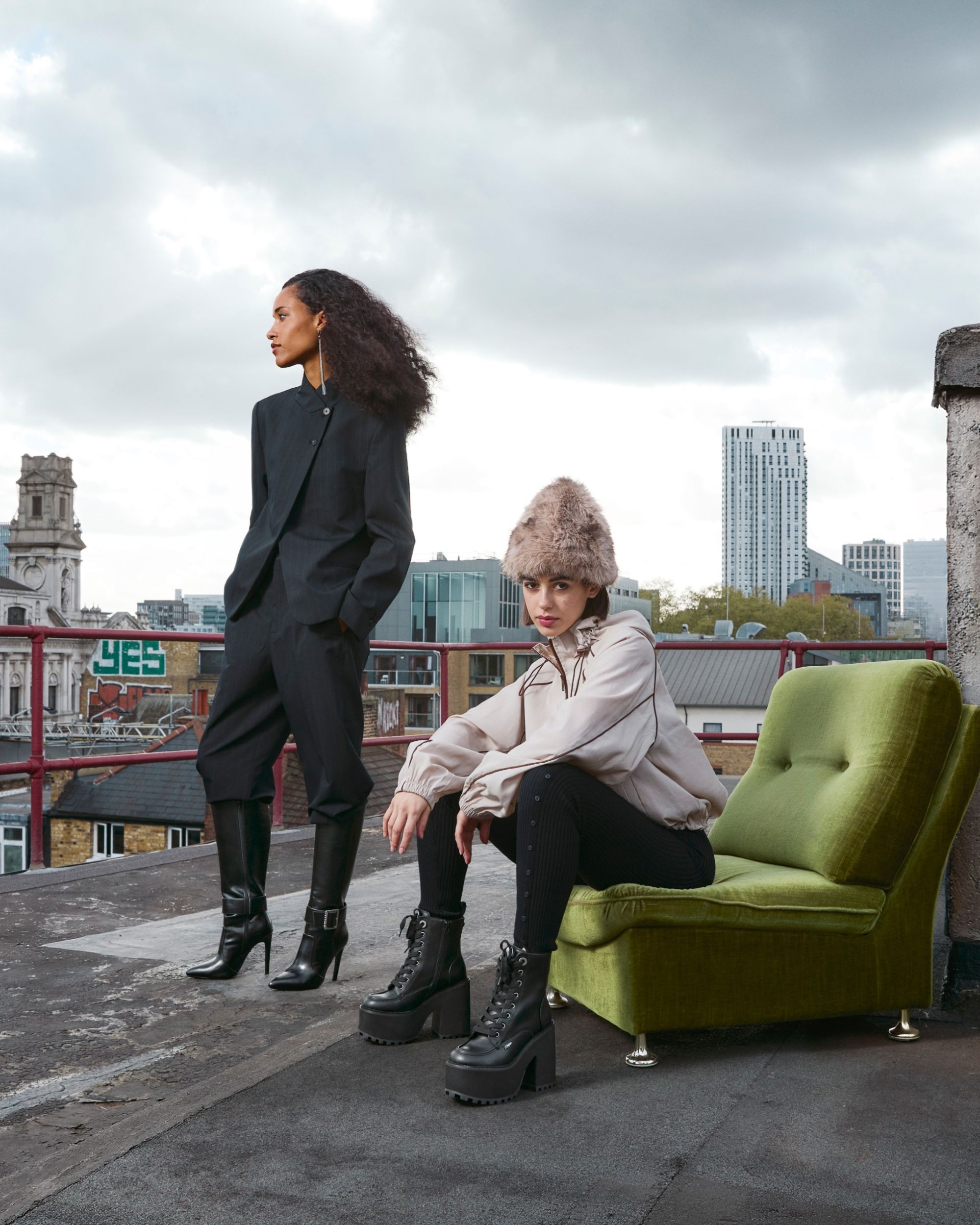
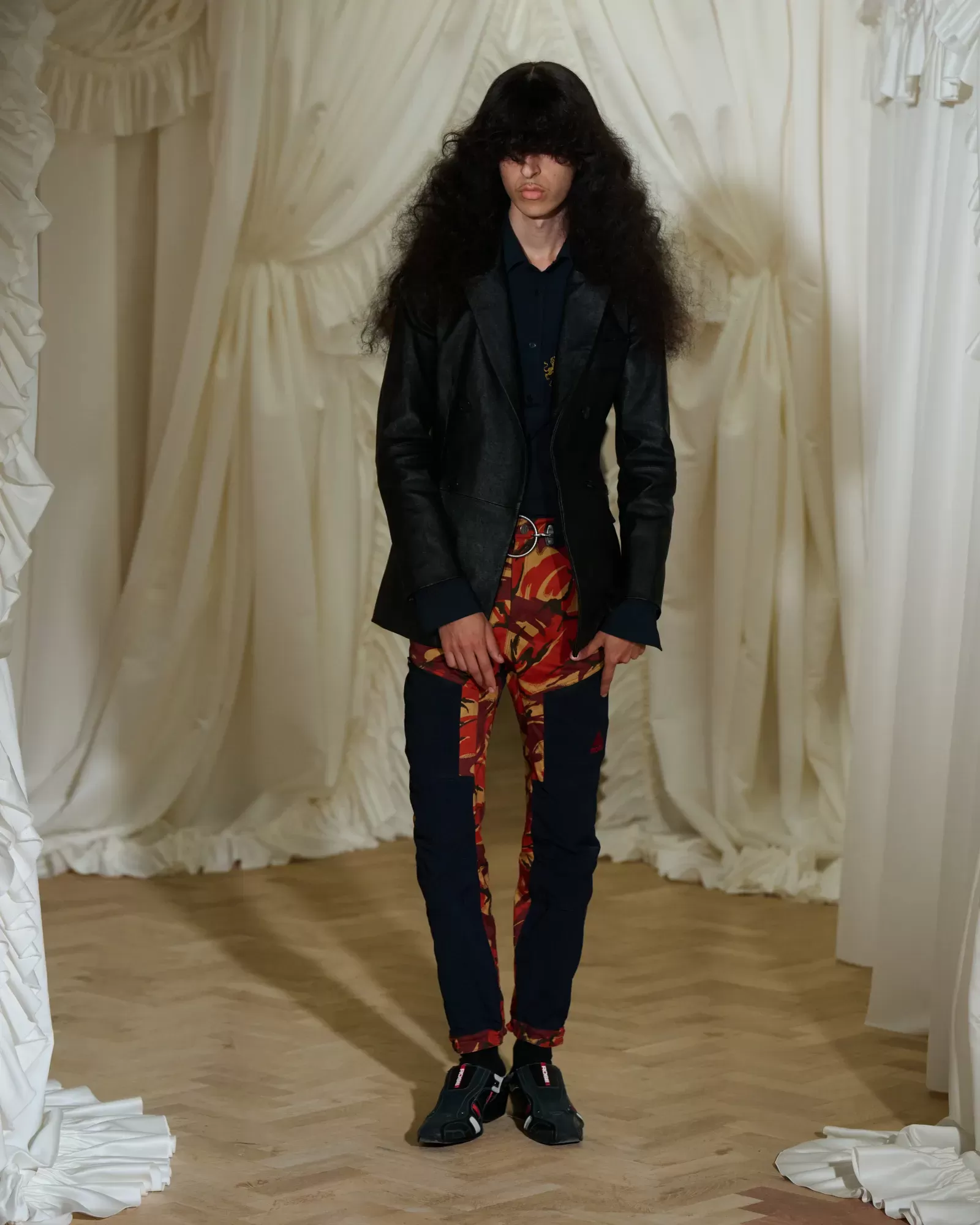
In tailoring, as in any process of constructing a garment, the study of the body is essential. Several brands have reinterpreted the male silhouette by altering proportions to redesign its anatomy. In this regard, Martine Rose tells the story of the invisible bodies of London freaks, creating padded jackets with a cinched waistline. At Saint Laurent, Anthony Vaccarello showcased sophisticated suits in vibrant colors and eighties-style silhouettes with exaggerated shoulders, while Hed Mayner proposed an hourglass jacket fastened with a safety pin. In Sacai’s summer collection, the focus shifted from the fit of the blazer to that of the pants, presented in a balloon version.
A return to the past
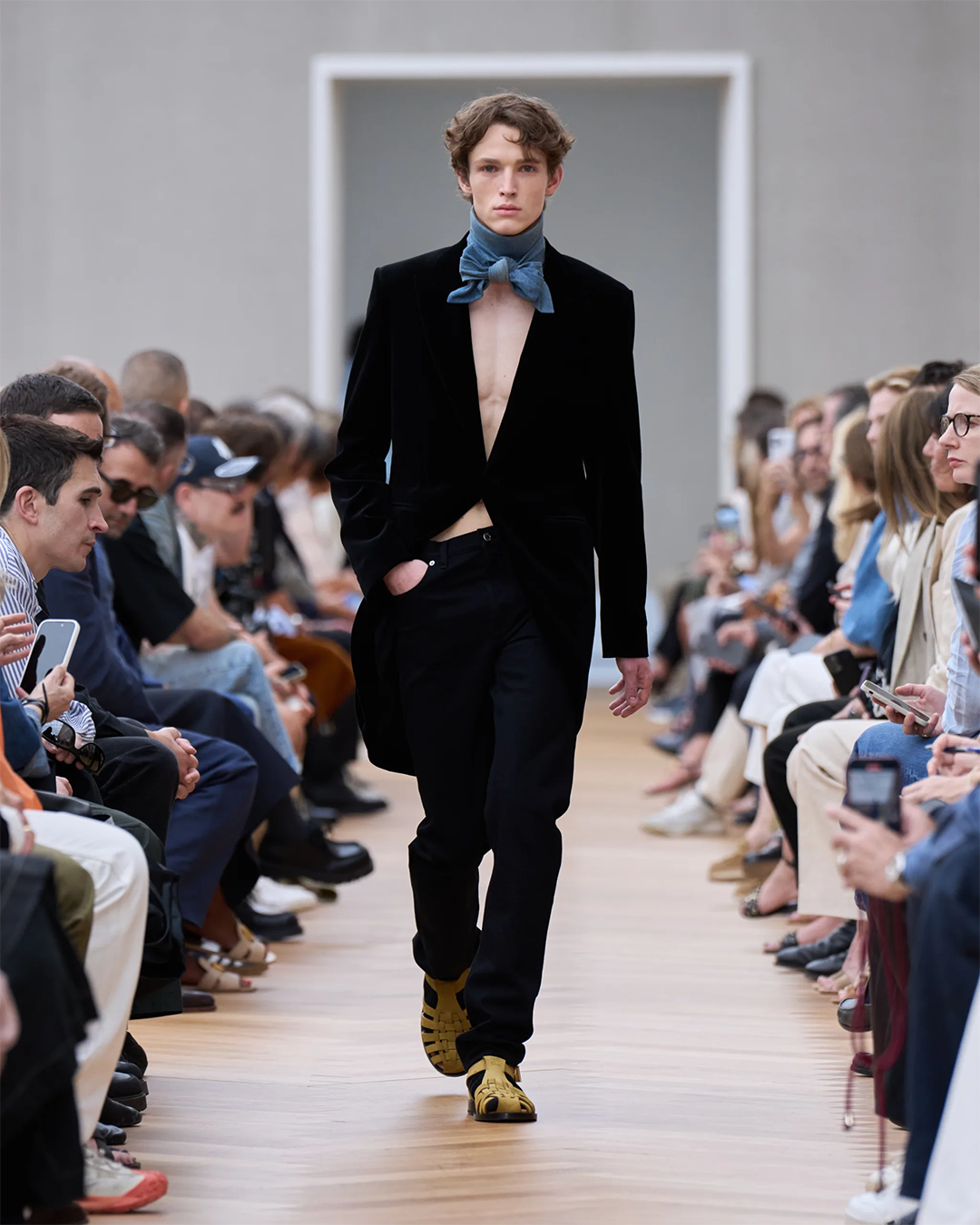
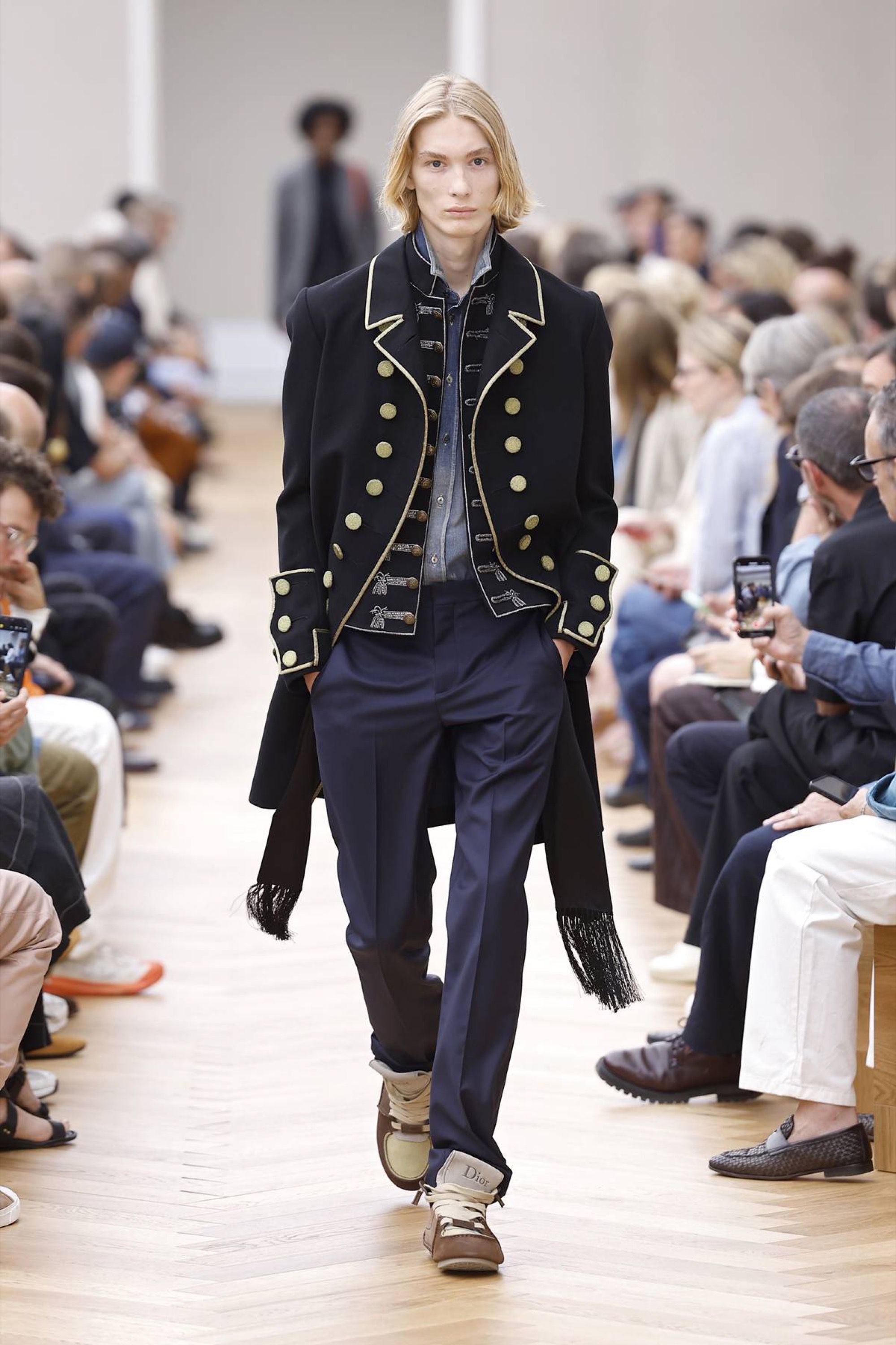
Some designers have taken an approach that could be described as nostalgic, in some ways archaeological, yet projected into the present. Creatives like Wales Bonner, Jonathan Anderson, and Nigo share a reinterpretation of tailoring enriched with historical references. Anderson’s man for Dior Homme seems to have stepped out of an Oscar Wilde novel: he wears nineteenth-century velvet redingotes, tuxedo shirts, bow cravats, and embroidered waistcoats. Nigo, at Kenzo, focused on the period of the French Revolution and presented a streetwear version of Napoleonic jackets. Wales Bonner, instead, tells the story of Black dandyism: she raises the waistline of trousers and pairs them with tailcoats featuring silk lapels.
A journey to the East
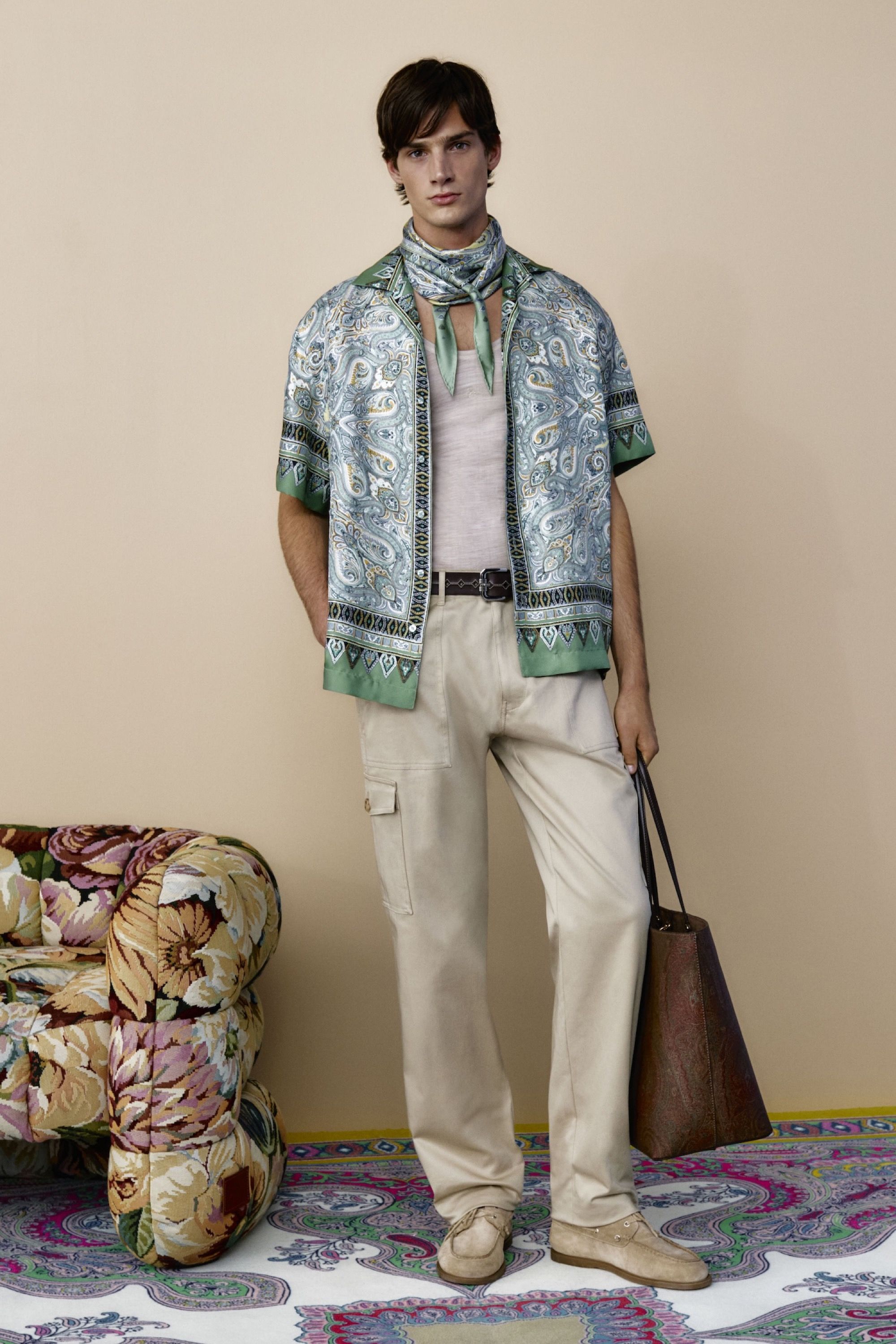
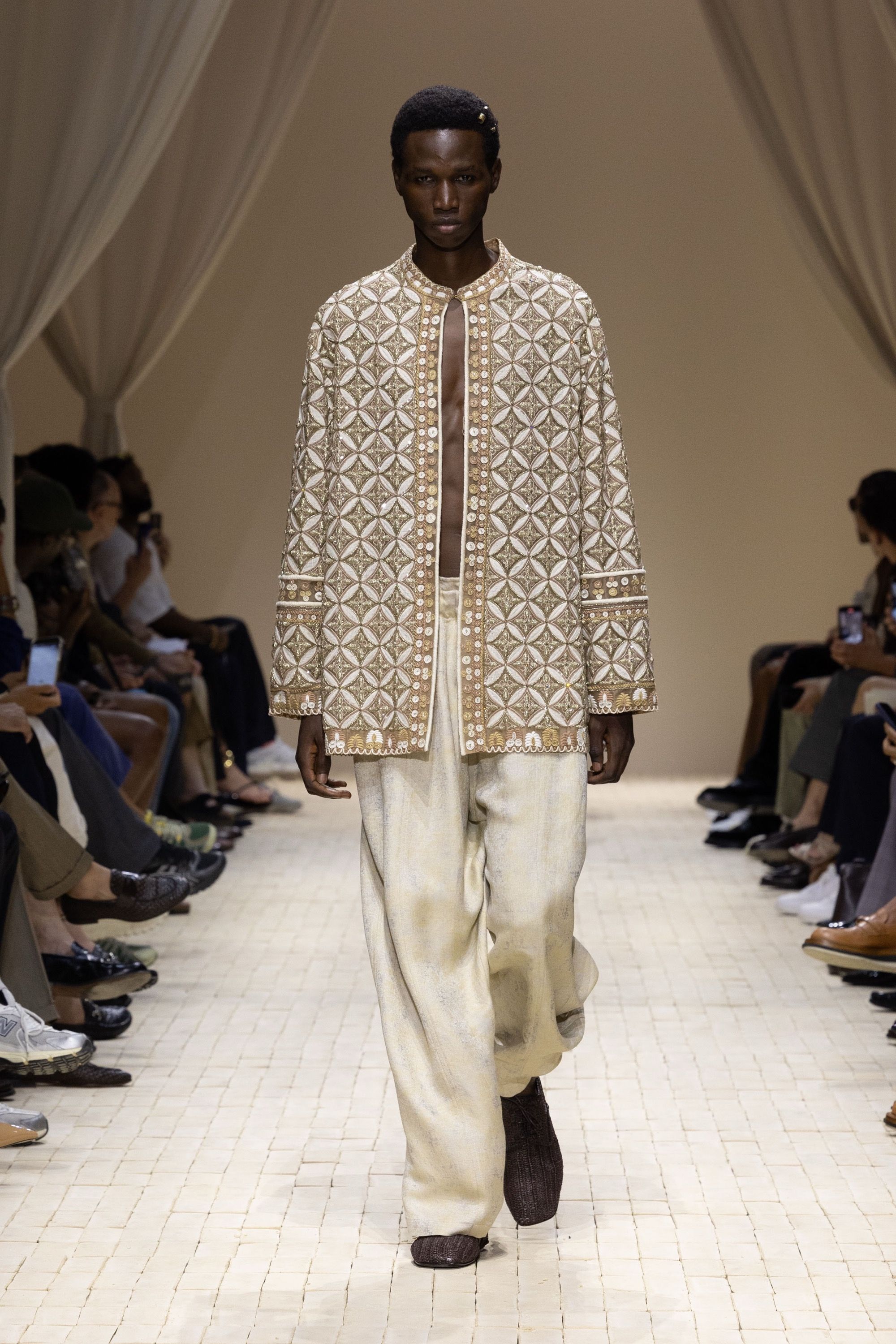
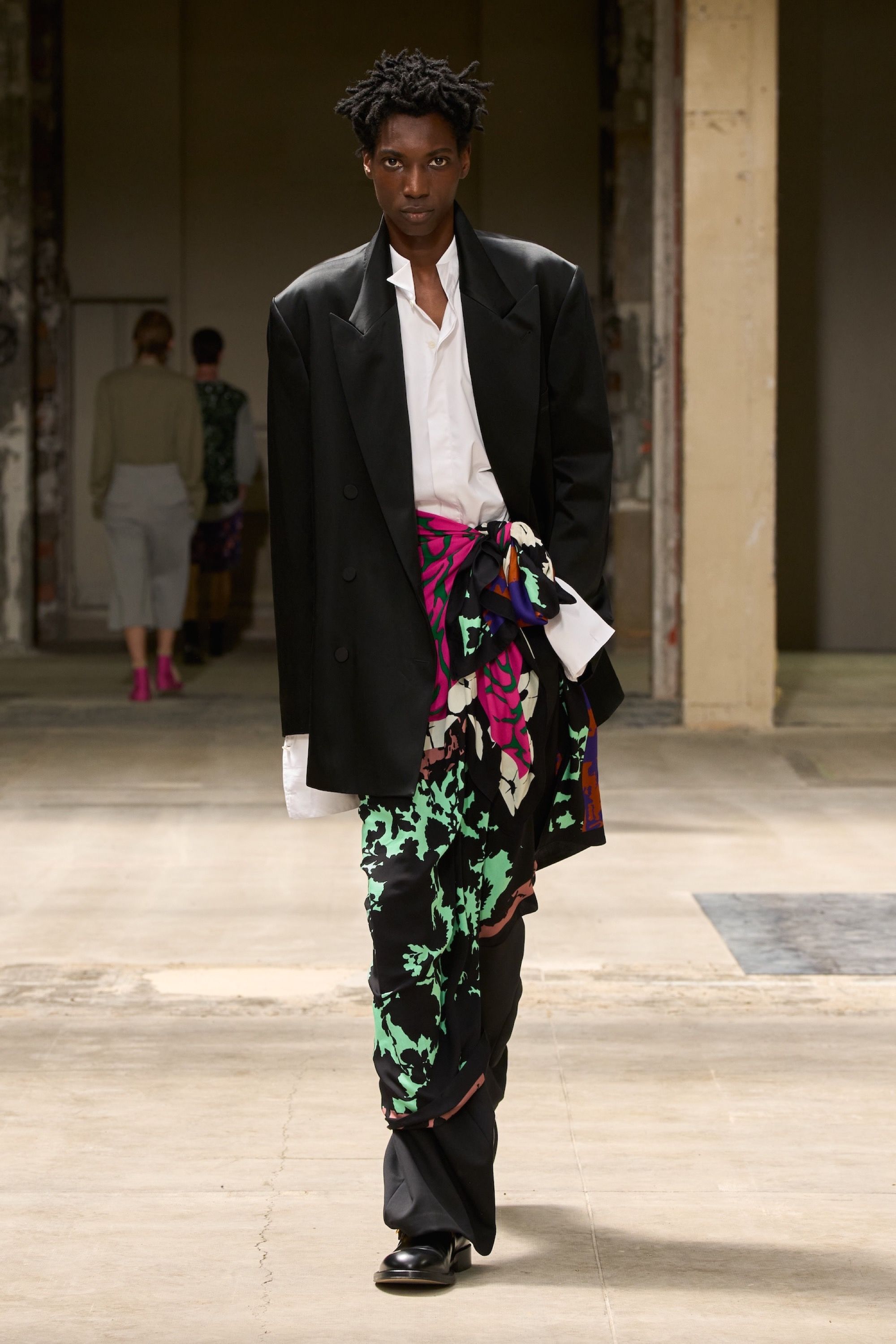
Many designers looked beyond the boundaries of Western tailoring, drawing inspiration and in part appropriating some garments from Eastern traditions. Caftans, kimonos, and Indian kurta shirts walked the runway at Emporio Armani, while Etro, a pioneer brand of ethno-chic, presented in its latest men’s summer collection double-breasted suits in brocade fabric and a kind of chapan, a traditional Persian cloak, with the classic paisley print. Julian Klausner, in his first men's show for Dries Van Noten, paired tuxedo jackets and shirts with ties with typical Malay sarongs featuring floral prints, tied similarly to how David Beckham used to wear them over soft tailored trousers.
Sooner or later, we all become kids again
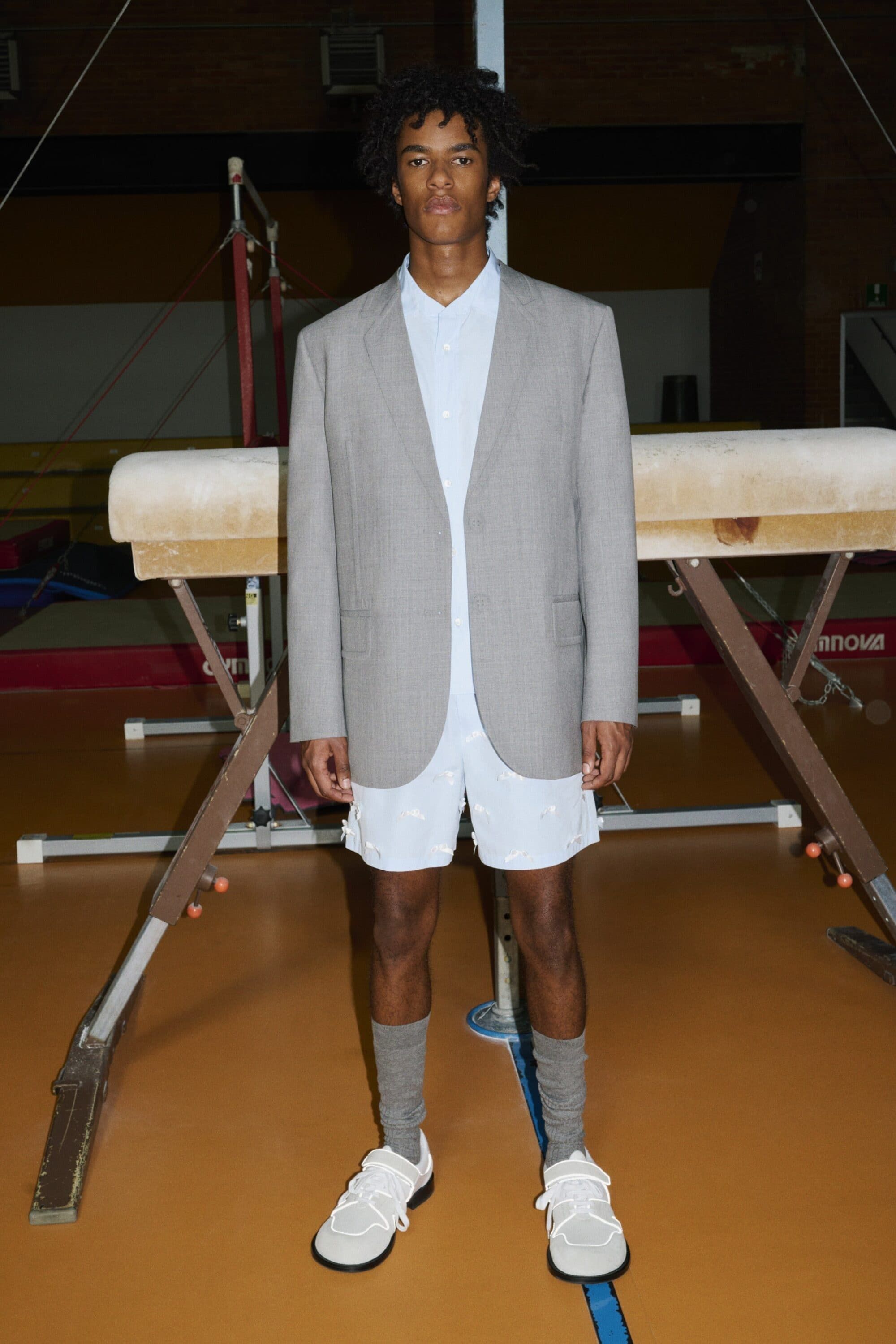
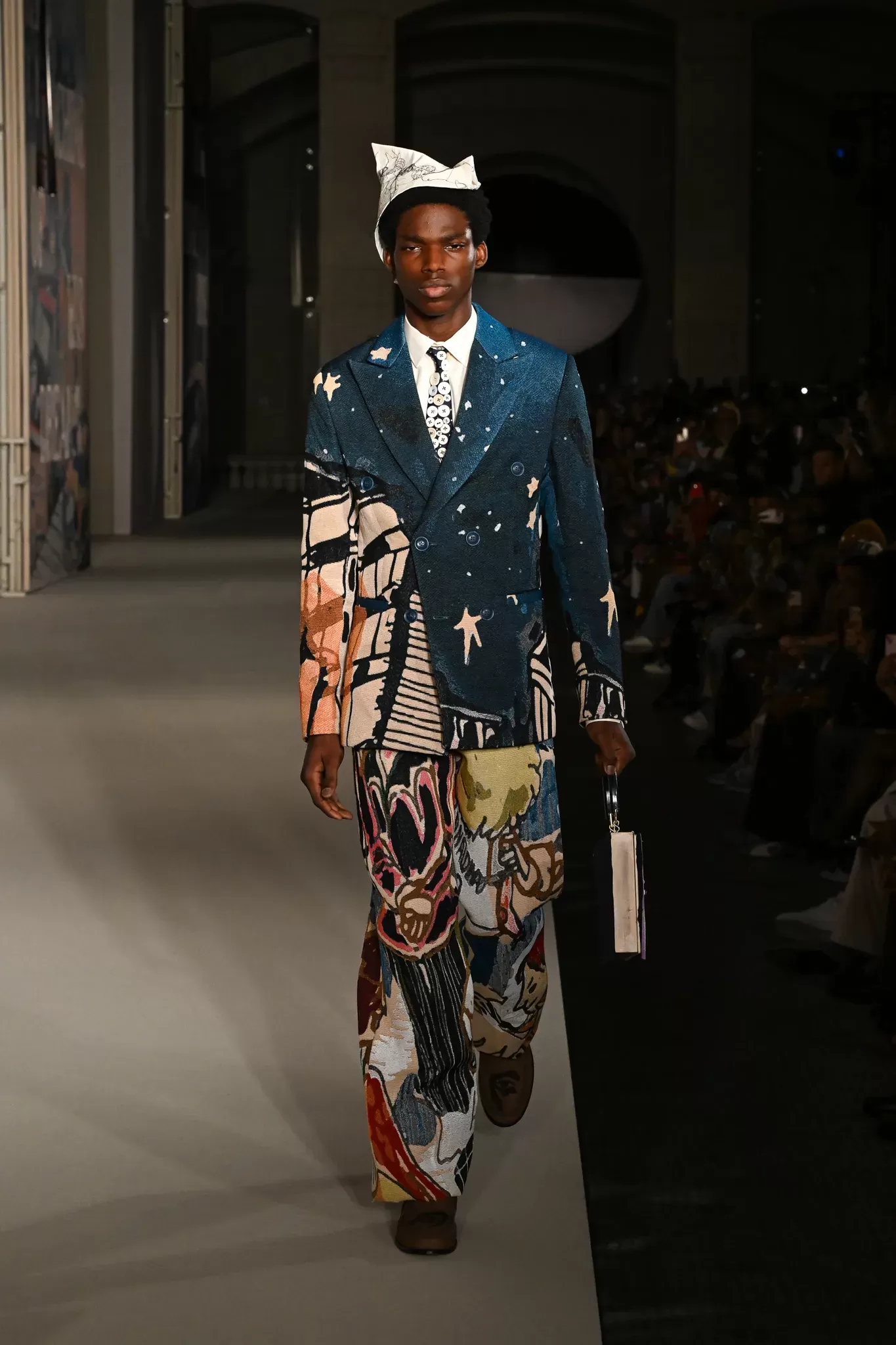
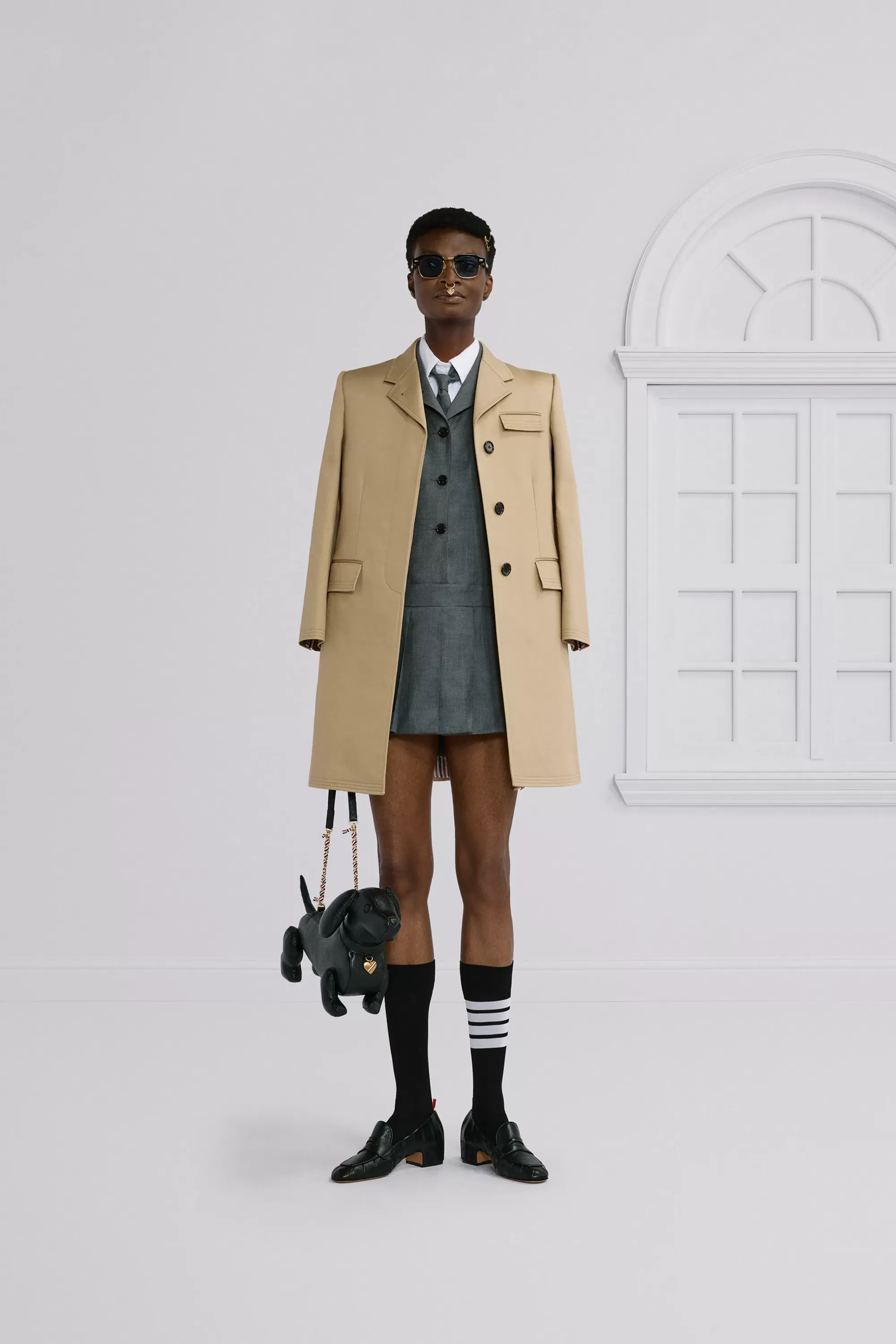
Childhood influences have inspired the men's collections of some designers, who have reimagined the classic suit through the eyes of their inner child. At KidSuper, Colm Dillane wrote the children’s book The Boy Who Jumped the Moon, which both in plot and aesthetics resembles The Little Prince: he sent models down the runway in suits with cartoon illustrations from the book and tailored pants with scribbled writings. Thom Browne never misses the chance to show his idea of a playful men's suit, favoring shorts and knee-high socks under blazers instead of traditional long trousers, proposing striped suits with canine prints. This ironic and childlike side of tailoring has also influenced Andreas Kronthaler, who for the latest Vivienne Westwood collection presented pinstripe suits with oversized lapels, worn with double suspenders and paired with high-waisted striped or diamond-patterned pants, similar to those worn by clowns.