





















Could Jonathan Anderson's Dior actually slow down fashion? The time is ripe, the tools available - all that is lacking is the will
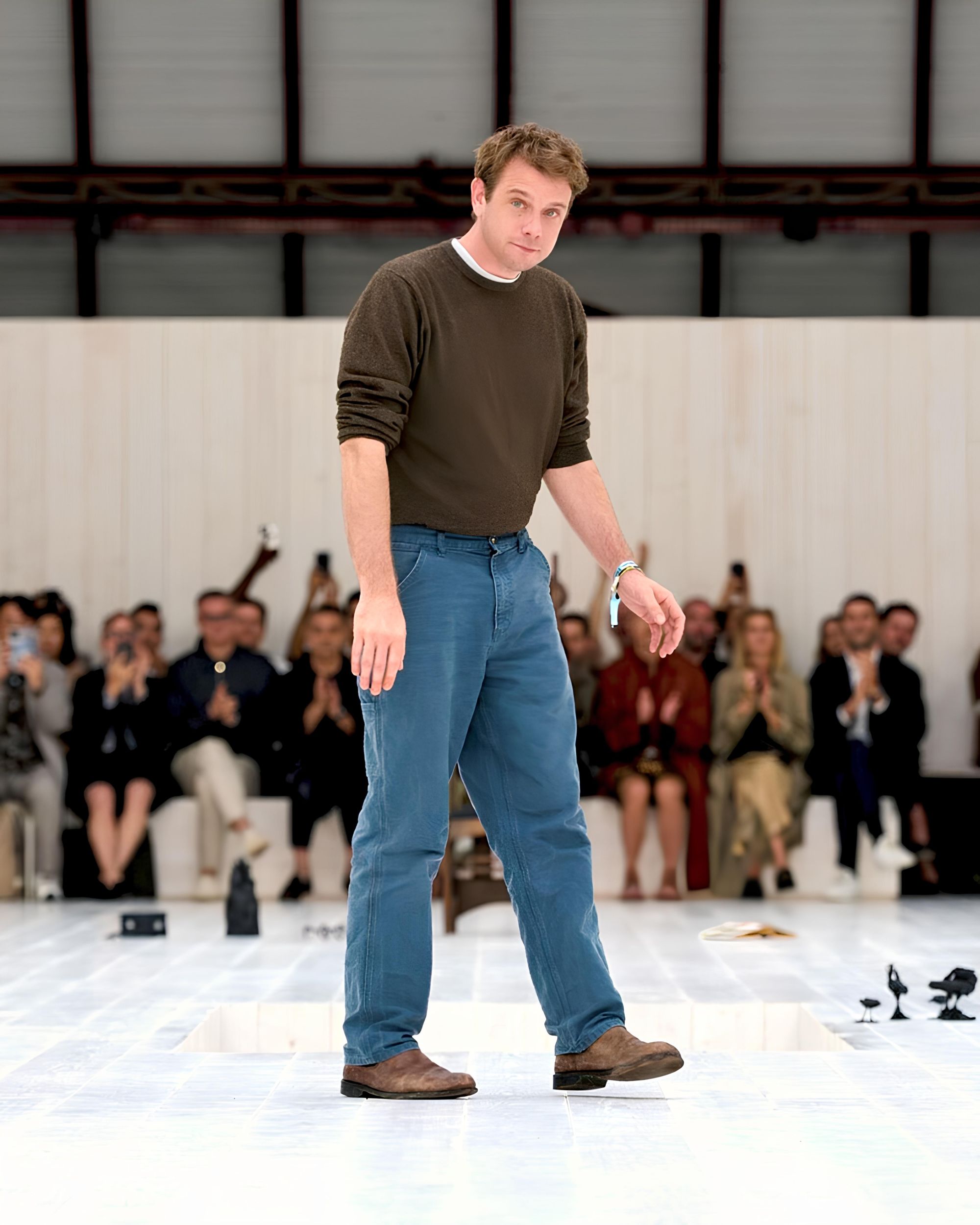
Jonathan Anderson has always been a busy man – but soon he’ll be even more so. With his new appointment, he has been assigned a dual mission: the first, more obvious one is economic and involves bringing Dior back to growth; the second is more symbolic but no less demanding, and involves being the first designer to unify all of Dior’s collections under a single figure. For the first decades of its existence, in fact, the only Dior was the women's line. It was only in the 1970s that Christian Dior Monsieur appeared, which wouldn’t have a proper designer until 1992, and even then, it limited itself to producing generic sartorial classics until the launch of Dior Homme in 2002, as conceived by Hedi Slimane, made it a separate entity with its own creative identity – often in contrast with the women's side of the brand. With Anderson's appointment, that phase is over, and the reason is clear: in today’s fragmented fashion market, authenticity and cohesion are everything, and at Loewe, Anderson has managed to create a coherent aesthetic for both collections, almost without missing a beat. But now that the two major streams of Dior are about to merge into a single great river, another issue arises: the number of collections Anderson will have to design annually, between 16 and 18, of which 10 will be for Dior alone, four others for JW Anderson (according to BoF it will be six, but the resort and pre-fall listed on Vogue Runway refer to the same presentations/shows and none have even taken place in the last year), and another two for Uniqlo. Added to these are capsules and collaborations which, however, in the post-Kim Jones era may become less “automatic” and more infrequent. For many commentators, this is a problem – but why not see it as an opportunity for innovation?
For years, it has been said that fashion does too much and does it too fast. A trend that, while still present, has in some ways slowed down in recent months: not only in the upper regions of the market, where brands like Hermès, Brunello Cucinelli, or Loro Piana have never resorted to pre-collections; but a growing number of fashion brands, in response to declining sales, are downsizing operations and have started presenting shows in co-ed format, with men and women walking together. In other words, the market is downsizing itself and the process is underway. More and more brands still stage shows but rely on lookbooks for pre-collections and often even for menswear collections, thereby reducing the total number of shows; and more and more fashion week calendars are thinning out, with the men's calendars in London and Milan now on the verge of disappearing. As a market leader, Dior certainly won’t give up on destination shows, pre-collections, and so on – but considering that the logic behind Anderson’s appointment was also to reunify the brand, the idea of reuniting its collections while reducing the number of shows would definitely allow Anderson to maintain his creative focus across a broader operational spectrum. Honestly, we’re talking about a possibility and it’s unlikely to happen: even without pre-collections, brands like Prada or Hermès prefer to show separate collections each year, and the same goes for almost all top brands. All things considered, however, looking at Loewe’s past collections as an example of Anderson’s method, it’s impossible not to notice that, while different, the men's and women's collections share internal consistency and aesthetic links – they almost seem to be designed together and, perhaps, could even be presented together. Much like what happens at Bottega Veneta and many other brands.
If at Dior it’s unrealistic to expect a reduction in shows (the current strategy remains fixed on “bigger is better”), this method could be applied to JW Anderson where, given the current absence of pre-collections, the collections could actually become two per year, effectively halving Anderson’s workload. We don’t know the sales figures for the designer’s eponymous label – but we can say with absolute certainty that the nearly year-long absence from the spotlight, confirmed by BoF which wrote that there will be no shows for the brand in 2025, has not diminished its brand awareness. On the contrary, in a fashion world that is increasingly and aggressively inaccessible, JW Anderson remains one of the few brands that offers the prestige of fashion while maintaining accessibility, remaining highly appreciated and, of course, backed by its wealthy investors – still the Arnaults of LVMH. So yes, Anderson, like Lagerfeld and Galliano before him, could comfortably take on all the work his brilliant career demands – but faced with a generational shift at one of the market’s top brands, with a generational talent like Anderson and a generational transition underway, it might be worth asking whether it’s better to work “smarter, not harder.”