




































"Roma elastica": Don't Try to Understand It, Feel It Bertrand Mandico's new film was presented out of competition at the Cannes Film Festival
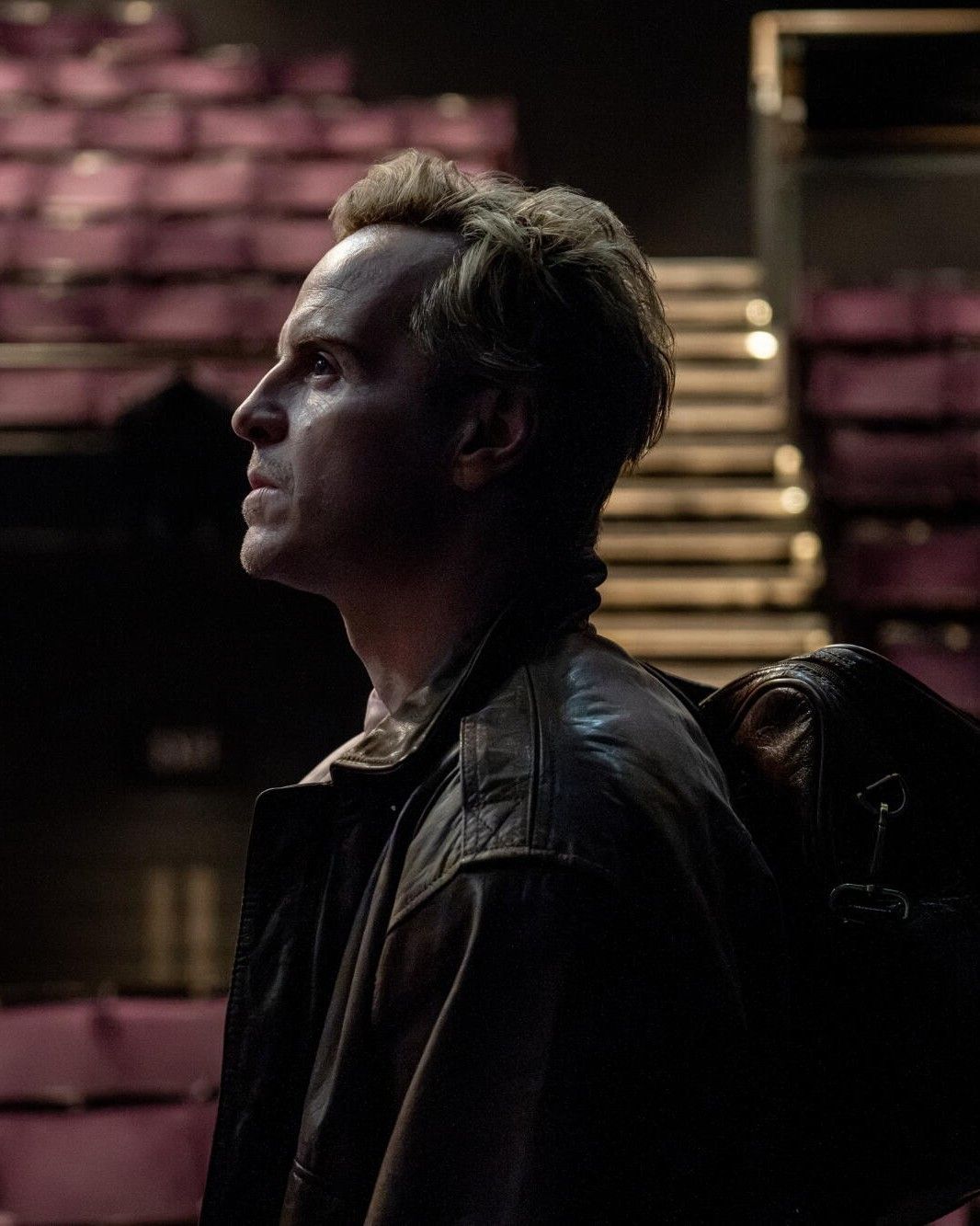
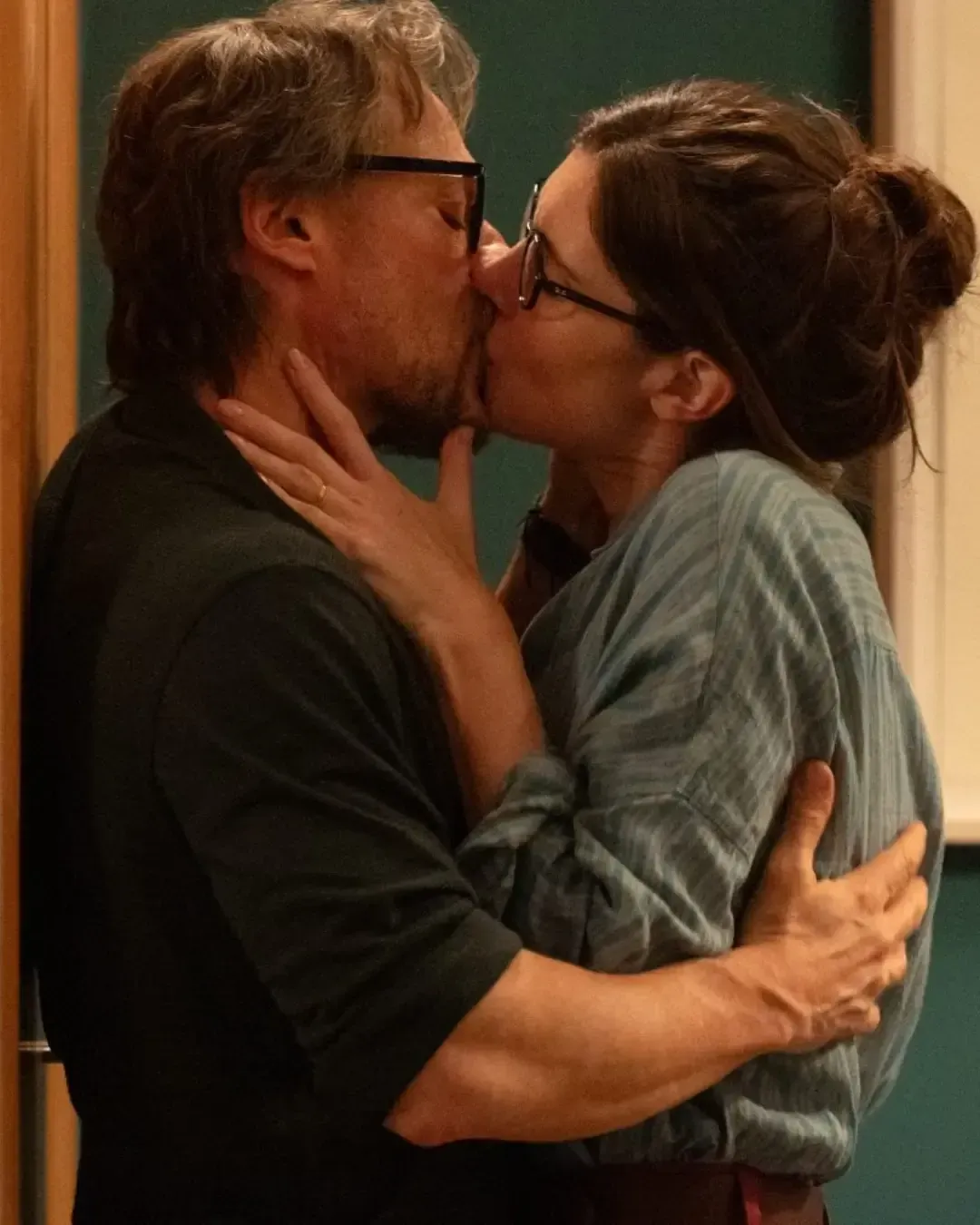
To accept Roma Elastica, you have to play along. Not that it takes much to figure it out. Bertrand Mandico's film, screening out of competition at the Cannes Film Festival, becomes a cult "so-bad-it's-good" movie before it even begins; it is unpleasant because it wants to be, and highbrow even though it pretends to be the opposite. It tells the story of an actress, the iconic Eddie, played by superstar Marion Cotillard, whose tumor pressing against the back of her neck makes it impossible for her to live and work. Yet, she must do both given the imminent production of a film shot in the Eternal City. She is accompanied by her faithful makeup artist Valentina, played by another well-known name on the French and international scene, Noémie Merlant (Portrait of a Lady on Fire).
Partly channeling the atmosphere of Elio Petri’s The Tenth Victim, partly invoking David Cronenberg even when its thesis goes completely against that of the Canadian auteur (where "long live the new flesh" becomes instead a wish for its death), Roma elastica is a deliberately provocative and qualitatively disjointed operation. It possesses an evocative quality that makes the title feel as though it comes from a recent past, having traveled through time to reach the present day—a feeling reflected both in the settings and in Nicolas Eveilleau's cinematography. The imagery is blurry to the point of making the film feel immaterial, only to catapult us back into the present whenever things like YouTube or TikTok are mentioned. The capital city is rendered insubstantial, given physical form only by the statues scattered throughout the entire film.
Moderate reactions are not an option for Mandico, who pushes the envelope further with every sequence, crowding the narrative with improbable characters, costume designer gangs, clairvoyant female directors, and props that recall Andrzej Żuławski’s Possession. The steady march of modernity is simultaneously pushed forward and resisted, kept on the horizon yet remaining something they are reluctant to reach. It is like the illness of Cotillard’s protagonist, but even more so like her stubborn refusal to grow old. The word "youth" constantly leaps from the characters' lips as the sole bastion of possibility, even when they are fully aware they can no longer hold onto it. This reflection ties into conversations about what is perishable or not in this world, especially today when art itself has often become something futile and empty, bound to the breakneck speed at which we are moving—which means only one thing: rampant consumption and consumerism.
Due to its sheer volume of axioms and prophecies, of the skin we inhabit and the destinies that only cinema can rewrite at will, Bertrand Mandico’s film is not the easiest to digest. That is, unless you accept the madness of the French auteur—deliberately cheap, but at times a bit too much—who undeniably brings his own vision to the table. It is a vision that is overstuffed but not confused, tossed into a melting pot alongside so many ideas that the viewer must first and foremost enjoy the aesthetics and tone; otherwise, staying inside it becomes unbearable. The same goes for the intentionally excessive direction of an over-the-top cast, who are required to embody the wild machine they have been placed in. It is an evocative style that every one of them adopts seamlessly, leaving it up to the viewer whether or not to tolerate their performance style. In this way, Roma elastica is a pretentious and pretextual divertissement, but one that can prompt reflection, and occasionally, escape. It is a film that must win you over without making any compromises, and it never fakes its true nature.
What to read next
Cannes Films Land in Paris
Exclusive catch-up screenings to discover the hidden gems of the Croisette
« Histoires de la nuit » is a Party We Wouldn't Want to Be Invited To
Léa Mysius's thriller was presented in competition at the Cannes Film Festival
"Notre Salut" is Emmanuel Marre’s imposing period reconstruction
The story is inspired by letters from his great-grandfather, set against the backdrop of the Vichy regime in the 1940s