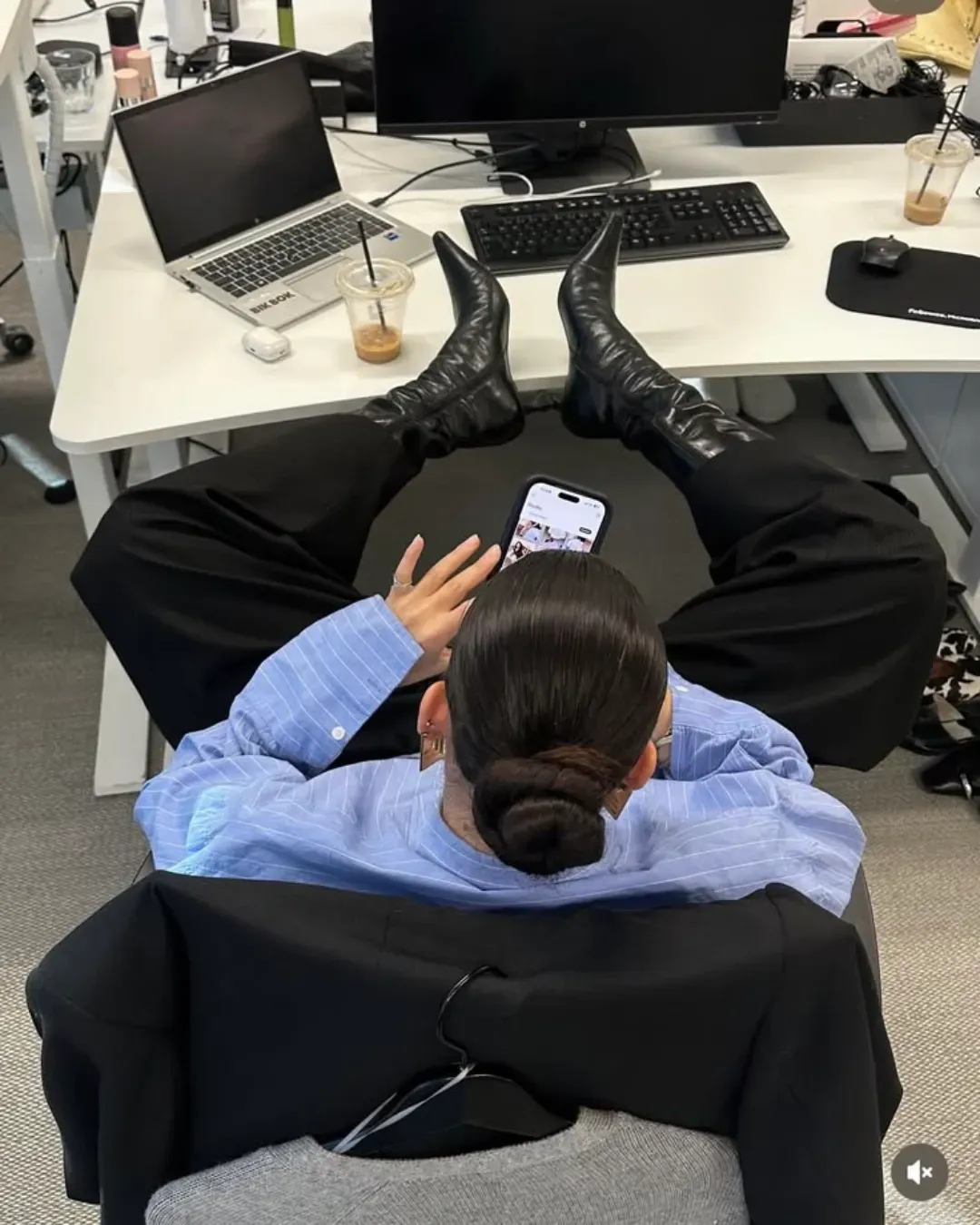












Should you clean up your social media before a job interview? In Italy, nearly 1 in 10 candidates edits their profiles during the recruiting process
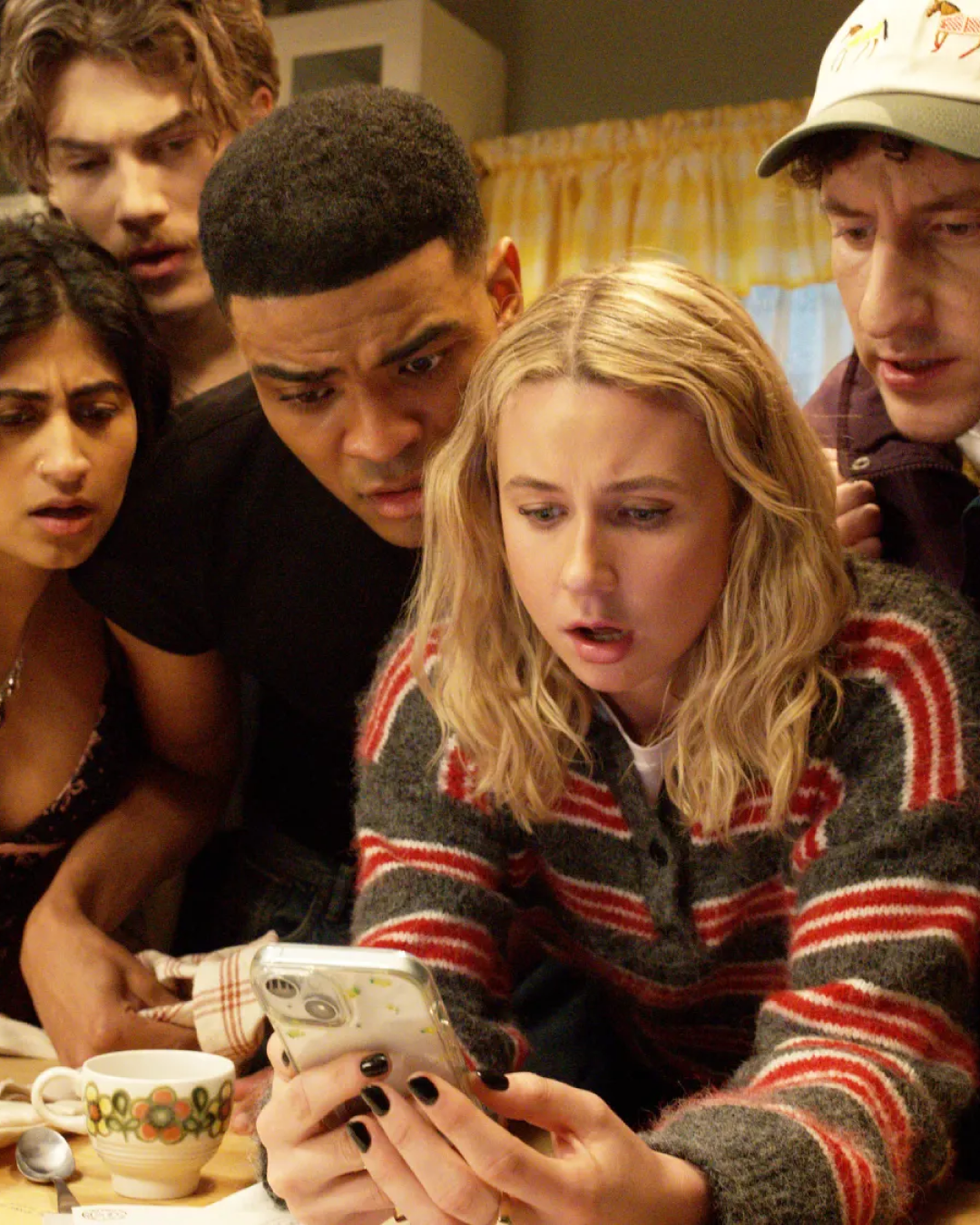
A recent study by the recruiting platform Indeed has sparked considerable debate, revealing that one in four Italian candidates modifies their profiles on platforms like Instagram and TikTok before a job interview. The study, conducted on a sample of 500 candidates and 500 companies, also highlights that 73% of the employers involved in the recruiting process check candidates' social media accounts.
Indeed, today job hunting has become such a demanding and time-consuming activity that, compared to a few years ago, every small advantage can genuinely make a difference in the recruiting process, especially for those working in a big city – where the pool of opportunities is quite large and competition is fiercer.
Looking for a job has always been considered a stressful activity in itself, but it's also true that in recent years the recruiting process has become genuinely more complex. Once a candidate is shortlisted for a given position, the path that follows almost always involves several interviews, sometimes three or more, and not infrequently psychological, aptitude, or logic tests, along with exercises and assignments to complete.
What is Gen Z's relationship with work like
In the research conducted by Indeed, 38% of Gen Z candidates said they had modified their profile before applying for a given position, compared to 17% of Generation X. This is a fairly significant figure, especially in light of the different relationship younger people reportedly have with work, according to experts: greater attention to flexibility, a better balance between personal and professional life, and less willingness to accept rigid hierarchies, long hours, and work occupying an excessive amount of space in daily life.
The experience of the pandemic and the resulting lockdowns of 2020 and 2021 led many young people to question certain aspects of their working life and to seek positions that guarantee a better quality of life. This shift, however, was also driven above all by a more precarious and competitive job market, and by growing distrust that one's profession can actually guarantee better economic and social conditions.
And LinkedIn?
What to read next
Gen Z is spending more on art than any other generation
A new Arts Economics report on global collecting reveals the trend
How Gen Z is changing the rules of physical retail
From clubhouses to test labs, new brands are transforming stores into something that goes far beyond shopping

There Is a Streaming Service Dedicated to John Galliano's Fashion Shows
It's called GallianoFlix and it was created by an Indian fashion writer