




























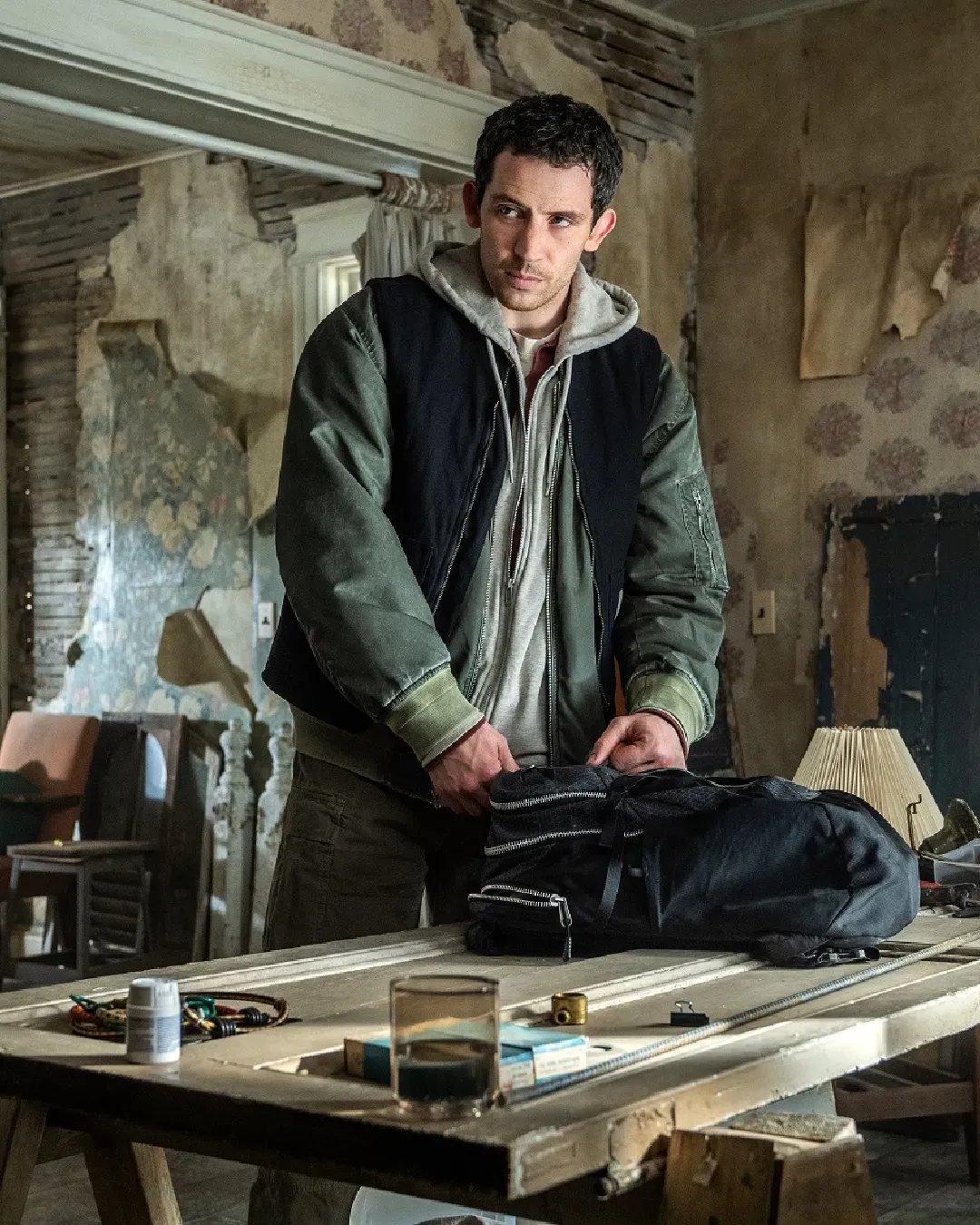
“Disclosure Day” is in theaters to make you see beyond Steven Spielberg and aliens meet once again, inviting us to reflect on human nature
«To believe and be believed». Once again, as every other time, Steven Spielberg has told us what to do. Or rather: he has shown us the way. He has been doing it for more than fifty years, pointing us toward great stories, telling them to us as if they were the most incredible in the world, and we, inevitably, believe him (again: to believe and be believed).
We do it with Disclosure Day, too, his new collaboration with David Koepp (Jurassic Park, just to name one), in which Spielberg and the screenwriter question what could be the motive that might lead humankind to stop its ridiculous propensity to destroy one another.
Obviously, for a director born and raised in the myth of “anything is possible,” within a very American vision that in fact reappears in Disclosure Day as well, the answer can only be one: aliens. In the confrontation with the other, with what is different and, in this case, not only greater but even beyond us, humanity might perhaps rethink its own nature and come to terms with it. Everyone might remember that they are not the only ones entitled to walk the Earth, the same Earth on which a hypothetical God may have placed us as his creatures, while being perfectly capable of loving the others scattered throughout the rest of the galaxies too.
Acknowledging our own smallness (not of spirit, although the worst ideas humans use to annihilate one another would suggest otherwise) is a first step toward reconnecting with empathy, which, though apparently harmless, can be the most powerful weapon with which to shake any enemy. But to do so, we must first be sure we are ready. Ready for an event for which, perhaps, we could never truly be ready. And event is the word that best defines the landing of Spielberg’s new sci-fi title in theaters, not because it is one of those operations that find devices and tricks to bring audiences into cinemas, but because the experience of Disclosure Day begins long before setting foot inside, going all the way back to the announcement, to the preparation for its making.
The proof comes from the beginning of the film: plunging straight into the story of an IT specialist who has stolen classified material, Disclosure Day had already begun long before its opening scene. The sequence we see has nothing of the classic beginnings of a story; rather, it feels more like a settling of scores than a preparation for the tale that awaits us.
This is because our attention toward the work, the intrigue surrounding a truth to be revealed, the fact that we know there are secrets that someone wants to bring to our attention, are pieces of data and information that we begin to absorb before entering the theater and that we have been preparing to discover for a lifetime. We know that there is something waiting for us with Disclosure Day; we simply do not know what.
Disclosure Day rewards its audience for their patience. It taps into our inherent desire to be informed on what's out there while encouraging us to pay close attention to what's here. There are imperfections along the way, but the complete picture is something truly magical. pic.twitter.com/f8WcDjn81f
— Ezra Cubero (@EzraCubero) June 9, 2026
It is with this perception that the film plays, taking for granted that our wait has lasted long enough not to need lengthy preambles, throwing itself directly into the discovery that will change our lives and everyone else’s. The only question that remains is this: are we truly ready? By taking the moment of revelation as a given, Spielberg and Koepp can question not the facts themselves, but go further, reflecting on the effects of what is about to be brought to light.
In our fragility, what can the confirmation that there is something beyond us represent? What does it mean to believe, in religious terms and otherwise, when one tries to make sense of the order of things and that order was not dictated by God? Or perhaps, precisely because we are not alone in the universe, does it mean that someone loved us enough not to leave us alone?
While Disclosure Day invites us to open our eyes (with the eye returning as a gateway after 2002’s Minority Report) and ends by reminding us that we must also know how to listen, Spielberg retraces his own career and his contact with the extraterrestrial, maintaining an internal logic within his stories and approaching it with the same poetics (and with the image of the alien) that belongs to his repertoire. Disclosure Day thus has the action moments of War of the Worlds, the contact with the other of Close Encounters of the Third Kind, and also the childlike side of E.T., an essential soul in his universe, complete with a vessel embodied by Emily Blunt’s character, whose surname in the film is Fairchild.
And it is incredible how we will remember Disclosure Day as the film that best framed our times and gave us a solution for extinguishing the flames in which the world is trapped, even though it is still unlikely that we will follow it. In 2026, United States President Donald Trump had the Pentagon release a series of files classified since 1947 concerning suspected anomalous presences, mysteries often solved with reports that turned out to be balloons, drones, satellites, or ordinary activities.
Instead of using “the alien” as a conciliatory figure, Aliens becomes the name of the website connected to the White House that citizens can use to stay informed about ICE operations against immigration, even becoming an active part of them. In this, Spielberg is one hundred percent Spielberg. And for this reason, appreciating Disclosure Day becomes a radical choice.
To the moral collapse of our society, the director responds in the most ghostly, most hopeful way possible. To the doubt about our ability to accept and consciously react to news greater than ourselves, the work and its author respond positively. And it is this that we want to believe in, perhaps even more than in the aliens themselves: in our ability to return to and remain human. «To believe and be believed».
What to read next
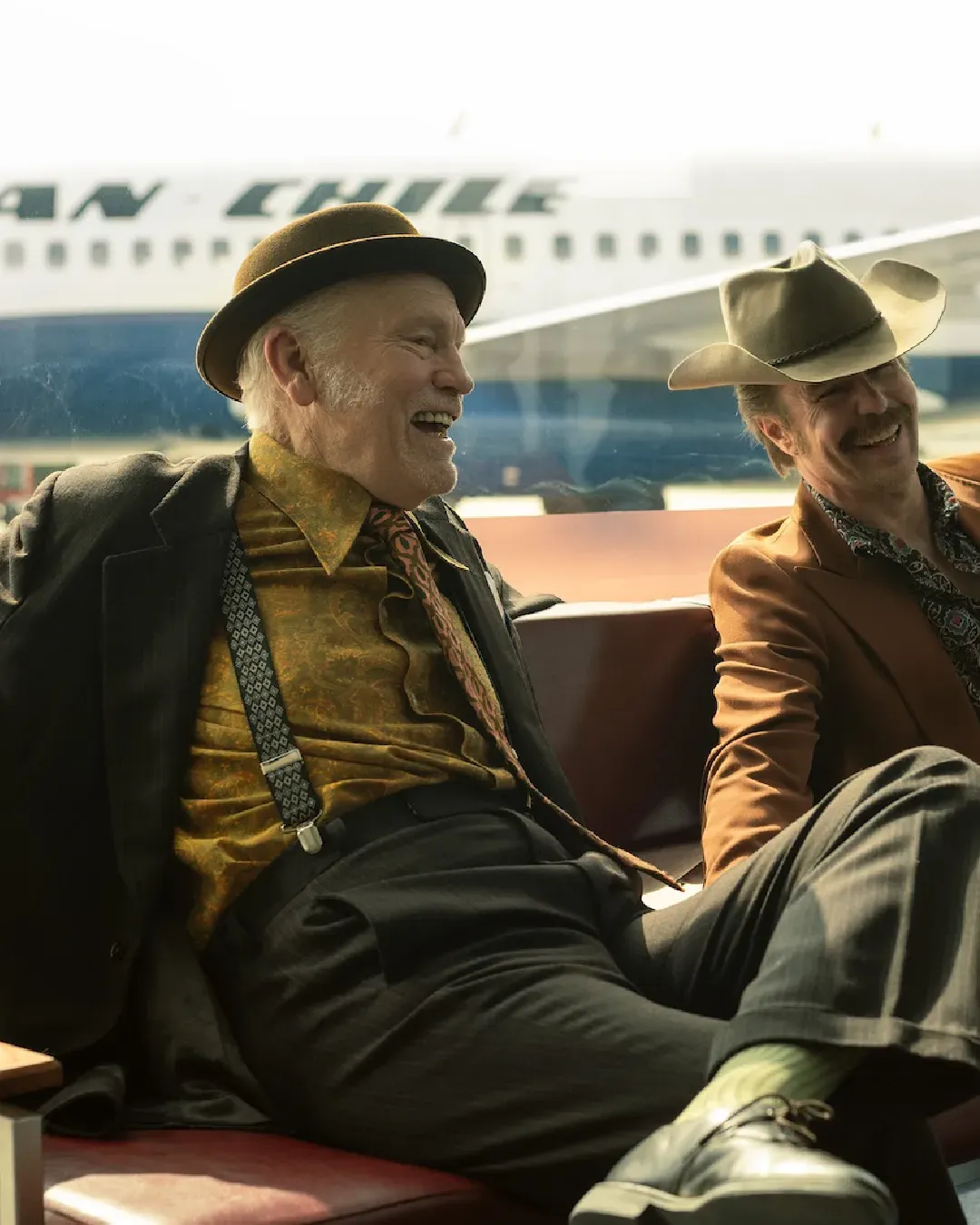
"Wild Horse Nine" by Martin McDonagh is tender and ruthless at once
With an award-worthy John Malkovich
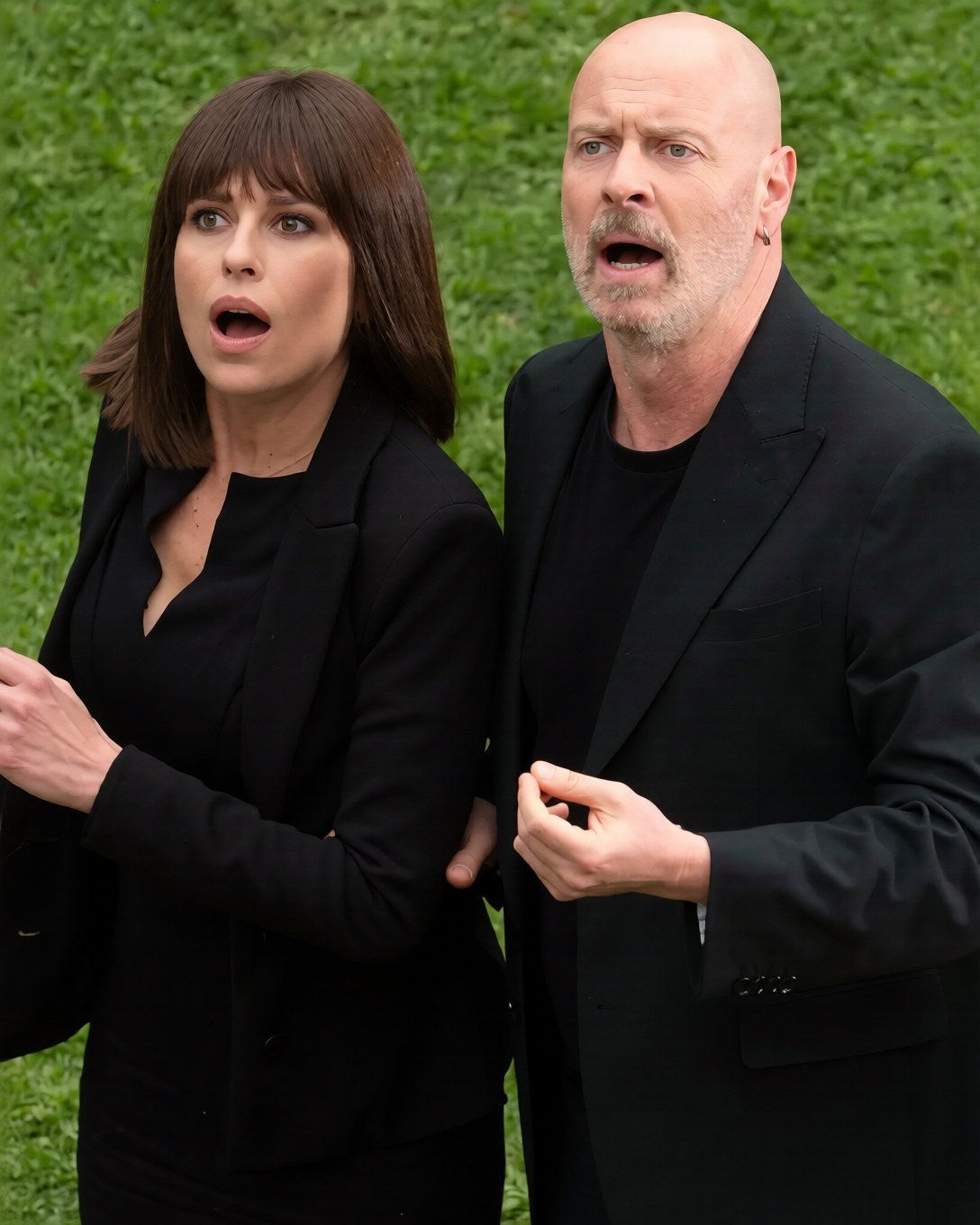
"Un tranquillo funerale di famiglia" is everything comedy should not be today
Massimiliano Bruno's film had its premiere at the Rome Film Festival
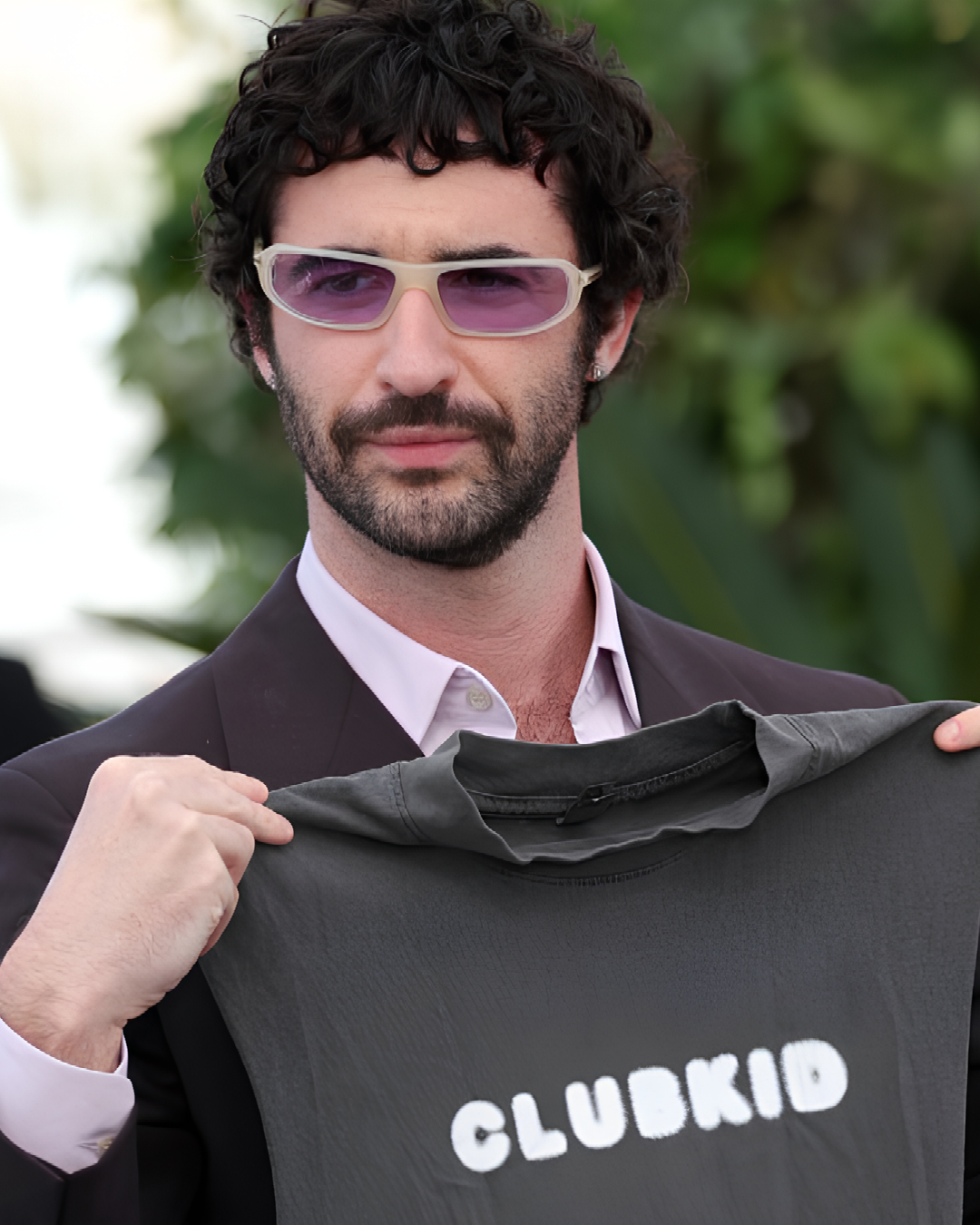
«Club Kid is a once-in-a-lifetime opportunity», interview with Jordan Firstman
Everything about the directorial debut of the American actor and screenwriter