


















The birth and rebirth of French Touch A story that still has the whole world dancing, from the Palace in the 1990s to the latest DJ set at the Centre Pompidou
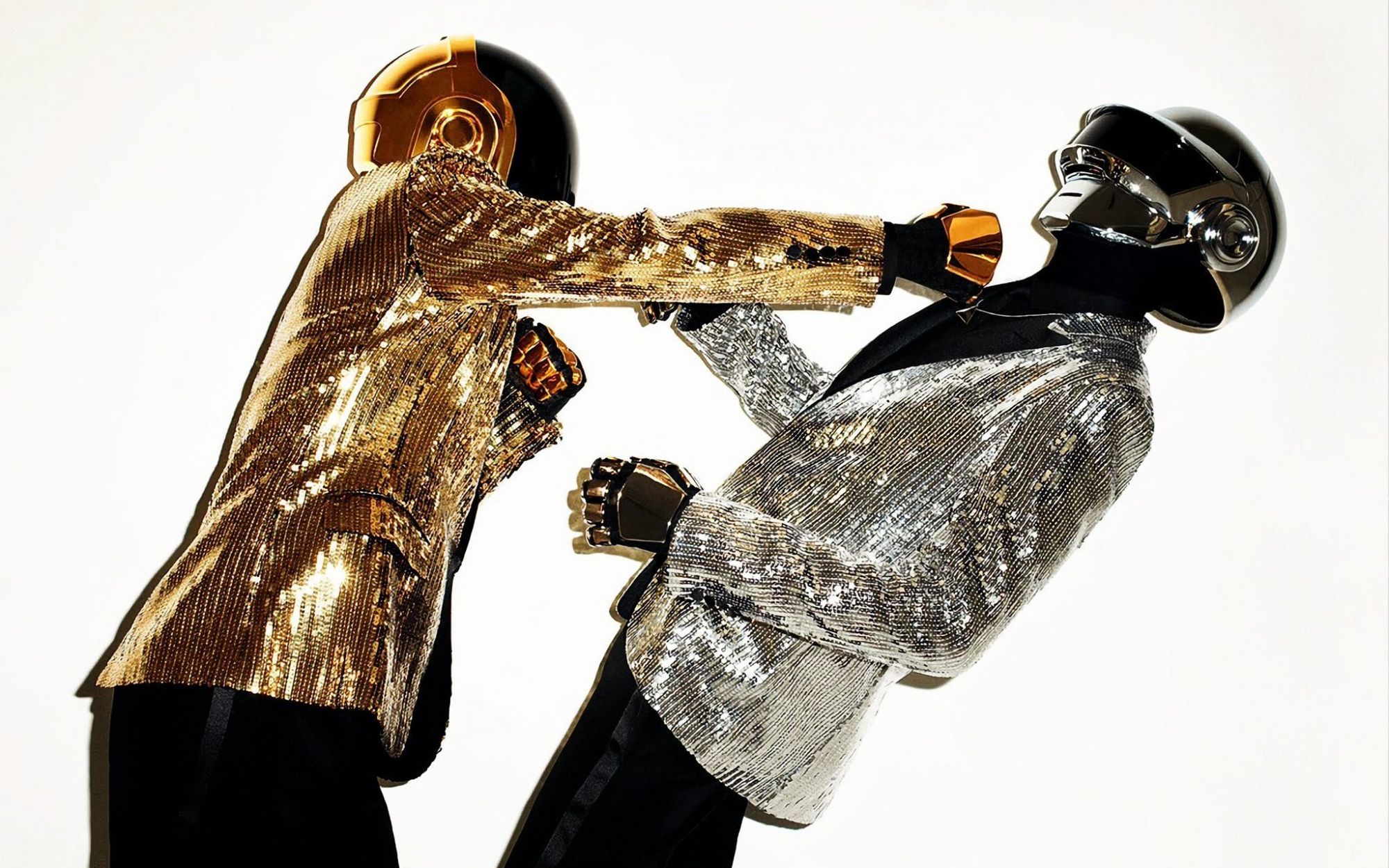
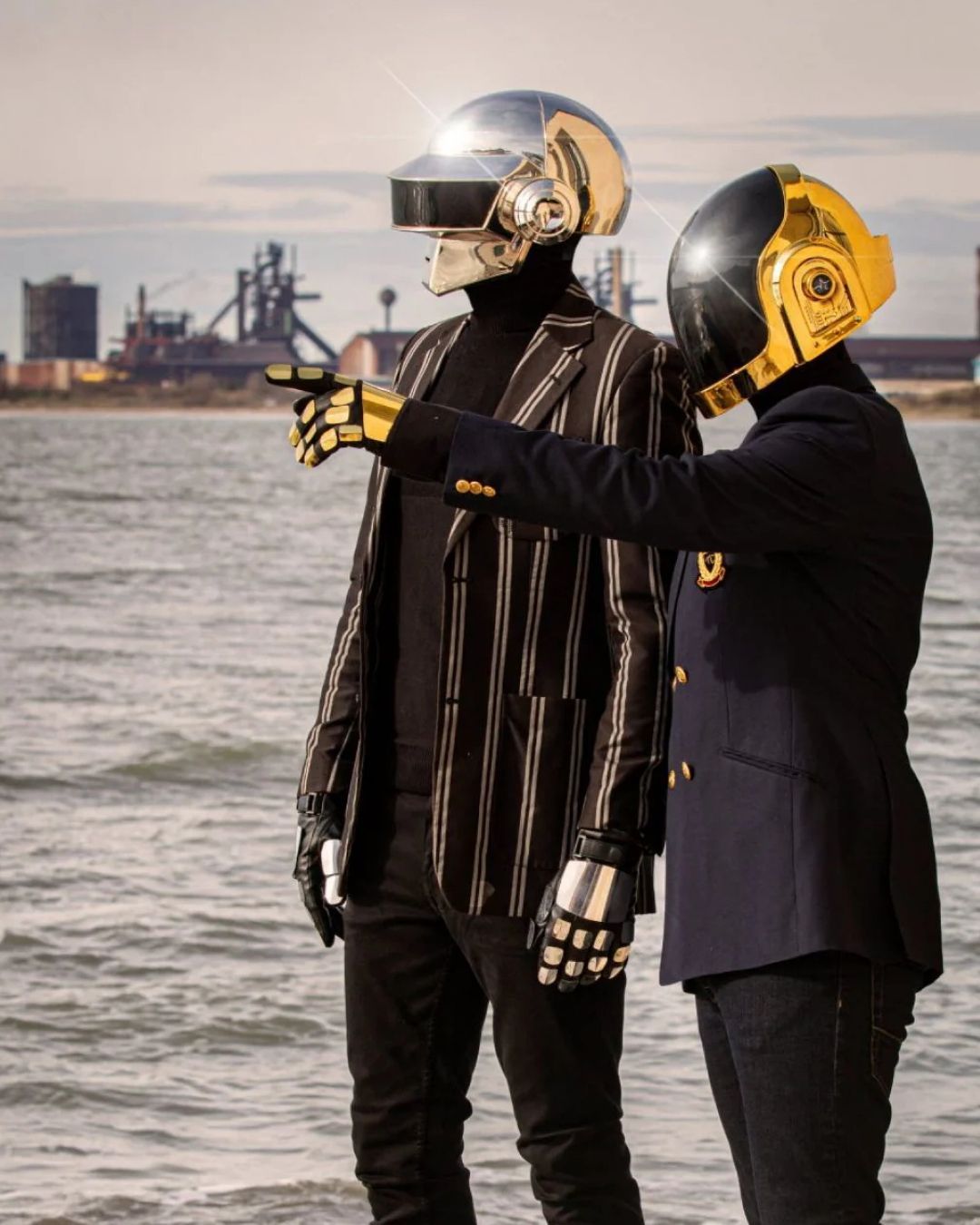
Last Saturday, as it welcomed visitors thirsty for good times for the last time behind its pipe-clad façades, the Centre Pompidou offered us one final cultural lesson: the French Touch is truly back. While it celebrates its ruby anniversary with music, the French Touch has proved to us time and again lately that it never really disappeared. The first to show us, not through words but through notes, was Thomas Bangalter, former member of the duo Daft Punk alongside Guy-Manuel de Homem-Christo, who appeared Saturday behind the decks of the Centre alongside Fred Again for a final DJ set we’re not likely to forget. Between this unmasked appearance last Saturday, his work on film soundtracks like Cédric Klapisch’s En Corps or Quentin Dupieux’s Daaaaaalí!, his collaboration with Orelsan, and even his cameo in Cédric Jimenez’s Chien 51, the musician is officially back on the scene. And he’s not the only one.
It all began in the early 1990s in Paris, at the Palace to be precise, a cinema that opened in 1912 before transforming into a cabaret and later officially becoming a nightclub. At the heart of the institution, the tracks of Laurent Garnier, Guillaume la Tortue, and David Guetta, with their electronic echoes inspired by the Chicago and Detroit scenes, made the floors, walls, and ceilings vibrate through the night. With the arrival of small labels such as Roule (founded by Thomas Bangalter in 1995) and Disques Solid (founded by Étienne de Crécy in 1996), the French Touch left the nightclub walls to find a place in French households. Very quickly, especially thanks to Daft Punk and their album Homework, released in 1996 and featuring the hit Around the World, this unique genre—defined by filtered disco and funk samples—crossed the borders of France, turning the country into a musical icon recognized far beyond the Atlantic. The movement thus took the name French Touch, in homage to this wave of artists all hailing from one and the same country: France.
@gotwub Daft Punk @ Even Furthur May 26th, 1996. This was Daft Punk's first ever performance in the United States #daftpunk #1996 #foryou original sound - WUB
And speaking of across the Atlantic, it’s impossible not to mention the duo Air, composed of Nicolas Godin and Jean-Benoît Dunckel—one an architecture student, the other a mathematics student and physics teacher—both from Versailles. With Moon Safari, their debut album released in 1998, featuring an Anglo-Saxon base reworked with a Versailles touch, the duo brought a breath of fresh air to the movement. Instead of robotic effects seen and heard a thousand times, we find angelic sounds from the duo, who use their own voices through a vocoder. Obsessed with modular synthesizers and elegant basslines, Air built their music around a symphonic sequence, unlike many of their peers who relied on rhythm and repetitive loops. Their electronic identity is strong, their music spatial, and their audience captivated—not only in France. One track from that legendary first album quickly became a hit: Sexy Boy. A hit so powerful that it reached the ears of American director Sofia Coppola, who later chose the duo to score her first feature film, The Virgin Suicides, led by her muse Kirsten Dunst.
@mascrtz my soul sounds like that #thevirginsu1sides #fyp #luxlisbon #sofiacoppola #lisbonsisters #air #highschool #reposteria #girlblogger #thereselisbon #cecilialisbon #playgroundlove #relatable Highschool Lover - Air
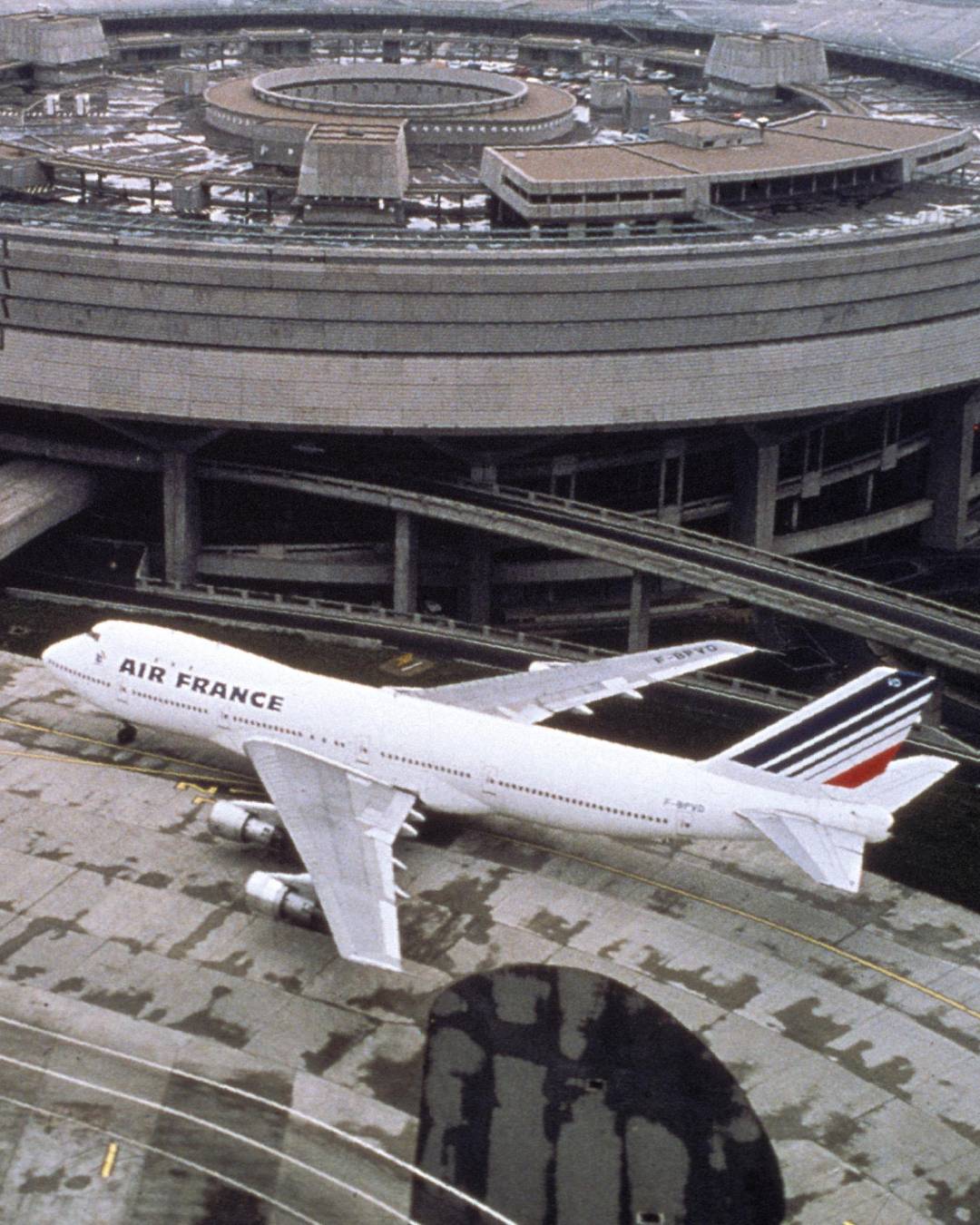
After parting ways in 2021 and reuniting in 2023, the duo made a sensational comeback in 2024 during the closing ceremony of the Paris Olympic Games, joined by the band Phoenix (whose lead singer Thomas Mars is Sofia Coppola’s husband) for a live performance of Playground Love at the Stade de France. The following year, they once again captured the hearts of a Gen Z audience that didn’t necessarily know them, at the We Love Green festival in Paris, joined on stage by Charli xcx for a special rendition of their hit Cherry Blossom Girl, which still echoes in our ears and AirPods today. But it was especially during the summer of 2024 that the French Touch made all of France vibrate — from the special French Touch rooftop night at Charles-de-Gaulle Airport featuring artists like Air, Phoenix, Étienne de Crécy, Inès Mélia, and Izzy Lindqwister, to Around the World by Daft Punk serving as the anthem of Vogue World in Paris, and finally, the release of an Arte documentary on the late DJ Mehdi, which deeply moved fans of the genre and beyond.
The French Touch has thus proven that it is more than just a 1990s musical era—it is a French sonic identity that knows how to reinvent itself, moving from the underground decks of the Palace to the world’s biggest stages, from Daft Punk to Air, from Thomas Bangalter to the new faces of electro. The shockwave of summer 2024, symbolized by that final set at the Centre Pompidou, is not a passing spark but proof that this legacy will never fade. As Pompidou closes its doors for five years of renovation, it left us a clear message still resonating in our headphones: the French party is just getting started.