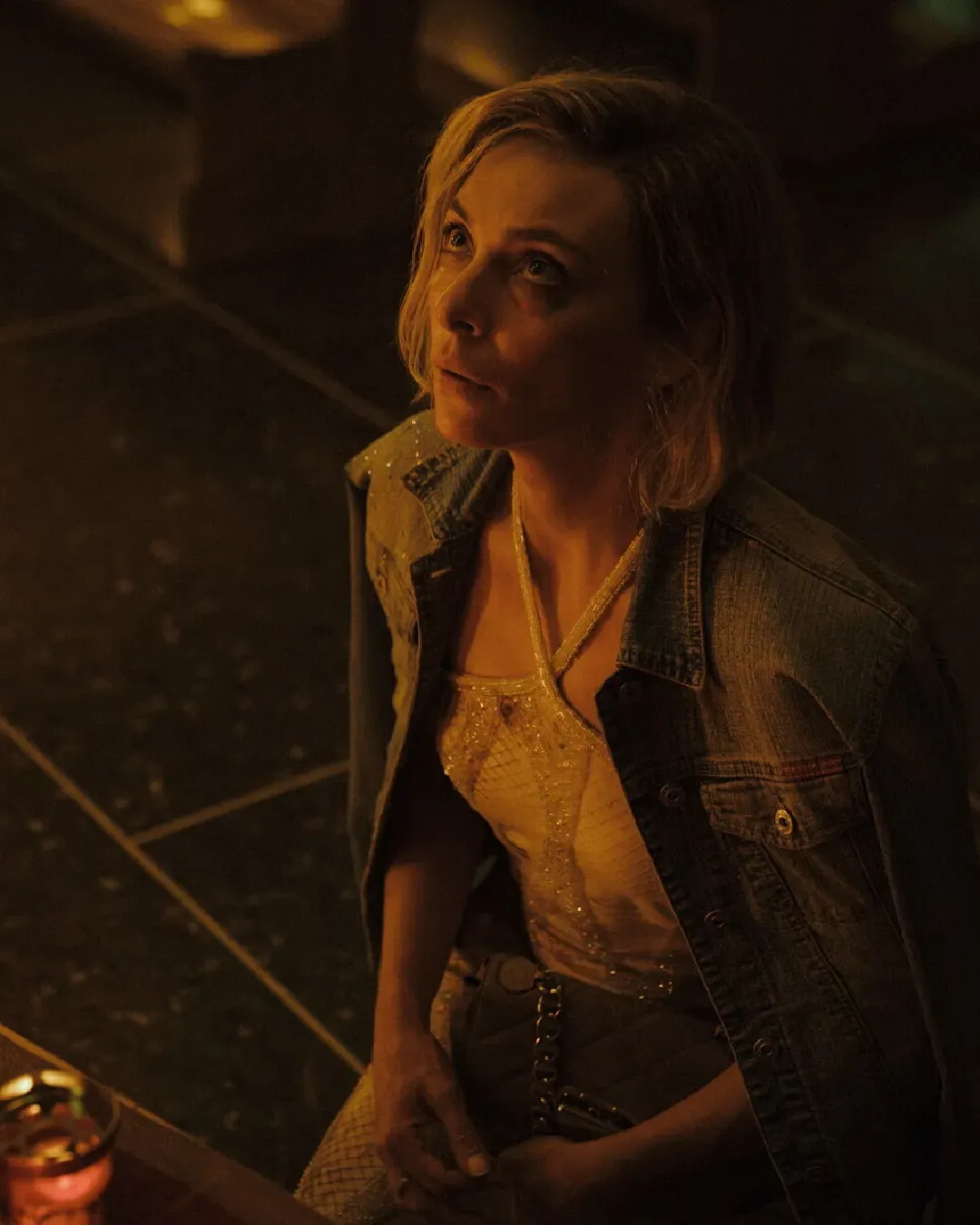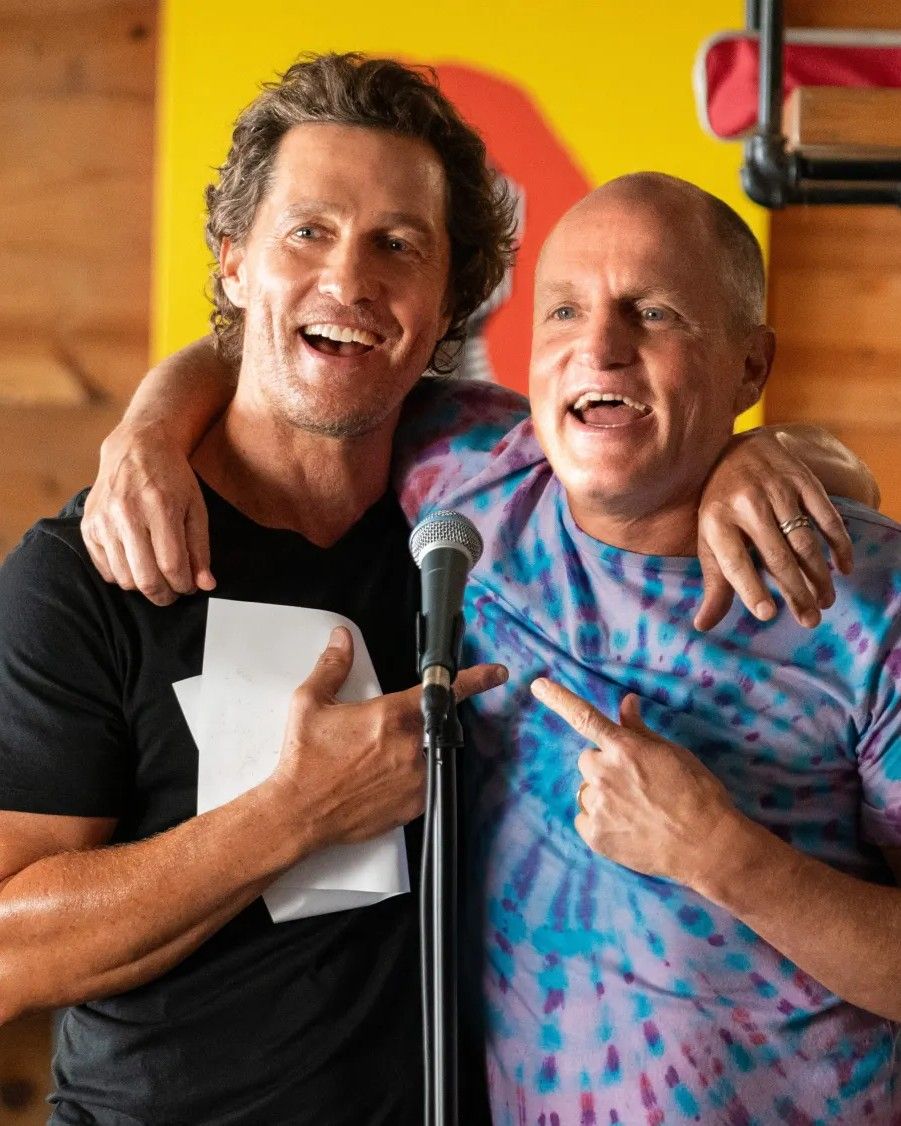





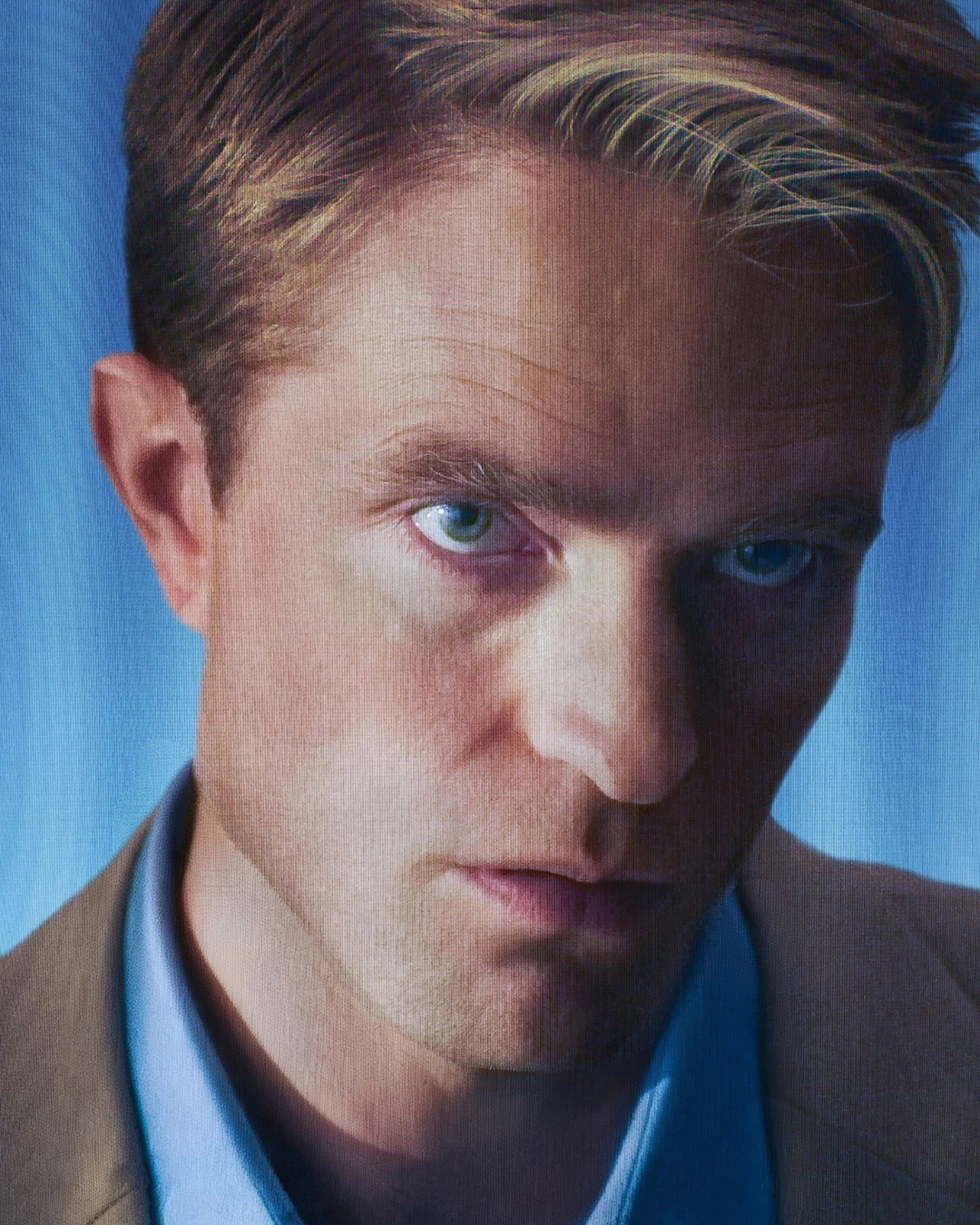






















"The Last One for the Road" is the new jewel of Italian cinema The leading actors are Filippo Scotti, Sergio Romano, and Pierpaolo Capovilla
In recent years, the Brion Tomb has been at the center of two major productions. In 2024, it appeared as a backdrop in Denis Villeneuve’s Dune - Part 2, the first time the memorial became an actual film set. The second was in 2025, in a film that, compared to the sci-fi epic based on Frank Herbert’s novels, does not have the same grandeur, especially from a production standpoint, yet it doesn’t lack a dazzling, intriguing, and equally fervent imagination. The Last One for the Road is the road movie written and directed by Francesco Sossai, which premiered at the Cannes Film Festival in the Un Certain Regard section, focusing on the story of three unlikely characters wandering through the Veneto region in search of the last one.
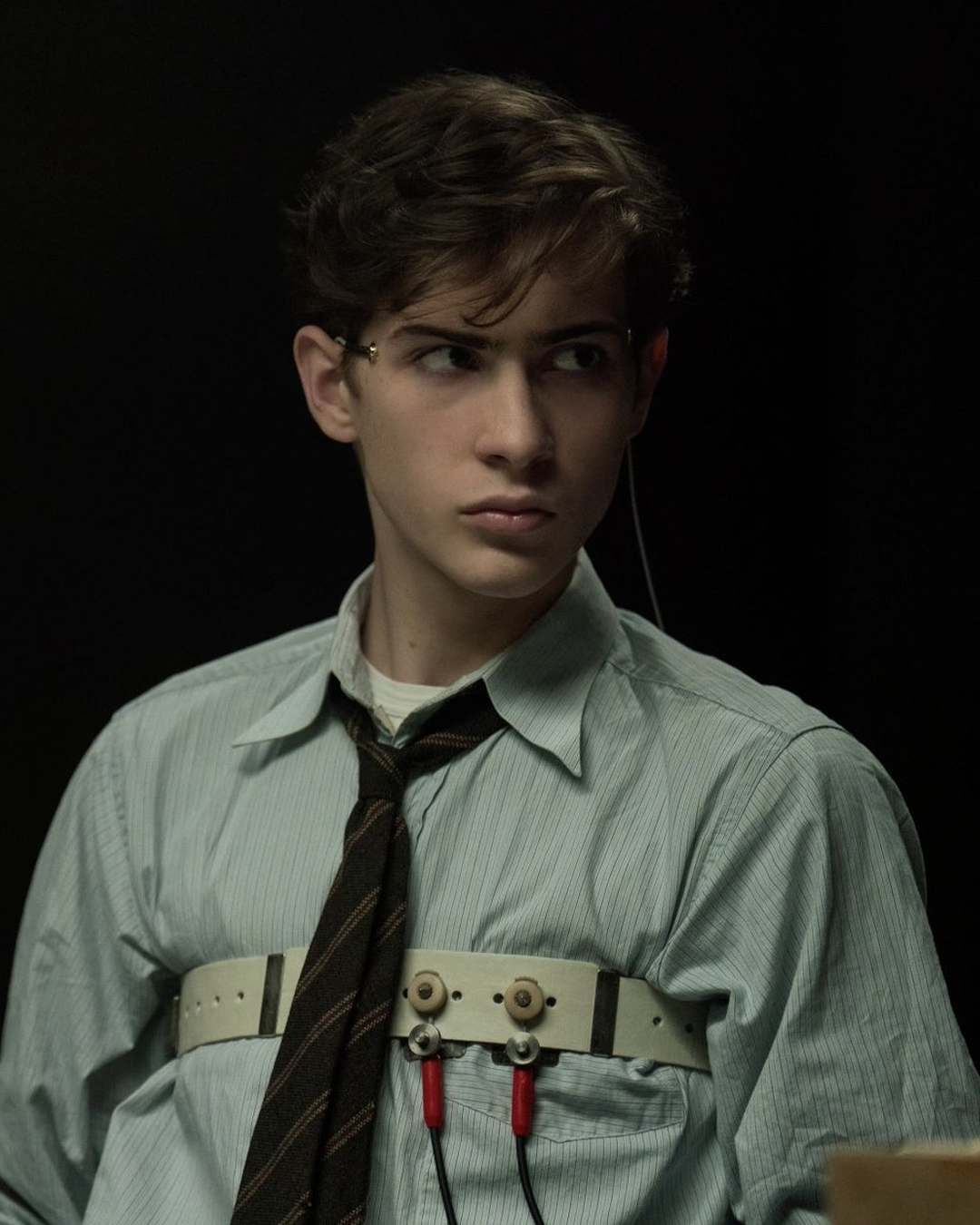
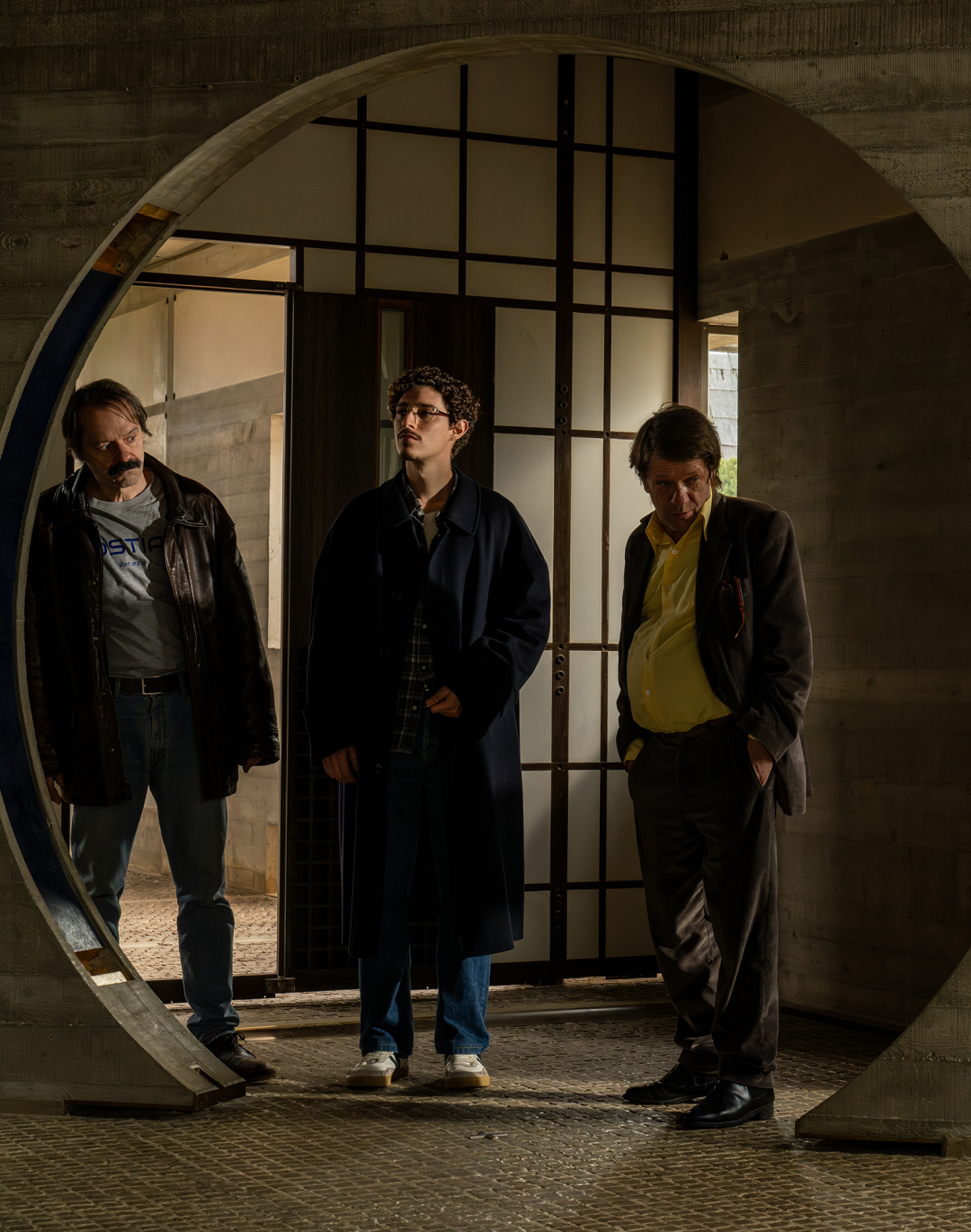
But the last one of what? The last laugh, the last adventure, above all, the last drink. The kind that is so final it ends up turning into the first of the next day, when everything has to start all over again. Of the three protagonists, two have been lifelong friends: Carlobianchi (all one word) and Doriano, played by Sergio Romano and Pierpaolo Capovilla, serving as guides to an unsuspecting southern “Dante” played by Filippo Scotti. An architecture student trapped in his own prison, his young Giulio (or Julio, as his new friends prefer to call him) will allow himself a night stretching into days in the company of these unusual figures.
A way for the boy, rigid and inflexible, to be permeated by the decadent poetry of the outskirts that no one ever sees, while traversing them himself among city architectures and villas inhabited by counts, who embody an Italy and personalities that are not invisible but must be carefully sought out. The geometric shape formed by Giulio, Carlobianchi, and Doriano is a triangle, with Scotti’s character needing to become its tip by learning how to appreciate things from the bottom up, enjoying a life not made solely of study. His companions, goofy and lighthearted, are the result of a cinema digested and absorbed by Sossai, born from his pen but seemingly influenced by the surrealism of Aki Kaurismäki, creating a work that, resonating with the Finnish director’s filmography, is both lyrical and filled with melancholy.
After all, it is on urban legends that The Last One for the Road builds its knowledge, on what its inhabitants do or do not know, on ghost highways that enhance its folklore, and on incredible, definitive answers about the meaning of life. Answers that, in the end, just like the last drink, never truly arrive. And the film is filled with ghosts. They move undisturbed, run along the road like the protagonists, linger in derelict houses and empty restaurants, amplifying the absences and voids that Sossai’s story tries to capture.
l’unico film che vedrò prossimamente e al quale metterò cinque stelle è le città di pianura #forzatriveneto
— giada (@ayellowlamp) September 17, 2025
A forgotten land inhabited by extraordinary presences, while trying to come to terms with spirits, like that of a friend who fled to Argentina and whose existence is made epic through memory, more than real life ever could. It is no coincidence that Giulio’s desire is to visit an open-air tomb, a memorial that merges the architecture he studies with the landscape he is truly immersed in for the first time. The junction between soul and nature is Sossai’s poetic and slyly ironic hallmark.
It is the destination to which the trio is heading, only to end up once again with none. Romano, Capovilla, and Scotti are like sprites on a region that is (re)seen and brought to the screen with the delicacy of an author worth praising. A different angle from which to look at things as they are. The sought-after inclination that the Brion Tomb itself allows one to feel, and which, if you stand in the exact position, reveals how to admire the plain from another perspective.