






















Sabrina Impacciatore is too fun for Italy And this is why Americans love her
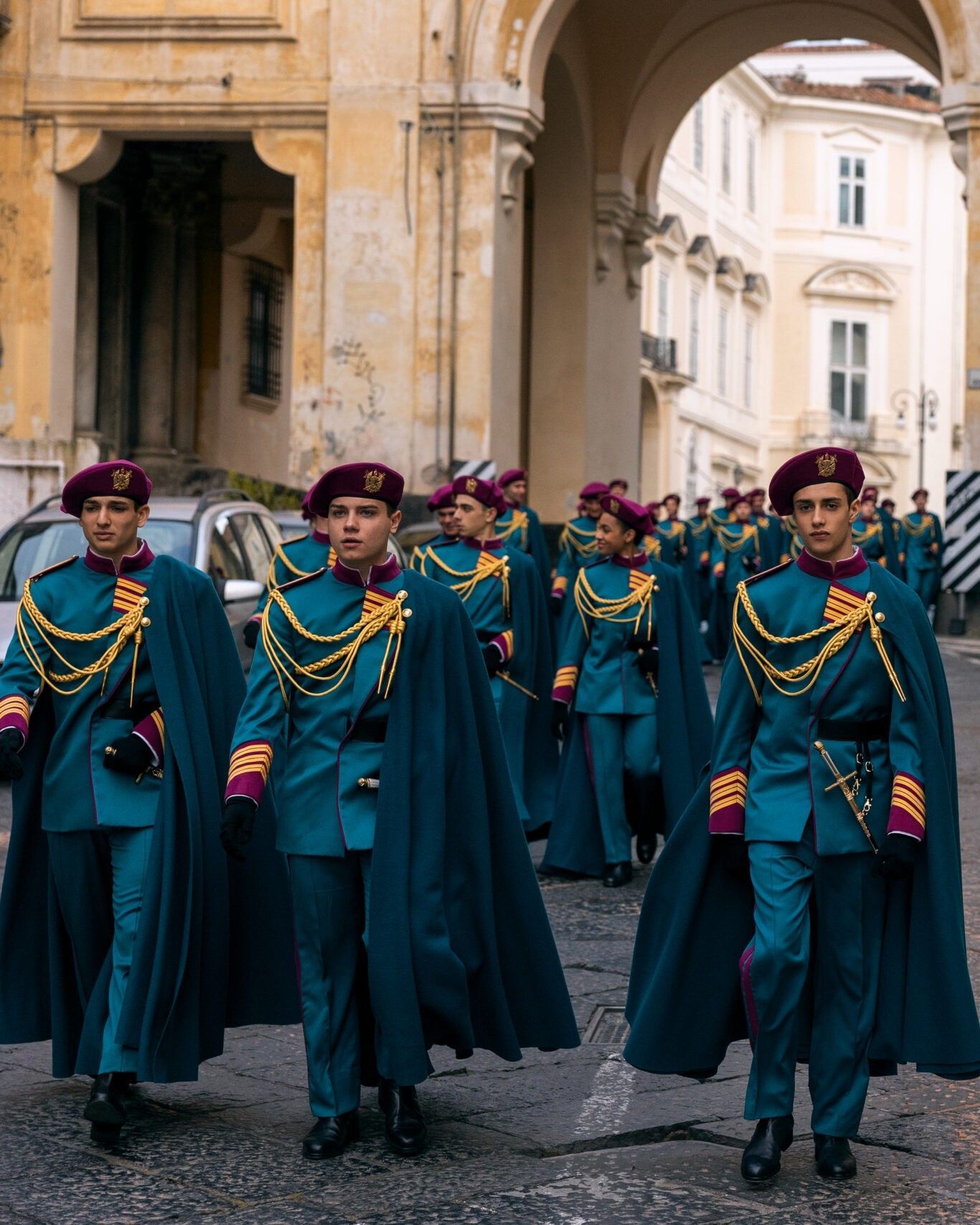
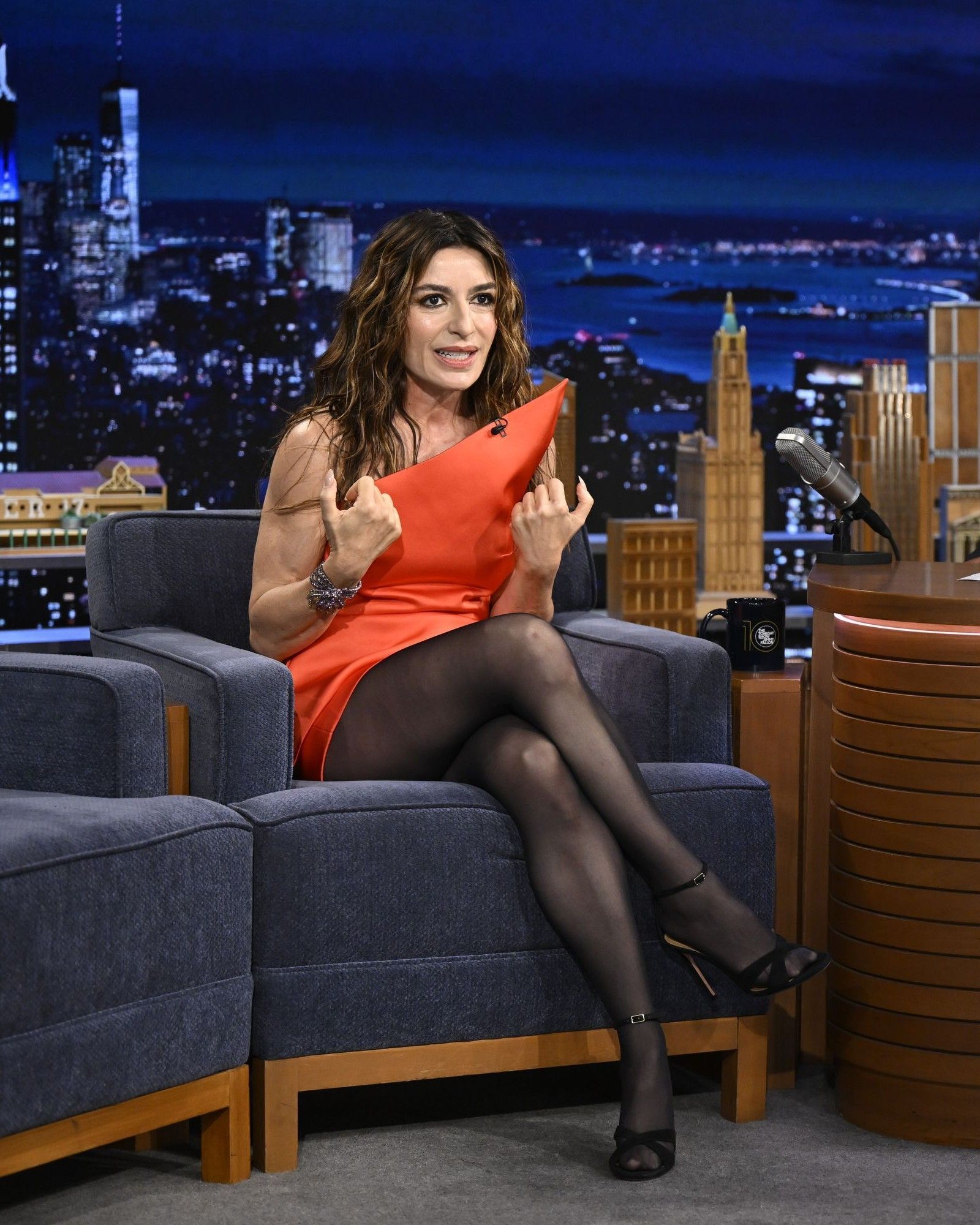
The American audience discovered Sabrina Impacciatore at a hotel reception, so to speak, in the role of Valentina, the chaotic bi-curious concierge of the second season of The White Lotus. Shortly after, her international career took off: there was the war drama Across the River and into the Trees by Paula Ortiz, the Prime Video action film G20, the more recent In the Hand of Dante by Julian Schnabel, and now, her role in The Paper, the new spin-off of The Office that debuted with excellent reviews and has already been renewed for a second season. Naturally, between one project and another, there have been several appearances at fashion weeks and on television, both in Italy on Belve and as a guest star in Call My Agent, and in America, where Impacciatore is hugely popular. Recently, an appearance on the Tonight Show with Jimmy Kimmel, where she recounted a spicy misunderstanding that happened during a conversation with Jason Momoa, not only had the audience in stitches but also went viral.
@all_fem Sabrina Impacciatore, ha un grande pregio: essere sempre e irrimediabilmente sé stessa. Forse è proprio questa qualità ad averla resa nota negli Stati Uniti, dove, dopo la sua partecipazione nella serie tv “White Lotus”, è diventata una vera e propria star, pronta ad emergere nel remake di “The Office” In questa intervista da Jimmy Fallon, Impacciatore racconta del suo primo incontro con Jason Momoa su un set e della sua piccola gaffe linguistica (sarebbe capitato a chiunque di noi). Ma come si fa a non amarla? #fem #sabrinaimpacciatore #jasonmomoa
suono originale - Fem
Impacciatore is, in short, incredibly likable – a charm and verve that in America have opened doors to highly popular and mostly comedic roles. This is unlike what happened in Italy, where Impacciatore’s career began in 1993 with the iconic Non è la Rai and took off as an actress in 1997 with the sitcom Disokkupati. In cinema, Impacciatore also worked with a master like Ettore Scola and appeared in well-known films of the early 2000s such as L’Ultimo Bacio, Manuale d’Amore, and even in Mel Gibson’s famous The Passion of the Christ. After this initial phase, Impacciatore worked extensively in film, television, and theater in every imaginable format, from music videos to hosting, from Canale 5 fiction to Virzì’s tragicomedies. Nevertheless, true recognition from the audience and liberation from the ranks of character actors came only with an American series. In short: Sabrina Impacciatore is too likable for Italy, and her professional journey reflects the limitations of the stifling, dreary, and colorless Italian entertainment industry.
Why Didn’t We Notice Sabrina Impacciatore Sooner?
Sabrina Impacciatore’s trajectory embodies the limitations of Italian cinema and the untapped potential of its talents. Despite a career spanning over 25 years in theater, TV, and film, Impacciatore long remained a supporting actress in Italy, confined to secondary roles. Contemporary Italian cinema in recent years has been, with a few notable exceptions, a cinema that is certainly committed but objectively incapable of producing truly popular films. Today’s productions tend to focus on intimate and relational dramas, often centered on marital, family, or personal crises, with middle-aged protagonists and themes aimed at a very mature and bourgeois audience. According to ANICA 2024 data, between 2023 and 2024, 58% of Italian films belong to the dramatic genre, compared to 25% comedies and 17% other genres (thriller, horror, sci-fi), highlighting a clear predominance of serious and "committed" narratives. Comedies, on the other hand, are not a more intelligent or sophisticated genre. A focus on relational dramas, often set in bourgeois or petit-bourgeois contexts, with complex family dynamics, often with melodramatic or tragic tones, has produced quality films but failed to create a single truly entertaining or brilliantly engaging film.
Film con le stesse trame -banali- da 60 anni, sempre gli stessi attori mediocri, interpretazioni di scarso livello, battute da terza media, ma la colpa è del ministero della cultura se il cinema italiano non se lo caga nessuno.
— Miss Elle (@its_MisssElle) May 8, 2025
Ok
pic.twitter.com/6ON4BhV43o
The most-watched Italian comedy of the year, Follemente by Paolo Genovese, features as protagonists a 35-year-old furniture restorer and a 50-year-old high school teacher, which is already exhausting; and the concept of the comedy, with the inner voices of the characters appearing as "visions" on stage, is an ornamental device to lend interest to a plot that, both in content and structure, is laden with a didacticism that is the only true hallmark of our national cinema, which always takes itself very seriously and comes across as overly heavy. Moreover, according to a 2024 Cinetel analysis of the most successful Italian films, among the most prominent actors in recent successful films are names like Toni Servillo (born 1959), Margherita Buy (1962), Pierfrancesco Favino (1969), and Valerio Mastandrea (1972), all well-established but no longer young. In contrast, young Italian actors must find fame in series like Il Gattopardo or Mare Fuori but struggle to appear as protagonists in truly significant and authentically popular films like those produced in the past – including cinepanettoni. In general, no Italian production could offer an under-25 actor the same range of roles as their overseas peers. In our country, there are only two roles for a young actor: the child of divorced parents and the southern criminal.
@dani.w0rld COME INIZIA OGNI FILM ITALIANO: ( Date voi un titolo a questo film ahhahahah )
suono originale - Daniele Calise
This perception is amplified by the absence of a true star system in Italy. A few years ago, the casting of Adam Driver as Enzo Ferrari made headlines, justified by producers due to the lack of young Italian actors famous enough to attract international funding. According to ANICA 2023 data on Italian film production, Italian fiction films tend to favor more experienced lead actors, often over 35, such as Toni Servillo, Margherita Buy, Pierfrancesco Favino, and Valerio Mastandrea, compared to major Hollywood films, which frequently feature younger actors in leading roles. This imbalance is partly due to a cinematic tradition that prioritizes more mature and established actors who often play the same roles, and to the industry’s limited ability to promote emerging talents as “pop icons.” Sabrina Impacciatore, in fact, had to wait until she was 54 and landed a role in The White Lotus to be recognized, as the Italian system fails to capitalize even on actors in the prime of their careers. At least now they’ve noticed her overseas – and this time, the series with Impacciatore will surely make us laugh.