




































Should we take eco-anxiety more seriously? A real problem with few solutions, which mainly affects young people
In recent years, it has become increasingly common to hear about “eco-anxiety”, a particular form of psychological distress caused by the awareness of the devastating consequences that climate change will bring. Those who suffer from it—at varying levels—are mostly young people, and in addition to feelings of anxiety, many also experience anger, helplessness, and frustration. The spread of this condition is not uniform across the population, but it especially affects those who frequently deal with environmental issues, as well as those who have directly experienced the consequences of extreme weather events linked to climate change. In essence, it is a form of anguish tied to the growing feeling that, at this rate, environmental disasters will not only continue to occur but are likely to become even more intense. Although it is not formally classified as a disorder in scientific literature (despite numerous studies being published), eco-anxiety—when clinically recognized—can impair one’s ability to sleep, work, and socialize, making it very difficult to manage.
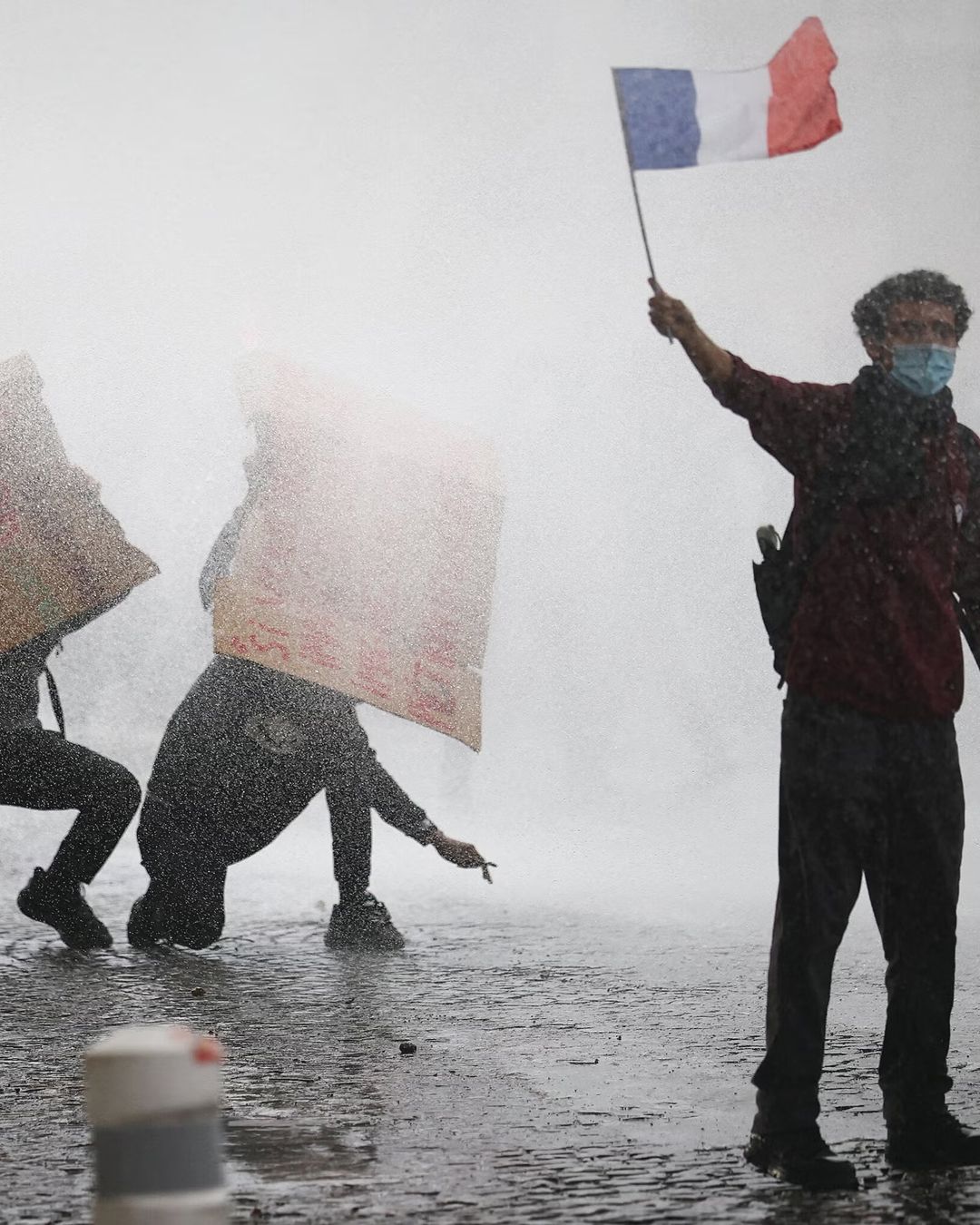
The New York Times has also highlighted the complexities many psychotherapists face in treating patients experiencing the effects of eco-anxiety. Many professionals feel unprepared to address this kind of suffering, especially because the feeling is exacerbated by the fact that much of society tends to downplay the environmental crisis, leaving those who are deeply distressed without the tools to process it. Young people are the most active segment of environmentalist movements: however, faced with the slow pace of institutional responses to the problem, many individuals experience such a deep sense of helplessness that they often end up taking on responsibility for collective inertia, further amplifying their psychological distress. “Given the situation, and assuming the worsening of conditions in the immediate future (there isn’t a right-wing or far-right party in the world that doesn’t season its political agenda with a touch of climate denial), it’s clear that eco-anxiety has become an almost marginal, if not entirely irrelevant, issue”, notes Rivista Studio.
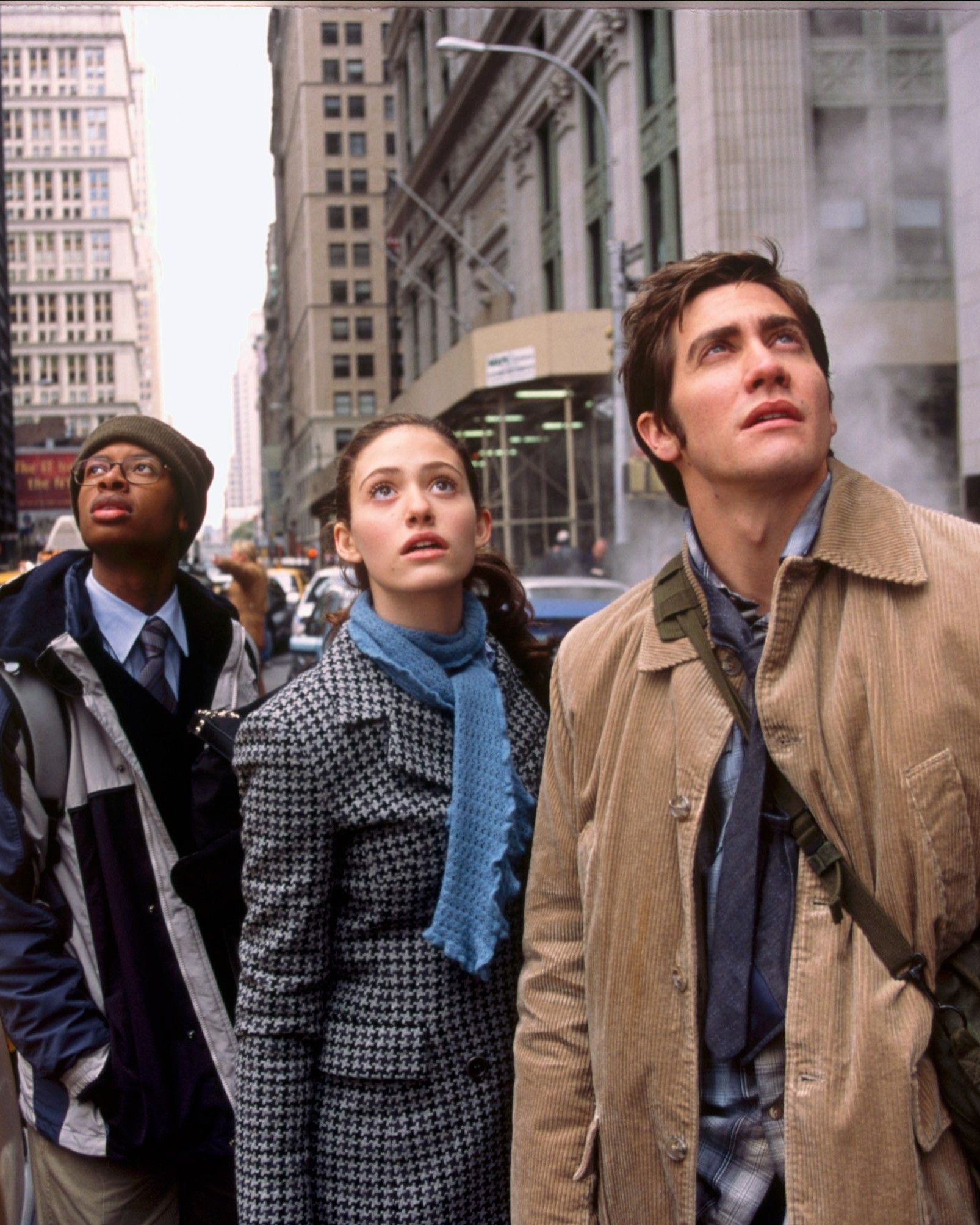
was feeling the climate anxiety real bad so now I’m watching the day after tomorrow to make it worse
— kiara (Ed winter) (@somanypetals) July 30, 2025
In recent years, scholars have identified three types of effects that the climate crisis can have on mental health. The first stems precisely from direct exposure to extreme weather events, and often manifests through already known conditions—such as post-traumatic stress disorder. The second is related to the feeling of uncertainty provoked by media narratives about the consequences of climate change: excessive exposure can contribute to growing fears for the survival of humanity and other life forms on the planet. The third, finally, refers to large-scale psychological impacts, which can disrupt the social fabric of individual communities, leading to phenomena that are difficult to contain—such as increasing violence against so-called “climate migrants” or rising conflicts over access to resources. The term “eco-anxiety” is the most widespread, but other expressions are also used in the field to refer to the psychological consequences of climate change, such as “eco-paralysis” or “solastalgia”.
The latter term refers to the discomfort felt by people who find themselves living in an environment that was once familiar but is now profoundly altered due to the consequences of human activities—unsurprisingly, it stands in contrast to the term “nostalgia.” In this context, it is important to remember that the ongoing climate change is entirely man-made: since the mid-18th century, with the beginning of the Industrial Revolution, humanity has progressively released billions of tons of carbon dioxide and other greenhouse gases into the atmosphere. Until the 1950s, it was believed that these substances could be absorbed by the oceans without significant consequences, but it was later understood that they were instead accumulating in the atmosphere, contributing to global warming. For this reason, in 2017, the New York Magazine, in a long article dedicated to the climate crisis and the future of the planet, referred to the ongoing climate change as the apocalypse that—effectively—humanity has created for itself.
What to read next

Will the new EU regulations on unsold goods really help independent brands?
Yes, but there's a catch

How Gen Z is changing the rules of physical retail
From clubhouses to test labs, new brands are transforming stores into something that goes far beyond shopping
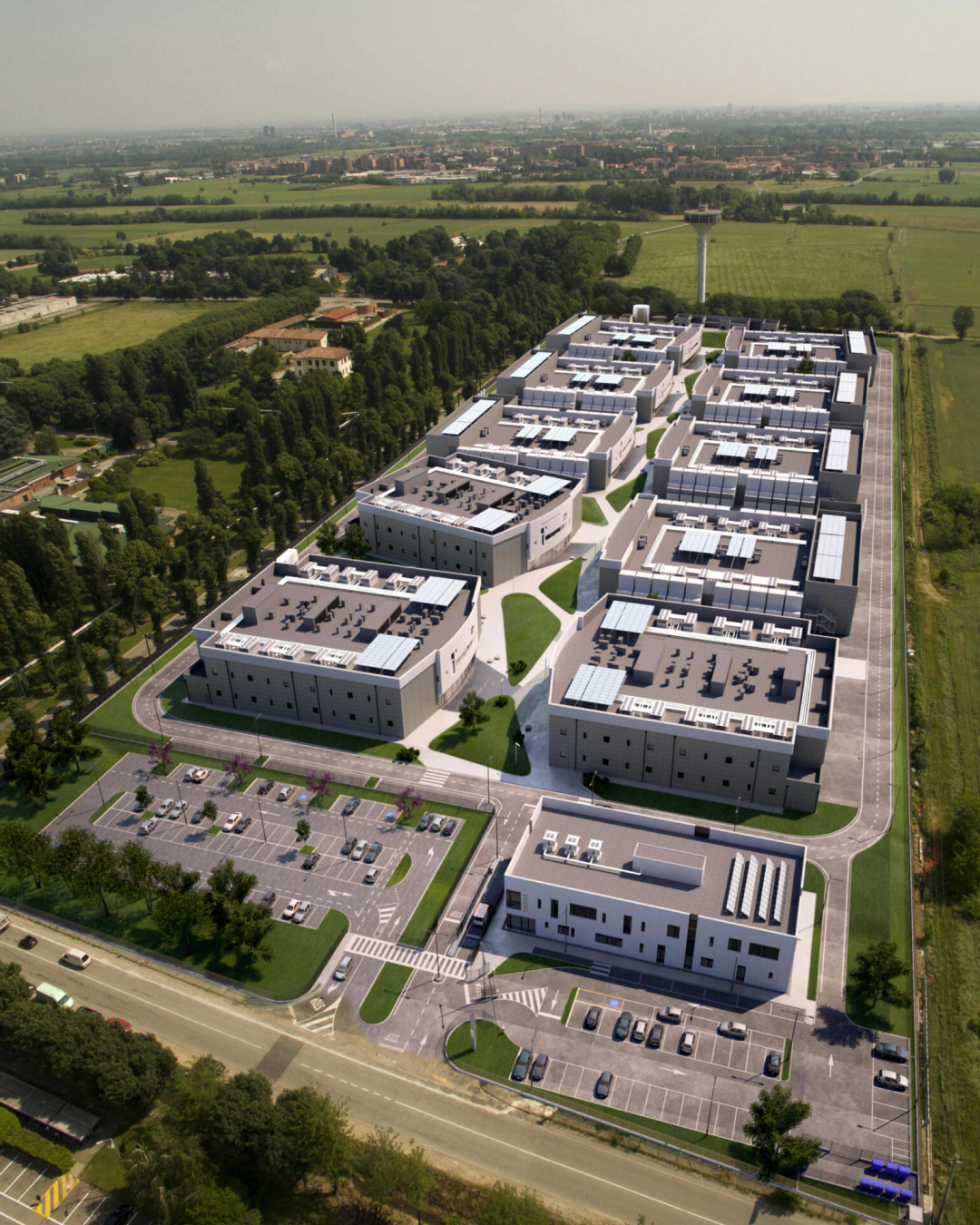
Data centers are invading our cities
The more demand for artificial intelligence grows, the more everything needed to make it work grows too