






























The horror film Bring Her Back confirms two talents to keep an eye on Australian brothers Danny and Michael Philippou return to the silver screen after Talk to Me
The cinema of Danny and Michael Philippou is made of action. They first debuted in 2022 with Talk to Me, a horror film about a group of young people who entertain themselves with spiritual games to kill time. Now they have returned with Bring Her Back, in which rituals and the boundaries between the world of the living and the dead become increasingly thin. The Australian brothers place themselves in between: on the thin line that makes it impossible for the living to live and does not allow the dead to fully enjoy death. An action-driven cinema, then, because it is constantly driven by its directors and writers to perform an act, a gesture, an operation that attempts to cross the red line dividing those on one side from those on the other («Talk to Me», «Bring Her Back»). Often ending up crossing that frontier, and thus having to suffer the weight of the consequences.
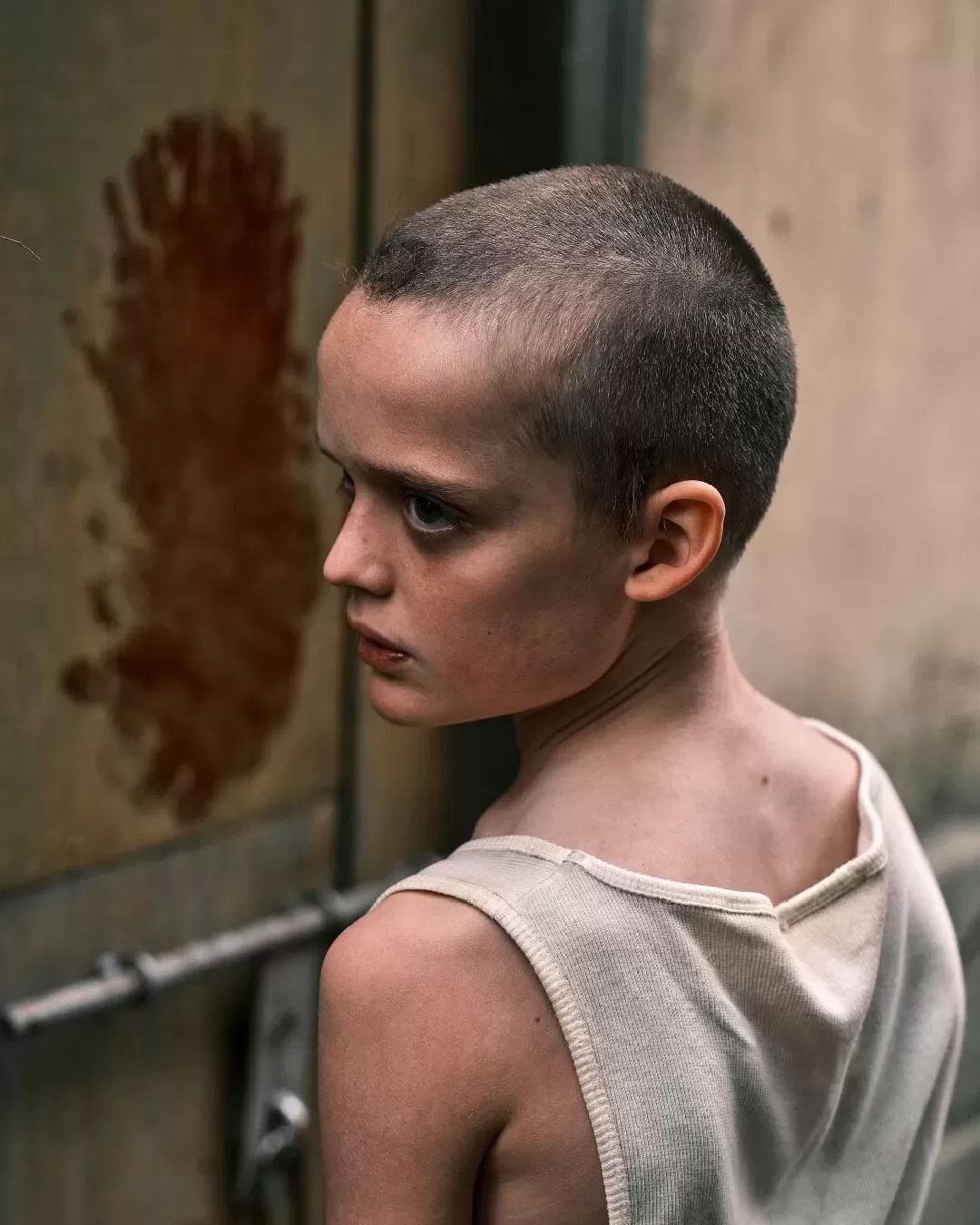
In Bring Her Back, engaging with another ritual is the ambivalent Laura (Sally Hawkins): at times understanding and loving, at times psychotic and manipulative. The woman is entrusted with the young Andy (Billy Barratt) and his visually impaired sister Piper (Sora Wong), who were orphaned after the sudden death of their father and are forced to face life not only as children without parents but also with a parent left without children. That’s why Laura welcomes the kids into her home, along with little Oliver (Jonah Wren Phillips), but soon things begin to spiral, with echoes from the past trying to resurface, only to generate ghosts and nightmares.
Extremely consistent with themselves, though encouraged to go further toward a more gore direction compared to Talk to Me, the Philippou brothers craft a horror film capable of combining both mainstream and auteur perspectives into one soul, offering both accessibility and resistance to being watched. They achieve this by applying a dual approach, which they then stitch together so that every part contributes, ensuring their horror films are never banal, yet somehow still feel familiar. On one hand, the filmmakers build a solid story, almost canonical, using a universally exploitable theme - drama - that anyone might experience in life. Bring Her Back is in fact an expression of the pain of loss, of unresolved grief, of an absence so overwhelming that it must be filled by anything, even the monstrous (in a way, it’s akin to a more shocking, though now well-known and therefore accepted, Hereditary, Ari Aster’s debut). On the other hand, Danny and Michael Philippou spice the narrative with an unsettling visual apparatus, hard to endure, clashing with the relatability of the story, and thus generating even more discomfort and restlessness in the viewer.
The transgression of limits in Bring Her Back is supported by the lack of restraint of an artistic duo that charges ahead on their own path, succeeding in creating a psycho-biddy that doesn’t just suggest psychological or satanic elements but openly desires to stage them without anyone being able to stop it. This doesn't weigh down the story or slip into gratuitous violence - or rather, gratuitous grotesqueness. It is the extreme resolution to an equally extreme pain: the pain of death that can only be answered with more death. An unbreakable ritual that Danny and Michael Philippou therefore put into brutal action.