













City Guide for creatives in Venice Five places to discover the city beyond tourist stereotypes
The everyday can constantly surprise us. We think we know everything about our cities, but in reality, there's always something around the corner that escapes us. The urban stage becomes a vast place of exploration, work, conscious relaxation, and mindful shopping. The nss City Guide for creatives was born this way—somewhere between a survival kit and an alternative map for those who live in or pass through cities with sensitivity, imagination, and critical thinking. A project designed for those who work in the creative industries or simply resonate with rhythms, spaces, and silences different from usual tourist destinations. It might seem impossible, but Venice offers many places where you can feel free to listen to your thoughts. In the collective imagination, early 20th-century Venice was already a favorite retreat for thinkers from around the world, both for its playful side—just think of the parties at Palazzo Venier dei Leoni, first with the Marchesa Casati and later with Peggy Guggenheim—and for its atmosphere of ultimate relaxation, as shown in the melancholic Lido of Luchino Visconti’s Death in Venice.
In his Watermark (1989), Joseph Brodsky wrote that in Venice, a man is valued more for his silhouette than his features, because here the eye dominates. In a city built to be looked at, even those who cross it become an image. We want to help you cross it without lines, discovering neighborhoods untouched by overtourism. We suggest itineraries worth saving in your phone notes for your next trip to the Lagoon. A change in perspective—even for creatives visiting just a few days—could be an effective way to reimagine this fish-shaped island not as Disneyland, but as a safe haven for creatives. As it has always been.
The Historical Archive of the Biennale (ASAC)
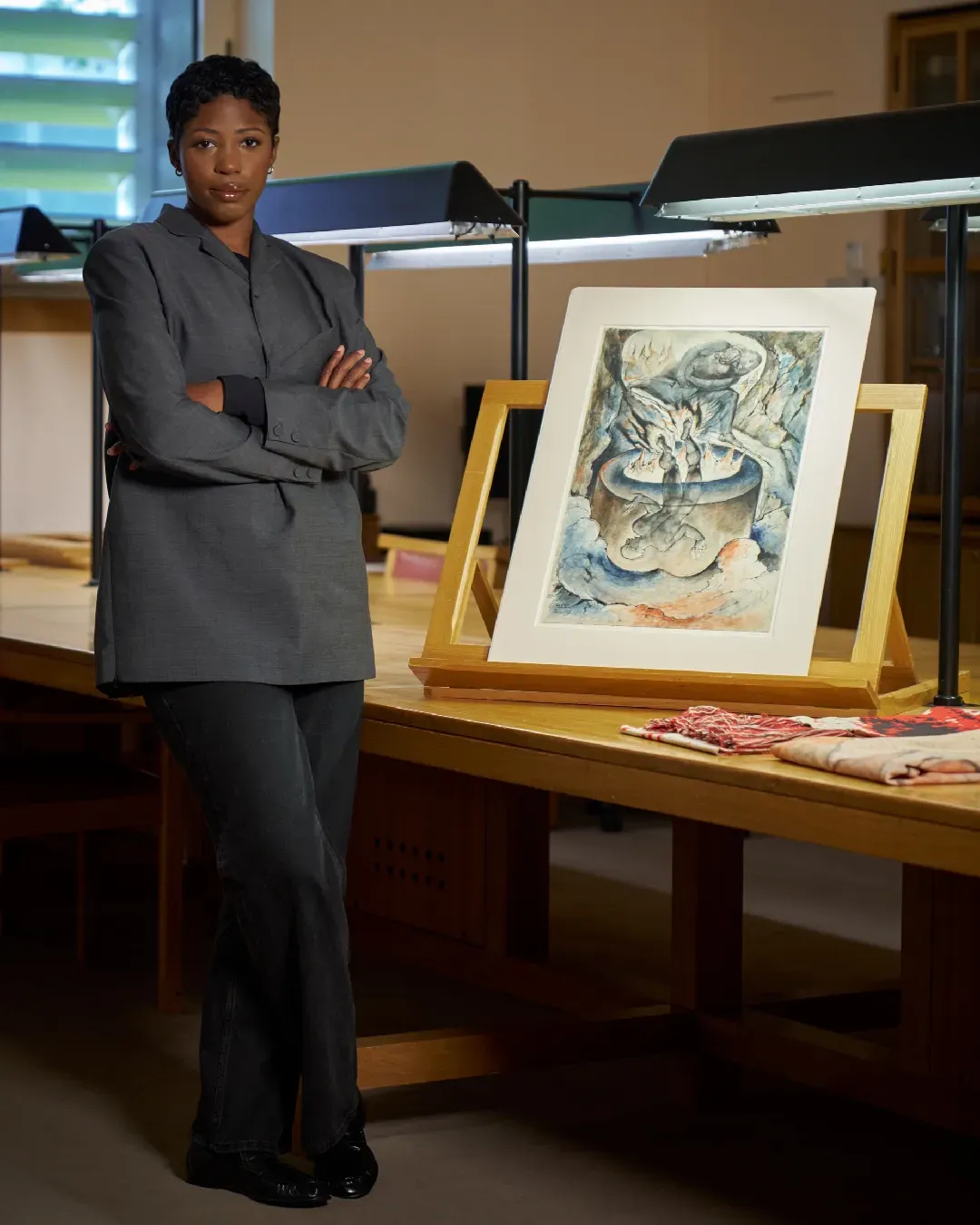
ASAC, the Historical Archive of the Biennale, is a library and archive open to the public located in Sant’Elena, just steps away from the Biennale Gardens, with direct access also from inside the Central Pavilion (currently under renovation until 2026). Here lies one of the city's most overlooked yet fascinating places: the Biennale Library, open from Tuesday to Friday, with over 160,000 volumes dedicated to contemporary arts—from historical Biennale catalogs to essays on art, fashion, and cinema. The space, spread across two levels, is quiet, bright, freely accessible, and staffed by people who help you without requiring membership cards, bookings, or bureaucracy. Perfect for a quiet break between exhibitions, or for a full day of relaxed research. Covering everything from art to fashion and cinema, this rich library can be a starting point rather than the end of a walk.
ABC Zattere
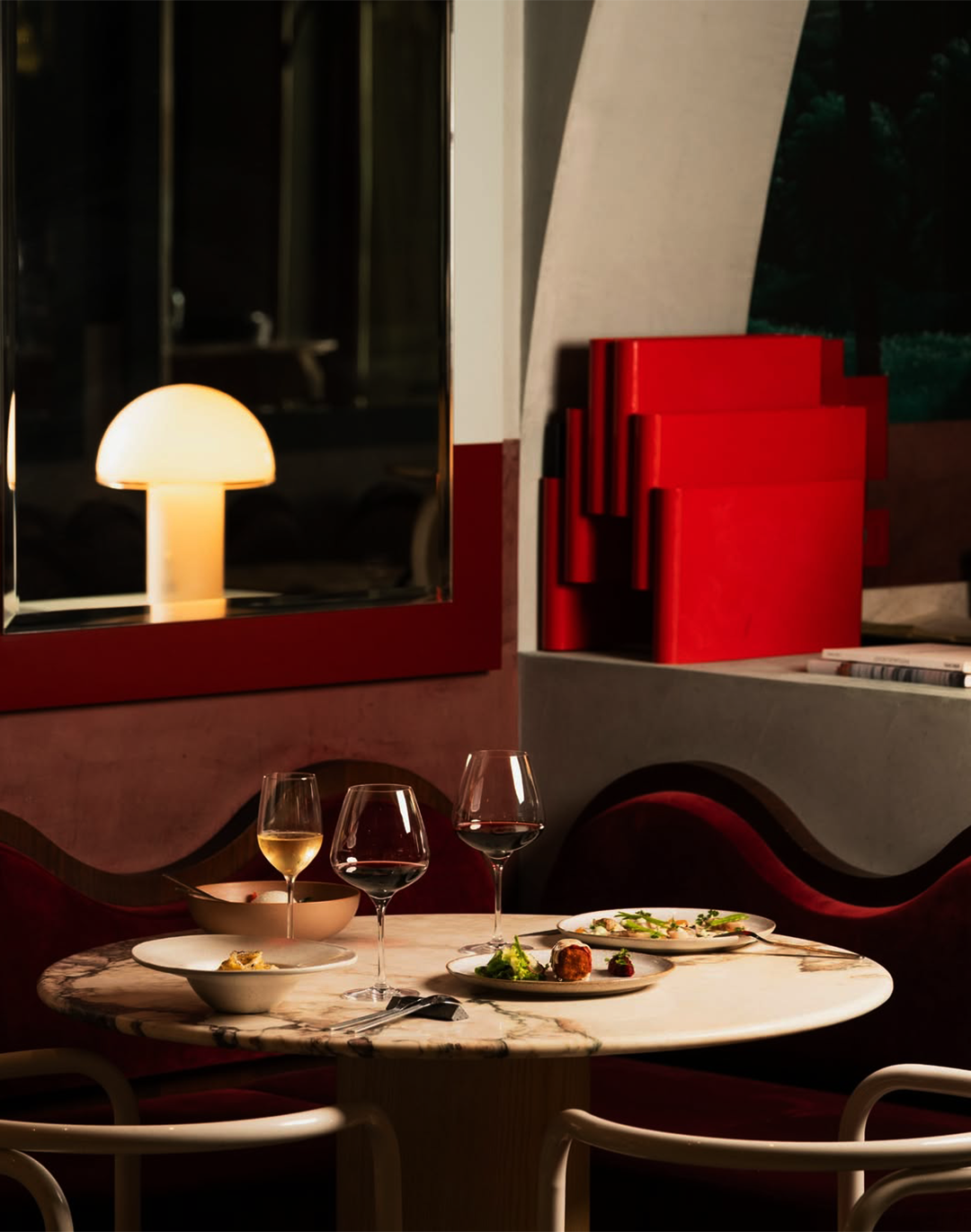
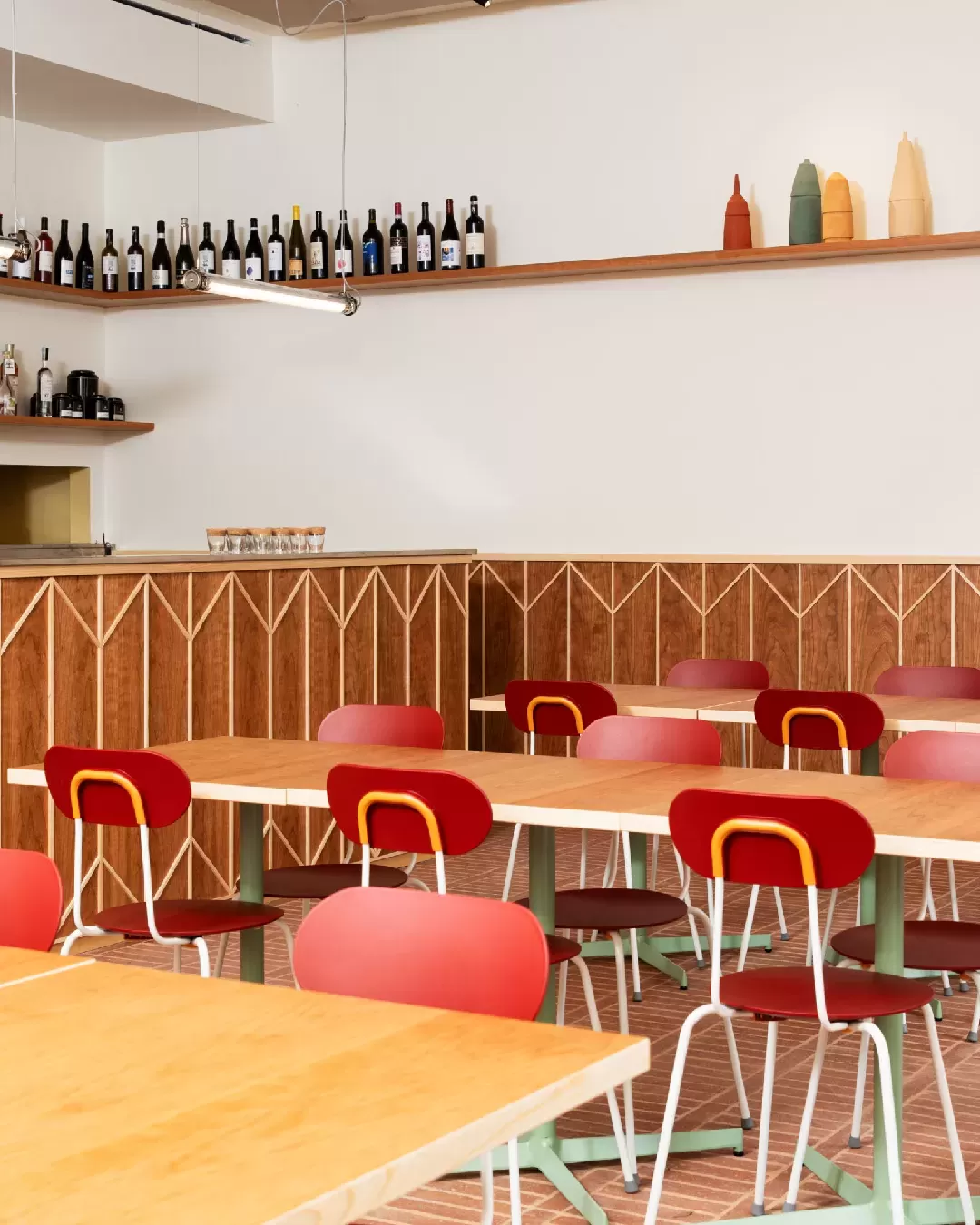
ABC Zattere is a new addition to the city. Not your typical Venetian bacaro with fresh fish and cicchetti, it has a character all its own. First of all, the location—hidden—can be found in Zattere, the long waterfront stretching from San Basilio facing the Giudecca Canal. In a secluded alley, you’ll find this reimagined backyard of the Palazzo delle Zattere, where the restaurant area has been completely redesigned by Fosbury Architecture, strengthening their bond with Venice after the Italian Pavilion 2023. Key features include wood paneling inspired by historic Venetian cafés, flooring created in collaboration with Fornaci Sant’Anselmo, a stone bench made from Istrian stone reclaimed from the Arsenale’s Galeazze, and a pergola inspired by the mobile canopy of the Scuola Grande di San Rocco. The project is completed by iconic furnishings and a new garden in the courtyard. The food is curated by Jack Martin, a young Welsh chef now based in Venice, who, alongside Nathan Cal Danby, builds a straightforward offering rooted in the territory: naturally fermented bread, seasonal vegetables, Adriatic fish, natural cheeses and wines.
Fortuny Palace Museum
The Fortuny Palace Museum is a must-visit for those who truly want to understand the creative soul of the city. It doesn’t overlook a famous canal or postcard-worthy square. It’s hidden between Campo San Beneto and the Rio di Ca’ Michiel, in the heart of the San Marco district. Built in the 15th century and inhabited for centuries by merchants, it was transformed at the end of the 19th century by Mariano Fortuny—artist, inventor, scenographer, and stylist ahead of his time—into a total home-laboratory, a place of painting and photography with printed fabrics, patented lamps, and pleated dresses like the famous Delphos. Since 1975, it has been a museum. Its charm lies in the materials even more than in the works it holds, among set design prototypes, handwritten notes, and photographs that explain why Venice has always been a reference point for artists worldwide. A continuous pilgrimage that never stopped. What may strike you most is the architecture of the palace—it's the only one in the city with halls of this size, designed to host a creative workshop. No longer active today, but still capable of suggesting a possible future for Venice.
Cino Zucchi, ex-Junghans area
Cino Zucchi, ex-Junghans area, is a breath of contemporary architecture in a very particular urban conglomerate where, due to obvious constraints, new residential constructions are rarely seen. And yet, a walk on the island of Giudecca—where the Redentore Festival was recently held—reveals several works by the internationally renowned Milanese architect. In the ex-Junghans area, you’ll see things unusual for Venice: citizen associations, schools, families, and many children who bring the space to life and provide a glimpse of a possible future for these places. Amid this everyday life, light, quiet architectures emerge that don’t mimic the Venetian style but listen to it: brick houses, metal profiles, pedestrian walkways, and glimpses that intertwine with the urban fabric without forcing it. The entire development comes from the conversion of the former Junghans industrial complex and unfolds like a micro-city designed for living, not just observing. The residential buildings are modest but well-balanced with loggias, arcades, courtyards, balconies overlooking canals, and thoughtful details of height and material. Every detail tells of a carefully reached balance, without imitation or showy gestures. It’s a concrete idea of contemporary Venice—not an event, not a façade, but an urban gesture that stands the test of time.
Chiarastella Cattana
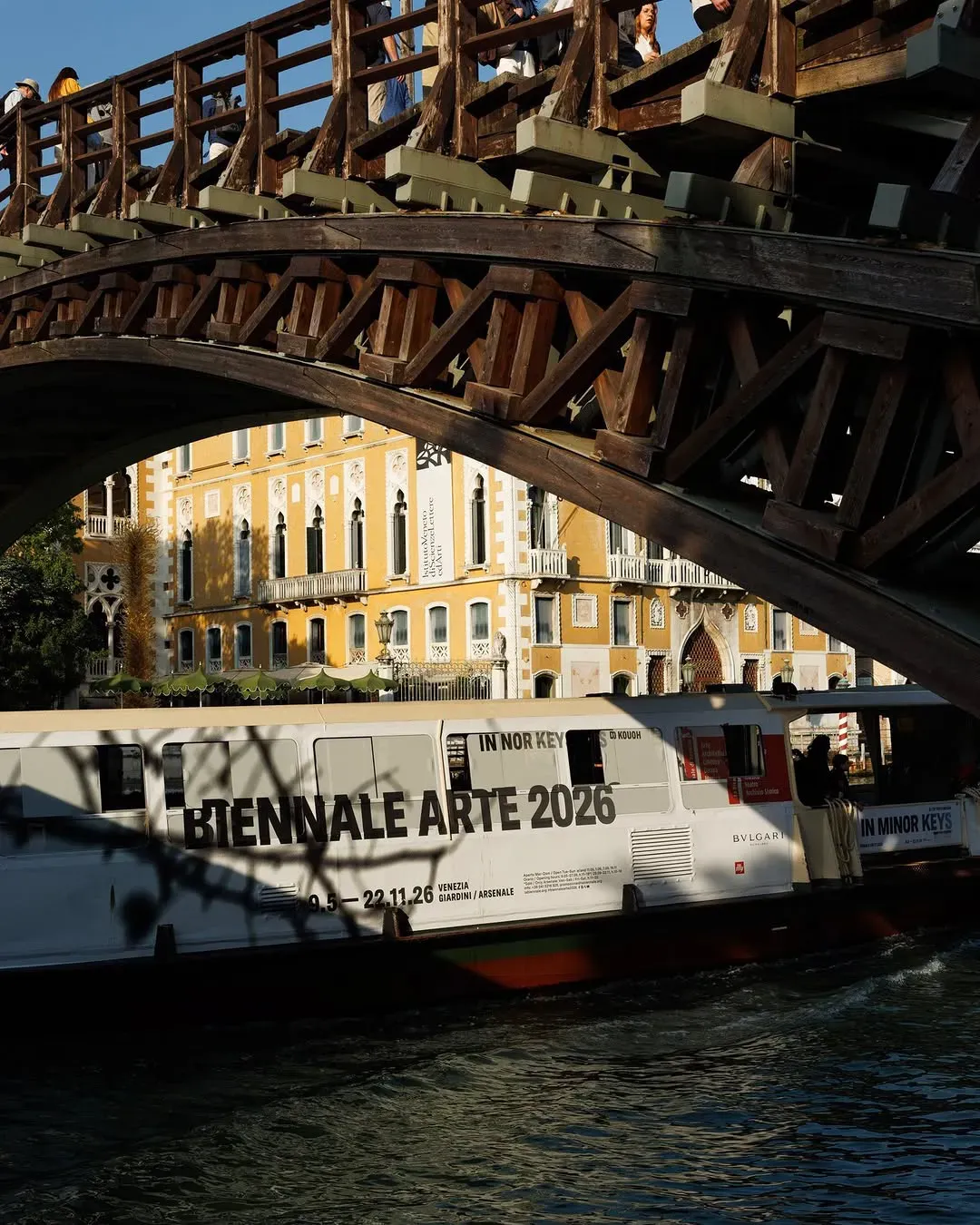
Chiarastella Cattana is one of those addresses that could easily be imagined among the sophisticated windows of Belgravia—a chic neighborhood in the heart of London—or in the Neubau district in Vienna. A retail space and creative studio that brings textiles back to the heart of contemporary living, in a city where fabric is not just historical heritage but also a gesture and statement of care. After Covid, the home has regained our focus: we spend more time inside, and every object—even something as simple as a towel or tablecloth—can become a narrative. In this space, between Palazzo Grassi and the Accademia Bridge, everything speaks of time and visual intelligence. In addition to textiles and homeware, the studio-shop hosts a unique selection of furnishings and works by great masters: armchairs, glassware, lamps by Carlo Scarpa, Massimo Vignelli, Gio Ponti, Paolo Venini, Edgar Jayet. Designed as a lab where creation meets retail, this space is an island within the island.