




































Summer in Ibiza between over-tourism and overdose The hospitals on the Spanish island are overrun by tourists under the influence
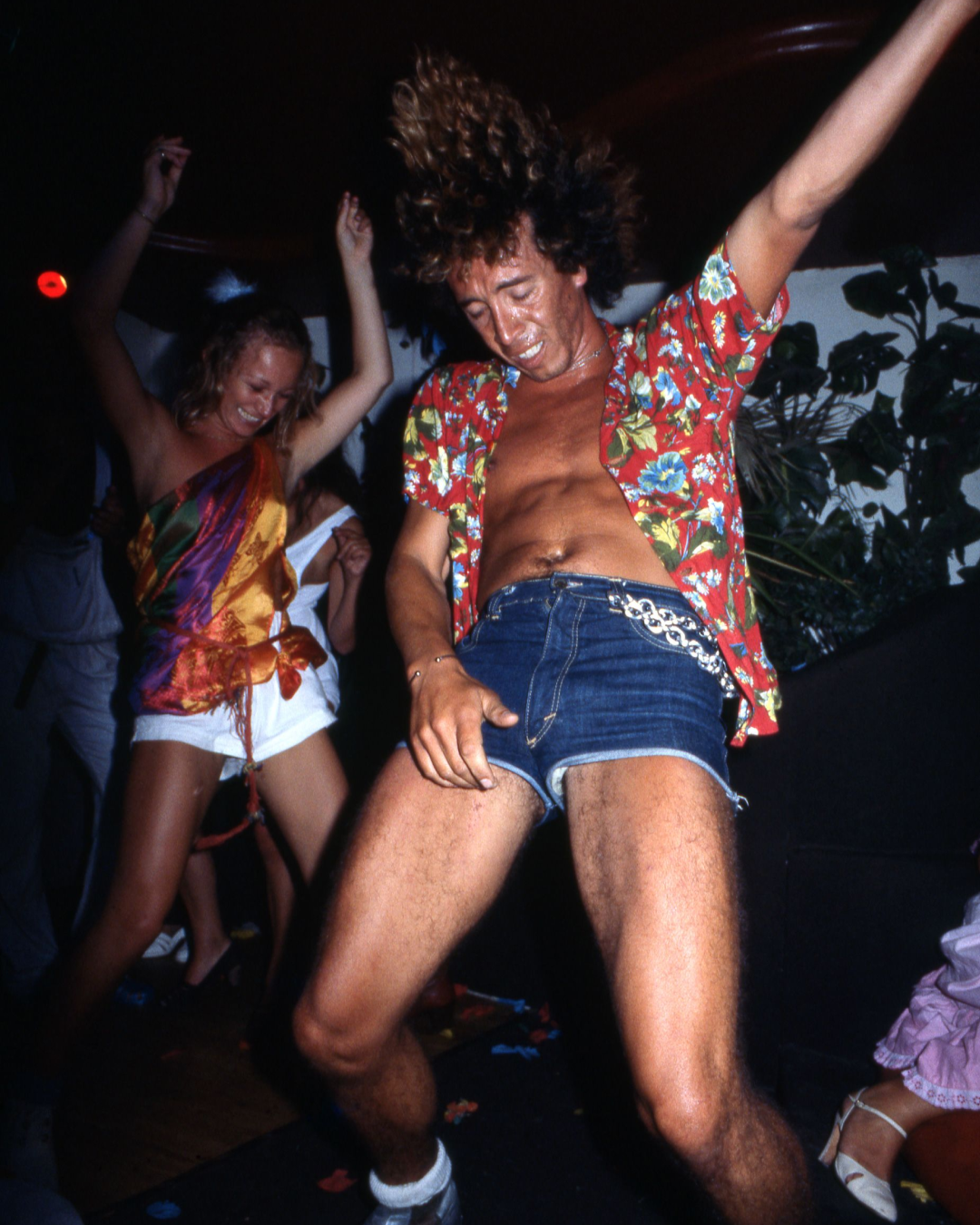
Ibiza has always been the paradise of hedonism: it’s not a recent phenomenon, in fact, it dates back to the 1930s, when the Balearic island began to attract poets, musicians, and bohemian artists in search of inspiration and escapism. Over time, between the 1960s and 1980s, hippies, clubbers, and rock stars joined in, turning Ibiza into the ultimate destination for those seeking to escape the rigidity and sadness of the continent. Alongside the island’s dreamlike and rebellious spirit, the culture of drug use also grew — initially associated with psychedelic experiences in intimate settings, but with the arrival of major nightclubs, drug consumption became an integral part of the holiday experience, an almost predictable ritual for many. In recent years, however, the situation has reached alarming proportions, drawing the attention of the New York Times, which reported how drug use in Ibiza has overwhelmed the island’s healthcare services. During the summer, emergency calls come in at any hour of the day or night, and according to the local healthcare technicians’ union, club-related rescue requests have become so frequent that they are putting the public ambulance system at risk. In peak season, more than a quarter of all calls involve nightclubs, often to assist foreign visitors, directly affecting the healthcare management of the island’s approximately 160,000 residents.
@mikeposner I take it they weren’t all there for a wellness retreat:sweat_smile: Pro tip for everyone in this video…ice baths as soon as you get home. :joy::ice_cube::bath: #ibiza #itookapillinibiza #vacation #hungover #hangover #wellness #health #icebath I Took A Pill In Ibiza - Seeb Remix - Mike Posner
The issue of mass tourism, in Ibiza as in much of Southern Europe, has long been showing its most evident side effects. The New York Times reports that just last year the island welcomed around 3.3 million visitors, a number that increasingly undermines the balance between the tourism economy and the residents’ quality of life. Beyond housing problems and rising living costs, the island is now facing a crisis in its emergency services strongly felt by citizens. Weighing in on this, on the one hand, are the ever-increasing entry prices at superclubs, pushing young people to save on substances; on the other hand, the spread of experimental drugs that are increasingly cheap and dangerous. This scenario reflects a dynamic repeating across many Mediterranean destinations: according to the data, international arrivals in Europe grew by 5% in the first half of 2025 compared to the same period the previous year, with local governments increasingly focused on supporting tourism rather than resident communities. In Ibiza, this imbalance has become so evident that, between ambulances constantly on the move and medical union protests, even Spain’s state television has begun to talk openly about it. Yet, despite the complaints, the central government has chosen to remain silent — the Balearic Islands’ healthcare service has not issued any official statements, blatantly ignoring the growing discontent among both citizens and healthcare workers themselves. Between overtourism and overdose, perhaps even Ibiza has reached its limit.