












La Scala to start enforcing a dress code again But is it such bad news?
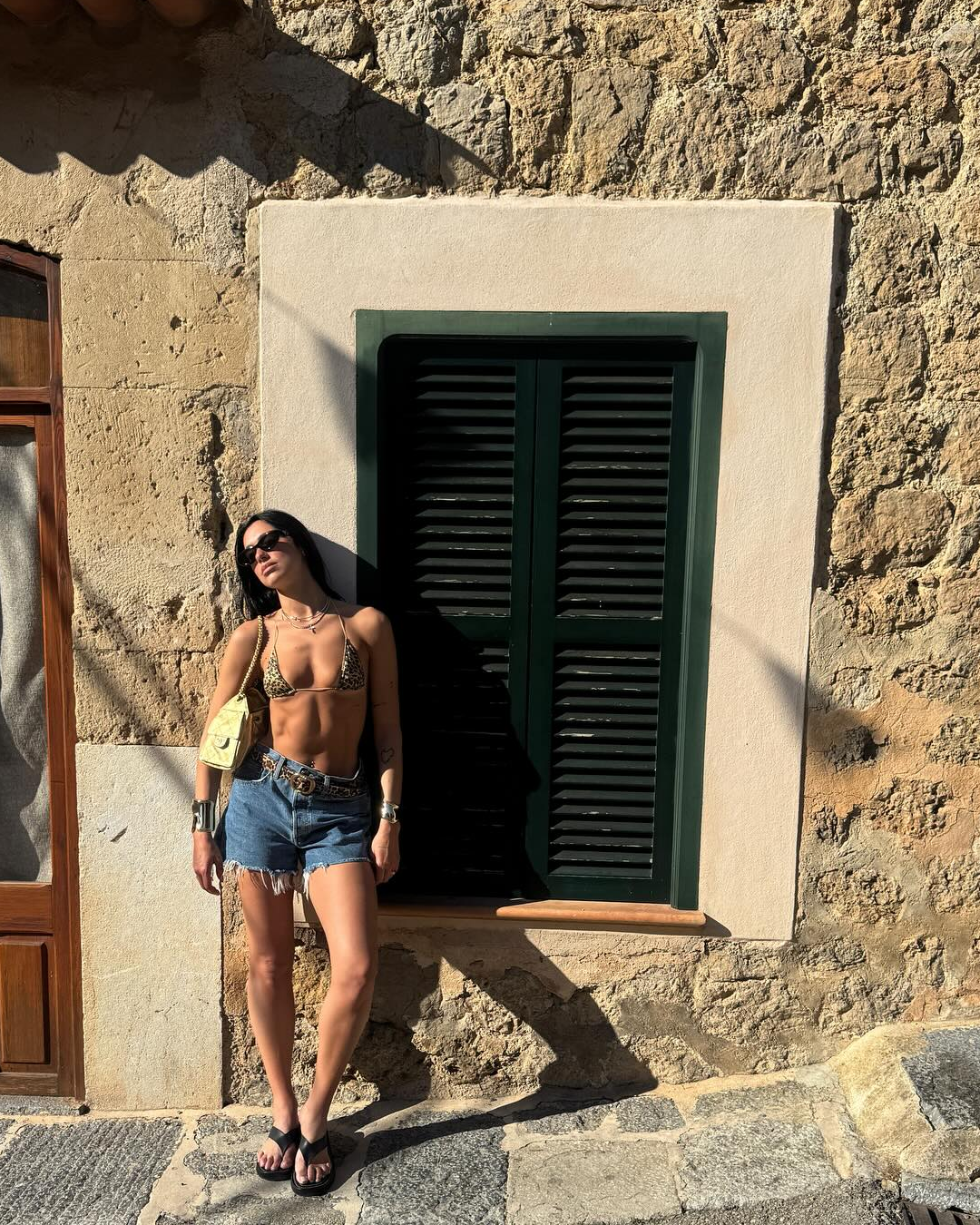
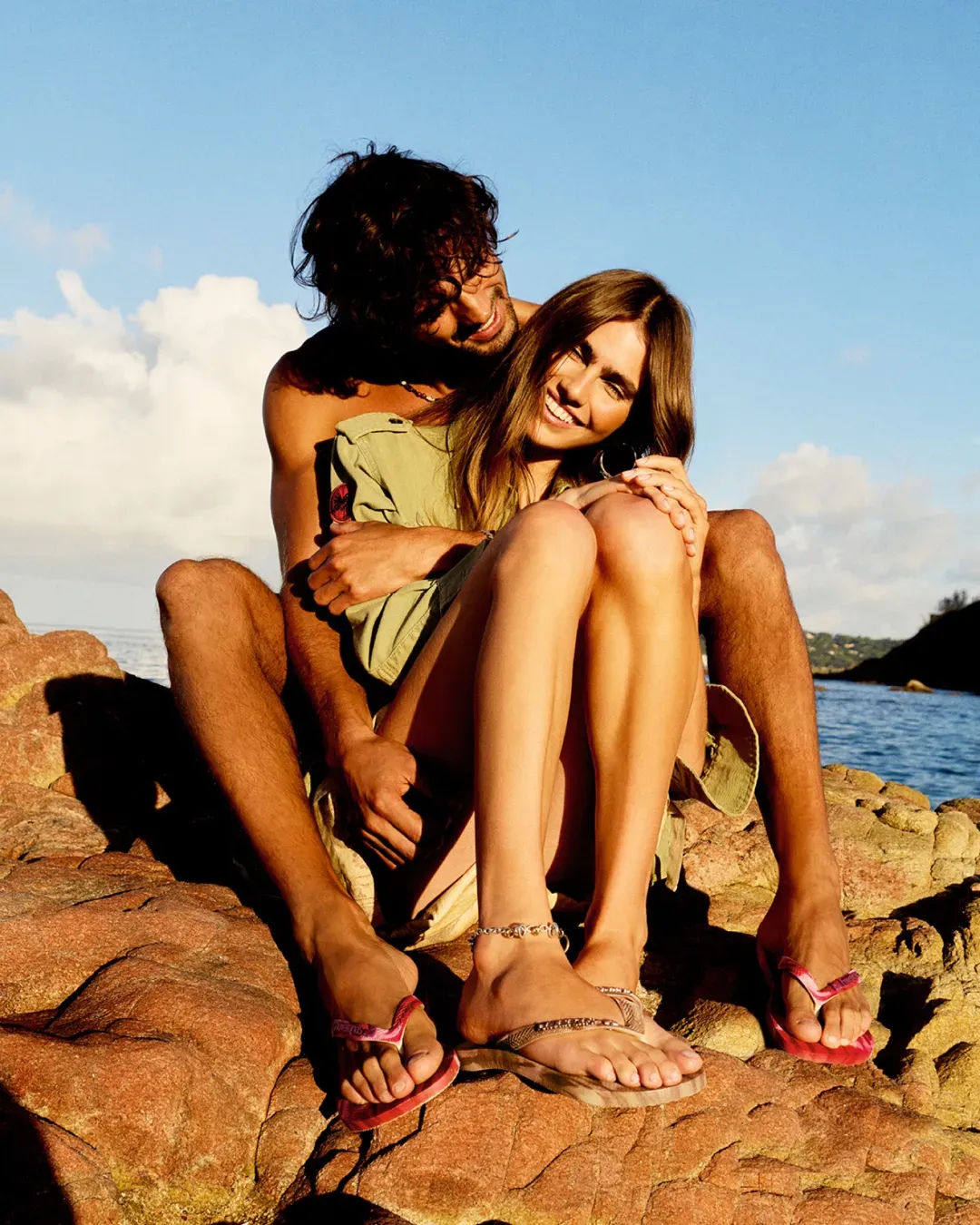
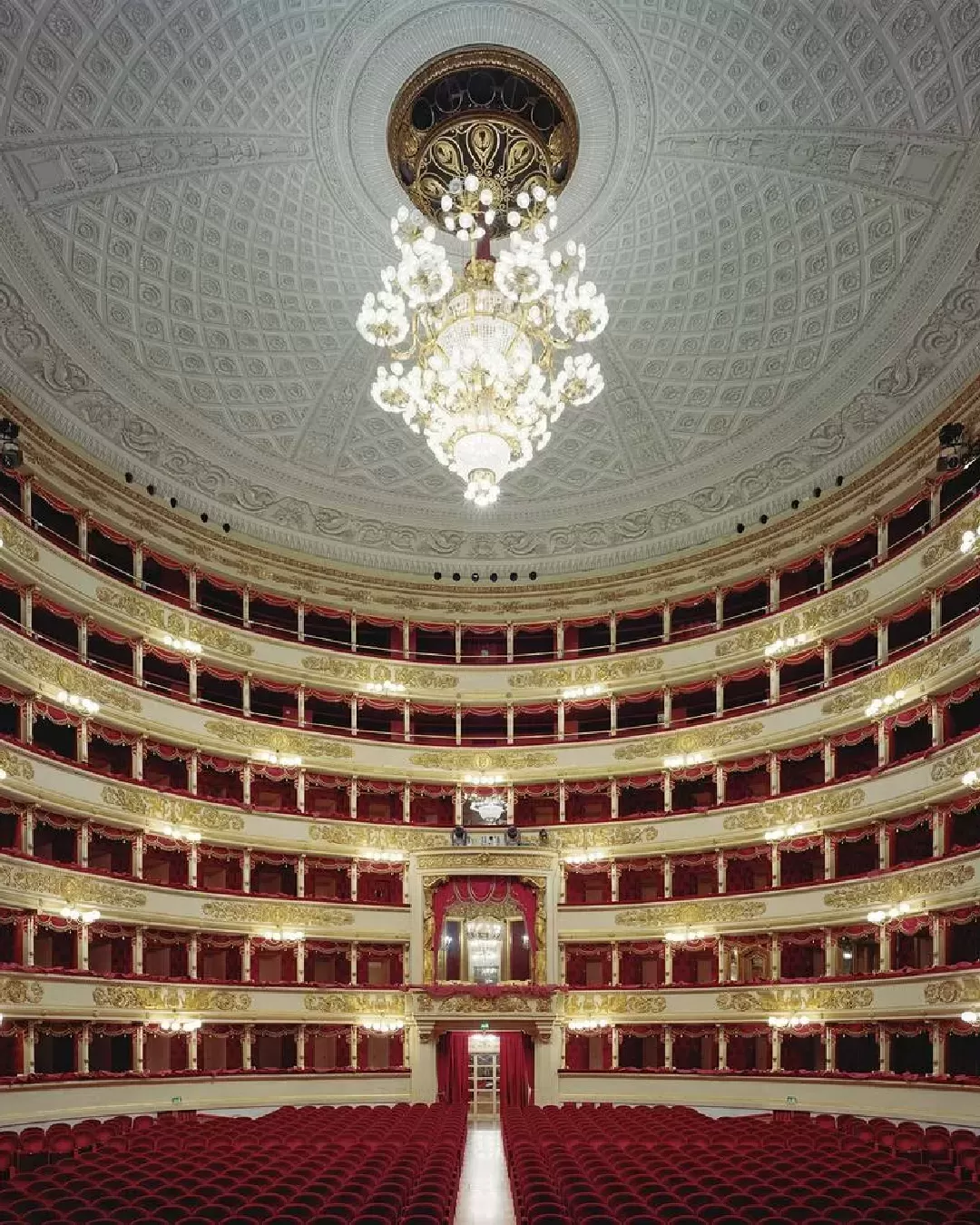
The rules on appropriate clothing to attend performances at the Teatro alla Scala in Milan have never been abolished, but starting in 2015, the year in which the management of the institution was entrusted to Frenchman Dominique Meyer, a blind eye was turned in order to encourage young people to discover the fantastic operas on the program. Now, in the same year that conservatism is regaining ground in fashion, La Scala is once again enforcing a dress code extended to all attendees (except those wearing traditional clothing). Tank tops, shorts, and flip-flops are not allowed, as stated on signs posted at the building's entrance. A tie or formal evening wear is not required, but you must arrive at the theater with shoulders and feet covered—otherwise you may be denied entry to the show and receive no ticket refund. Ushers will be responsible for enforcing these rules, but they must distinguish between someone wearing an ordinary tank top and someone wearing an elegant sleeveless dress, as well as between beach flip-flops and traditional Japanese geta sandals. The announcement of the dress code, displayed inside the theater, on the organization's website, and on tickets, marks a sharp reversal from Meyer’s previous decisions. The former superintendent and artistic director of La Scala had called for greater tolerance precisely to encourage young people to attend the theater's performances.
@beatrice_fasano_opera E andhe auest’anno è andata #fyp #primascala #laforzadeldestino #teatro #teatroallascala #viportoconme Luminary - Joel Sunny
Meyer, who in addition to directing La Scala also held the same position at the Paris Opera, the Théâtre des Champs-Élysées, the Vienna and Lausanne Operas, also served as France’s Minister of Culture. In the past, he repeatedly stated the need to do away with the dress code to appeal to young people, often recounting how during his early visits to the opera he was reprimanded for his “worker-style” look. The new artistic director and superintendent of La Scala, Fortunato Ortombrina, clarified that the decision was not due to poorly dressed young people—who are usually among the most style-conscious audience members—but rather because of tourists. In addition to banning beach flip-flops and tank tops, food and drinks will also now be prohibited inside La Scala, and further announcements will follow regarding mobile phone use after an incident where a smartphone fell on a spectator’s head in the stalls.
Ieri sera a teatro c'era il telefono di una persona che ogni quarti d'ora suonava (era tipo sveglia). Stavo per alzarmi e... pic.twitter.com/ltpaFlx0jO
— Fell (@aly223) March 8, 2025
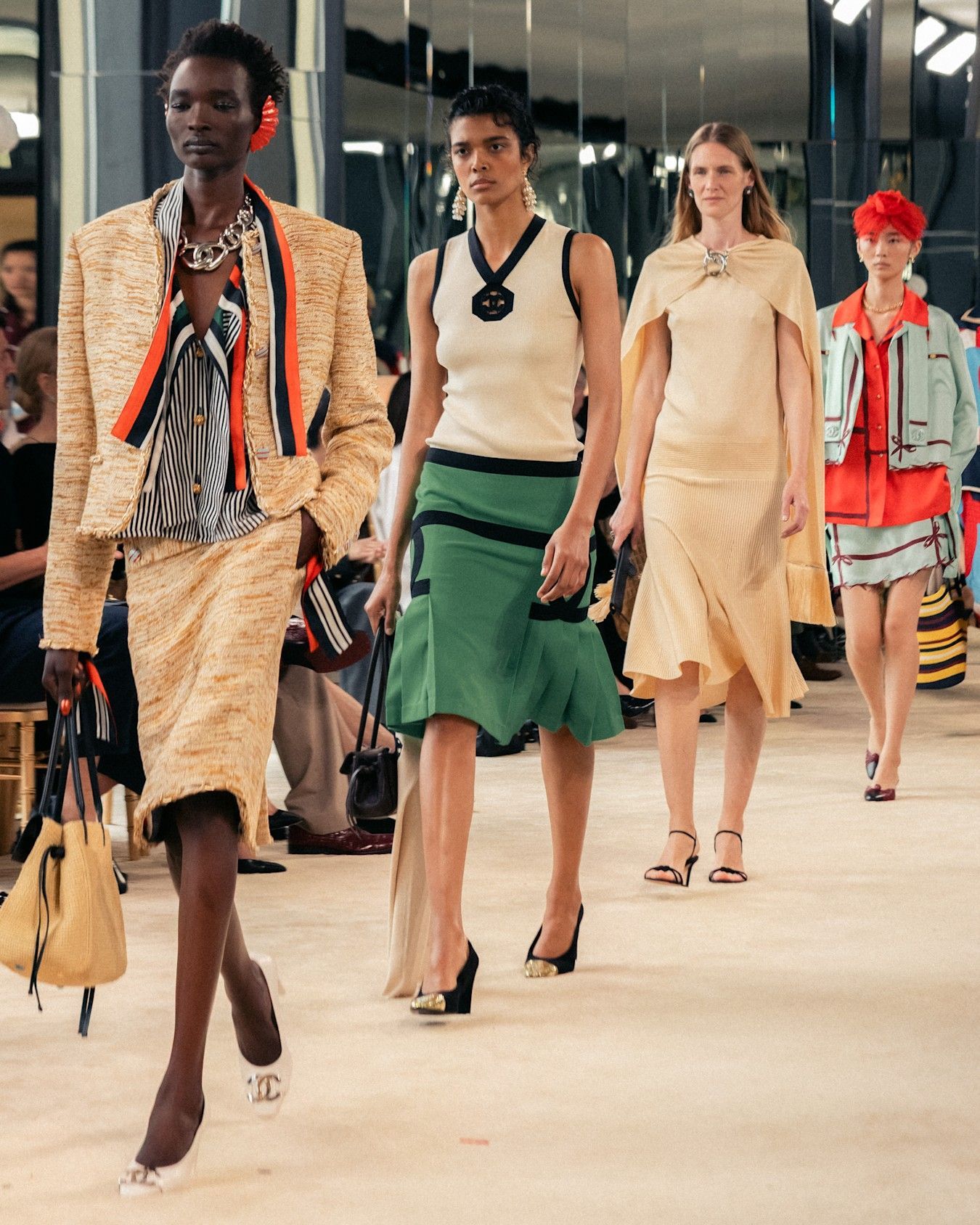
Is it right to impose a dress code at an event that should be accessible to as many people as possible? While La Scala’s rules may seem excessive, in truth they will have little impact on spectators’ clothing choices—it’s enough to leave the tank top in the beach bag. Meanwhile, around the world, other theaters and art venues set their own rules regarding attire. For example, the Vienna State Opera enforces the same dress code as Milan, emphasizing that for much of the audience, it is a special event. The English National Opera bans oversized hats to prevent complaints from people who can’t see the stage due to the eccentric look of someone in front of them. The Royal Ballet requires people to be fully covered, feet included, and to avoid offensive graphics, while the Glyndebourne Festival in England merely advises on its website to bring something in case it rains. In short, whether it’s Teatro alla Scala or the Vienna Opera, it’s normal for a state theater to want to preserve its reputation and promise a magical experience to the entire audience. The only ones who might be less happy about this new dress code in Milan are probably those who would have waved their phones above the stalls. If they can’t get into the theater, no harm done.