







































Why are big cities getting hotter and hotter? It is no coincidence that we talk about “heat islands”
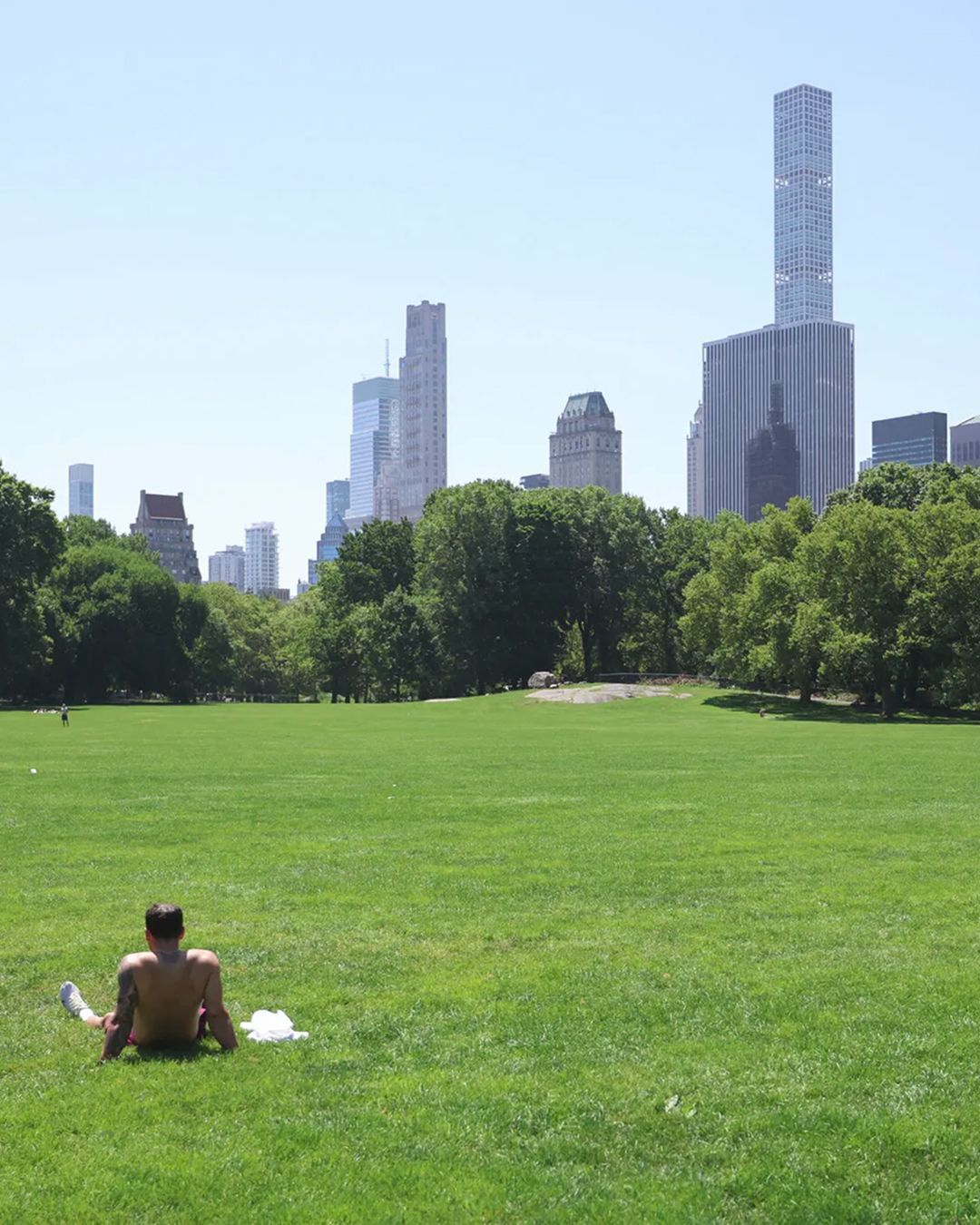
Recently, several European countries have experienced a heatwave that significantly raised temperatures above the historical average for this time of year. Due to climate change, such anomalies have become increasingly common: in Italy, for instance, June temperatures exceeded seasonal norms by about 5°C, even surpassing typical July and August levels. While Europe has historically had hot summers due to its geographical location and makeup, the frequency and intensity of heat waves is rising, especially in the southern regions of the continent. This is particularly problematic for people living in metropolitan areas – where the so-called “heat island” effect is felt more acutely compared to those in suburban or rural areas. In large cities, the greater presence of asphalt causes the ground to heat up more than other types of surfaces, releasing more heat – especially at night. Tall buildings also provide a larger surface area to absorb solar heat, significantly contributing to the increase in urban temperatures. This phenomenon is known as the “canyon effect” and is especially pronounced in major metropolises with numerous skyscrapers. Moreover, vertical structures obstruct air circulation, limiting wind flow and reducing the dispersion of heat upward.
@sidneyjoline Harte Zeiten #wien #hitze #sommer NSMBW Desert Theme - MARIO MUSIC!
Added to this is the heat generated by traffic, numerous air conditioning systems, and industrial facilities. Pollution in cities also amplifies what is commonly known as the “summer k-way effect”, which slows down the cooling process. All of this contributes to the formation of heat islands – particularly in metropolitan areas. Although there are differences based on the urban development and geographic location of each city, temperatures within a heat island are generally up to 4°C higher than those in surrounding areas. This thermal gap is so significant that meteorologists have long provided separate forecasts for large cities, distinct from those for nearby regions. Even though it is more noticeable in summer, the heat island phenomenon is also present in winter – when it becomes evident by contrast: urban areas tend to be warmer than rural zones.
Incredibile come il mio corpo si dimentichi puntualmente quanto fa caldo a Milano in estate e ogni volta DEVO RIVIVERLO DA CAPO è tremendo mi sento costantemente così ( e non siamo ancora ad agosto) pic.twitter.com/dGjQpsATf2
— grazietti (@graziollo) June 14, 2025
It’s important not to underestimate the fact that heat islands trigger a dangerous vicious cycle. Higher temperatures in urban areas lead to more intensive use of air conditioning systems, resulting in a twofold negative effect: on one hand, air conditioners release heat outside buildings, worsening the warming of the surrounding environment; on the other, the increased energy demand drives up electricity consumption. To meet these demand peaks, fossil fuel power plants – which can quickly provide large amounts of energy – are often used, unlike many renewable sources. The heightened activity of these plants exacerbates the very problem they aim to solve, further raising local temperatures. The perceived heat in large cities also contributes to health issues, especially among children and the elderly – with real social costs, particularly on a large scale.
To mitigate the problem, specific urban planning and architectural strategies can be implemented, but these require significant investment by local governments and greater civic responsibility. In the past, for example, “green roofs” became popular in Milan, partly thanks to tax incentives: building rooftop gardens with lots of plants helps reduce heat absorption, although this solution doesn’t completely eliminate the issue – which remains systemic in nature. What would make a real difference is planting many more trees in urban centers, as they help mitigate the heat island effect through natural cooling and the shade they provide. As an investigation by Il Sole 24 Ore pointed out a few years ago, in 2017, the average surface temperature at 10 a.m. in a city like Milan was 33.9°C in areas with a high density of trees, compared to 36.5°C in more cemented zones: “The more low tree-cover areas expand within the metropolitan core, the more intense the urban heat island becomes – with the temperature gap reaching up to 6 degrees Celsius.”