

























Understanding the rise of male beauty tourism More and more men under 30 are flying abroad for touch-ups
In recent years, traveling to improve one’s appearance has become an increasingly common choice among men, especially younger ones. It’s no longer unusual for a plane ticket to lead not to an archaeological site or tropical beach, but to a specialized clinic, often abroad and far from familiar eyes. Today, Turkey is more famous for hair transplants than for its millennia-old history. Istanbul and its surroundings have become the go-to destination for those seeking affordable cosmetic procedures, but also for those wishing to avoid the stigma that still surrounds men who choose to “intervene” on their bodies. According to some estimates, around 500,000 foreign patients travel to Turkey every year for aesthetic procedures, mostly hair transplants. Clinics offer all-inclusive packages: flights, hotel, transfers, consultations, surgery, and follow-up visits. A turnkey solution that averages between €1,500 and €3,000, compared to the €5,000–12,000 typically charged in Italy and the rest of Europe, where lodging is often not included. But beyond the economic advantage lies a subtler, cultural motivation: the need for privacy. Many men choose to go abroad to undergo surgery far from home, and far from the eyes of colleagues, friends, and family. It’s a form of self-preservation against the stigma that still surrounds male aesthetics, a legacy of patriarchy that expects men to be indifferent to appearance. Getting a procedure done at home may lead to judgment; doing it abroad becomes a personal, almost intimate moment, far from prejudice.
his hair transplant surgeon deserves a nobel prize https://t.co/WmRBykoBUs
— bethany (@thenightbethore) July 6, 2025
According to a survey conducted by mUp Research and Bilendi in October 2024 among Italians aged 18 to 74, around 7.3 million people underwent aesthetic treatments over the past two years, and 30% were under the age of 25. Among men, the average spending on aesthetic medicine is 28% higher than women’s, and as many as 12.5% have taken out loans to cover the costs. Unsurprisingly, hair transplants are the most requested procedure: 275,000 Italian men have undergone this type of surgery. While Istanbul has positioned itself as the world capital of this industry—with a business turnover exceeding $2 billion in 2024—according to GlobeNewswire, many other countries are rising in the rankings as top destinations for aesthetic tourism: in Europe, Poland, Croatia, and Albania offer competitive packages ranging from cosmetic dentistry (6.1% of Italians), permanent laser hair removal (3.6%), hyaluronic acid fillers (2.1%), and rhinoplasty. Smiles, in particular, have become one of the most carefully treated aesthetic features. The number of Italians turning to professionals to enhance their teeth has doubled between 2019 and 2024, from around 150,000 to over 300,000 patients. The Italian Society of Periodontology and Implantology has estimated an annual turnover of over €2 billion in this sector as well.
South Korea, according to Byrdie, has become a global reference point not only for its cosmetics industry but also for high-precision aesthetic procedures like lasers, fillers, and anti-aging treatments. The country now welcomes over 100,000 foreign patients every year for cosmetic reasons. Social media, particularly TikTok, has played a crucial role in this growth. More and more users are sharing their aesthetic holidays: documenting the trip, showing before-and-after photos, treatment details, and post-op recovery. The storytelling is extremely transparent: on TikTok, the term «Turkish Hairlines» has gone viral, with millions of views and memes, especially among young Europeans and Australians documenting their aesthetic trips to Istanbul. On one hand, social media is normalizing the use of aesthetic medicine; on the other, it’s also helping to shape new beauty standards and insecurities. And above all, it often fails to highlight the risks. In some cases, there have been serious side effects, even fatal ones. According to the Guardian, at least 28 deaths related to procedures abroad—mainly in Turkey—have been recorded since 2019. The recommendation remains the same: do thorough research, read reviews, and always request certified credentials. Male aesthetic tourism is therefore a global phenomenon on the rise. Today, beauty can be achieved with a passport, a plane ticket, and a bank loan. But the question remains: are we truly traveling for ourselves, or to chase a beauty ideal that doesn’t really belong to us?
What to read next
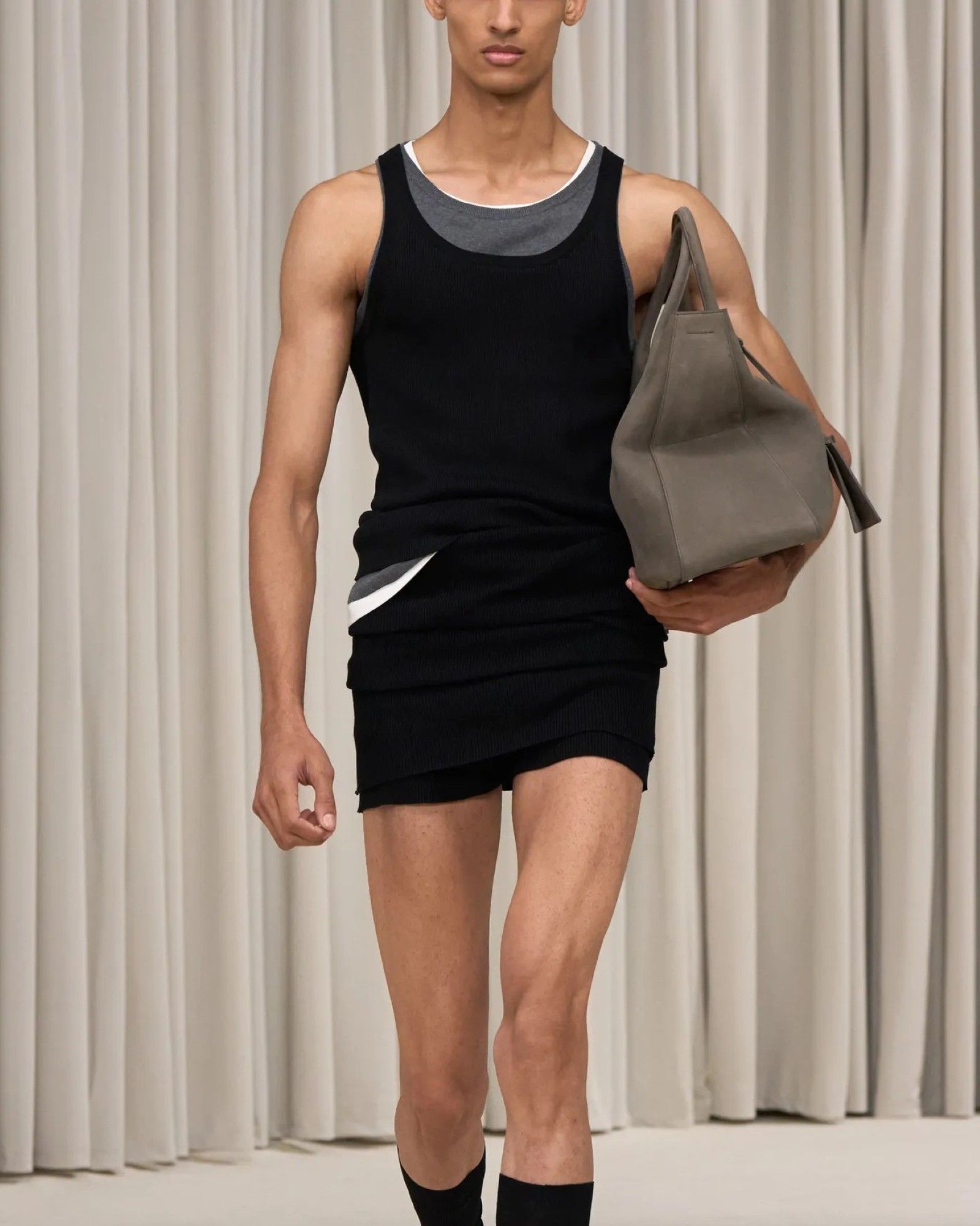
This summer, you should wear tank tops on top of each other
Heat can do nothing against the power of layering
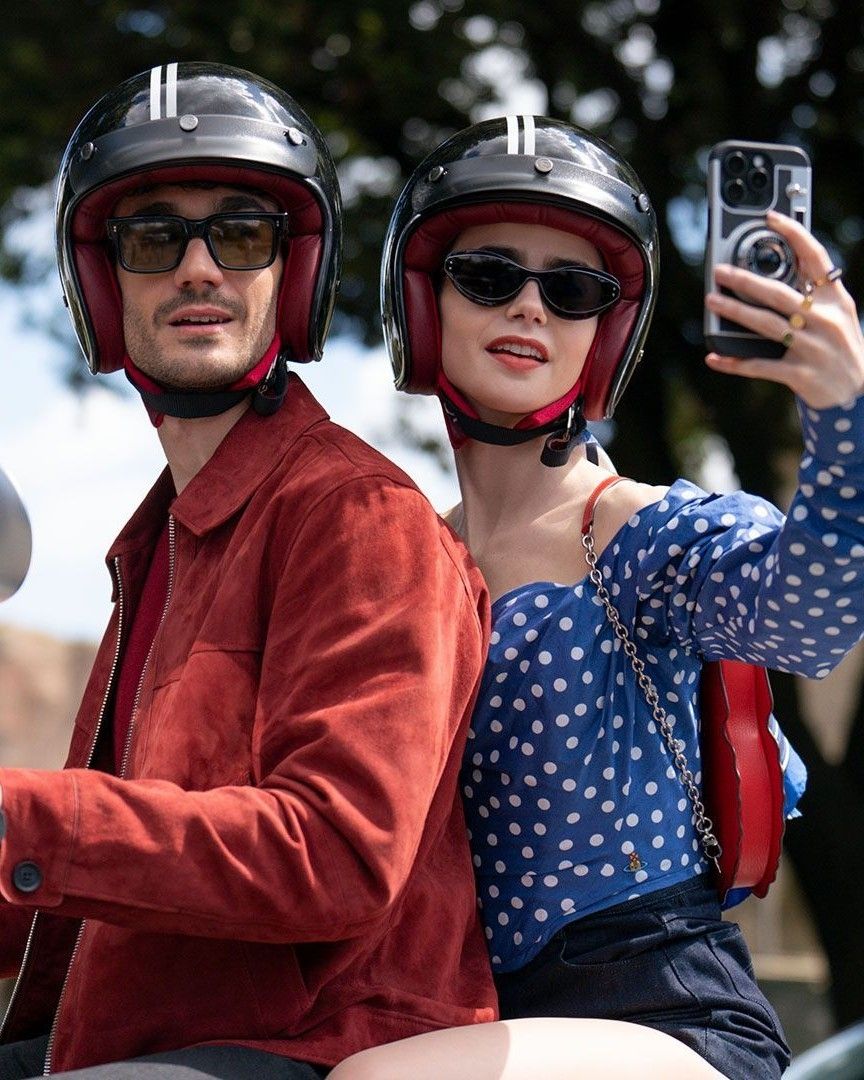
5 style mistakes to avoid as a tourist in Italy
After all, there's no need to make yourself recognizable every single time