

































Social housing doesn't make the trend, but it makes the city A fresh look at one of the most neglected places in contemporary design
There are spaces that design has always preferred to ignore. Not because they lack value, but because they fall outside the focus of representation and market logic. Public housing is a clear example of this. Labeled as “non-places”, often considered unattractive and difficult to narrate, public housing developments are actually full of invention, stories, and design adaptations. Yet for the design niche, they are often perceived as lacking identity, meaningful history, or that aesthetic aura that draws the attention of glossy magazines. Today, as design claims to champion values such as inclusivity, accessibility, and sustainability – terms omnipresent in industry manifestos – one might wonder: why does this collective amnesia persist precisely where such a significant and vulnerable part of the Italian population lives? True sustainability and inclusion cannot exist without quality living conditions for everyone, not just for those who can afford a certain kind of aesthetic.
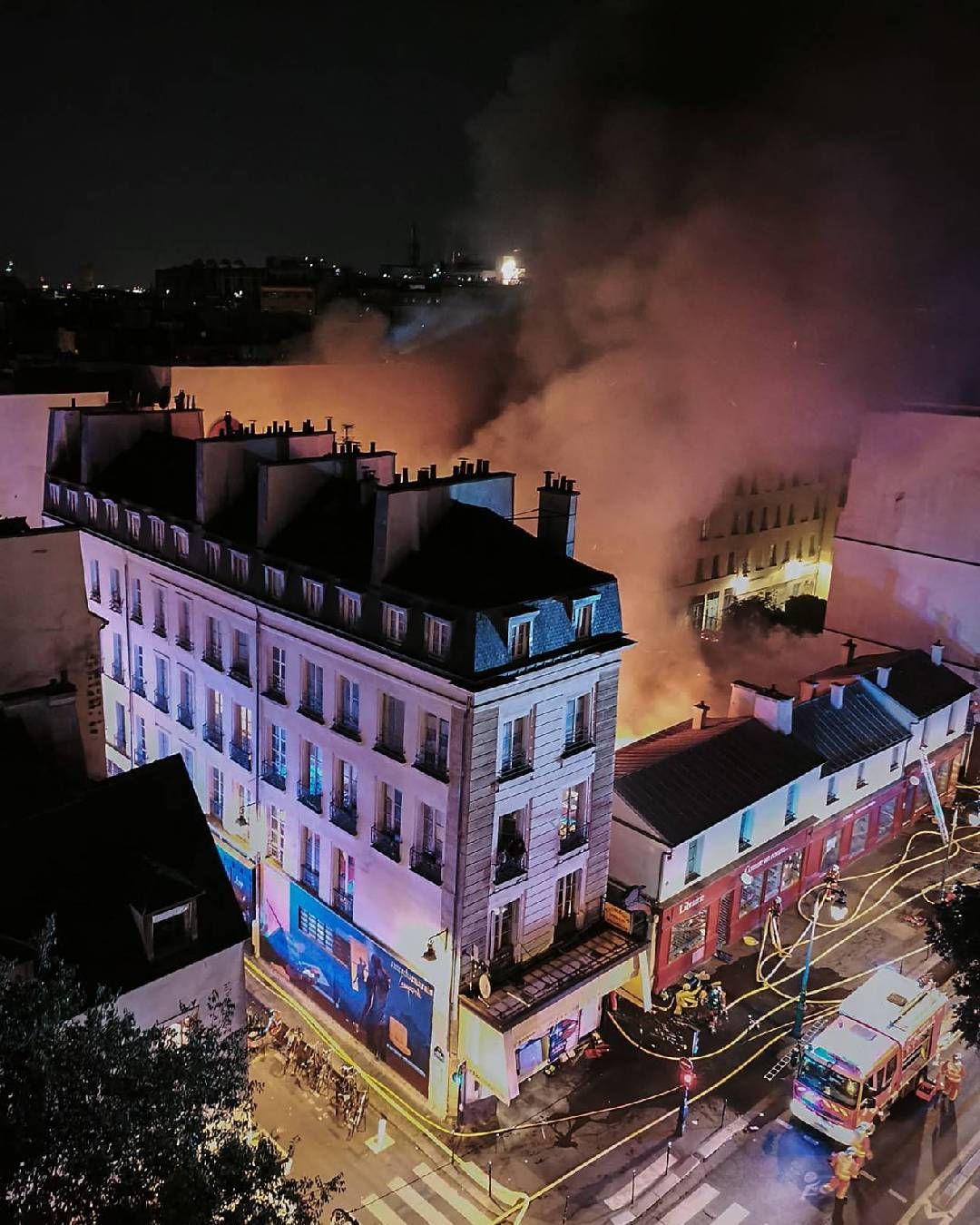
@samuelchsann Social housing has never looked this chic at Rue 12 Jean-Bart #paris #socialhousing #architecture #governmenthousing #luxuryapartments #parisianarchitecture #parisianaesthetic #affordablehousing #limestonebuildings Debussy "Moonlight" Piano Solo(829473) - LEOPARD
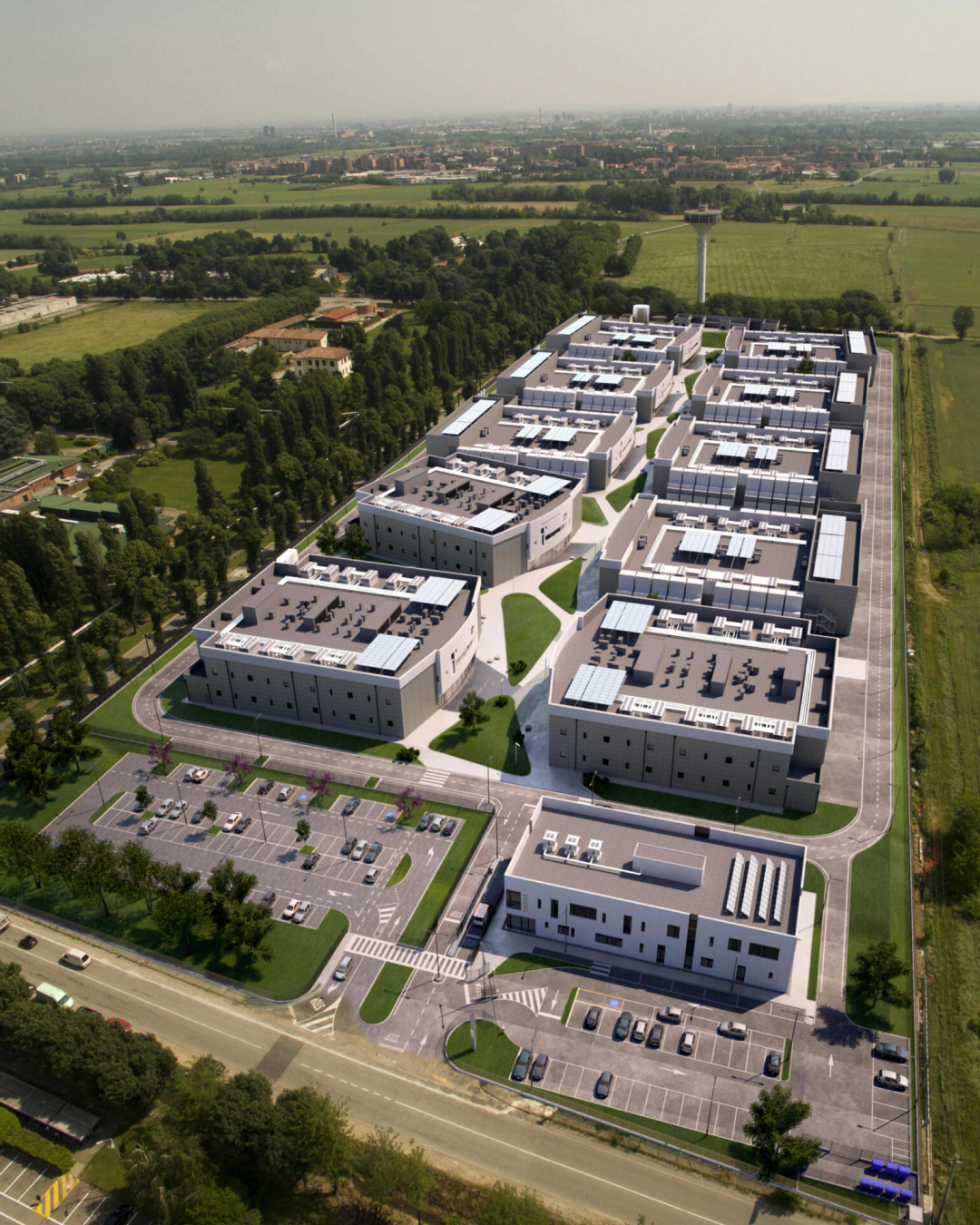
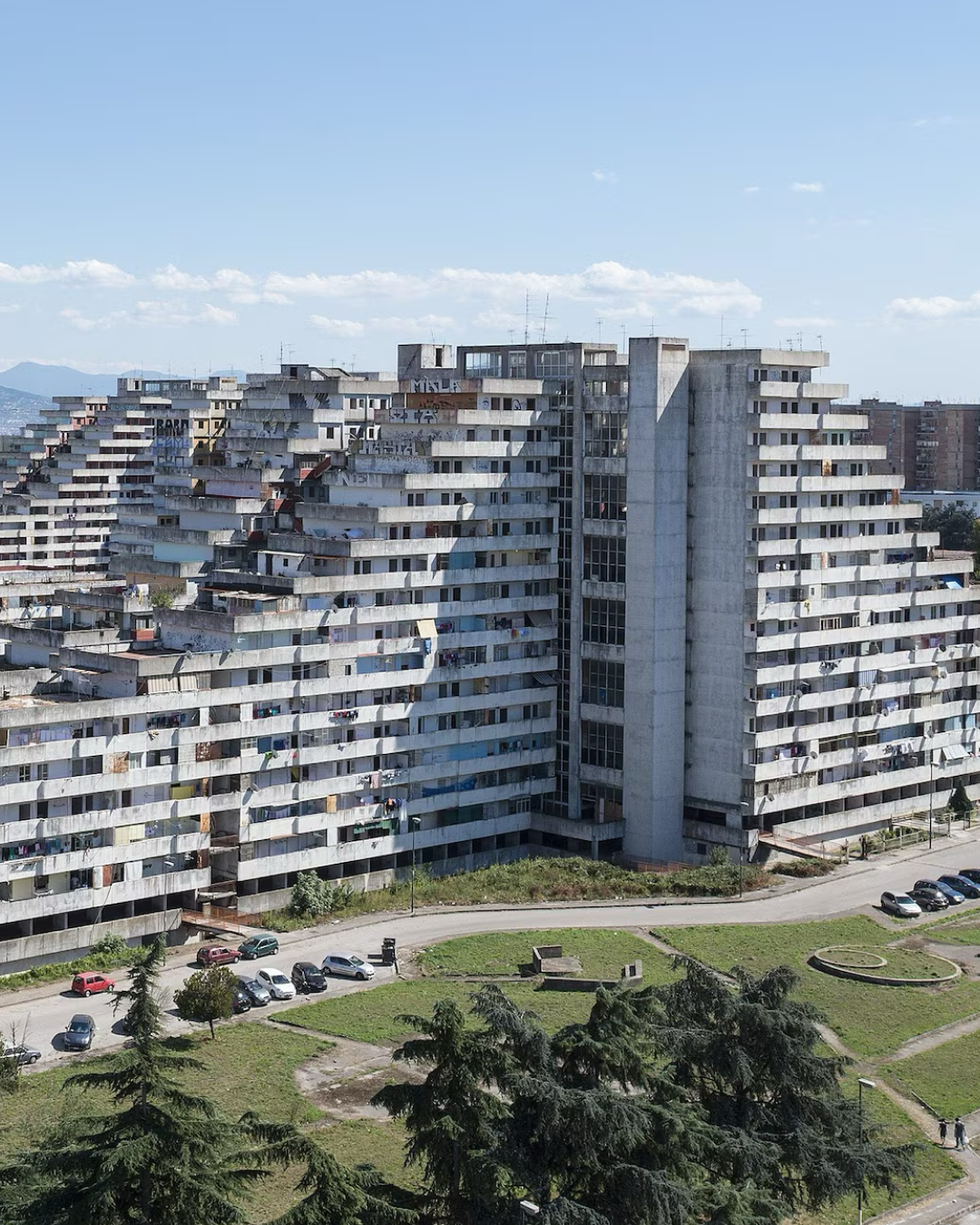
According to the latest Istat census and data processed by Federcasa, there are over 850,000 public housing units (ERP) in Italy, spread across approximately 7,000 neighborhoods, housing more than 2.3 million people, a huge number often left on the margins of urban narratives. The waiting lists to access these homes exceed 700,000 families, a clear sign of growing social demand. And yet, most of these buildings are in critical condition: 40% require structural maintenance, and only a small percentage have benefited from redevelopment in the past twenty years. Despite the widespread deterioration, this housing stock represents an invaluable public asset. Redeveloping it doesn’t just mean improving the quality of life for millions of people. It’s an opportunity to rethink public housing not as a burden, but as a strategic resource for the future of our cities. The history of public housing in Italy is far from marginal: in the post-war period, it was the public sector that experimented with new forms of living. Some of the most stigmatized neighborhoods today were actually designed by prominent names in modern architecture such as Giancarlo De Carlo, Giovanni Michelucci, and Gino Valle. Rome’s Corviale, for instance, is a visionary one-kilometer-long project by Mario Fiorentino, conceived as a vertical city—an ambitious attempt to rethink community and integrated services. In Rozzol Melara (Trieste), brutalism and utopia coexist in a massive structure that reflects the social hopes of its time. The San Siro district in Milan, currently undergoing a major regeneration plan, is one of the largest ERP developments in Europe, a true urban microcosm with a rich social and cultural stratification.
On the international stage, the contrast is even more striking. In France, the firm Lacaton & Vassal, winner of the 2021 Pritzker Prize, regenerated entire residential complexes without demolishing anything, simply adding space, light, and thermal insulation. Their approach proves that dignified housing can be restored without erasing urban memory by working with the existing rather than replacing it. In the Netherlands, social housing is designed to the same aesthetic standards as luxury homes: quality materials, shared spaces, attention to greenery, and integration into the urban fabric. In Vienna, over 60% of residents live in social or cooperative housing, integrated into mixed urban fabrics and meticulously maintained – architecturally included – as part of the city's social vision. In Italy, something is moving. Renzo Piano’s G124 project, launched in 2013, involved groups of young architects in the redevelopment of suburbs through targeted, small but symbolic interventions, proving the value of urban “stitching.” In Milan, the SuperBarrio collective transformed an abandoned Aler space into a community center for workshops, events, and exhibitions, an exemplary case of bottom-up reappropriation. In Rome’s Quarticciolo district, a mix of public art, self-building, and collective memory has been underway for years, turning decay into opportunity. All signs of a renewed interest in places long neglected.
Such quality, vibrancy and craft
— Philip Oldfield (@SustainableTall) September 10, 2024
108 social housing apartments - that’s right, this is social housing!!!
By Monadnock Architects, Hilversum pic.twitter.com/uXwPxULsMW
So why does contemporary design continue to exclude these spaces? In part, it’s a matter of imagination: public housing is seen as “ugly,” “sad,” “run-down.” The dominant aesthetic, often shaped by media and social networks, promotes an ideal of living that functions as a kind of self-referential bubble. Yet, the issue isn’t aesthetic, it’s political. If housing is a right, then design should be too, not just as an aesthetic exercise, but as a tool for problem-solving and improving quality of life. It carries an ethical responsibility not to look away from these realities. Designing for public housing doesn’t mean giving up excellence. It means applying it to complex contexts, where every design decision has a direct impact on the dignity, health, and opportunities of a community. We need a new idea of public aesthetics, one that begins not at the center but at the margins, that sees public housing not as a problem to fix but as fertile ground for experimentation, innovation, and coexistence. Because in the end, as Renzo Piano wisely observed, “the suburbs are the city of the future.”