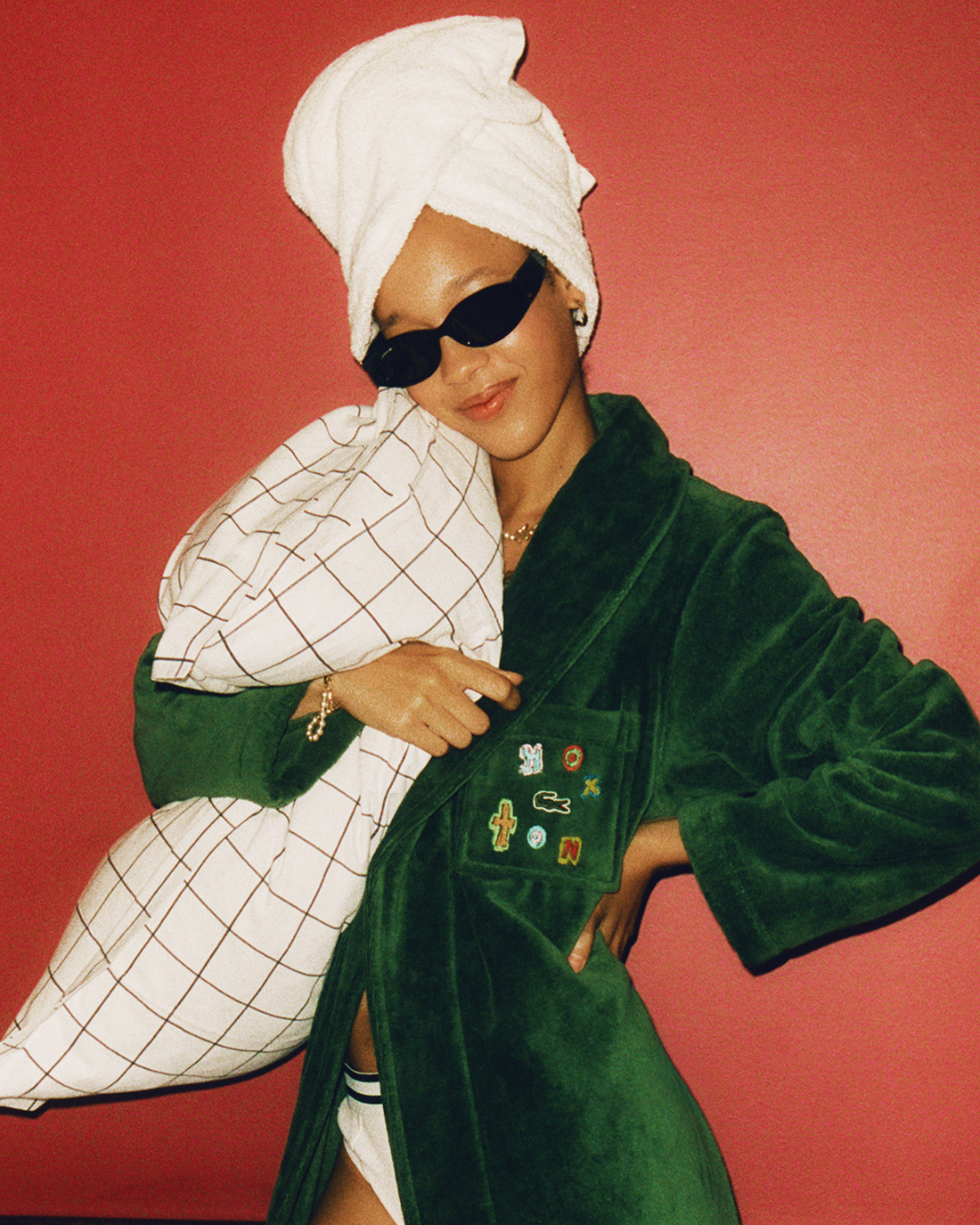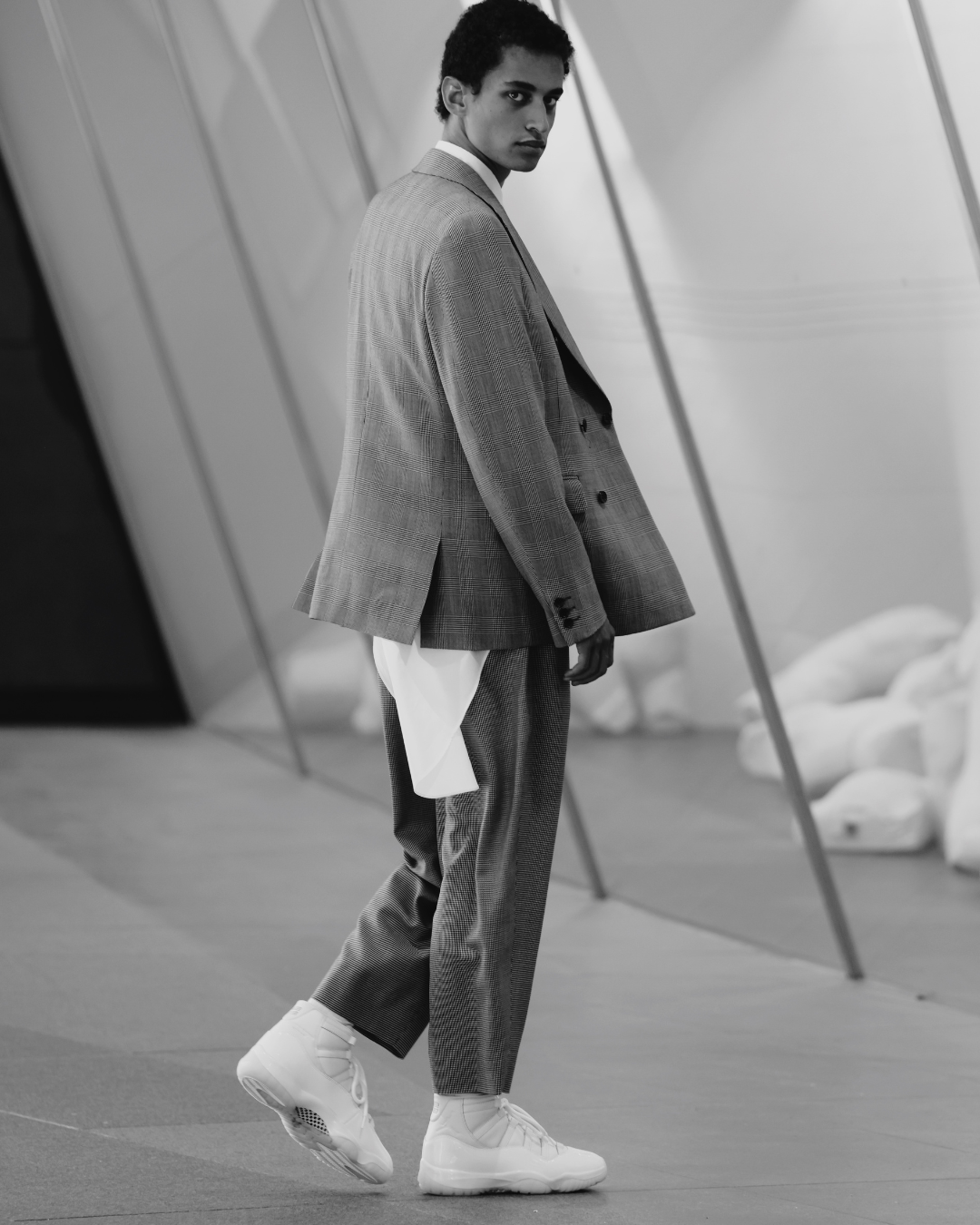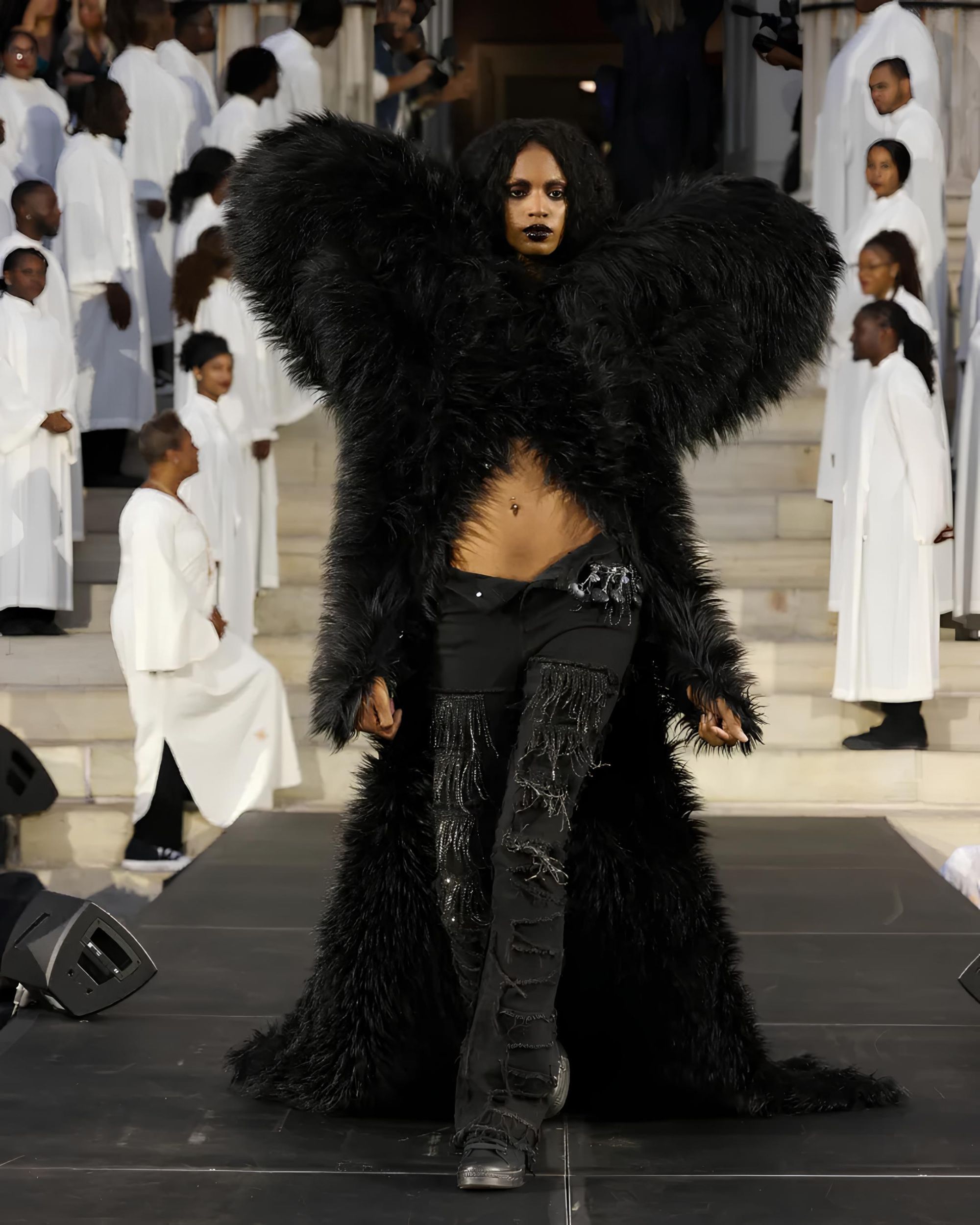
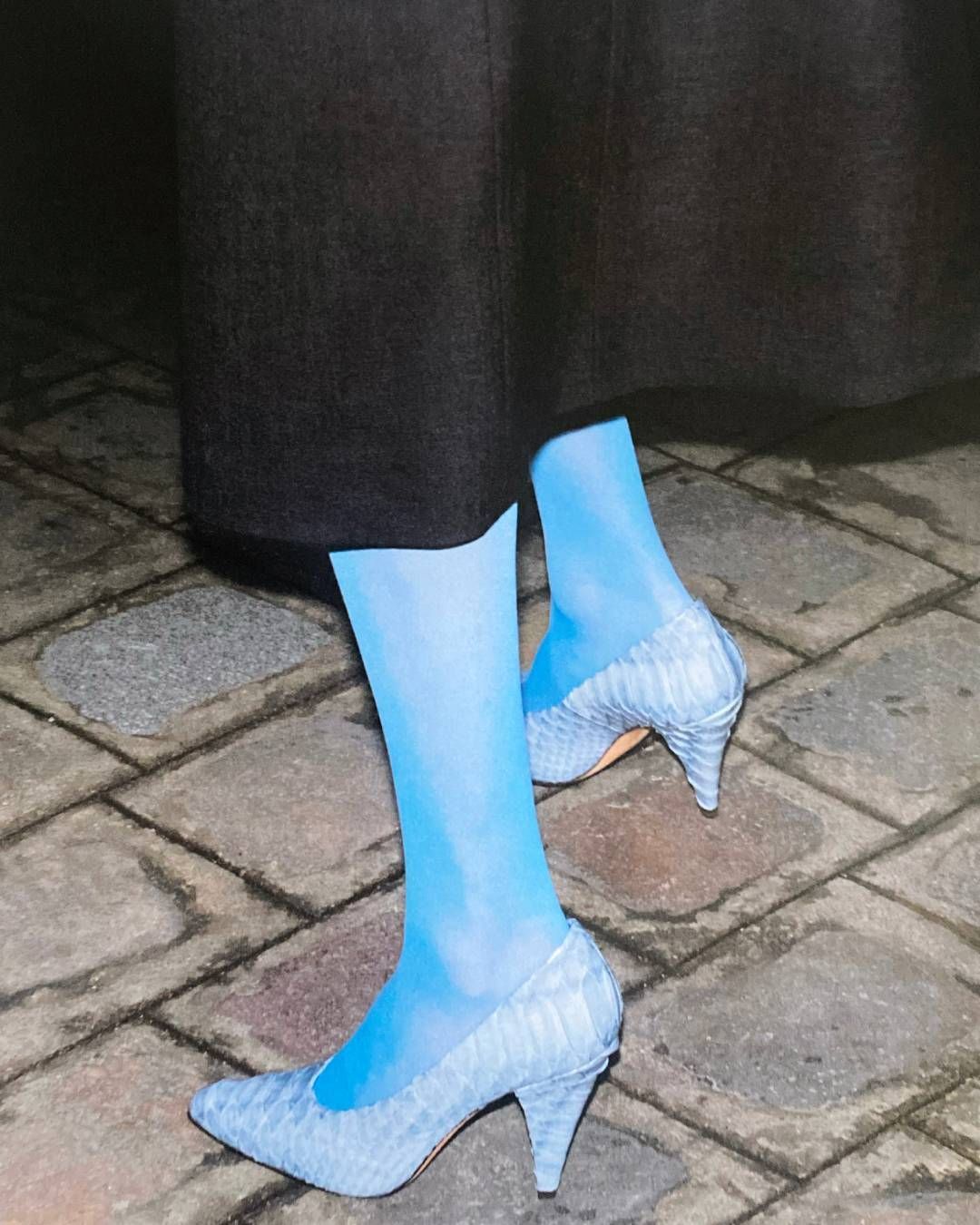



























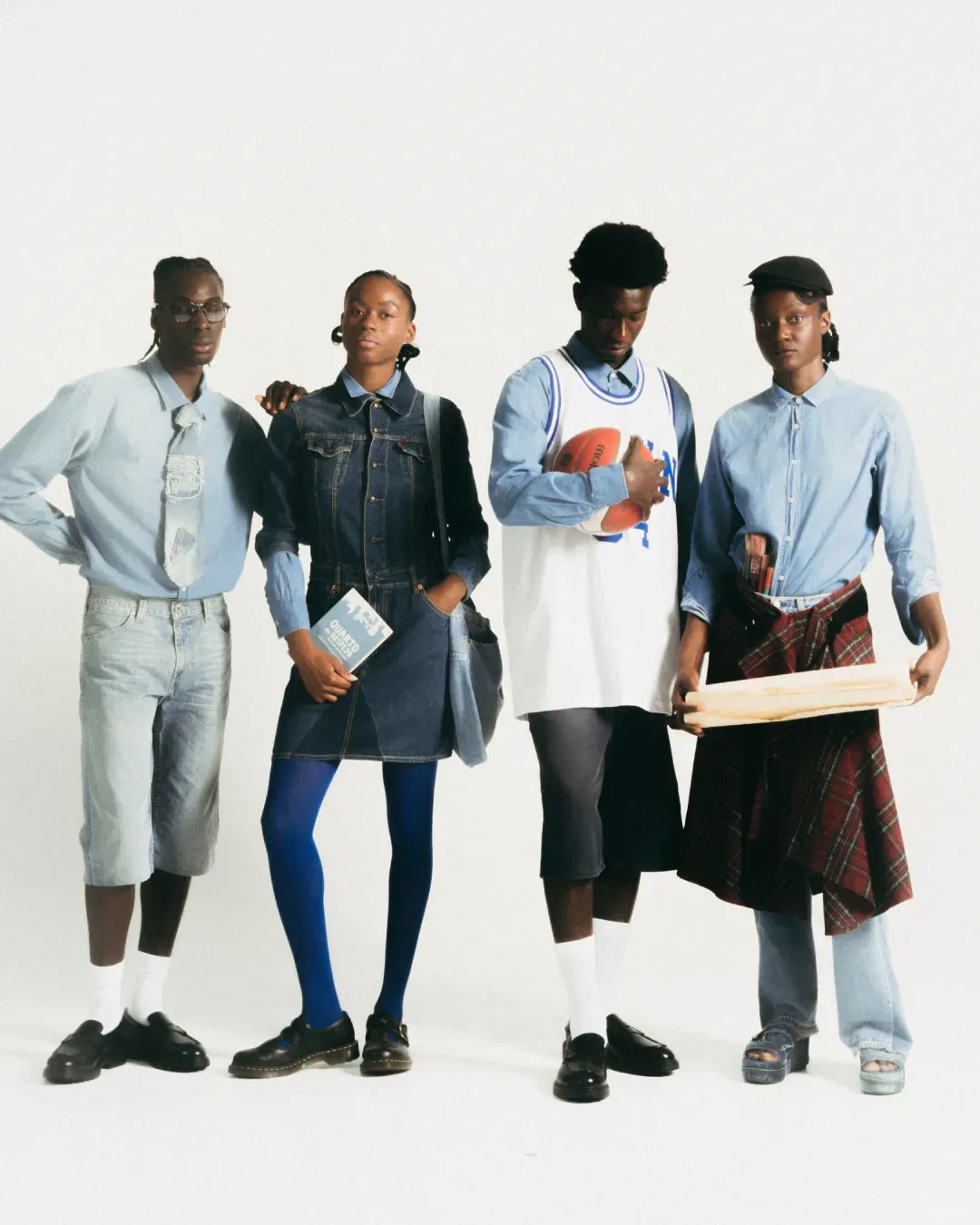
The talents of “VOICES OF DENIM” selected by AFA x Levi's tell their stories Here are the designers who will reinterpret denim in their own personal style
This September, AFRO FASHION ASSOCIATION and Levi’s unveil the first edition of Voices of Denim: A Living Cultural Language, a project bringing together emerging BIPOC creatives to reinterpret denim in a personal way. The project includes mentorship, research, and craftsmanship, and upon its completion, an exhibition will open at Casa degli Artisti open to the public from September 25 to October 2 showcasing all the ways in which Levi's blue denim has been reinterpreted.
Fashion, photography, visual arts, cinema, styling, sound and design will engage in dialogue through a single material, brought together through the work of ten fashion designers who have been called upon to create a "manifesto look" using Levi’s deadstock materials. With the support of a team of special mentors (Cara Fenu and Paul Dillinger from the Levi’s design team, Edward Buchanan, Tamu McPherson, Michelle Francine Ngonmo, founder and Executive Project Lead of AFA, Francesca Ragazzi, Walter D’Aprile, Cristina Baruzzi and Idris Balogun), the designers will be able to tell their stories in a way that differs from the usual, a unique opportunity to leave their mark and contribute to the cultural transformation promoted by AFA at Milan Fashion Week.
Before the launch, we had a chat with the protagonists of Voices of Denim: A Living Cultural Language: Tokyo James, Papa Oyeyemi, Nana Brenu, Victor Hart, Christel Abboud, Paul Roger Tanonkou, Yaimara Gomez, Sabina D'Angelo and Gaeun Kim.
Tokyo James
Iniye Tokyo James founded his brand in 2015, a project that combines the traditional savoir-faire of Savile Row with the stylistic codes of African design. He is primarily inspired by what people wear on the streets, the designer tells us, by the textures and conversations he encounters while travelling through cities around the world. «Creativity, to me, is what you do with instinct and hand and memory», says James.
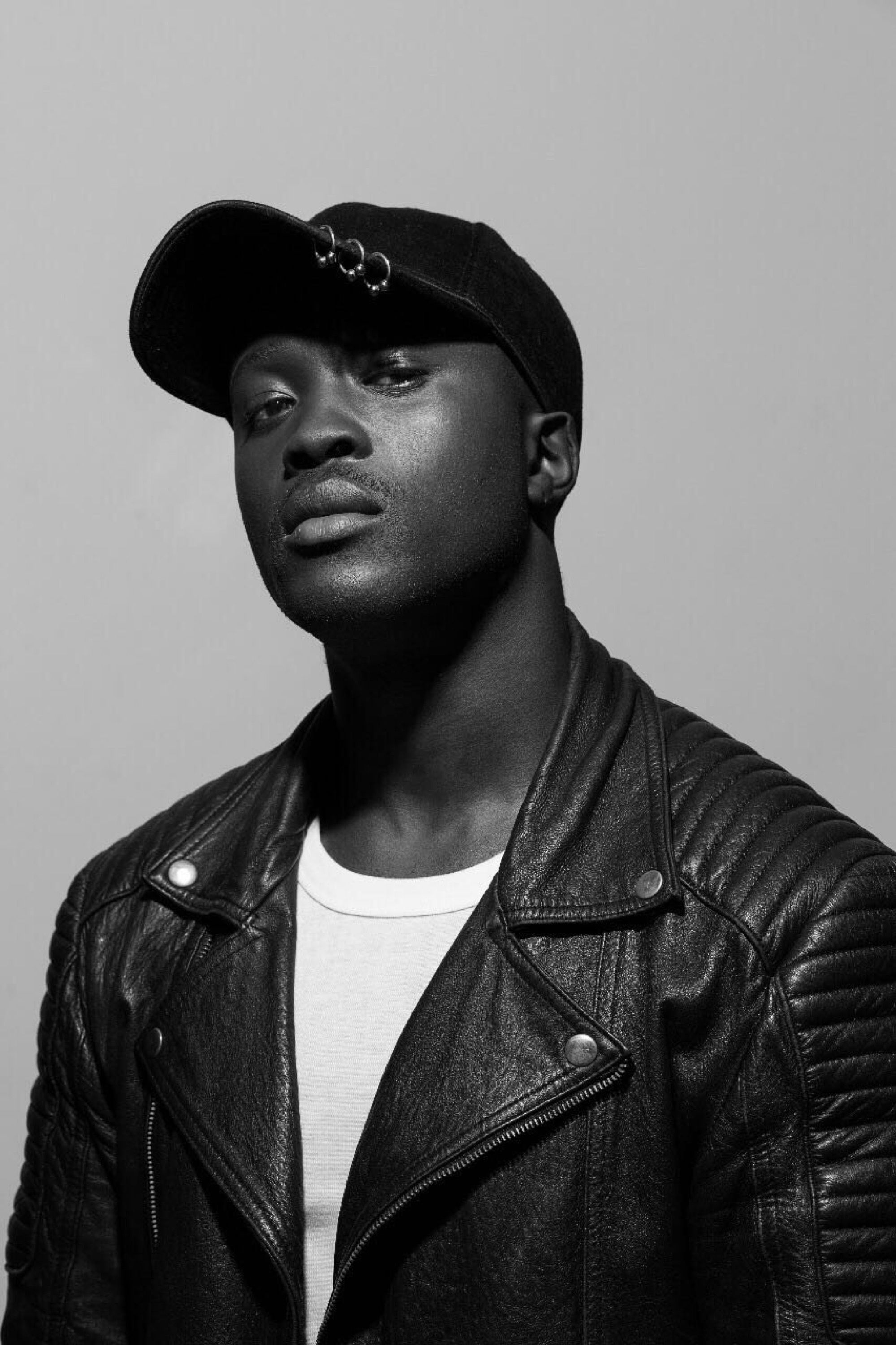
«The biggest challenge this year has been building something distinctive at a moment when the industry has less appetite for risk», the designer said regarding the current state of the fashion industry. «Having the AFA and Levi’s teams behind you means you can slow down, invest in craft, and make decisions from a place of intention instead of survival», he added, emphasising that in Italy, BIPOC creatives still have to work twice as hard as others to occupy a space within the system. To challenge the gatekeeping that is still present in the industry, the support of initiatives such as AFA becomes essential, says James.
Papa Oyeyemi
Papa Oyeyemi launched Maxivive in 2007 to challenge the traditional codes of masculinity. Individuality and material research are at the core of the brand, while the inspiration behind each collection comes from memories and how they become imprinted on clothes over time. «For this project, I became interested in denim not simply as a fabric but as a witness. Every fade, tear and repair tells the story of someone's labour», the designer told us about his manifesto, entitled Labour of Love.
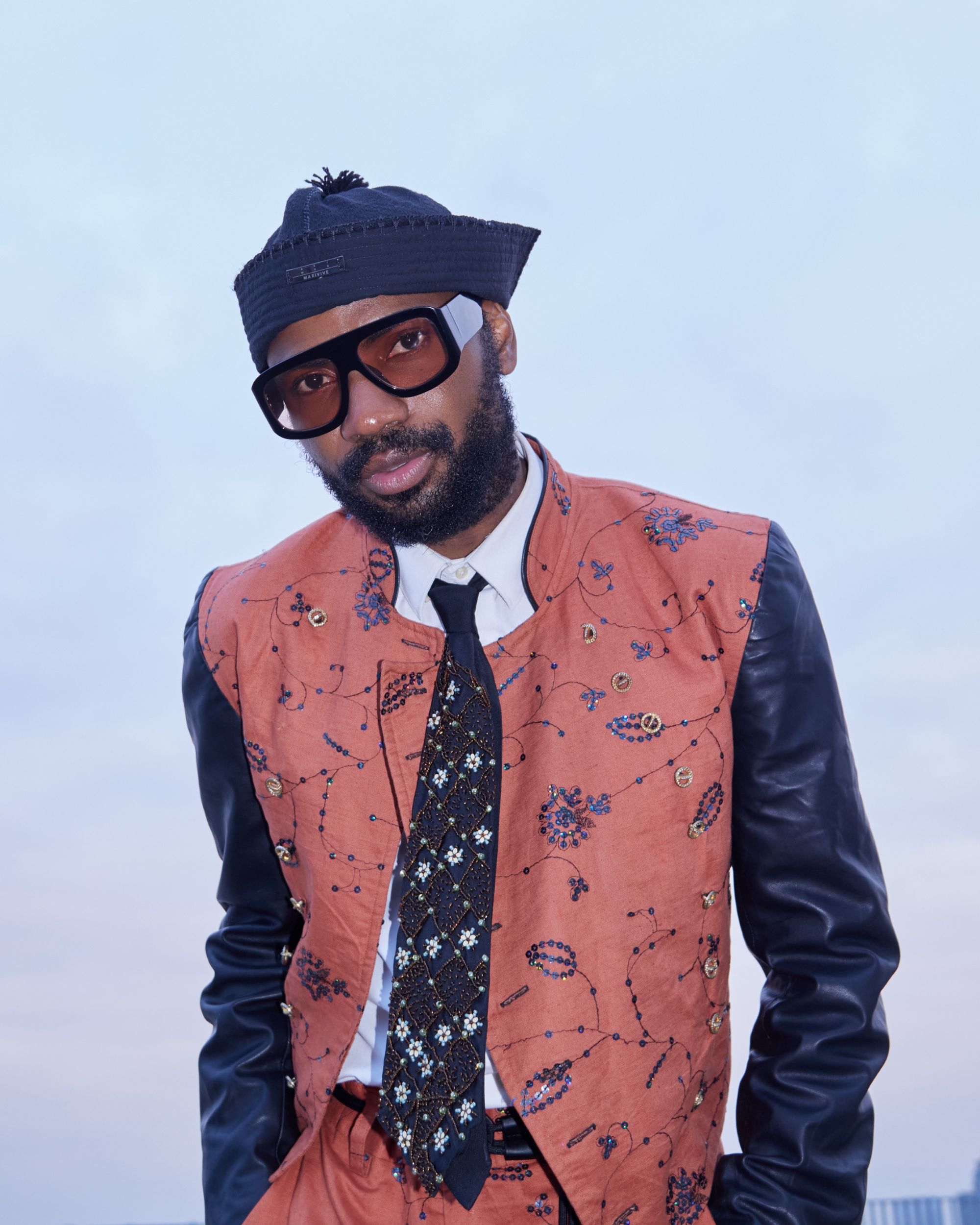
The story of Maxivive has taken shape over nearly twenty years in Nigeria and Italy, two very different places that have led Oyeyemi to adapt to alternative ecosystems and methods. «The Voices of Denim initiative arrives at an important moment, offering more than just resources. It creates access to dialogue, mentorship and community. It acknowledges that emerging talent doesn't always mean emerging ideas. Sometimes it means emerging opportunities. Being part of this initiative allows me to expand my practice while continuing to tell stories rooted in Queer experiences through denim», Oyeyemi said.
Paul Roger Tanonkou
Paul Roger Tanonkou is the founder of Zenam, a menswear brand working at the intersection of artisanal heritage and contemporary minimalism. Present at Milan Fashion Week for three seasons, the brand continues to develop a tailoring narrative that intertwines Africa and Italy through dedicated projects such as Une lettre du Burkina Faso, the SS27 collection that led Tanonkou to discover the processes behind the creation of fabrics from Burkina Faso, such as Faso Dan Fani and Kokodunda. For the designer, each project represents a great responsibility towards the sustainable and authentic fashion he has always championed.
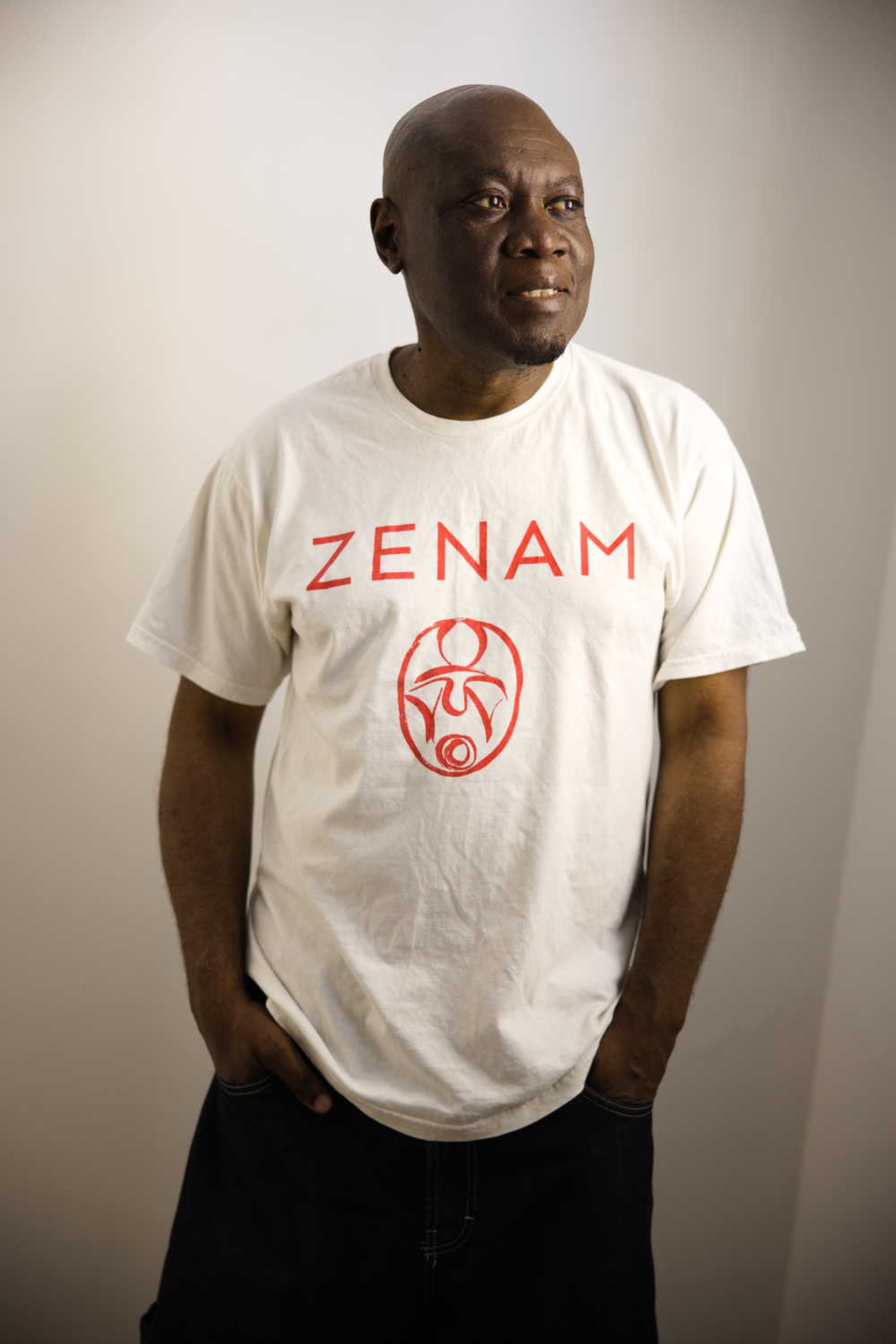
«When I launched my brand, my first goal was to use fashion as a channel to express my multiculturalism, my plural identity and my journey between Africa and Italy», Tanonkou tells us. «For me, ZENAM has always been a way to tell people who I am and to give shape to my voice». The designer recalls that, at the beginning, navigating the fashion industry with a unique cultural vision like his was very difficult, but things have also changed thanks to the vision of Michelle Francine Ngonmo and her Afro Fashion Association project. «For me, AFA has helped get my message, my cry across and transform my personal voice into a shared voice». His manifesto look draws inspiration from the look of the traditional African Bubu, evoked through the volume of the sleeves, as well as from the 1970s afrobeat aesthetic and Nigerian musician and activist Fela Kuti.
Yaimara Gomez
«I come from the world of dance and performance, so entering fashion design meant discovering a completely new language and system», Yaimara Gomez, a designer who explores craftsmanship, the body and contemporary fashion through textile research, tells us. «My work is born through what I call textile architecture. Each project begins with research on the fabric: I observe it, manipulate it, study its structure, its limits and its possibilities. It's often the material itself that inspires my creative direction, rather than images, trends, or references found online», the designer explains, adding that the true challenge for the fashion industry today is to use technology without allowing the product to lose its direct connection with the body, physical materials and real experiences. «It is in that space that my creativity is born».

Raised in Cuba, Gomez learned very early on to channel her creativity through a limited amount of resources. She learned to make the most of the materials and tools available and to do her best, a practice that allowed her to develop deep productive dynamism. «I learned that you don't necessarily need many different materials to create something innovative; sometimes a single material, studied in depth, can generate an entire creative universe. I think this approach is important not only from an artistic perspective, but also from a business perspective. It allows you to develop a stronger identity, work more sustainably and build a recognizable language around your brand».
Sabina D'Angelo
Sabina D'Angelo is an Italian designer of Nepalese descent who uses tailoring and embroidery to present intimate stories of cultural memory. Emotion is delicately stitched into garments, infusing each project with a strong craft identity. She told us that she finds inspiration in natural details and in the passage of time, experimenting with embroidery. For Voices of Denim, D'Angelo chose to use Levi's deadstock materials for a haute couture dress created through the voluminous layering of fabric embroidered with crystals. «Embroidery represents the material's ability to endure, evolve and be reborn», the designer explains.

D'Angelo says that the biggest challenge for her was «managing to bring out an authentic creative voice in a highly competitive industry while staying true to my way of designing». Deeply rooted in manual work, her designs tell a story that requires time and attention not only to be told, but also to be perceived. At the same time, the designer adds, although today the system is more open to listening to new voices than in the past, she believes it is important to move beyond stereotypes and «value people for the quality of their vision and not only for their personal story», adding: «My Nepalese origins are part of who I am, but they do not define my work on their own. My life experience has taught me to look at things from different perspectives and this naturally influences the way I create».
Gaeun Kim
Gaeun Kim is the founder of VILLAIN, which combines her Korean roots with a passion for Y2K aesthetics. «I wanted to talk about the ugly and scary side of neglected people and their emotion which was revealed in that according aesthetic of craftmanship», Kim said about the project. If there is one lesson she has learned while growing the brand, she added, it has been to build an imagery of her own and not compare herself to others. «It's about how efficiently you can express that world to people», she explained.

Beyond the aesthetics of the era, what fascinated the designer about the early 2000s was the widespread obsession of those years with new technologies, a concept that permeates each of her collections, often developed precisely through innovative digital tools. «It reminds me of this generation that we are in with the confusion between what is from human and that from AI», she adds. This was the starting point for Voices of Denim: the anatomy of the human body. «To communicate this idea I inverted the most inner anatomy facing outward; with the muscles lying inside the body and the bones, the most inner part of our anatomy, are exposed at the surface with it being transformed from a style of jacket that was common in 2000s.»
Christel Abboud
Christel Abboud is an Italian-Lebanese designer whose work combines contemporary minimalism with Middle Eastern aesthetic traditions. Abboud's origins have radically shaped her perspective on the industry, the designer tells us, as founding her own brand, Astarte, far from the global fashion hubs, taught her «resilience, resourcefulness, and the importance of creating opportunities when they don’t already exist».
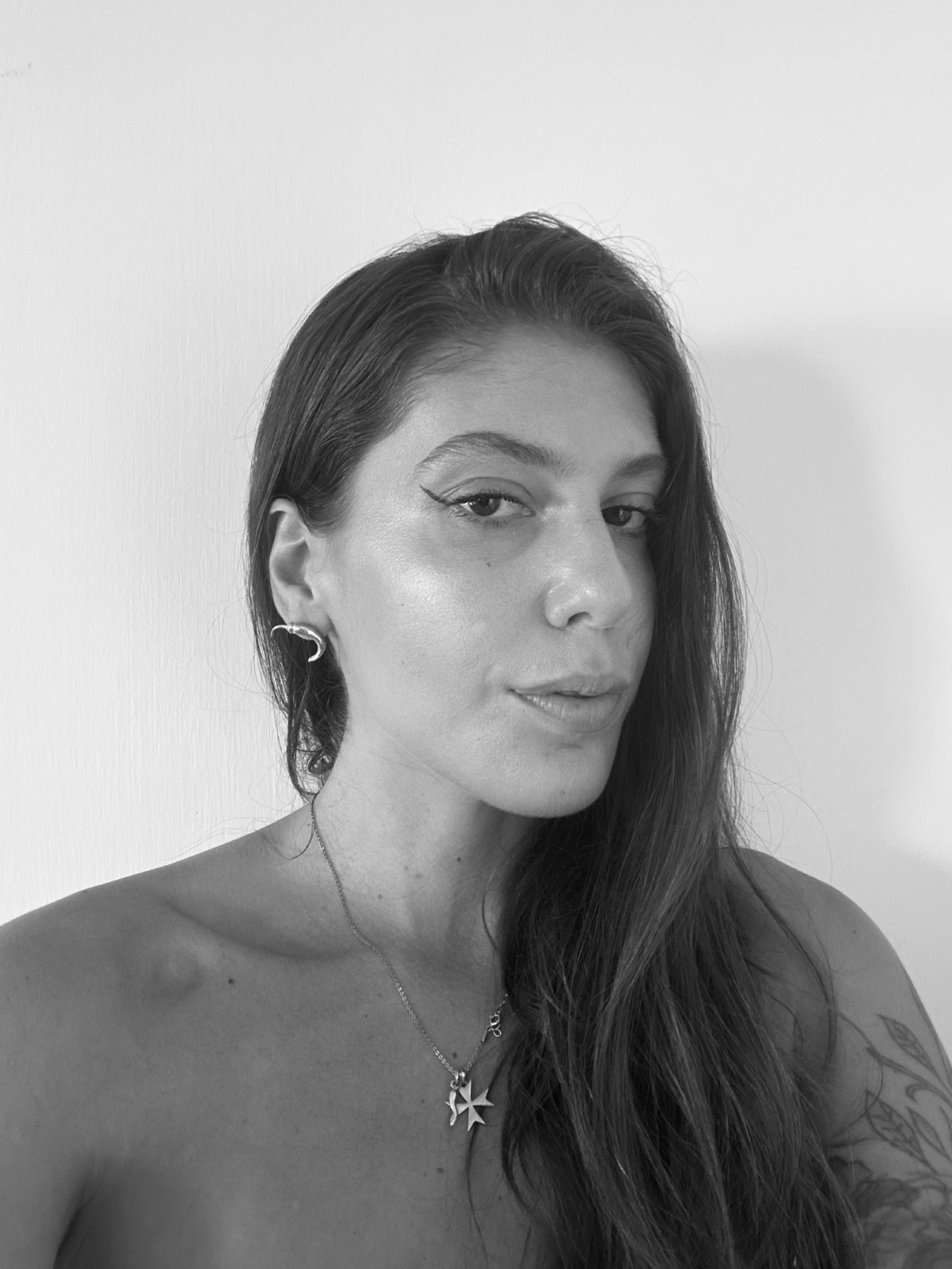
«Before starting Astarte, I wish someone had told me that building a fashion brand is a journey without a fixed destination», Abboud tells us. «Success isn’t linear, and every challenge becomes part of your growth. Building a brand isn’t only about creating beautiful clothes—it’s about building relationships, trust, and a community around your vision». For Voices of Denim, the designer found inspiration in traditional Lebanese garments, reinterpreting their look in a contemporary way through Levi's deadstock denim.
Nana Brenu
A creative consultant working between Accra and Milan, Nana Brenu is the founder of NATIV LTD, a project that celebrates culture and craftsmanship through community- and socially-oriented productions. With more than ten years of experience behind him, Brenu is well aware of the countless challenges BIPOC creatives still face in gaining visibility and support from the industry, especially in Italy, he adds. «What makes Voices of Denim meaningful is that it doesn't simply invite us to participate, it invites us to author our own narratives. Through this initiative, I'm able to use denim as a medium for storytelling rather than just garment-making.»
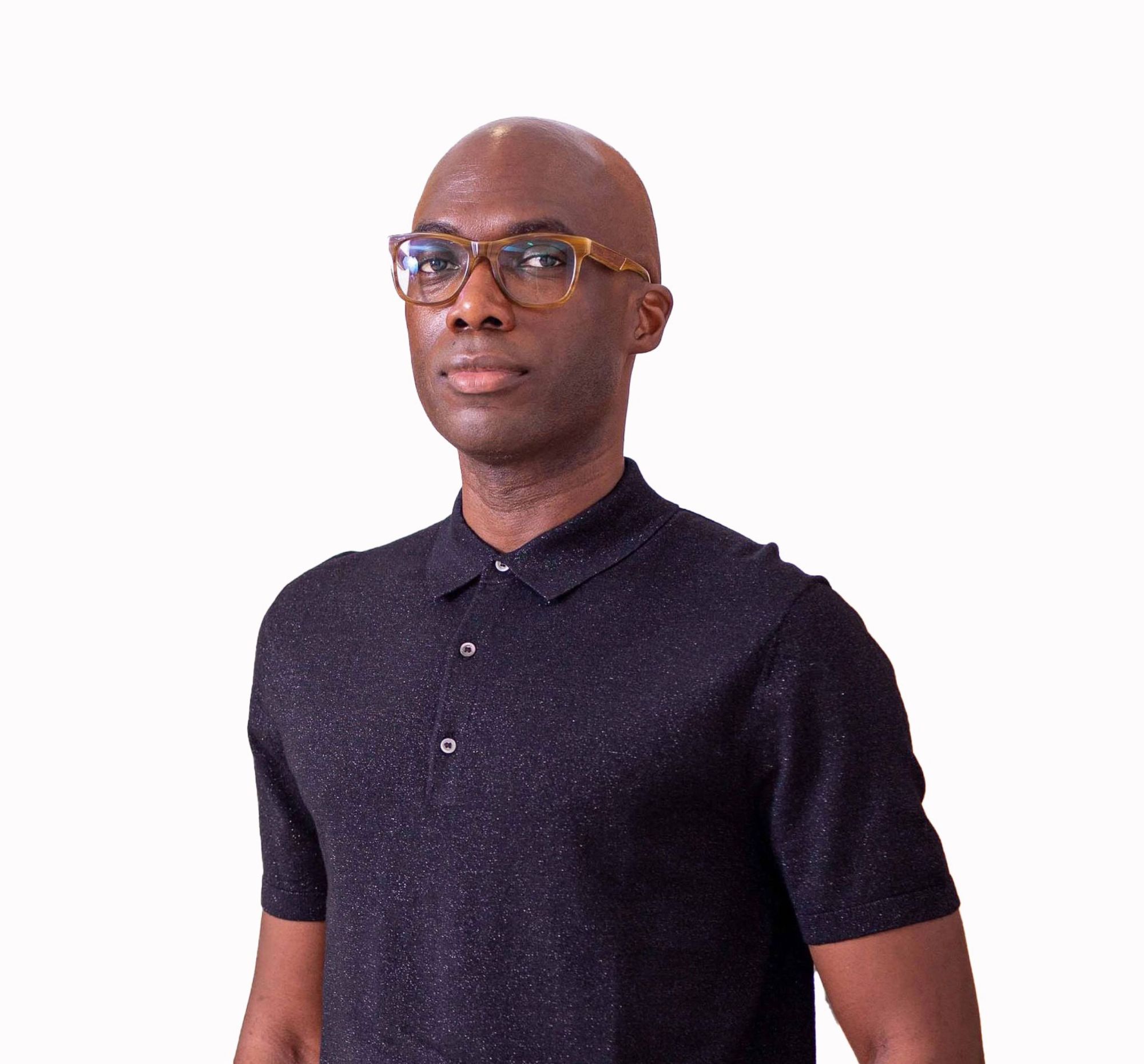
«My project, "Worn Resistance", explores how clothing has historically been used as a form of political identity and cultural resistance», Brenu explains. «It draws inspiration from Dr. Kwame Nkrumah's adoption of the political suit, itself influenced by the Mao suit, as a deliberate rejection of colonial dress codes and an expression of African self-determination». What brought Brenu closer to this tailoring history, the designer explains, was not so much the silhouette of Nkrumah's suit, but rather the meaning it took on once worn by the right person. «Those historical moments remind me that garments can carry ideas, values, and resistance.»
Victor Hart
Victor Hart is a designer of Ghanaian heritage who enjoys blending classic and modern tailoring to challenge the stylistic codes of contemporary menswear. In his collections, elegance and authentic taste come together to create designs with a bold yet refined aesthetic. Present on the Milan Fashion Week calendar for several seasons, Hart now recognises that beyond this milestone, the growth of a brand is based on dozens of mental and practical investments, which are often underestimated, such as organisation, production, communication and the quality of creative and other partnerships.
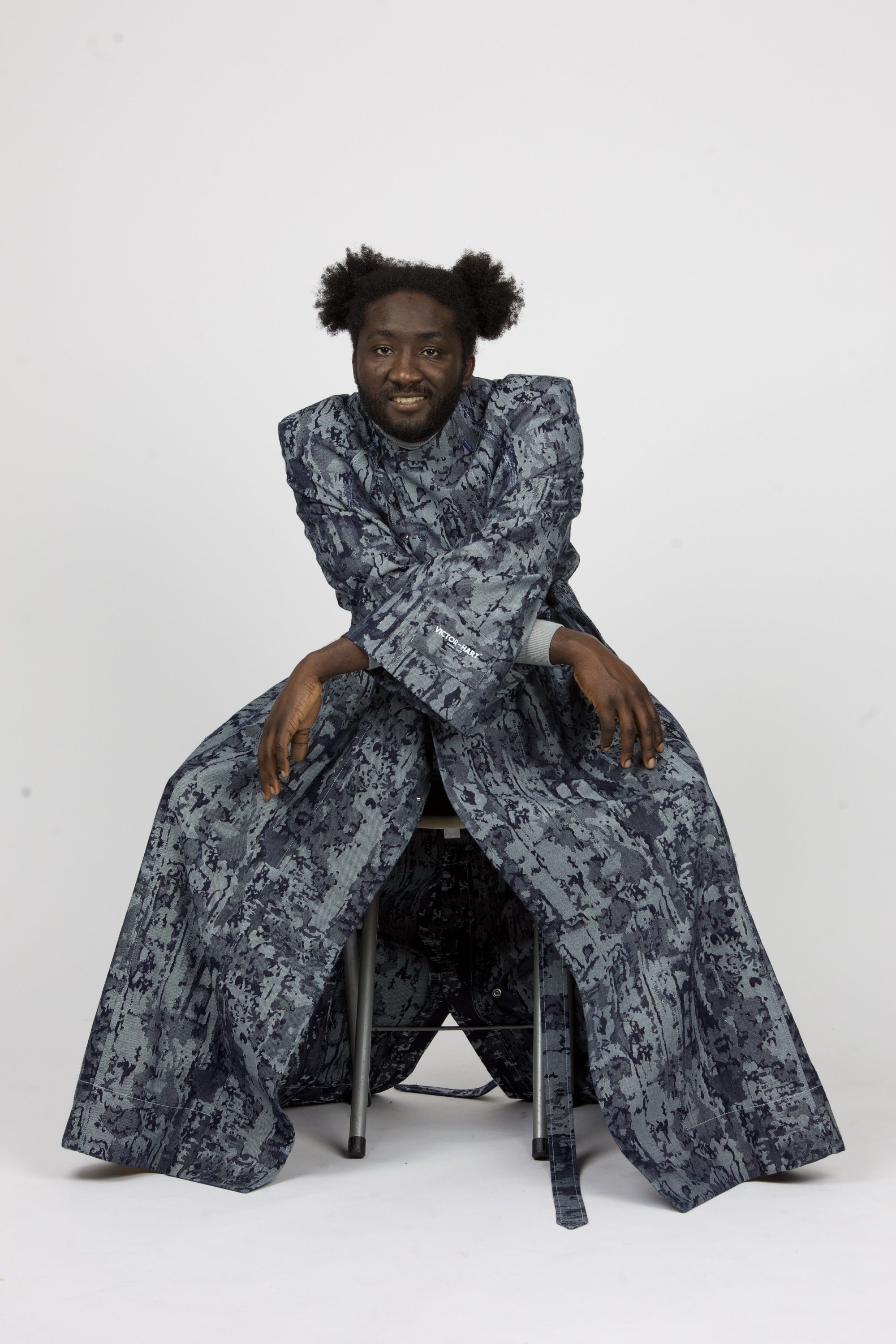
«As a Ghanaian founder building a luxury fashion house in Italy, I have always believed that our stories deserve to exist within the highest levels of global fashion. The Voices of Denim initiative validates that belief, it demonstrates that sustainability, craftsmanship and cultural heritage can become the foundation of a modern luxury house.», Hart told us, adding: «My hope is that the next generation of creatives will no longer be defined simply by where they come from, but by the quality of their work, their vision and their contribution to culture. I don't want to create fashion that is recognised because it is African or Italian. I want to create fashion that is recognised because it represents excellence. If, through that excellence, I can also celebrate my Ghanaian heritage and the extraordinary craftsmanship of Italy, then I believe I am contributing to a richer and more inclusive future for global luxury.»