
Fashion has always had a soft spot for hospitals The history of clinical aesthetics on the runway and on stage
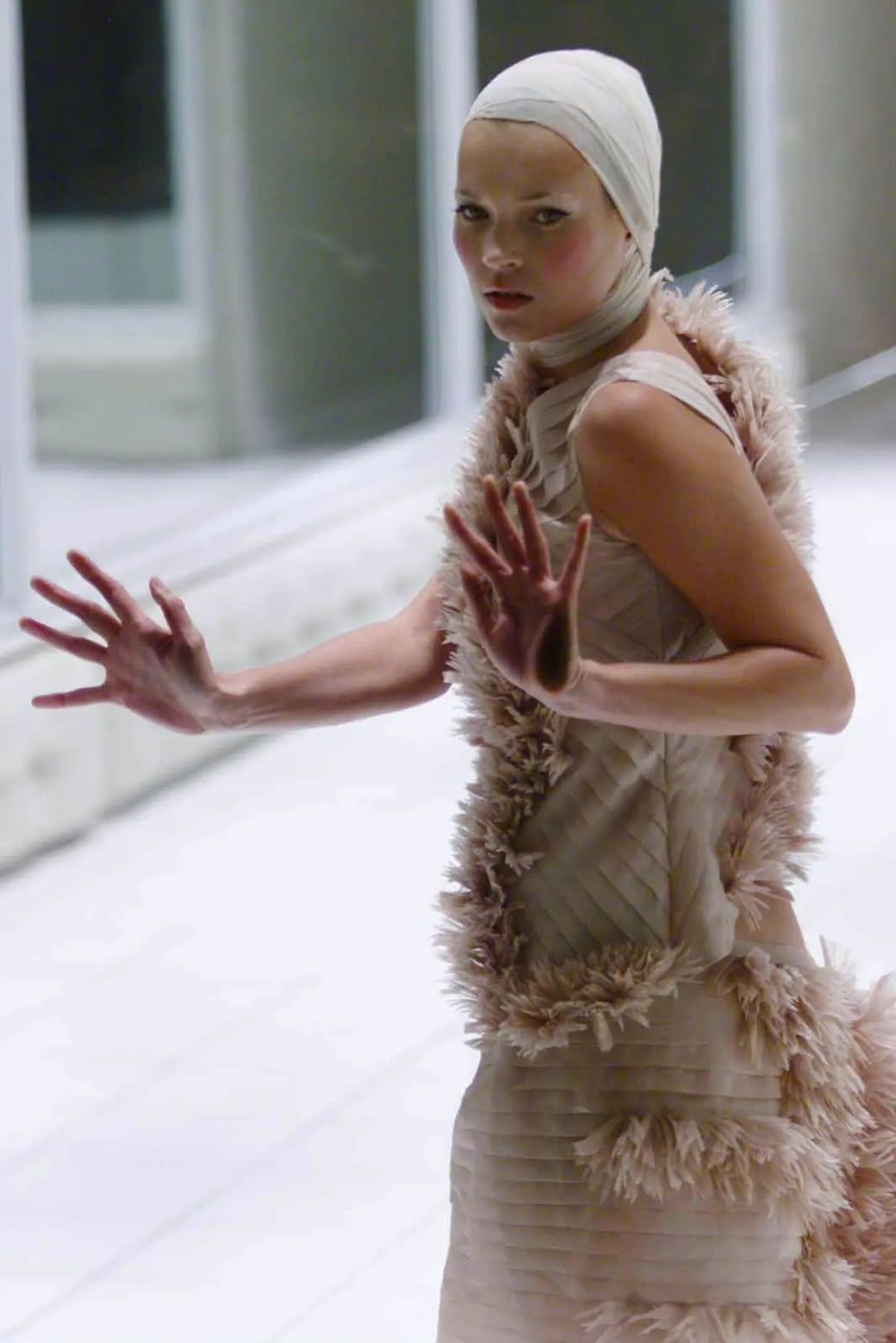
Alexander McQueen, Voss SS21
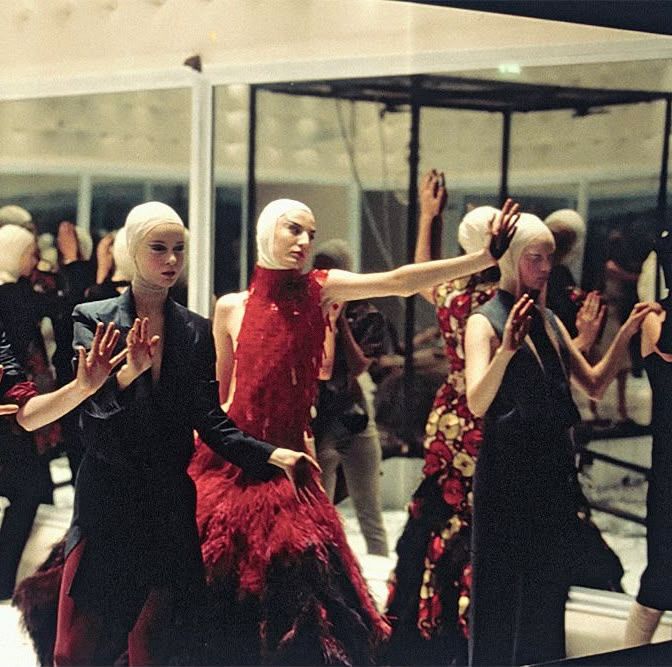
Alexander McQueen, Voss SS21
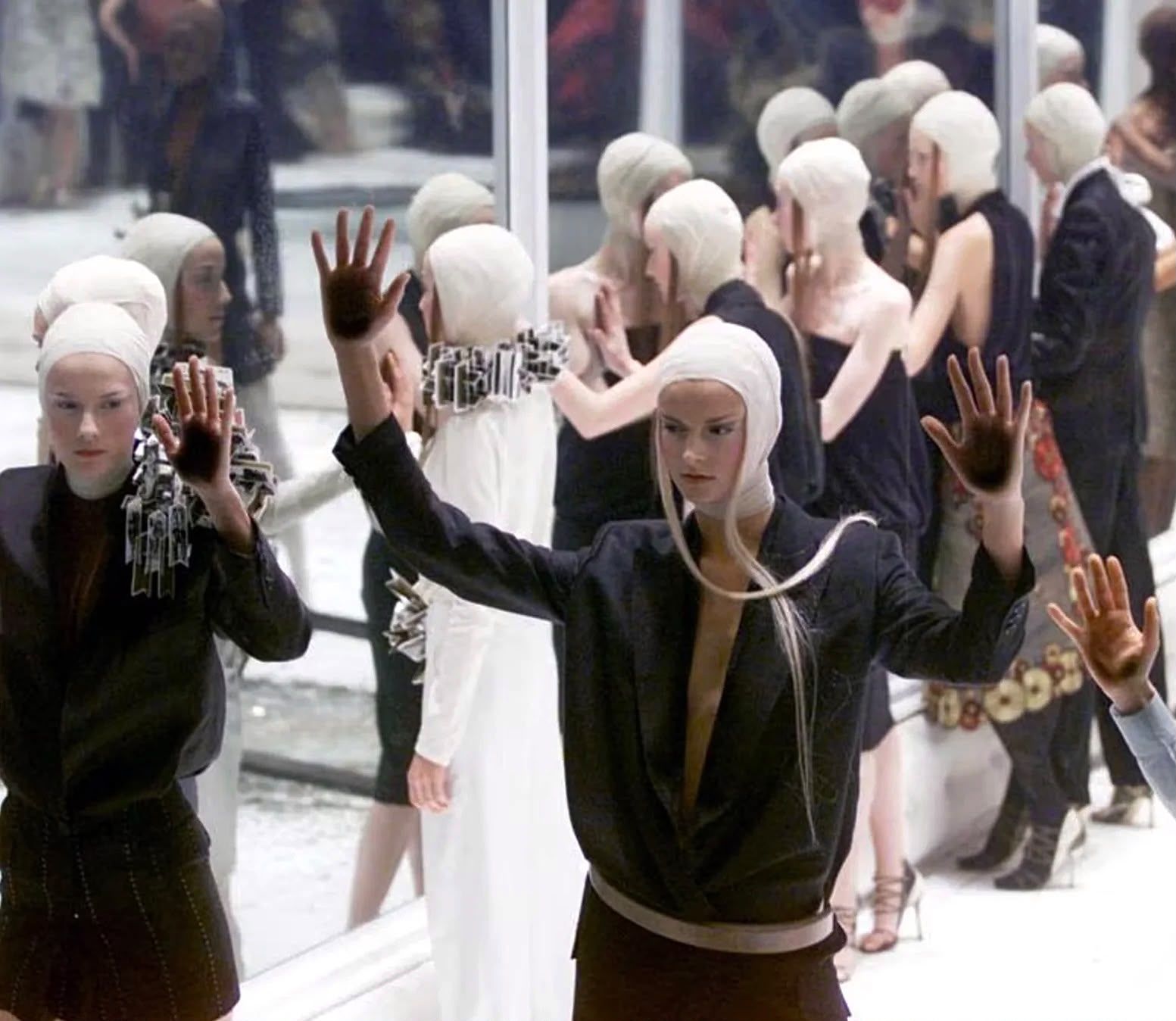
Alexander McQueen, Voss SS21
Alexander McQueen, Voss SS21
Gucci FW18
Prada FW23
Prada FW23
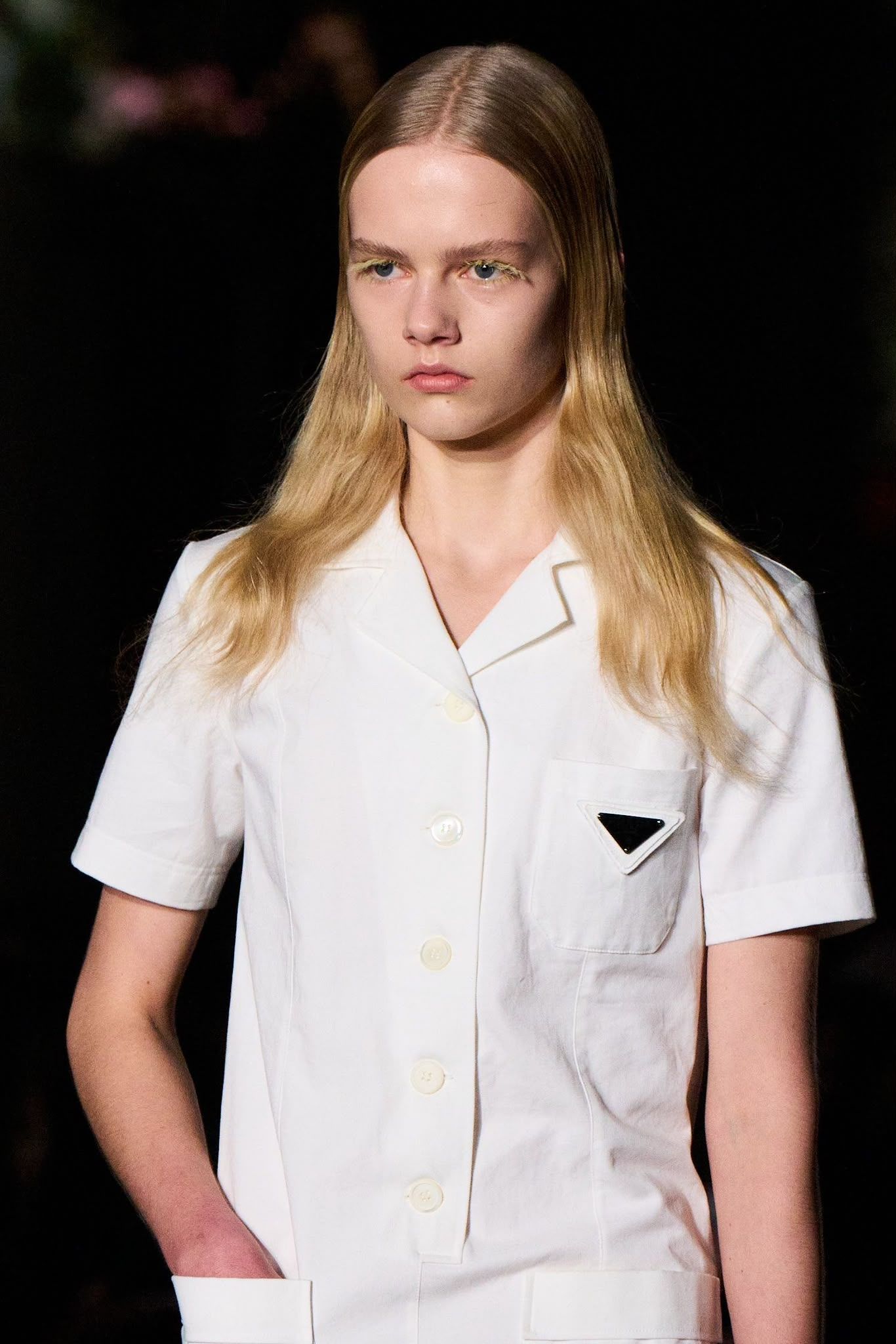
Prada FW23
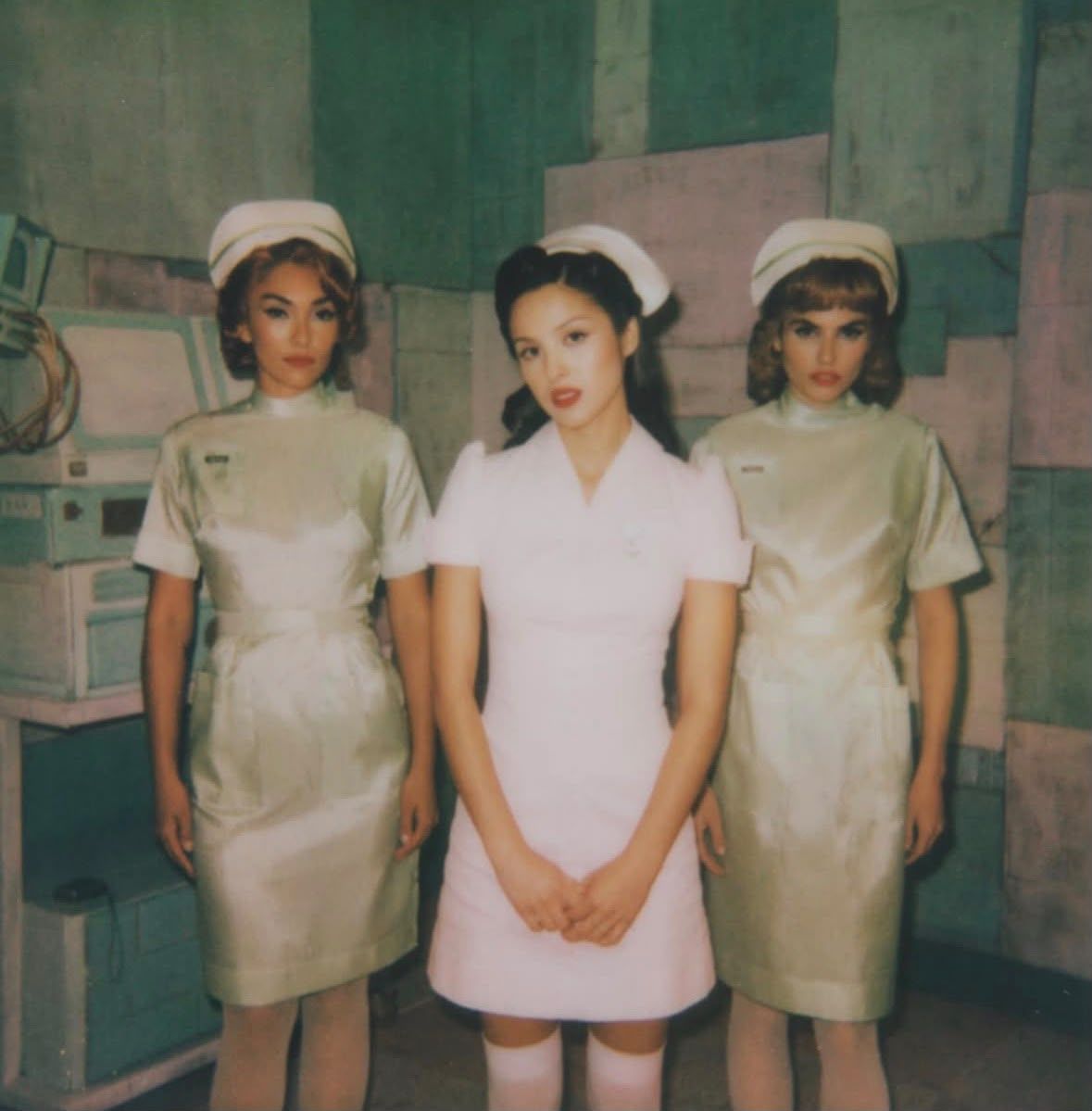
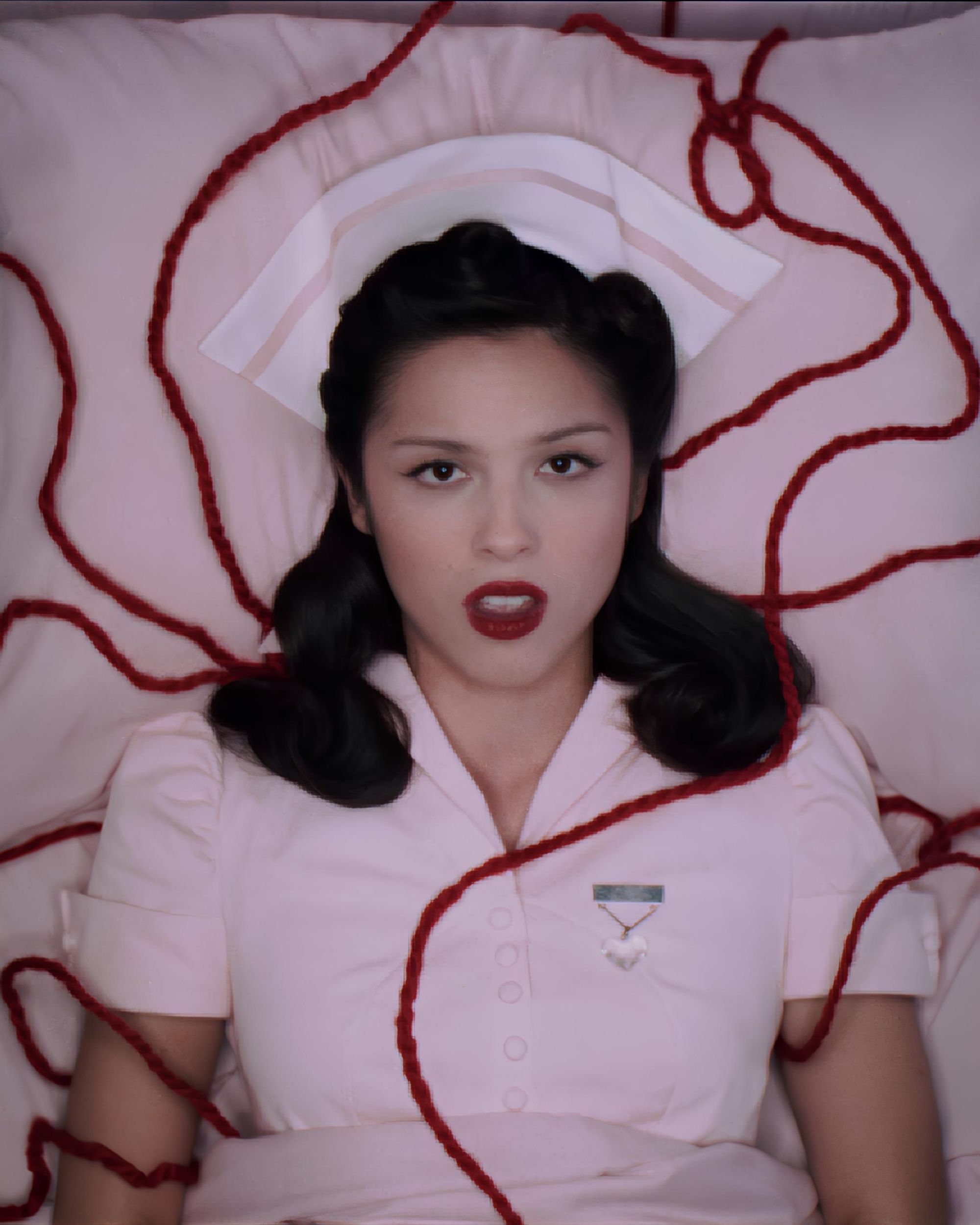
Olivia Rodrigo, 'The Cure'
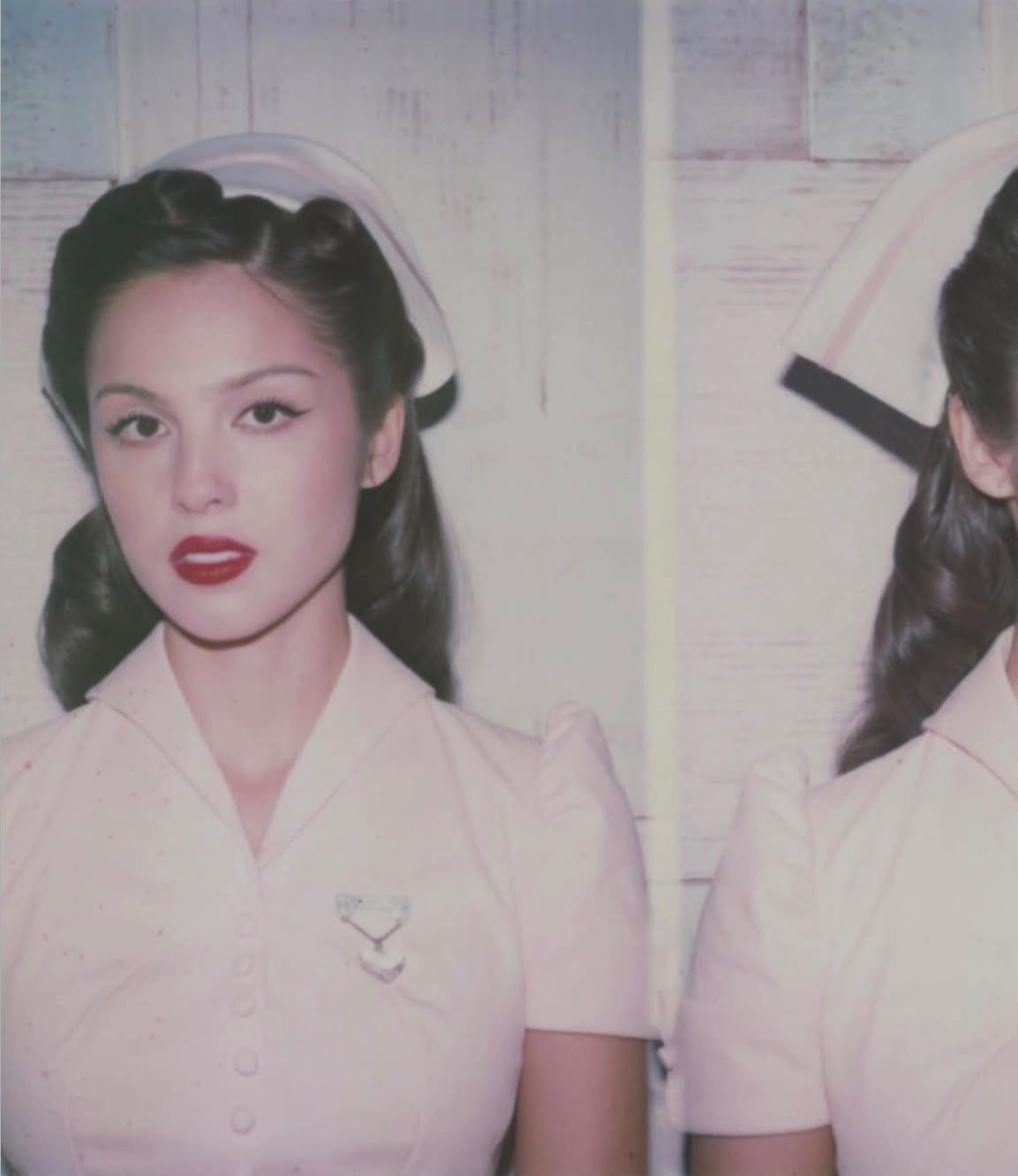
Olivia Rodrigo, 'The Cure'
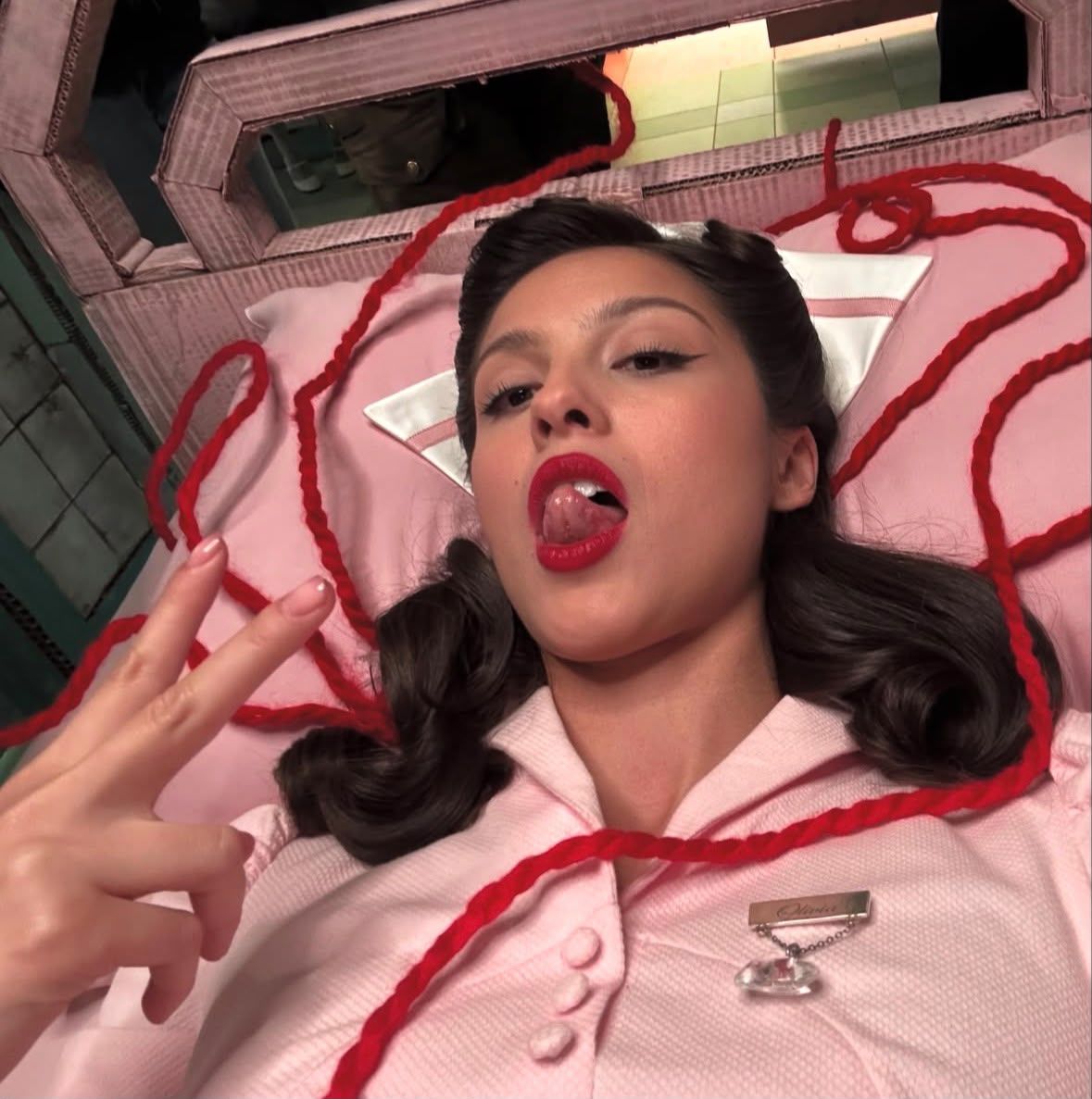
Olivia Rodrigo, 'The Cure'
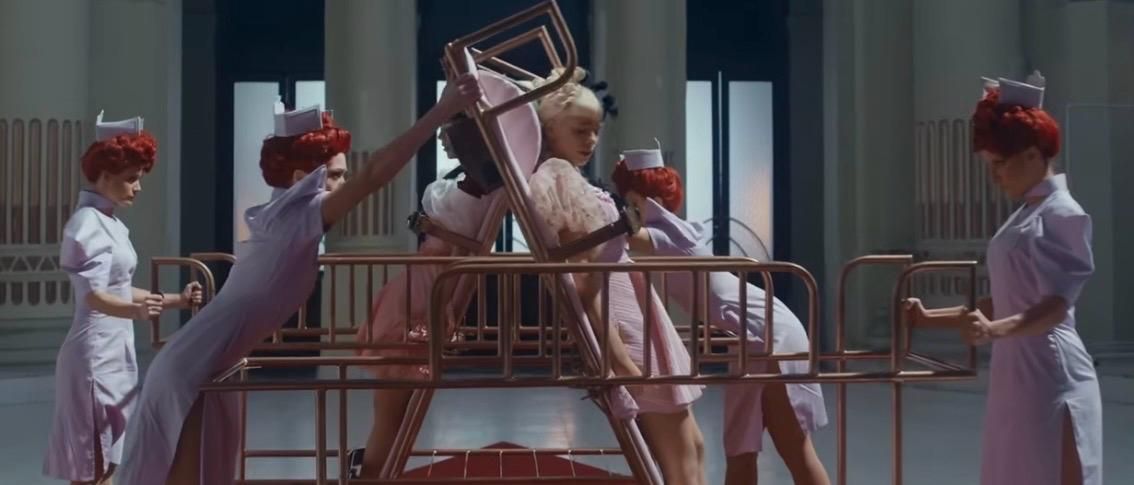
Melanie Martinez, 'Nurse's Office'
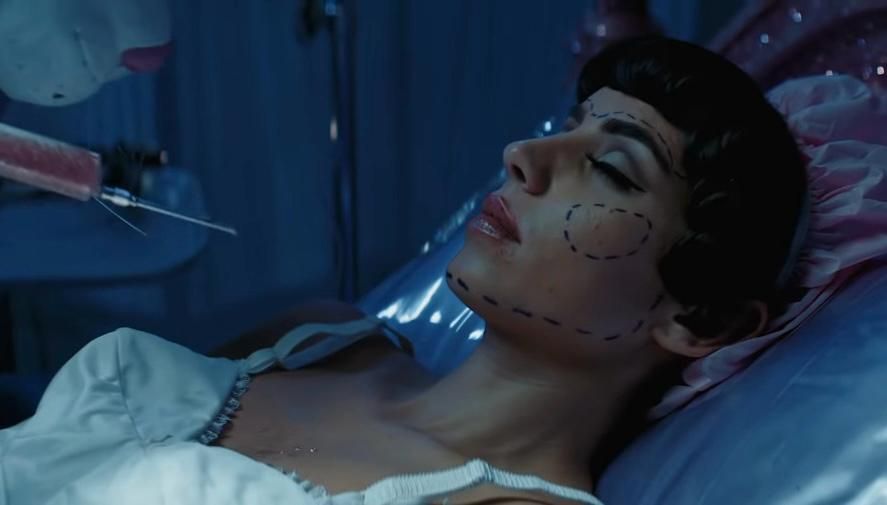
Melanie Martinez, Mrs Potato Head
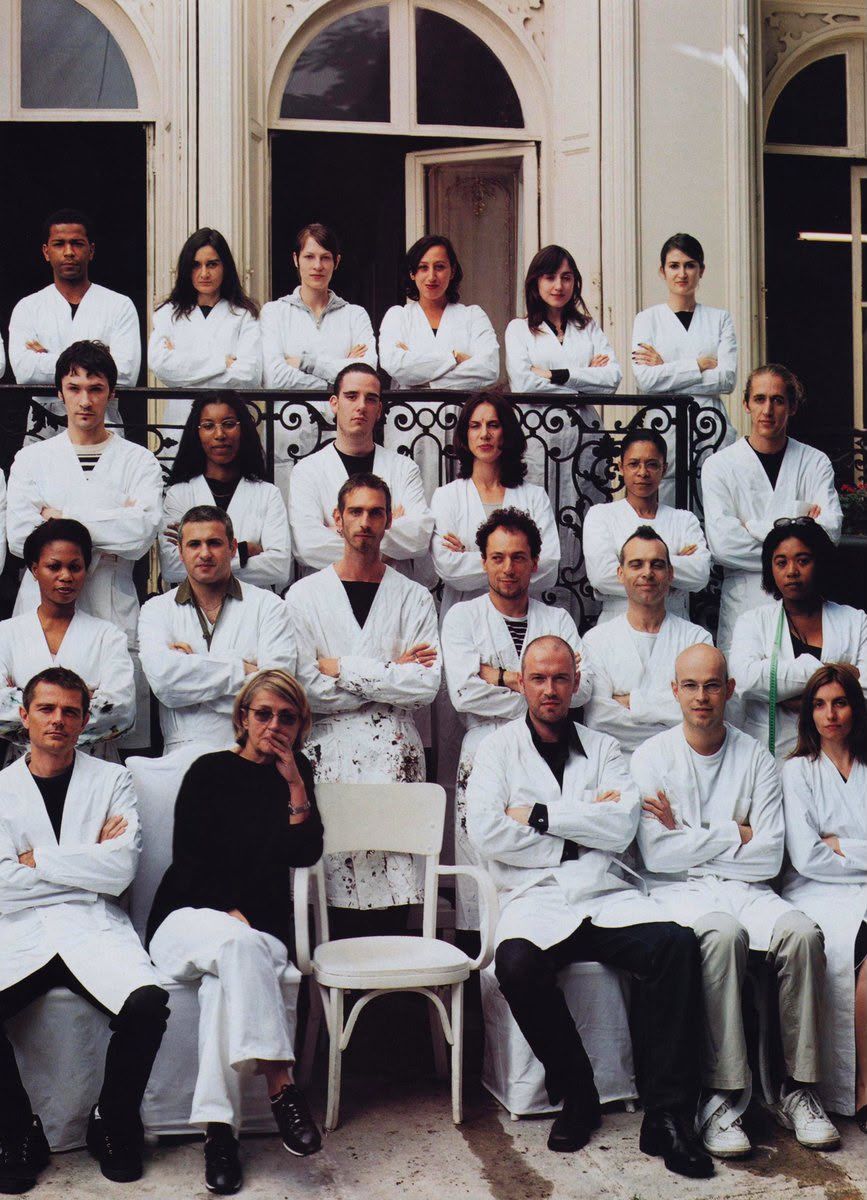
Margiela team
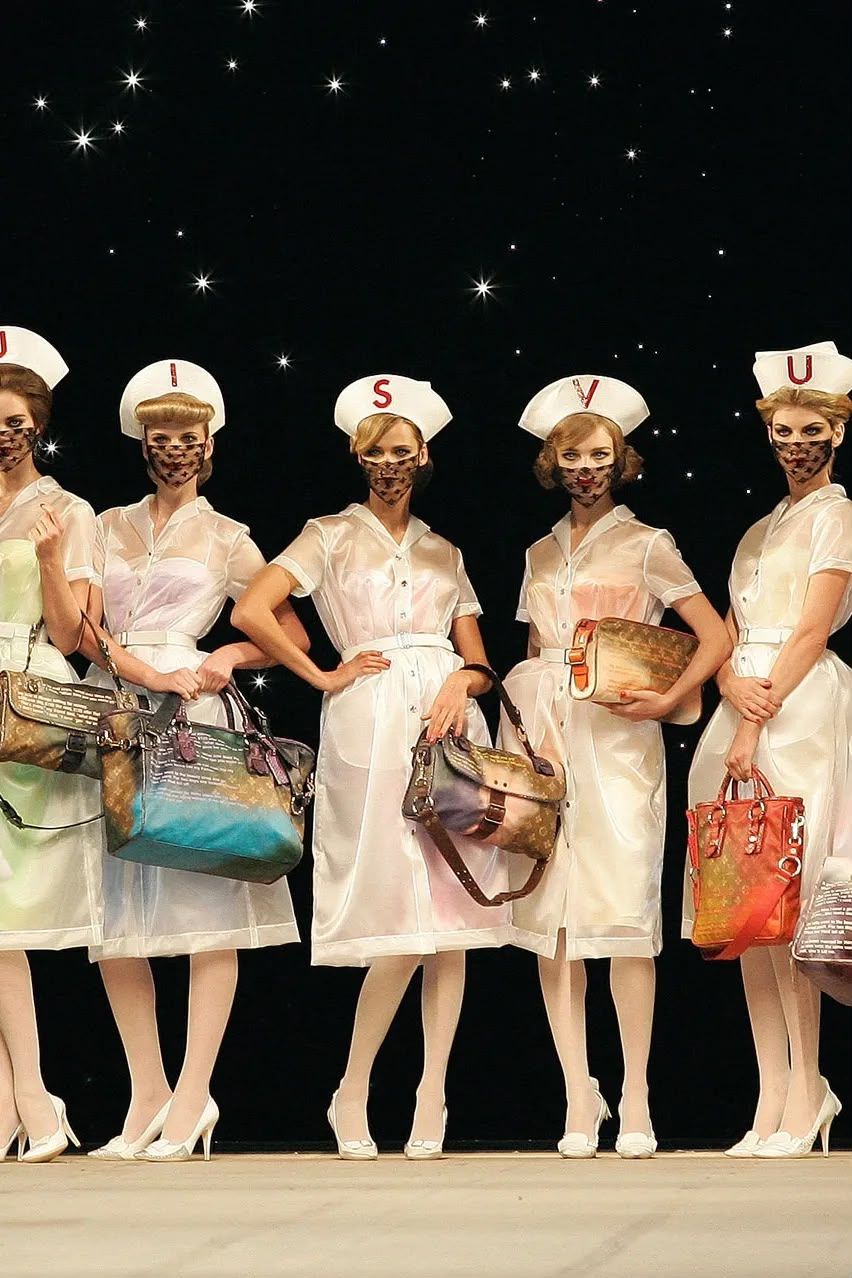
Louis Vuitton SS08
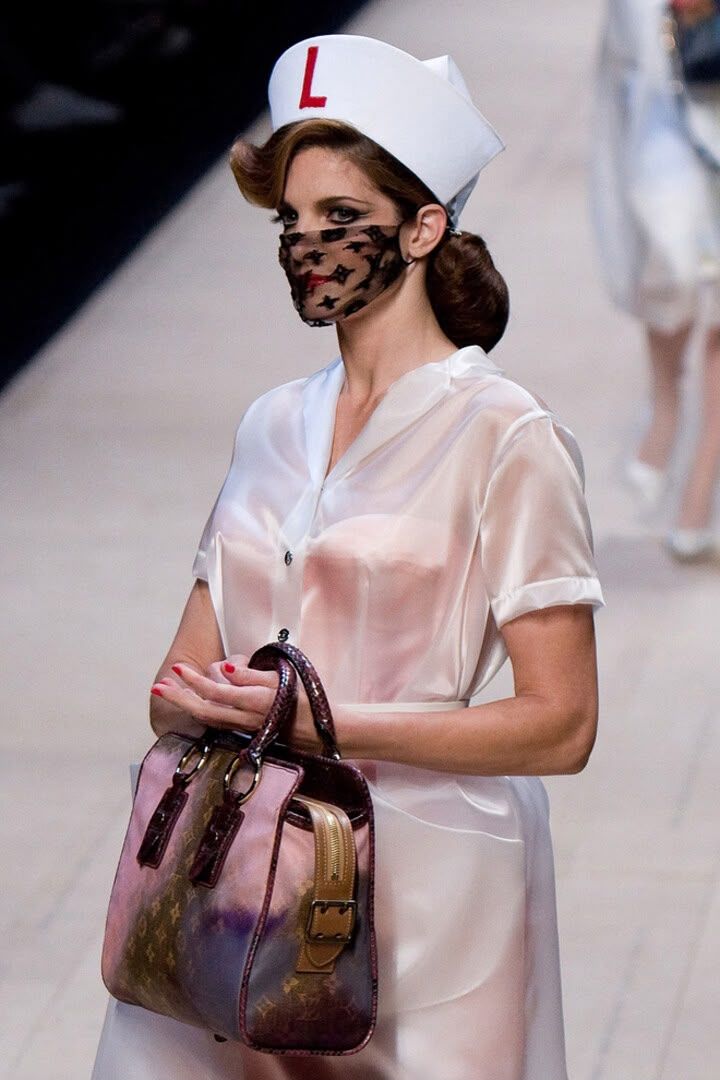
Louis Vuitton SS08
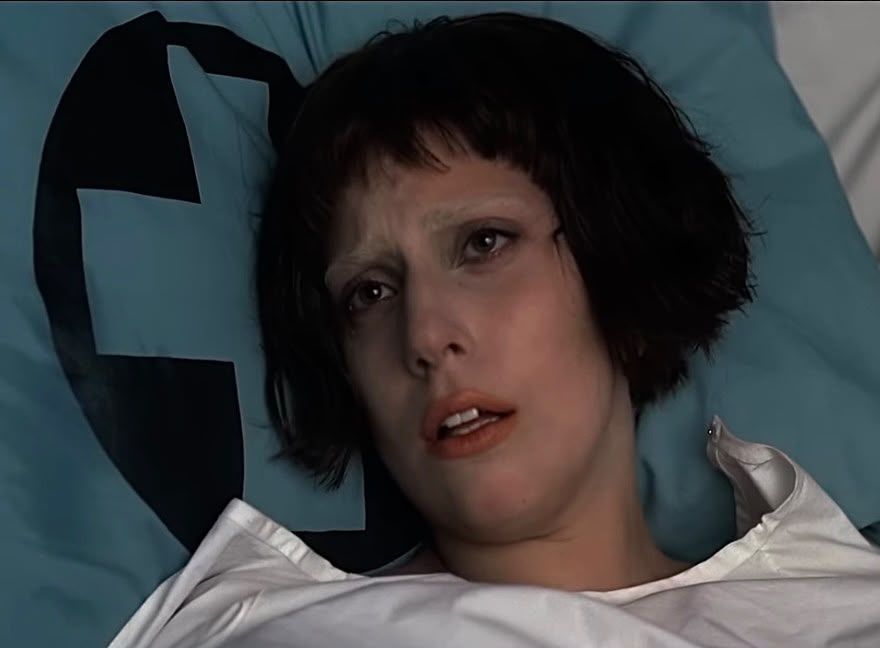
Lady Gaga, 'Merry the night'
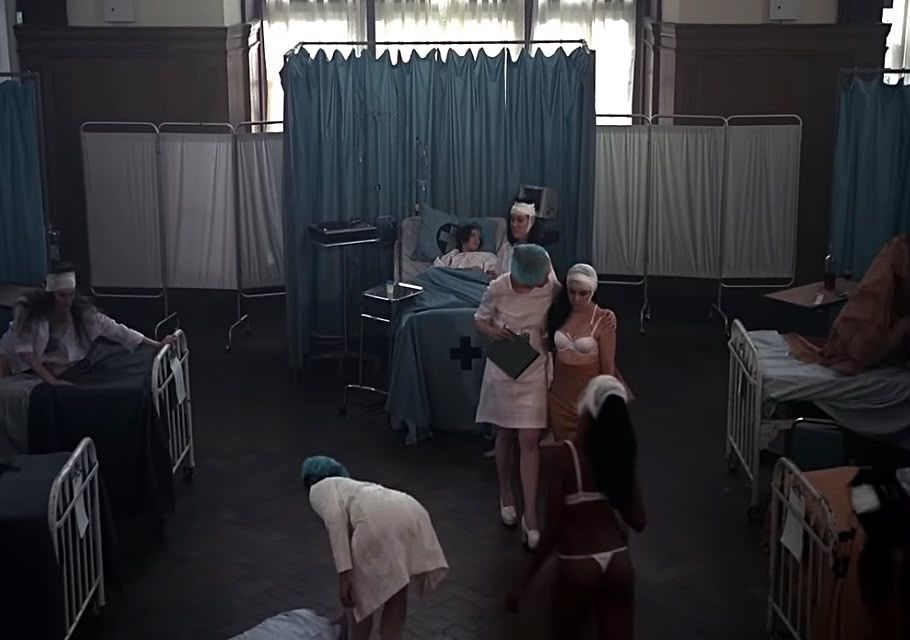
Lady Gaga, 'Merry the night'
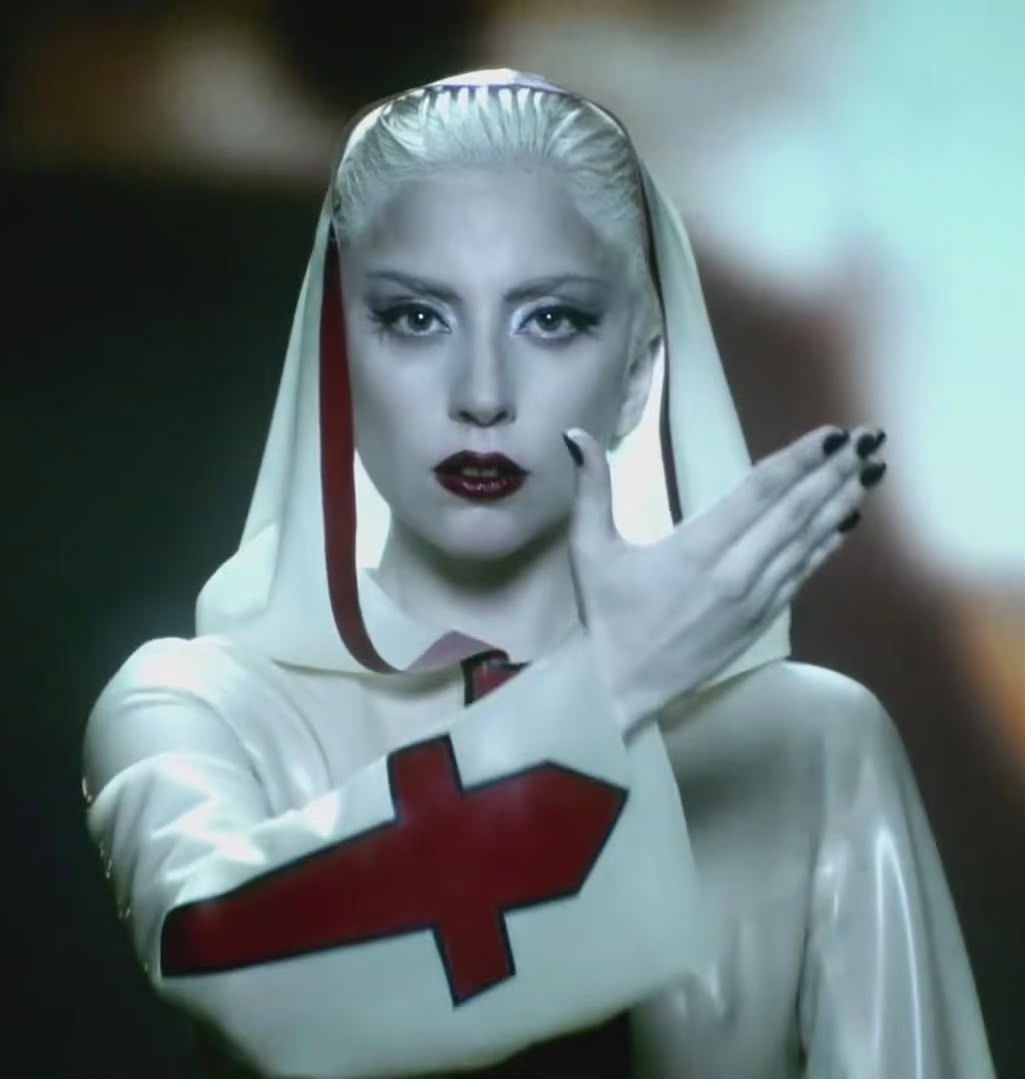
Lady Gaga, 'Alejandro'
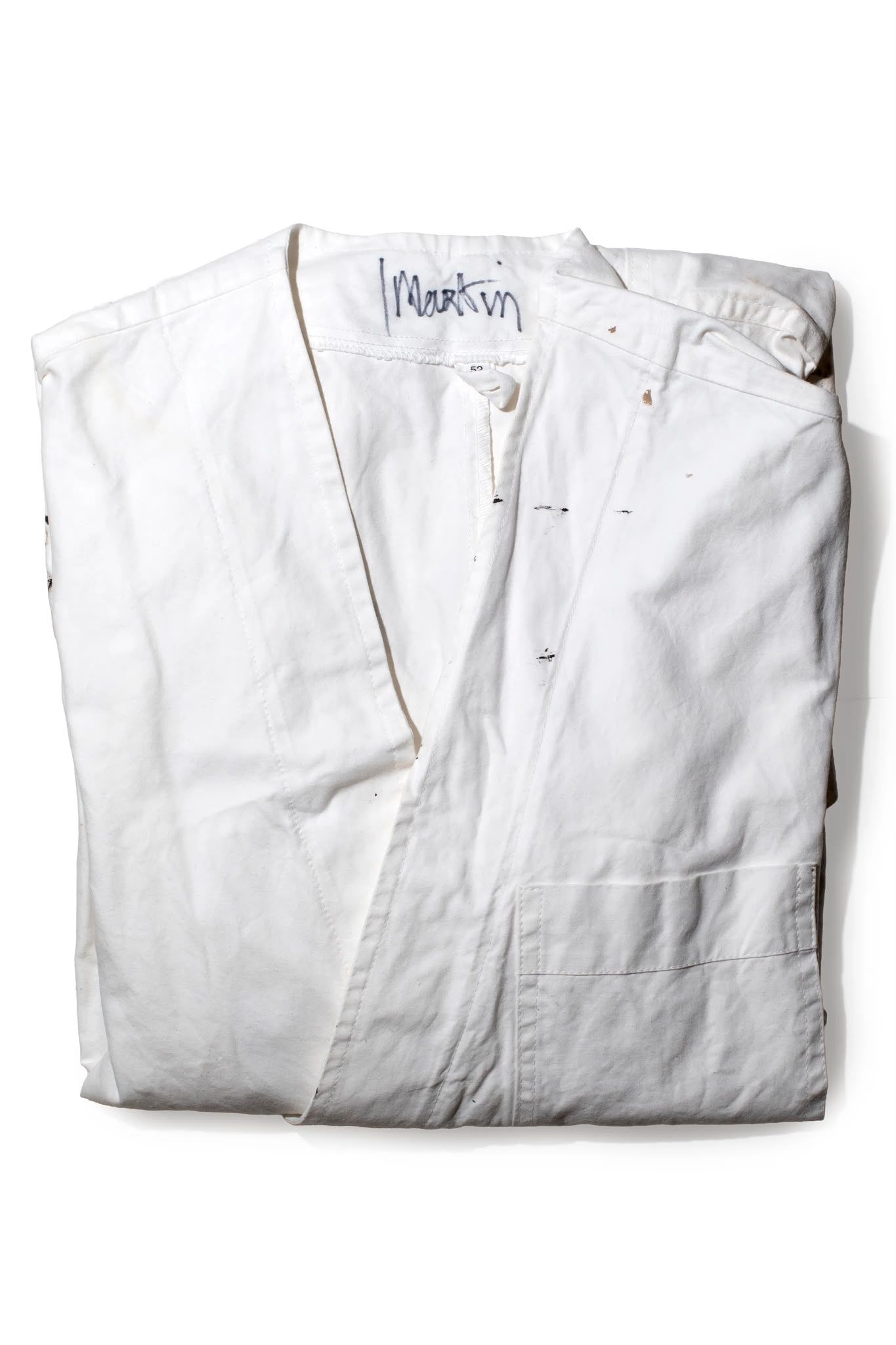
La Blouse Blanche, Margiela
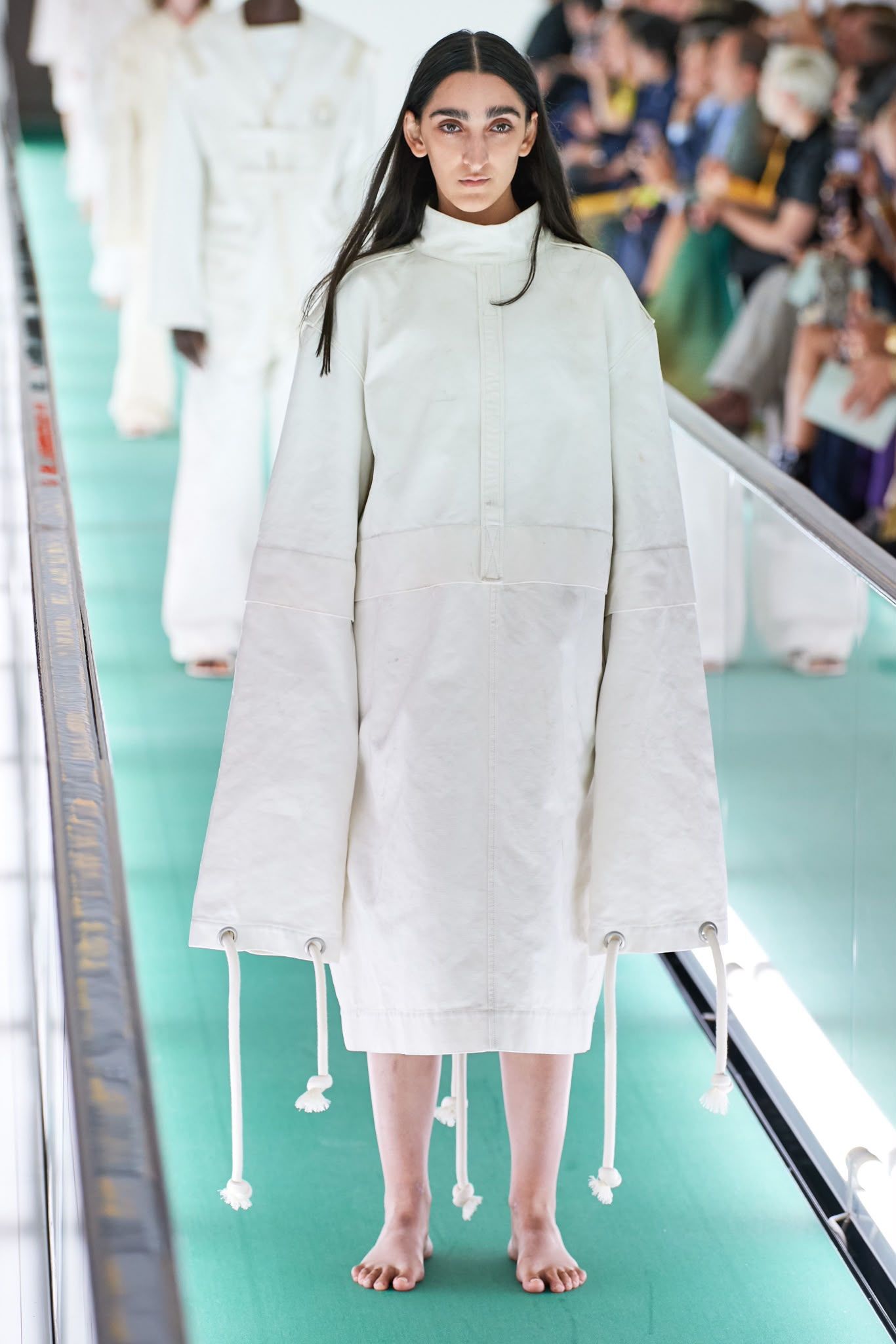
Gucci SS20
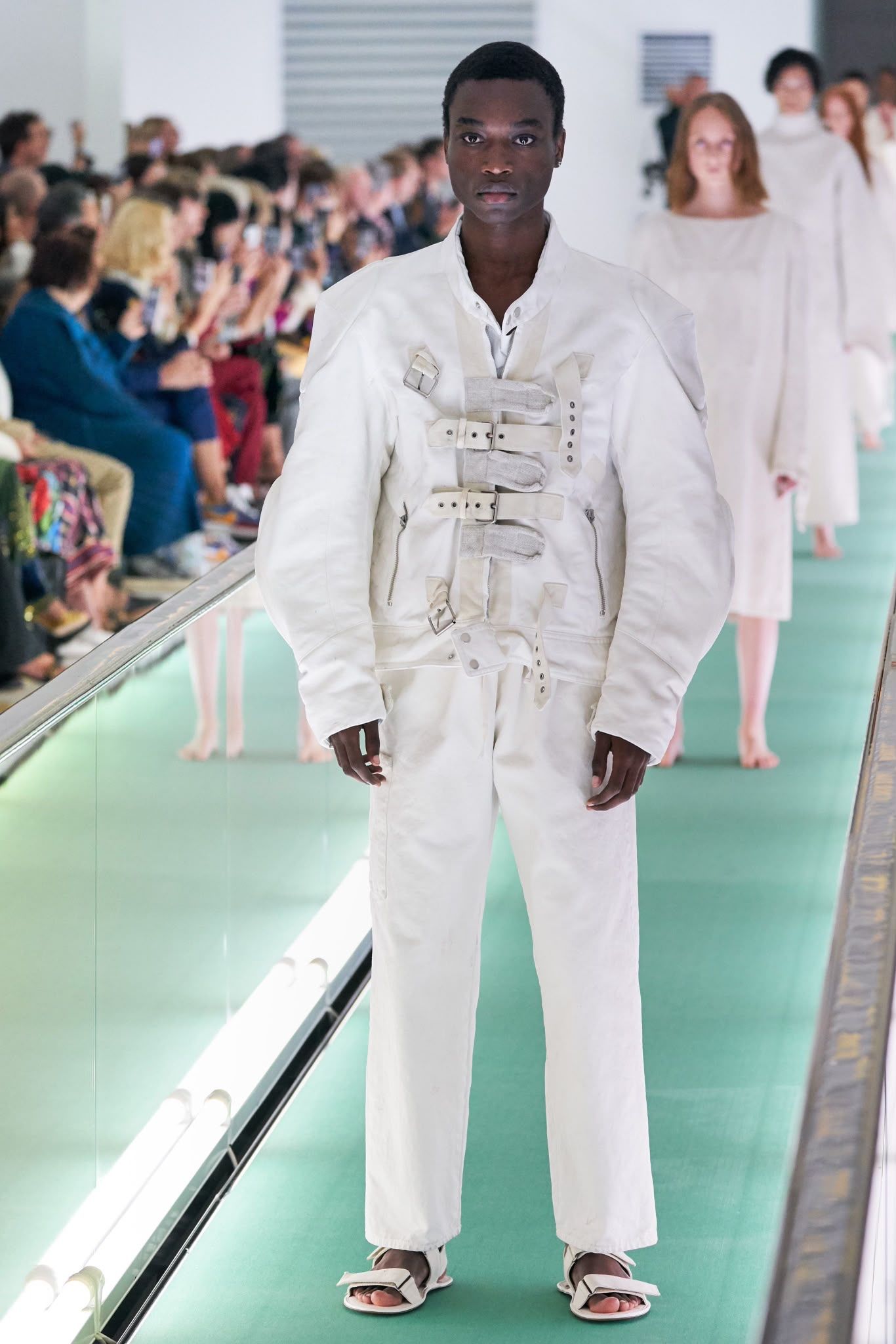
Gucci SS20
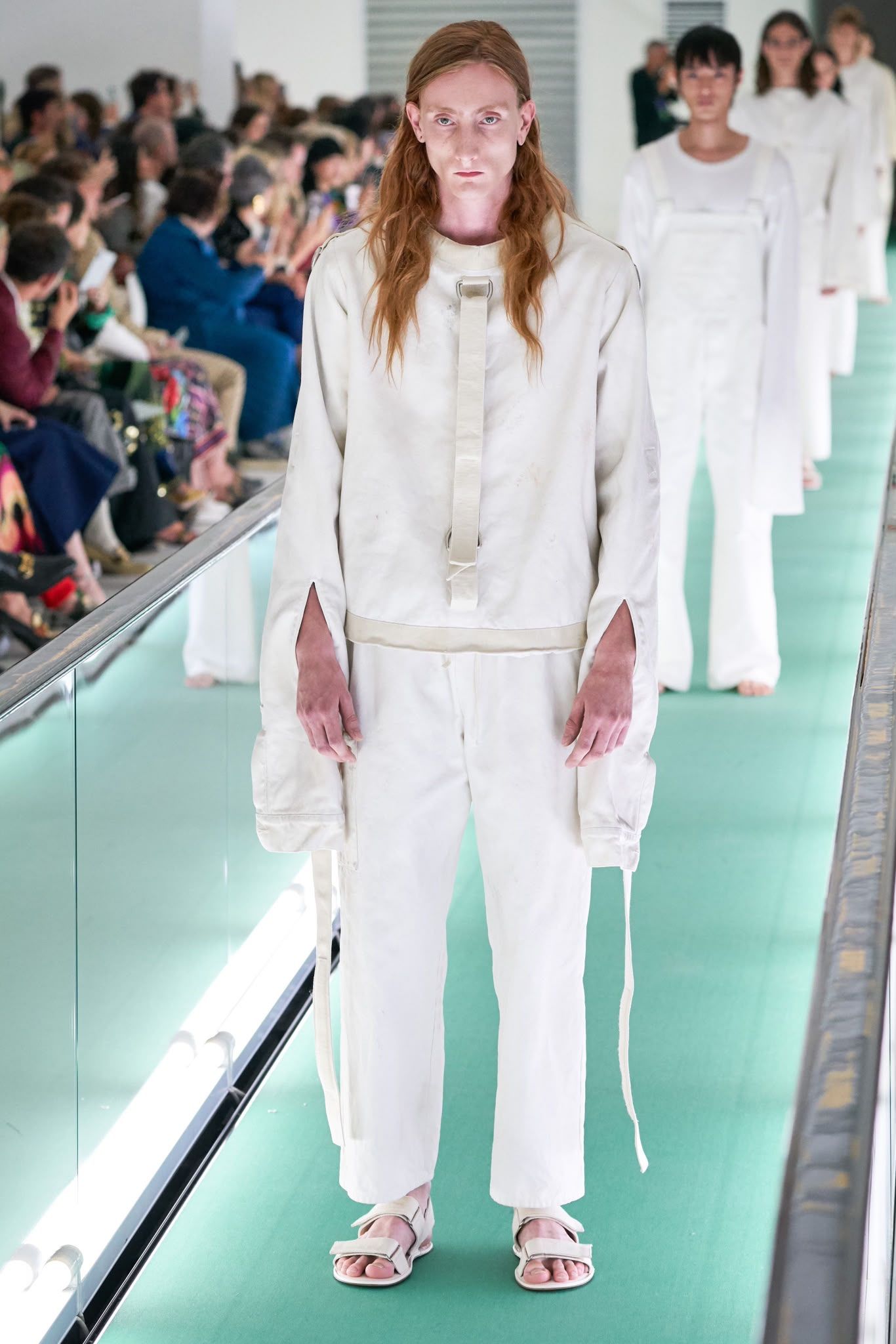
Gucci SS20
Gucci SS20
Gucci FW18
Gucci FW18
Demi Lovato 'Dancing with the devil'
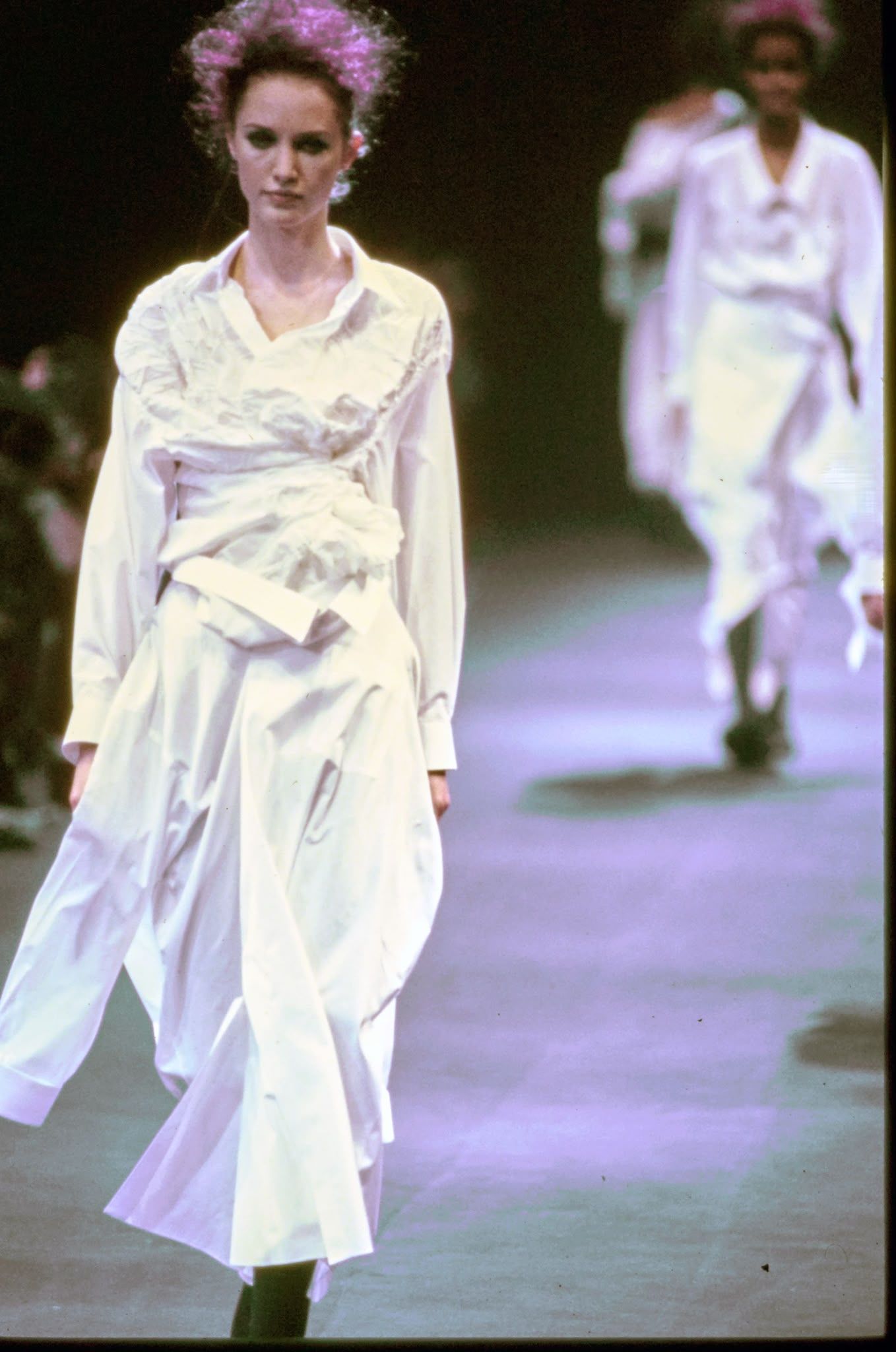
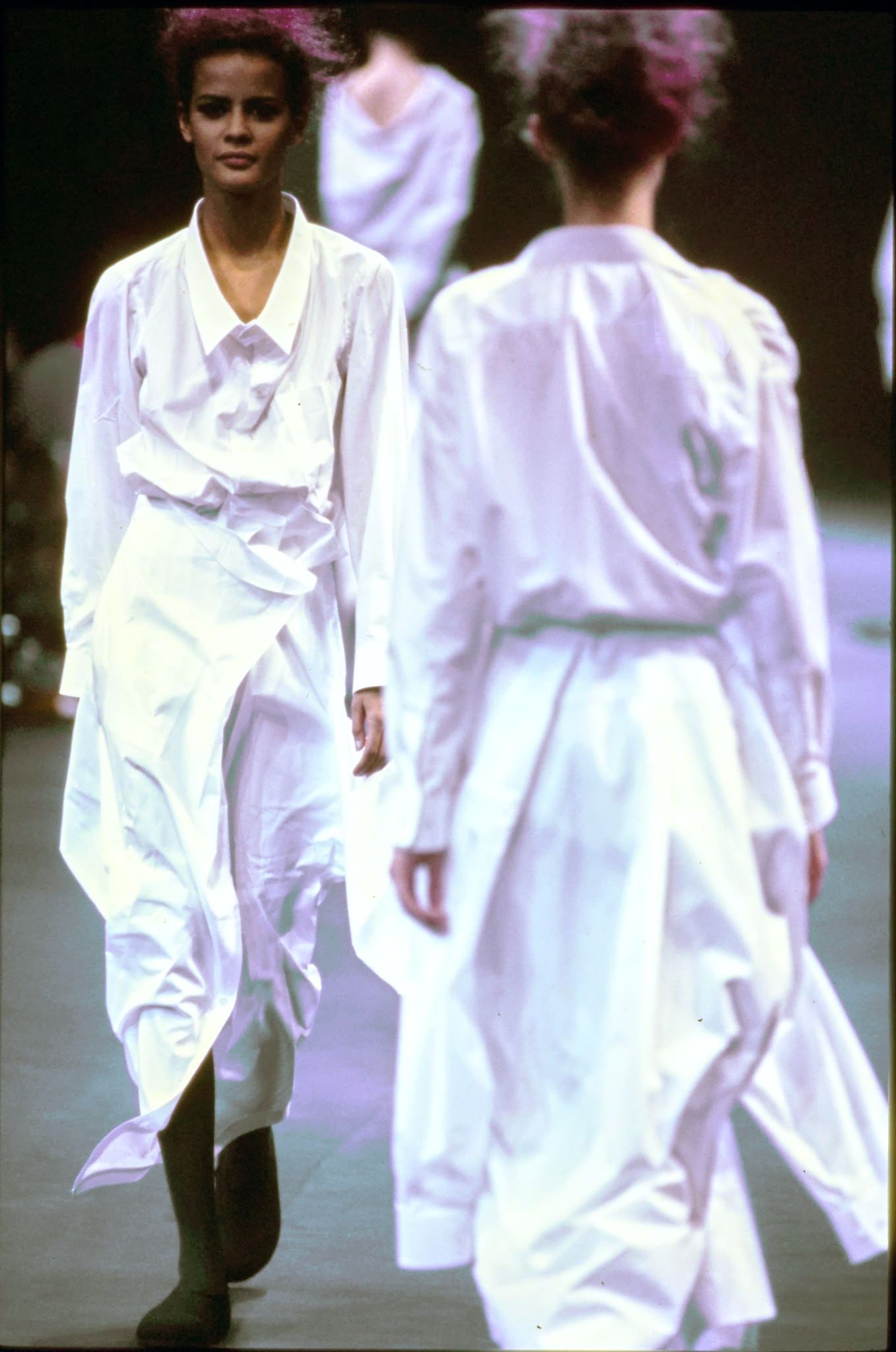
CDG FW92
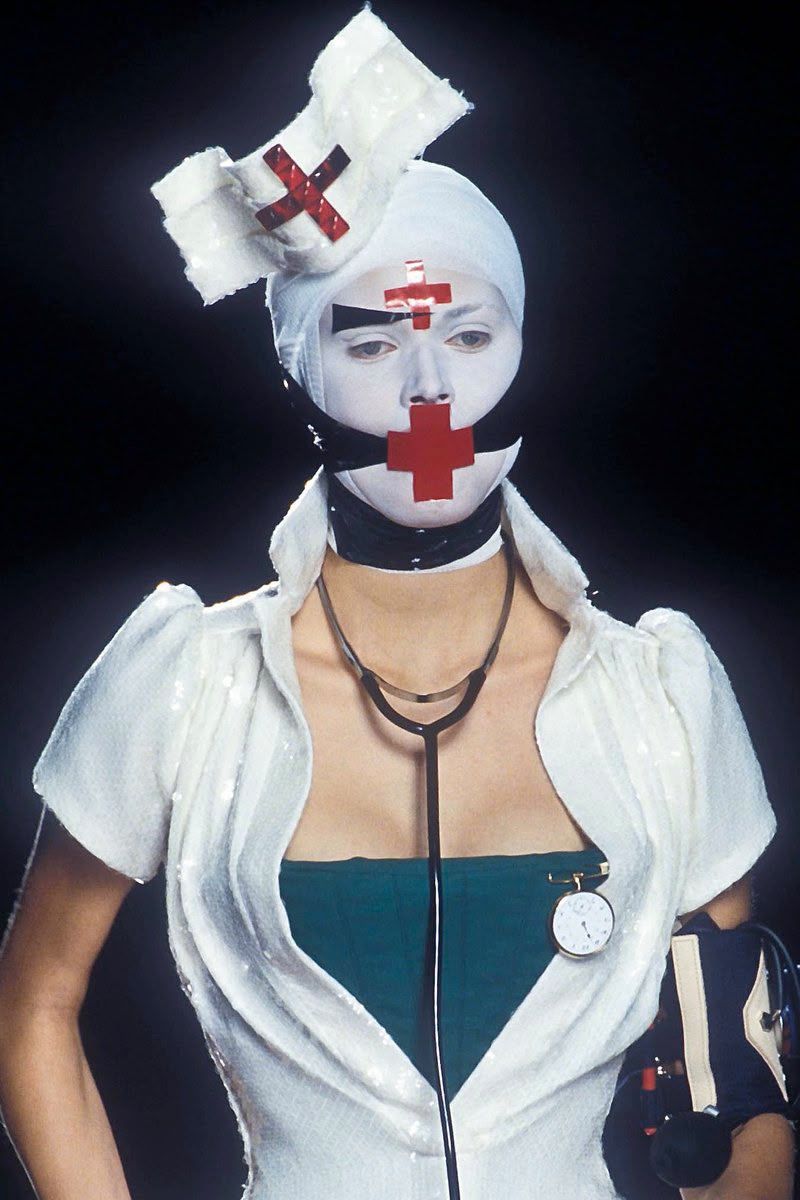
Dior Couture FW00
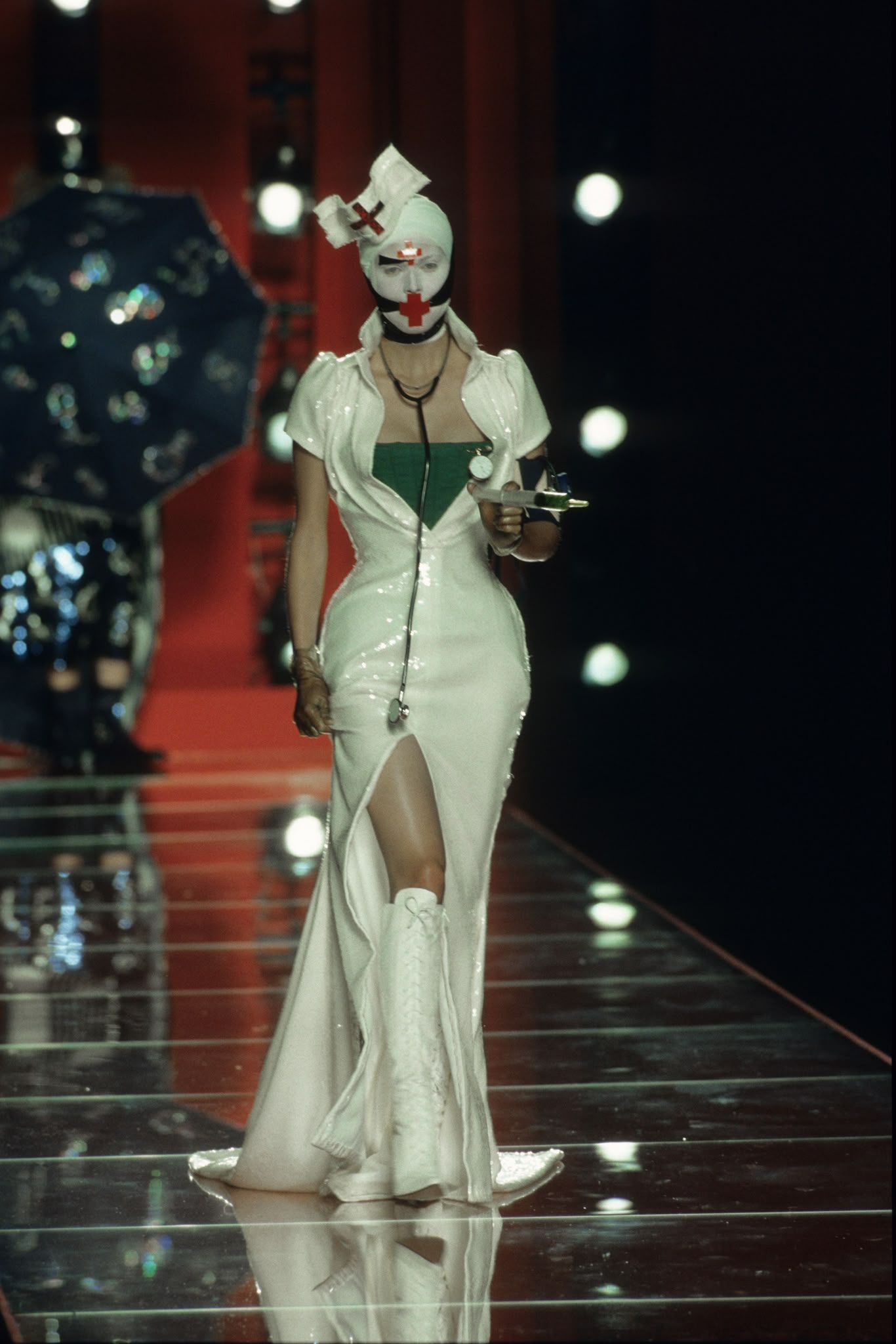
Dior couture FW00
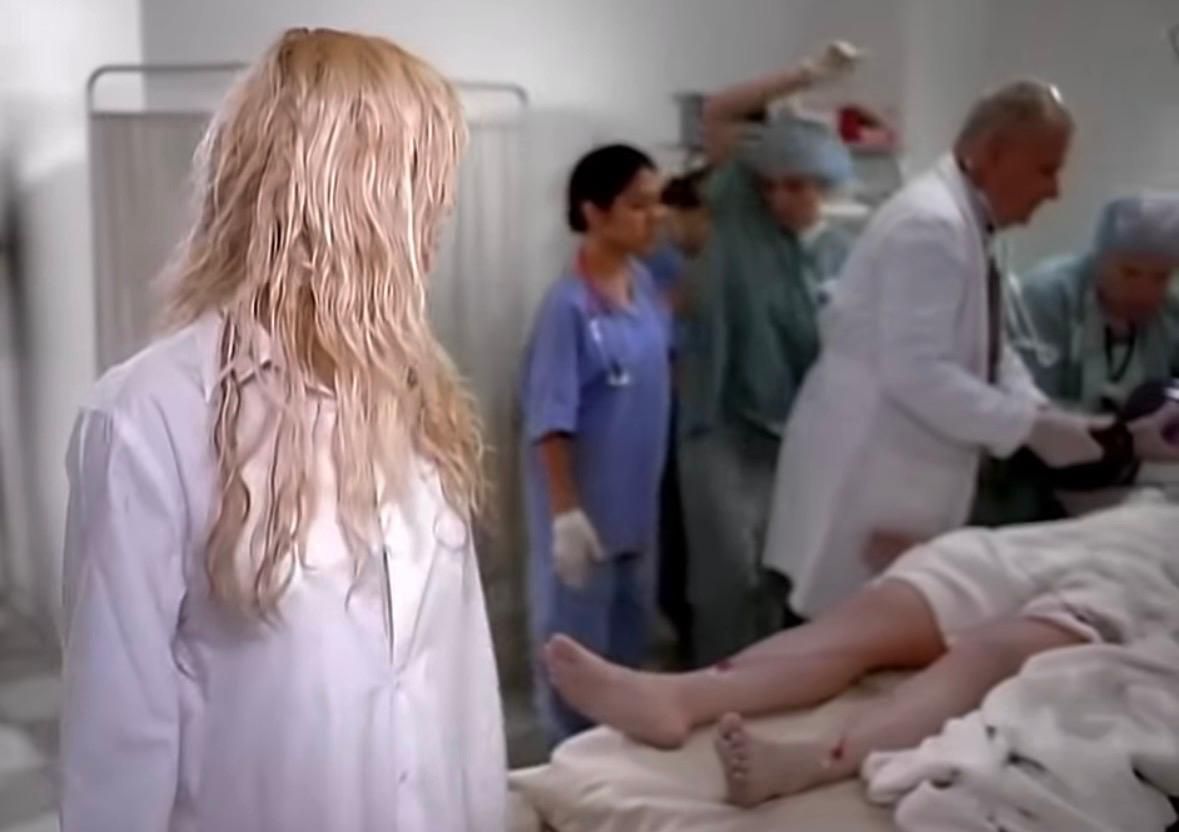
Britney Spears, 'Everytime'
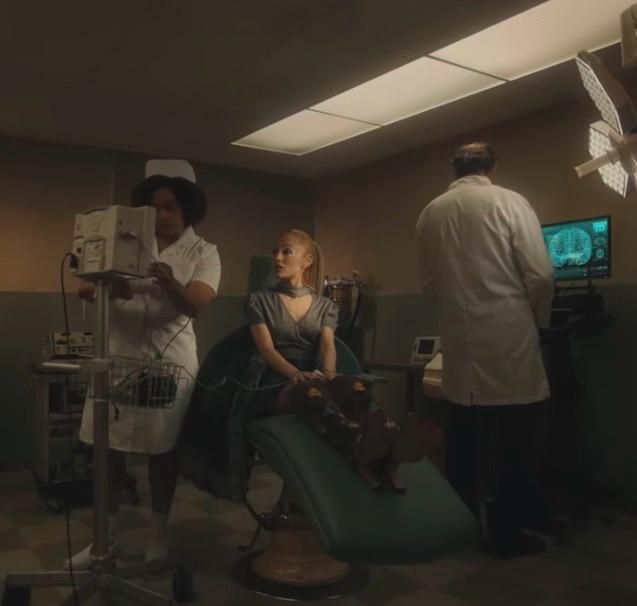
Ariana Grande, 'We can't be friends'
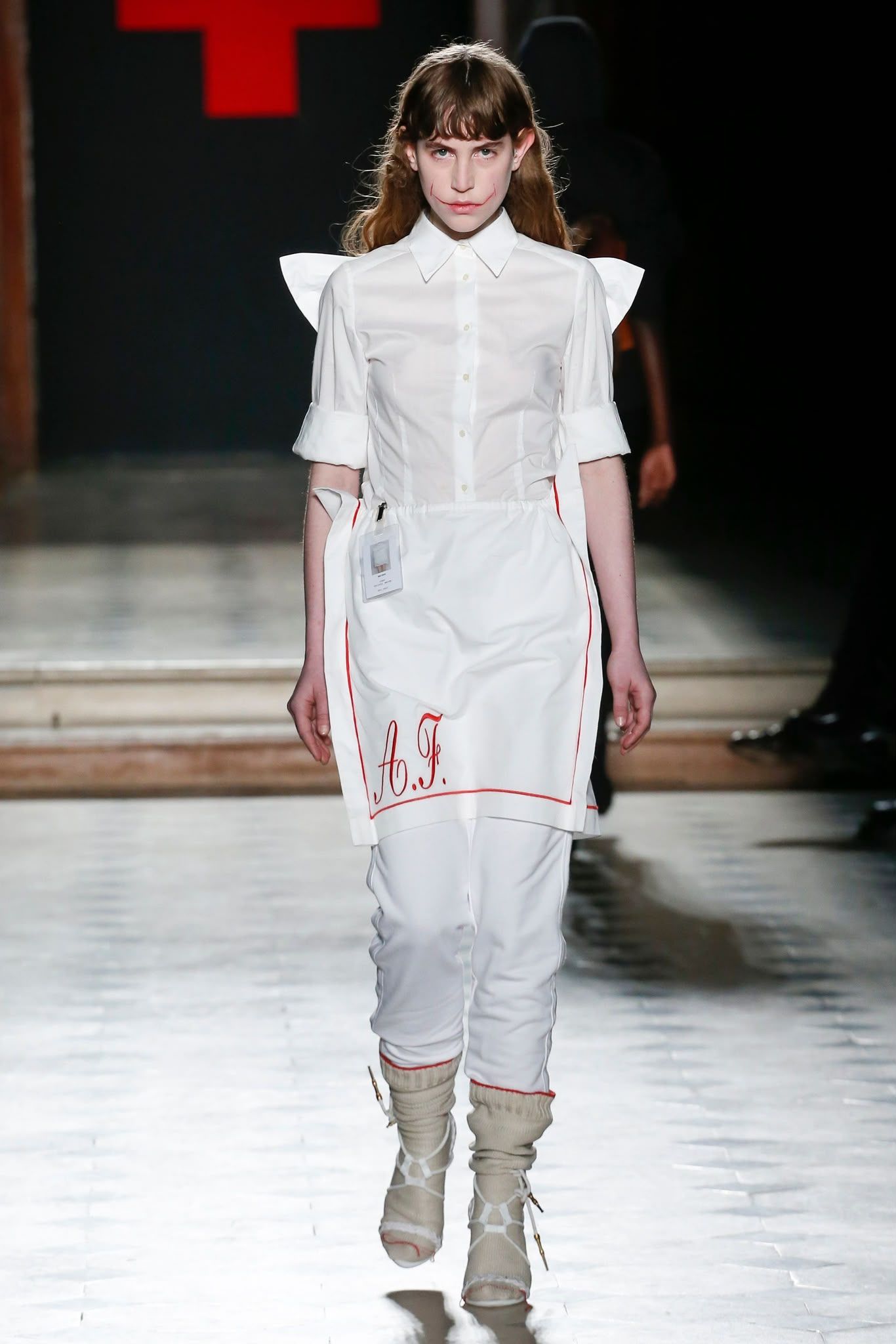
A F Vandervost SS18
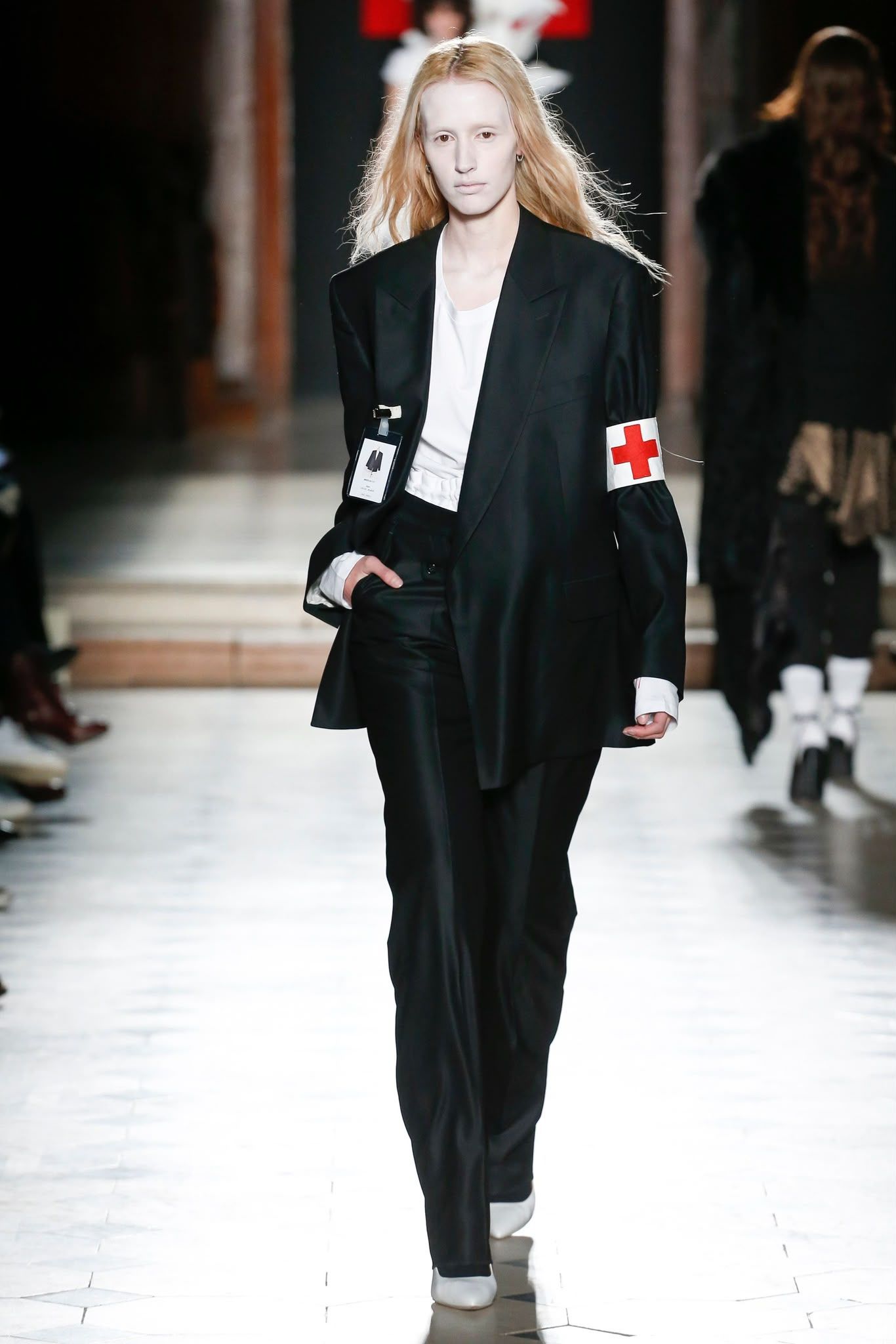
A F Vandervost SS18
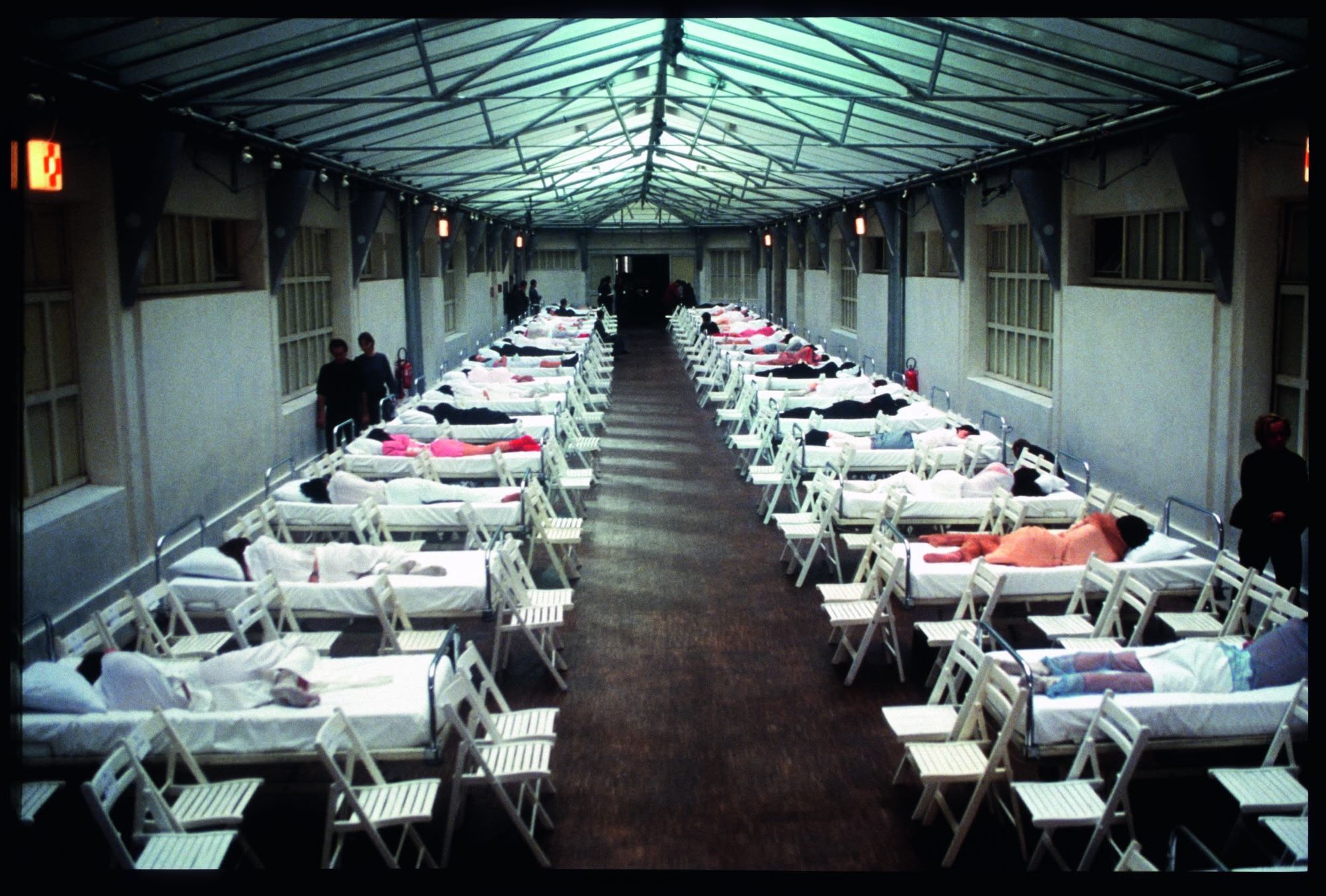
A F Vandervost SS99
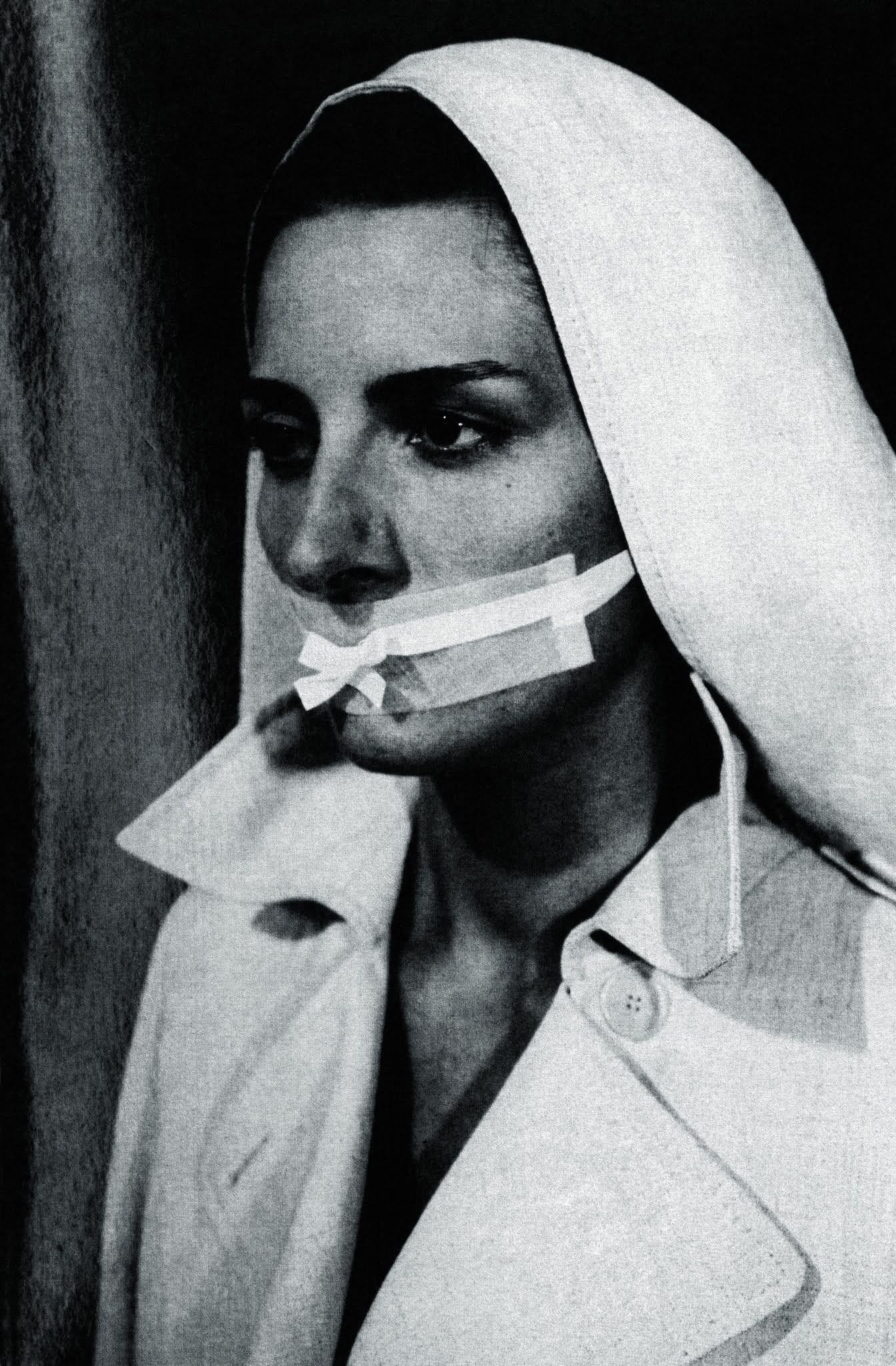
A F Vandervost
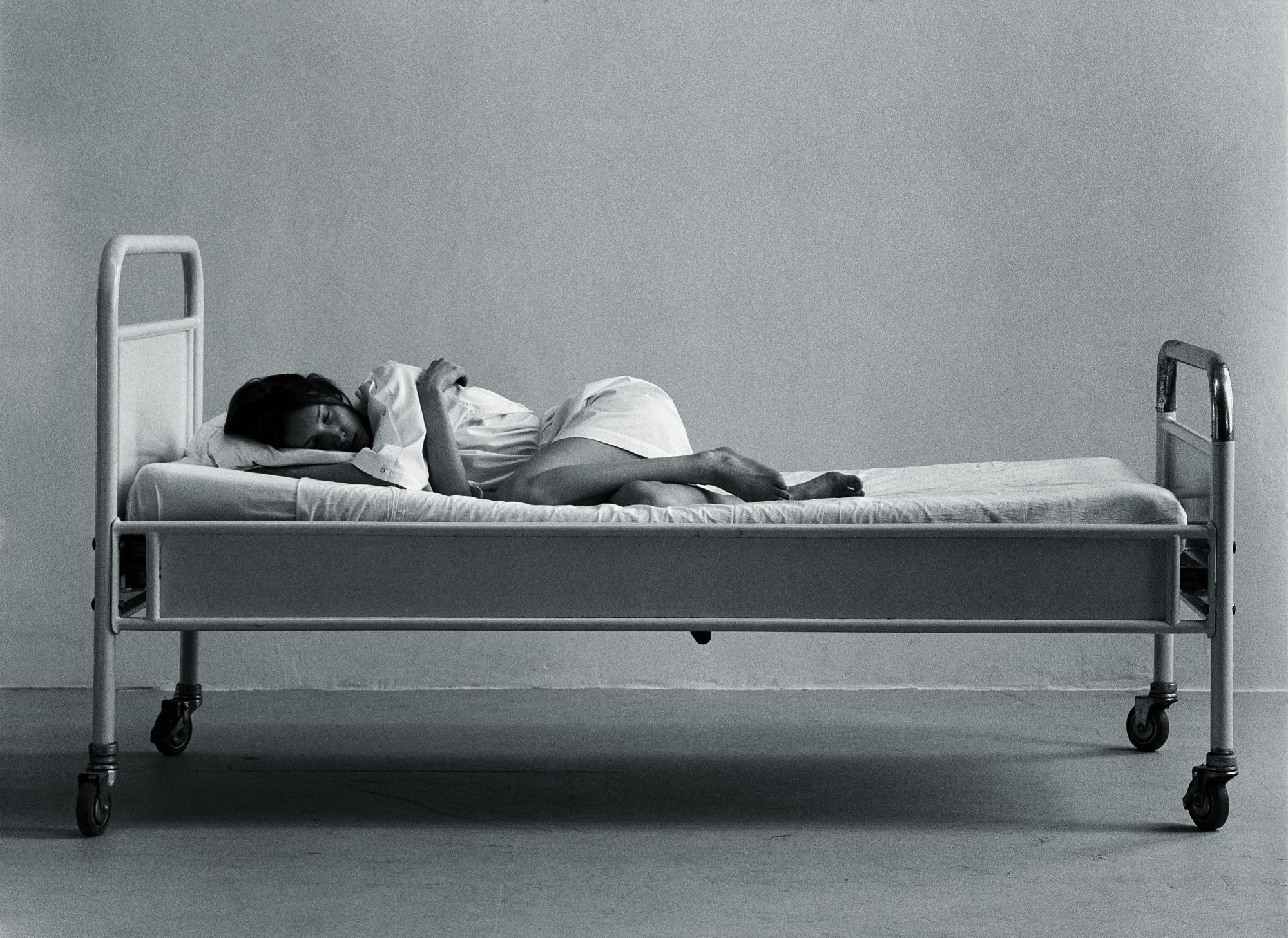
A F Vandervost
In the history of fashion and music, clinical imagery has often been at the center of powerful aesthetic narratives, portrayed as a space suspended between care and pain, trauma and purity, erotic desire and control. In pop culture, the latest artist to succumb to the unsettling allure of the clinic is Olivia Rodrigo, the American singer who, in the music video for her new track The Cure, wore the uniform of a nurse from another era inside a heartbreak trauma ward made quite literally out of cardboard.
But let’s take a look at the other artists and designers who have found inspiration in hospital imagery.
Hospitals have always fascinated pop stars
Olivia Rodrigo, 'The Cure'
Olivia Rodrigo, 'The Cure'
Olivia Rodrigo, 'The Cure'
Melanie Martinez, 'Nurse's Office'
Melanie Martinez, Mrs Potato Head
Ariana Grande, 'We can't be friends'
The operating room fetish is far from an isolated case in music history, especially within female pop culture. Two years ago, Ariana Grande built an imaginary psychiatric clinic in We Can’t Be Friends to narrate her emotional healing; in 2017, Melanie Martinez used the same 1950s hospital aesthetic throughout her albums. In the videos for Nurse’s Office and Mrs. Potato Head, the artist transformed the operating room into a powerful metaphor for the constraints and beauty pressures imposed on female bodies.
Lady Gaga, 'Alejandro'
Lady Gaga, 'Merry the night'
Lady Gaga, 'Merry the night'
Britney Spears, 'Everytime'
Demi Lovato 'Dancing with the devil'
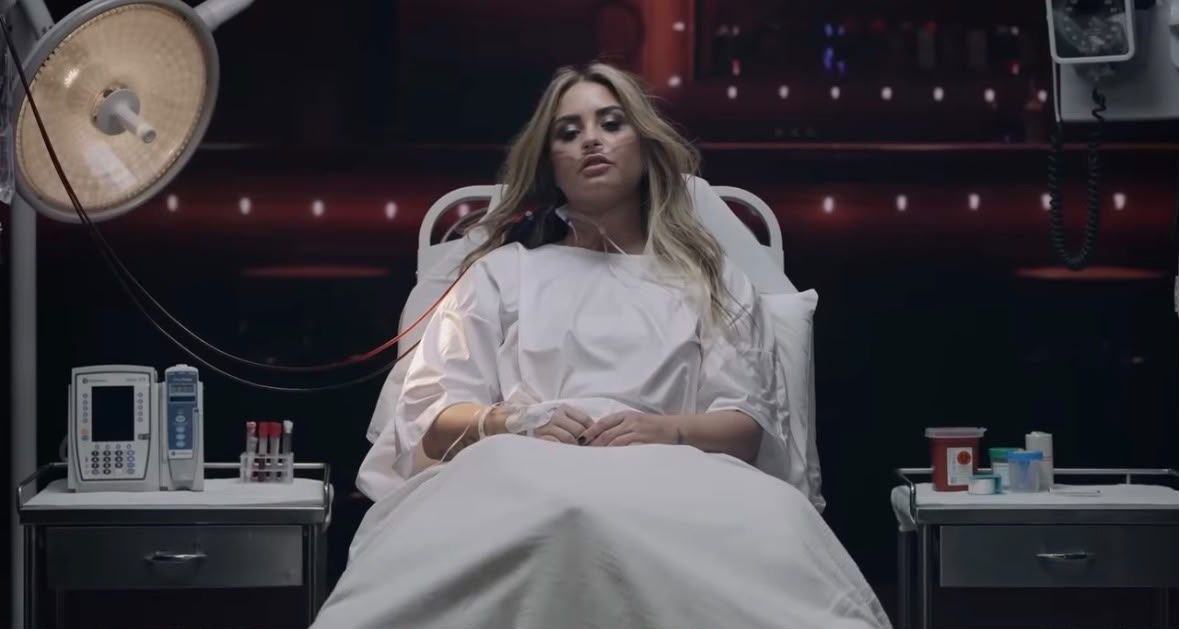
Looking deeper into pop music video culture, it is impossible not to mention the visuals for Alejandro and Marry the Night, in which Lady Gaga appropriated hospital aesthetics to stage trauma and erotic fantasies. In other cases, the hospital ward ceases to be a theatrical fiction and becomes a raw reflection of reality, as in Everytime by Britney Spears and Dancing with the Devil by Demi Lovato, where the artists recounted life as pop stars trapped among the wreckage of success, the weight of public judgment, and the struggle against addiction.
And experimental designers too
A F Vandervost SS18
A F Vandervost SS18
A F Vandervost
A F Vandervost
A F Vandervost SS99
For Belgian design duo An Vandevorst and Filip Arickx, the hospital is the cornerstone of the entire visual identity of A.F. Vandevorst—not coincidentally, the brand’s official logo is a red cross. Inspired by the works of German artist Joseph Beuys, the designers presented a fashion show titled Sleeping Beauties in 1999, in which models lay asleep on a field of hospital beds: a hospital ward where each woman awoke and began to walk the runway (except for one model, who genuinely fell asleep). In subsequent collections, the designers continued to reference clinical aesthetics through historical medical-soldier uniforms and the white garments of Red Cross nurses.
Alexander McQueen, Voss SS21
Alexander McQueen, Voss SS21
Alexander McQueen, Voss SS21
Alexander McQueen, Voss SS21
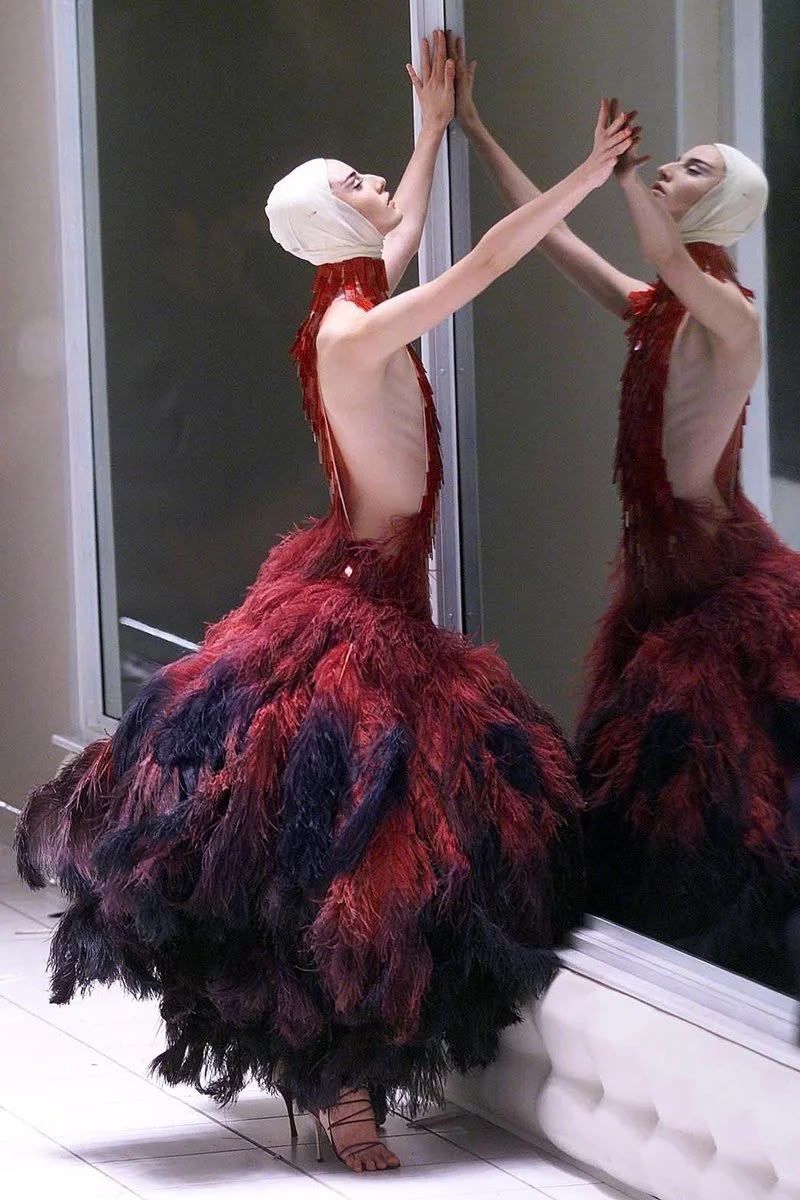
Similarly, Alexander McQueen recreated hospital atmospheres in his unforgettable fashion shows. Most notably, in VOSS, SS01, the clinic lost any function of care and revealed its darkest, most dramatic nature: the audience, seated around an enormous cube of two-way mirrors, much like an observation room in a psychiatric institution, watched model-patients with faces wrapped in bandages struggle to walk along the perimeter of this claustrophobic space.
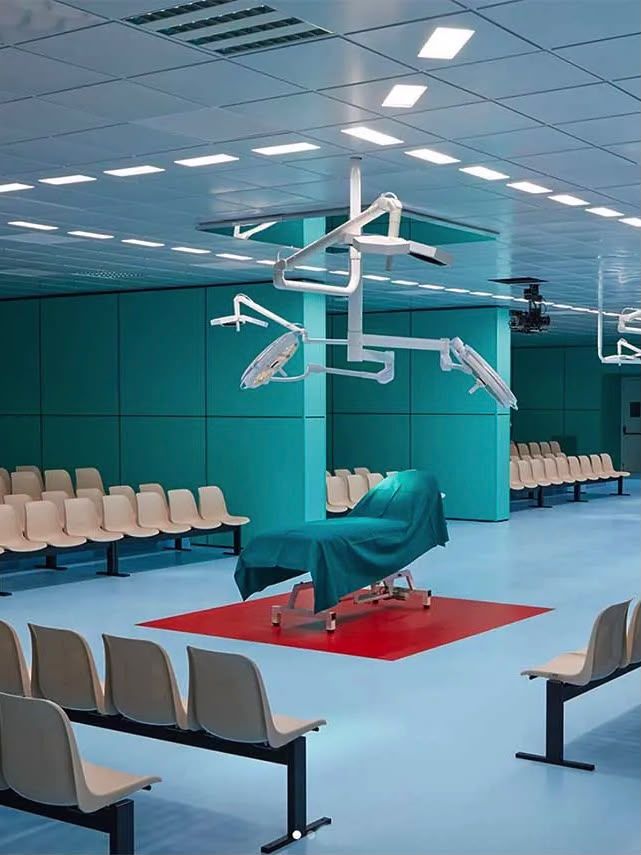
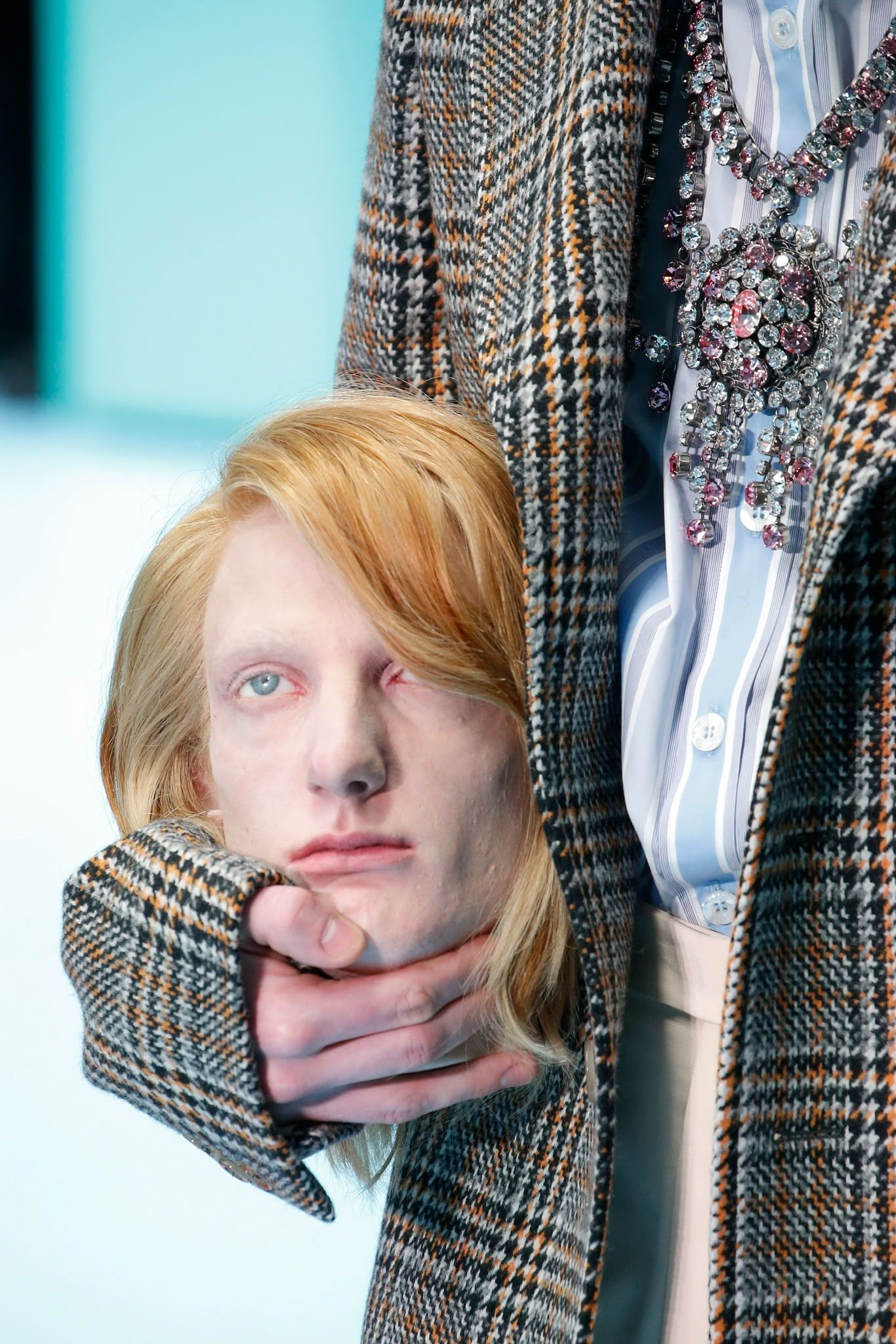
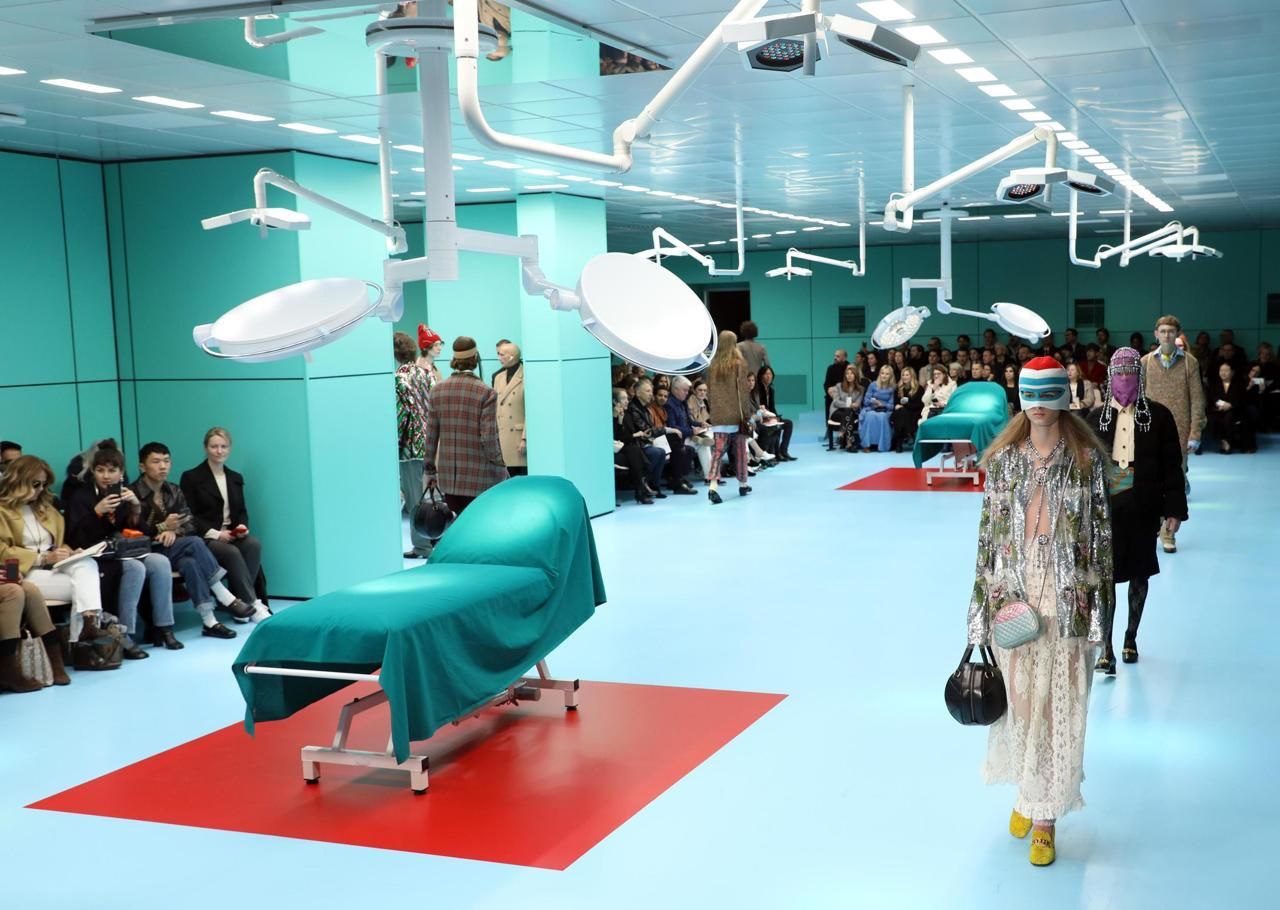
The pathologization of the body and the depersonalization of the patient as a person have often been central themes in the collections of Alessandro Michele during his tenure at Gucci. In the FW18 show, later known as the “severed heads” show, the designer transformed the runway into a hyper-realistic operating room complete with surgical beds, operating lights, and hospital-green walls. Inspired by Donna Haraway’s Cyborg Manifesto, Michele compared the designer’s work to that of a surgeon who cuts, stitches, and assembles identities inside a laboratory: the atelier.
Gucci FW18
Gucci FW18
Gucci FW18
Gucci SS20
Gucci SS20
Gucci SS20
Gucci SS20
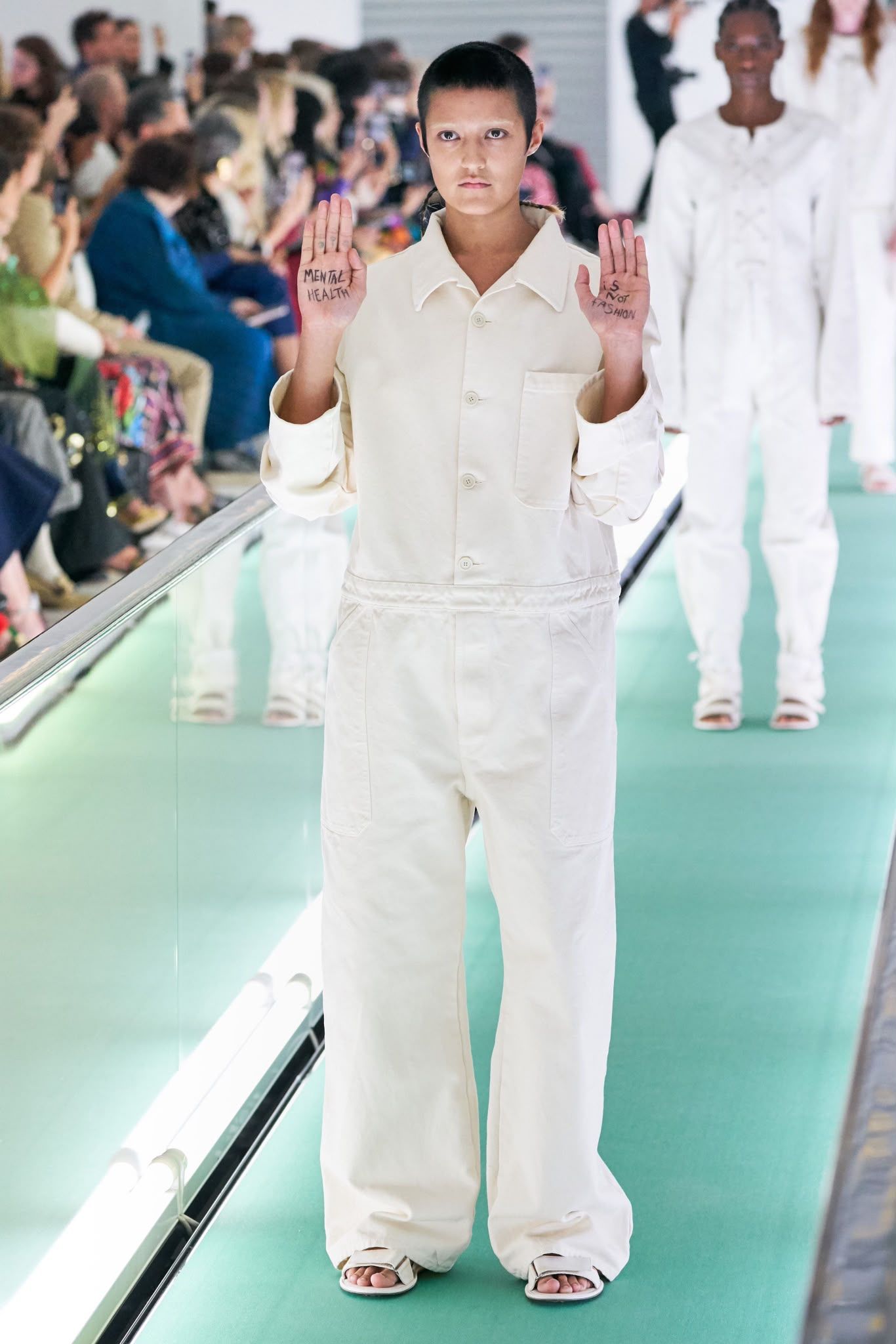
A few years later, for the SS20 collection, Michele once again referenced clinical aesthetics by sending straitjackets down a moving runway. The show became a powerful anti-establishment statement in which the clinical gaze was compared to the power exercised by the fashion system, which categorizes, dissects, selects, and excludes bodies. One of the models had written on her hands: “Mental health is not fashion.”
Medical uniforms in fashion
La Blouse Blanche, Margiela
Margiela team
To understand the genealogy of the relationship between fashion and medical uniforms, the starting point can only be Martin Margiela: the blouse blanche still worn today by the brand’s employees does not speak of illness or suffering; rather, it erases internal hierarchies by unifying the collective under a single working-class identity.
Long before Margiela transformed the doctor’s coat into the uniform of his textile artisans, the Japanese fashion school had already drawn from the clinical universe through the use of bandages, gauze, and raw white fabrics. Specifically, the early runway shows of Rei Kawakubo for Comme des Garçons featured deconstructed shirts inspired by the garments worn by patients in old psychiatric institutions. Yet behind that appearance of constraint and vulnerability, these garments were created with an almost therapeutic purpose: to protect the body from the pain of the world.
CDG FW92
Moving toward the more erotic and provocative side of medical uniforms, several designers have explored the figure of the nurse. John Galliano, in one of his theatrical shows for Dior Couture FW00, presented the figure in its most extreme and fetishistic form: a model walked the runway with her mouth gagged by a medical cross, holding a syringe in her hands.
This same seductive charge later became the protagonist of Louis Vuitton SS08 by Marc Jacobs. Inspired by the iconic paintings of Richard Prince, Jacobs sent an army of supermodels down the runway transformed into sexy nurses wearing transparent silk organza coats, monogrammed surgical masks, and regulation caps customized with the initial letter of each model’s name.
Dior Couture FW00
Dior couture FW00
Louis Vuitton SS08
Louis Vuitton SS08
Prada FW23
Prada FW23
Prada FW23
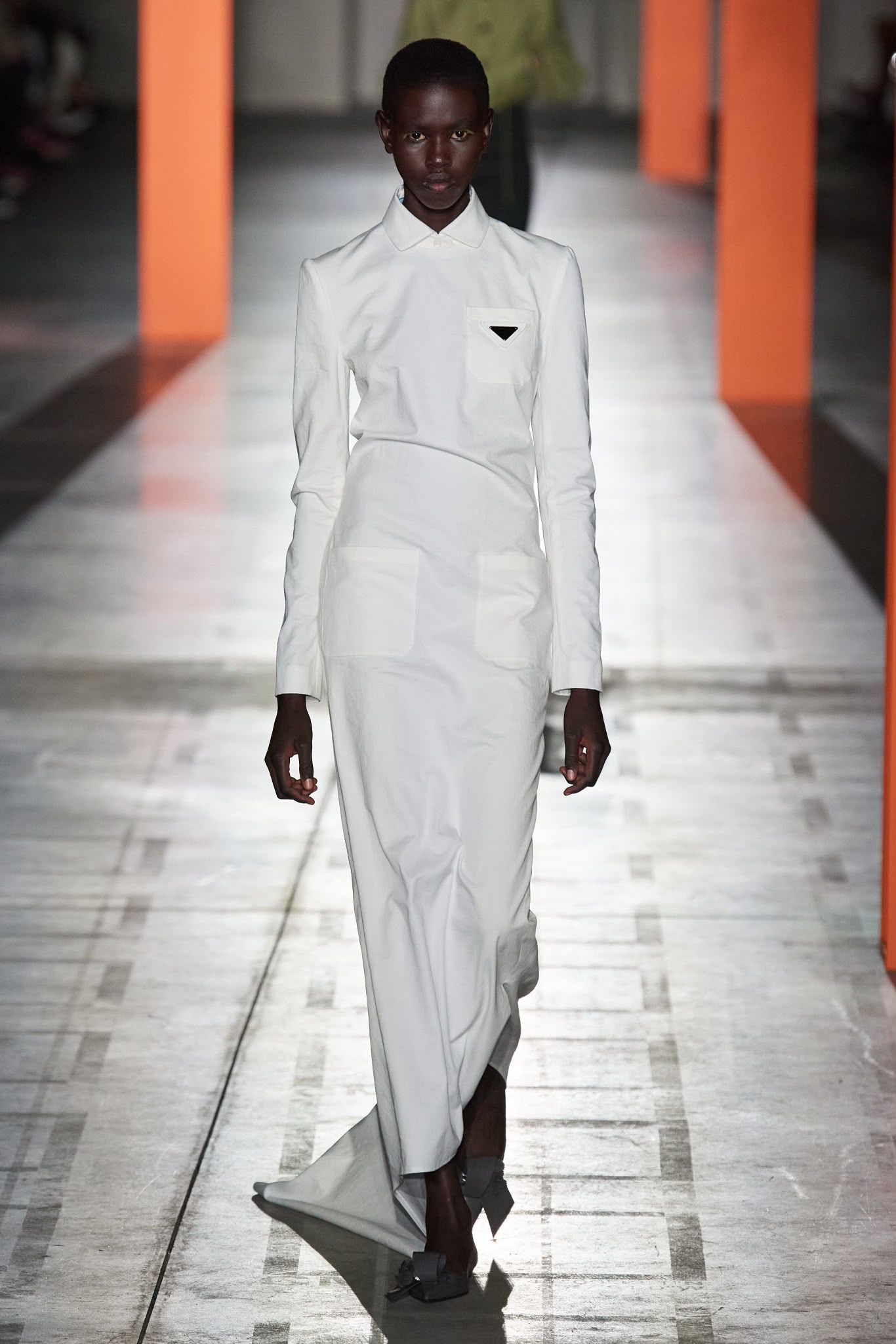
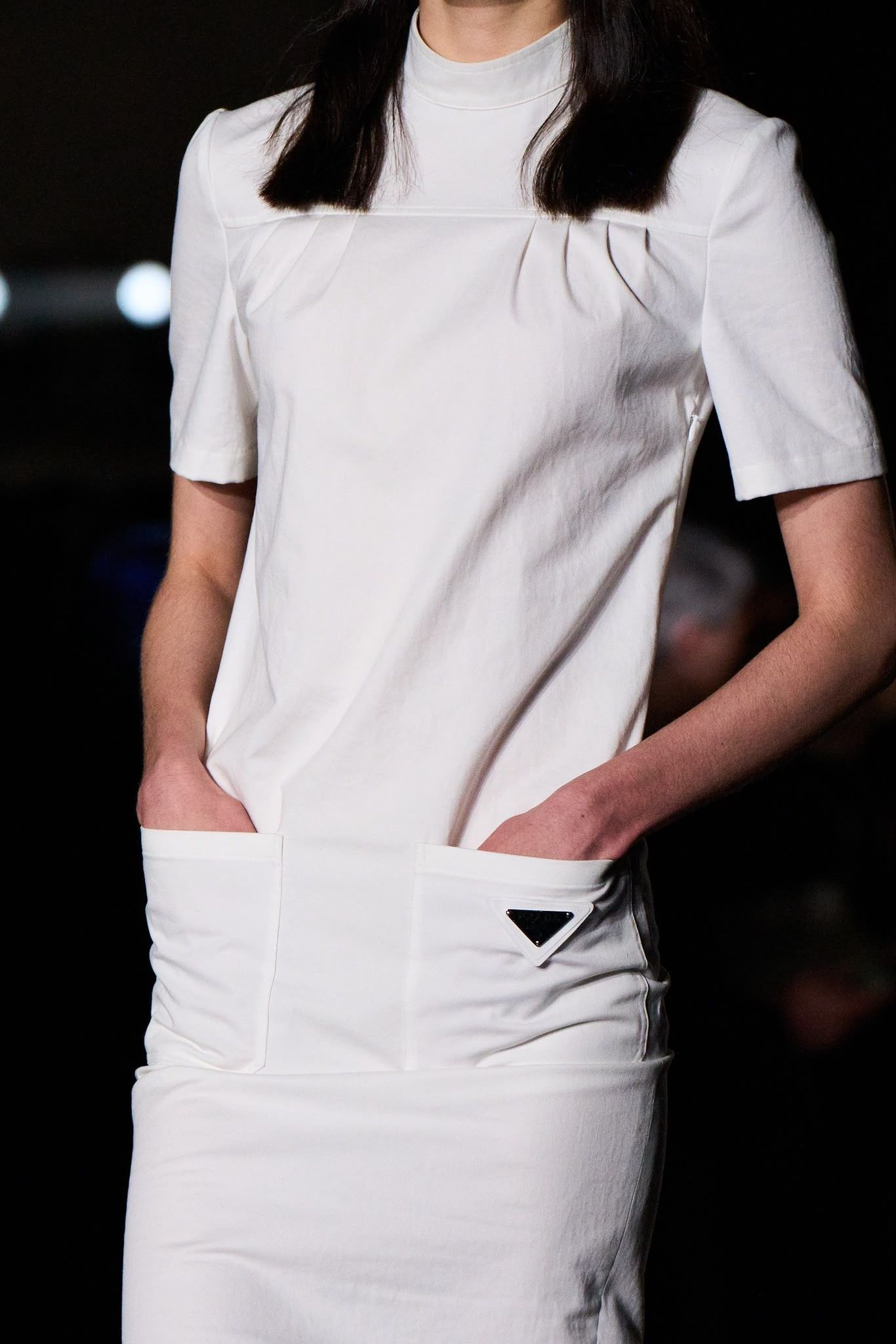
Moving away from provocation and embracing a more intimate sentiment, Miuccia Prada and Raf Simons, in the Prada FW23 collection, celebrated the purity, functionality, and simplicity of medical uniforms, which the designers described as “garments of care.” In this particular case, nurses’ uniforms underwent a romantic transformation, becoming white dresses with trains in a visual short circuit that made them almost indistinguishable from wedding gowns.
This constant and enduring fascination with clinical imagery highlights how fashion, much like medicine, has always worked with the most fragile of materials: the body. After all, it was Alexander McQueen himself who said that fashion, like a scalpel, must cut through the flesh of normality in order to reveal what lies beneath the skin.
What to read next

Can Gen Z Really Get Rich with Vinted?
A new business model is emerging, tax-free and learnable through an online course
This Halloween, dress up as a creative director
5 designers to dress up as for the scariest night of the year
Now Phoebe Philo Wants You to Dress Avant-Garde
With Collection F, the designer plays with silhouettes in an entirely new way