
























May 1st (labor day) through the lens of workwear appropriation When the laborer's uniform leaves the factory floor for the runway
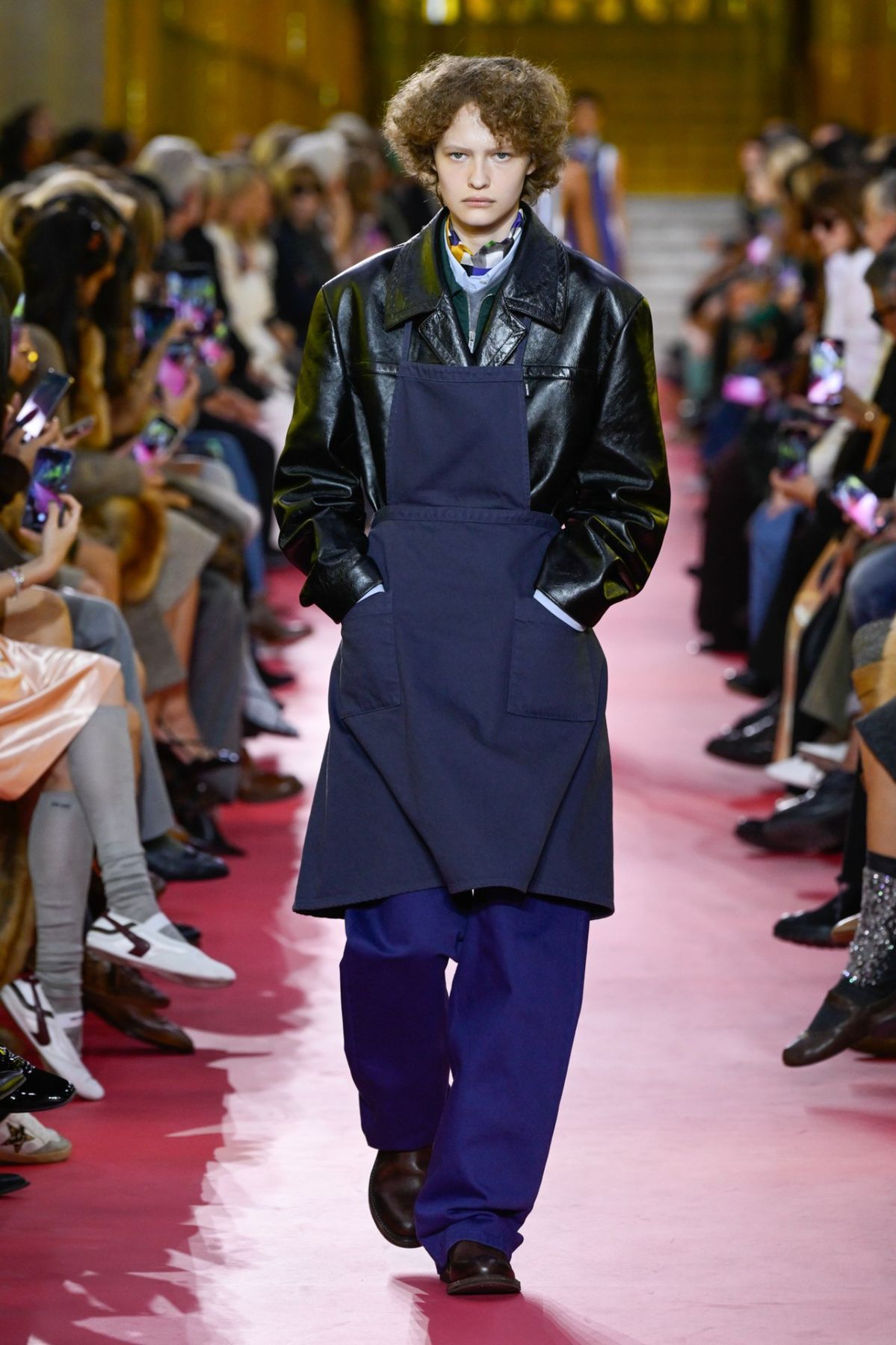
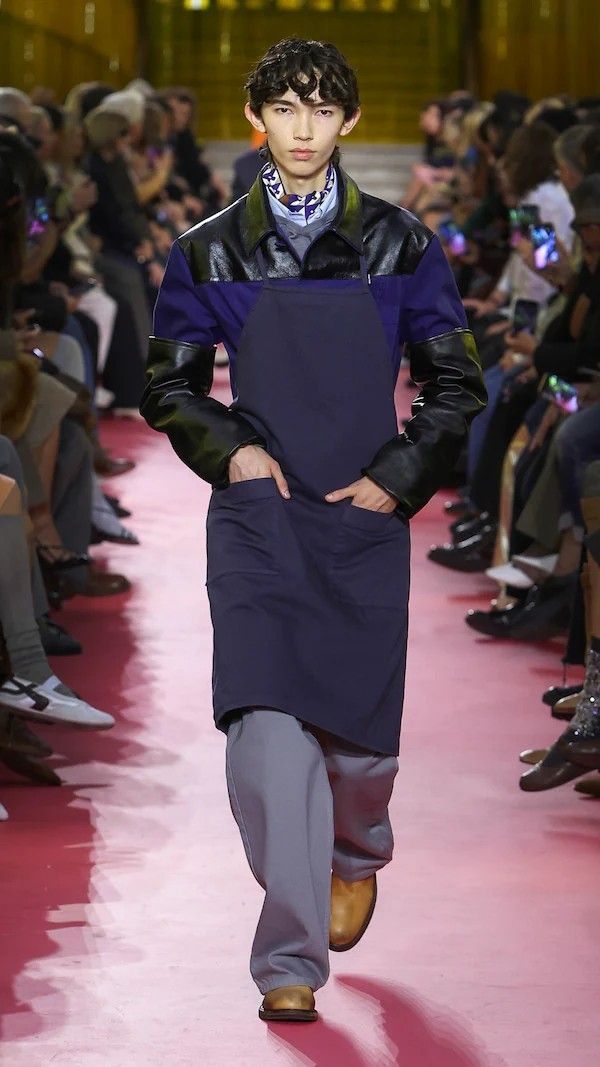
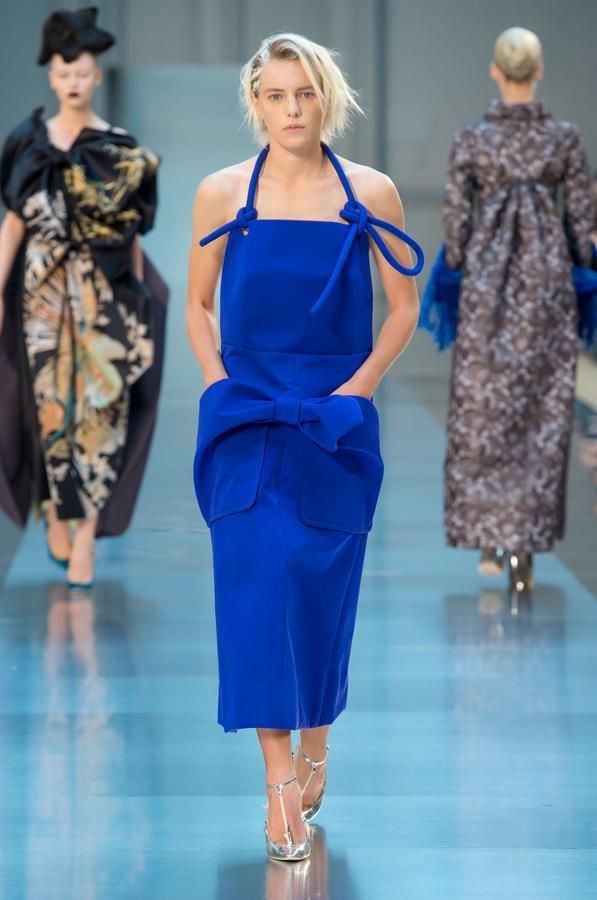
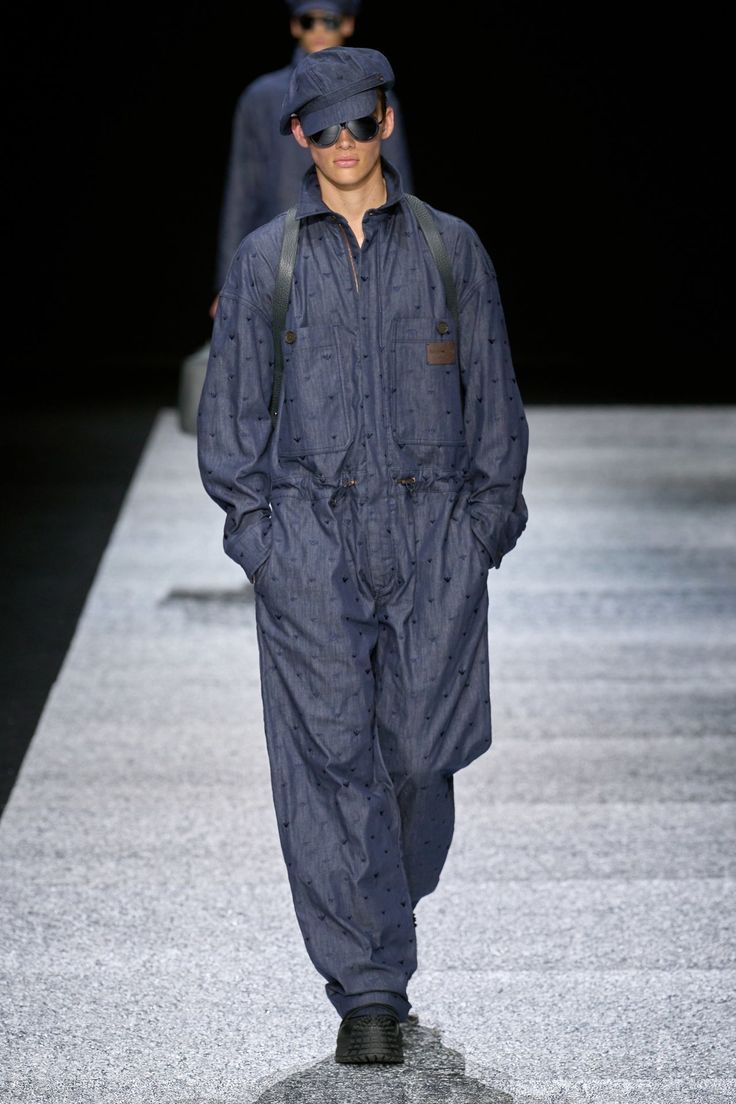
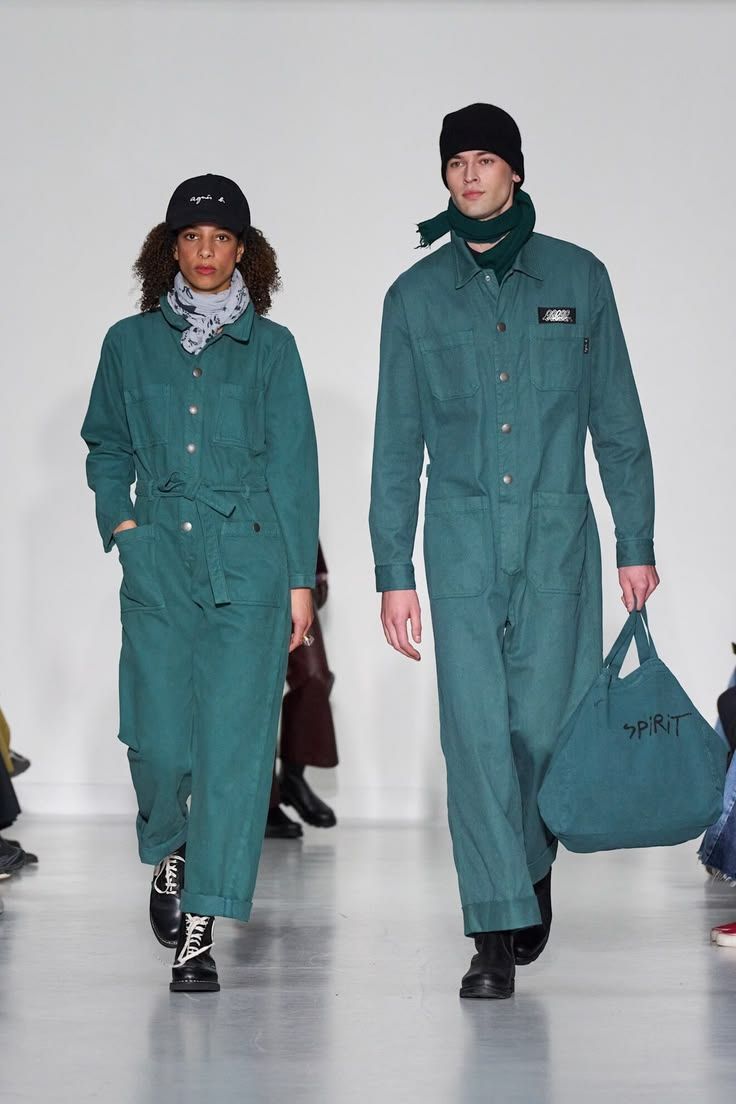
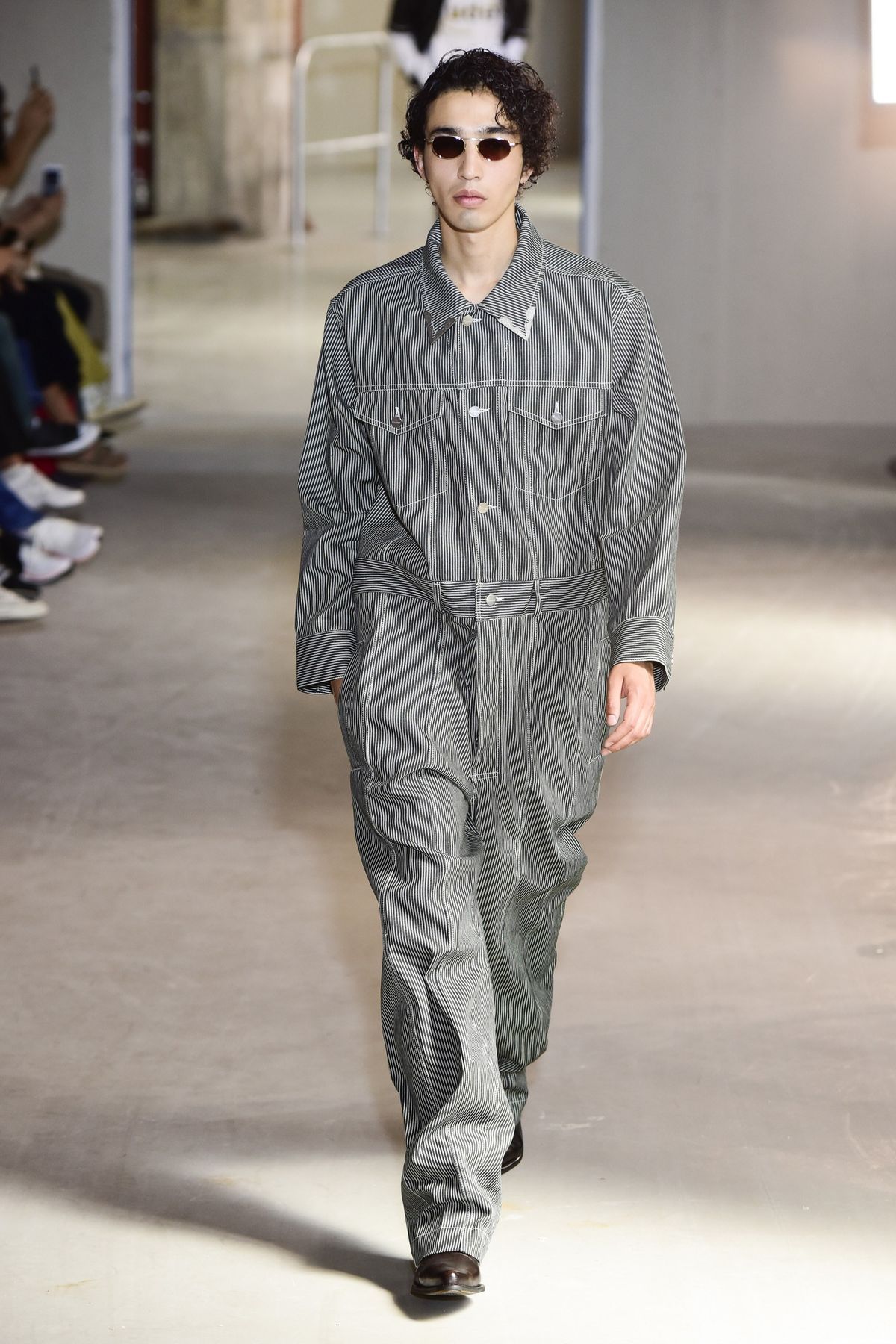
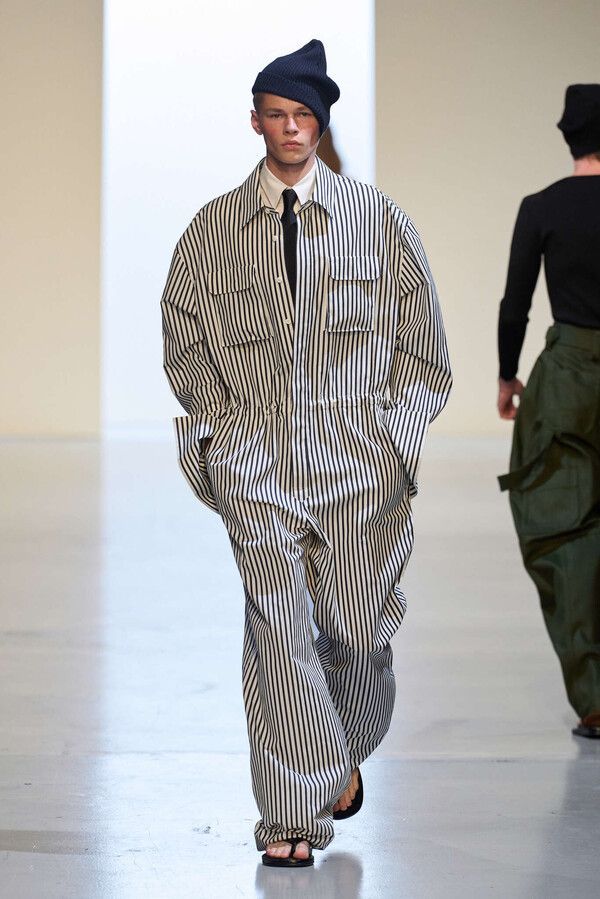
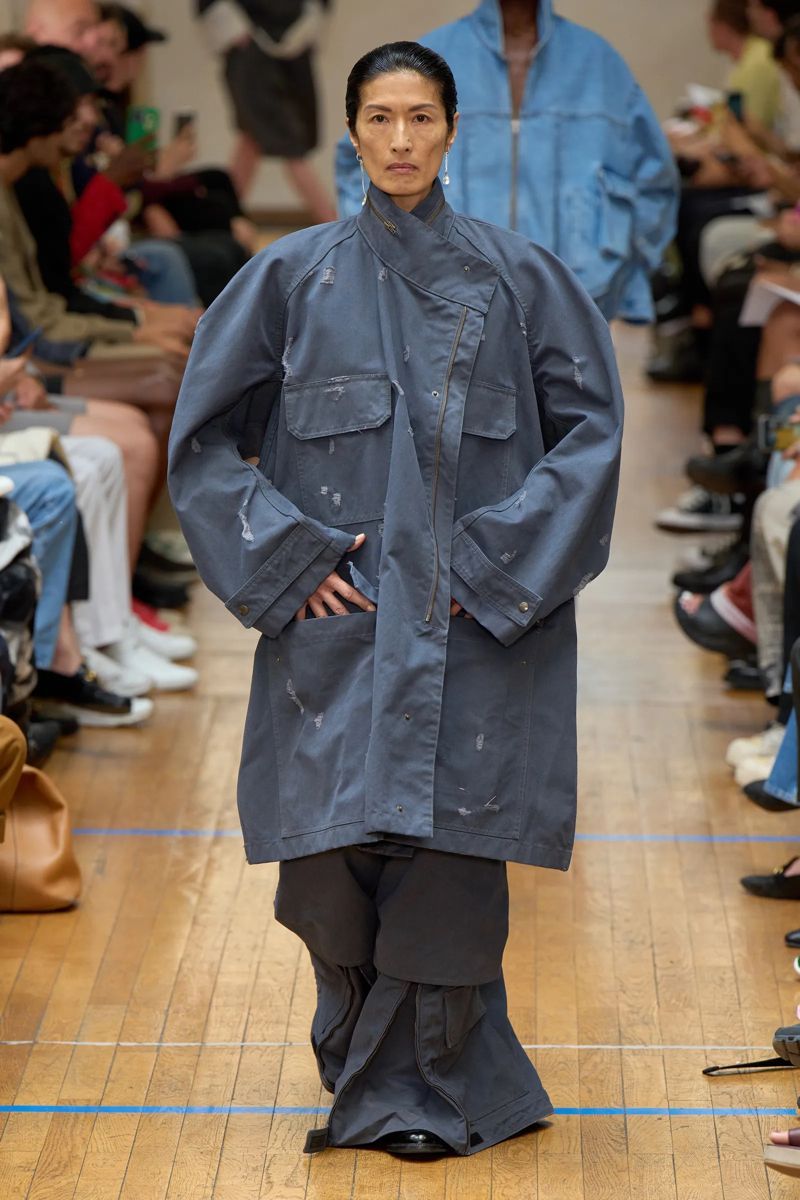
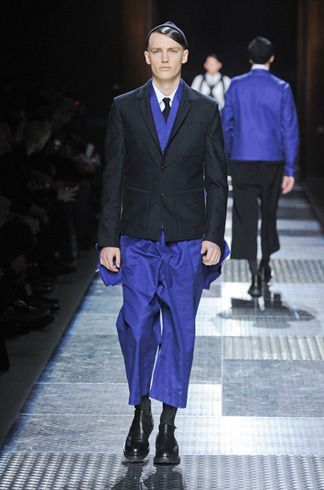
On May 1st, as France celebrates Labor Day (La Fête du Travail), a striking paradox unfolds on city streets and fashion runways alike: workwear -once dictated solely by necessity and worn to the point of exhaustion -has risen as the new uniform... of luxury. From the factories of the mid-20th century to the Prada and Miu Miu collections, the "bleu de travail" (work jacket) and the apron have shifted from the realm of constraint to that of ultimate social distinction. Between an homage to the nobility of craftsmanship, a quest for authenticity, and the risk of erasing social struggles, this deep dive into "Labor-Core" decodes the mechanisms of an appropriation as fascinating as it is complex.
A brief history of the utilitarian
The utilitarian wardrobe was not designed for the mirror, but for the workbench. Its grammar is one of resistance: tool pockets, reinforced seams, and raw fabrics like denim or cotton canvas. These pieces are worn because they are allies: we slip keys into them, we wipe our hands on them. Yet, like any uniform, it has always carried the seeds of individuality. A cuff at the bottom of a trouser leg, a name stitched in haste, a patch on the knee... While the wardrobe is collective, it distinguishes itself through small, often very personal details.
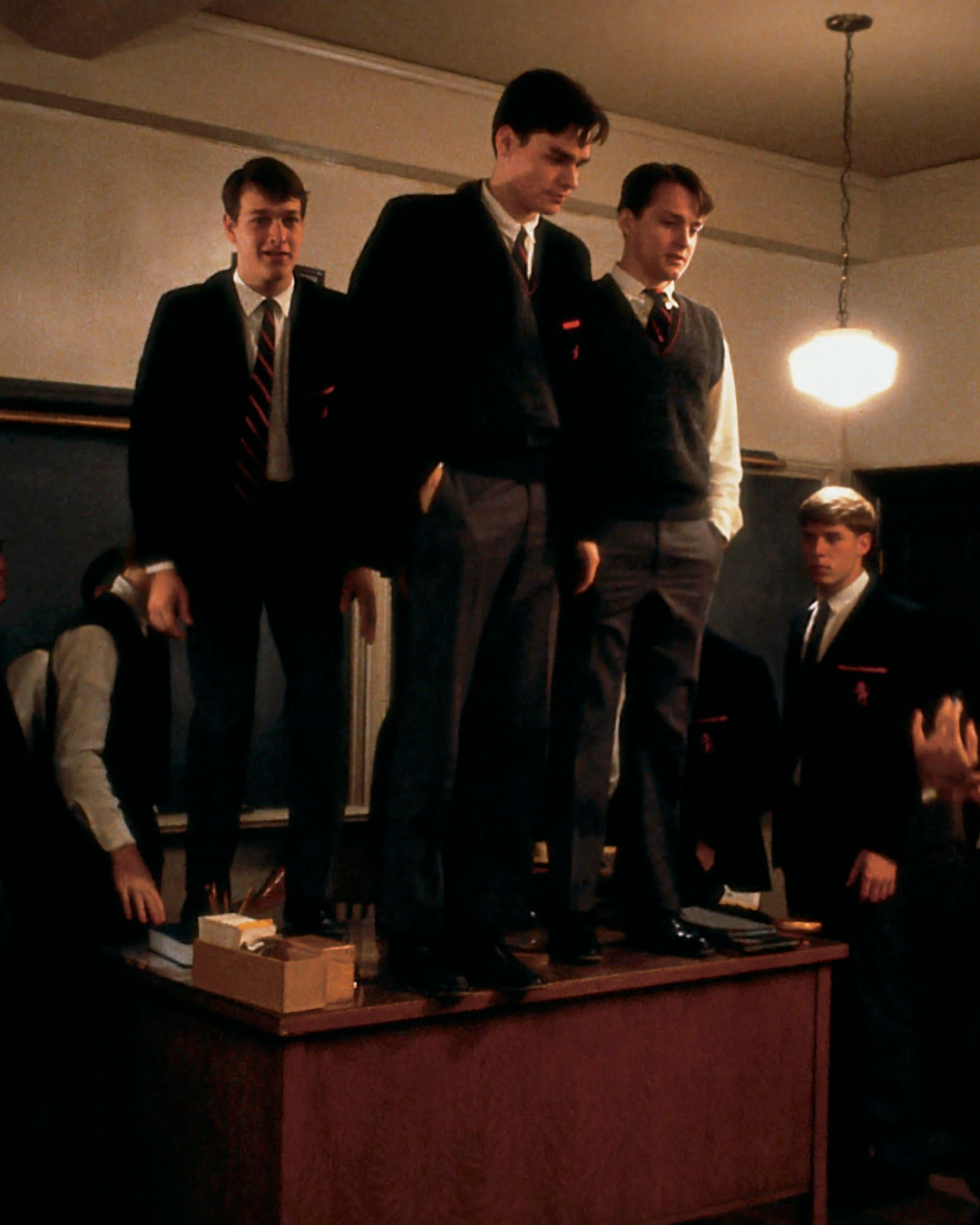
The transition from the factory to the collective imagination was led by the most numerous classes. The "bleu de travail," discarded by the retired father, was reclaimed by the son to haunt alternative spaces. In France, the massive student mobilization of May 1968 brought the worker's jacket to the cobblestone streets. In Thatcher’s Britain during the 1980s, techno culture adopted this wardrobe for its robustness against the night. Later, 1990s hip-hop seized the codes of the street and the construction site. Rappers swore by Dickies, the Texan brand whose slogan "On the job since 1922" resonates as a badge of authenticity.
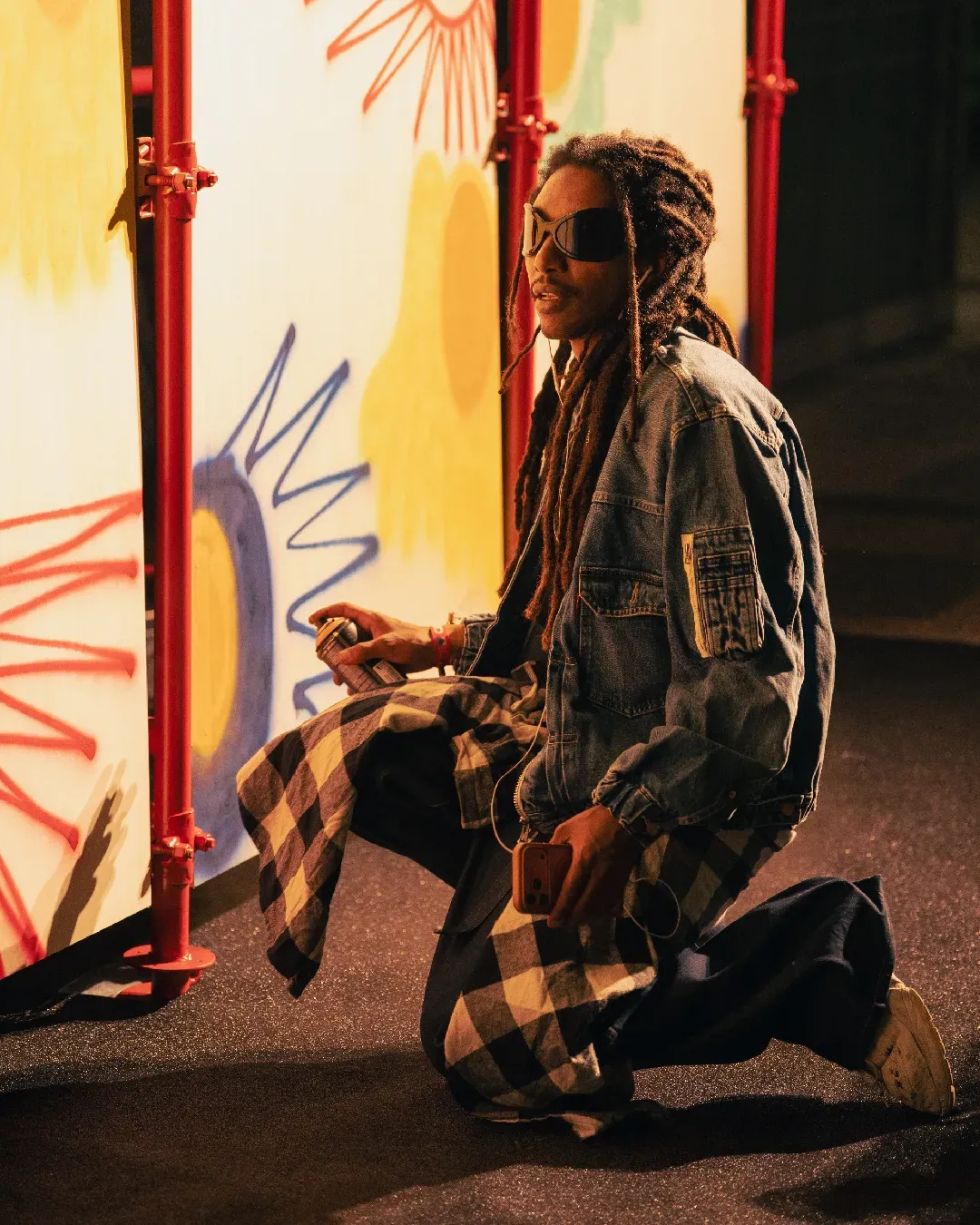
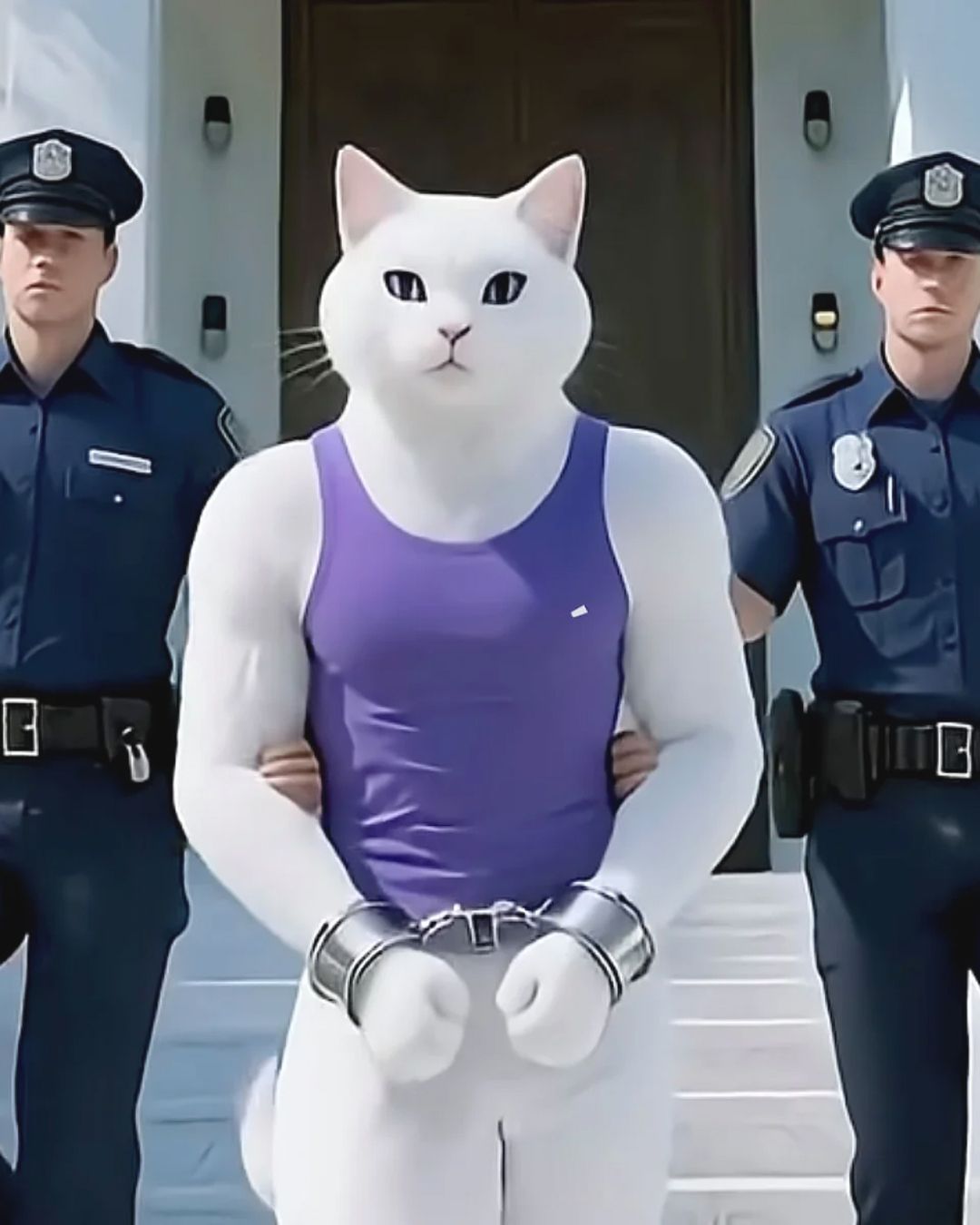
Why does utility appeal so much today? The rise of specialized second-hand markets confirms this underlying trend. Content creators like @rrrrrrrrrrrrrrrryan travel across the United States to unearth rare gems: from James Dean-style white cotton tank tops to Carhartt WIP jackets patinated by time. More than a TikTok trend, it is a flourishing business, as evidenced by his Parisian pop-ups where vintage workwear is snapped up like archival pieces.
Decoding a trend
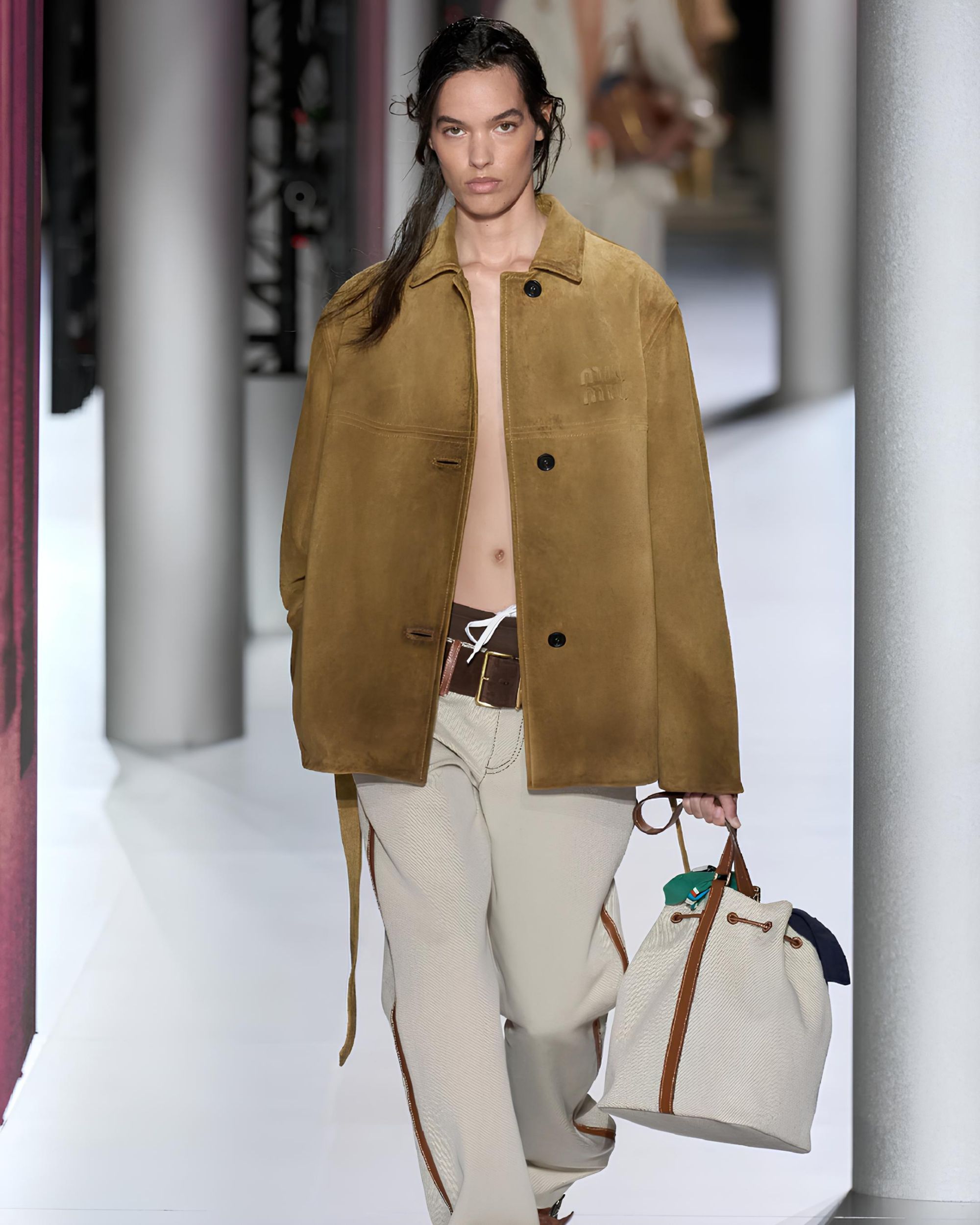
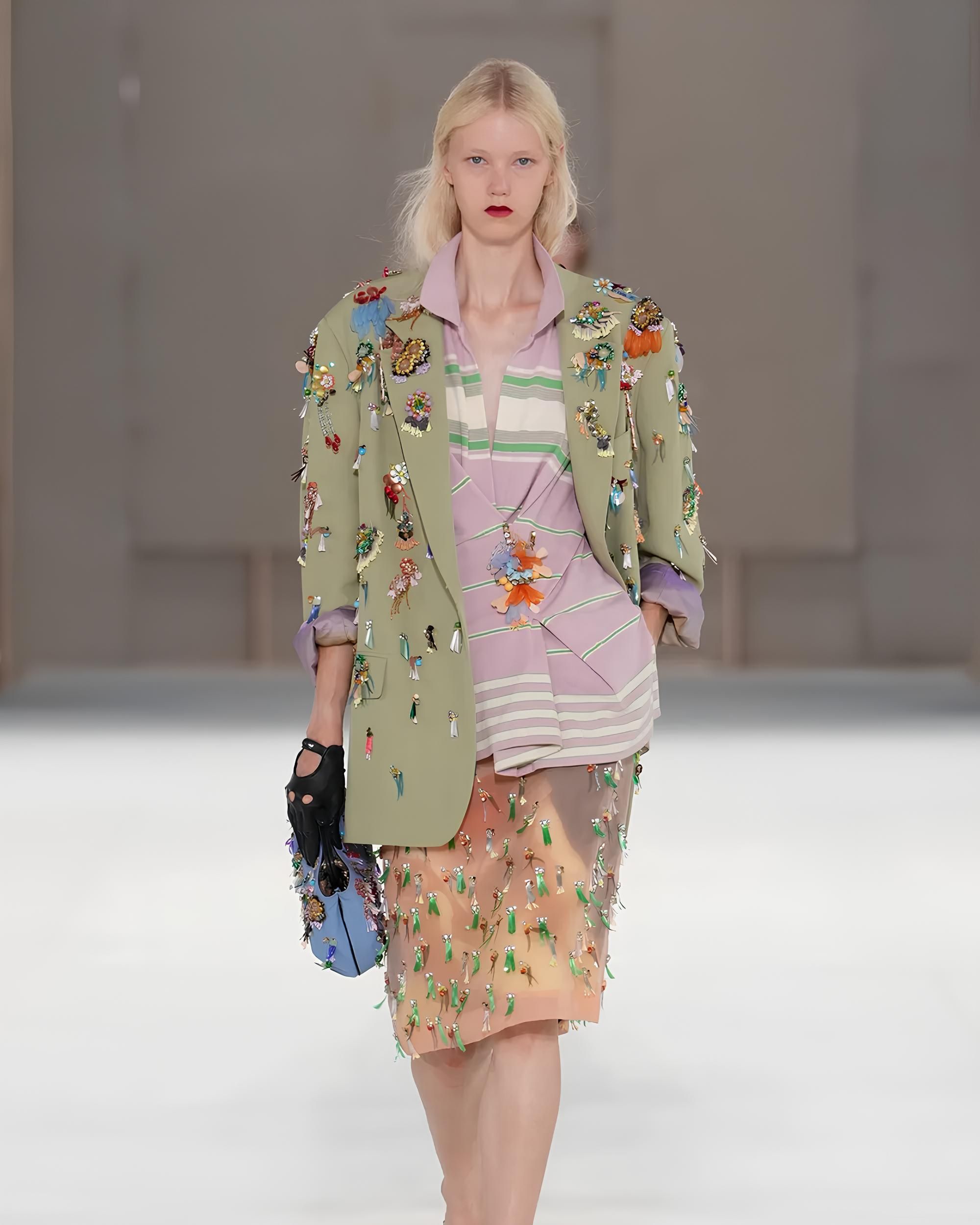
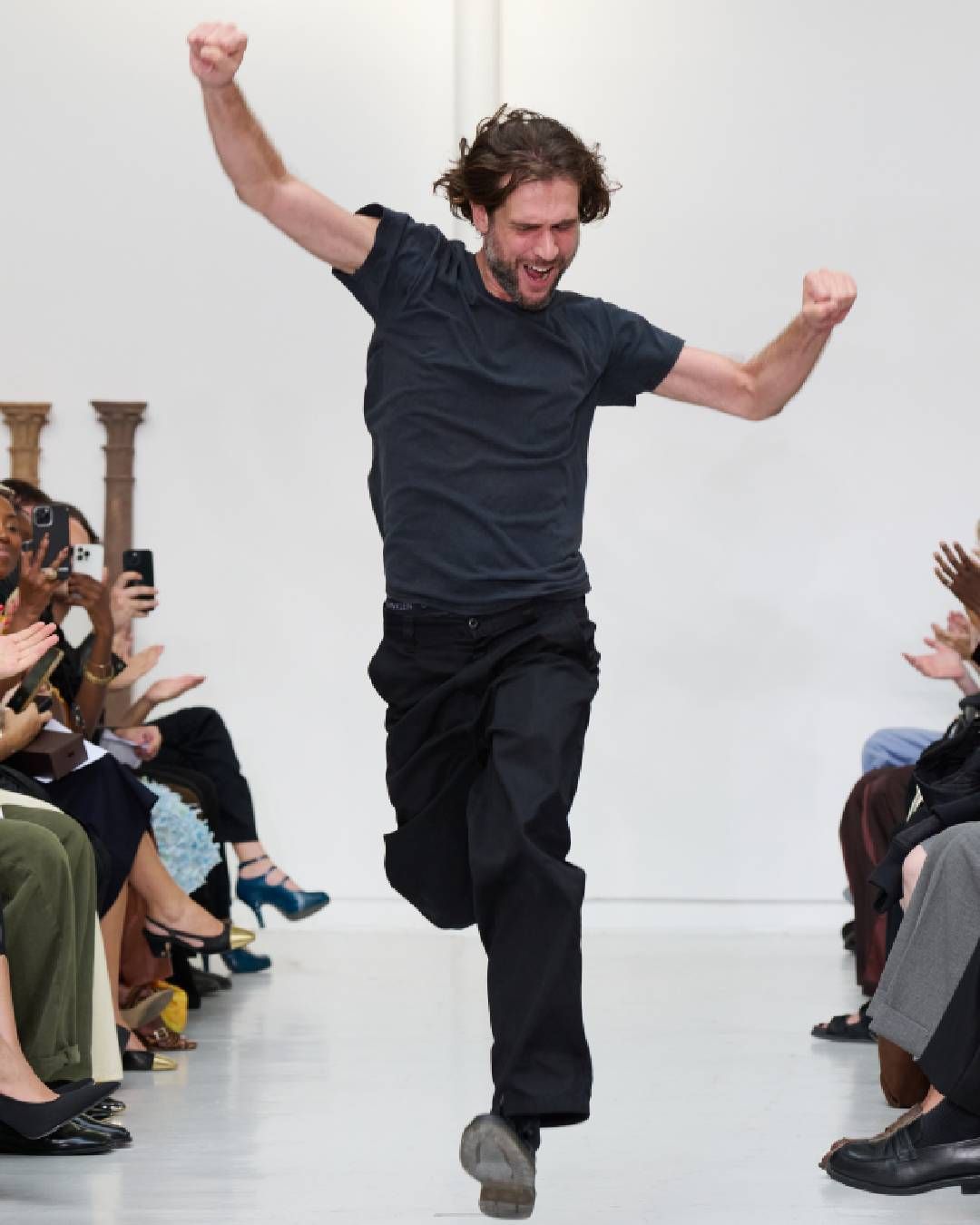
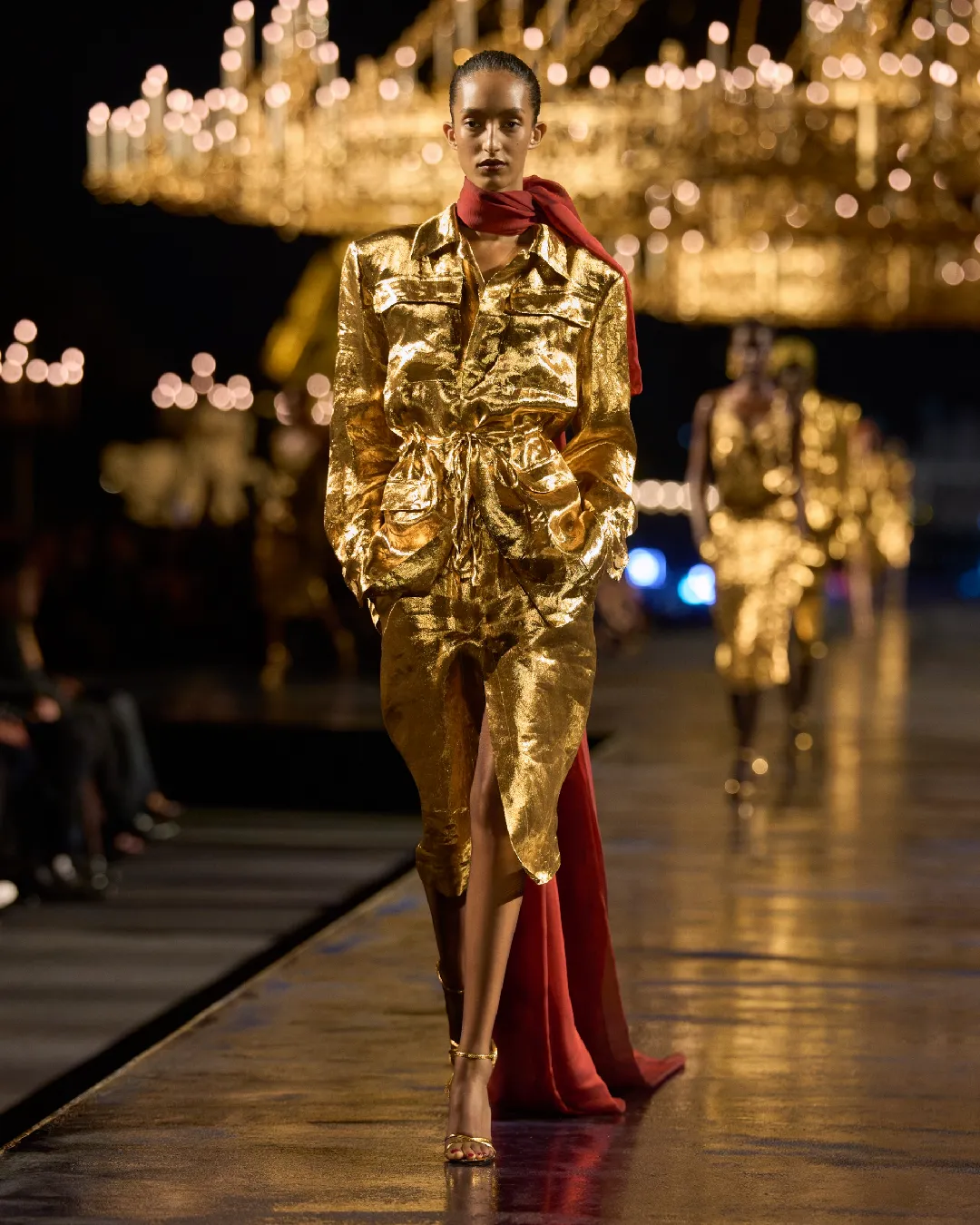
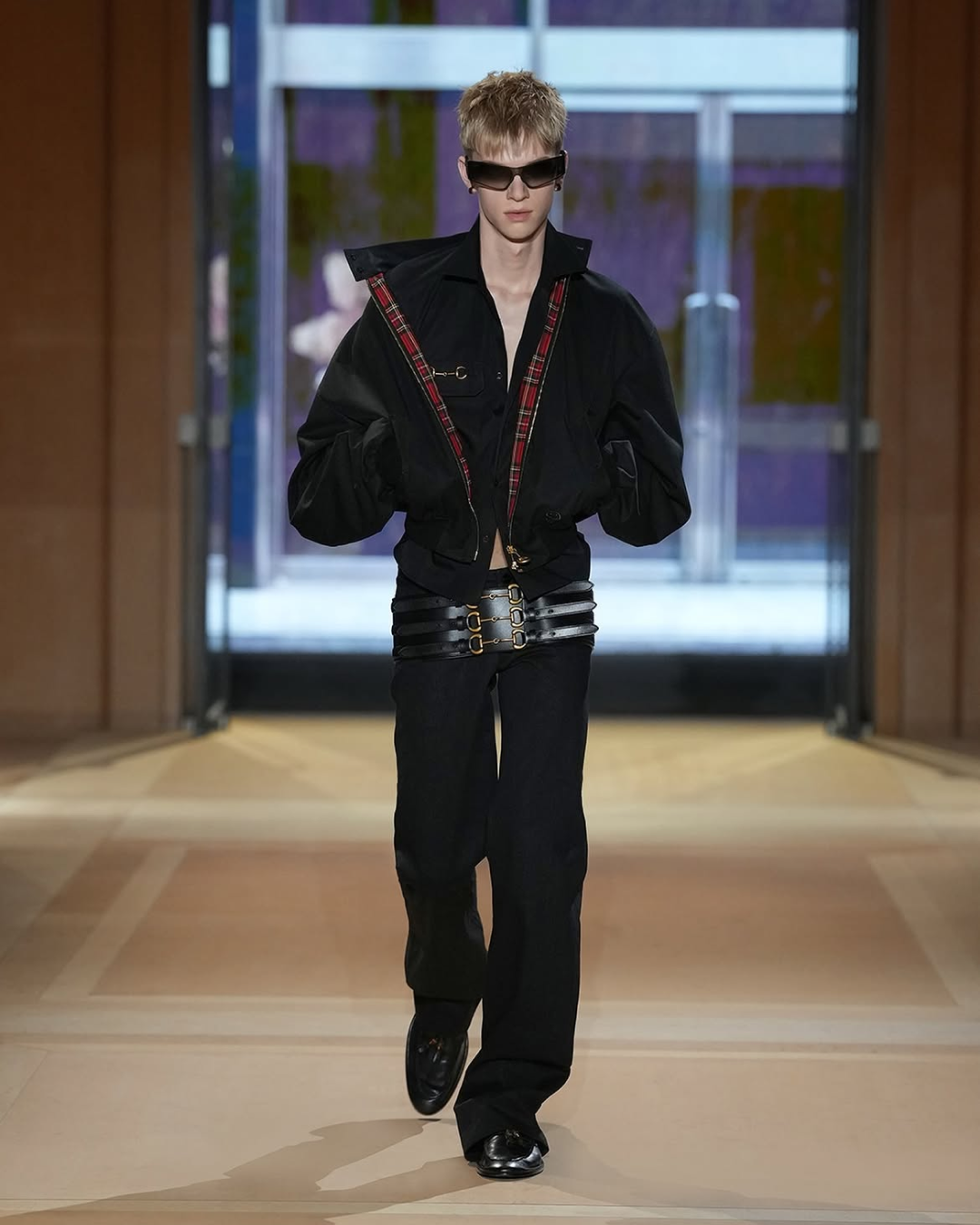
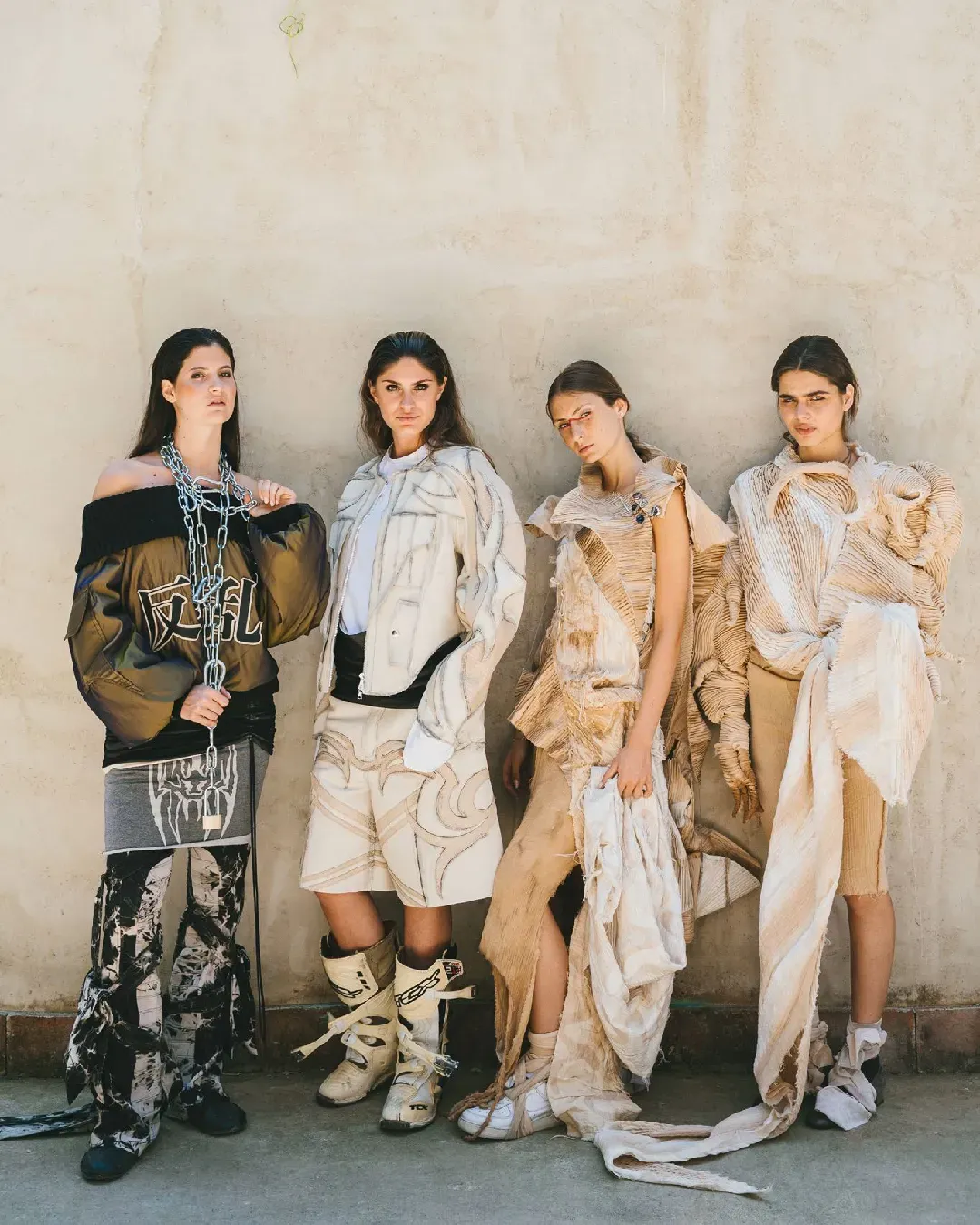
Luxury no longer settles for mere inspiration; it dramatizes work through what we might now call Labor-Core. This trend goes beyond simple citation to become a full reinterpretation of protective clothing. While Issey Miyake as early as 1993 or Maison Margiela laid the groundwork for this deconstruction, recent shows mark a radical turning point. At Prada for Spring-Summer 2026, there is a clear desire to magnify the industrial uniform, while the Sacai x Carhartt collaboration fuses raw utilitarianism with sharp Japanese sophistication.
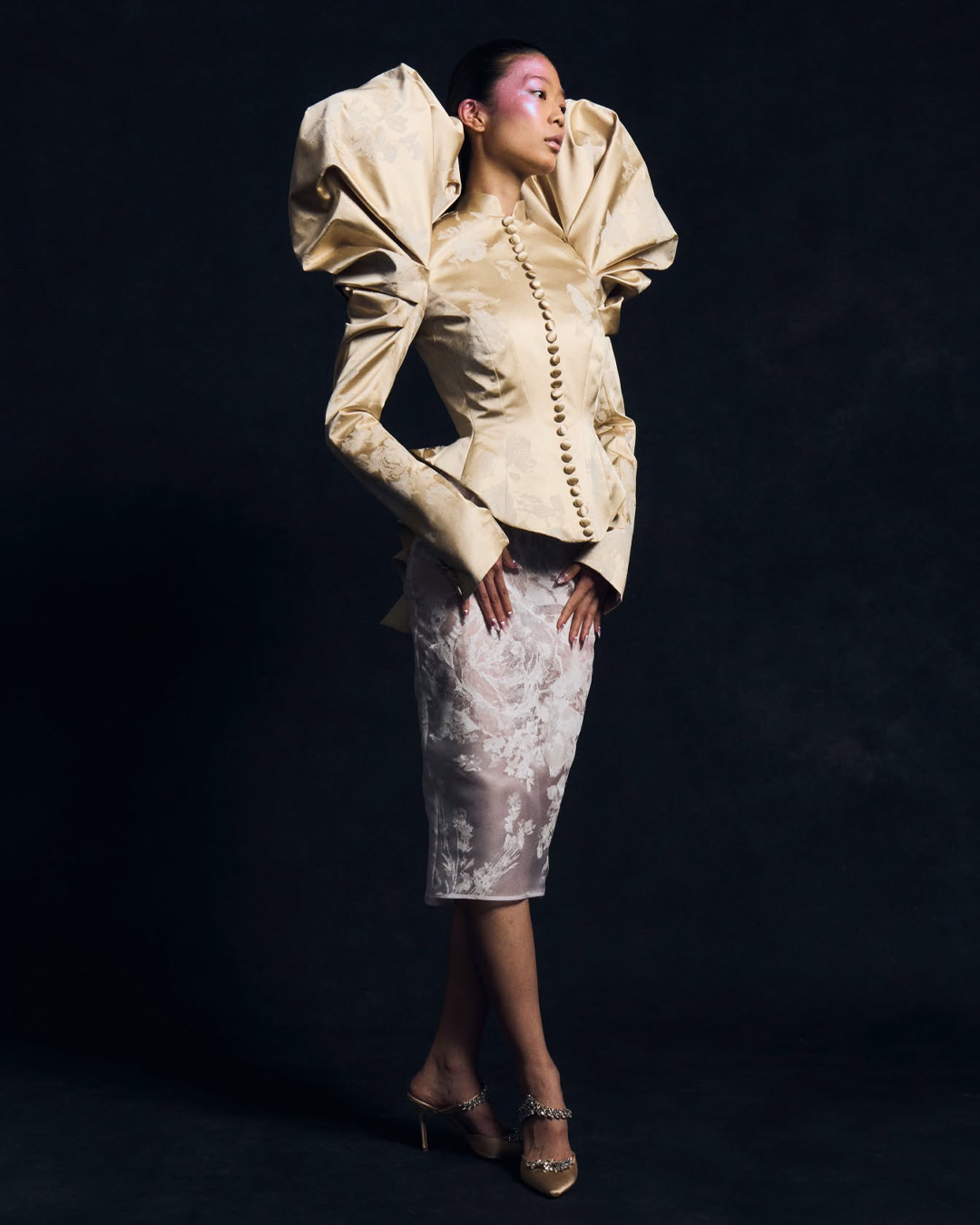
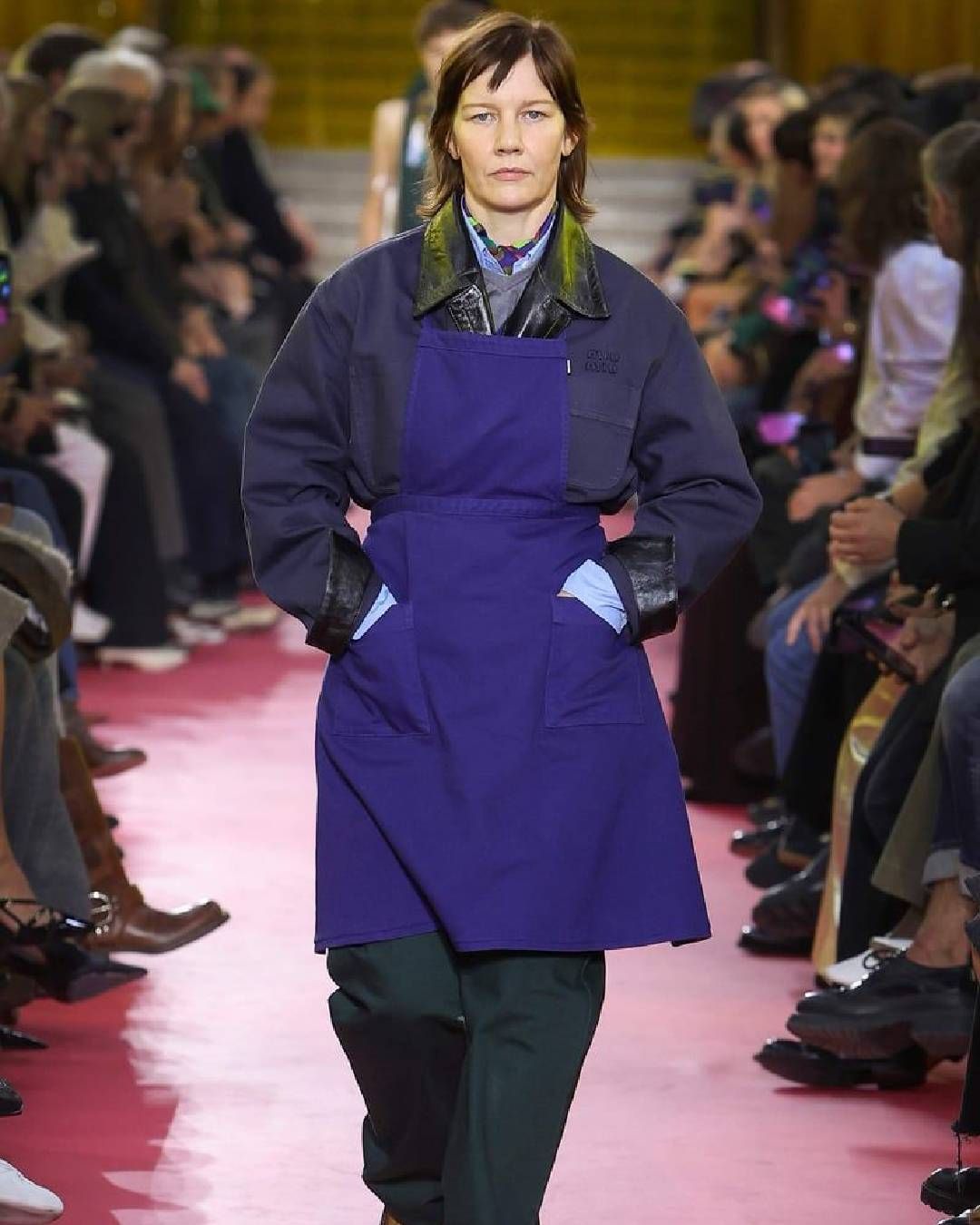
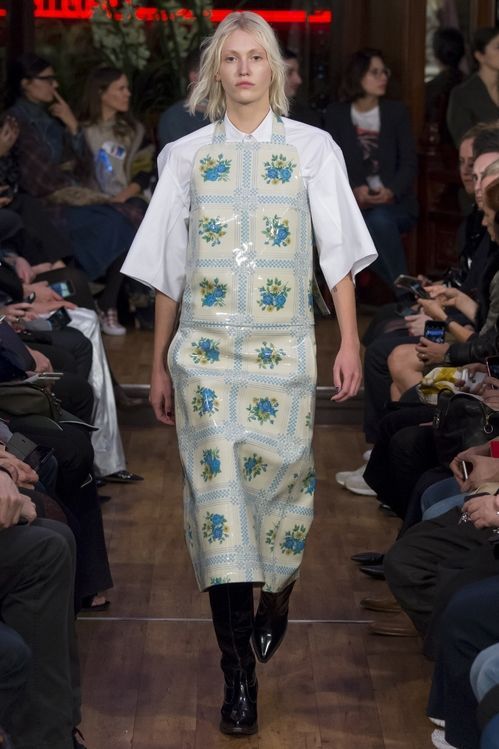
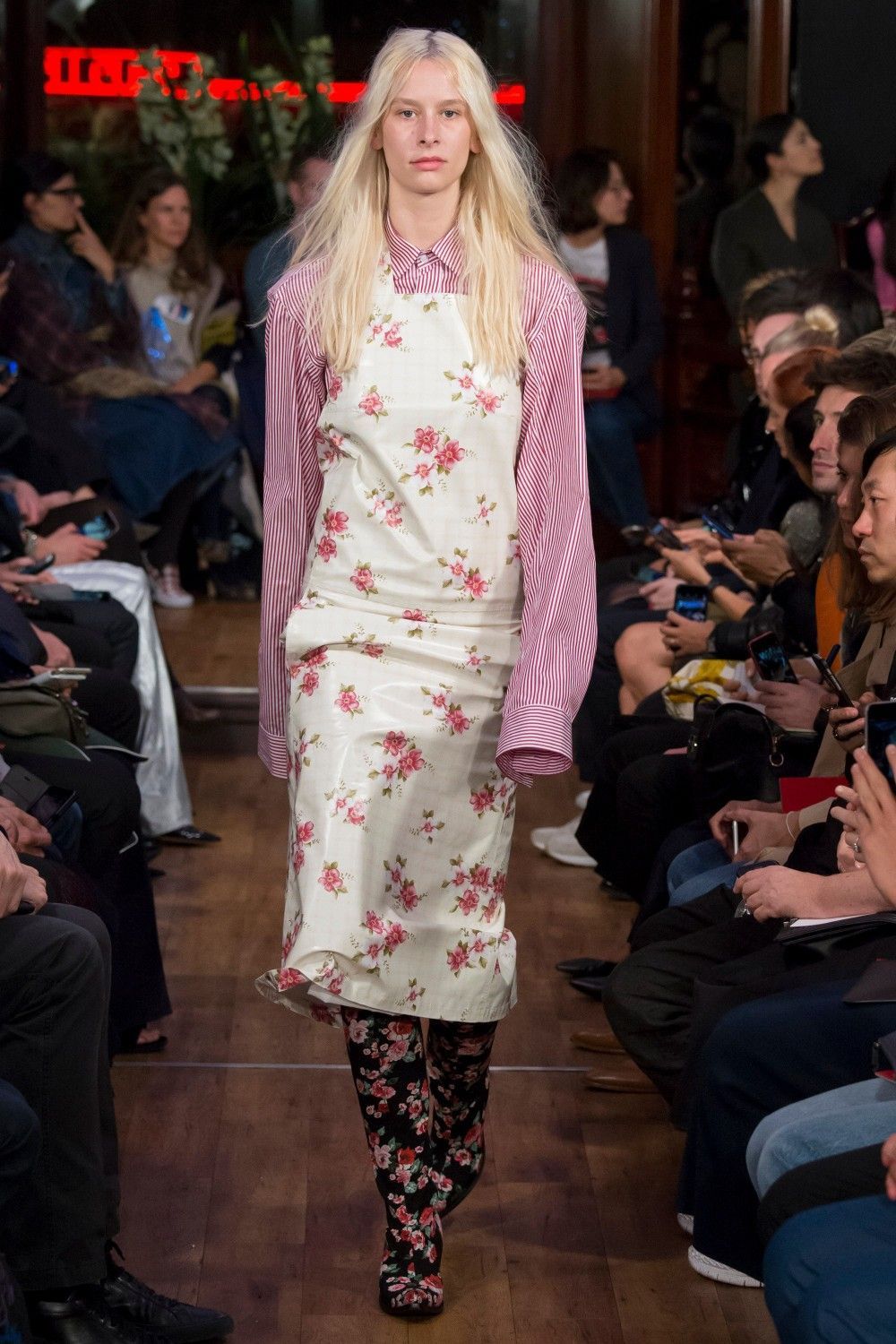
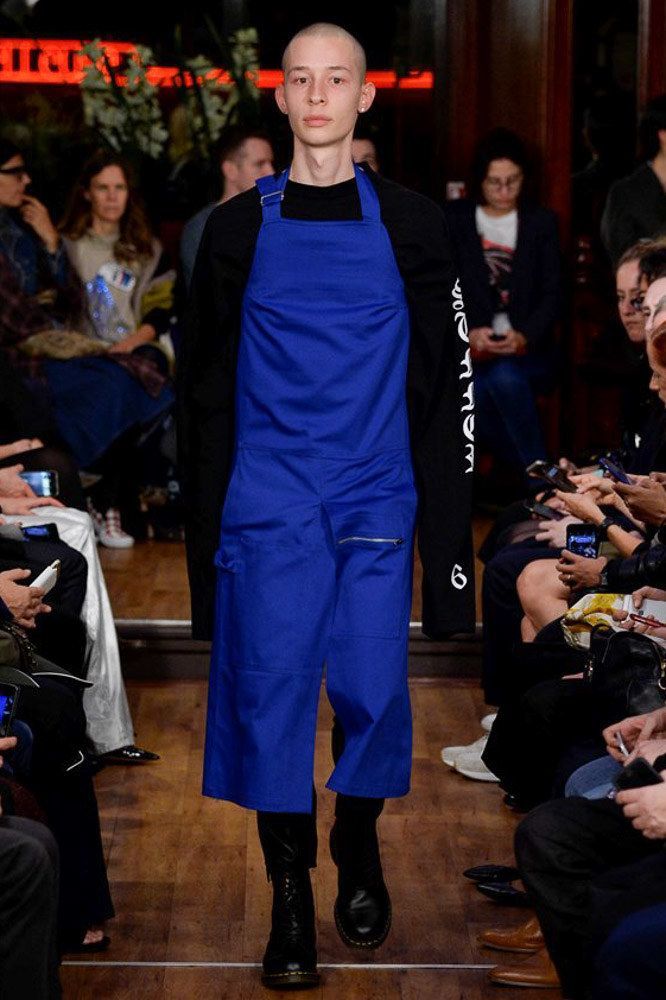
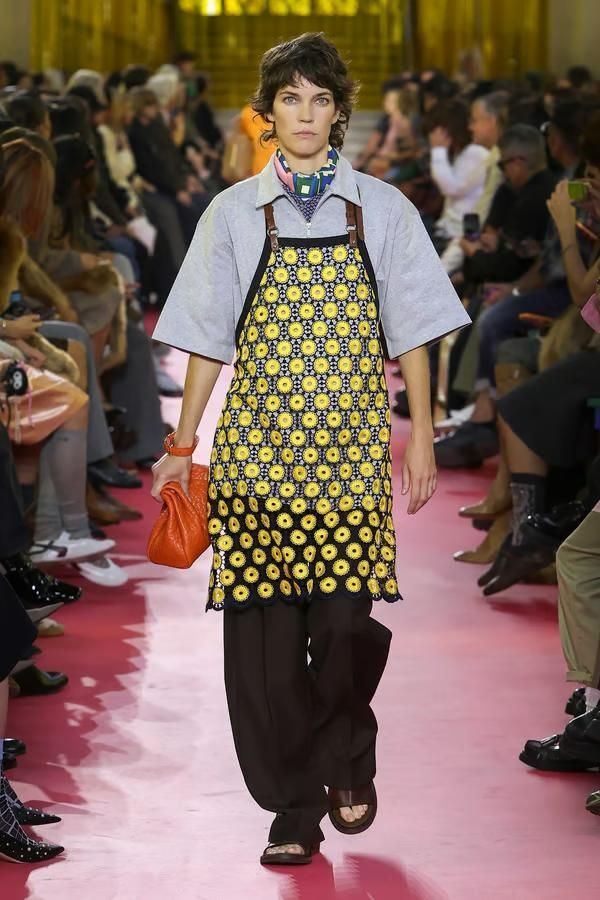
This season, the apron has become the object of all desire, standing out as the centerpiece of Miuccia Prada’s narrative for Miu Miu. By reinterpreting this protective garment common to the cobbler, the chef, or the fishmonger, fashion appropriates a deep artisanal and manual dimension. The apron is more than a piece of fabric; it induces a physical posture, a commitment of the body, and often harsh working conditions -early mornings at the market, hands in the grit. For the Japanese label Shinyakozuka’s Fall-Winter 2026-2027 collection, this search for protection becomes almost architectural. By spotlighting the apron, fashion seeks to purchase a form of nobility linked to the "hand" at a time when the digital and immaterial dominate our lives. It glorifies the image of the one who rises early, hands in the dust, only to transform them into a runway silhouette.
Social Cosplay and the mirage of authenticity
This appropriation raises a fundamental class debate surrounding what could be called "social cosplay." The upper classes are now adopting the aesthetic markers of the working classes, while the latter remain largely invisible or marginalized in political and social discourse. This phenomenon isn't limited to the dressing room; it extends to social spaces, as seen in the return to favor of the PMU (neighborhood betting bars) or local cafés, transformed into trendy backdrops for an elite in search of the "real." The element of distinction is valued, but the social substance and the hardship are carefully extracted, leaving only a "cool" veneer.
The shift in meaning becomes glaring when looking at the price tags. When a work jacket sold for forty euros at a professional wholesaler is reinterpreted for over a thousand euros by a luxury house, authenticity becomes a product of speculation. For the worker, this garment is a form of constraint, a symbol of a day's labor and a reminder of economic necessity. For the fashion enthusiast, it is a symbol of freedom -an aesthetic choice that provides a certain "look" without ever having to endure the reality of the trade being imitated. The popular French expression "beau comme un camion" (beautiful as a truck) takes on an ironic tone: we want the allure of the machine and the sturdiness of the driver, but without ever having to take the wheel or suffer the fatigue.
With the May 1st holiday, this trend must be viewed with a different eye. Celebrating the laborer's wardrobe without recognizing their struggles amounts to erasing their condition behind a polished image. Fashion, in its perpetual quest for meaning, must ask itself if it truly honors working-class dignity or if it merely transforms sweat into a new ornament for the privileged. Wearing a "bleu de travail" today should not be a question of style, but an invitation to consider the bodies that, behind every garment, continue to shape the real world.