


















Why did Ralph Lauren decide to show in Milan after 20 years? It has to do with the Olympics, the focus on the European middle market, and the brand’s current commercial momentum.
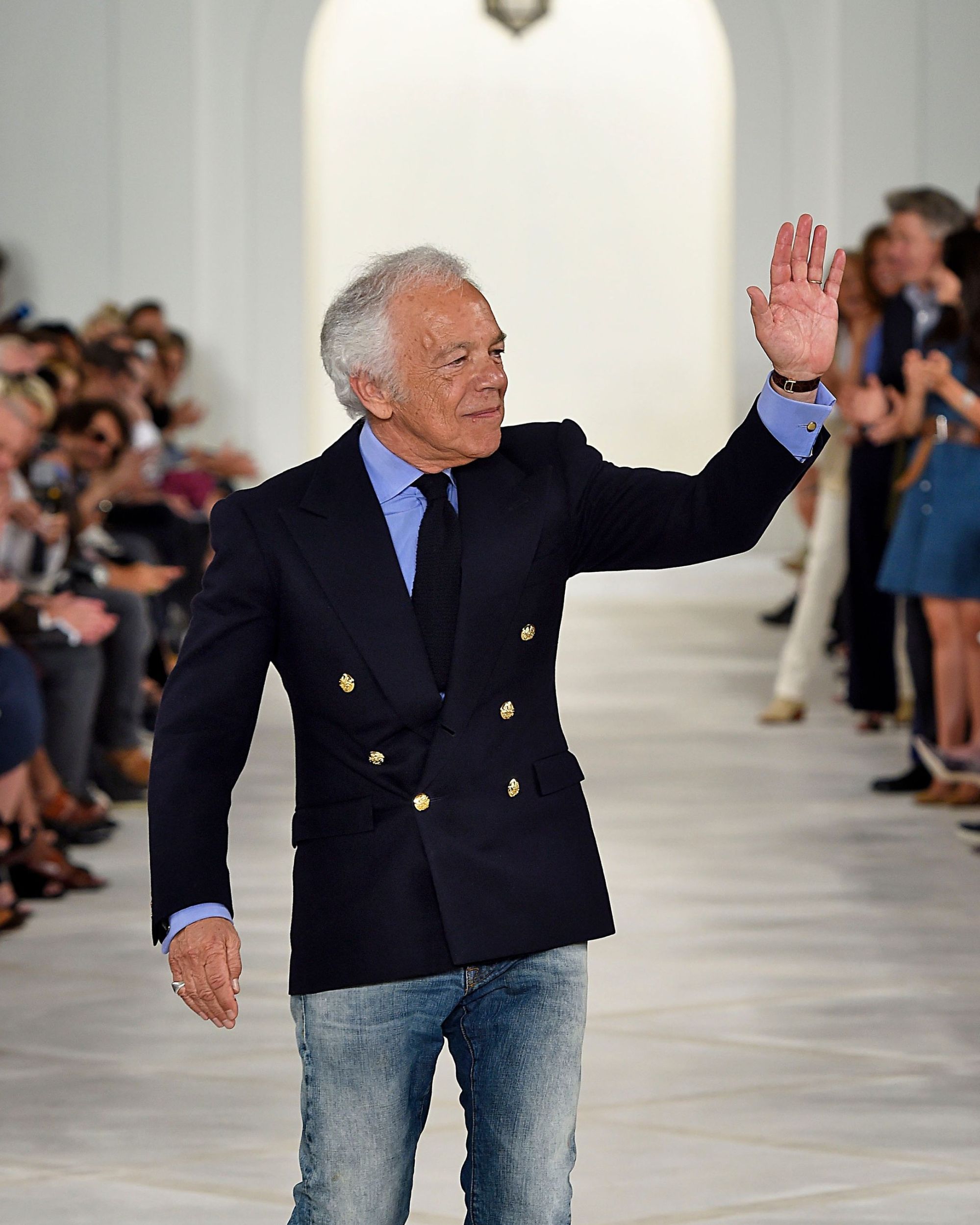
It is always exciting when an international brand decides to join the Milan Fashion Week schedule, especially the menswear edition which, year after year, becomes increasingly sparse and shorter. But when the calendar for the upcoming January edition was announced yesterday, it sparked some surprise to see the presence of Ralph Lauren, the quintessential American brand that not only usually opts for grand shows in locations connected to the myth of New York, but that had not staged a show in Milan since the distant 2002.
But why, at a time when so many major European luxury houses are choosing America for their shows, is Ralph Lauren choosing to head to Europe? The possible reasons involve the upcoming Olympic Games, the desire to reaffirm its presence in the European middle market hungry for accessible luxury, and the recent commercial success the brand has been experiencing.
The Importance of the Cortina Olympics
Recently, an image from the lookbook of the new Team USA collection that Polo Ralph Lauren has just released for sale has spread widely on Instagram. The pièce de résistance of the lookbook is a stunning leather bomber jacket with a fur collar embroidered with Olympic symbols and the American flag, which is brand new yet looks as though it emerged straight from the finest inventory of a vintage store. We do not know how well that bomber will sell, but we can guess that its success on social media will lead many consumers to discover the rest of the brand’s Olympic-themed collection.
In general, Ralph Lauren has been the official partner of the U.S. Olympic team for nearly twenty years. The latest uniforms for the opening and closing ceremonies of the Games were presented a few weeks ago together with the commercial collection mentioned earlier. And the brand’s involvement with Milan and the Olympics may become even stronger given that the January fashion show will be part of the wide multidisciplinary program of Olympic-themed events called Cultural Olympiad, which will also include initiatives by EA7 and K-Way.
Europe’s Thirst for Accessible Luxury
Ralph Lauren’s business model can be considered unique in the fashion landscape. The architecture of the brand’s various lines, each with its own distribution strategies and target audience, has in Milan an important operational hub (the city boutique with its café offering weekend brunches is already an attraction on its own), yet its presence is widespread throughout the entire country.
This has allowed the brand to dominate the accessible luxury segment globally through the legendary Polo Ralph Lauren line, without diluting the prestige of its true luxury segment represented by Purple Label and by Lauren by Ralph Lauren and Ralph Lauren Collection (the last two being womenswear only), and also managing to serve niche audiences with the legendary RRL and more sporty consumers with the gold-themed RLX activewear.
Being present in the middle market with Polo Ralph Lauren has given the brand and an almost universal level of recognition. Hosting a show (even better if high profile) right in Milan, during a fashion week essentially free of direct competitors, offers a level of visibility that could greatly boost the brand’s sales across all its tiers. This is also why the fashion show (as we will explain shortly) marks the culmination of the brand’s commercial momentum in recent years.
First America, Then the World
In a year marked by widespread crisis, Ralph Lauren has been one of the few brands outside the ultra-luxury sphere of Brunello Cucinelli or Hermès to thrive like never before, surpassing the expectations of many analysts. Revenues for the fiscal year ending in March 2025 reached 7.1 billion dollars, with double-digit growth peaks during the winter season. The expansion of direct-to-consumer sales not only dramatically increased margins and the brand’s stock price—up 60% since the beginning of the year—but also fueled the start of the 2026 fiscal year (currently underway), which is already proving to be another excellent year.
The first quarter of the 2026 fiscal year, running from April to August 2025, saw net revenues of 1.7 billion with 14% growth compared to the same quarter of the previous year, while margins increased by another 16.6% and net income by 40%. Ahead of the Olympics, the brand has also increased inventories and confirmed the enormous commercial momentum it is experiencing and preparing to capitalize on across the board. This has led the brand to revise its growth estimates for the next semester—an impressive move considering the weak moment currently affecting the entire sector. And we are certain that the Olympics in Milan will turn this forecast into reality.
Takeaways
- Ralph Lauren returns to show in Milan, breaking a long tradition of New York–based runway events. This is a strategic choice, especially at a time when many European brands are looking to the United States for their shows.
- The brand’s connection to the Olympics plays a decisive role, especially in light of the 2026 Cortina edition: the global visibility achieved through Team USA and the viral spread of the Olympic lookbook provide Ralph Lauren with a powerful narrative platform.
- The Team USA bomber jacket that went viral on social media highlights the strong resonance that Olympic imagery has with global audiences.
- The brand’s multi-layered structure allows it to speak to different audiences without losing prestige or identity. Showing in Milan during a less crowded fashion week increases visibility and generates amplified commercial impact compared to other periods of the year.
- The brand is experiencing a moment of strong financial growth, with record revenues, rising margins, and a stock price up 60%. The first quarter of the 2026 fiscal year recorded double-digit growth, demonstrating a commercial momentum rarely seen in today’s fashion sector.
- The Milan show strengthens this momentum, positioning Ralph Lauren as one of the few non–ultra-luxury brands in full global expansion.
What to read next
An indie designer staged a runway show on the street outside the Bottega Veneta show
Her name is Gabrielle Venguer and we need more people like her