














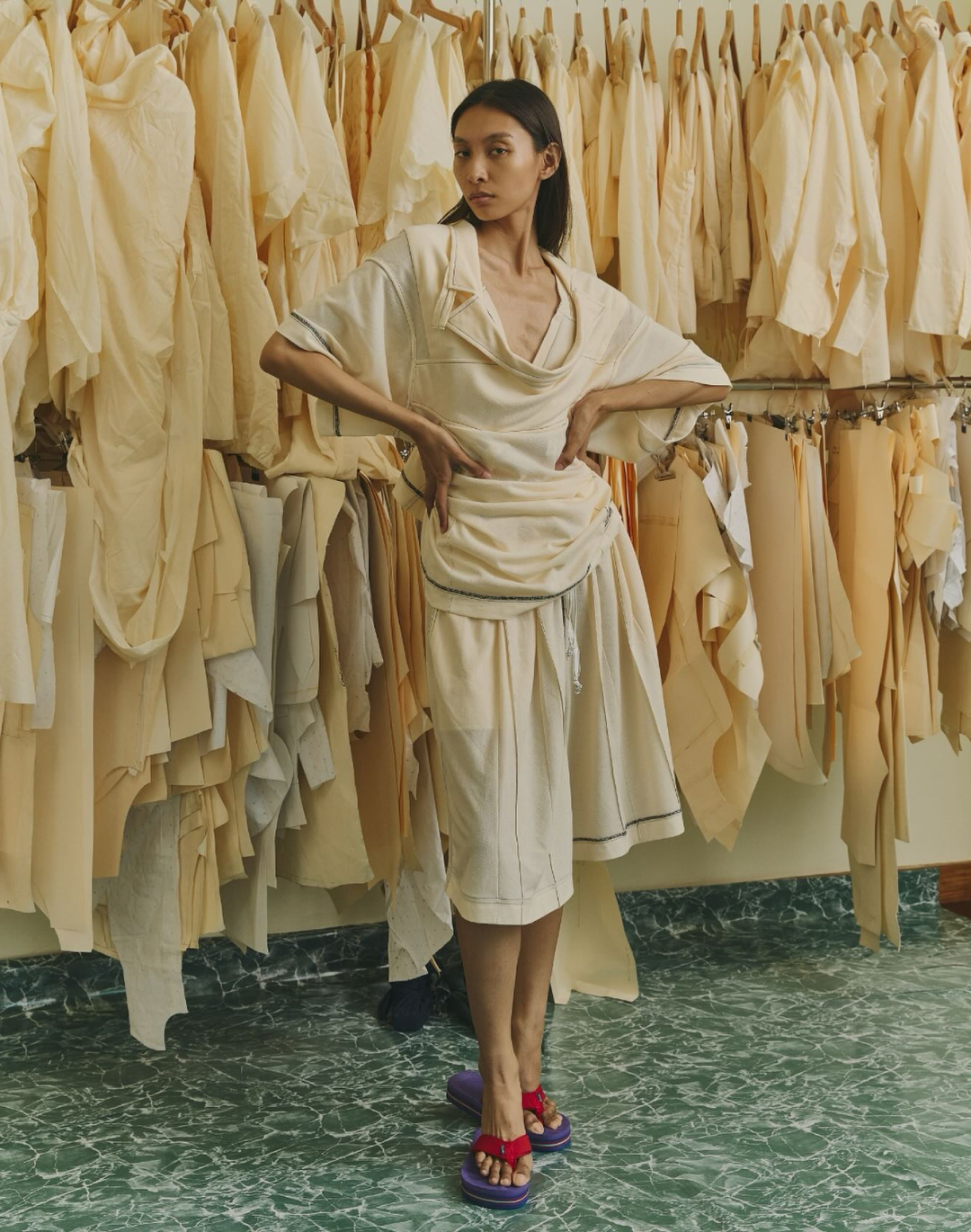
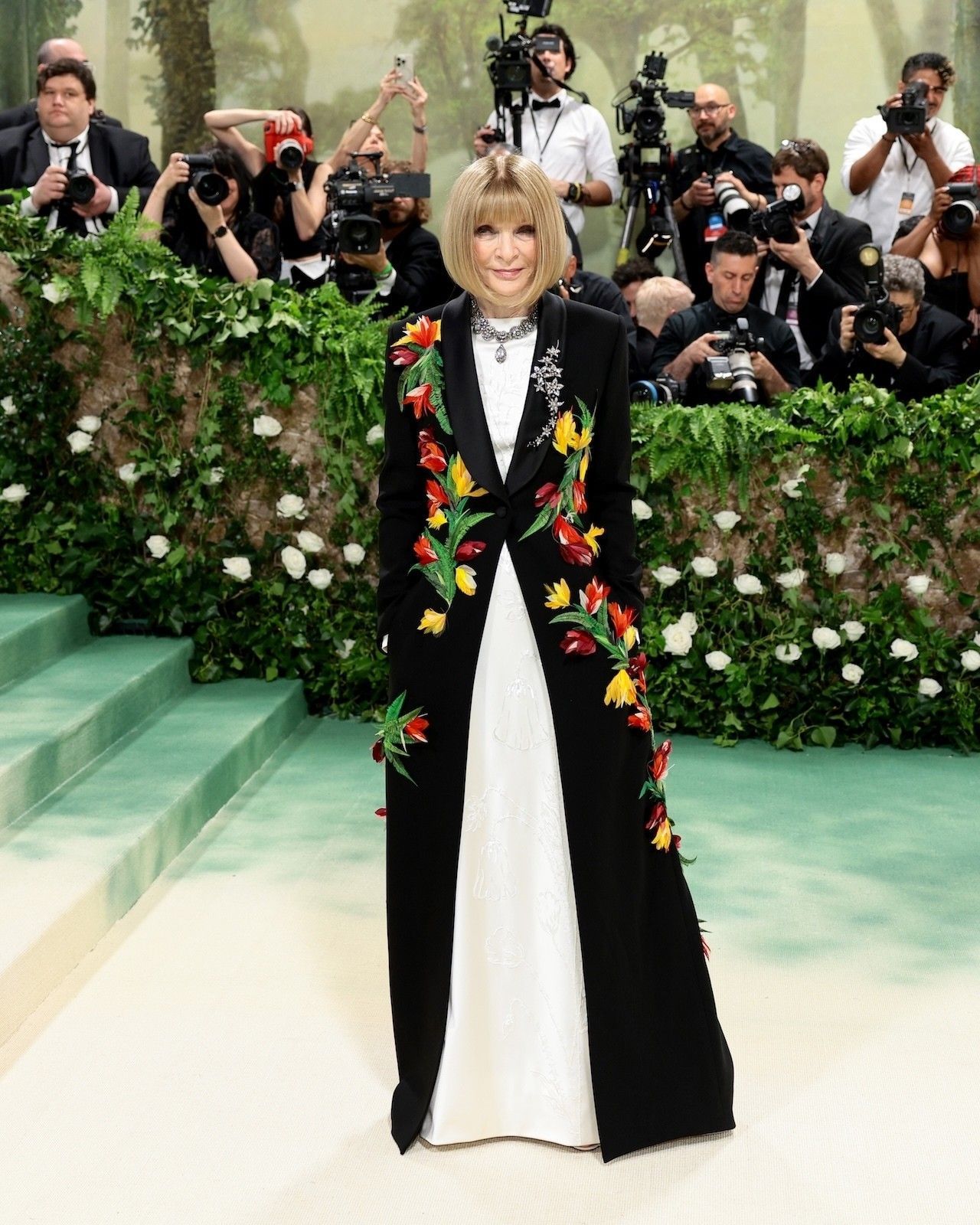
The theme for the 2026 Met Gala has been announced It will be called “Fashion is Art” and aims to showcase fashion as an official art form
It was announced yesterday the dress code for the upcoming Met Gala which will take place next May 4th. It’s a simple phrase that reads “Fashion is Art”, which connects to the theme of the MET exhibition announced last November that was "Costume Art”. The exhibition will open to the public next May 10th and, beyond celebrating fashion as an art form, will also mark the official inauguration of the Condé M. Nast Galleries, an exhibition space of nearly 1,115 square meters adjacent to the museum’s Great Hall. The new space will indeed be the one hosting the exhibition.
The co-chairs of the Met Gala 2026 will be, in addition to Anna Wintour, also Beyoncé, Nicole Kidman and Venus Williams, while the Gala Host Committee chaired by Anthony Vaccarello and Zoë Kravitz will include a series of already confirmed guests such as Sabrina Carpenter, Doja Cat, Gwendoline Christie, Alex Consani, Elizabeth Debicki, Lena Dunham, Paloma Elsesser, LISA, Chloe Malle, Sam Smith, Teyana Taylor, Adut Akech and Angela Bassett.
Funded by Jeff Bezos and his spouse, who will serve as honorary chairs of the Met Gala, with additional contributions from Saint Laurent and Condé Nast itself, the exhibition represents a strategic investment to emancipate the Costume Institute from its role as a mere appendage of the Metropolitan Museum of Art. The event, together with the inauguration of the new wing, aims to “elevate” the very concept of fashion to the same level as the rest of the museum’s art. It is naturally assumed that the entire operation will also boost Condé Nast and the personal brand of the Bezos couple, while reaffirming the cultural value of fashion in a year when almost everyone has stopped buying it.
What does the theme of the new Met Gala mean?
The theme of "Costume Art" aims to delve into the theme of the "dressed body" in art from all eras and origins present in the Met's collection. Curator Michel Bolton wanted to explore how the human body and the clothes that cover it, qualifying it, represent the common thread across the various artistic disciplines and eras of human civilization on display at the Met.
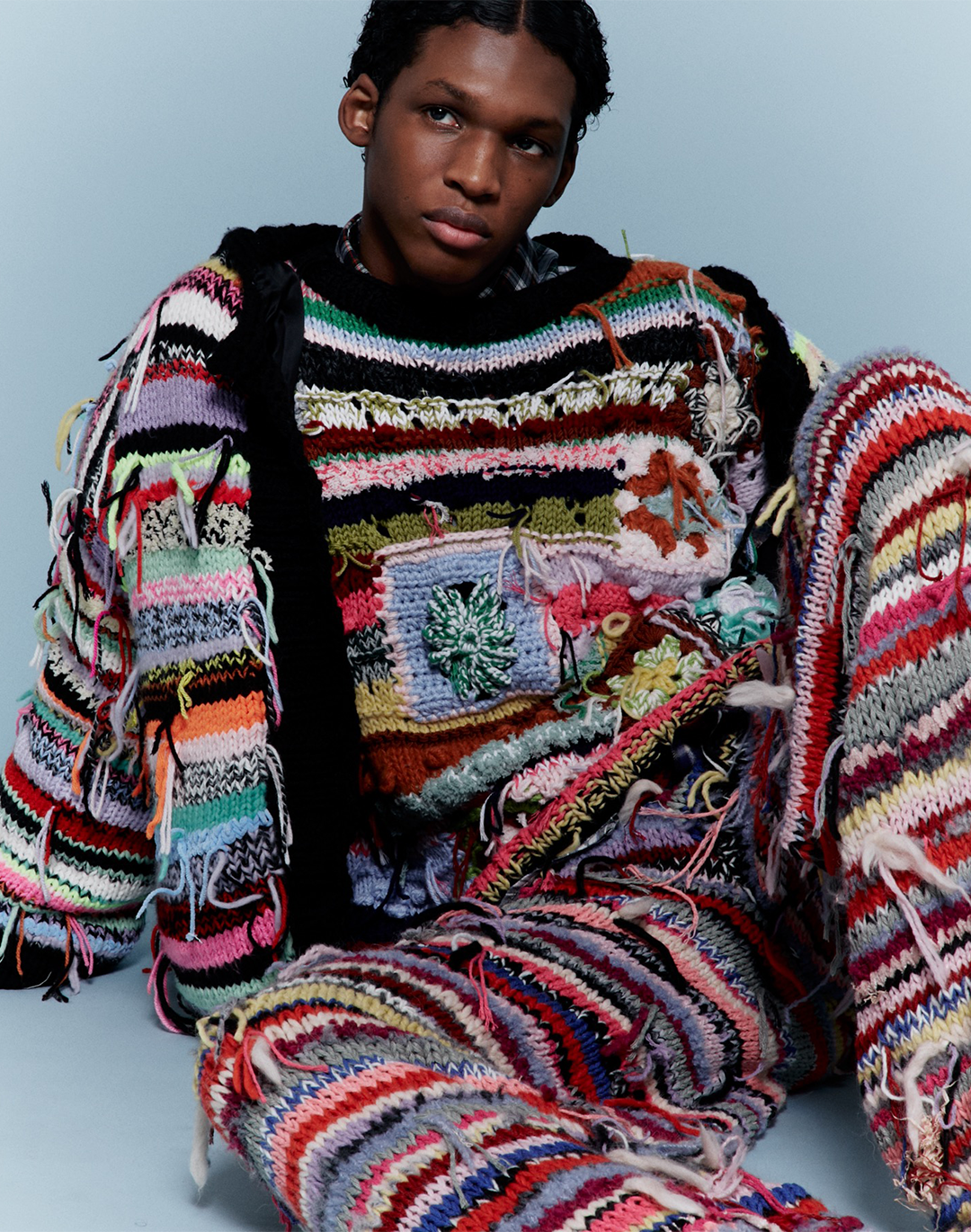
So if the exhibition proceeds by pairing archival and contemporary looks with artworks from all eras, we can expect, for the Met Gala, both historical-flavored costumes (and here Jonathan Anderson's new Dior would be spot on) and more conceptual pieces that transfigure the body in a metareflective sense: among the examples mentioned in Vogue's announcement, for instance, there are pieces from the Comme des Garçons' Lumps & Bumps collection and a jumpsuit by Walter Van Beirendonck that reproduces, stylized, the drawing of a naked human body.
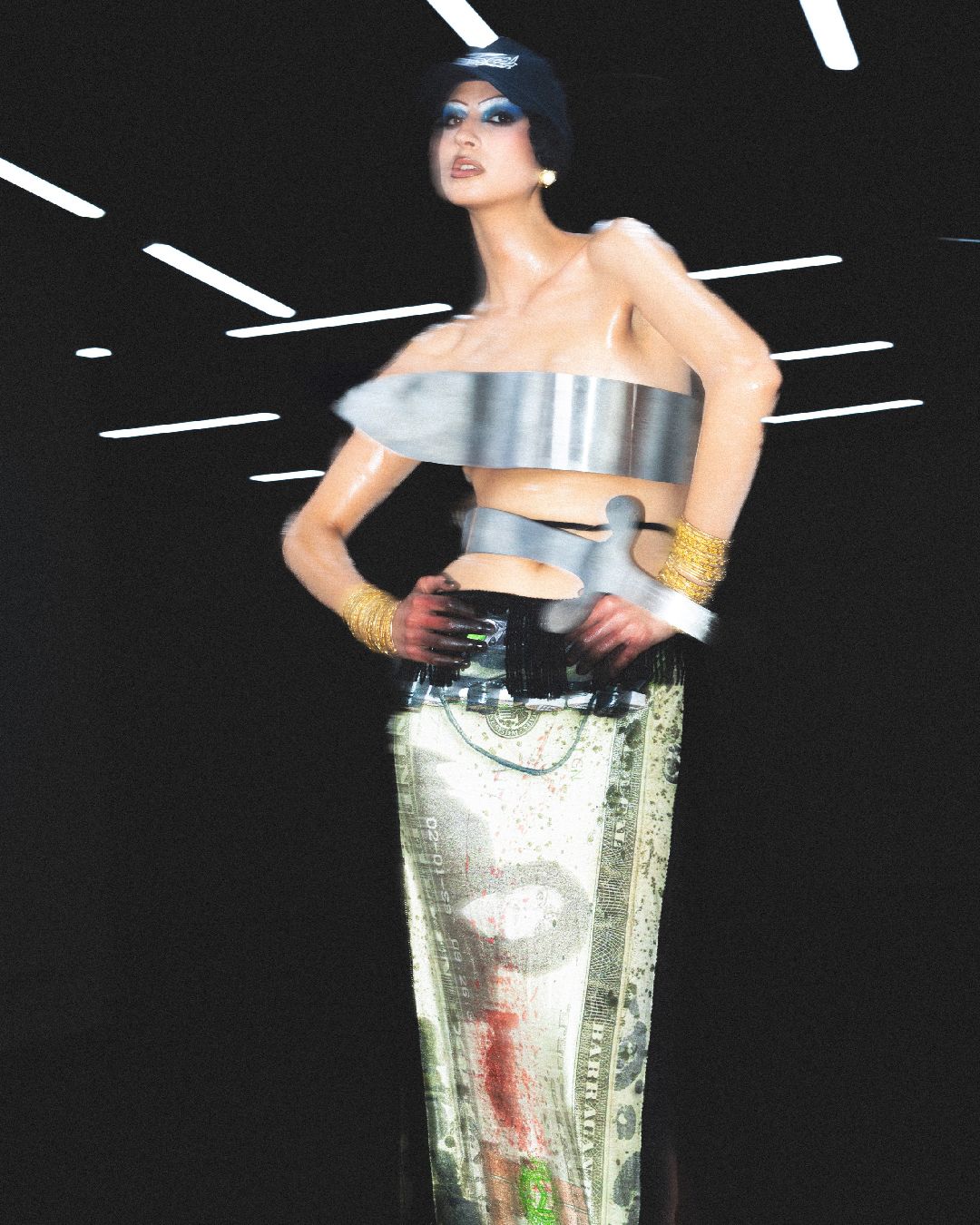
We obviously bet right now that the infamous "nude" jumpsuit by Duran Lantink for Gaultier will make its controversial debut on the red carpet. The fact that Saint Laurent will fund the exhibition also makes us suppose that we will see pieces from the Mondrian collection that Yves Saint Laurent created in 1965, the FW66 collection that instead referenced Pop Art, the 1981 Blouse Romaine inspired by Matisse, the 1988 jackets that reproduce Van Gogh, and the jacket from the 1979 collection inspired by Pablo Picasso's Portrait of Nusch Éluard.
However, a very interesting concept is that here we want to overcome the emphasis that, in previous exhibitions, was given to fashion as an object separate from the body that wears it, taken on its own. Here, instead, we want to delve into the indivisibility between the body and clothes, between identity and the clothes that define it. For Bolton, so far, fashion has been considered art as a negation of the body (that is, evaluating the garment almost as a wearable sculpture, separate from the context) while now we want to tell it as the medium through which we construct our identity in society.
What novelties will there be for the Met?
Btw, guess who is sponsoring the next big Costume Institute show and Met gala? Jeff Bezos and Lauren Sanchez Bezos. https://t.co/y0M3FACq4m
— Vanessa Friedman (@VVFriedman) November 17, 2025
The exhibition, as mentioned, aims to redefine the role of fashion with respect to commonly understood art and it will do so in a new wing of the museum, namely the Condé M. Nast Galleries. The new spaces have been designed by the New York architecture studio Peterson Rich Office and will feature the classic mannequins elevated on high pedestals inside which there will be the artworks with which they are thematically connected.
The artist Samar Hejazi has created mirrored heads for the mannequins with an idea easy to intuit: the viewer "brings" his face to become that of the mannequin. A metaphor for the identification that we want to create between visitors and the exhibition to avoid the dress being simply "hung" without clear references to the human body that wants to wear it. The mannequins, finally, will be casts of real bodies to further avoid abstracting the idea of the human body. The exhibition itself should then be extended to other galleries, leading to a sort of osmosis between the various artistic disciplines.
Takeaways
- The theme of the next Met Gala 2026, to be held on May 4, will be “Fashion is Art.” The co-chairs of the evening will be Anna Wintour along with Beyoncé, Venus Williams, and Nicole Kidman. The Gala Host Committee will be chaired by Anthony Vaccarello and Zoë Kravitz.
- The "Costume Art" exhibition at the Metropolitan Museum of Art revolutionizes the Costume Institute by inaugurating the Condé Nast Galleries, funded by Jeff Bezos, Saint Laurent, and Condé Nast, and elevating fashion to a form of art on par with the museum's other disciplines.
- The central theme explores the indivisibility between body and clothing, overcoming the traditional separation that has relegated fashion to a detached aesthetic object, to instead celebrate lived identity and empathy through inclusive exhibitions of bodies of all ages and shapes.
- For the Met Gala on May 4, 2026, historical looks and conceptual pieces are expected that will transform the red carpet into a metareflective dialogue between ancient art and contemporary innovation.