





































Why BasicNet's acquisition of Woolrich is important The Italian group has acquired what is perhaps its most important brand to date.
In the panorama of Italian fashion business, there are certainly no shortage of large and historic groups. But beyond the empire of luxury giants, it is very important that a relatively young entity like BasicNet (the Turin group is "only" 30 years old) is gaining more and more ground in that territory definable as “middle market” that more and more brands are abandoning and that is becoming the new, important market segment to seize.
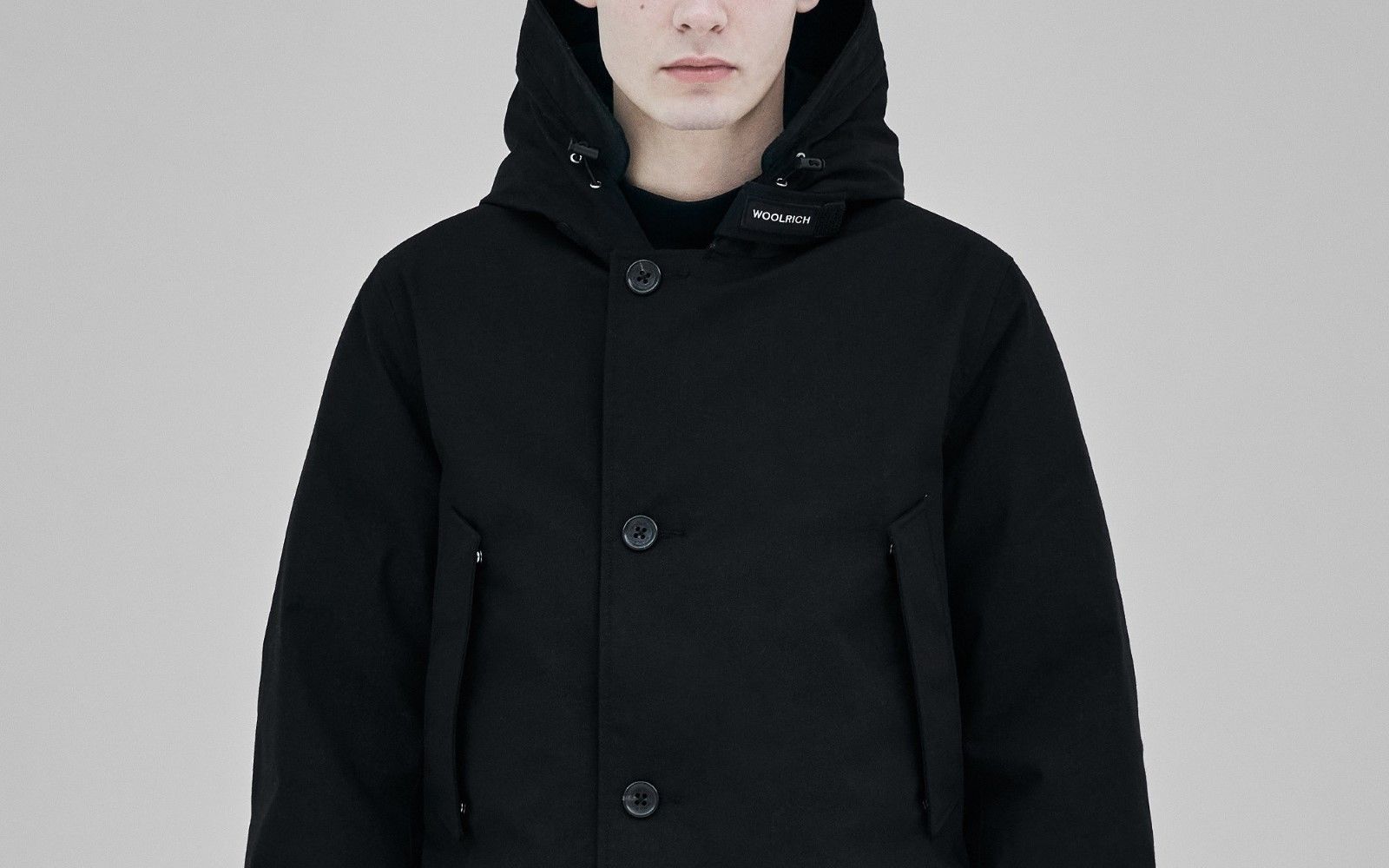
The confirmation of this expansion came today with the news of the acquisition of Woolrich, an over-a-century-old American brand that in recent years has worked very well on its positioning in increasingly premium areas of the market. A process that, once the operation is completed, could make Woolrich a much larger entity than it already is.
Why the Acquisition of Woolrich Makes Sense
First of all, the acquisition of Woolrich makes sense in BasicNet's portfolio, which over the years has collected a series of brands that are together historic, youthful and incredibly popular. There is the duo Kappa and Robe di Kappa, there are the commercial giants K-Way and Sebago, whose brand equity is simply absurd; and then also Superga and Briko.
It should however be specified that the operation involves the transfer of European control of the brand from the investment fund L-Gam, an investment fund born in 2013 with the support of the Liechtenstein Royal Family and families from Europe, Asia and the United States, to BasicNet which will now have to collaborate on strengthening Woolrich together with Baoxiniao Holdings, the Chinese group that holds the rights to the rest of the world.
For Woolrich, the advantage will be to be able to leverage BasicNet's resources, which include a vast platform in which factories and production capacities of various levels are integrated, the obvious development strategies but above all a huge retail and distribution network perfectly rooted in Europe, where the influence of the new management will be felt most directly.
It is clear however that the objective is also to expand into the Chinese market, which would be the homeland of the holding that holds the worldwide rights to the brand. And without any doubt another fundamental objective is the American market, where until 2023 there were only three stores (two in New York and one in the brand's hometown which is also called Woolrich) but now the site’s store locator doesn’t show even one.
The Story of Woolrich and Its Owners
@jeanclaudempassy Browsing through the @Woolrich SS25 collection with creative director @Todd Snyder #Woolrich #MFW #ToddSnyder #Menswear #MensFashion #TikTokFashiok #MilanFashionWeek #CollectionWalkThrough Originalton - newkissontheblog
It is essential that the American brand has found a more stable “home” because in the last decade the original brand has changed ownership a couple of times, maintaining its appeal (after all, we are talking about a brand born in 1830 that already supplied equipment for the American Civil War) but running the risk that its rich heritage ended up in the hands of one of those catch-all funds where different businesses mix without real coherence.
The beginnings were actually good. The brand remained for just under two centuries in the hands of eight generations of the same family. In 2016, the European licensees, namely WP Lavori in Corso, acquired 80% of the original brand creating a new company, Woolrich International, which also included the original American part of the company and the Japanese brand Goldwin.
Two years later, however, the company closed the last historic factory it had in the USA (for years the brand had made efforts to bring production back home) and full control passed to the Luxembourg fund L-Gam, under which the brand developed a lot in Europe, where it has practically all its stores while only three are found in Japan.
The latest development dates back to last June when the Chinese fund Baoxiniao, which among its various properties also has our Camicissima, acquired the intellectual rights for all extra-European territories. Now it can be said that the music will change: beyond its history, Woolrich today represents a reference brand for the mid-to-high segment of the European market and has the potential to regain its classic status worldwide.
Now Let's Talk About Money
The Great American Woolrich Company
— Pat (@Makistan1776) October 21, 2025
They are known for finely crafted outdoor products, particularly highlighted . These are fine adverts here, Woolrich is based in Pennsylvania! pic.twitter.com/z7T3RTA1oT
When talking about an acquisition, one cannot make a blanket statement. There are healthy and encouraging acquisitions and others that are risky and reckless. That of Woolrich belongs to the first type. This year the brand should record revenues of 90 million euros, which is also the enterprise value of the operation: and considering that the acquisition will be made for 40 million, BasicNet has resolved everything at a fairly convenient price that gives the new owners an excellent margin for relaunch. And all with a historic brand, which has strong appeal and recognition with consumers.
According to Fashion Network, the Italian group will finance the operation through credit lines even though, in theory, it already has the necessary liquidity for the acquisition. This too is an excellent signal because it means that BasicNet will not have to (excuse the term) take a step longer than the leg to invest further in the brand. The group, in short, is making this acquisition without bleeding itself dry. An interesting fact considering how often certain acquisitions indebt the new owner.
For BasicNet, whose sales have grown by 7.3% in the first nine months of the year, the operation not only expands the portfolio towards premium outdoor, but strengthens the presence in Europe with thirty new stores. According to estimates, the synergy with Baoxiniao could make Woolrich a key player in Asian markets where it is currently absent, while the European relaunch could grow the brand's revenues by 20% or 30% over the next three years. And at that point we are certain that BasicNet will move on to the next lucrative acquisition.
Takeaways
- BasicNet, the Turin-based group of Kappa and Superga, has acquired the European rights to Woolrich for 90 million euros and has integrated an American outdoor icon born in 1830 into its middle market portfolio.
- The operation, scheduled to close in December 2025, has leveraged BasicNet's European distribution network to relaunch Woolrich and has foreseen a synergy with Baoxiniao for expansion in Asia and the USA.
- With an enterprise value equal to the estimated revenue of 90 million, the deal has been very convenient for BasicNet and suggests that there will be high margins for investments in retail and growth.
- In the first nine months of 2025, BasicNet has recorded aggregate sales up by 7.3% and has confirmed the financial solidity for this strategic move towards premium outdoor.