


























The C2C Festival 2025 was a triumph This year's edition saw record attendance
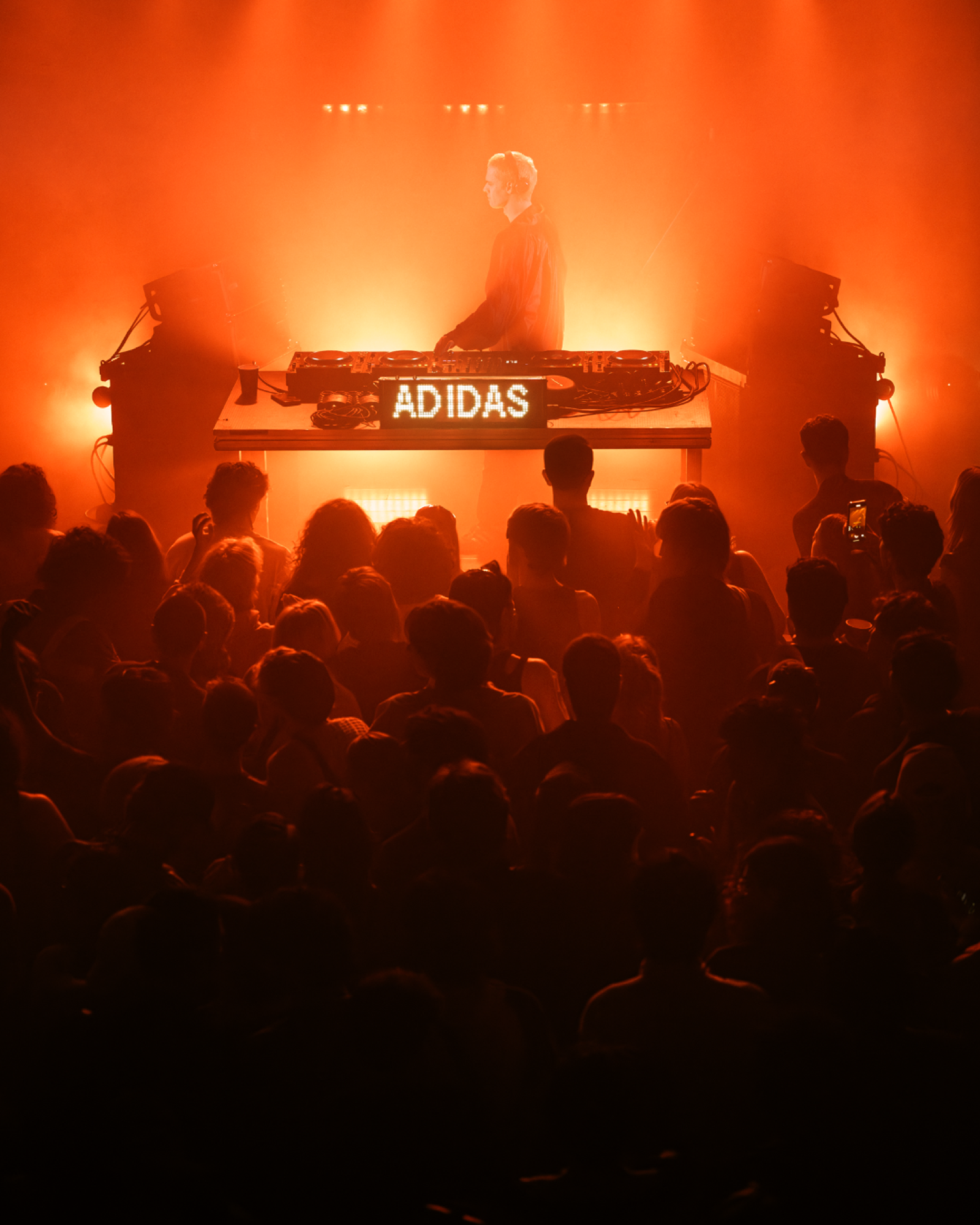
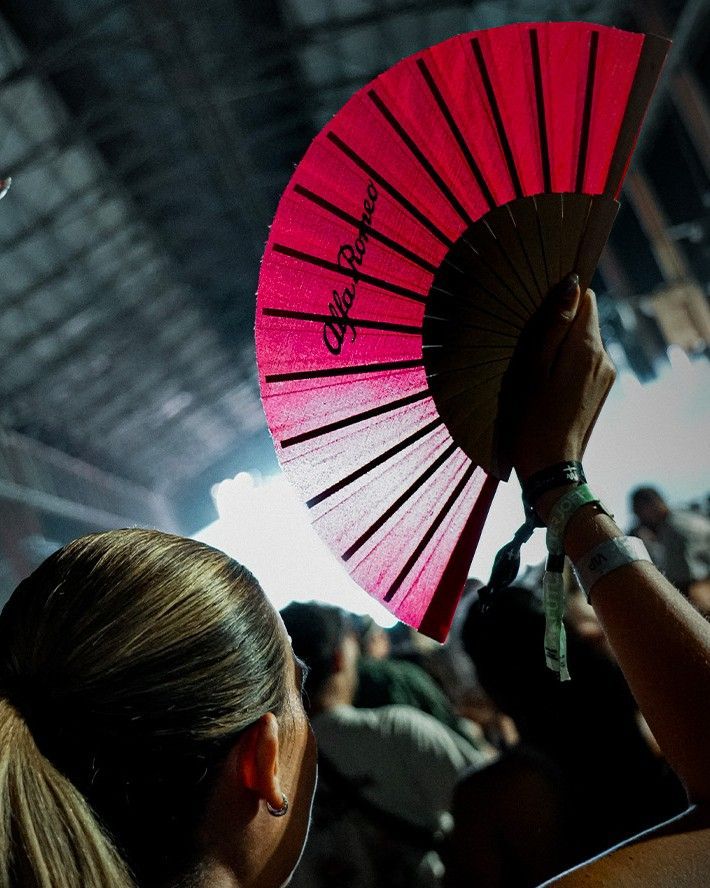
After dominating social media in recent days, the C2C Festival has closed the doors of its twenty-third edition with a success that exceeds all expectations. During the long Art Week bridge from October 30 to November 2, the event recorded its fourth consecutive sold-out, attracting as many as 42,000 spectators (an increase from the 41,000 of the previous year) and marking a new record with 40% of visitors from abroad. This is not just a music festival: it is a contemporary epic that weaves live performances, intellectual debates, and immersive installations, consolidating Torino's role as the European capital of sonic experimentation.
The event invaded the city with an extended program over four intense days, hosted in iconic locations that transform industrial and historical spaces into temples of contemporary music. At the heart of the action, Lingotto Fiere and OGR Torino pulsed like mechanical hearts, welcoming concerts and showcases ranging from post-punk electronica to avant-garde fusions. No less impressive was the Teatro Regio, which hosted the daytime sessions of C2C Talks: conversations among artists, curators, and thinkers exploring themes such as the impact of technology on creativity and the future of live entertainment.
@nssmagazine Ecco2k performing live on the main stage at @C2C Festival in Turin #ecco2k #turin #c2cfestival #torino #live suono originale - nss magazine
A novelty that thrilled the audience was the extension of C2C HQ at Combo, with an additional day compared to past editions, offering interactive workshops and open jam sessions. Finally, the fascinating Le Roi ballroom, located at via Stradella 8, hosted the Young Showcase x C2C Festival, a showcase dedicated to emerging talents that set nights ablaze with bold and unexpected sets. For the third year in a row, the C2C Kids! project opened doors to the younger generations at Fonderie Limone, anticipating the main event with playful activities and music labs designed for the little ones, instilling the seed of passion for sonic art from the very start.
In total, 68 artists from 21 different countries brought to life 65 shows, 21 of which were Italian premieres and 7 absolute world debuts. These performances were distributed across six exceptional venues, creating a sonic mosaic that ranges from glitch minimalism to orchestral maximalism, passing through global influences that reflect the diversity of today's independent scene. Artists such as pioneers of Scandinavian electronica, soul voices from West Africa, and Berlin producers shared the stage, confirming C2C as one of the unmissable appointments on the international circuit, alongside events like Barcelona's Sonar or Montreal's Mutek.
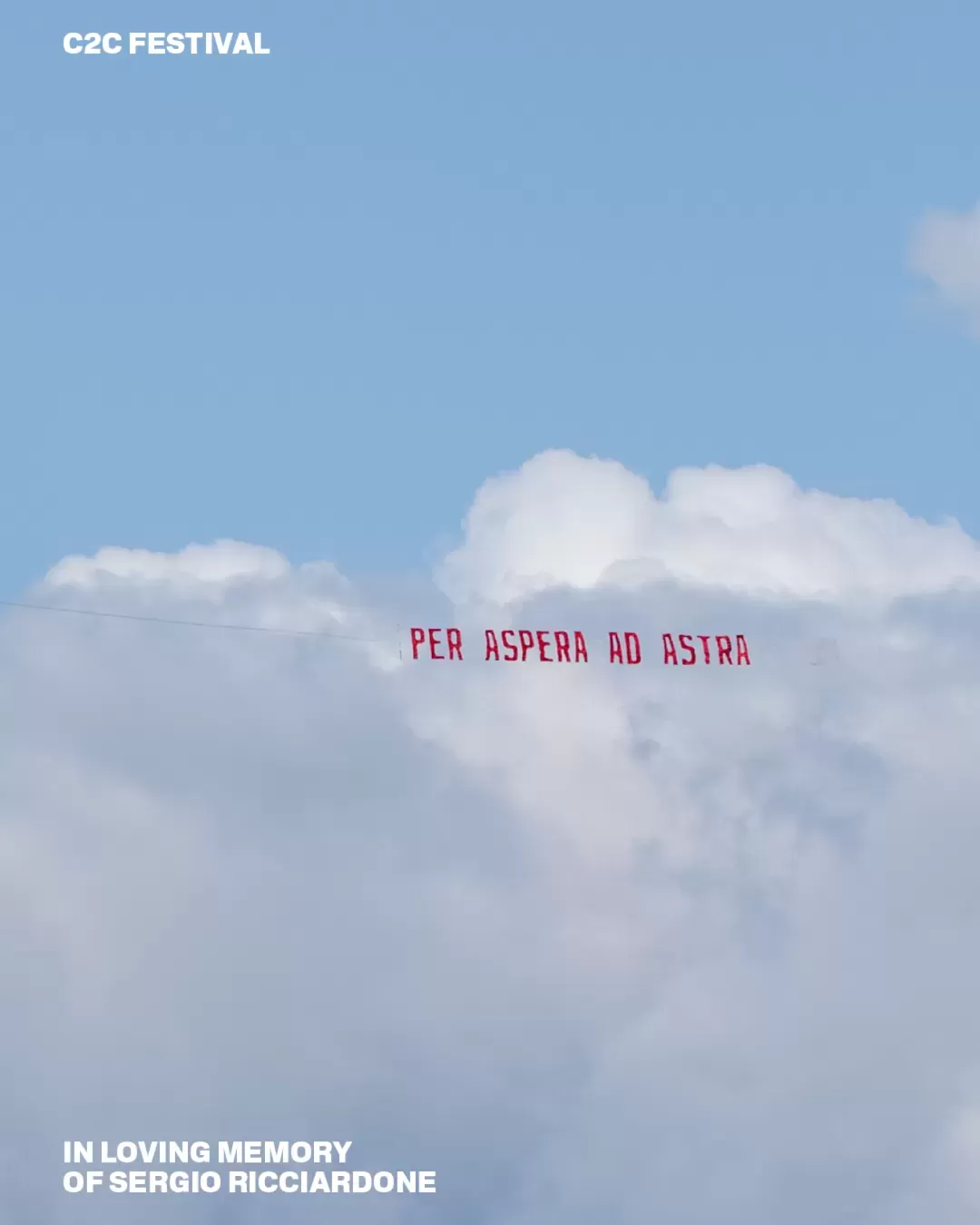
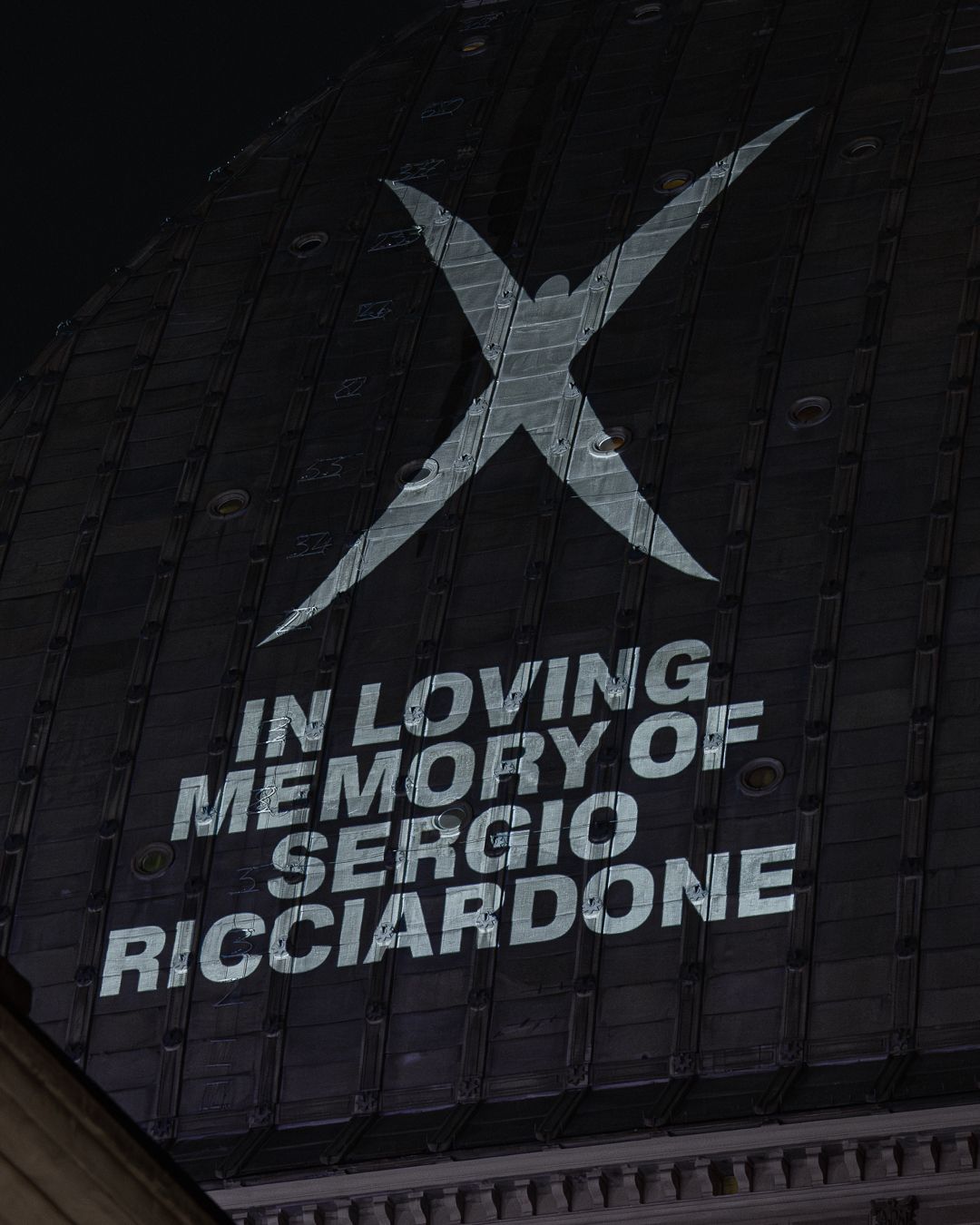
This year, however, the festival carried a veil of melancholy. It was the first edition without Sergio Ricciardone, the visionary founder who passed away in recent months and had shaped C2C since its debut in 2003. In a context marked by grief and uncertainties, the organization demonstrated extraordinary resilience, transforming pain into a living and pulsating tribute. "This edition represents the culmination of one of the hardest periods we have ever faced", declared Guido Savini, the festival's artistic director. "Without Sergio, we had to navigate stormy waters, but with the support of the entire community, we managed to keep the event's essence intact. Today it is clear that C2C is not just a festival: it is a precious asset for Torino and Piedmont, an Italian excellence that shines at the European and global level. We will protect it and make it evolve, honoring what Sergio loved most: the ability to generate wonder and amazement".
Savini's words resonate like a manifesto for the future, emphasizing how the event is rooted in the local fabric but with a cosmopolitan gaze. The numbers speak for themselves: the increase in attendance and the record international quota testify to an appeal that transcends borders, attracting fans from all over Europe and beyond. What made this edition even more memorable was the inclusion of innovative initiatives, such as TMLAB – Transnational Music Lab, a three-year program funded by the European Union. This international cooperation project aims to launch careers of under-30 artists, promoting cultural exchanges and transnational mobility through residencies, mentorships, and shared performances. Thanks to TMLAB, several European talents debuted on the C2C stage, opening dialogues between often isolated music scenes.