





































Technical institutes are key to save Made in Italy Education, employment, and industry: the forgotten issue in Italian fashion
The hope for Italian manufacturing does not lie in the statements of the Ministry, but in the craftsmanship that turns know-how into civic pride. This is the mission of ITS TAM in Biella, which trains technicians for the textile and knitwear industry through free courses funded by European programs, bridging an increasingly evident gap between supply and demand for qualified labor. From investigations into subcontracting to TikTok videos showing abuse of workers in the Prato district, we’ve witnessed cases that went viral. But there is hope. The problem is complex, but two main aspects help to frame it better.
The first is historical: the “Made in Italy” as a concept was born as an American invention to relaunch our country as a brand. It worked for thirty years, until, between the mid and late 1990s, joint ventures, agreements between Italian companies and foreign firms, started appearing. For entrepreneurs, they meant enormous profits, but for their heirs, an uncertain future. Entire districts and their best workers were sent for years to Asia and other low-cost labor countries to transfer skills, quality standards, and even machinery. From there, production began to shift increasingly abroad: lower costs but the loss of ancient know-how, with “Made in Italy” gradually losing its substance.
The second is cultural: the detachment of younger generations from factory roles. The creative myth has separated those who design from those who produce, creating a deep gap between artisans and designers. The distorted narrative about manufacturing companies, often located in provincial areas and imagined as gray, sad factories, has pushed many young people toward private fashion universities, focusing on image work with consequences even in the industrial field, often through abstract courses disconnected from the reality of an already fatigued creative job market. This has made us forget that what is “Made in Italy” truly begins when textile companies engage in close dialogue with Italian creatives.
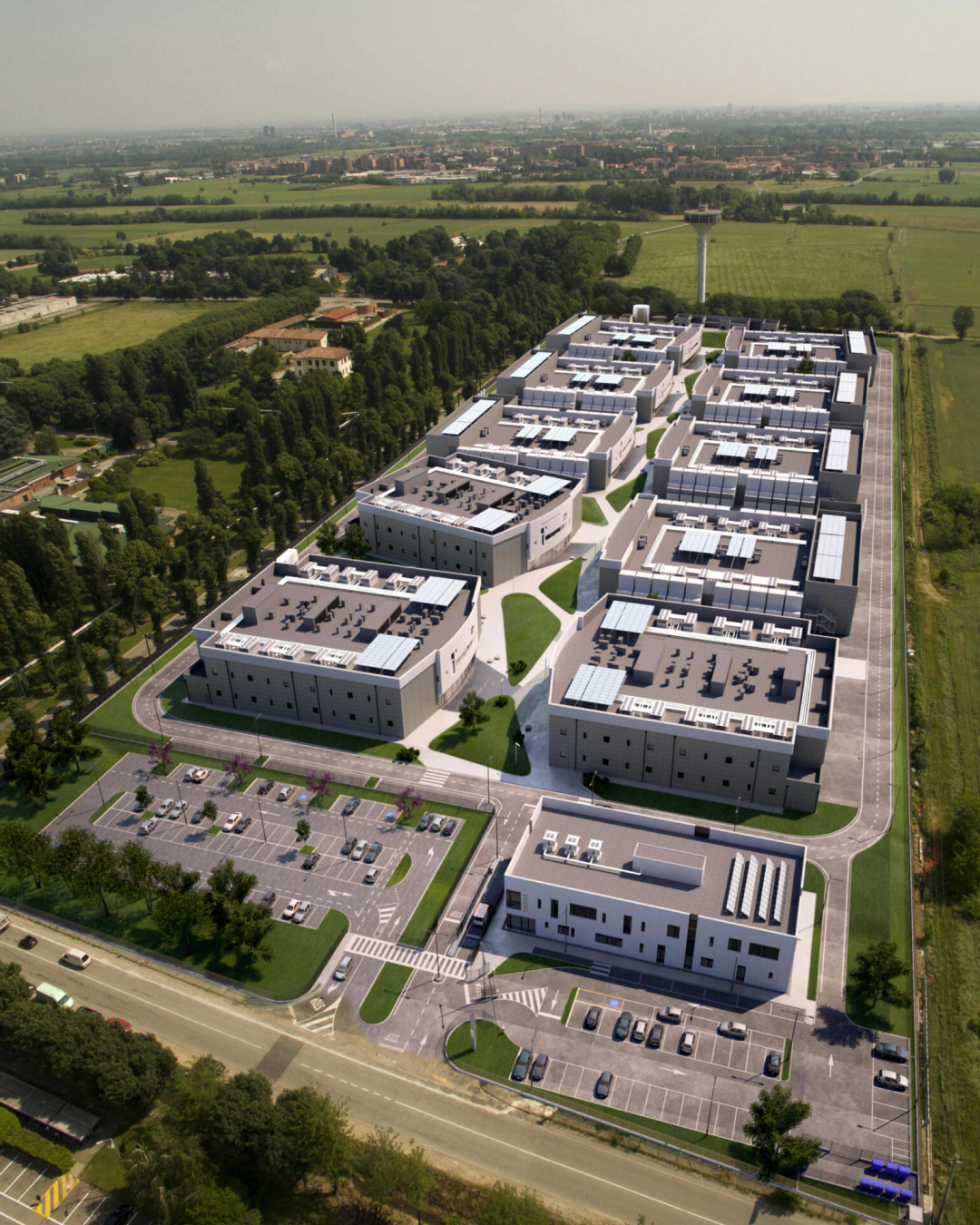
Yet not all Italian districts have failed. Some, like the textile district of Biella, attract every year people from all over the world who want to learn about textiles, the industrial processes behind them, and business management models. This region, like all Italian industrial districts, combines nature and labor. Giants such as Ermenegildo Zegna, Piacenza, and many other wool mills that still produce some of the world’s finest wool fabrics have their roots here. But not only that, this area has also produced figures who became legends of the true Made in Italy.
@elata1923 Alzi la mano chi produce 100% in Italia! Da 100 anni pensiamo, prototipiamo e realizziamo le tue paia di scarpe in Salento. I fornitori che selezioniamo sono italiani e l’energia impiegata nelle fasi di produzione dai macchinari è 100% energia solare. Realizziamo scarpe in pelle di qualità e che durano nel tempo. Sono scelte d’amore che compiamo per te, per noi e per il pianeta #elata #pov #tiktokitalia #fyp #perte #virale #madeinitaly #modasostenibile #suistainablefashion #slowfashion #artigianatoitaliano #fashionrevolution #calzatureitaliane #modaresponsabile #tracciabilità #cosechenonsai #dietrolequinte #orgoglioitaliano original sound - Am & Noey
One above all, Nino Cerruti, who at twenty inherited the Lanificio F.lli Cerruti, which only returned to Italian ownership in 2022, as reported by Il Sole 24 Ore. Mr. Nino, and others like him, proved that one can influence the entire world starting from the Piedmontese mountains, from places that seem designed only to look inward. It’s a lesson that Italian technical institutes are embracing, with excellent results, especially in regions with strong industrial districts. Today, manufacturing companies are looking for young people ready to get back in the game. On one hand, companies must modernize; on the other, without new generations, they risk disappearing. Veneto, Piedmont, Lombardy, Emilia, Puglia, Umbria, Campania, and Marche remain the key hubs, regions that have been envied worldwide for decades.
Paola Fini, a lecturer in project management, financial education, and marketing at TAM Biella, highlights how crucial it is to also address economic issues. Young people’s interest is high. For her, manufacturing cannot stop at craftsmanship; it must also include the ability to understand the economic and organizational processes that sustain it. Only in this way will future professionals be able to navigate a sector that requires not only skilled hands but also minds capable of managing resources and responsibilities.
ragazzi non fate un liceo, fate un istituto tecnico, con un diploma di liceo ti ci pulisci il culo e l’università la puoi fare anche con un diploma di istituto tecnico
— federico (@loustian) September 21, 2021
Sharing this vision is Mirco Giansetti, TAM collaborator and CEO of T.C.P. Engineering, who points out an important figure: by 2035, the European textile industry will need over 600,000 new professionals, many with skills in sustainability, digitalization, and process management. The problem is that today, too few young people choose technical and professional paths, risking to leave many positions unfilled. It’s an imbalance that could become critical for the future of Made in Italy.
For Giansetti, the role of ITS is to reignite interest in these professions, showing students what lies behind each garment, from the study of new fibers to sustainable chemistry, from quality control to production process management. There is, however, a positive sign: in recent years, thanks to orientation projects and the growing focus on sustainability, there has been a renewed interest in technical disciplines.