











What does Bape's new collaboration with Stray Kids tell us about fashion? Are k-pop fandoms really the solution to the sales crisis?
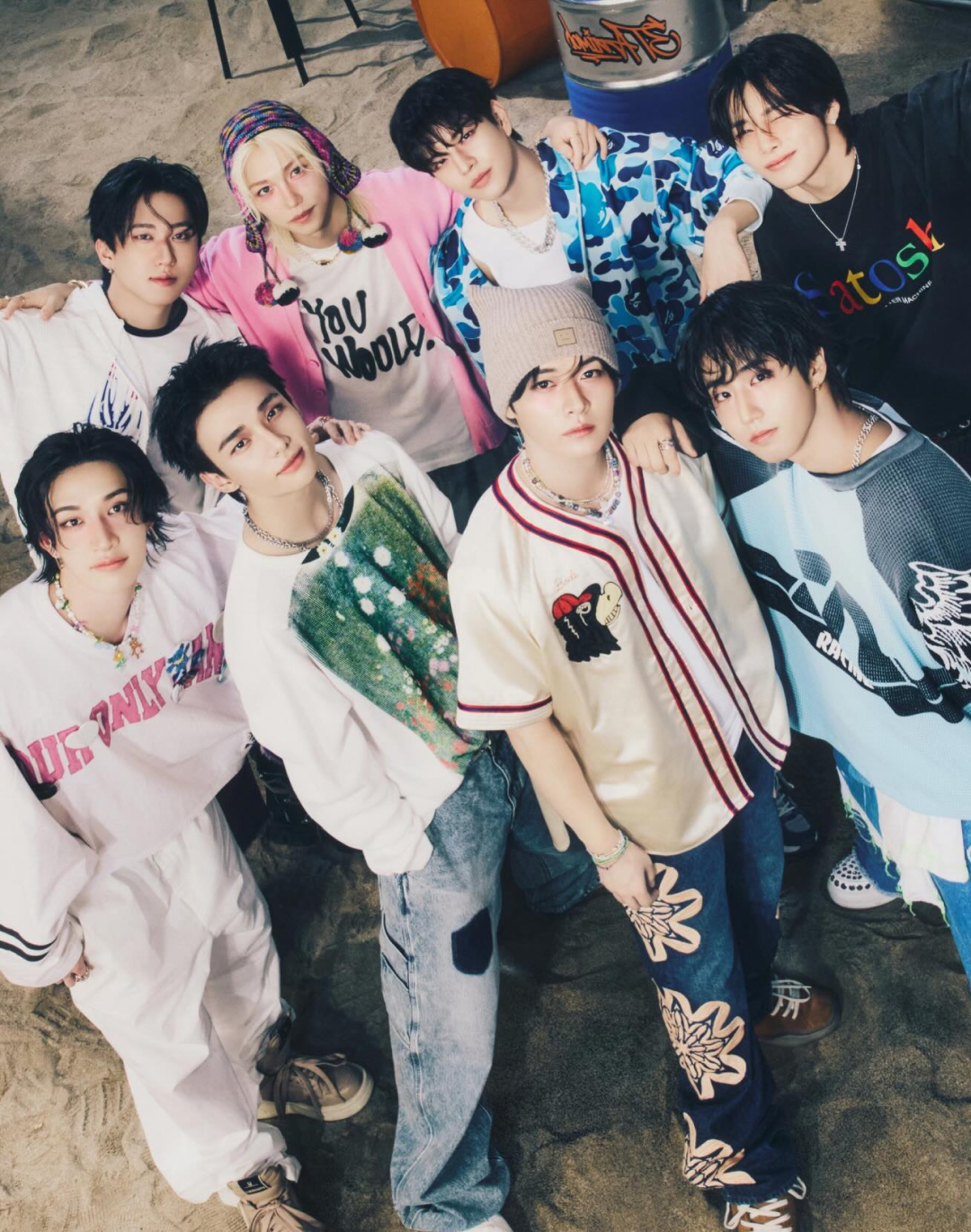
This morning, BAPE, the legendary Japanese streetwear brand, announced a new collaboration with the K-pop group Stray Kids through its official channels. From the teaser post shared online, it seems that the SKZOO, the plush characters representing the group’s eight members, have received a makeover in the style of BABY MILO, the brand’s iconic mascot. Details have yet to be revealed, but the description suggests this won’t be a simple merch drop. Instead, it points to an exclusive collection. Within just a few hours, the announcement had surpassed one thousand comments and over ten thousand reshares on Instagram, confirming how the mere association between a brand and a K-pop group can now generate an engagement level that few campaigns can match.
The news reignites a question that in recent years has become almost inevitable: what is the fashion system today without the support of the Korean entertainment industry? In an era where Asian pop culture has reshaped global imagination, K-pop has evolved into a strategic asset for fashion houses. It’s no longer just about associating a face with a brand or measuring returns through MIV and EMV, but about entering the emotional and collective dynamics of fandoms — ecosystems capable of shifting perceptions, trends, and even revenues. At a time when the luxury market is slowing down and premium sales are dropping by double digits, K-pop has become both a cultural and commercial anchor, a universal language allowing brands to stay relevant to Gen Z and the new Asian markets. Could this be the beginning of a new era in the symbiosis between K-pop and fashion?
The history between BAPE and K-pop
BAPE has long been one of the brands most accustomed to collaboration within the fashion system, able to connect languages and cultures with a fluidity that has made Japanese streetwear a constant presence in the global scene. In early 2025, the brand had already explored its first direct link with the Korean entertainment industry by creating custom looks for NewJeans, marking the first time BAPE organically entered the K-pop universe.
But to understand why this new collaboration with Stray Kids is more than just a marketing move, it’s worth looking at the brand’s recent trajectory. As reported by Business of Fashion, BAPE is currently undergoing a phase of structural and creative renewal, a resurgence of energy that coincides with its first-ever Paris Fashion Week runway show for the FW25 season, presented in collaboration with Colm Dillane, founder of KidSuper.
In recent months, the brand has multiplied its initiatives to strengthen its international presence: earlier this year, it launched a global partnership with Spotify, expanded its retail presence across the United States, and appointed Mahmoud El Salahy as its new CEO — a key figure in shaping its next phase of brand positioning. Speaking to BoF, El Salahy said the goal is to close the fiscal year in a “very positive position” compared to the rest of the market, highlighting the brand’s resilience in the Asia-Pacific region, with strong performance in Japan and unexpected stability in China despite the slowdown of the luxury sector in the region.
It’s not the first time idols have worked with fashion brands
While it’s not yet clear whether the members of Stray Kids had a direct creative role in the BAPE collaboration, the project fits into an already established dynamic. Among the first to define this model was G-Dragon from BigBang, widely seen as the starting point of the relationship between fashion and K-pop. Through his brand PEACEMINUSONE, he had already collaborated with AMBUSH, Giuseppe Zanotti, and Nike back in 2016, bringing his personal vision into the luxury streetwear space. That same year, he became Chanel’s first Asian ambassador, marking the maison’s first real opening toward the Asian creative scene.
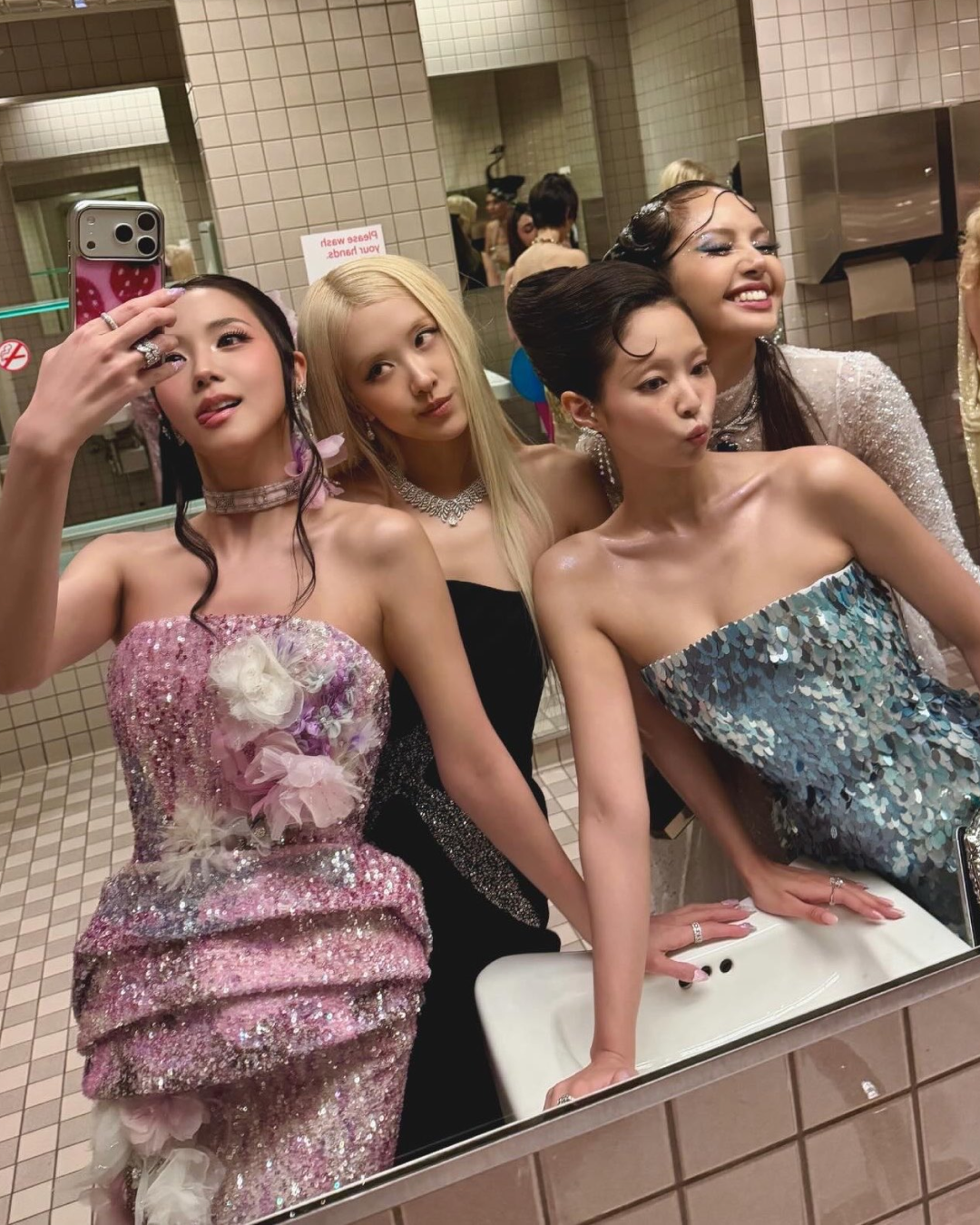
In the following years, Jennie from Blackpink solidified this type of relationship with Gentle Monster, the Korean eyewear brand with which she has created three projects: Jentle Home, Jentle Garden, and Jentle Salon (2020, 2022, 2024). More recently, Rosé, the group’s lead vocalist, launched a capsule collection with PUMA, for which she also serves as ambassador. The line includes a range of loungewear pieces and new versions of the Speedcat, but the collaboration’s success relied less on the product itself than on the public’s reaction. The video showing Rosé presenting her ideas to the brand’s creative team surpassed 1.3 million likes and 26 million views on TikTok, proving how attention today tends to focus more on the process than on the outcome.
The power of fandom
may the stray kids x bape collab please be like this pic.twitter.com/9NY7HsrvZd
— (@uhhanji) October 7, 2025
While the rise of fan culture has redefined the rules of marketing and visibility in the fashion industry, it also raises questions about how sustainable this form of virality truly is for brands. The case of BAPE and Stray Kids illustrates it well: just a few seconds of teasing are enough to generate thousands of interactions, mentions, and user-generated content that spread at a speed impossible to replicate through a traditional campaign. Today, the presence of an idol in a collaboration or at a runway show is enough to shift the center of conversation, making the brand a hot topic even among audiences who may never have purchased from it before.
All these elements show how BAPE is building a new kind of brand model, where commercial growth and cultural relevance go hand in hand. Collaborating with a group like Stray Kids, now ranked just behind BTS and Blackpink, isn’t simply a move to reach a younger audience: it positions BAPE alongside major luxury players such as Fendi, Louis Vuitton, Versace, Gucci, Bottega Veneta, Burberry, Damiani, Cartier, and Tommy Hilfiger, all of which have chosen members of the group as brand ambassadors.
The power of fandom, however, remains difficult to control. Its intensity makes the relationship between brands and audiences inherently fragile: interest can fade the moment an artist signs with another maison or the online conversation shifts elsewhere. For BAPE, the collaboration with Stray Kids represents both an opportunity and a testing ground. For now, all eyes are on what this highly anticipated collab will actually look like.