






































The Italian fashion supply chain law is getting closer By the end of the year, an official certification of Made in Italy should be in the works
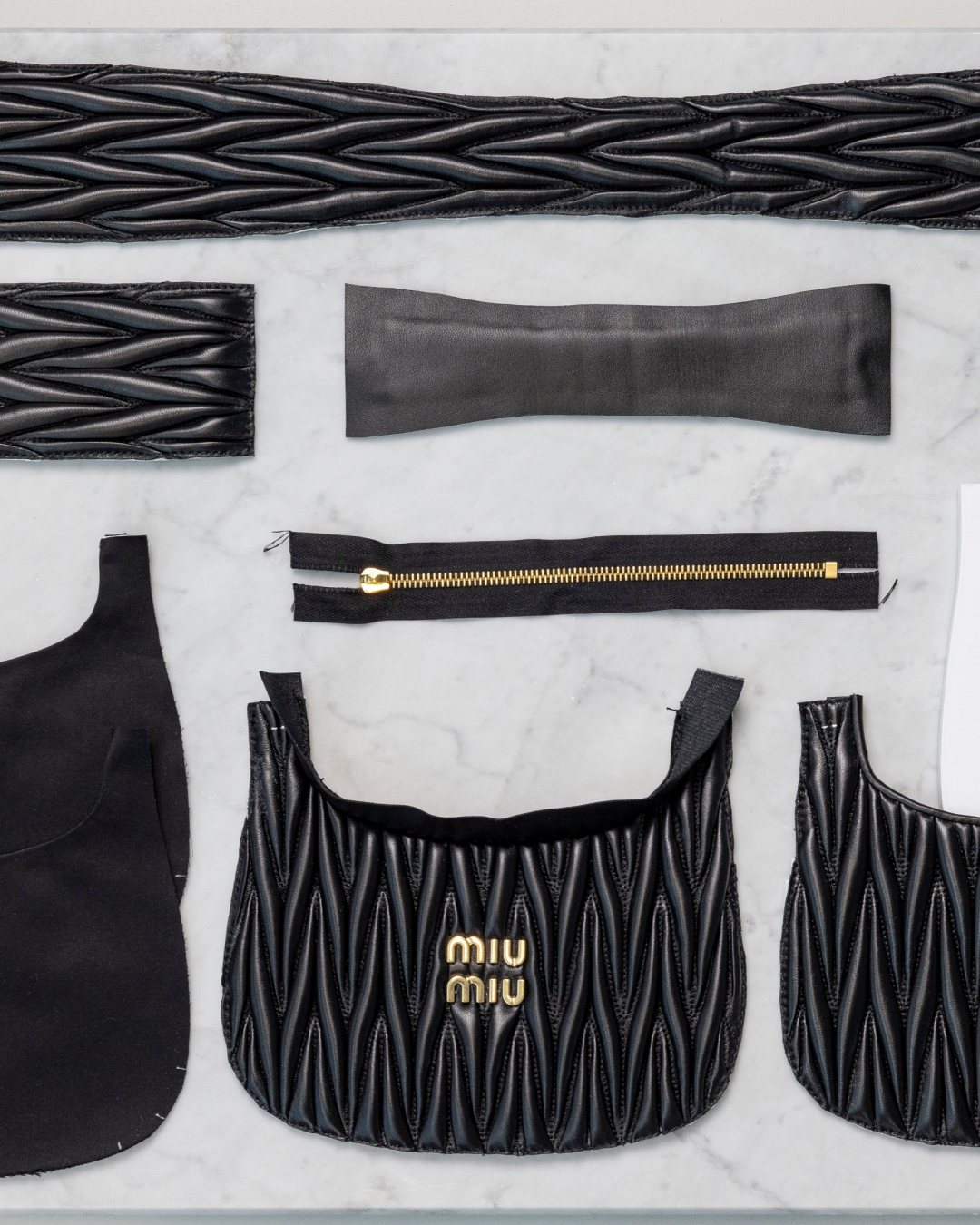
The Italian government has decided to intervene to strengthen the protection of Made in Italy through the introduction of an official certification of the fashion supply chain. According to MF Fashion, the Minister of Enterprises and Made in Italy, Adolfo Urso, explained that with specific amendments to the small and medium-sized enterprises bill, expected to be approved by the next budget session, measures will be introduced to strengthen the competitiveness and international reputation of Italian fashion. As highlighted by Corriere Nazionale, the most significant innovation is the introduction of a single certification system of conformity, a sort of annual “guarantee seal” subject to periodic checks through audits and inspections. A public register of certified companies will also be established at the Ministry of Enterprises and Made in Italy, with the possibility of revocation in case of violations or loss of requirements. «We have prepared measures that certify sustainability and legality, to counter those unlawful behaviors of a few that risk compromising the reputation of an entire sector,» said Urso at the end of July during the Fashion Table, emphasizing that the result is the outcome of collaboration with the main industry associations, including the National Chamber of Italian Fashion, Confindustria Moda, and Altagamma. Alongside the certification, the Destinazione Italia section of the measure also provides for actions aimed at attracting foreign investments and professionals, including tax incentives for foreign retirees, facilitations for international company managers, and new visa opportunities for those choosing Italy as a base to work remotely.
The measure comes at a time when the reputation of Made in Italy appears more fragile than ever. In recent months, or perhaps more accurately over the past year, the entire system has been shaken by criticism and scandals that have undermined the industry’s authority (and credibility). Talking about Made in Italy today no longer immediately evokes craftsmanship and quality, but rather a narrative of journalistic investigations, strikes, and accusations that have highlighted the contradictions of the supply chain. The investigations involving maisons such as Dior, Valentino, and Armani—accused of outsourcing part of their production under opaque conditions—together with worker protests in the textile districts of Tuscany and Emilia, have made increasingly clear the gap between myth and reality. Adding to this already delicate scenario are the numerous acquisition operations that, since the beginning of the year, have seen foreign maisons such as Chanel and LVMH take center stage. Moves that have further fueled doubts about how appropriate it still is to speak of “Italian identity” when referring to Made in Italy. Not surprisingly, within the industry there is now talk of Made-in-Italy-washing, a term that recalls the concept of greenwashing and denounces the instrumental use of the label as a marketing lever, without genuine production rooted in the territory. The bill therefore appears to be a necessary response, but the question remains: will regulatory certification be enough to rebuild consumer trust, at a time when luxury is experiencing one of its most disenchanted phases and the public, on the eve of fashion month, seems increasingly distant from the industry’s idealized narratives?