






















Valentino will not be put up for sale A complicated situation that is putting pressure on Kering
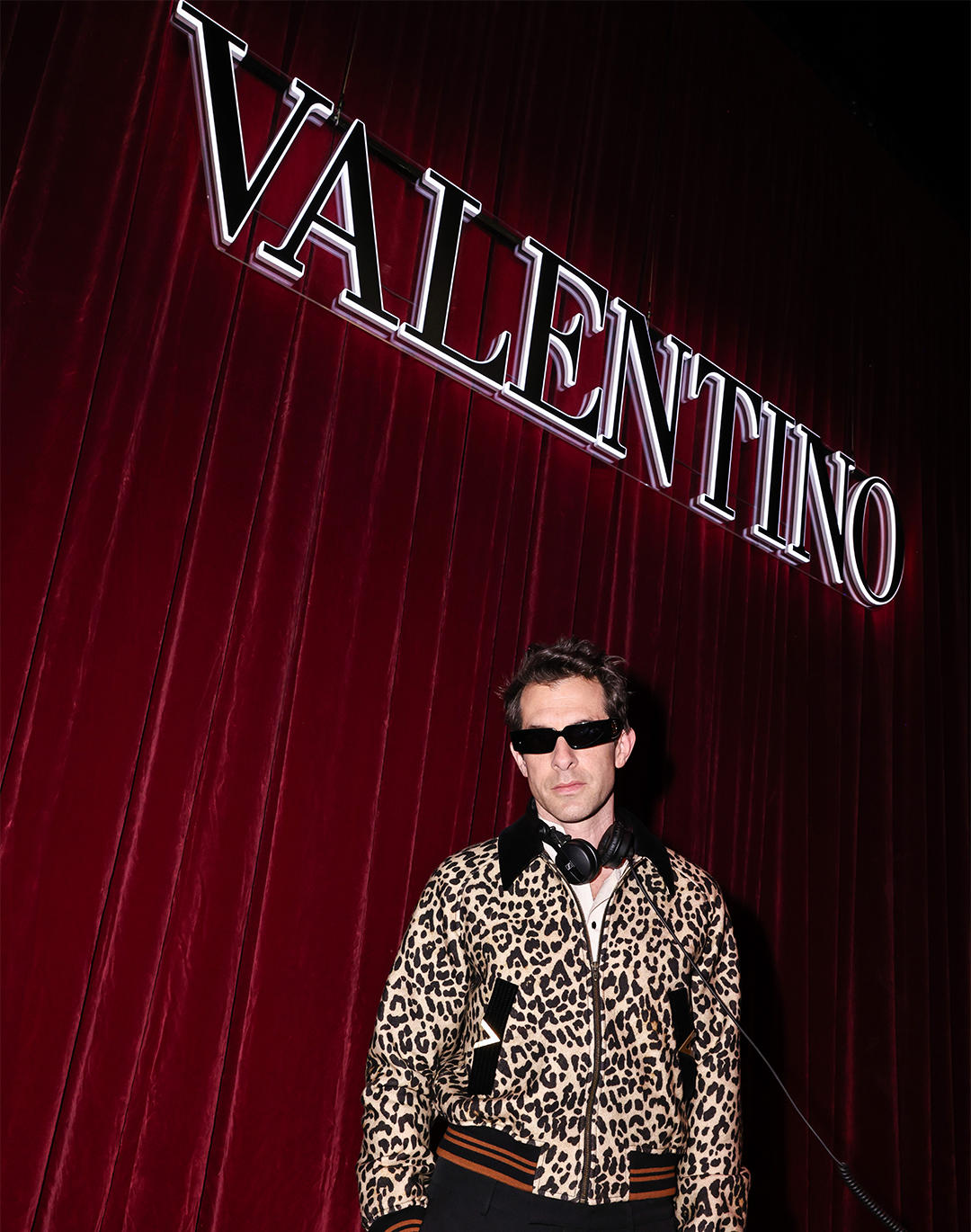
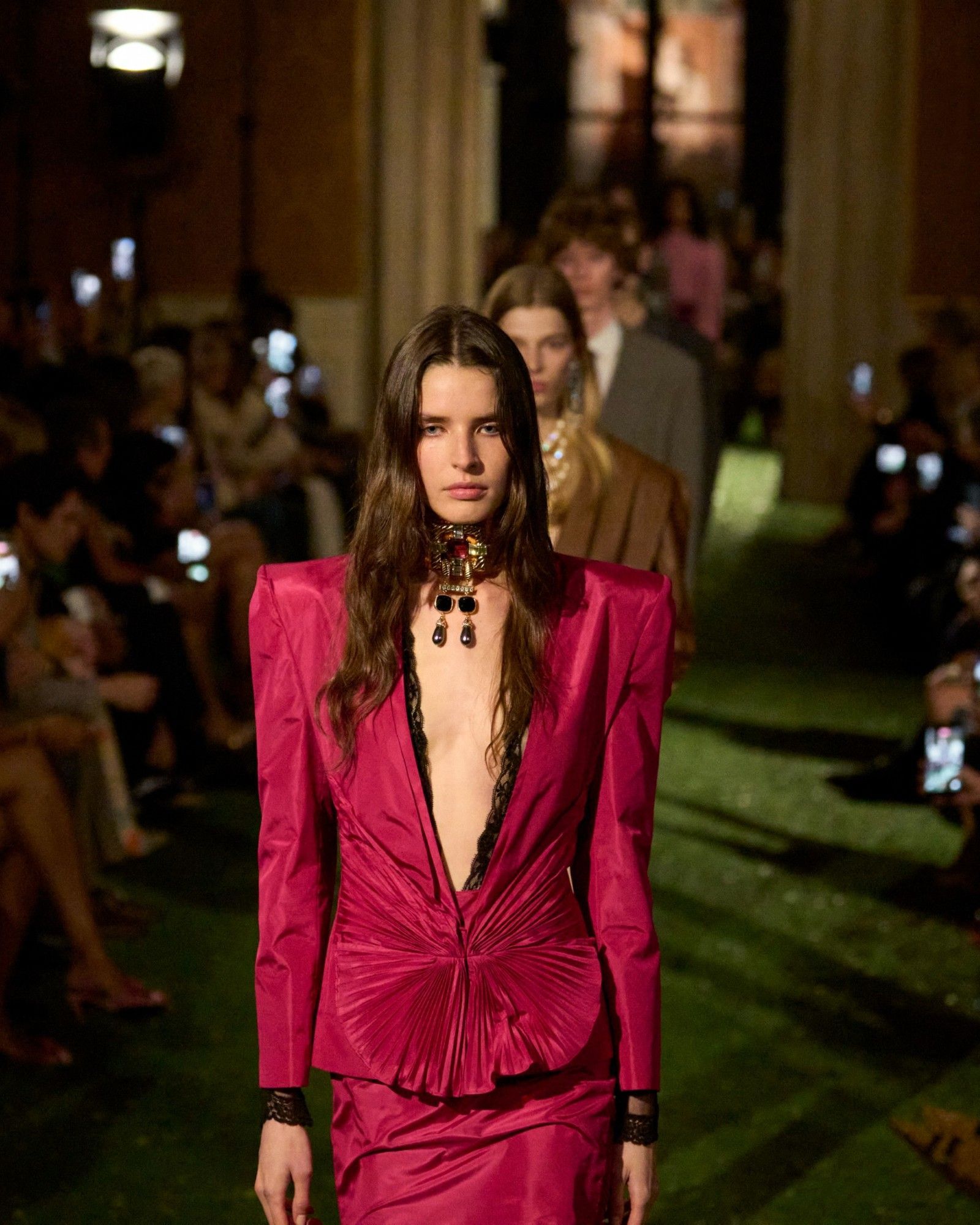
According to a report published last friday by the Corriere della Sera, which was denied in the following days, Kering and Qatar's sovereign fund Mayhoola had seriously considered the possibility of selling Valentino. Today we know this is not the case, nonetheless the historic Italian maison, founded in 1959, is according to some at the center of a financial and strategic impasse for Kering, already burdened by debt, which could lead to it being put on the market, at a time of deep crisis for the luxury sector and for the French group. Kering entered Valentino’s capital in July 2023 by purchasing a 30% stake for €1.7 billion. The agreement signed with Mayhoola includes an option, exercisable between May 2026 and the end of 2028, allowing Kering to acquire 100% of the brand. At the same time, however, Mayhoola can also decide to sell the remaining 70% of the company to Kering. The price of this transaction was not set in advance: it will be determined by Valentino’s financial performance and growth prospects in the coming years. But now that the brand's figures are not performing as well as before, and Kering’s finances are struggling to recover, the acquisition of the brand could become more complicated.
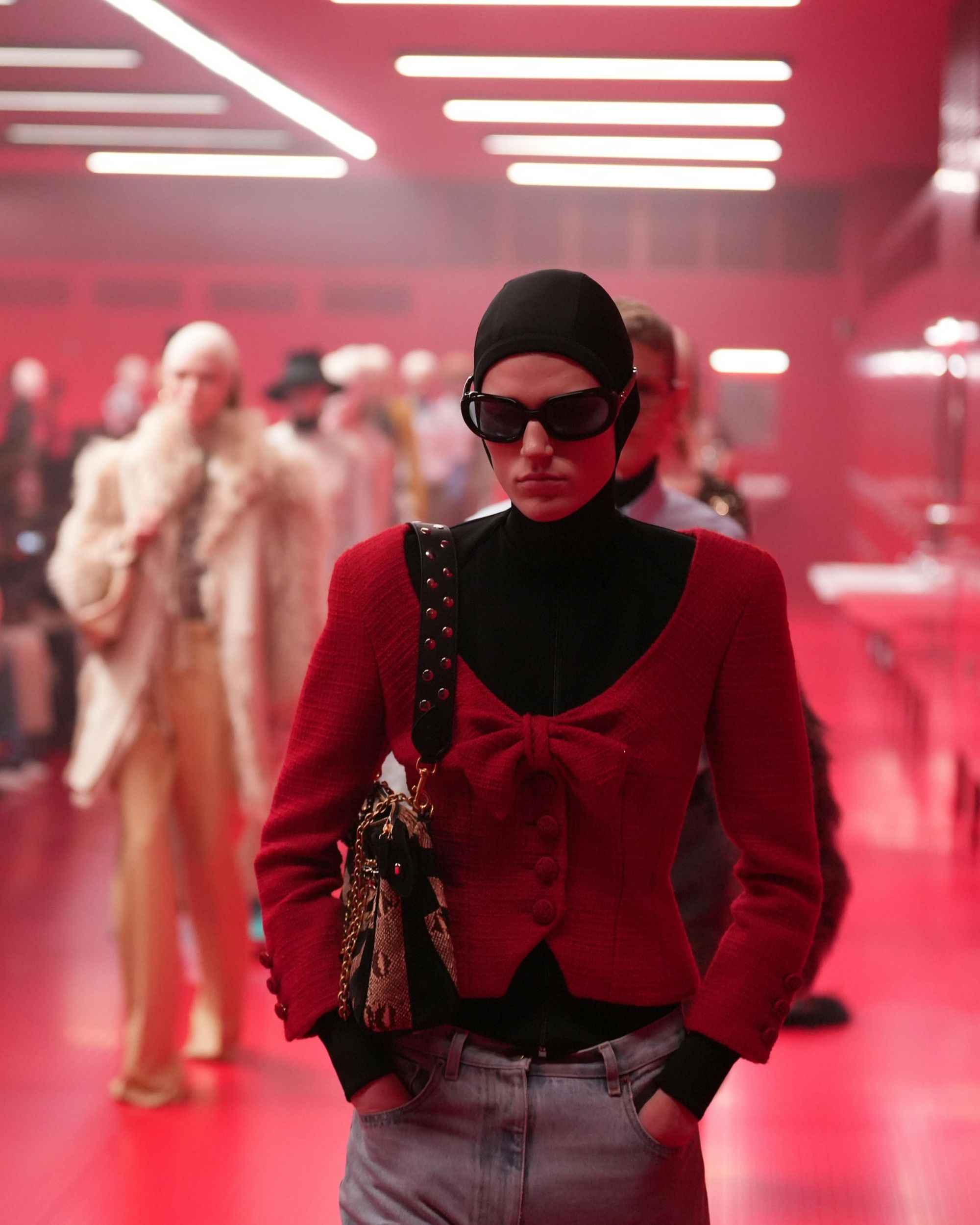
Estimates by Bernstein analysts indicate that the potential outlay to acquire the remaining stake would amount to around €3.4 billion. Part of the sum could be paid, at Mayhoola’s request, in Kering shares up to a maximum of 3 million shares. However, since the time of the agreement, the value of these shares has dropped significantly: if in July 2023 they were worth about €1.5 billion, today the market capitalization of that same stake has dropped to just over €570 million. Even in the case of payment in shares, therefore, the risk of a large cash outlay for Kering remains high, especially in a period of difficulty like the current one. The Pinault group has already invested about €14 billion in acquisitions of brands and prestigious real estate in recent years, including the building on Via Montenapoleone 8 in Milan. These investments have brought the group’s debt to €10.5 billion, just as the luxury sector began to show signs of slowing down and Gucci, the group’s flagship brand, became trapped in a spiral of declining sales due to a failed creative relaunch that sharply reduced revenues — a recovery that will begin next March when Demna debuts with his new creative direction. The result has been a 40% loss in Kering’s market value in just one year.
I am OBSESSED with how Alessandro Michele referenced the HEART-shaped sheer dress from Valentino Spring/Summer 1993 COUTURE collection. https://t.co/wzAUpzqPzt pic.twitter.com/zq8nkpdFaJ
— La Mode Unknown (@LaModeUnknown) June 18, 2025
To throw some ballast overboard, Kering has sold its Italian outlets, found investors for key properties in Paris, Milan and New York, and now faces the thorny issue of Valentino. But selling is not easy: the agreements between Kering and Mayhoola include a five-year lock-up clause, which prevents both parties from selling their shares before the deadline. To overcome this constraint, the only plausible path would be to identify a single buyer willing to purchase the entire share package from both partners, a possibility that current talks are evidently exploring. The brand, as mentioned, is not exactly in crisis but is facing declining sales: according to Corriere, revenues in 2023 slightly decreased, settling at €1.3 billion. EBITDA dropped by 21%, stopping at €246 million, while the financial year closed with a net loss of around €28 million — a figure that is not so disastrous. The decision, however, now rests with the new head, Luca de Meo, former CEO of Renault, who will take over operational leadership of Kering on September 15, alongside founder François-Henri Pinault. De Meo's arrival could lead to a new industrial plan being outlined in 2026 and, in the meantime, it remains to be seen what the future of Valentino will be.