























Is jewellery really taking the lead over fashion? When the expression “Worth Its Weight in Gold” becomes entirely literal
In the troubled global luxury industry, several sectors are emerging as the most resilient. Experiences and travel, for instance — but even more so, jewellery. The jewellery segment is one of those with the greatest potential, not only for the versatility and longevity of its products, but also because it includes the field of High Jewellery, which can potentially exceed even the most refined accessories in terms of price and craftsmanship. While sales of fashion and leather goods — typically the most profitable categories — have nearly stalled, amid consumer frustration with declining quality and rising prices, jewellery has maintained, and even strengthened, its relevance, thanks to the emotional resonance and perceived value that many fashion brands are now struggling to regain. Specifically, it all comes down to pricing. Of course, jewellery prices are very high, but when compared to those of leading fashion brands, the bottom line shows an enormous disparity in value: one can purchase a silver pendant from the Elsa Peretti collection by Tiffany & Co for the same price as a Dior t-shirt; similarly, Cartier bracelets — and even the thinner, more accessible Van Cleef & Arpels pieces — are priced the same as a raffia bag from Loewe. According to a recent article in BoF, over the past five years, prices for nearly all luxury handbags have increased by up to 50%: Louis Vuitton bags cost 10% more each year, and Chanel’s legendary Classic Flap has more than doubled in price. Not so for jewellery: Cartier, the article says, has raised prices by only 3% per year.
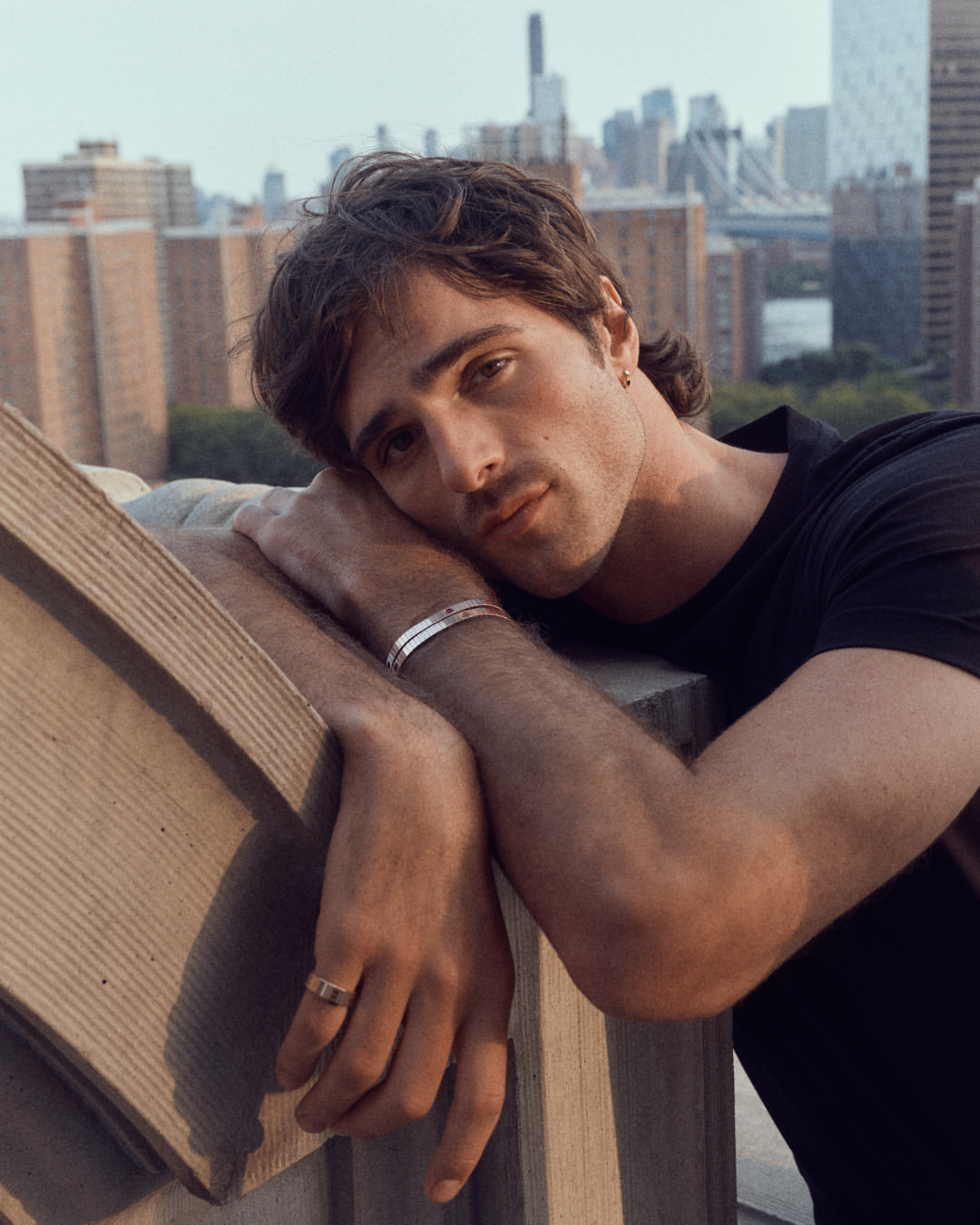
@cartier The perfect way to say "I love you" this Mother's Day? A Cartier creation of style and singularity.
original sound - Cartier
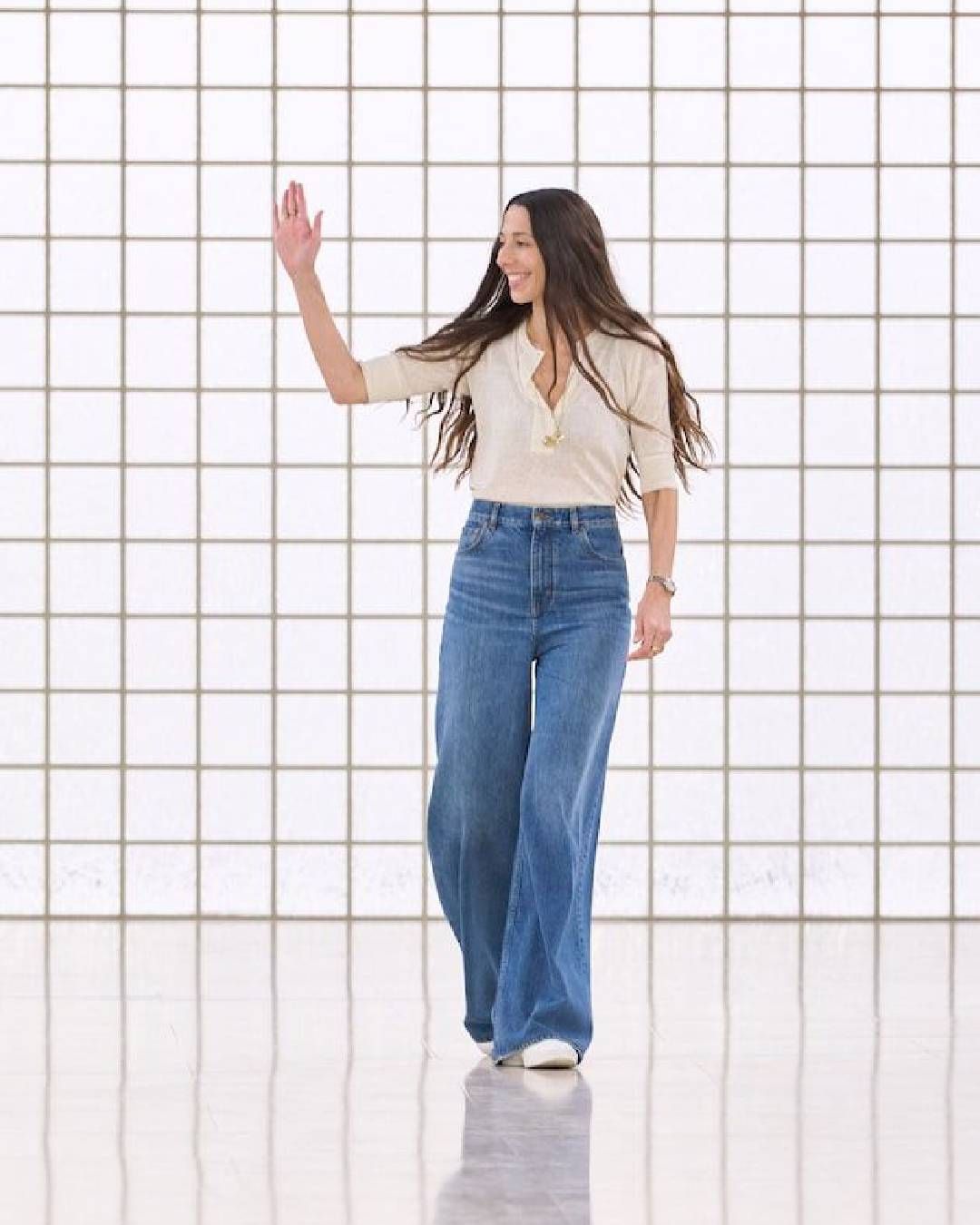
It's a twofold matter, really: firstly, jewellery lasts much longer than any bag or dress; secondly — both psychologically and materially — a gold or silver ring is worth more than clothing or a handbag. «Over the last three or four years we have been more cautious in raising prices than some of our competitors,»said Richemont CEO Johann Rupert to Vogue Business in May. «I think this has worked to our advantage. There’s some pushback against certain price hikes from some of our competitors. We will continue to implement fair pricing. We won’t make sudden or sharp increases, although of course we’ll keep an eye on currency movements, which could fluctuate significantly in the next year or two.»As another BoF article explains, this sentiment is backed up by the numbers. In 2024, while the global personal luxury goods market contracted by 1%, jewellery grew by approximately 2%, reaching €31 billion, while leather goods dropped by 3% to €78 billion. Given that what has changed over the years are production output and pricing strategies — and not craftsmanship or materials (in fact, the price of gold has risen) — it’s not just psychology that has helped jewellery remain stable, but a different management approach. This helped Richemont weather the early quarters of the year and kept the jewellery and watchmaking divisions of LVMH and Kering as the only divisions not reporting losses in the early part of the year. Perhaps sensing these opportunities, the OTB Group launched jewellery for Jil Sander last December.
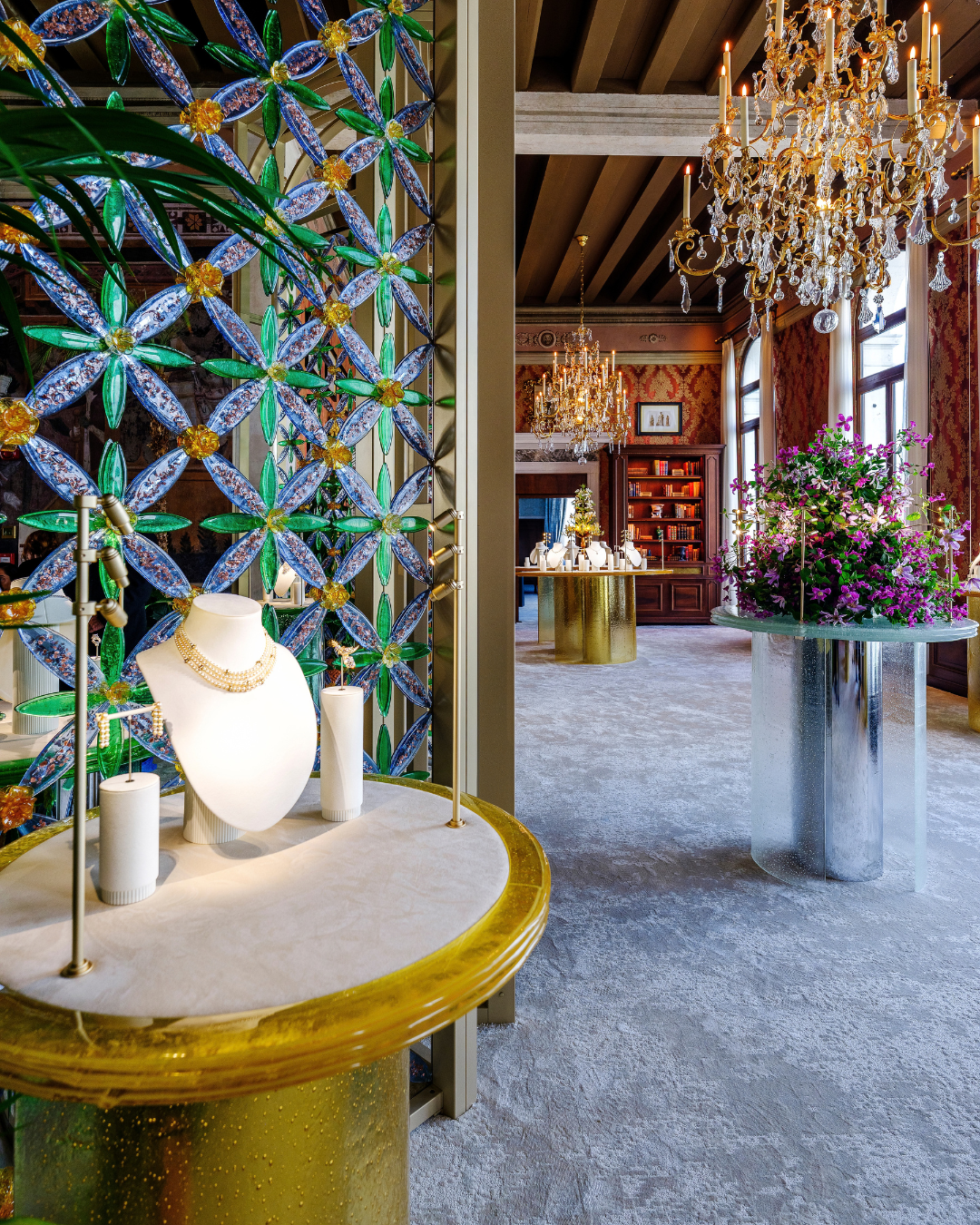
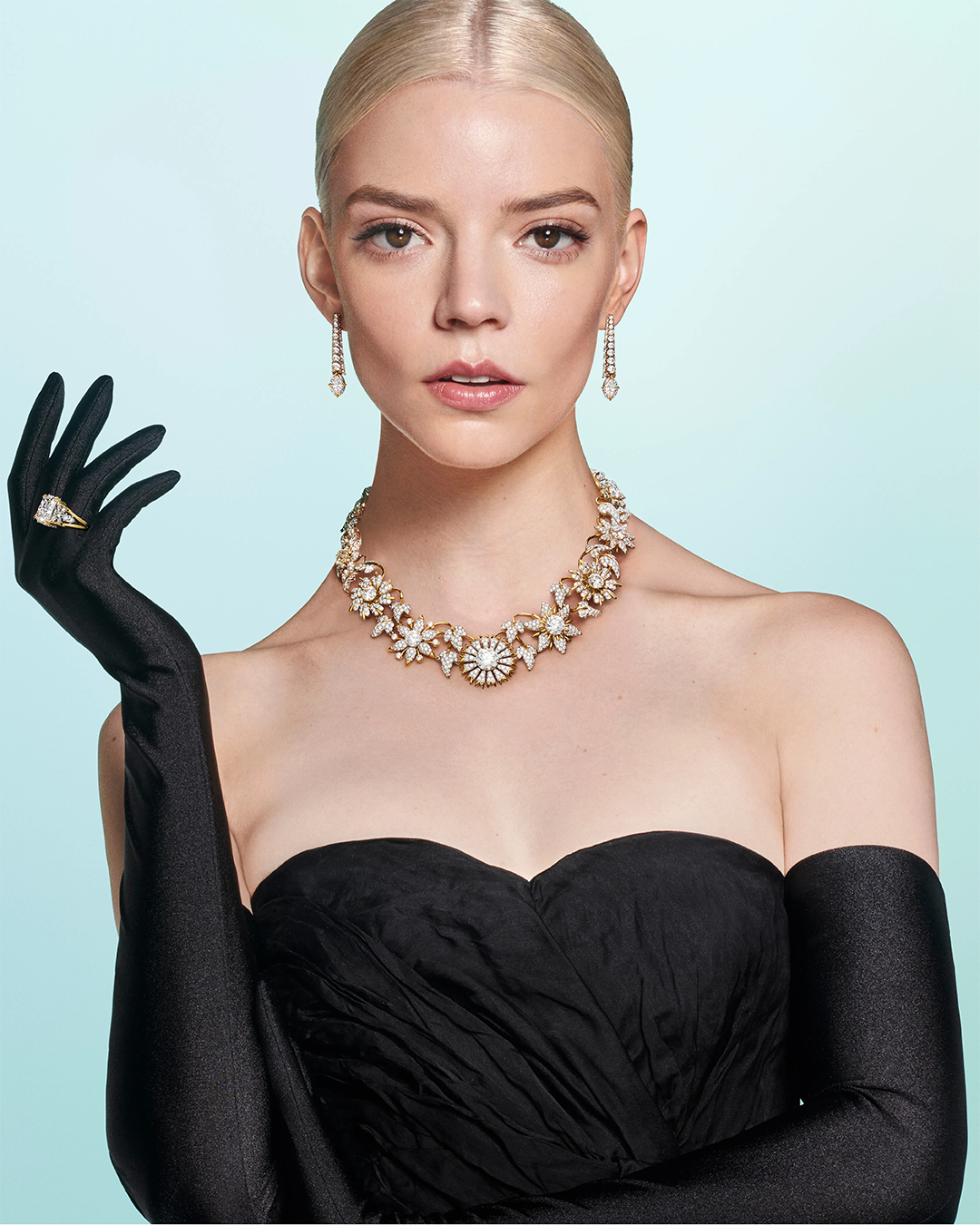
But of course, we’re talking about many types of customers who must be differentiated. The world of jewellery also has its VICs — and doing business with them means selling and thriving in one of the most profitable categories of all: High Jewellery. While this segment has remained relatively unchanged at more historic jewellers, it’s at Tiffany & Co. that we’re seeing a push for potential growth. Acquired by LVMH in 2020 for $15.8 billion, Tiffany & Co. has rapidly expanded worldwide (including Milan), with increasing synergies with other branches of parent company LVMH, and with pop and art culture. Led by CEO Anthony Ledru and artistic director Nathalie Verdeille, Tiffany & Co. was recently featured in a Financial Times article which not only highlights results like mid-range lines doubling sales in four years, but also reports hundreds of millions invested in strengthening the high jewellery business, with six-figure starting prices, and the acquisition of top-tier gems, equipment, and workshops. The brand is now preparing to enter the European ecosystem, where it will face long-established competitors in what the Financial Times calls the «high jewellery axis of Saint-Honoré, Vendôme, Rue de la Paix»— the Parisian district home to the heavyweights of French jewellery. The jewellery model, then, appears not only more welcoming and flexible across all customer tiers, but also backed by a customer base that is absolutely vital.
Explore an enchanted universe and witness the vivid colors of gemstones with the Frivole flowers that echo nature's vitality.#VCAFrivole #VCAspring #VanCleefArpelshttps://t.co/hRHwI42vav
— Van Cleef & Arpels (@vancleefarpels) March 22, 2024
Artist: Alexandre Benjamin Navet pic.twitter.com/7HQ4OQvgJE
Of course, challenges remain: the U.S. luxury market is under threat from Donald Trump’s tariff hikes — Richemont could soon face taxes of up to 31%. In China, consumer sentiment remains weak. Inflation, rising gold prices (up more than 25% since the start of the year), and economic uncertainty threaten margins. And yet, as BoF explains, jewellery maisons are adapting by diversifying into platinum, silver, and diamond-focused designs to mitigate gold volatility. The use of new materials like titanium and coloured gemstones is becoming more common, offering both creative freedom and pricing flexibility. Thanks to this adaptability, jewellery is advancing in a luxury industry where consumer interest and cultural relevance are declining. In an era where shoppers are more value-conscious, more experience-driven, and more emotionally selective, jewellery may be the only luxury category still delivering what the word once promised: something truly precious, lasting, and timeless.