






























Jeremy Scott gave a speech criticising AI at an American university In the United States, more and more young people are protesting against the rise of new technology
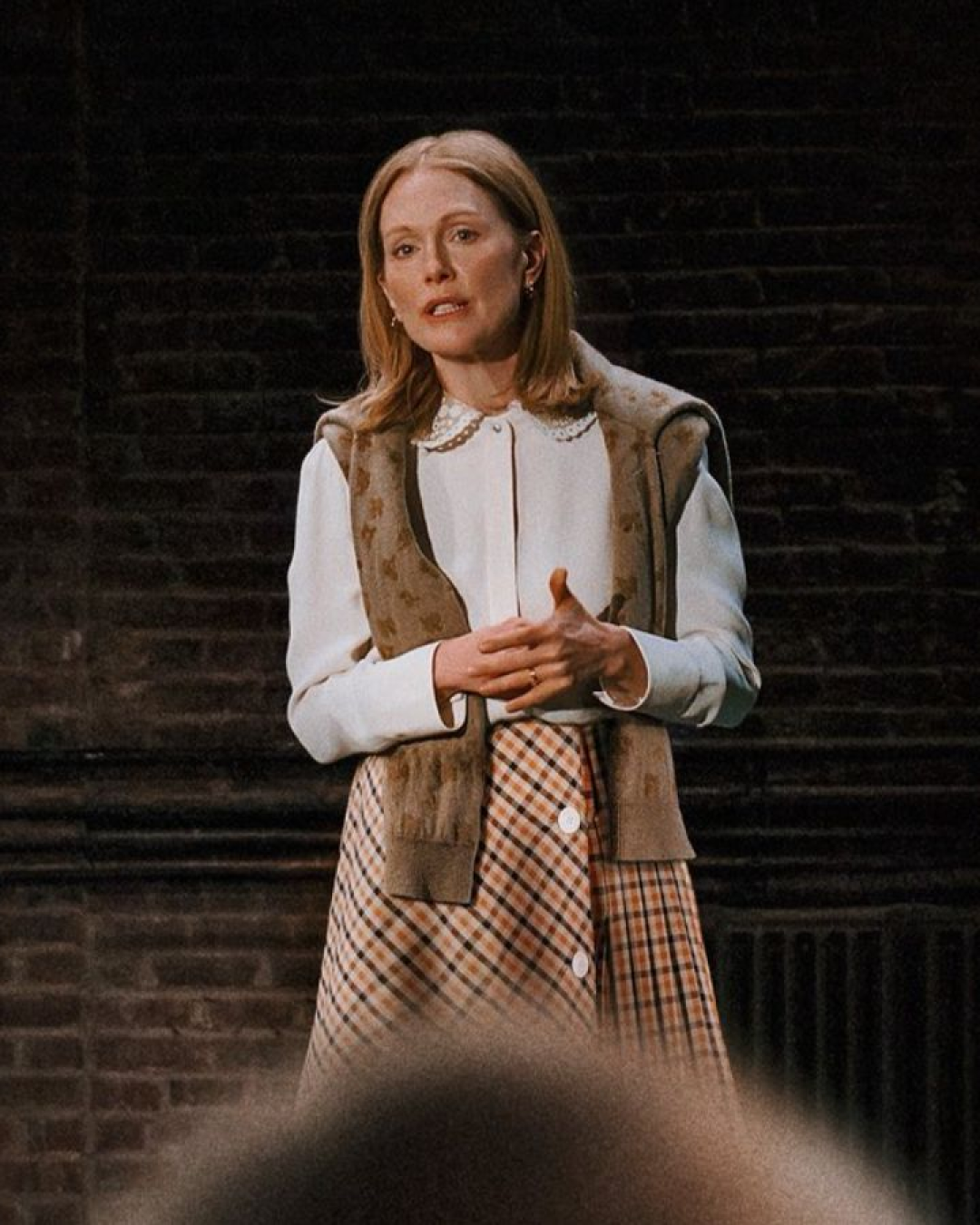
At the Kansas City Art Institute, American designer Jeremy Scott began his commencement speech by reading motivational phrases such as «you are at the dawn of a new beginning.» Moments later, Scott looked at the crowd of graduates and tore up the speech he had in his hands. «Doesn’t it sound like you’ve heard this before? - the designer said - Doesn’t it feel a little cliché? That’s because it’s AI.» To the applause of the audience, Scott then redirected the speech toward the importance of creativity and the endless possibilities that the human mind can achieve compared to a computer. A speech that moved the students, who welcomed his words with loud cheers.
With his voice breaking with emotion, Scott continued the speech by stating that despite the growth of new technologies, nothing will ever compare to the passion and originality of a creative mind. «Because you know what AI can't do? It can't do what you do. It can't have an original idea. It can't even differentiate the difference between a good idea, a unique idea, and one that's mediocre» - the designer said, adding «That's what makes your role as an artist so much more urgent right now. In this space and time that we're living, I argue that the artist is even more crucial than ever. It's because an artist doesn't tell the truth. They decide what truth feels like. They're a bender of reality while being a mirror to society.»
Does American Gen Z not care about Big Tech?
Just a few days earlier, also in the United States, a particular incident had reversed the roles, causing outrage among the student body. Gloria Caulfield, a real estate executive who spoke at the commencement ceremony at the University of Florida, celebrated the new technology by loudly declaring that «the rise of artificial intelligence represents the next industrial revolution.» These words were not appreciated by the arts, literature, and communication students present, who began to boo. «What’s happening? Can I continue?» she asked while looking at the event organizers.
Even before this episode in Florida, the same reaction had happened to Eric Schmidt, former CEO of Google, who said during the University of Arizona commencement ceremony that «The question isn’t whether AI will shape the world. It will. The question is whether you will help shape AI. AI will affect everything, whichever path you choose.» In this case as well, the speaker was met with boos and shouts of disapproval.
Steve Wozniak built the first Apple computer in 1976.
— Damian Player (@damianplayer) May 21, 2026
50 years later he walked onto a graduation stage and said this:
“you all have AI. actual intelligence.”
“I was at a company where the engineers figured out how to make a brain. it takes 9 months.”
the AI industry is… pic.twitter.com/qDN5dZr2lQ
But not all digital entrepreneurs who have spoken about AI during commencement ceremonies in recent months have faced backlash from the audience. Steve Wozniak, computer scientist, inventor, and one of the minds behind the first Apple personal computer, made the graduating students at Grand Valley State University laugh by telling them that they already have AI: «actual intelligence.»
A reversal in dynamics
The reaction of American university students to the speeches by Scott, Caulfield, Schmidt, and Wozniak quite clearly reflects the feelings of the younger generations in the country toward AI. While older powers celebrate the technology while getting richer, younger people seem reluctant to embrace it. In fact, according to a study by Gallup conducted in the United States last April, the percentage of Gen Z respondents who appreciate AI dropped by 14%, reaching 22%, while the percentage of young people angry about the technology increased by nine percentage points, reaching 31%.
Another survey by Pew Research instead shows that, while around the world it is the over-50s who are the generation most concerned about the invasion of AI into everyday life, with a percentage gap of as much as 24 points compared to Gen Z, in the case of the United States the imbalance becomes much more subtle, with young people being almost as concerned as older citizens.
While the same cannot be said for other countries around the world, where Gen Z still seems to maintain positive expectations toward AI, in the United States we are witnessing a huge reversal in dynamics between young and old and their relationship with new technologies. The most interesting aspect of the issue is not so much the fact that the country seems to be the only one where this change is taking place, but rather the fact that it is happening in the birthplace of AI. The very same country where, over the last year, more and more AI researchers are not only leaving the sector, but are even warning people, with the former head of Anthropic’s Safeguard Research team even admitting «the world is in danger.»
What to read next
5 trends that Trainspotting anticipated Back in 1996
There is much more to the film than the famous Helmut Lang tank top
Gen Z is spending more on art than any other generation
A new Arts Economics report on global collecting reveals the trend