


























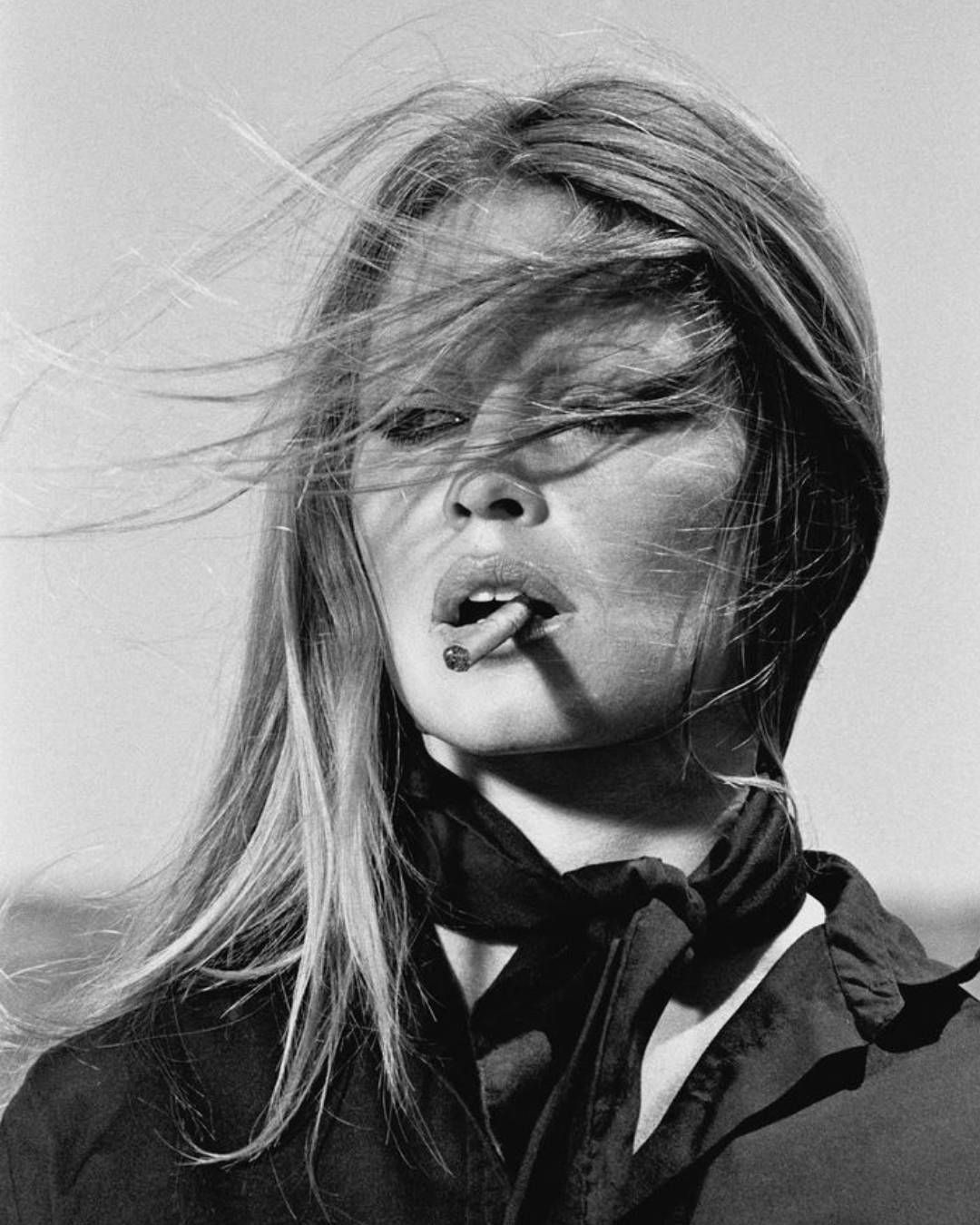
Why Brigitte Bardot Was Missing From the Oscars’ Tribute Segment The most internationally famous French actress received no tribute at last night’s Academy Awards ceremony.
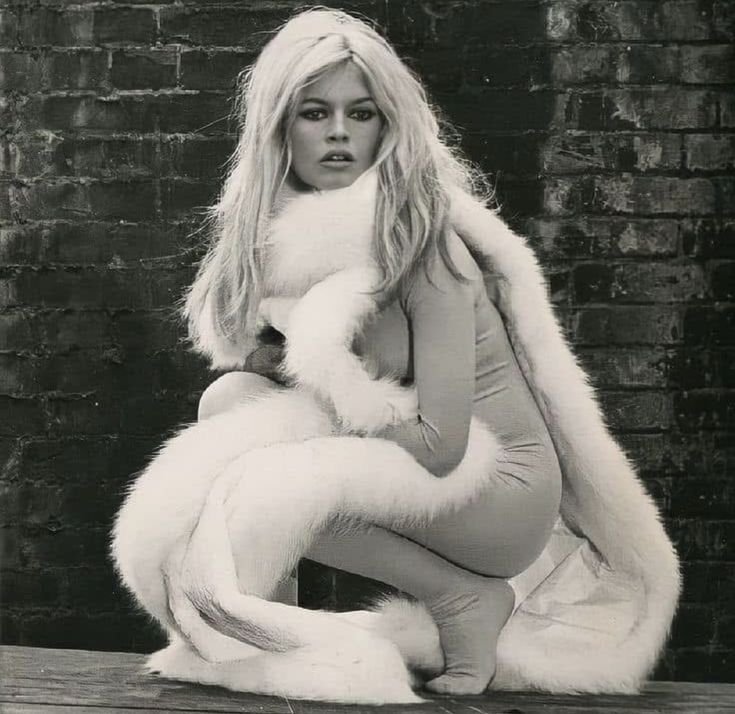
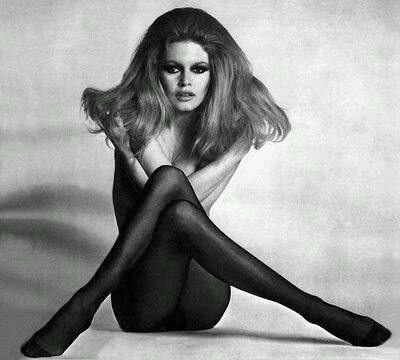


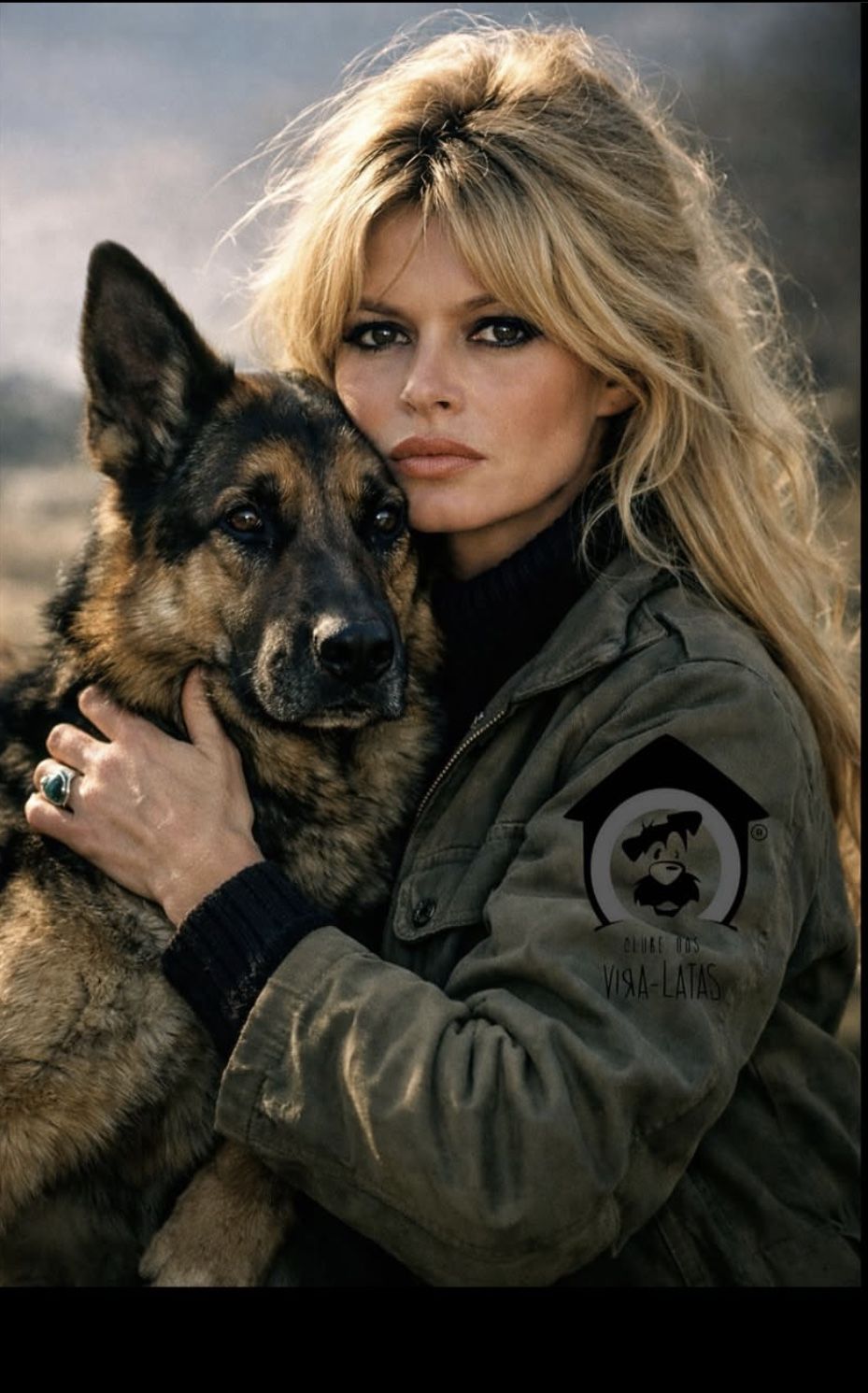
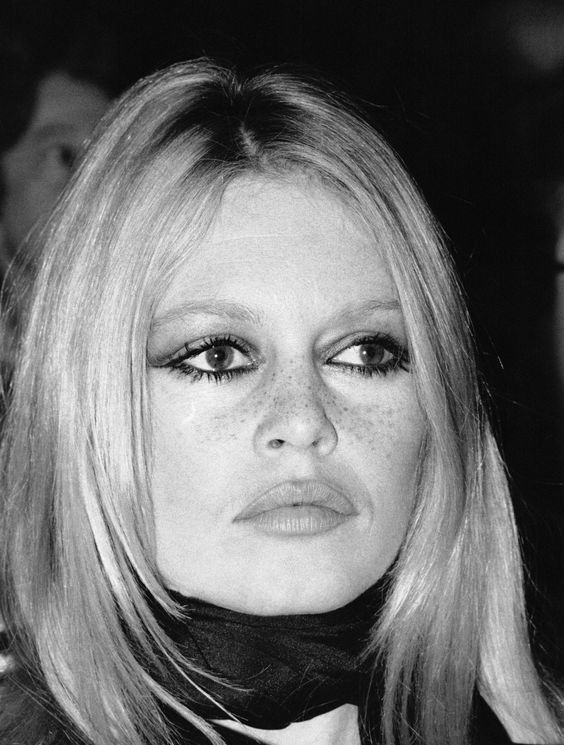
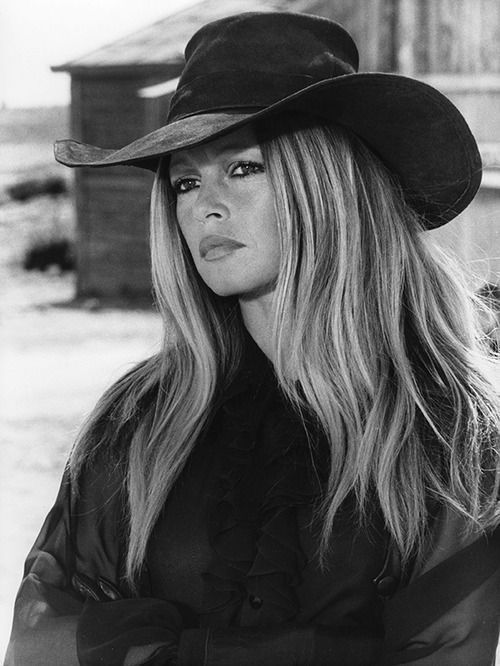
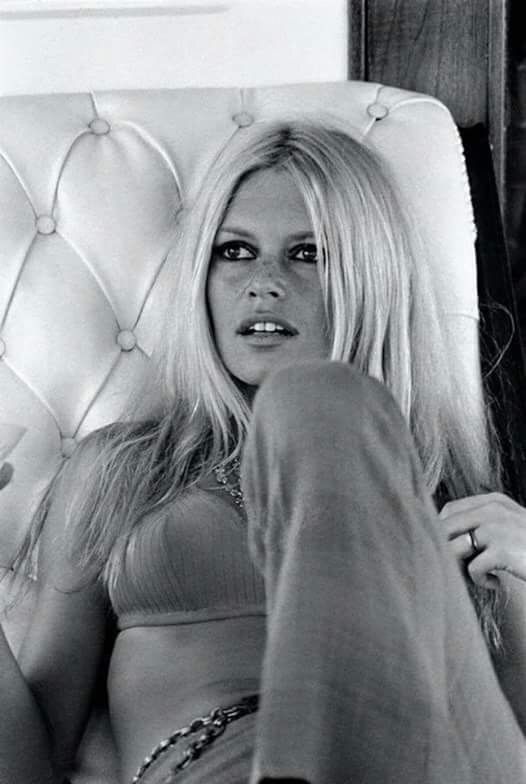
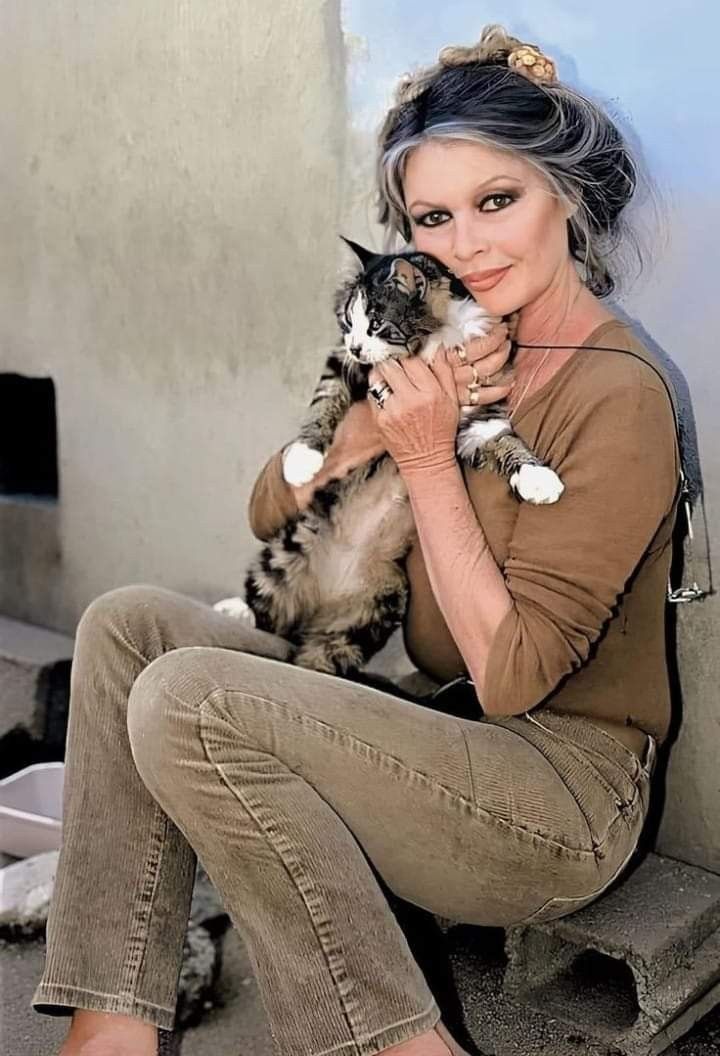
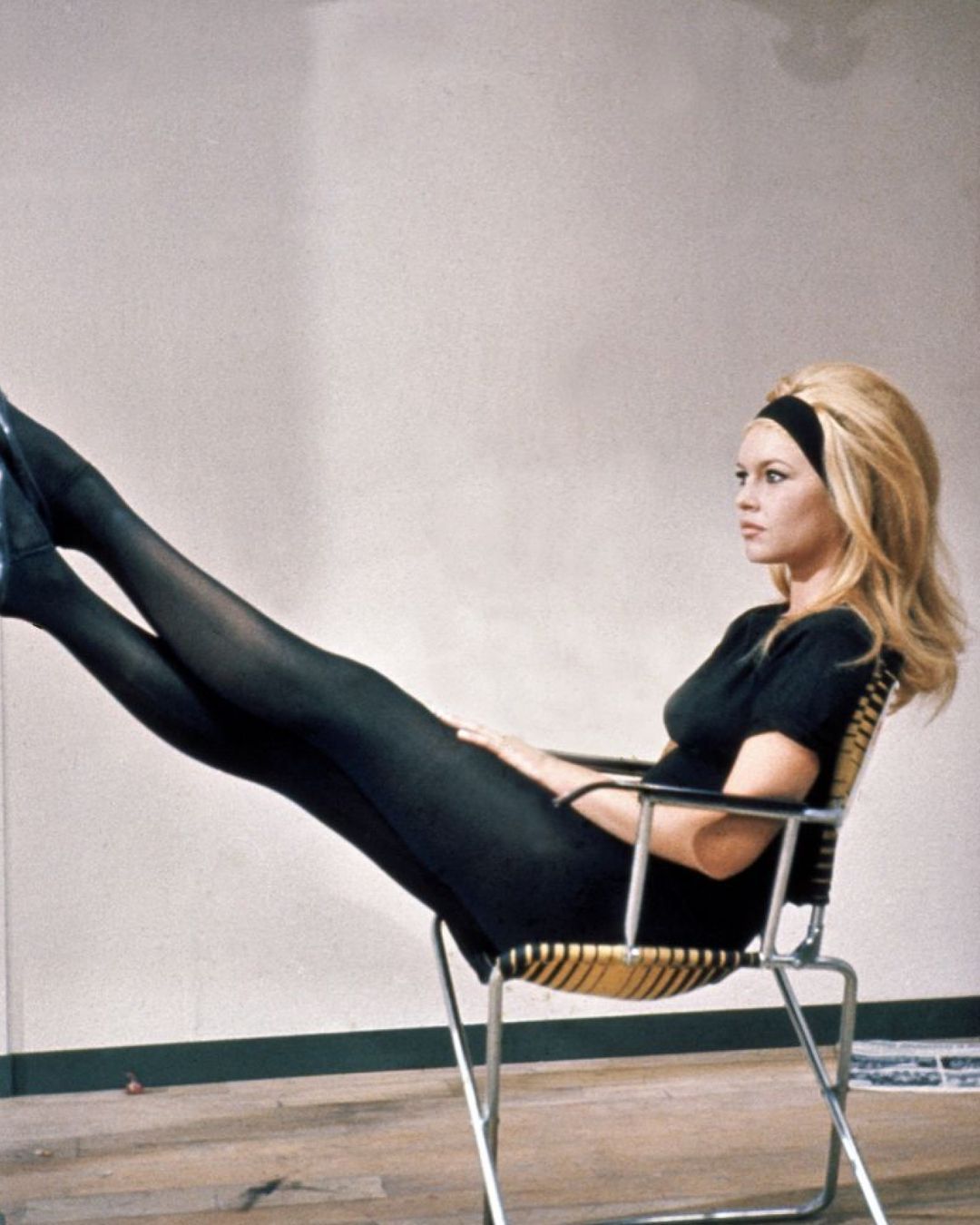
Every year, the Oscars pause to honor the major film figures who passed away over the previous twelve months. During the 98th ceremony, audiences saw tributes to stars such as Robert Redford, Catherine O'Hara and Diane Keaton-a final salute from the film industry in one of the evening’s most emotional moments. Among those who died in 2025, however, was Brigitte Bardot, one of the most recognizable French actresses in the world. Yet her name was nowhere to be seen during the tribute segment. The omission is striking. Bardot remains not only a major figure in cinema history but also a lasting fashion icon. So why was B.B. absent from the Oscars’ memorial?
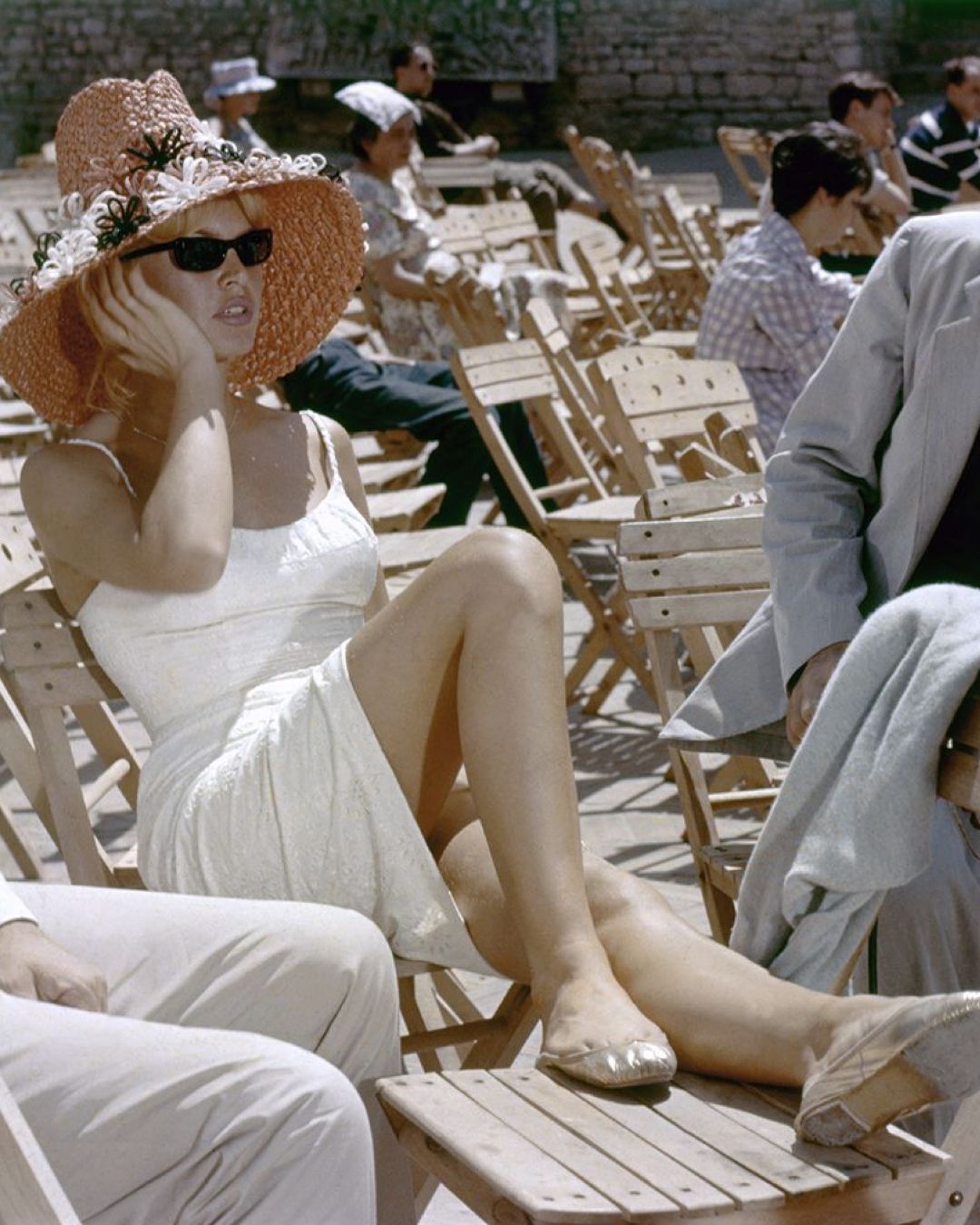
By the early 1970s, Bardot had already worked with some of Europe’s most influential filmmakers-including Roger Vadim and Jean-Luc Godard-appeared in nearly fifty films and recorded close to a hundred songs. At the height of her fame, she abruptly walked away from the industry. Exhausted by relentless media attention and constant harassment from paparazzi, she withdrew from public life. During the 1950s alone, nearly 30,000 photographs of Bardot circulated in magazines and newspapers. The decade had turned her into a global phenomenon: the highest-paid French actress of her time and an international sex symbol-an image she openly embraced before turning her back on the spotlight.
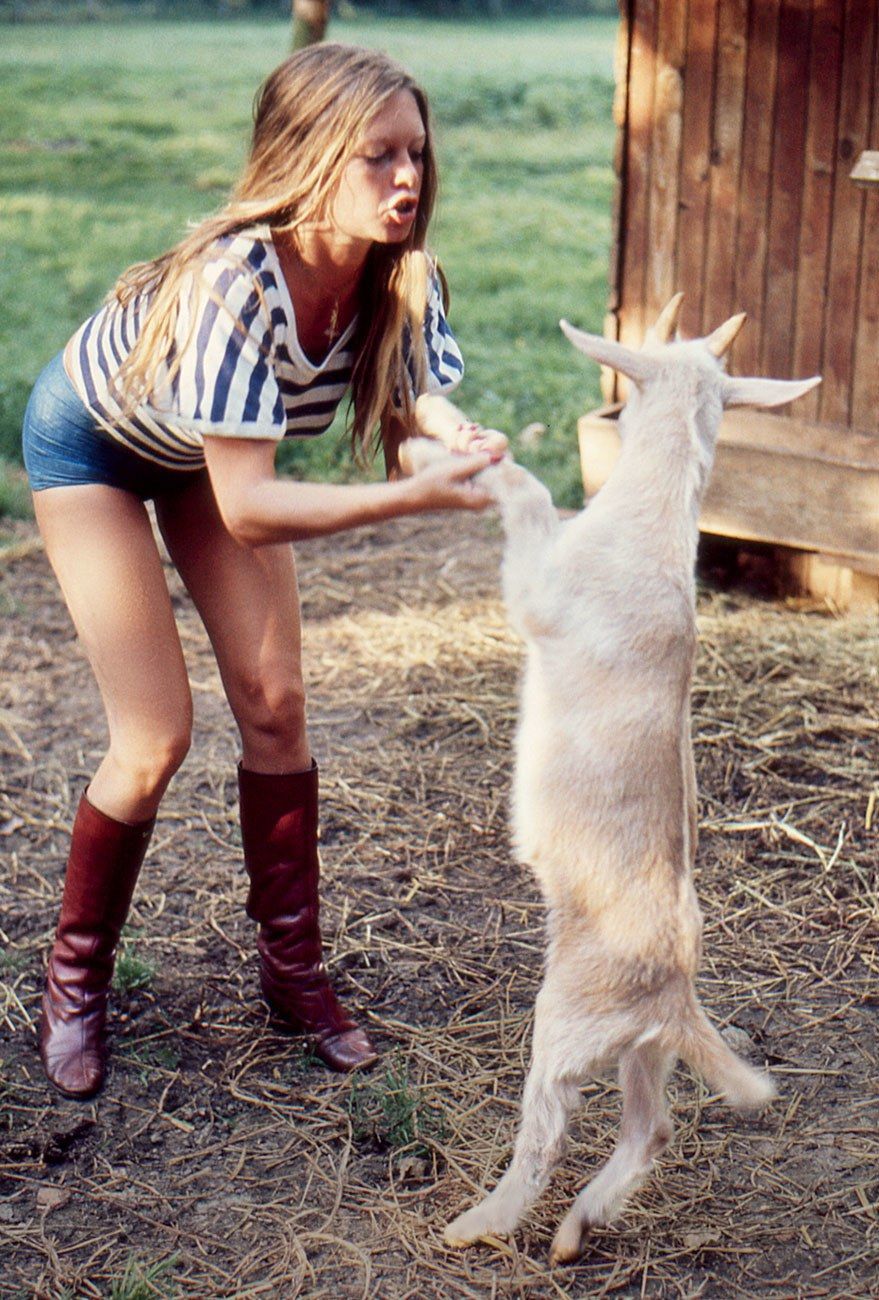
But Bardot never truly disappeared from public debate. In the years that followed, she became a prominent advocate for animal rights, founding the Brigitte Bardot Foundation and living surrounded by animals at her home, La Madrague. Later, however, the former star became increasingly controversial. Close to France’s far-right circles and notably to Jean-Marie Le Pen, Bardot made repeated racist remarks that resulted in five legal convictions. The image of a rebellious and liberated icon grew more complicated-particularly as she also described herself as anti-feminist, despite long being associated with a form of female emancipation.
After her death in December 2025, reactions were deeply divided. On one side stood Bardot’s devoted admirers; on the other, critics who argued that her political views should not be ignored when assessing her legacy. The tensions became visible during the ceremony of the César Awards, when a tribute to the actress was loudly booed. It was in this charged context that the tribute segment of the Academy Awards took place. During the traditional In Memoriam sequence, which honors major film figures who died over the past year, Bardot’s name never appeared. In the end, Bardot’s absence says as much about the present as it does about her legacy. The film industry, like the society around it, still struggles with the same question: how should we remember cultural icons whose lives were as controversial as they were influential? By choosing silence, the Oscars avoided the debate. But the debate itself is unlikely to disappear.