



























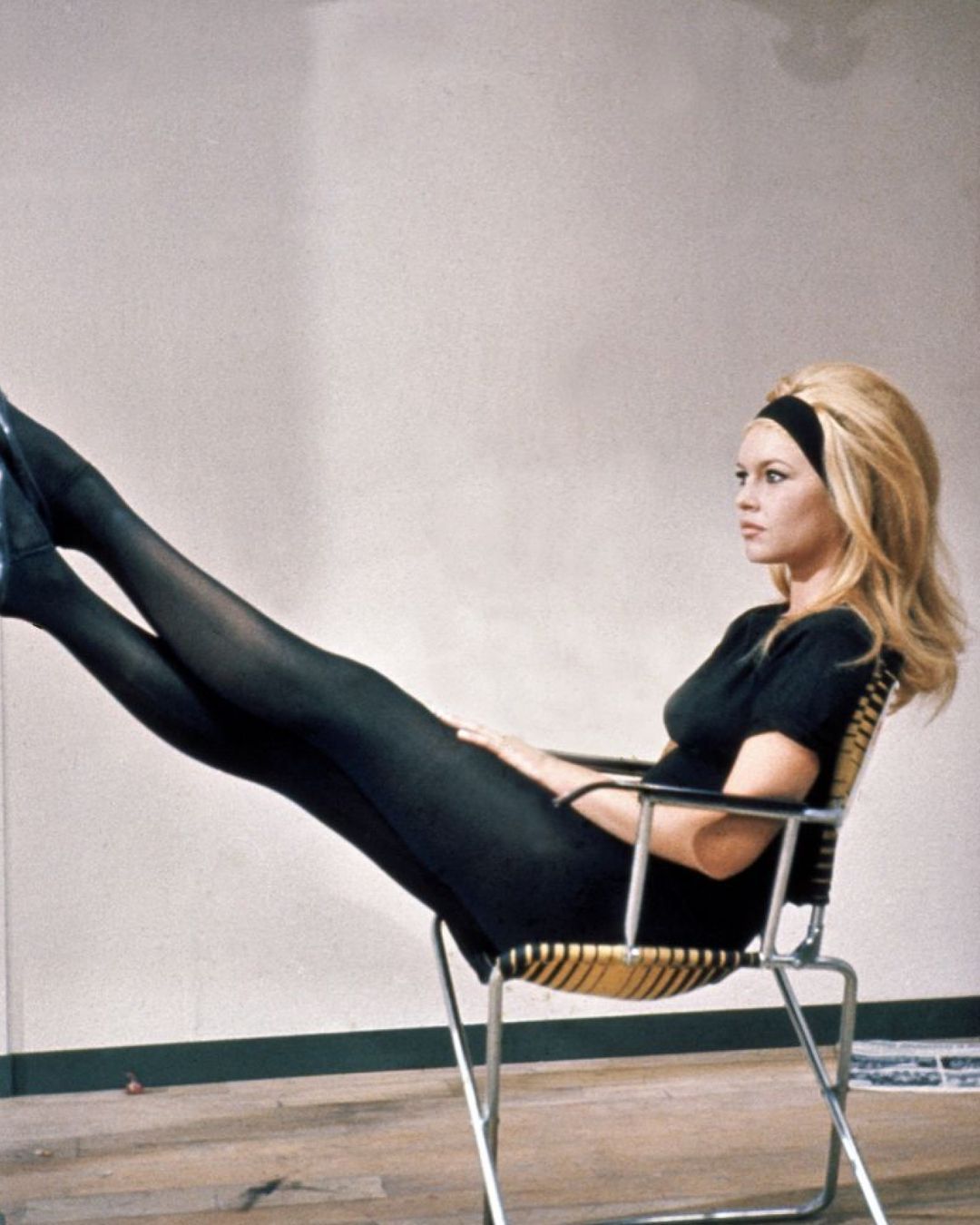
And Bardot created the It-girl Farewell to a legend of style and emancipation
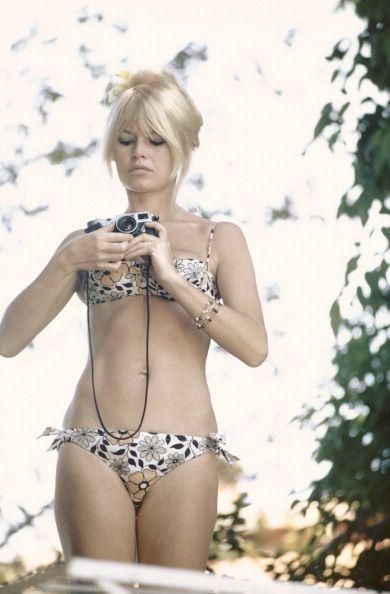
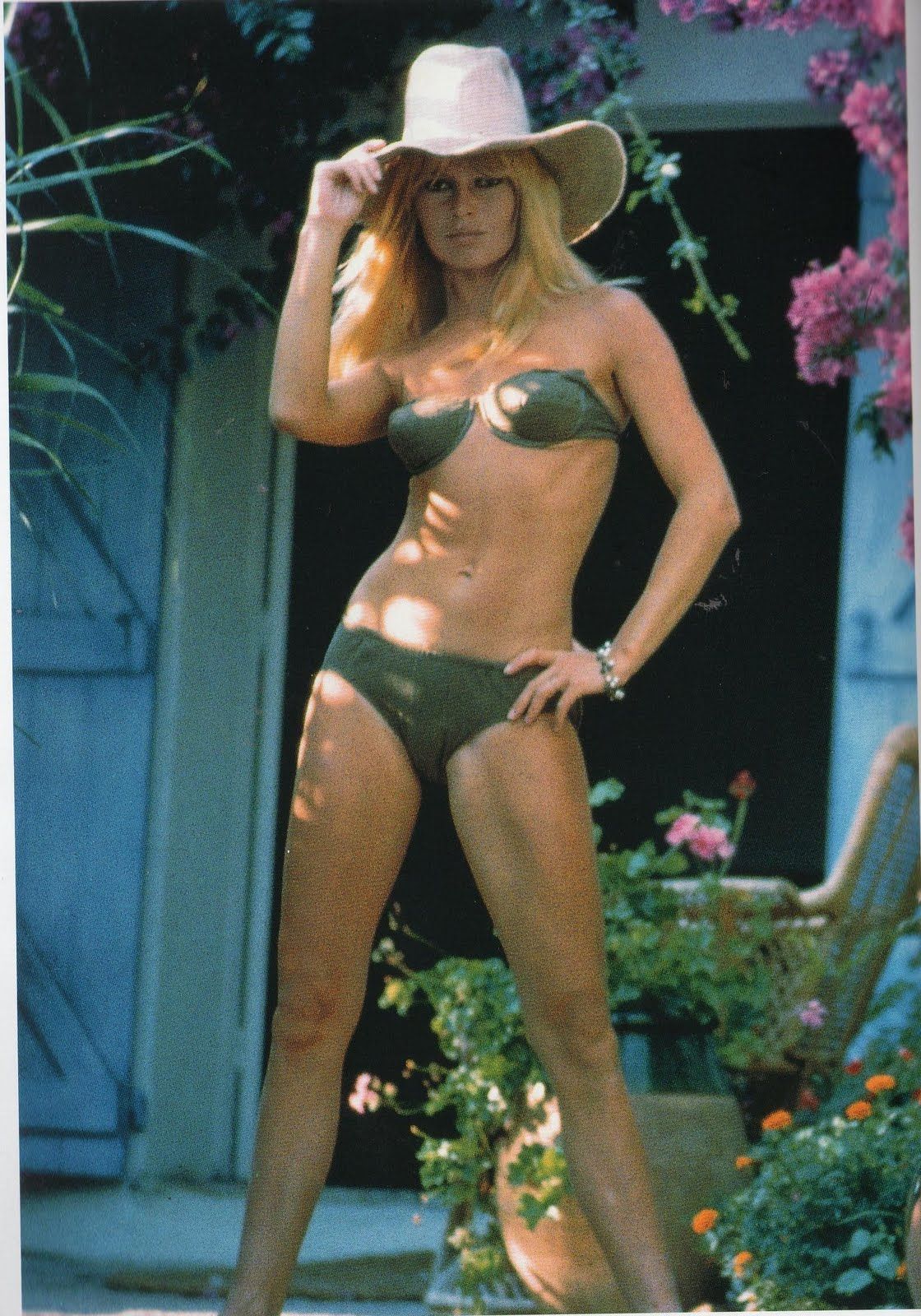
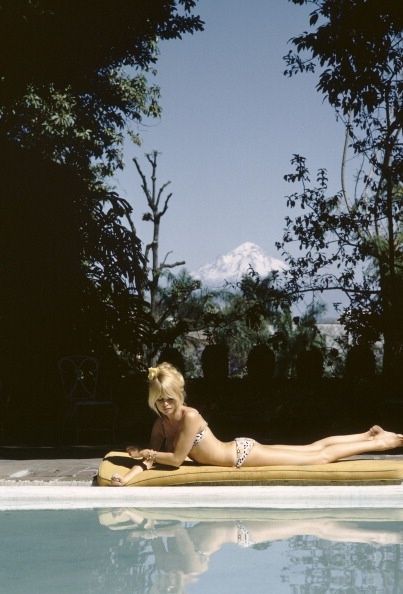
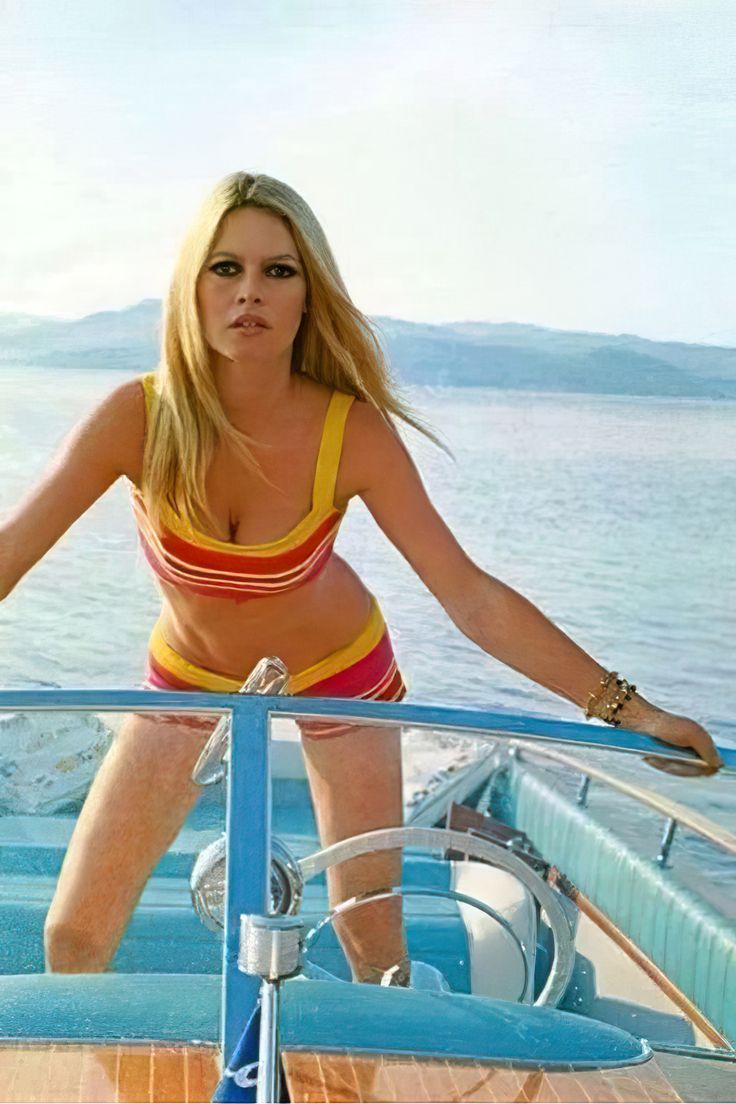
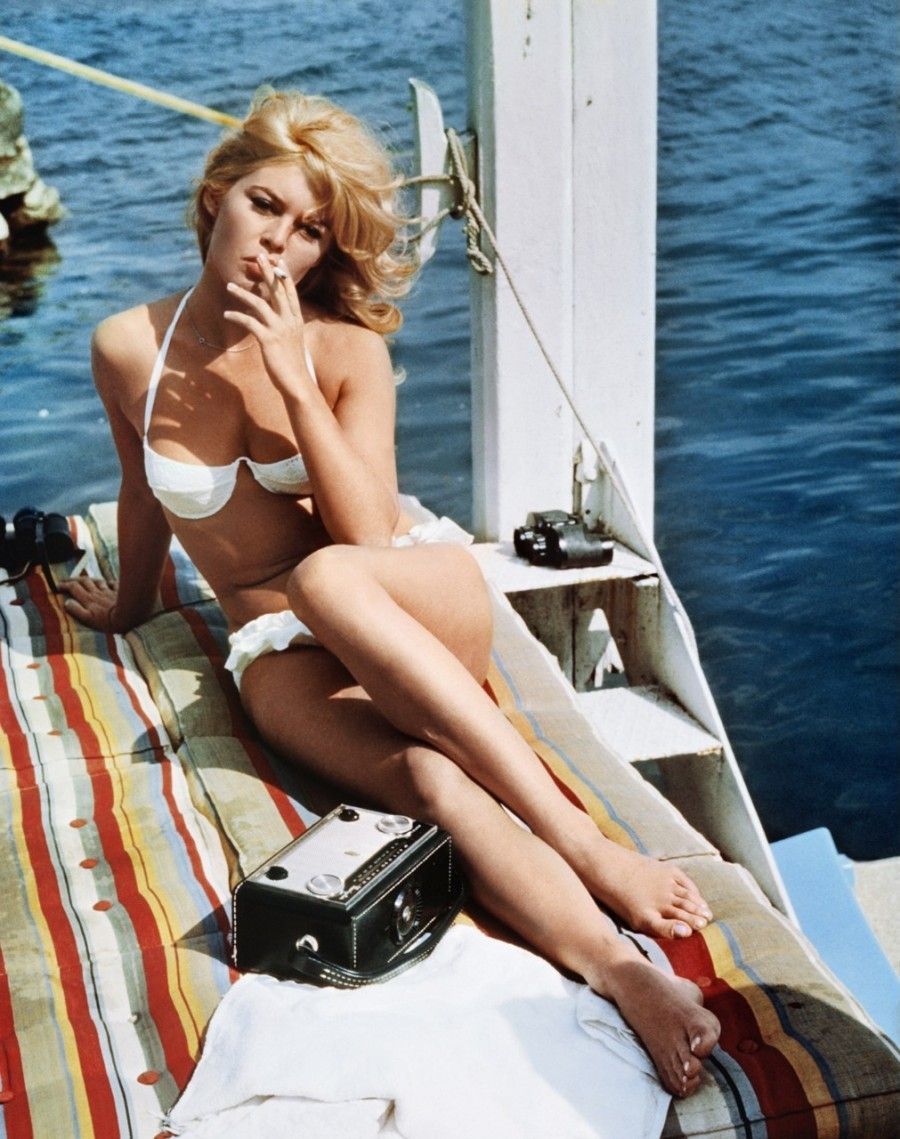
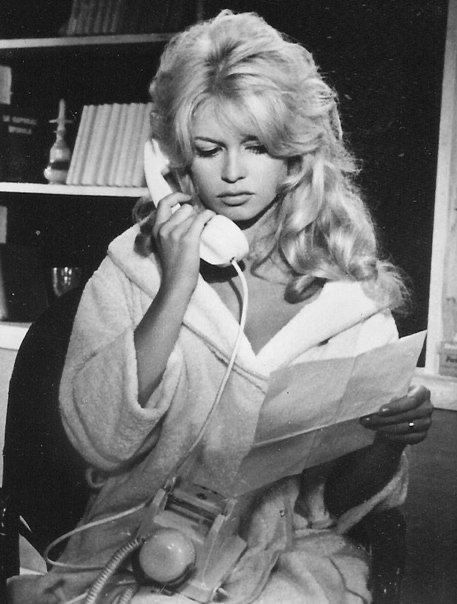
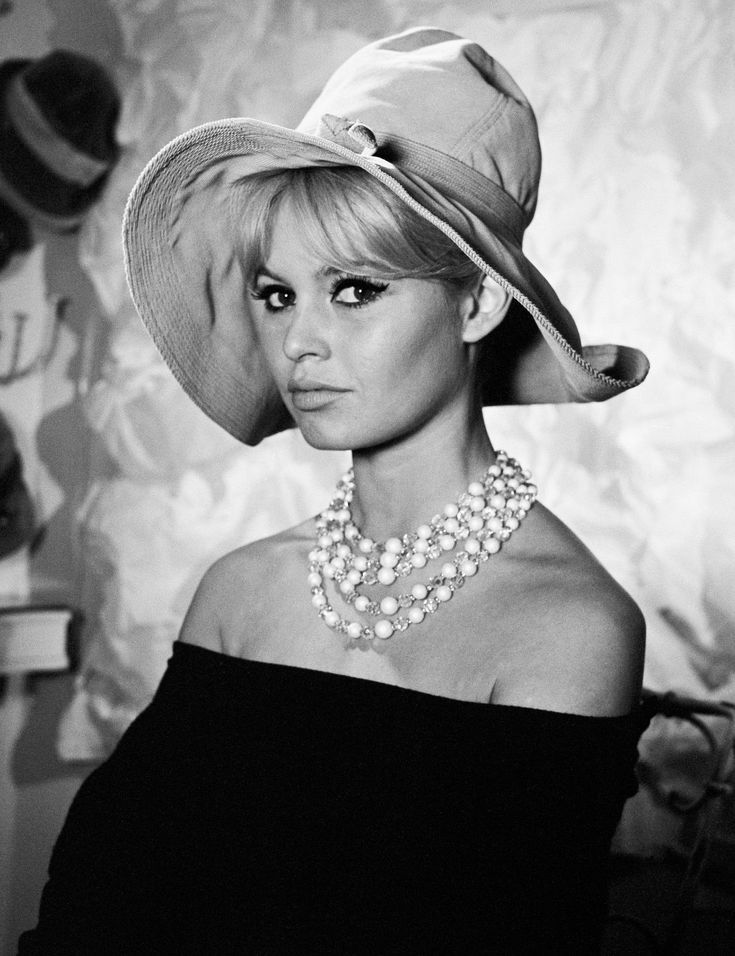
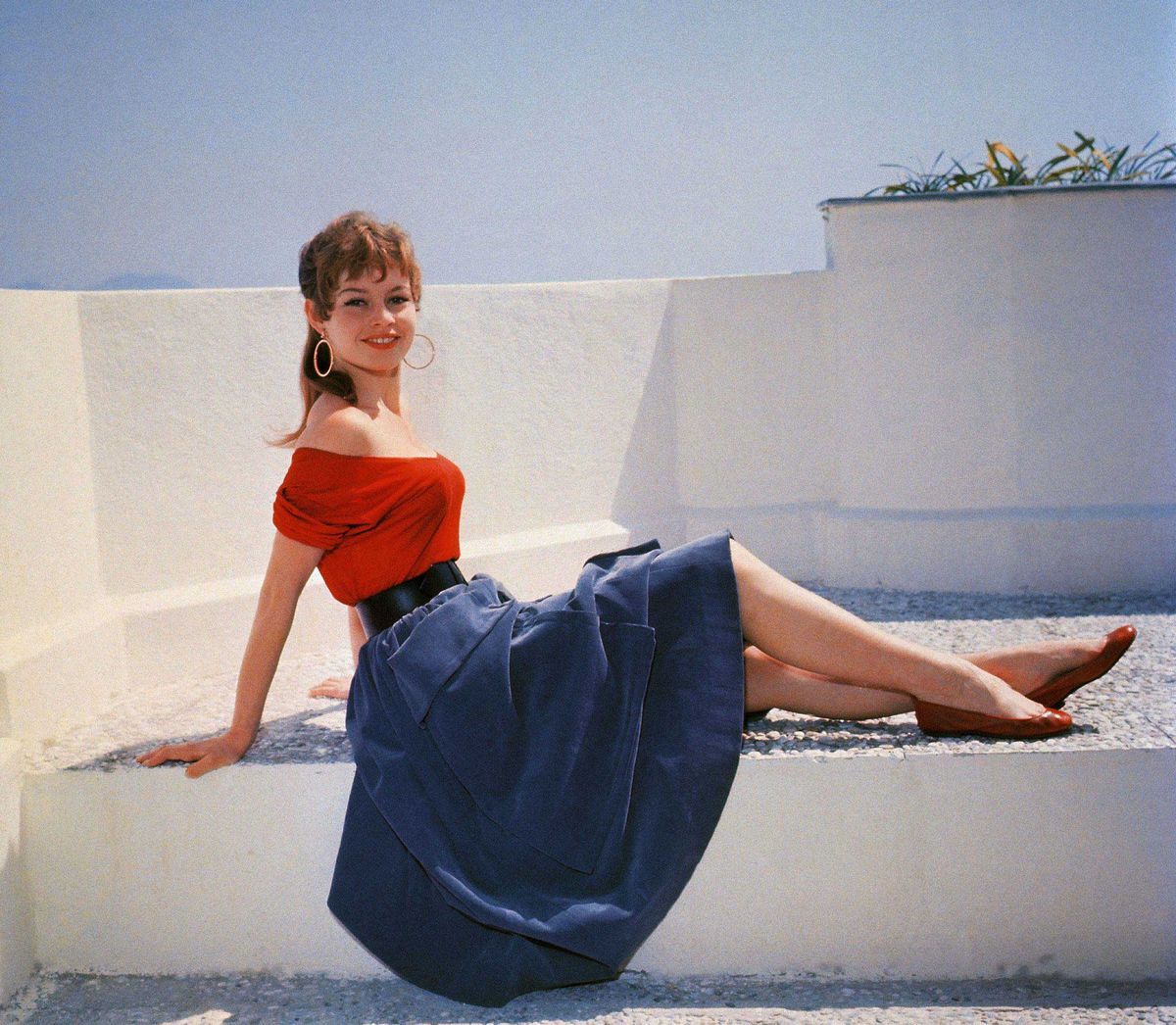
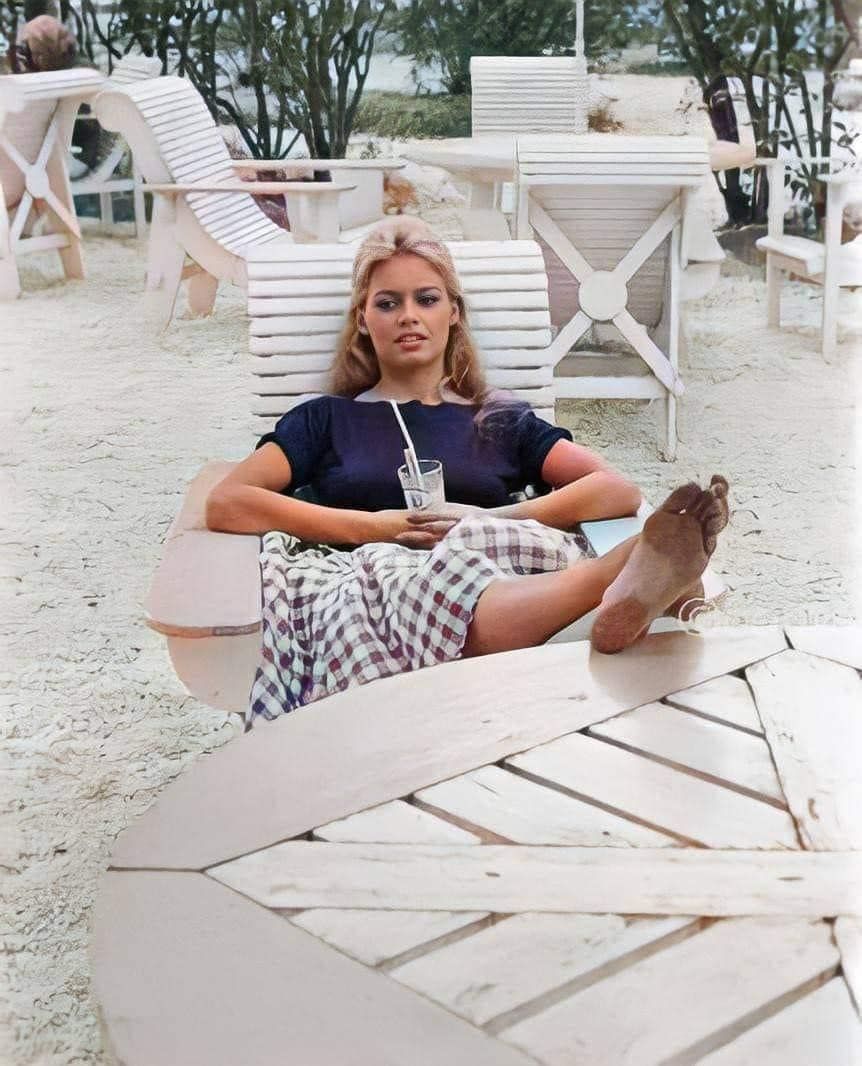
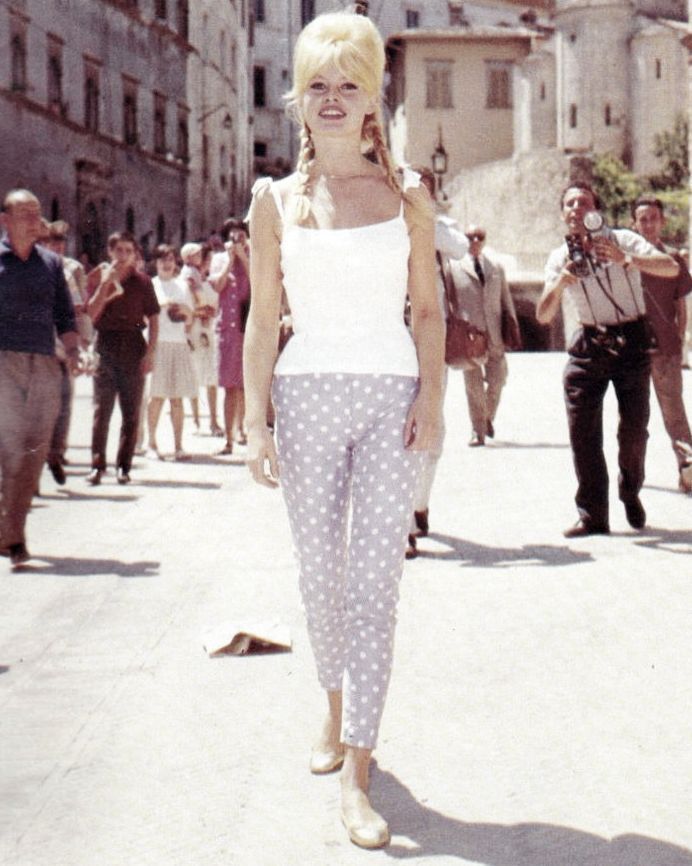
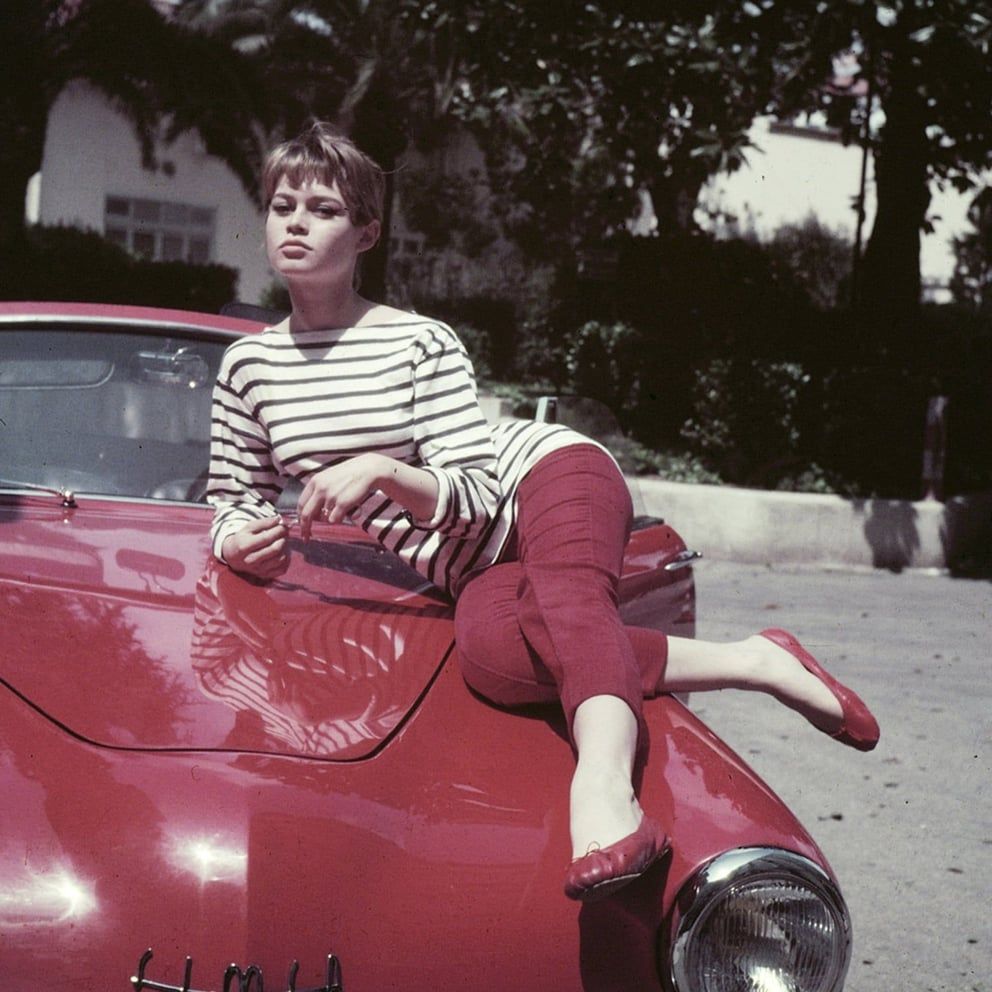
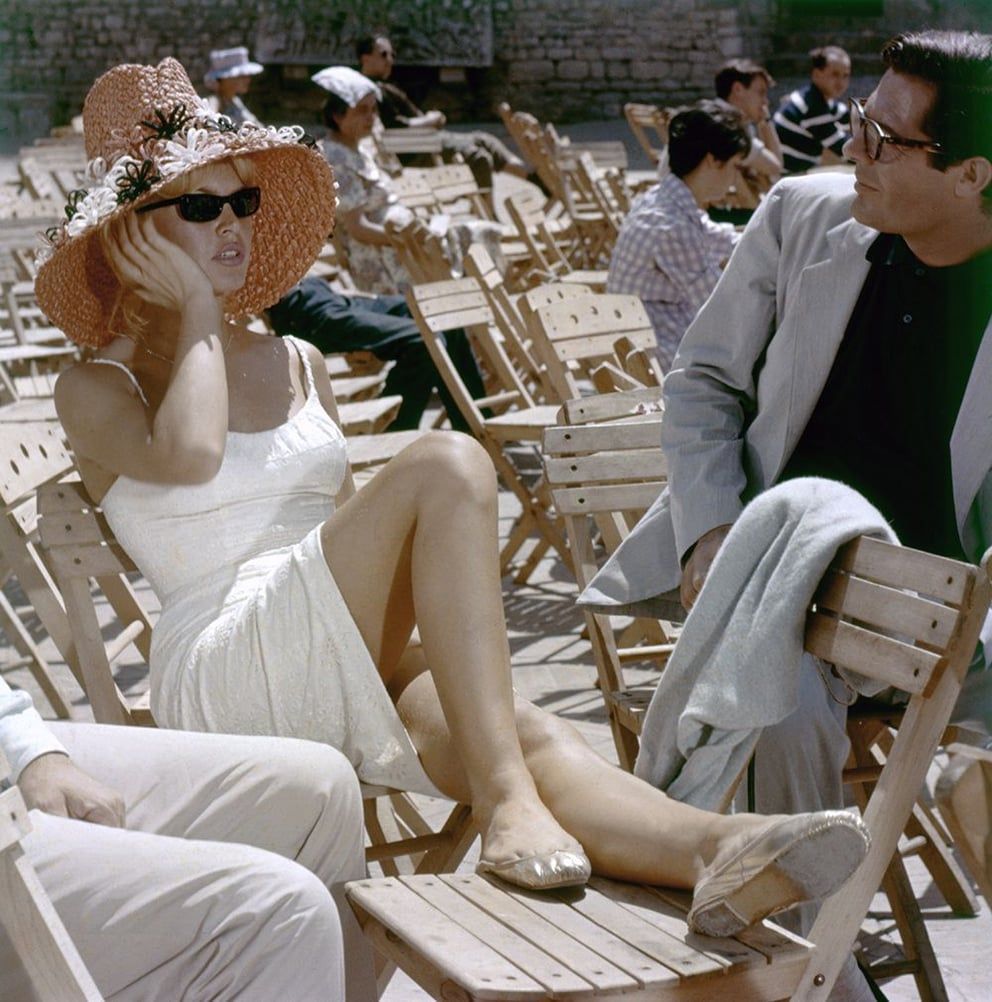
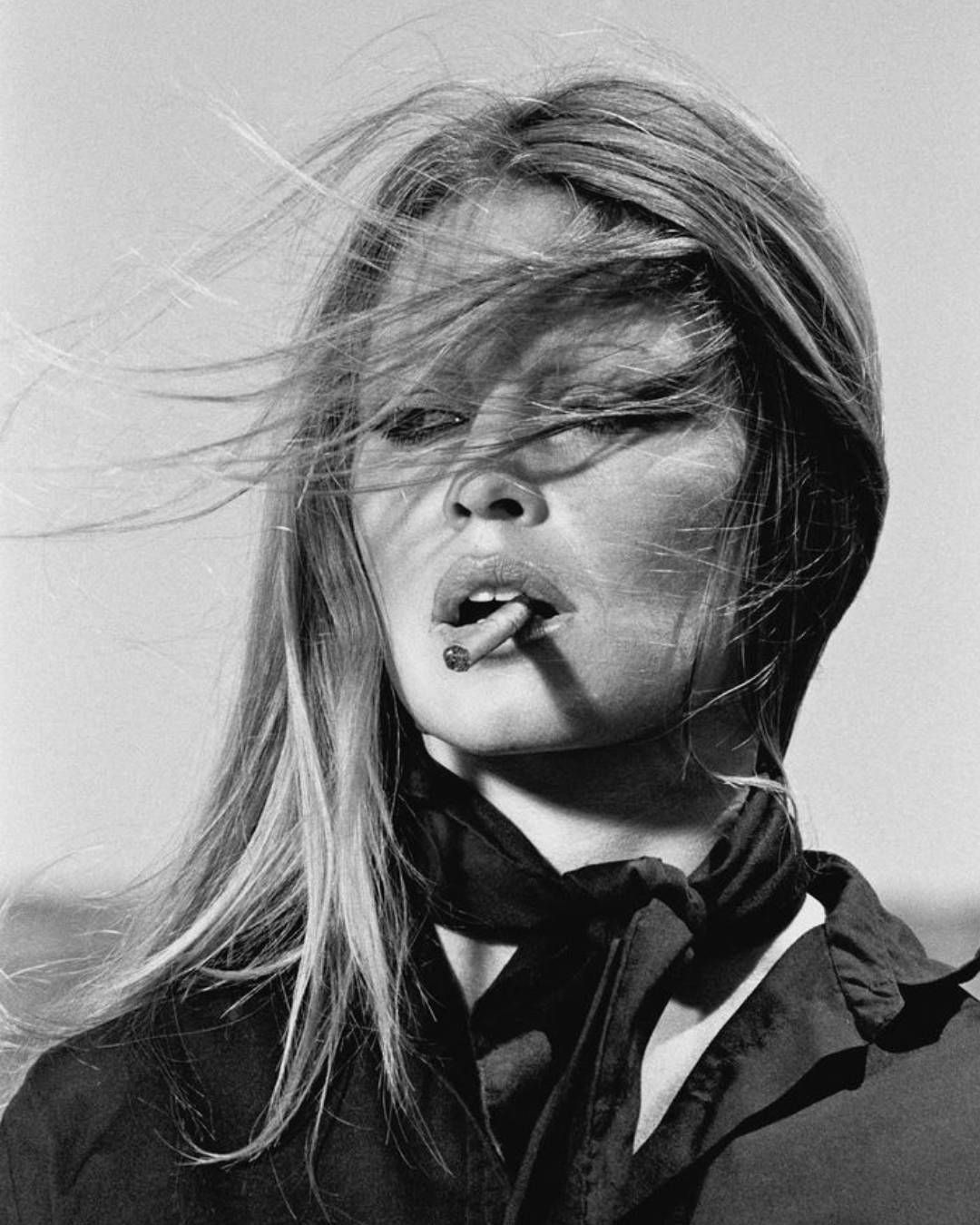
On this almost New Year’s Eve, while influencers and the influenced from all corners of the world set about creating their 2026 vision boards to start the year off right with a flurry of clichés pulled straight from a utopian world found on Pinterest, it is difficult to detach It-girls from their source: social media. Yet there was a time when trends were passed on through films, holiday photos, and even wedding pictures. A time when modern-day influencers were not yet called that, but already embodied this aura of feminine ideal. A time when the female population of France and beyond wore marinières, eye liner, and bandeaux in their hair because Brigitte Bardot had decided it would be so. Yesterday, after a life shaped by influence in fashion and beauty, but also by activism—preferring the company and protection of animals to that of humans—Brigitte Bardot passed away at 91 years old, not without leaving behind a legacy that France and the entire world will continue to honor.
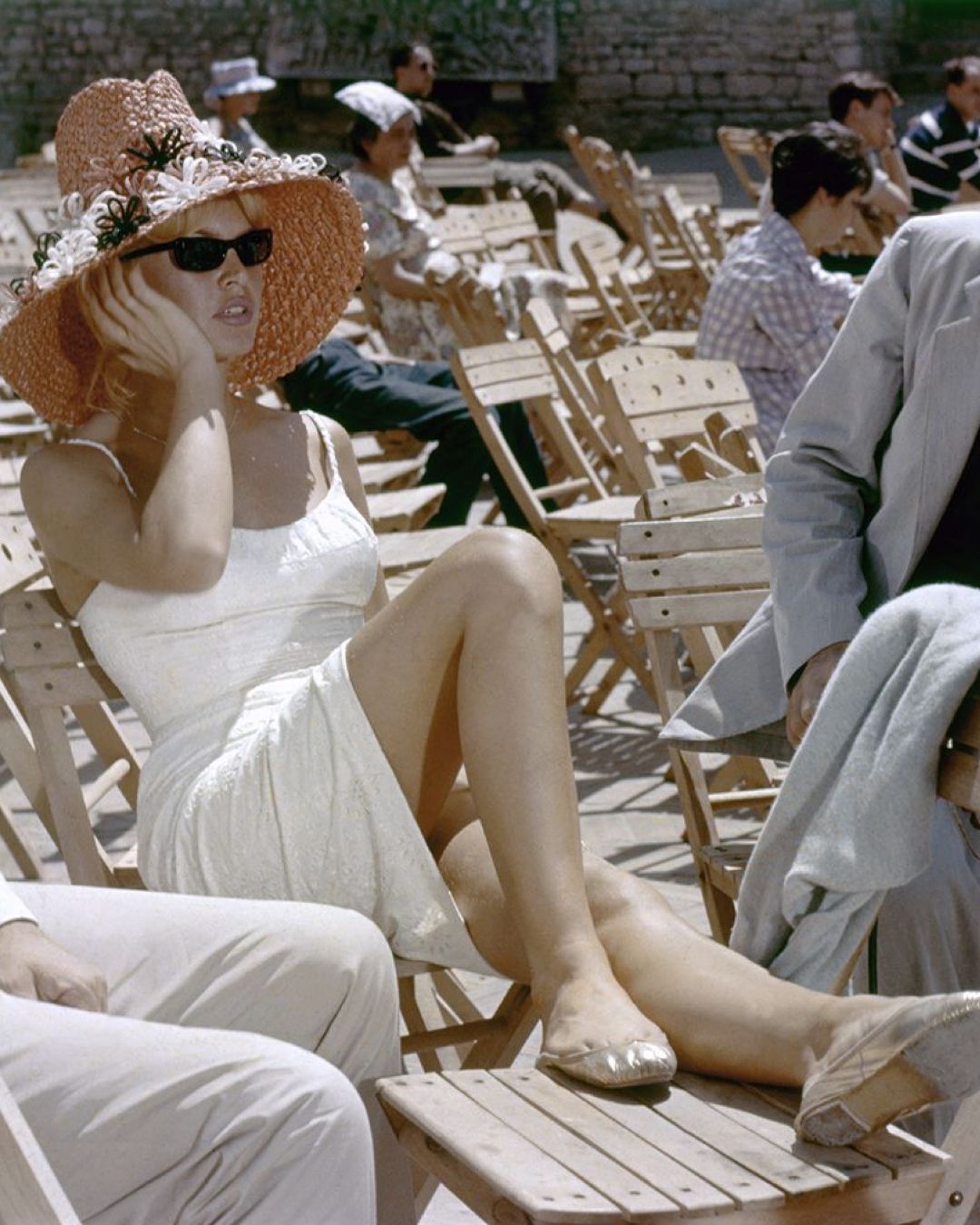
The era of influence begins in 1953 for the star, who goes from the anonymous Brigitte Anne-Marie Bardot to the iconic B.B in just a few looks. After making her film debut in Le trou normand alongside Bourvil, she heads to the Cannes Film Festival, where the sun of La Croisette and the soothing waves of the Mediterranean Sea encourage her to soak up some vitamin D, dressed in an outfit then considered outrageous: a two-piece bikini. Small swimsuit, big progress, it would seem, because through this appearance she delivers a first message through what she wears: she is free, her body belongs to her, and what she chooses to cover or not to cover concerns no one but herself.
A message she would continue to share through silhouettes very different from those typical of the post-war era. Corsets were not for her. Even under her dresses, BB preferred her body as it was: natural, neither hidden, nor overexposed, nor altered. One part of her body she particularly enjoyed highlighting was her collarbones, which she let breathe by wearing tops with necklines that skillfully wrapped around her shoulders. An additional symbol of her assumed freedom and femininity, the Bardot neckline became a visual shorthand for what she sought to convey through her deconstructed silhouettes, reimagined in order to be better reinvented.
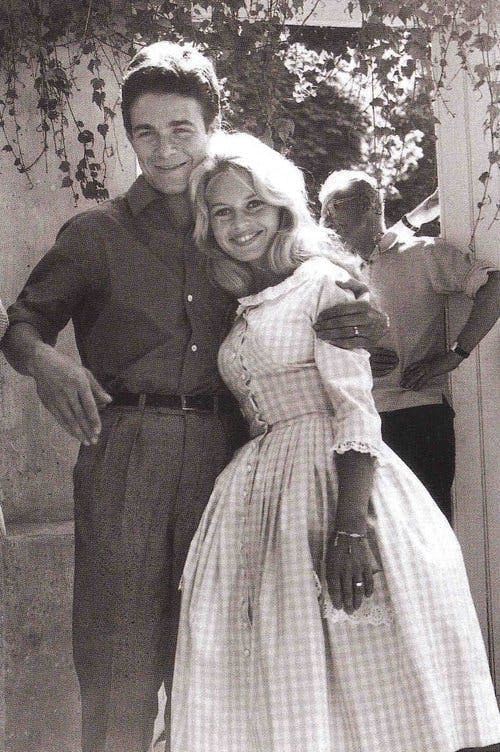
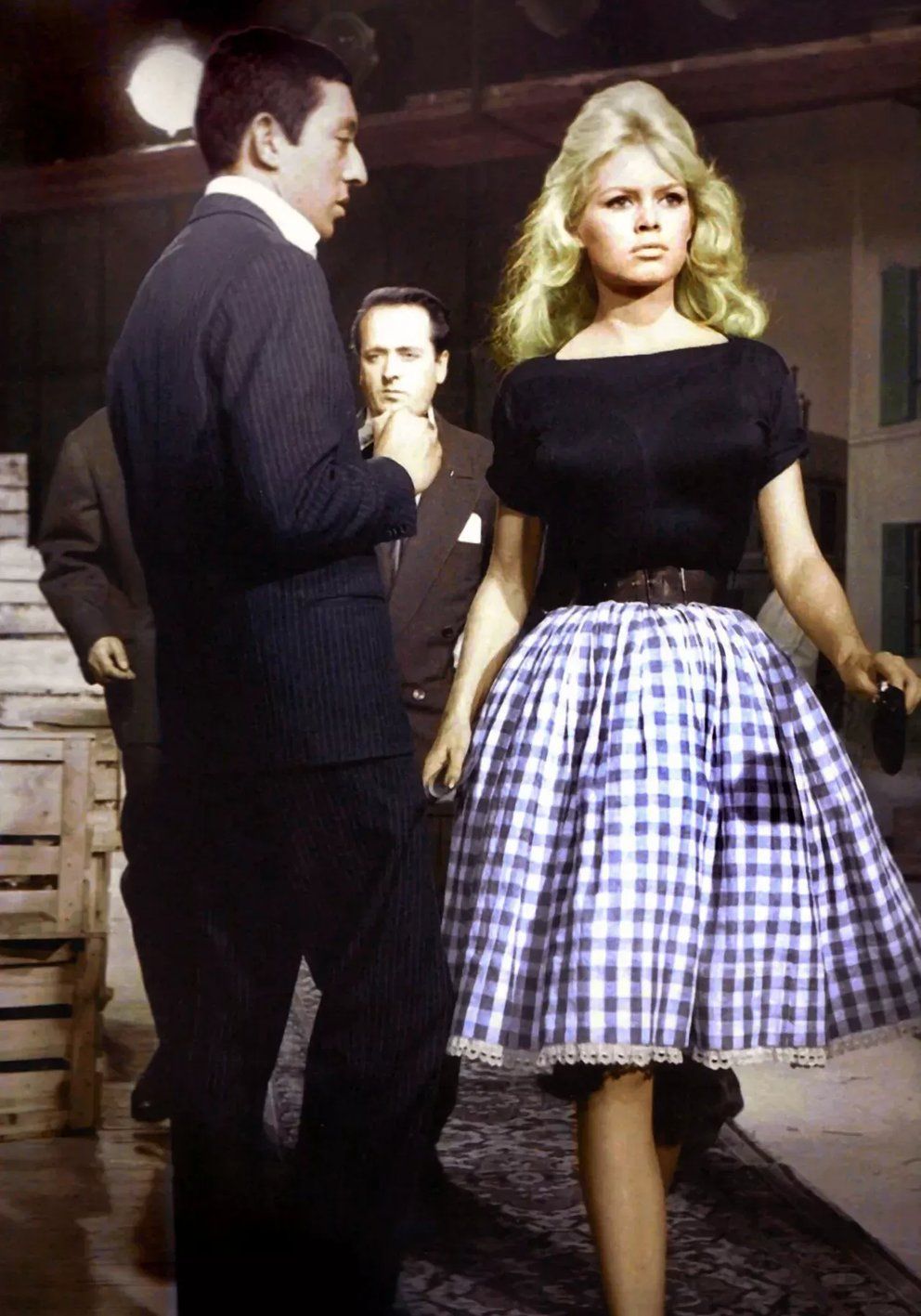
Still in 1953, she made another mark on fashion and its customs by appearing on the cover of Elle France wearing a light pink gingham dress that did not go unnoticed. A dress she would wear again for her wedding to Jacques Charrier in 1959, officially elevating gingham to must-have status in any self-respecting wardrobe of the time, and forever associating her name with the French fabric, as confirmed by the puffed skirt decorated with small blue checks she wears in Voulez-vous danser avec moi? by Michel Boisrond that same year.
In the meantime, the trends launched by the actress—who also ventures into music—follow one another, differ from one another, yet all align with the same guiding principle that appeals to French women as well as American ones. This is notably the case with the trend of ballet flats, those Repetto dance shoes that B.B. does not confine to dance studios like everyone else, but wears on the cobbled streets of Saint-Tropez. The model formerly called Cendrillon is now named Brigitte Bardot, which she wears both in everyday life and on stage, notably in And God… Created Woman, Roger Vadim’s film that would establish her as a recognized and celebrated actress.
It can be said that the big screen and her appearances on it became the main channel through which her looks—each more iconic and imitated than the last—were disseminated. It is impossible to mention Brigitte Bardot without mentioning Contempt by Jean-Luc Godard, released in 1963, in which her navy blue marinière, paired with a thick hairband and an equally bold line of eye liner on her eyelids, left a lasting impression. With a legacy of 45 films, 70 songs, ranging from La Madrague to Harley Davidson and Bonnie and Clyde, and an incalculable number of timeless and emblematic looks, BB leaves behind a memory that is unlikely to fade from the collective consciousness. Even today, on a gloomy winter’s day, the name Brigitte Bardot sounds like the nostalgic anthem of a summer that has not even begun yet.