




















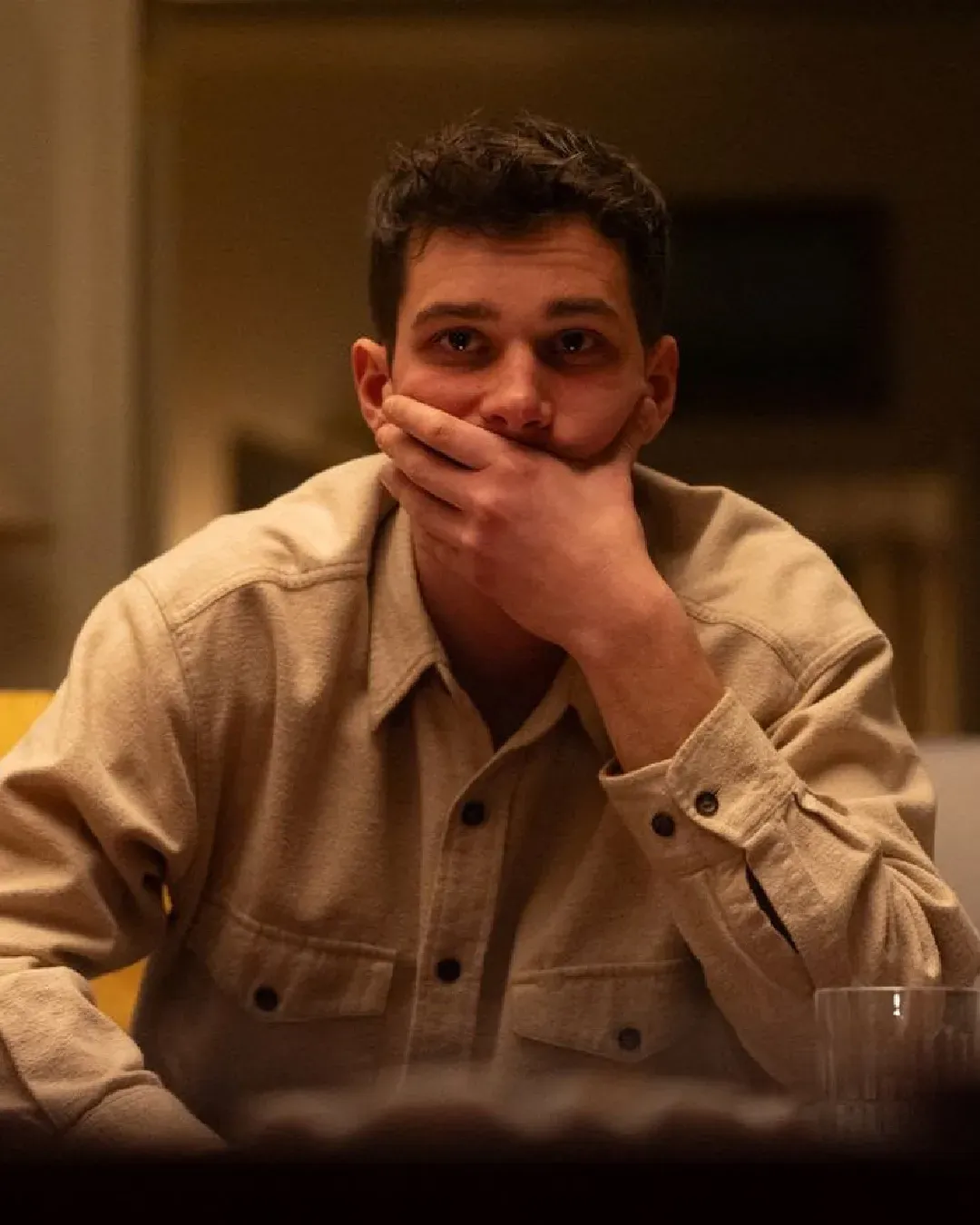
"La città dei vivi" is too timid for the story it wants to tell A story of family, desire and violence with Valerio Mastandrea and Emanuele Maria Di Stefano
One of the main themes of this 83rd edition of the Venice International Film Festival is family. The one we are born into, the one we choose. The family we build around ourselves, the one we want to be part of, and the one we find ourselves in despite our wishes.
La città dei vivi by Edoardo Gabbriellini, based on the book of the same name by Nicola Lagioia published by Einaudi, uses family as a boundary: on one side is what makes us feel good, what welcomes us, what recognises us for who we are; on the other is the outside world, ferocious, hungry, ready to attack and devour us. Often, this boundary becomes a lever for addressing different themes, for moving into other spaces and other environments, for capturing a generation in limbo — hesitant, eager to begin a new life and, at the same time, terrified of others' judgement.
In competition in the Orizzonti section and in cinemas from 1 October with Eagle Pictures, La città dei vivi is an almost episodic, fragmentary film, made up of very long sequences in which nothing seems to happen — designed to build some form of tension — and sequences that, instead, rely on more immediate and straightforward dynamics. Luca, the protagonist, is twenty-three years old. He drops out of school and looks for work; he helps his father sell sweets at fairs and amusement parks. He has a girlfriend, his friends, his own world. But he is not happy. He wants something more. He wants money, a place of his own, a fresh start. And so he begins to gamble, at slot machines in arcades, frequenting circles that are not his own — parties and encounters where he makes himself entirely available to other men.
His story is a tragedy drawn from a real crime: the murder of Luca Varani in 2016, an episode that, due to its brutality, shocked public opinion. Gabbriellini chooses to move carefully. To build, scene by scene, shot by shot, the world of this young man. It begins with his adoption, with the moment his parents chose him among other children: the others were crying, while he was smiling.
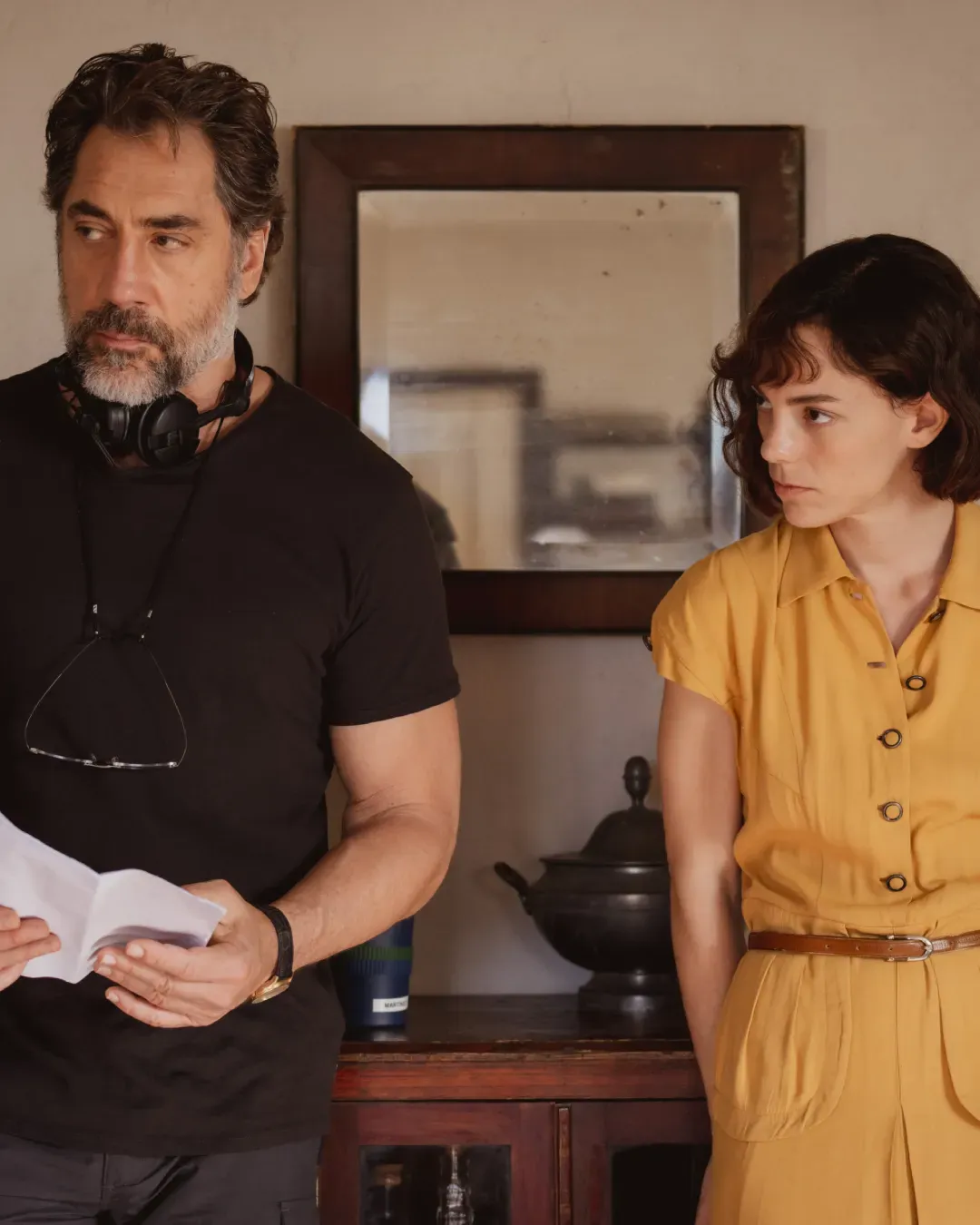
Emanuele Maria Di Stefano uses his expressions and physicality to sketch his Luca — an all-in-all gentle and willing young man, charming and likeable. On the other side, Valerio Mastandrea plays the father, counterbalancing Di Stefano and his restless physicality with tension and voice, managing with very little to give the narrative a good rhythm.
Perhaps the biggest problem with La città dei vivi is that it relies too heavily on visual formalism — on the desire to construct beautiful images, to load them with meaning — and misses more than a few opportunities to give the story's tension greater depth and density. It moves slowly, at times too slowly. Gabbriellini dwells on visual suggestions, on the unspoken entrusted to the more static shots, on the protagonist's face and those of the supporting cast (Gaia Merlonghi, Simona Senzacqua and Roberta Mattei). But he lingers, loosely weaves the threads of the plot, and never seems to arrive at the point with any real conviction.
La città dei vivi is a film that also speaks of the feminine, of an alternative perspective — at times complementary — to that of the protagonist: the perspective of the girlfriend, of the mother; the perspective of the friend he runs into on the bus after a long time. This is the everyday Luca, with his secret life; this is the Luca everyone knows — or rather, believes they know.
@eagle.pictures Il regista e il cast di La Città Dei Vivi arriva a #Venezia83 Il film, liberamente ispirato all’omonima opera di Nicola Lagioia (Giulio Einaudi Editore), racconta parte dalla tragica vicenda di Luca Varani per indagare le fragilità sociali, culturali ed emotive del nostro tempo, spostando lo sguardo dall'evento alle sue radici. Una produzione Eagle Pictures, Cinema Undici e Lungta Film con la partecipazione di @HBO Max Italia #LaCittàDeiVivi #Biennale2026 audio originale - Eagle Pictures
Gabbriellini attempts to replicate the narrative structure of Lagioia's book, opting for passages that are more novelistic and others that are more attentive to the facts. Some interludes are ends in themselves and find no real resolution. La città dei vivi is not structured as a downward spiral, but follows an almost linear trajectory: from point A to point B, and from point B to point C. The forced pauses, the silences, and this repeated and insistent suspension weigh the story down without adding further value or meaning.
The narrative's lack of incisiveness is quite evident at certain moments. But perhaps that is precisely what Gabbriellini intended: to create a different dimension, born as much from the source material — and therefore from Lagioia's book — as from the real events; and then, clearly, born of a synthesis between languages, first and foremost cinema and literature. Within this dimension, the viewer can look around, decide what to focus on and which direction to take. But they remain essentially alone. And the questions posed to them feel like immovable boulders.
What to read next
Clayface is the first truly horror superhero film
The lead is Tom Rhys Harries, and the story concept comes from Mike Flanagan of "The Haunting"
"I Play Rocky" is more than just a film about Sylvester Stallone
Peter Farrelly's work had its premiere at the Rome Film Festival and will be in cinemas from December 31
"Klara and the Sun" by Taika Waititi is a complete misfire
The film starring Jenna Ortega had its premiere at the Rome Film Fest and is in cinemas from October 22