






































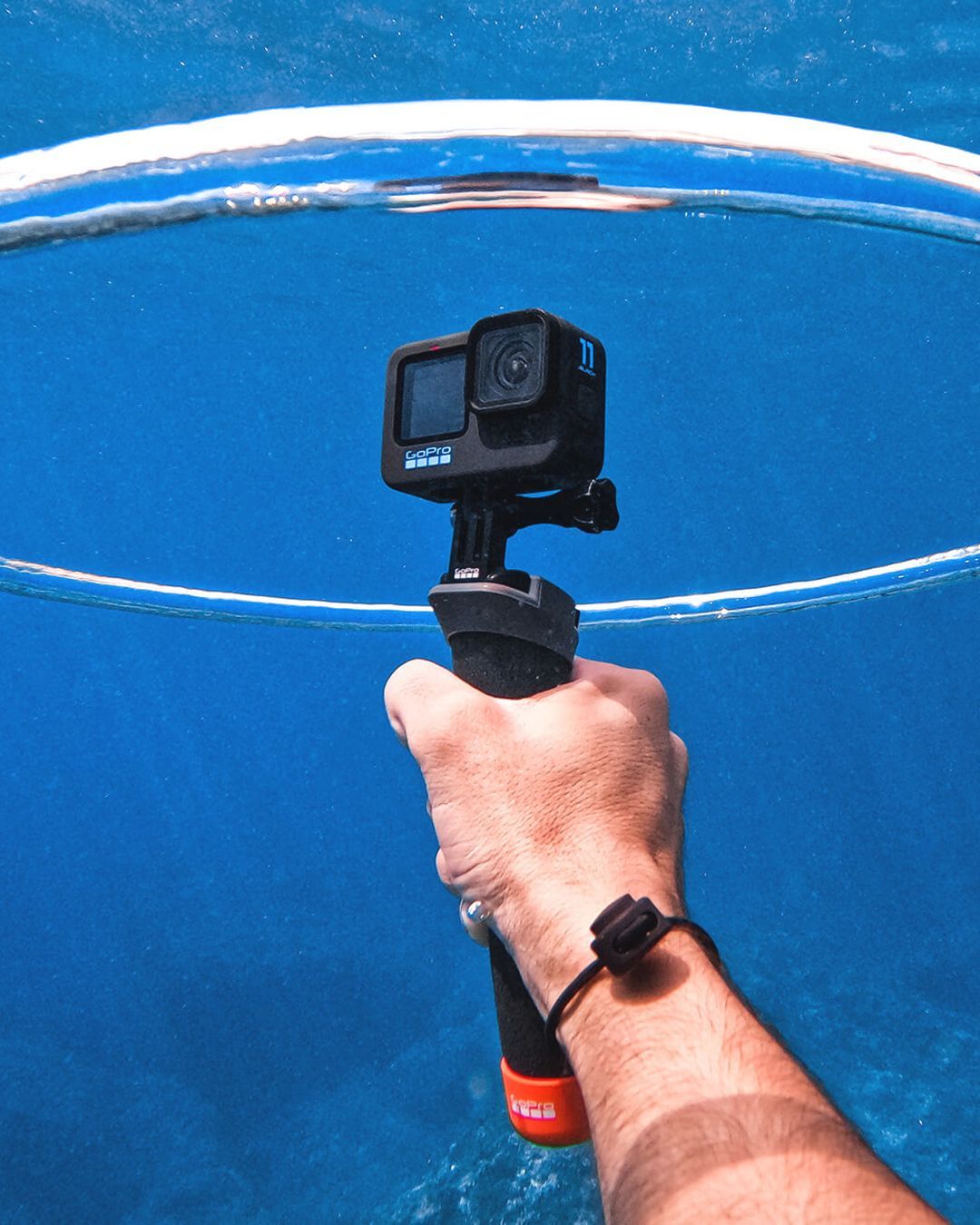
Will the sale be enough to save GoPro? GoPro is attempting a fresh start through its acquisition by Starman Optical
The action camera market — compact video cameras designed to capture dynamic activities — has been expanding for some time, driven primarily by the growing popularity of models aimed at sports use. These are extremely compact devices that combine a camera with image-processing technologies. According to the South China Morning Post, global action camera sales grew by 20% in the first quarter of 2026 compared to the same period the previous year.
For years, the action camera sector was led by GoPro, a US company founded in 2002 that made its small wearable cameras the best-known and most recognisable tool for documenting sports and outdoor activities. However, the company's dominance in this space has diminished significantly in recent years. Since 2023, its market share has fallen from 75% to around 6%, while two Chinese manufacturers — DJI and Insta360 — have gained ground and now collectively control 87% of the market.
What the future holds for GoPro
GoPro's financial difficulties came into sharp focus last June when consulting firm PwC cast doubt on the company's ability to continue operating, citing accumulated losses and uncertainty over its financial viability. In April, GoPro had already announced cuts of more than 20% of its workforce, having already reduced headcount by nearly a fifth in 2024.
Against this backdrop, as reported by the Financial Times, US company Starman Optical recently reached an agreement to acquire GoPro. Starman Optical specialises in building data centre infrastructure and aims to leverage the deal to redirect GoPro's know-how towards sectors such as artificial intelligence, defence, and aerospace, among others.
Starman Optical's products include so-called "optical transceivers" — components used in networking equipment and data centres to transfer large volumes of data via light signals. The goal is to combine these technologies with GoPro's intellectual property portfolio, which includes more than 2,500 patents related to optics.
How the competition managed to beat GoPro
Over the years, Chinese companies DJI and Insta360 have invested substantial resources in research and development within the action camera sector, introducing increasingly advanced sensors, processors, and stabilisation systems, while progressively closing the technological gap with GoPro — a company that failed to defend the competitive advantage it had built up over time. Adding to this was their direct control over much of the Chinese supply chain, which allowed both brands to develop custom components while maintaining competitive pricing.
The speed at which DJI and Insta360 have refreshed their respective product lines has also contributed to their growth, at GoPro's expense. The two Chinese companies have adopted a policy of launching new devices very frequently, with multiple updates throughout the year. GoPro, by contrast, has maintained a slower release schedule, ultimately losing ground in a market defined by rapid technological turnover.
What to read next
The Golden Goose Arena has opened in Milan
The brand has brought together sport, wellbeing, and community in one single place