



















In China, Gen Z is now using traditional medicine in cocktails A new trend that counters the idea of the "sober generation"
«China-maxxing» has been, without a shadow of a doubt, one of the defining trends of the first half of the year in the West. Gen Z youngsters have rediscovered the culture of the Middle Kingdom through Labubu, traditional medicine, viral memes and a general fascination with all things Chinese, finding themselves in a "very Chinese time of their life." But while in the West traditional Chinese medicine practices have suddenly gone viral on social media, what is the situation in their country of origin? Not all that different, as it turns out.
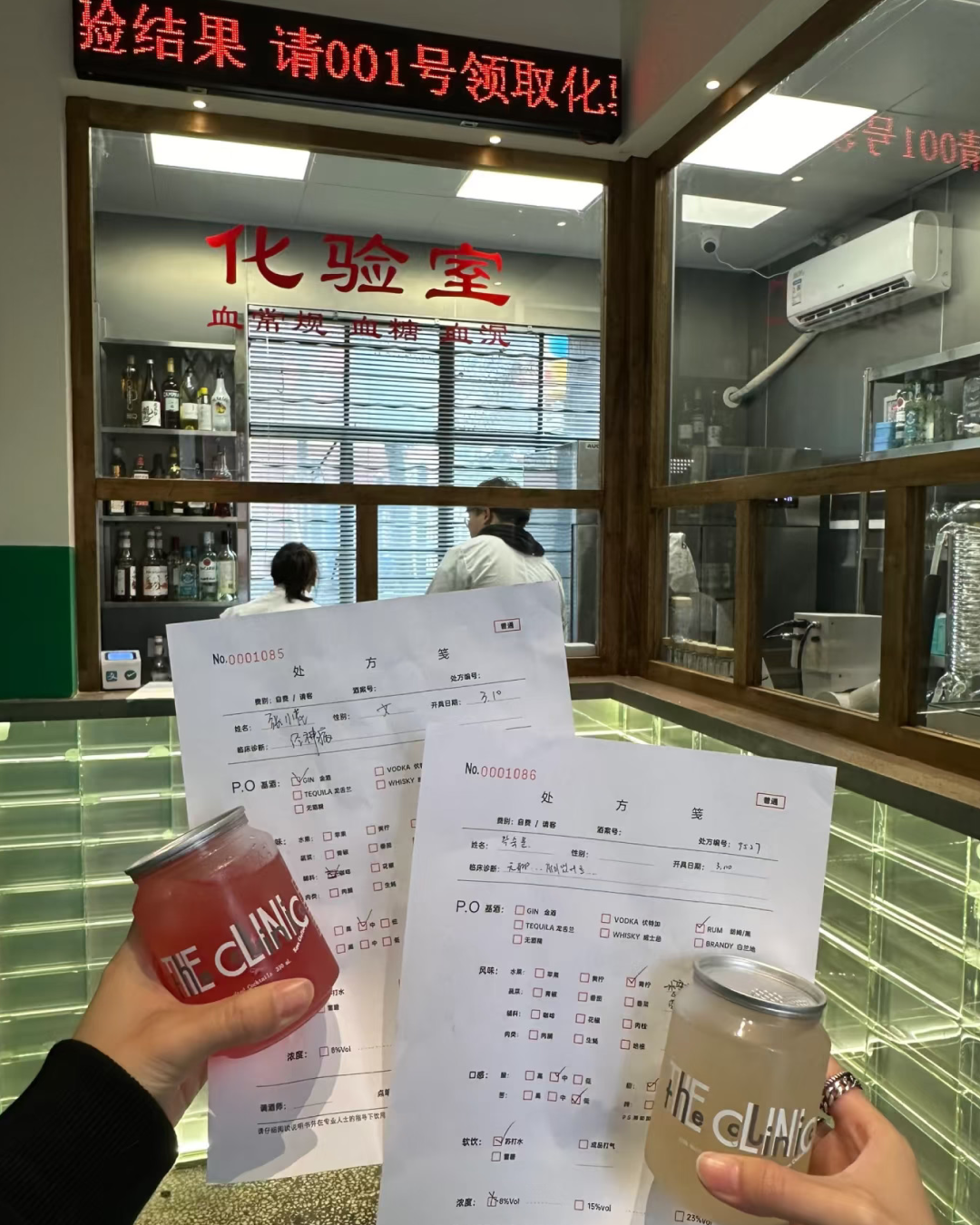
In recent months, a new phenomenon called "punk wellness" has taken hold — a philosophy that sits somewhere between soft clubbing and drinking late into the night while simultaneously trying to limit the damage. Since the beginning of the year, several "TCM bars" have appeared in China's major cities: venues serving cocktails made with alcohol and traditional Chinese medicine ingredients. The goal? To have fun while cushioning the hangover as much as possible — naturally.
Why are TCM bars springing up in China?
As France24 and AFP report, these venues reflect an increasingly stressed generation. Caught between a slowing economy, a fiercely competitive job market and the notorious "996" culture — working from nine in the morning to nine at night, six days a week — young Chinese people are looking for new ways to carve out a few hours of leisure without giving up their contemporary obsession with wellness. It is precisely from this contradiction that the concept of "punk wellness" is born.
In Shanghai, one of the most celebrated examples is Niang Qing, a bar founded by students from the Shanghai University of Traditional Chinese Medicine. Here, a traditional Chinese medicine doctor reads customers' pulses and recommends ingredients such as goji berries, angelica, red dates and other herbs, which are then crafted into personalised cocktails. The concept, its founders explain, is not to heal people through alcohol, but to make a millennia-old tradition more accessible to a generation that would probably never set foot in a traditional pharmacy. After all, the connection between alcohol and medicinal herbs is nothing new in Chinese culture either: so-called medicinal wines have existed for centuries.
Medicinal cocktails are conquering the rest of the world too
The phenomenon, however, is not confined to China. As Fine Dining Lovers reports, ingredients typical of traditional Chinese medicine are finding their way into cocktail bars and restaurants across North America and Asia. One of the most intriguing cases is that of Nin Jiom Pei Pa Koa, the celebrated Chinese honey-and-herb cough syrup that in recent years has appeared in drinks, desserts, ice creams and bubble teas — such as at Lucky Danger in Washington DC, where it is used to reinterpret classic cocktails like the Negroni and the Boulevardier. Meanwhile, Keefer Bar in Vancouver builds much of its drinks list around ginseng, red dates, roots and medicinal mushrooms sourced from the historic herbalists of Chinatown. In Singapore, the venue Synthesis has made traditional Chinese medicine and mixology its very identity.
The success of these drinks is part of a broader shift in consumer habits. As Linkiesta notes, between 2022 and 2024 more than 61 million people turned to no- and low-alcohol drinks across the world's ten largest markets, while by 2028 the non-alcoholic spirits sector could surpass four billion dollars in value. Across Europe, too, more and more bars are dedicating entire sections of their drinks lists to botanical and fermented offerings — as in the case of Emanuele Balestra, mixologist at the Hôtel Barrière Le Majestic in Cannes, who specialises in natural ingredients, teas and plant extracts.
What to read next
Can Gen Z Really Get Rich with Vinted?
A new business model is emerging, tax-free and learnable through an online course
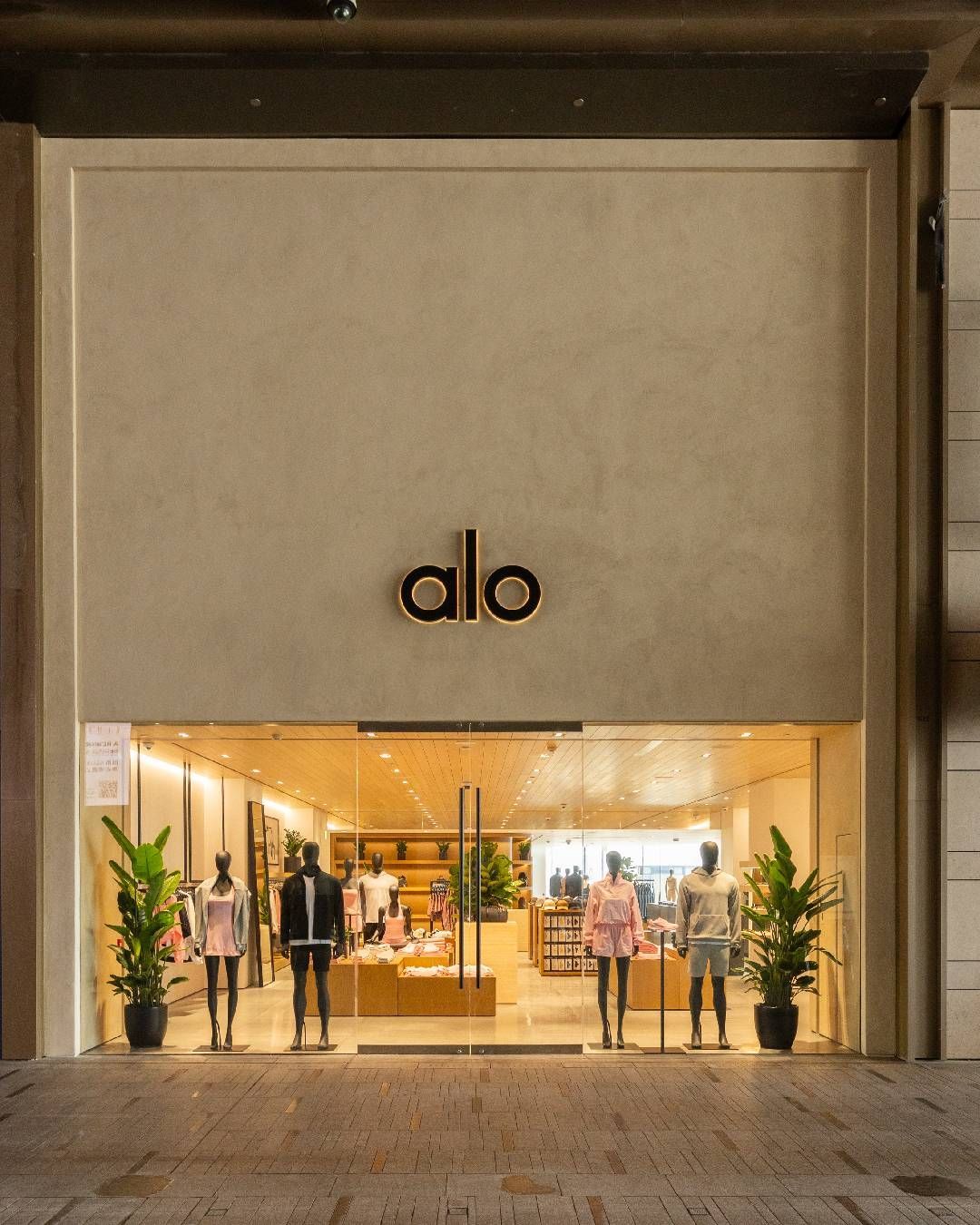
ALO accelerates global expansion with two new flagships in Hong Kong and Berlin
The wellness empire expands
LVMH's fashion division keeps getting worse
Third-quarter results showed a -5% decline driven by the Chinese market