

































How does Chinese traditional medicine work? The younger generations are fascinated by alternative approaches to medicine
In recent months on TikTok, a trend has spread that is not easy to understand for those who are not familiar with the languages of social networks and the fashions that involve younger generations. On the platform, it is not uncommon to come across Western users who show their daily habits inspired by traditional Chinese medicine – ironically pointing out that they have recently realized they are Chinese (even though they are not). These practices include, for example, drinking hot water, consuming congee (a simple and nutritious rice porridge), or preparing breakfasts with ingredients typical of Eastern culture, among many other things.
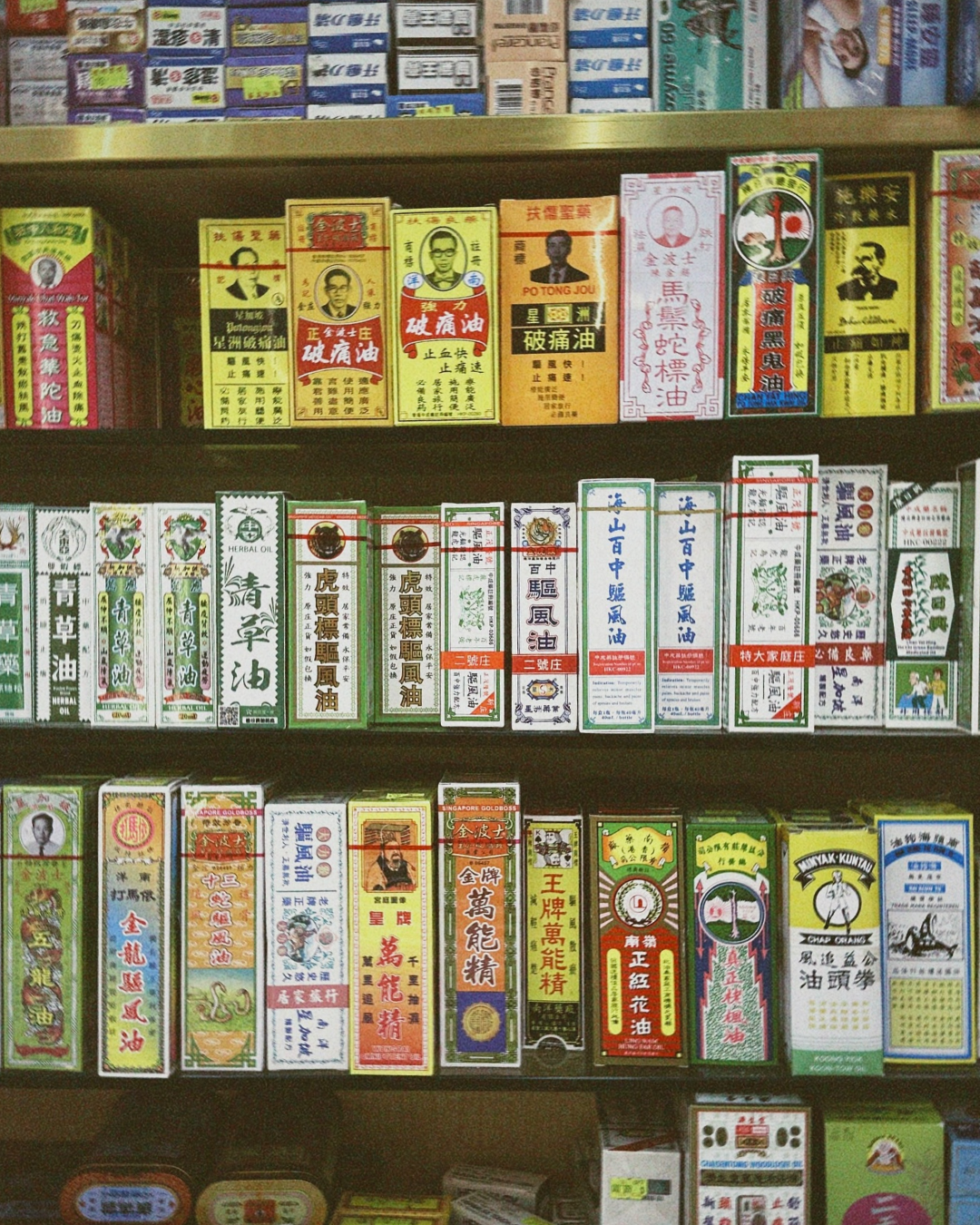
Traditional Chinese medicine (TCM) is described by its supporters as being based on more than three millennia of medical practices developed precisely in China, and involving the use of herbal or meat-based preparations, acupuncture, certain types of massage, and the consumption of particular foods. Among the various principles of TCM is that of “vital energy” (called “qi”), which is believed to circulate in our bodies through channels known as meridians, connecting much of the organs and stimulating their functions.
Does traditional Chinese medicine work?
Traditional Chinese Medicine makes western medicine look like such a scam... between acupuncture, cupping, acupressure, blood cupping & reflexology they can heal so many issues with ZERO medicine while American doctors would simply prescribe man made drugs to only treat symptoms
— Kimi K (@KimiKouture) January 8, 2020
The theory of vital energy and the other practices typical of TCM are generally considered forms of pseudoscience, since they are not based on the fundamental principles of scientific medicine. This explains the absence of truly effective treatments attributable to TCM, especially in the treatment of more serious illnesses. However, the proposed treatments are often presented as safe by those who promote them, by virtue of their millennia-long use, although they have not been subjected to rigorous scientific studies and trials that demonstrate their effectiveness or systematically assess their possible risks.
In China, TCM is authorized and, to a certain extent, supported by institutions through the National Administration of Traditional Chinese Medicine. People who intend to practice it must pass an exam certifying the required skills, in addition to obtaining the recommendation of at least two already licensed professionals. The Administration is also responsible for verifying and approving the promotional campaigns related to treatments, which fuel each year a market worth several billion euros.
Traditional Chinese medicine and young people
It remains the case that the growing popularity in the West of traditional Chinese medicine has had socially interesting effects even within individual Chinese communities. Seeing – especially on TikTok – non-Chinese people approach the study of TCM has encouraged many second-generation young people to rediscover their cultural roots, recovering recipes, practices, and rituals that had partly been forgotten. But even within China itself, traditional medicine is becoming more popular among new generations: in several major cities, for example, venues have emerged offering ice creams, drinks, and other products inspired by the ingredients and principles of TCM.
One of the reasons for this success – both in the West and in China – lies in the simplicity of many of the practices suggested by TCM. The approach underlying the various practices is in fact perceived as less stressful and more sustainable compared to wellness models based on intensive training and rigid regimes. For many people, such habits represent a kind of antidote to the social pressure to optimize one’s physical performance and body. Traditional Chinese medicine, in fact, emphasizes prevention, promoting the idea of keeping the body in harmony through specific daily habits – an approach which, despite having no scientific basis, has greatly fascinated younger people.
China, in any case, has every interest in these trends – in their own small way – being appreciated: the country – governed by an authoritarian dictatorship, repressive of human and civil rights, censoring freedom of expression and persecuting minorities – has long sought to appear as a valuable political and cultural interlocutor of the West, above all for reasons of economic interest, despite its anti-democratic conduct.
What to read next

LVMH's fashion division keeps getting worse
Third-quarter results showed a -5% decline driven by the Chinese market

The student revolt is happening simultaneously IRL and on TikTok
An analysis of a growing phenomenon

How Gen Z is changing the rules of physical retail
From clubhouses to test labs, new brands are transforming stores into something that goes far beyond shopping