






















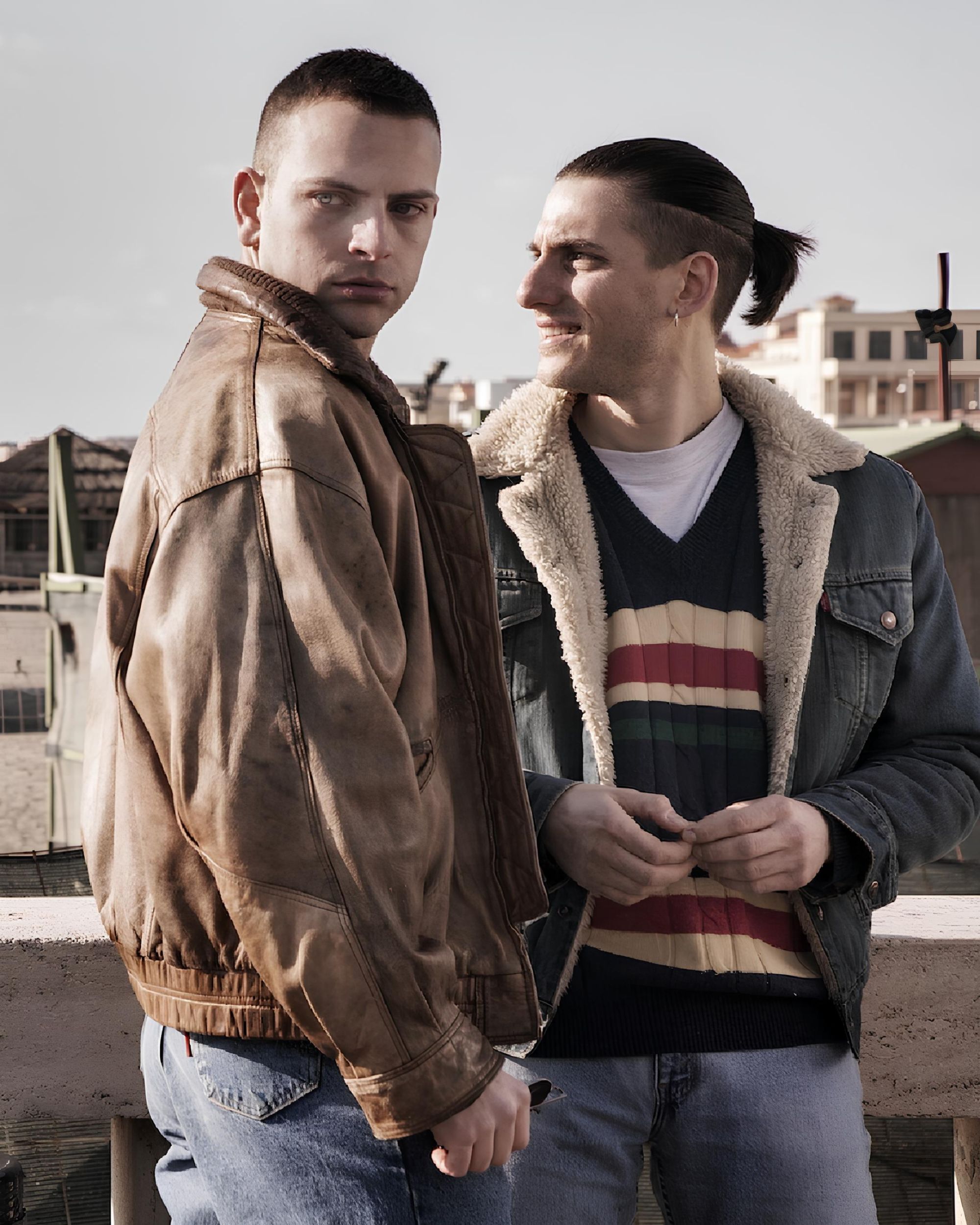
“Don't Be Bad” is already a cult classic of Italian cinema Only ten years have passed since Claudio Caligari's film was released, but everything has changed since its arrival
Claudio Caligari only had time to make three films, yet they had such an impact that they remain indelible, unforgettable in the history of Italian cinema - and that’s precisely the mark of greatness. One of them, the last one, even revolutionized the industry: there’s a before and after Don’t Be Bad (2015), it’s impossible to deny it. On the occasion of its tenth anniversary, the film returns to theaters with several official presentations, such as the special screening during the 20th Rome Film Festival, and with precious tributes like the poster created for the occasion by the well-known cartoonist Gipi. But the truth is that, throughout this decade, people have never stopped talking about Don’t Be Bad, not even once. It has become the benchmark against which every subsequent Italian work has been measured, unable to surpass a milestone that already stands as a defining turning point in Italy’s cinematic and cultural fabric.
A project that continuously communicates with Caligari’s previous films: the timeless and crucial debut set in a suburb like Ostia in Toxic Love (1983) and the nightlife of robber-policeman Remo Guerra in The Scent of the Night (1998). Born a documentarian and originally from Arona, Claudio Caligari constantly moved between fiction and documentary cinema, working as an assistant director to Marco Bellocchio, Pier Paolo Pasolini, and Marco Ferreri. However, he first took his steps in the documentary world, from which he learned the tools to so effectively portray the marginalized lives of his characters. Don’t Be Bad is indeed a mix of this dual soul.
@artesettima Accattone (1961), il primo film di Pier Paolo Pasolini. Storia di un ragazzo di vita divenuto martire. #artesettima #pierpaolopasolini #pasolini #accattone #ragazzidivita #cinema #cinemaitaliano #CinemaTok #filmtok #perte #neiperte #andiamoneiperte eleanor rigby -
The title is, in fact, the double continuation of two distinct paths. On one hand, it follows his fiction debut Toxic Love; on the other, it was considered by the director and screenwriter himself (co-written with Francesca Serafini and Giordano Meacci) as an ideal sequel to Pasolini’s Accattone. As if Cesare, played by Luca Marinelli, and Vittorio, played by Alessandro Borghi, were the “children of the children” of the character and generation of Vittorio Cataldi, played by Franco Citti in 1961 - the reuse of the name, in fact, is no coincidence. Then, as often happens to those destined for greatness, fate intervened - shaping the circumstances that helped fuel the myth still alive today.
@netflixit Borghi + Marinelli = Non essere cattivo #cinematok #alessandroborghi #lucamarinelli #filmtok #netflixita original sound - Netflix Italia
From Toxic Love to The Scent of the Night fifteen years had passed. Many were the projects he tried to complete, but none managed to take off. And just as many attempts preceded Don’t Be Bad, which took years to secure proper funding. Championing its realization was Valerio Mastandrea, the star of Caligari’s second feature film and a close friend who committed himself as executive producer to bring the project to completion, even following it through after the director’s imminent death, which came right after the editing phase ended. His passing, after a long illness, deprived him of witnessing the upheaval that Don’t Be Bad brought to the Italian film landscape. Caligari, always independent and militant, had managed to combine the right elements to fuse audience appeal with cinephile and critical taste, daring even in his choice of actors whose lives would be forever changed, launching a new way of making cinema.
Dieci anni di Non essere cattivo significano anche dieci anni di questa foto: Luca Marinelli, Valerio Mastandrea e Alessandro Borghi nel novembre del 2015, a Los Angeles, per il tour promozionale per gli Oscar. Scatto - meraviglioso - di Riccardo Ghilardi. pic.twitter.com/ZFifntnQSs
— Gianmaria Tammaro (@jan_novantuno) October 12, 2025
Both already had somewhat established careers - Luca Marinelli having made his big-screen debut with Saverio Costanzo in 2010’s The Solitude of Prime Numbers - but it’s undeniable that Don’t Be Bad helped solidify the two actors, who after the release of Caligari’s film became true “stars” in the most traditional sense of the word, a label not easily applied to Italian performers. Marinelli’s stardom grew even further that same year when he took on the flamboyant role of “Lo Zingaro” in Gabriele Mainetti’s They Call Me Jeeg Robot, while Alessandro Borghi appeared in Stefano Sollima’s Suburra, which, aided by Don’t Be Bad, allowed him to expand and explore his character Aureliano Adami in the Netflix series of the same name.
Luca Marinelli e Alessandro Borghi riuniti sul red carpet di #RoFF20 per i dieci anni di Non Essere Cattivo e la scomparsa del grande maestro Claudio Caligari. pic.twitter.com/xFQycPTQem
— Rebelle Vague (@rebellevague) October 18, 2025
The union of the two protagonists’ bold performances and the adaptation of noir sensibilities to Roman grit gave Don’t Be Bad a fusion of identities that, once blended, created something entirely new. Original, unexpected, exhilarating. It still resonates ten years later and will undoubtedly continue to do so for the next twenty, thirty, fifty years. And it doesn’t matter that Martin Scorsese (“Martino”, as Caligari affectionately called him, who not coincidentally drew inspiration from Mean Streets – Sunday Church, Monday Hell) never replied to Mastandrea’s open letter published in 2014 in Il Messaggero asking for help in funding and supporting his friend’s film. Don’t Be Bad made it on its own.
What to read next
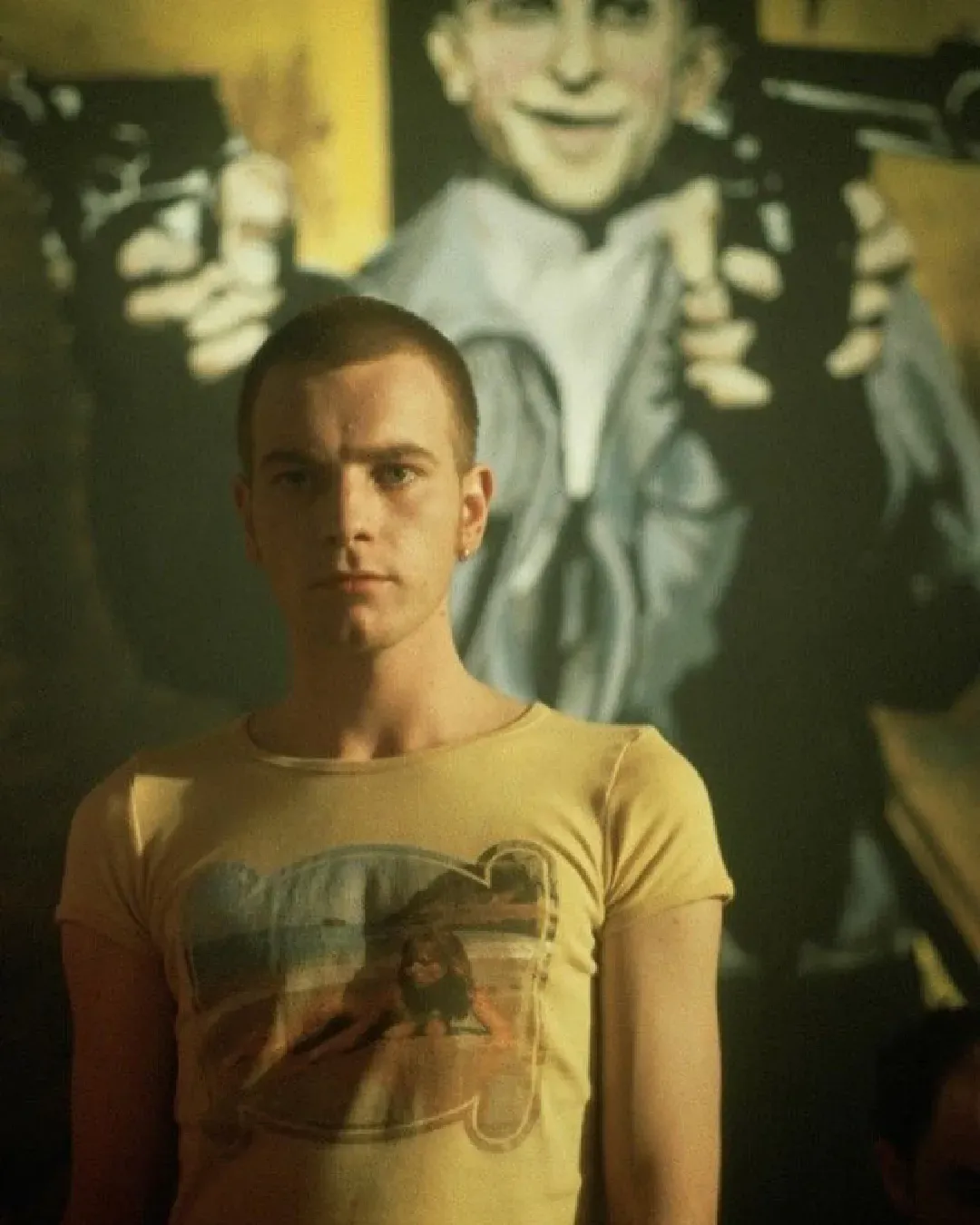
5 trends that Trainspotting anticipated Back in 1996
There is much more to the film than the famous Helmut Lang tank top
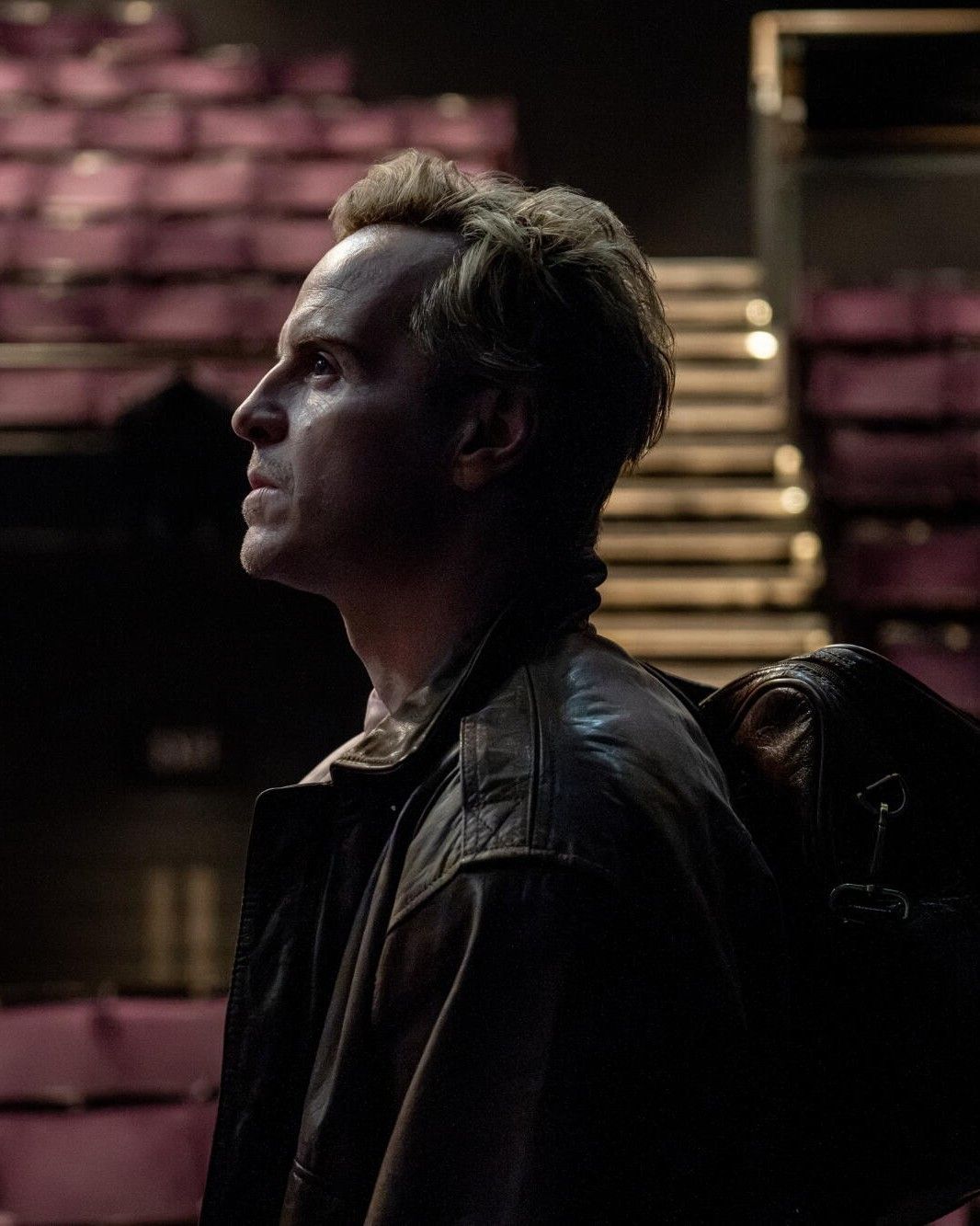
Andrew Scott gives the best performance of his career in "Elsinore"
Simon Stone's film tells the true story of actor Ian Charleson and his production of "Hamlet"
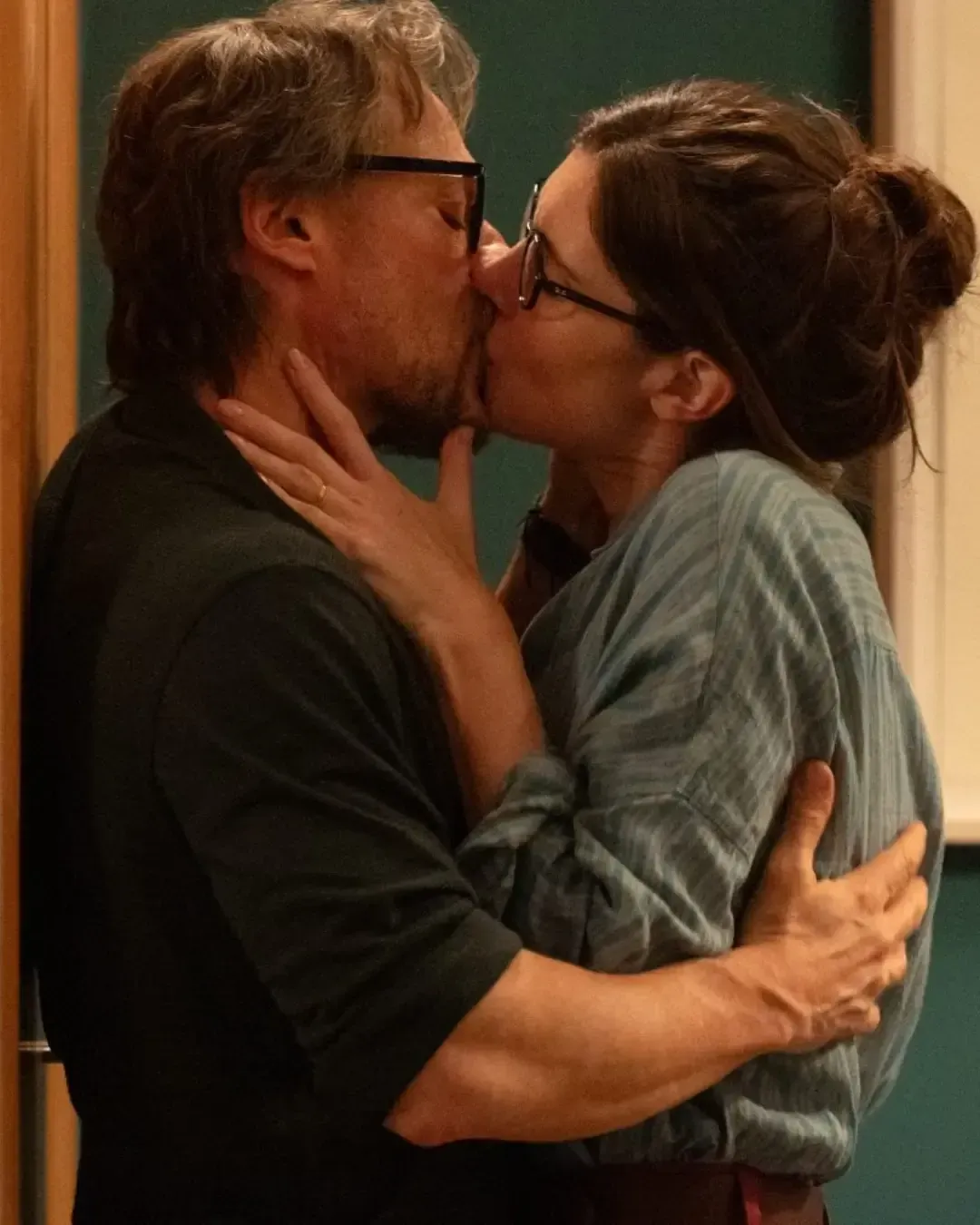
"Il rumore delle cose" by Paolo Genovese opens the 2026 Rome Film Festival
The film, adapted from Genovese's novel of the same name, is nonetheless the usual Italian drama