.gif 2000w)

































For Gen Z, homes matter more than clothes now And the industry has noticed it, according to Jonathan Anderson and Ikea
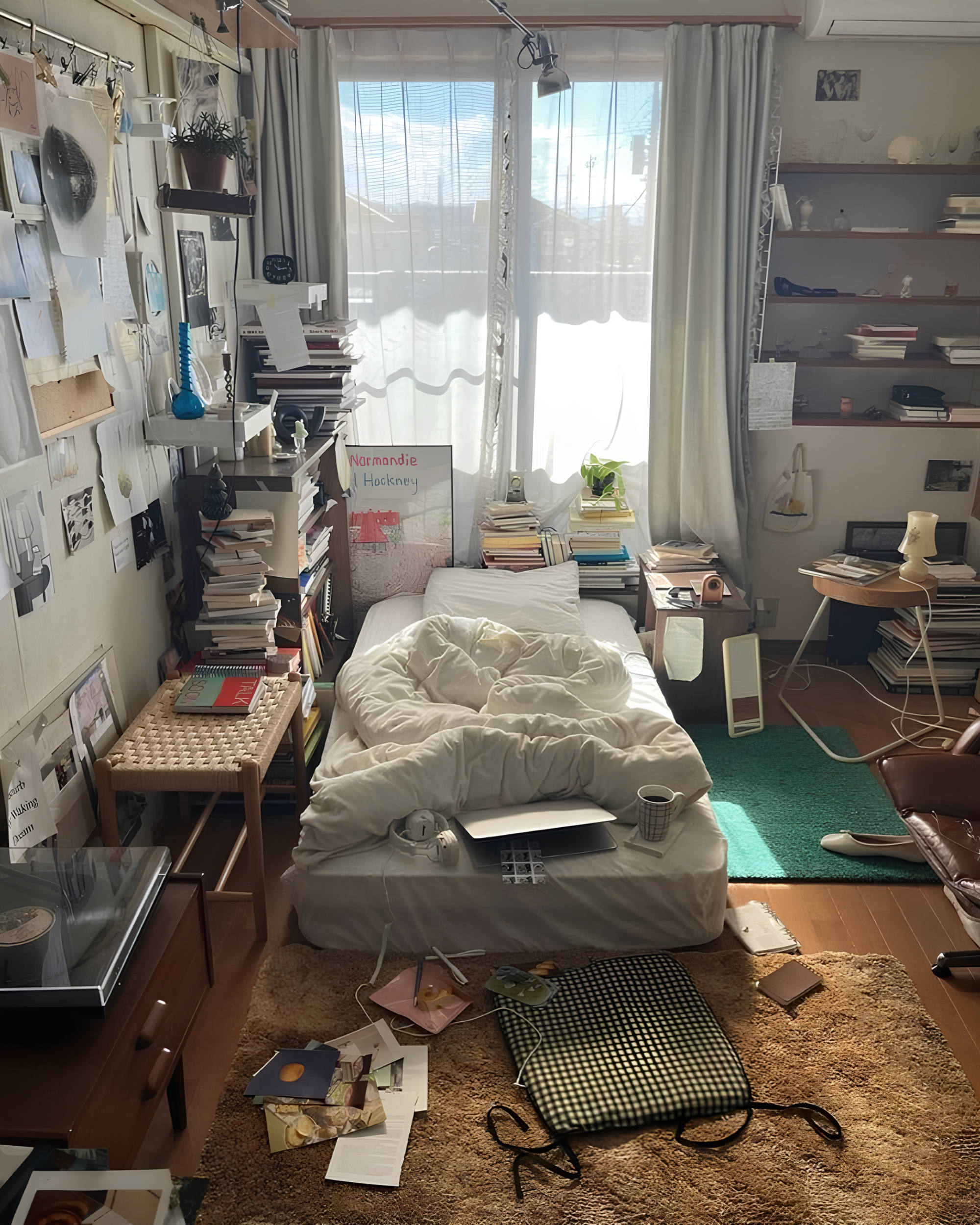
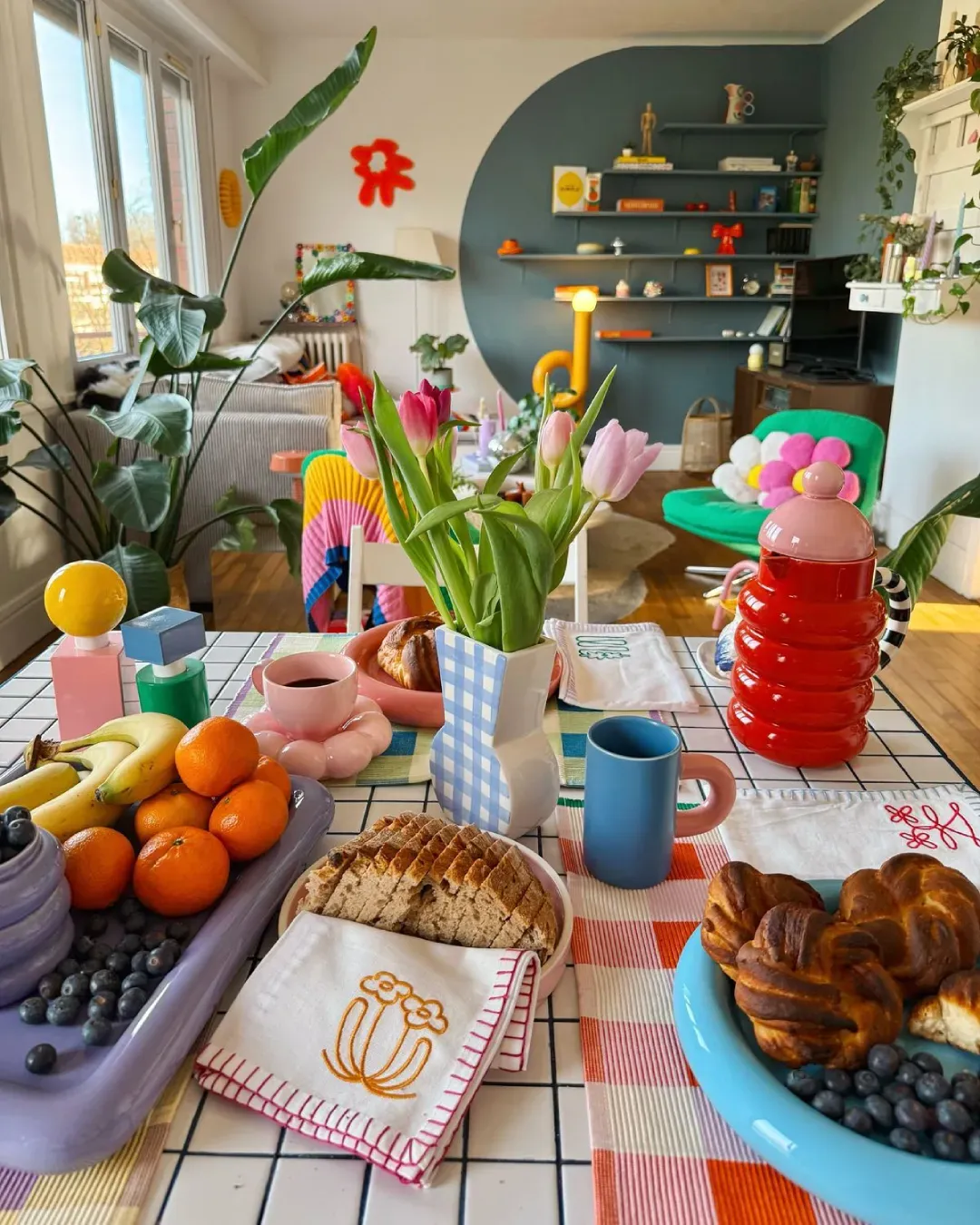
In 2024, consumer credit related to furniture reached €2.6 billion, with a growth of +5.8% compared to 2023. A figure that tells better than any trend how the home is now at the center of spending and attention. Public and private, once separate spheres, have intertwined with Instagram, Zoom calls, and creative jobs that live between the two dimensions. Thus, the home, once an intimate refuge, has become a device for self-expression through refined objects, quality fabrics, and furniture capable of turning their story into an opportunity for dialogue.
Since the pandemic, domestic space has been reprogrammed to accommodate not just a marginal part of our life, but a much larger portion of our daily time. This is how living has become an identity interlude, capable of representing personalities and cultures — perhaps today even more deeply than the clothes we wear. The "fashionization" of the home, though currently a trending topic as also confirmed by BoF, is certainly not new to the creative world. In the article, Martina Mondadori emphasizes how today the home has become a sign of status as much as the clothes we wear: a sofa can carry the same symbolic weight as an iconic handbag, and choices about interiors speak of identity, taste, and cultural belonging.
When fashion realized the commercial power of interiors
The relationship between fashion and home has deep roots and codes that have long intermingled: in 1911, Paul Poiret created Atelier Martine, named after his daughter, a line of fabrics, furniture, and objects for the homes of the wealthy around the world. The designer merged and commercialized arts & crafts under a brand immediately associated with a fashion house. A few years later, in 1929, Christine Frederick demonstrated in Selling Mrs. Consumer how modernity also passed through private consumption, with the interiors of affluent families at the center of new habits thanks to appliances and technologies that encouraged spending more time at home. From the 1950s onward, retail also began to change. Stores stopped being “luxury supermarkets” and started to imitate the living room, bringing the same intimate and private atmosphere into public spaces and making customers feel at ease while shopping. The act of purchasing became a domestic and convivial experience, a tangible transformation still evident today — just think of contemporary concept stores or old provincial shoe shops, where the living-room setup remains the same.
Luxury home décor is a growing market
@cameliafarhoodi lil home interior update, loving neutrals clearly <3 also going to miss this dappled light sm in winter.. #home #homedecor #loft #interiordesign Birds Sound - Calming Bird Sounds
Today, Gen Z seems to have developed a passion for mixing iconic pieces from the plastic era, from Kartell to Vitra, with antique furniture and contemporary objects that can tell stories of contamination. No longer just aesthetics, but experience and a conversation starter, a language that, through interiors and the future, becomes a tool for imagining a conscious and designed life. But the phenomenon is cross-generational, involving not only younger generations but also adults and young adults: the global luxury home décor market is now worth about $144.35 billion, with an average annual growth forecast of 5.17% until 2034. In this sense, investing in long-lasting goods such as sofas and tables is not only a functional choice but also a way to accumulate symbolic and material value: objects that cross our lives and will likely accompany others even after us.
From JW Anderson to Ann Demeulemeester, fashion’s passion for lifestyle
There are countless examples that make us reflect on the subject, such as Jonathan Anderson’s choice to transform his brand, JW Anderson, into a lifestyle platform with chairs, glasses, towels made in Ireland, organic honey, and many other objects, to tell the story of the processes and craftsmanship behind them. But there are some pillars not to be forgotten in this reflection: if Rei Kawakubo of Comme des Garçons collaborated in 1980 with Pallucco, an Italian company specializing in furniture and lamps, Ann Demeulemeester instead covers the entire range by collaborating since 2019 with Serax for porcelain cups and lamps, while Michèle Lamy and Rick Owens produce extremely expensive pieces for their home line, with the alabaster bed costing over €200,000. Let’s also remember the home textiles with Tekla, a Copenhagen-based company, which every year launches collaborations to capture new market segments, from the latest with Stussy for bedding sets to that with Jacquemus.
Ikea follows the trend by making designer interiors accessible
Furnishing the home with designer furniture and items is not just a luxury for the few — just think of the sensational and now already iconic collaboration between Virgil Abloh and Ikea in 2019, a true moment that entered the history of contemporary design, not so much for the objects themselves, but for the declaration of intent communicated by the Swedish popular design company: to have the rooms and homes of Gen Z designed by the very person who shaped their stylistic codes. Today, Ikea has also returned to the center of the collective imagination with a collaboration signed by Gustaf Westman, designer and Instagram phenomenon, who created a colorful capsule collection that immediately went viral online. In short, fashion has long been aware of the power of interiors, but now it truly seems ready to sell it to the new generations.