

























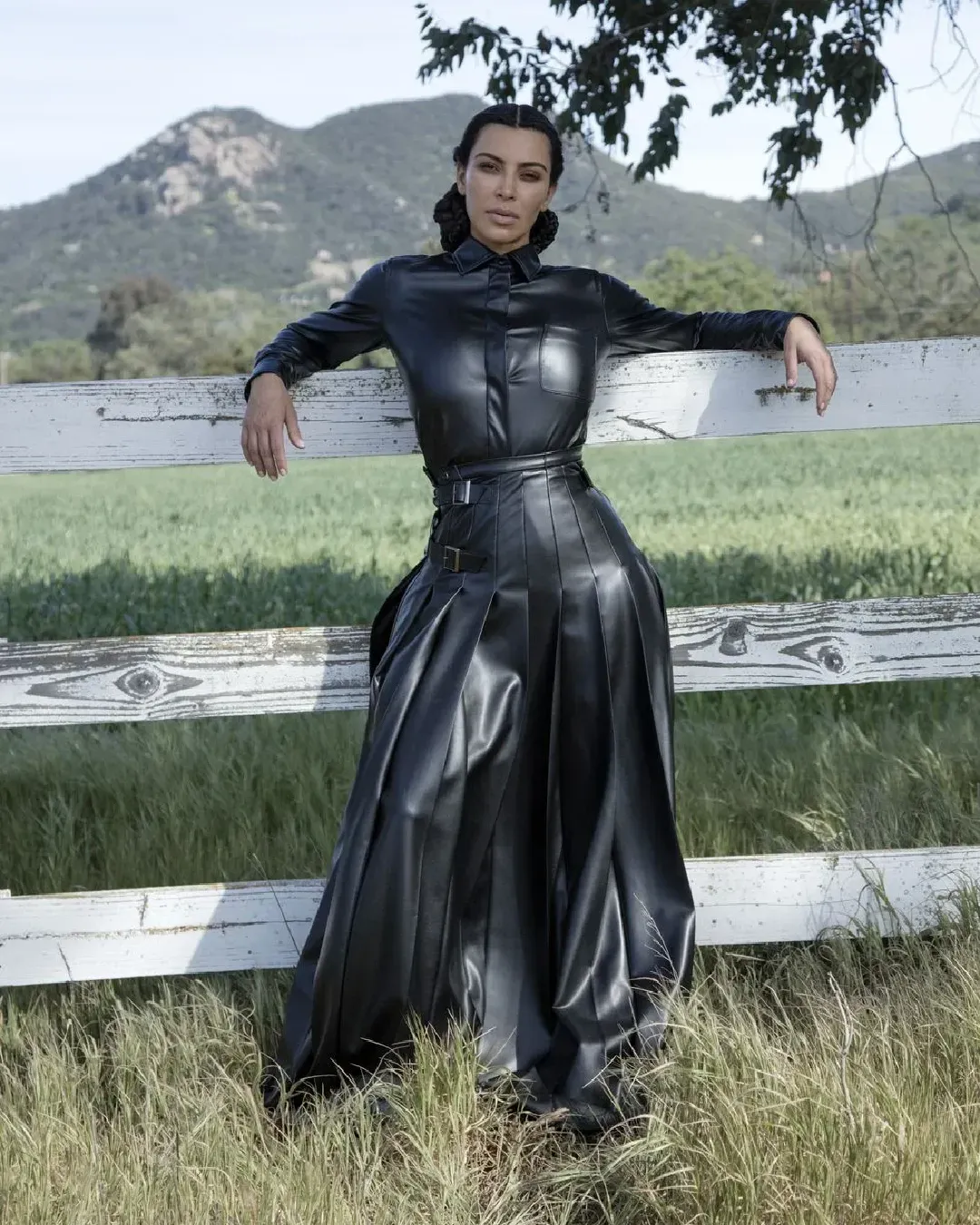
The wealthy are now investing in farmland Kim Kardashian's 2023 shoot had seen it coming
The rich no longer flaunt their status only with ephemeral goods like yachts, but move their capital into more solid and less visible assets: farmland. An investment that is not just about food production, but a future-proof infrastructure that guarantees cash flow without clamor, power without posts, and control over strategic resources. This phenomenon is a global and unstoppable trend.
In the United States, Bill Gates has become the largest private owner of farmland, holding over 111,000 hectares (about 275,000 acres) spread across 19 states, from Louisiana to Nebraska. Although his foundation explained that the investment is consistent with its focus on climate change and food security, the most evident fact is that farmland in the U.S. has seen a constant increase in value over recent decades, outpacing inflation and government bonds. In the past twenty years, the average value per acre has recorded steady growth, making the asset extremely resilient.
Bill Gates is the largest investor in vaccines and there’s a pandemic..
— Camus (@newstart_2024) August 5, 2025
Bill Gates is the largest owner of land in America and there’s a food crisis..
Bill Gates is the largest investor in lab grown baby milk and there’s a baby formula crisis. pic.twitter.com/fR5pK5LeCD
The trend is similar in every corner of the globe. In Africa, sovereign funds and investors from the Persian Gulf have acquired millions of hectares, operations often criticized as land grabbing, but which clearly reflect the geopolitical weight of owning fertile soil on a continent with vast agricultural potential. In South America, the average price per hectare in Argentina, despite political and economic instability, has risen significantly over the past decade. In Europe, the competition for vineyards is fierce: in France, private funds and cooperatives compete for the prestigious plots of Bordeaux and Champagne, while in Italy the value of a vineyard in the Langhe has exceeded one million euros per hectare, with the most sought-after crus reaching astronomical figures.
The point is not just agricultural production, but the hidden income that land ownership generates. In Western countries, farm income is heavily supported by public contributions: the European CAP (Common Agricultural Policy) grants Italy about 7 billion euros every year, distributed across millions of hectares. Moreover, land is the new frontier of environmental finance: soils managed with regenerative practices can access certified carbon credits, a rapidly growing market where energy-intensive companies purchase offsets for their emissions. Land is no longer just wheat or corn, but also sequestered and monetized CO₂.
@chanel_1robberts very demure very mindful very cutesy very modest #floptok #floptokmemes #floptok2024 #memes #memestok #kimkardashian #kimkardashianpilgrim #fypage #fyp #fyppppppppppppppppppppppp #flop #floptok #fyppp #fypppppppppppppp #kimk original sound - Where's my wig?
The silent power of farmland also extends to the management of water resources. In the United States, the market for water rights has become an asset in itself, with investment funds buying land in California or the West to secure access to aquifers and reservoirs. In Italy and Europe, although the mechanisms are different, the dynamic is the same: irrigated land is worth much more than arid land, and in times of chronic drought, this difference becomes crucial.
The tax aspect should not be overlooked. In Italy, for direct farmers and professional agricultural entrepreneurs, income is calculated based on cadastral value, often negligible and disconnected from the real market value. In the United States, capital gains from the sale of farmland can benefit from more favorable taxation compared to other assets. In general, worldwide, land is a good that silently increases in value without exposing owners to the volatility of financial markets.
@desktopfarms Food for thought #desktopfarms #microgreens #gardentok #gardening #garden Bad Habit - Steve Lacy
The difference between those who flaunt yachts and those who accumulate fields is also cultural. Flaunting is visible, land is invisible. It doesn’t end up on Instagram, but it guarantees political access, influence over food and environmental markets, and control over the future. The Italian Court of Auditors, in an analogy with seaside concessions, recalled that between 2016 and 2020 the State collected about 100 million euros a year in state property fees for a total turnover of 15 billion. It is an example of how land is much more than a commodity: it is an economic and geopolitical lever in a time of crisis.
In an era marked by recessions, climate crises, and inflation, large capital is moving toward what remains solid: the soil. It is not just an investment, but a strategy. True luxury is now a wheat field in Iowa or a vineyard in Barolo. Invisible to the eye, yet capable of generating income, influence, and power. Perhaps the most discreet and lasting wealth is precisely the one that sinks its roots beneath our feet.
What to read next
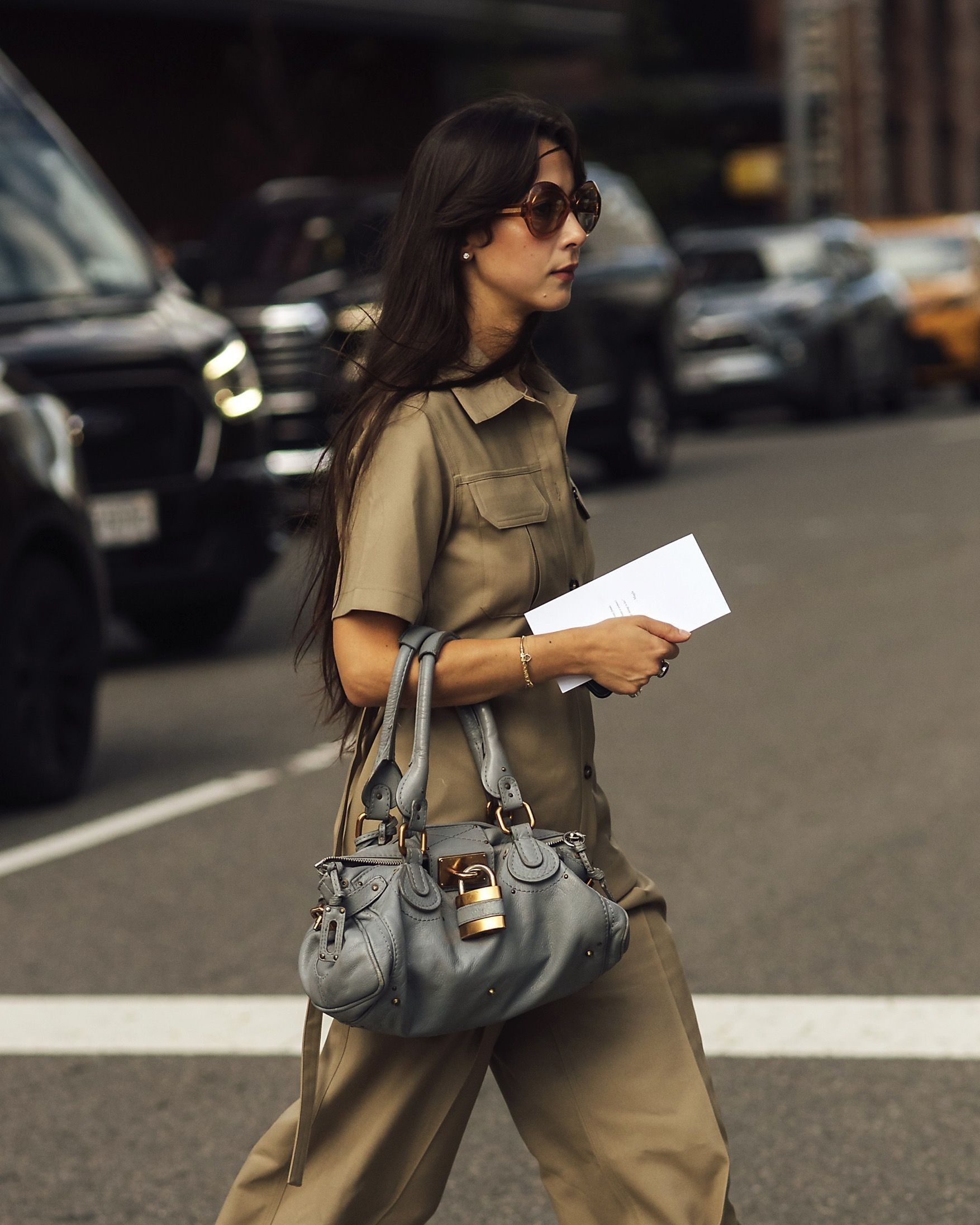
These are the secondhand handbags that are worth the most in 2026
Searches for the Chloé Paddington have risen by 610%, but the real star of the secondhand market is Chanel
Will the new EU regulations on unsold goods really help independent brands?
Yes, but there's a catch