










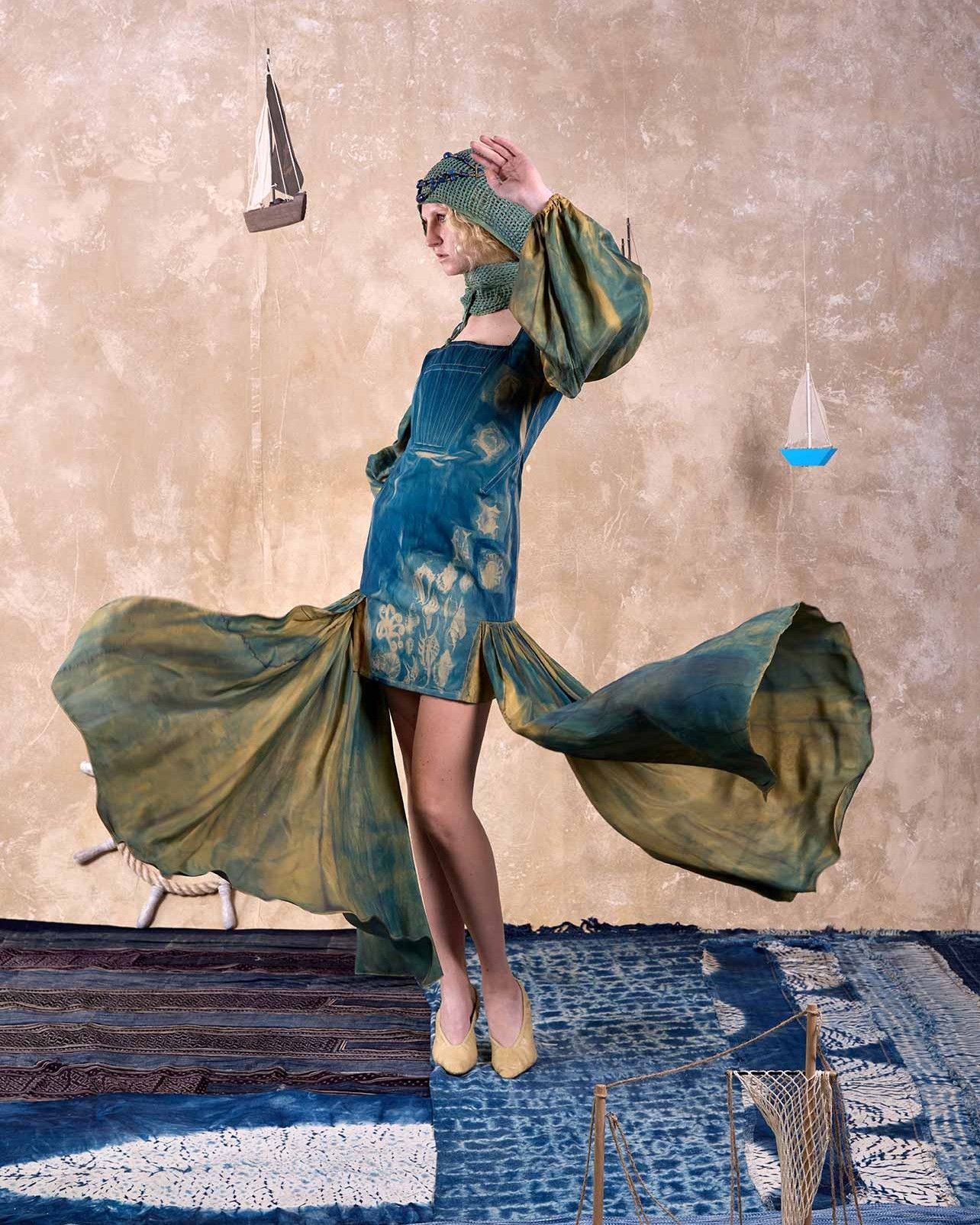









"Father Mother Sister Brother" shows us that all families are equal Says director and screenwriter Jim Jarmusch, produced by Saint Laurent
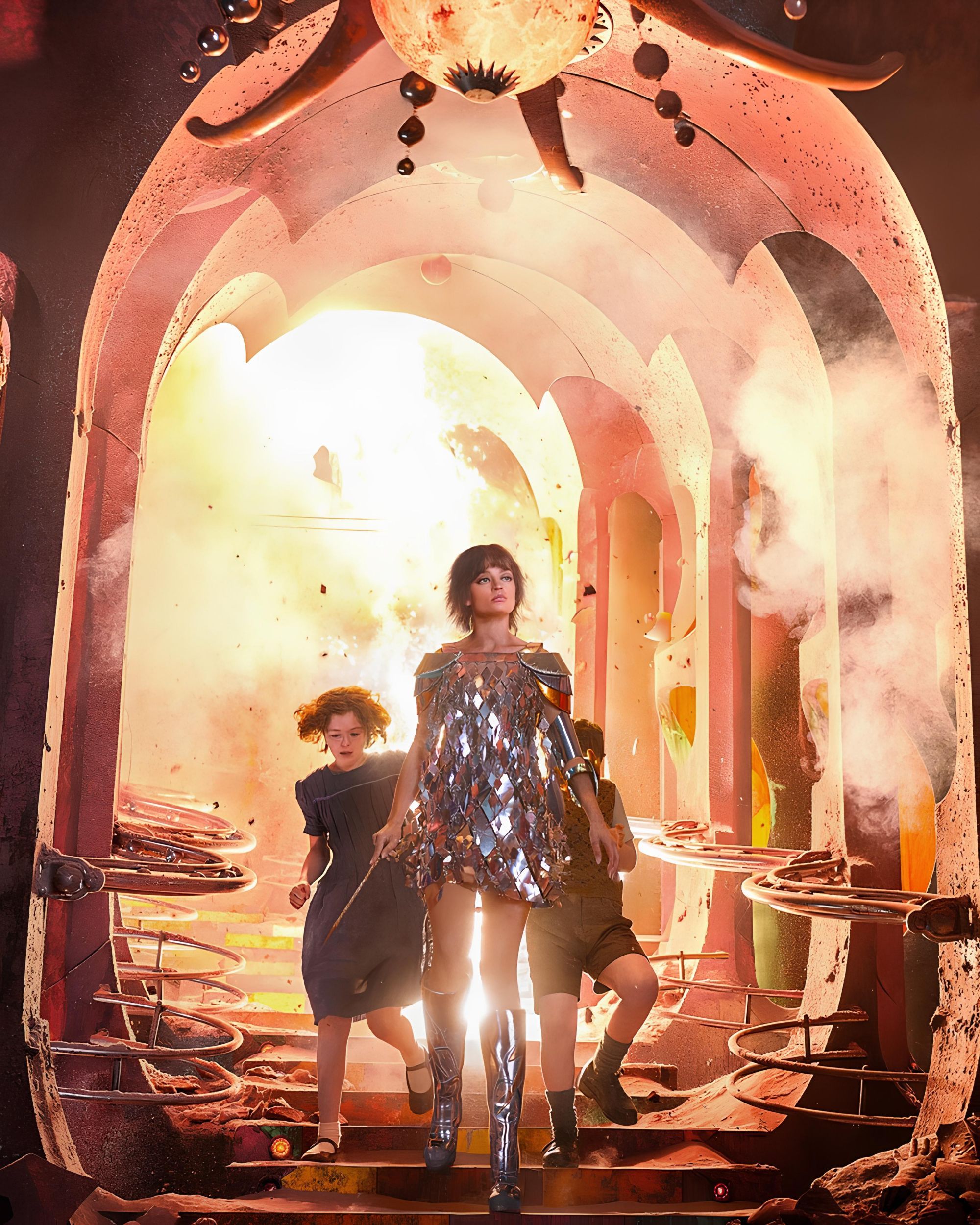
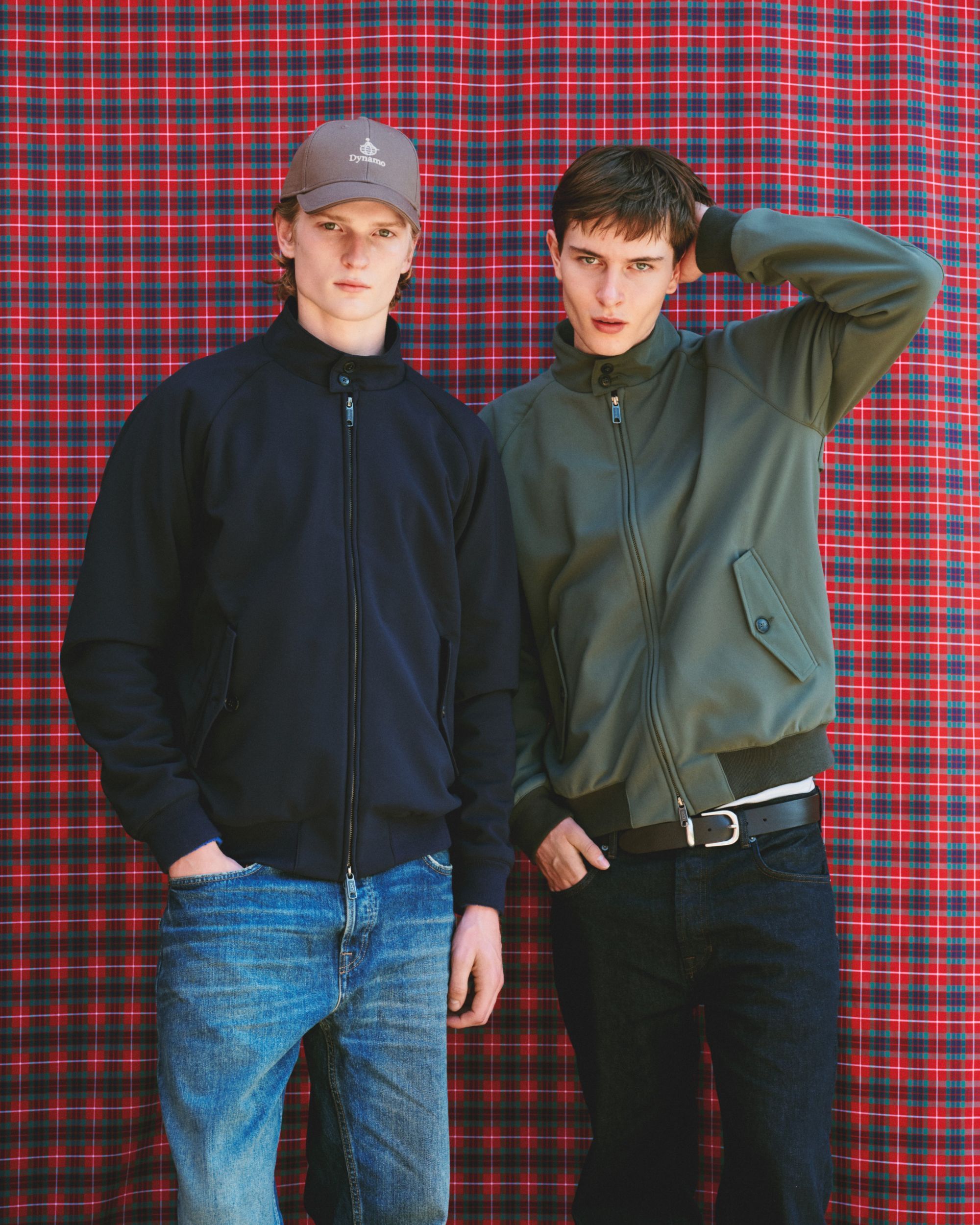
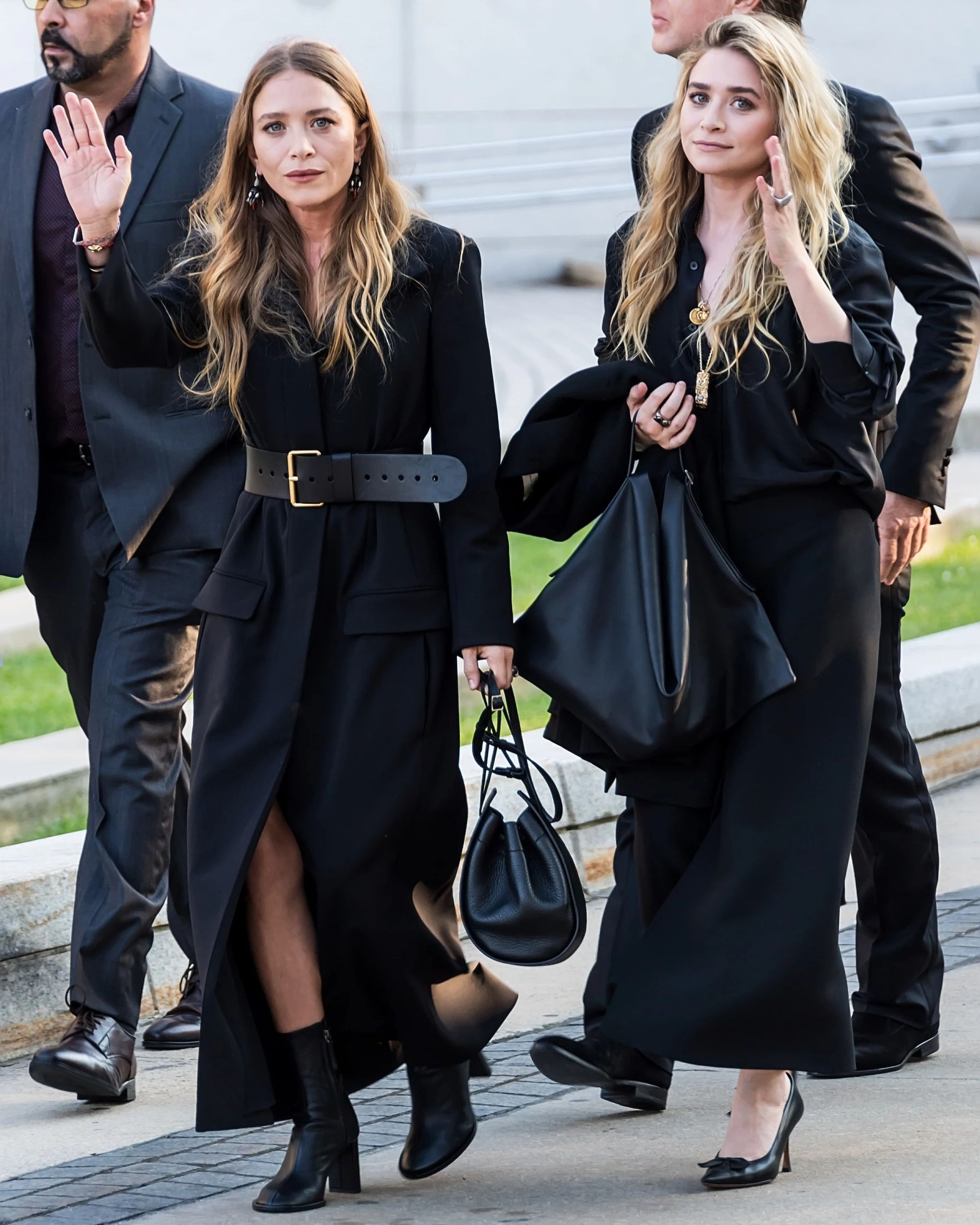
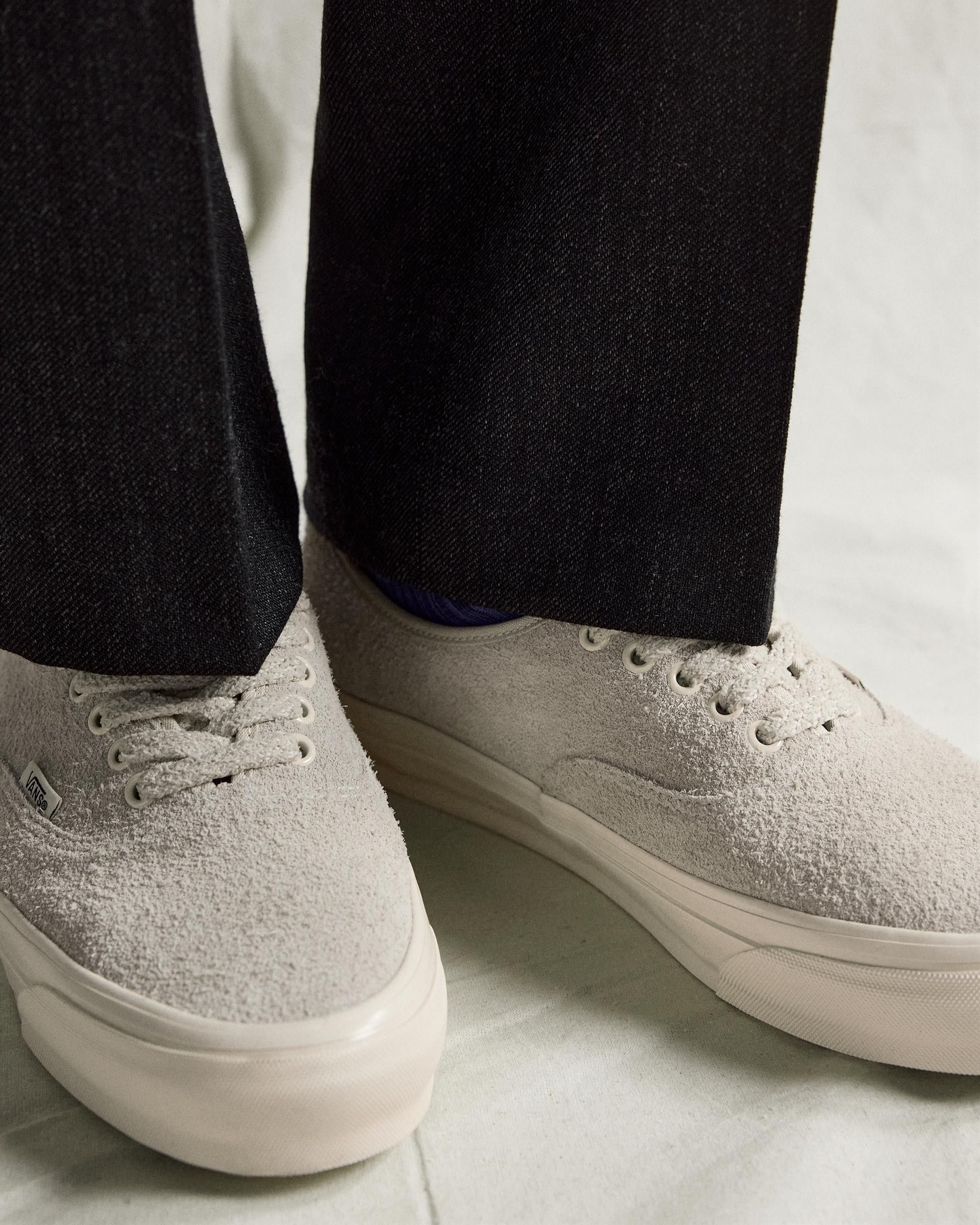
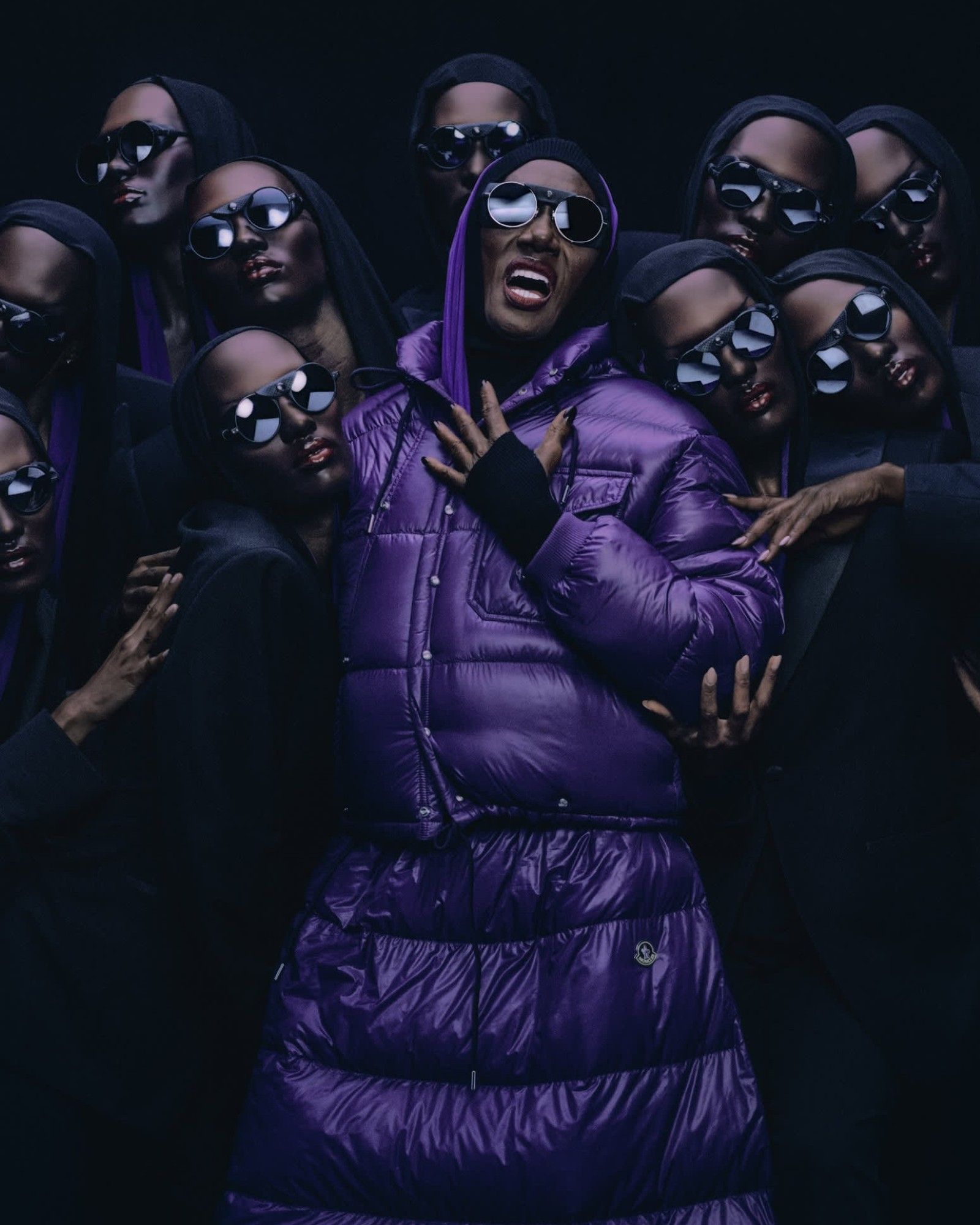
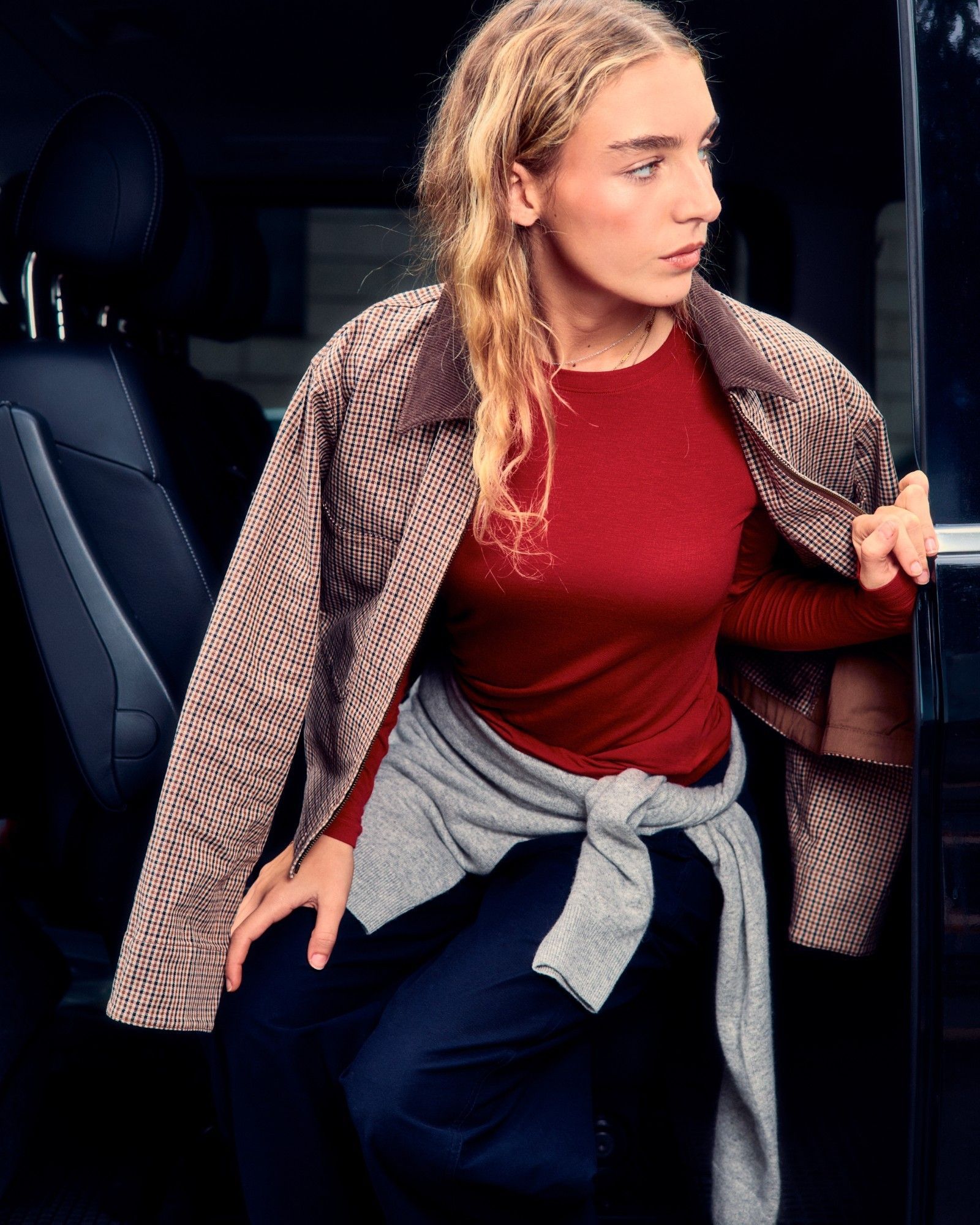
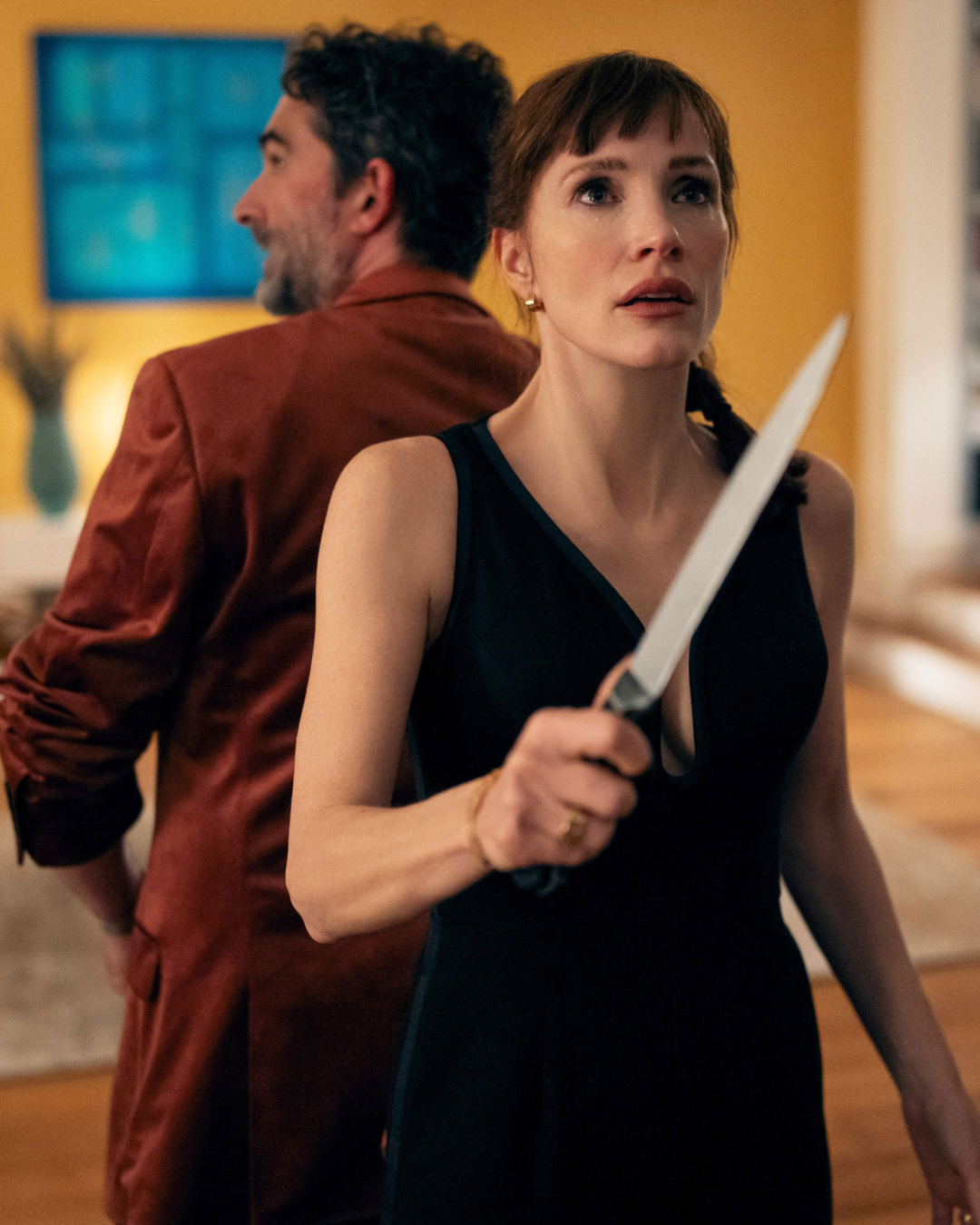
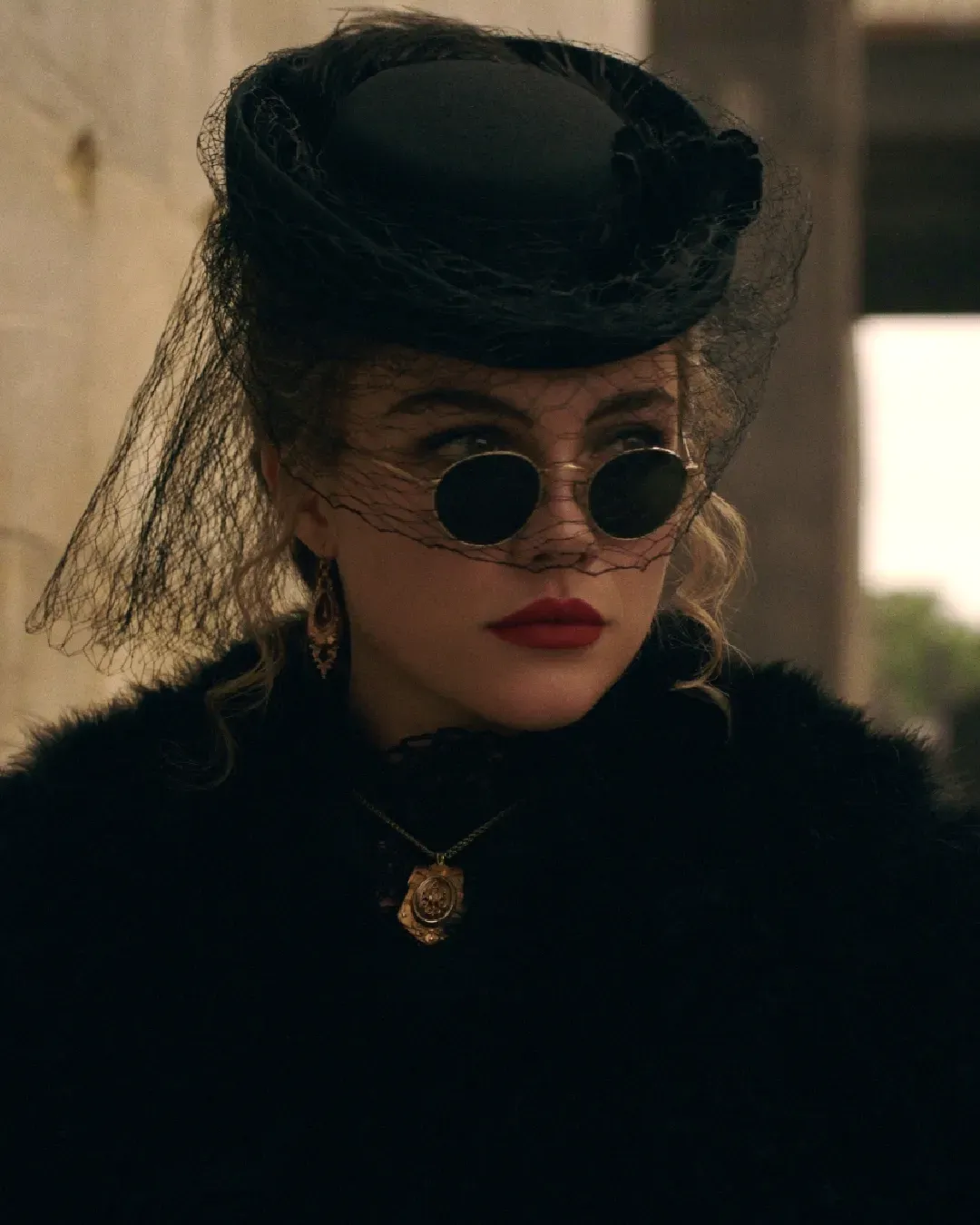
Saint Laurent Production is among the investors in Jim Jarmusch’s new film, Father Mother Sister Brother. The work, featuring a star-studded cast ranging from Cate Blanchett to Adam Driver, from Vicky Krieps to Tom Waits, is divided into three episodes (father, mother, and sister/brother together), all connected by thematic links and unlikely references that, like a thread, tie together the different stories. Analogies represented by a color run through each panel of the triptych. Jarmusch chooses red for his characters, each wearing it in a different way.
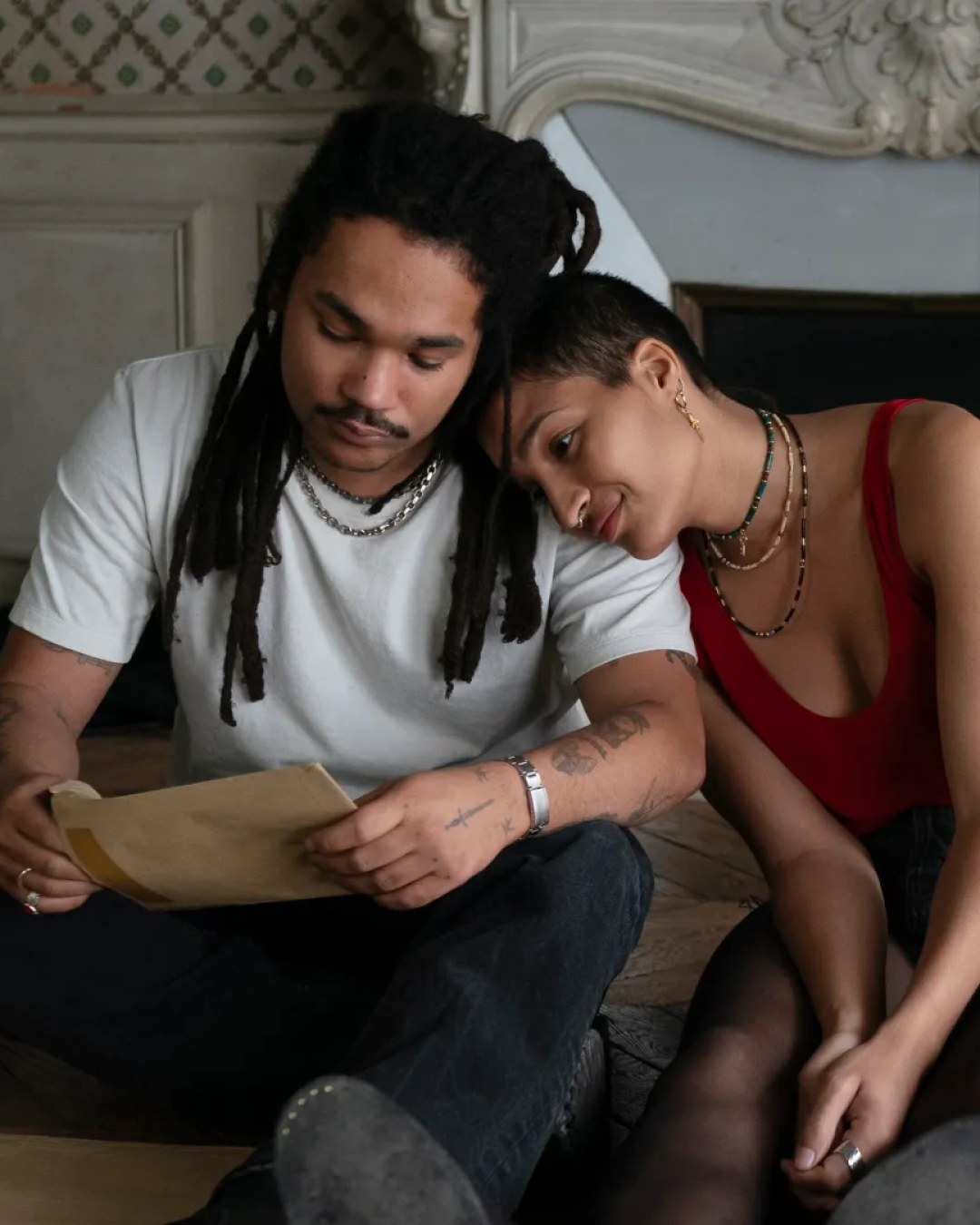
In the father’s story with Waits, the children, Driver, and Mayim Bialik wear ordinary sweaters and coats, while vibrant reds connect Charlotte Rampling’s mother to her daughters, Blanchett and Krieps. Siblings Indya Moore and Luka Sabbat are more understated, with a discreet shirt and a bandana tied to a backpack, but since this episode deals with death, it makes sense that sobriety replaces color, even if the protagonists are incredibly beautiful and meticulously stylish, framed in their Parisian home. Alongside the narrative cue, Jarmusch also adds a visual motif that sparks the viewer’s synapses, making it increasingly clear what the director is telling us with his Father Mother Sister Brother. Beyond reminding us that, given certain outfits and much of the attitude infused in his actors, he continues to be one of the coolest directors in the world.
In an ironic and lighthearted way, profound but not necessarily philosophical, the work tells us that, despite being so extremely different, we all share something in common. It doesn’t matter if you are married or divorced, if you have a steady job, or if your mom pays for your Uber; no one will ever truly know their parents. It’s a fact. Whether you are in America, Ireland, or France—three countries sampled in Jarmusch’s thesis and where the stories are set—there will always be parts of the lives of those who brought you into the world that you can never fully understand, or perhaps only when it is too late. There is no melancholy in this observation. It’s the axiom that friends are the people you choose, unlike your family, which can therefore be far more mysterious than you could have ever imagined, and uncovering it requires some effort—if one even feels like doing so.
Cate Blanchett beams as Jim Jarmusch’s “Father Mother Sister Brother” scores a 5-minute standing ovation at #VeniceFilmFestivalhttps://t.co/kHjna2iCSh pic.twitter.com/tE7kTWMQQC
— Variety (@Variety) August 31, 2025
Jarmusch doesn’t judge anyone. He doesn’t teach that one should visit their parents more often, nor what kind of mother or father one should be. The author states an observation that is sometimes indifferent, sometimes painful. At times, it carries the weight of walls built by the impossibility of communication, while other times it offers relief precisely because it shows that you don’t always have to expect something from people, not even if they are your relatives. It can be disappointing, of course, but sometimes it can also be a balm to realize that you are not the same as your family, that there is nothing wrong with sharing little with them. Especially when shown the way it is in Father Mother Sister Brother, where it becomes clear that the enigma behind a parent is not necessarily meant to be deciphered, and thus, they too don’t always have to reveal our secrets.
It is the quiet survival of a social construct in which, sometimes, just an occasional visit or a tradition like afternoon tea is enough to feel you’ve fulfilled what is required. Remembering that people bring us into the world, but we are destined to be alone. And, in light of this, one may attempt to occasionally spend time with loved ones before losing themselves once again in the lands of Desolandia.
What to read next
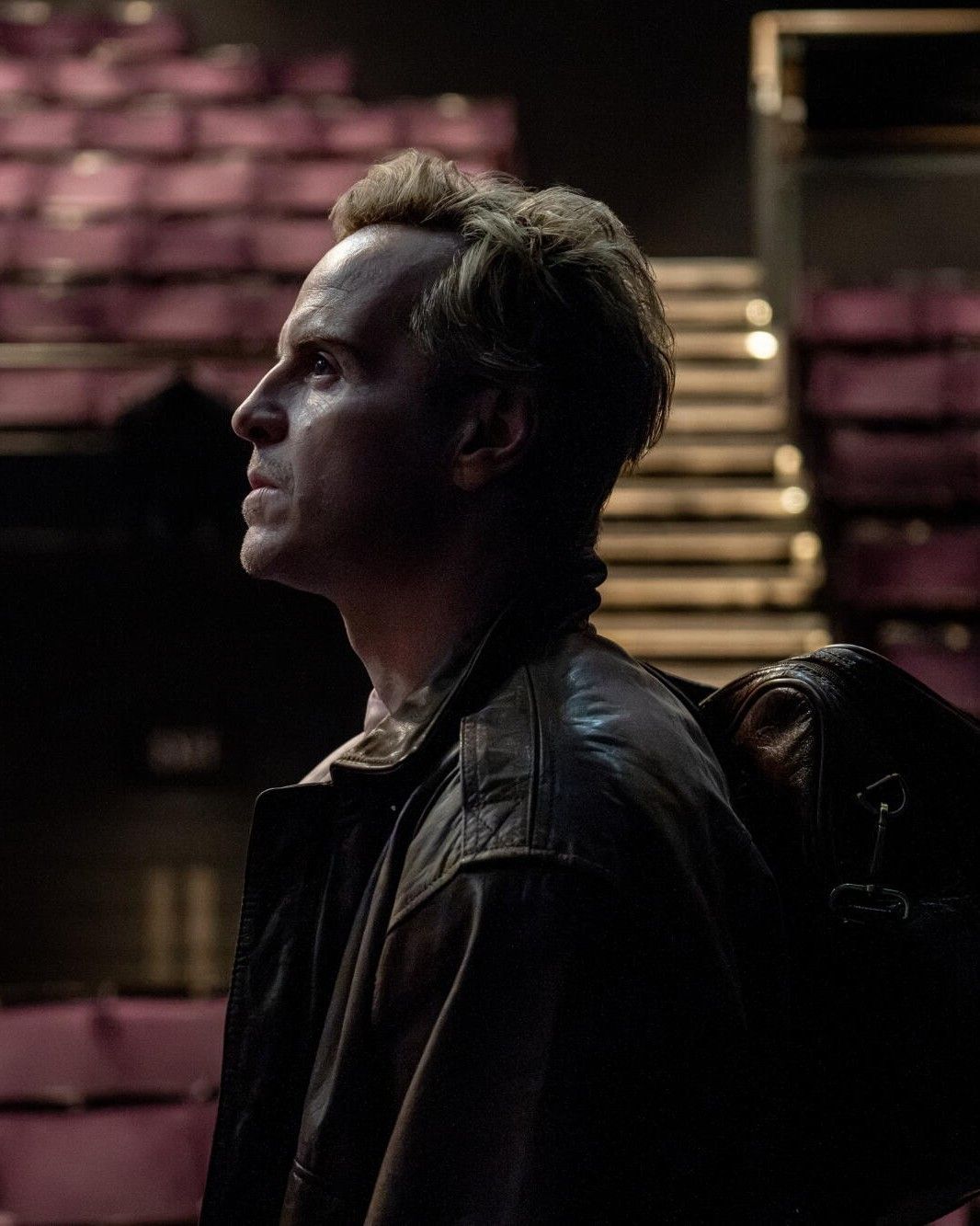
Andrew Scott gives the best performance of his career in "Elsinore"
Simon Stone's film tells the true story of actor Ian Charleson and his production of "Hamlet"
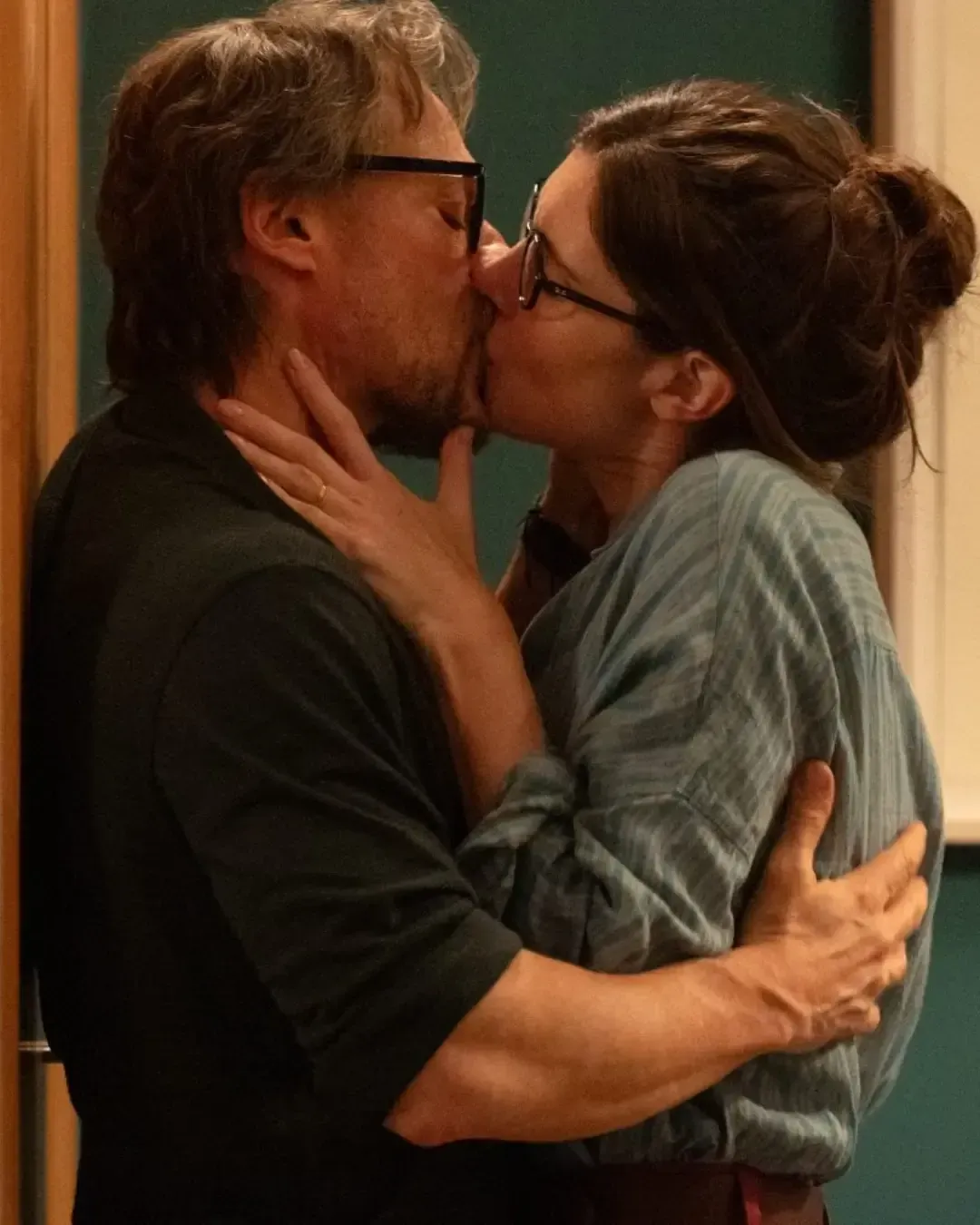
"Il rumore delle cose" by Paolo Genovese opens the 2026 Rome Film Festival
The film, adapted from Genovese's novel of the same name, is nonetheless the usual Italian drama
What does the return of “Girls” mean today?
Lena Dunham has announced a reboot of the cult series, here's why we're excited