


































Car interiors are the new frontier of interior design The passenger compartment, from functional to living space
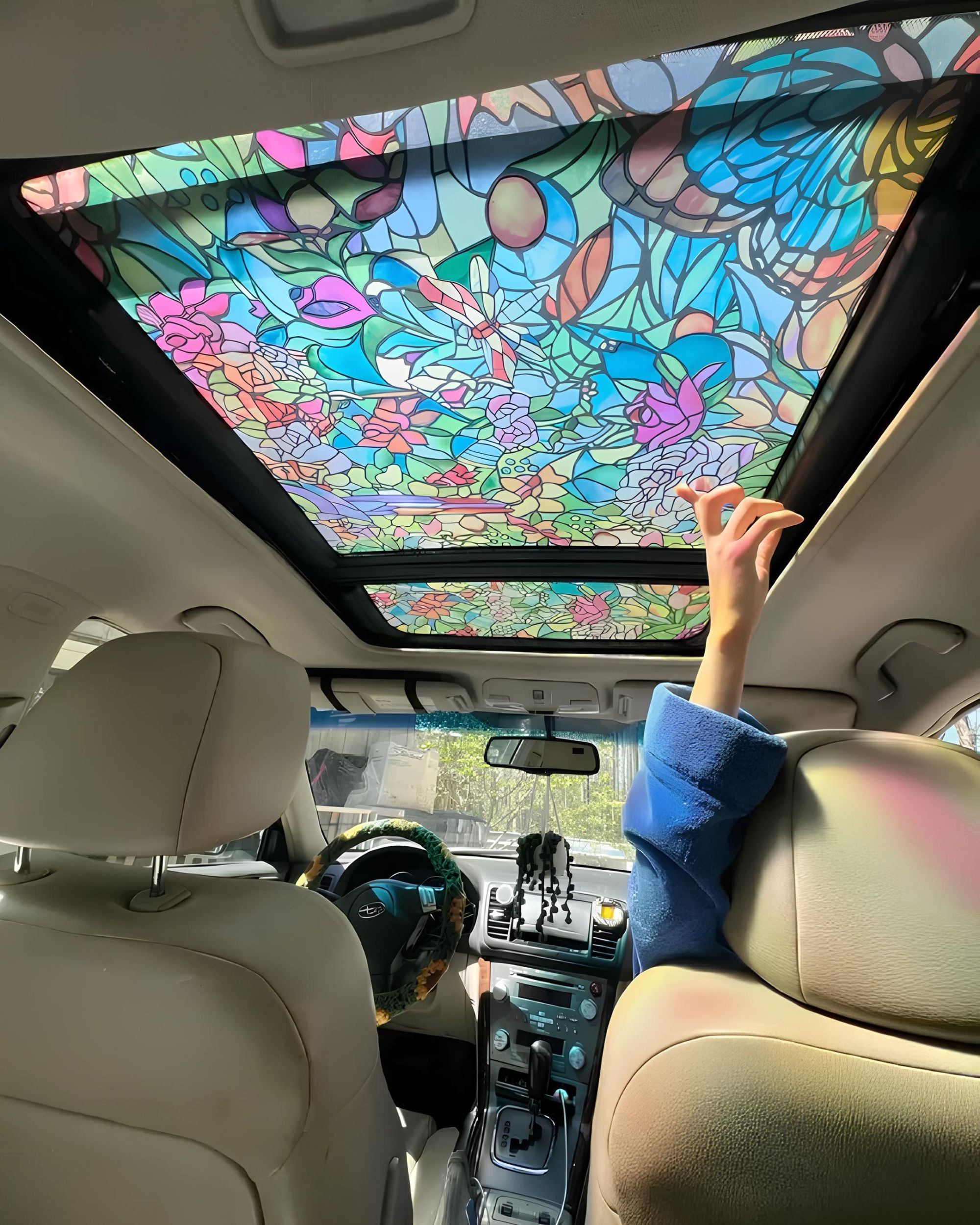
Reclining seats that invite relaxation, soft color palettes inspired by nature, flush touch panels that blend with surfaces, and customizable ambient lighting capable of altering moods. It's hard not to notice how, in recent years, car interiors have undergone a radical transformation. And even harder not to see them as something that now transcends the simple category of car design, understood as mere driving functionality. What we are witnessing is a real progressive shift toward interior design: the cabin is no longer just a place to sit and drive, but a space to live in, to inhabit, to personalize in every detail. It’s a microcosm on wheels that increasingly reflects our personal tastes, our anxieties from a hyperconnected society, and our primary desires for comfort, protection, and self-expression.
@aanthonin pimp my ride asmr
original sound - Anthonin
In 2025, according to several estimates on commuting and daily car use, people will spend an average of more than 50 minutes a day in their car. The cabin has therefore become, in all respects, an extension of the home—or for many, the only truly personal and controllable space, especially in metropolitan cities where rent prices are prohibitive and shared living is the norm. In cars, we don’t just drive: we work, eat quick meals, listen to music, make personal or business calls, meditate, reflect, and sometimes cry. Car interiors are no longer just dashboards and seats; they have become the new private living rooms, often more intimate, versatile, and protected than domestic open spaces, providing a “third” or even “fourth” dimension of contemporary living.
Brands have clearly understood this. Just look at the recent projects by Tesla, Volvo, Lucid, Polestar or even BMW to realize that interior design is no longer a technical detail, but the heart of perceived value. The new Volvo EX30 is a prime example: interiors made of recycled fabric and ambient lighting inspired by Nordic nature, designed to reduce stress and create a sense of “emotional refuge.” Similarly, Lucid Motors designed the interior of the Lucid Air with soft surfaces and flowing lines inspired by hotel lounges and resorts, declaring their intention to “turn driving into a sensory experience.” This shift also stems from how cars are being used. More and more vehicles—even mid-range ones—offer mobile lounge features: massage seats, aromatherapy, audio systems calibrated like listening rooms (Bowers & Wilkins, Bang & Olufsen, Meridian), curved displays, full smart home connectivity. Electric and autonomous models emphasize this even more: the car is no longer just about movement, but a place of presence and well-being.
The zoomer mind cannot possibly comprehend that this was once the norm for car interiors pic.twitter.com/ID0pguFtBC
— lusso (@luusssso) August 2, 2025
Meanwhile, emotional design is coming into play. It's no longer just about designing technical components like seats or dashboards, but about curating every aspect to create tactile and visual experiences that engage all the senses. Materials are selected to evoke specific feelings: a fabric's weave can communicate calm, the texture of a surface can suggest dynamism. Colors are often borrowed from wellness or contemporary home design palettes: from soothing sand beige to sophisticated slate gray, from revitalizing sage green to enveloping leather brown. Even plastic, once considered cheap, is now treated with soft-touch coatings and 3D patterns that mimic wood grain or textile textures, elevating its perception. All this is supported by growing market demand: according to several recent studies, including one by McKinsey & Co. in 2023, over 70% of buyers under 35 consider interior design a determining factor when choosing a car, highlighting the shift from a purely technical decision to one based on emotion and user experience.
@molotovgallery Don’t know why this wasn’t a factory option? Almost done with the interior on my 1965 Pontiac Bonneville. #leopardprint #1965bonnieville #pontiac #classiccars #customcars #myway What's Inside a Girl? - The Cramps
Comfort, however, is not just an aesthetic issue. It is also psychological. In an era of overstimulation and unstable housing, the car becomes a zone of control, an enclosed space where light, music, and temperature can be adjusted to one’s own pace. Psychologists talk about comfort capsules: mobile micro-environments that reduce anxiety and enhance focus. It’s no coincidence that many startups are working on adaptive interiors, adjusting in real time to the driver’s biometric parameters, anticipating needs. What emerges is an increasingly subtle and indistinguishable hybrid between furniture and automobile. It's no accident that many car designers now come directly from interior or industrial design, bringing new perspectives and methods. The collaboration between the American startup Canoo and designer Richard Clarkson, for example, resulted in a floating steering wheel that looks like a sculptural object from a Scandinavian living room, redefining the human-machine interface. Similarly, Polestar has worked with advanced upholstery companies to offer linen and merino wool finishes, just like a premium sofa, eliminating the boundary between domestic and automotive luxury.
In short, the car of 2025 is no longer just a means of transport but a true design space that reflects our aesthetic needs. Automotive interiors have become a faithful mirror of how we live and what we seek in a rapidly changing world: protection from external overstimulation, aesthetics that nourish the soul, functionality that simplifies life, and a narrative that represents us. The car becomes a room, but on wheels, offering a mobility that no other living space can match. And the designer, in this evolving scenario, must begin to think in terms of new hybrid skills: from advanced ergonomics to visual storytelling, emotional furnishing, and even environmental psychology, to shape these new mobile sanctuaries.