






































Is Paris the new bike capital of Europe? The city of light turns green, on two wheels
As the 2025 Tour de France finishes its final stages, cycling enthusiasts around the world are focusing on Paris. But beyond the race itself, Paris is rapidly transforming into Europe’s new bike capital. Once dominated by cars and grand boulevards, Paris is now on its way to surpassing long-standing cycling cities like Amsterdam and Copenhagen, driven by ambitious plans and significant investments. According to recent reports from the Institut Paris Région, by 2023, approximately 11 percent of daily trips in central Paris were made by bicycle, compared to just 4 percent by car. For the first time, bicycles now outnumber cars on the streets, marking a significant milestone in the city’s evolving urban landscape. As Paris pedals toward a greener future, what does this transformation mean for its urban culture and the everyday lives of its residents?
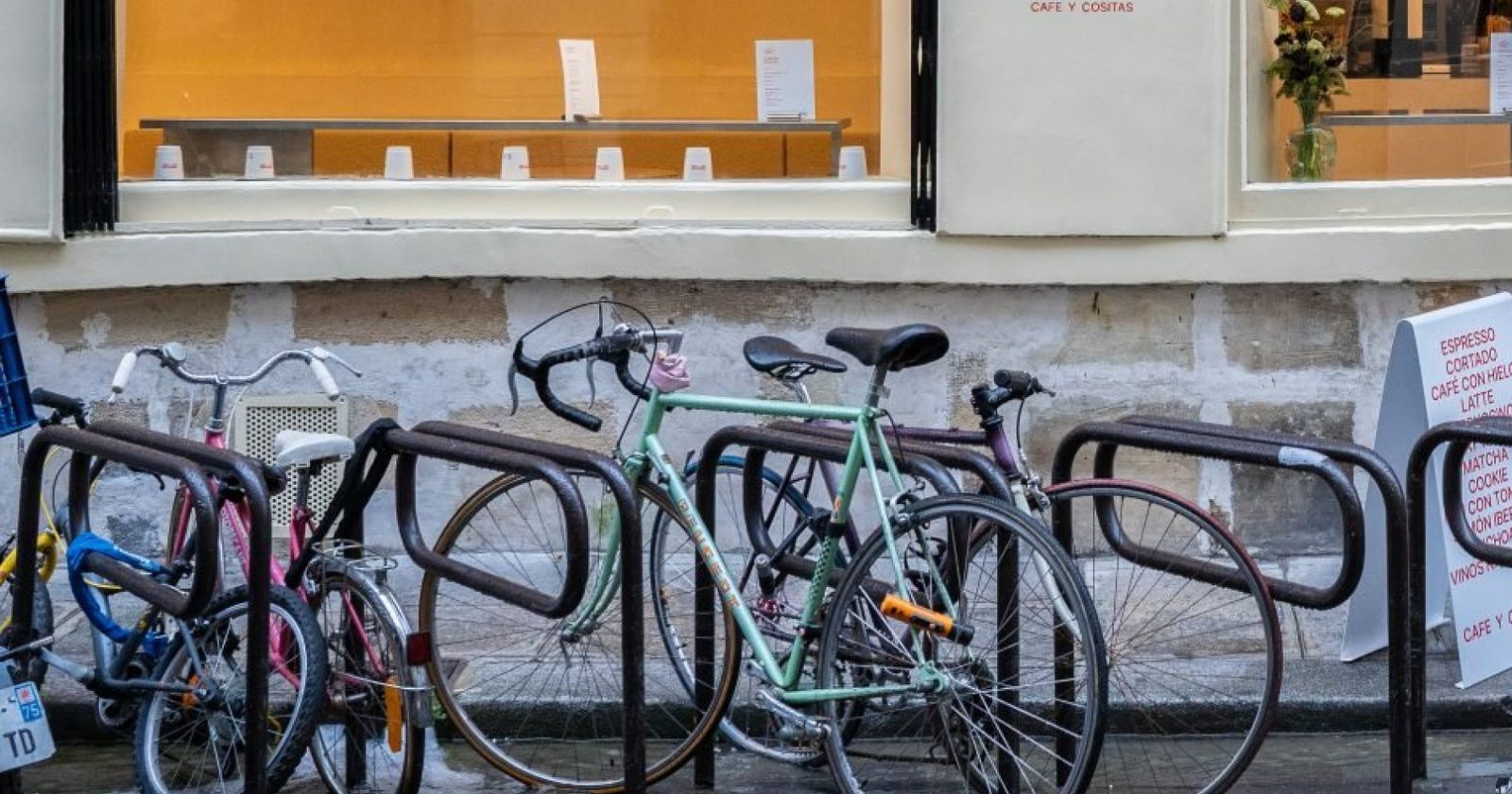
The shift is part of a broader initiative to make Paris a 100% bikeable city by 2026. With a budget of 250 million euros, extended from 150 million in 2015, Paris has made impressive strides in expanding its cycling infrastructure, with the goal of creating a continuous, safe, and interconnected network throughout the city and its suburbs. This plan includes the development of an additional 180 kilometers of cycling lanes, designed to connect the heart of the city to the greater Île-de-France region, forming a metropolitan cycling system much like Copenhagen’s renowned bike paths. A major challenge in promoting cycling is bike parking, and to address this, the city has committed to creating 130,000 new bike parking spaces, including facilities near transport hubs and residential areas. In 2025, the city’s bike-sharing program, Vélib’, has over 360,000 subscribers, with 19,000 bikes in circulation, making it easier for both residents and visitors to embrace cycling as a viable mode of transport.
The city’s emphasis on cycling is not just about convenience; it is also about sustainability. By reducing car use, Paris is making significant progress in its environmental goals, including reducing CO2 emissions and improving air quality. This effort aligns with global trends toward more sustainable urban mobility. As the city moves toward a cleaner, greener future, cycling has become an essential part of the solution. While Paris is pedaling toward the front of the green city and biking agenda, Europe has long been known for its bike cities. Copenhagen, often hailed as the world’s best city for cycling, is a model of simplicity and safety in cycling infrastructure, with Danes taking 49 percent of all trips to work or school by bike. In comparison to Amsterdam, where cycling rates have remained relatively steady at around 40 percent of daily trips, Paris is showing more dynamic growth. Although Amsterdam and Copenhagen have long been considered the leaders in cycling cities, Paris is emerging with a faster-growing cycling infrastructure and significant government investment.
@gwencamole Imagine coming to a show for paris fashion week on a city bike #paris #parisfrance #parisfashionweek #pfw #fashion #fashionweek #pfw24 #pfw25 #viviennewestwood #lenasituations #limebike #citybike HOT TO GO! - Chappell Roan
For Paris residents, this shift brings a quieter, cleaner, and more connected city. Cycling has evolved into a mainstream mode of transport for many Parisians. The benefits go beyond simply getting from point A to point B; the city’s investment in cycling is helping foster a vibrant cycling culture that not only connects neighborhoods but also reduces traffic congestion and keeps people active. Paris is entering an era where residents can enjoy cleaner air and smoother streets, while embracing a more sustainable way of life. With ambitious plans, substantial investments, and a rapidly growing cycling culture, Paris is on the fast track to becoming one of Europe’s new bike capitals.