






































What if you could swim in the Tiber river? The goal is to follow what was done in Paris with the Seine, but it will not be easy
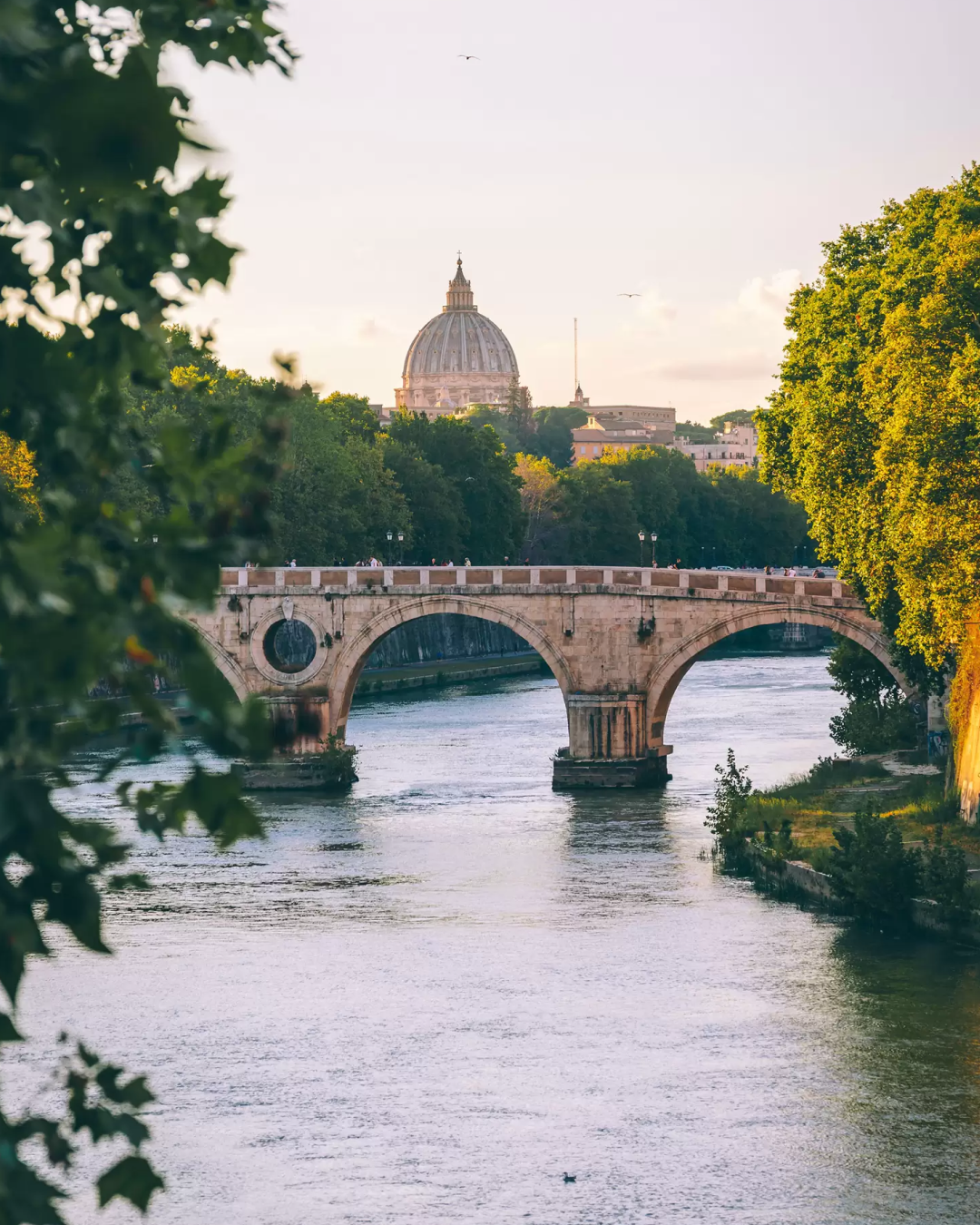
Not everyone knows that until the 1960s, and for centuries before that, it was common to bathe in the main river that flows through Rome from north to south: the Tiber. The first bans were introduced due to increasing pollution caused by industrialization and the detection of highly dangerous bacteria. Today, swimming in the Tiber is prohibited, and anyone who violates this rule risks a fine of several hundred euros, as well as potential health consequences due to the high presence of pollutants in the water. Yet, recently, Repubblica revealed that the mayor of Rome, Roberto Gualtieri, has instructed the Environment Councillor, Sabrina Alfonsi, to launch a consultation to assess whether it might be possible, in the future, to allow people to swim safely in the Tiber. The necessary interventions to make the Tiber swimmable again would involve upgrading the wastewater treatment plants to eliminate bacterial contamination, as well as addressing industrial pollution, which is responsible for the presence of chemical substances in the water. The latter is the most complex aspect to tackle, partly because it would also involve the Aniene river, which flows into the Tiber north of Rome. Gualtieri had already hinted at this project in the past, saying that he aims to complete it by 2031, at the end of a potential second term as mayor. In short, within Rome’s city administration, led by the center-left since 2021, this is not the first time the possibility of making the Tiber swimmable has been discussed. However, the assignment recently given to the Environment Councillor represents the most concrete step in this direction.
il tevere balneabile solo quando l’inferno gelerà mamma mia robertone tocca l’erba dai
— | calogiuri’s widow (@victimofmyfeels) July 20, 2025
The model that inspires Gualtieri is Paris, where today, after about a hundred years, it is possible to swim in the Seine. This has been made possible thanks to significant investments carried out for the Olympics last year. However, the initiative led by Mayor Anne Hidalgo was far from easy. In the 1960s, the Seine was considered “biologically dead” due to the high level of pollution in its waters. In particular, there were very high levels of bacteria responsible for various infections, especially intestinal ones. To make the river swimmable again, Paris’ sewage system was completely renovated. In addition, houseboats, bars, and floating restaurants on the Seine were banned from discharging their wastewater directly into the river. Antibacterial facilities were also enhanced, and measures were taken to reduce visible pollution, such as plastic waste. All of this required years of work and nearly €1.5 billion in expenses, but the public’s response has been very positive. Today, there are three designated areas in the Seine where swimming is allowed, each equipped with proper facilities and lifeguards. All of them are located in the center of Paris, and each area has limits on the total number of people allowed – between 200 and 700 – as well as on the number of swimmers in the water at the same time, which ranges from 150 to 300 people. These restrictions are designed to ensure not only the safety of visitors but also the maintenance of water quality and the orderly management of the spaces.
@weare.roma E se il Tevere diventasse balneabile? Beh, in un tempo non troppo lontano lo è stato davvero e proprio sotto Castel Sant’Angelo giovani romani (e non solo!) erano soliti prendere il sole e tuffarsi. Il racconto della storia DerCiriola e del perché oggi Roma non ha un fiume balneabile a differenza di Parigi con la sua Senna. Ammettendo che si possa fare, vi tuffereste? @gior.giangrande Fonti: Repubblica / Trastevereapp / AGI / RaiRadio1 #roma #weareroma #bagnotevere #tevere #tevereroma #curiositá suono originale - WeAre Roma
Rome does not have the enormous funds that come with hosting an event like the Olympics – a lack that Gualtieri himself has pointed out, subtly criticizing former mayor Virginia Raggi of the Five Star Movement, who decided to withdraw the city’s bid to host the 2024 Games, which were then awarded to Paris. According to Repubblica, however, the necessary resources could come from the funds allocated for the Extraordinary Jubilee of 2033, the Holy Year of the Catholic Church marking two thousand years since the date traditionally associated with the death of Jesus Christ. In this case, the many resources allocated in advance could help cover the high costs needed to make the Tiber swimmable. Already this year, on the occasion of the ordinary Jubilee (the one organized by the Catholic Church every 25 years), the city council has used the available funds to carry out restoration and maintenance work in many areas of Rome – Gualtieri himself has often shared updates on social media (even wearing a vest and helmet) about the progress of construction sites, to the point that the clips featuring him have become a genre of their own.