






























Who was Ettore Sottsass really? A comprehensive portrait of the architect, from his lesser-known projects to his spiritual vision of design
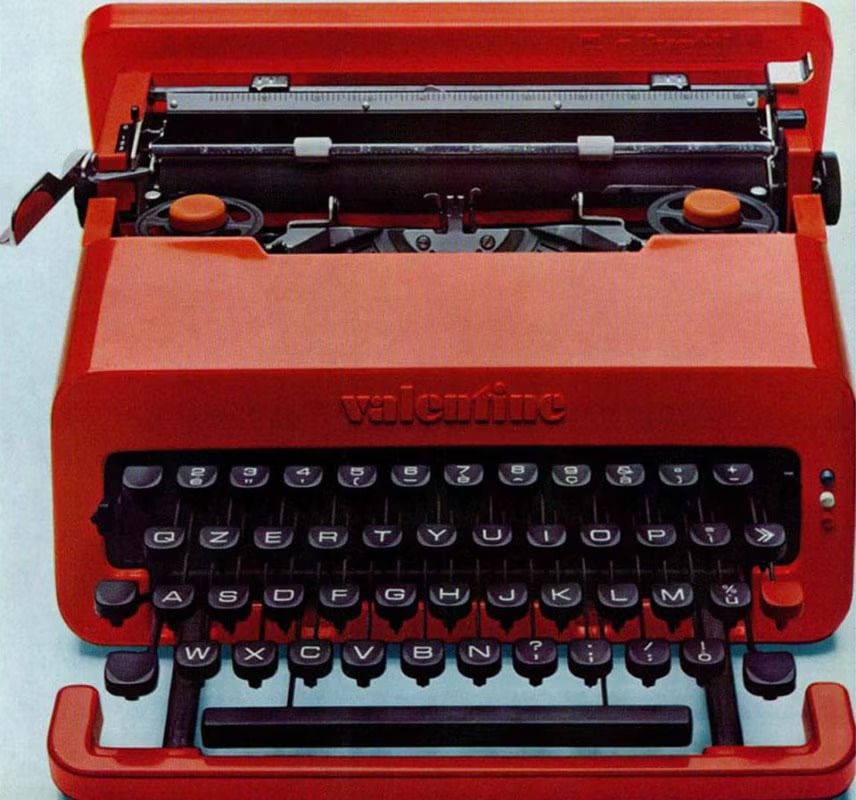
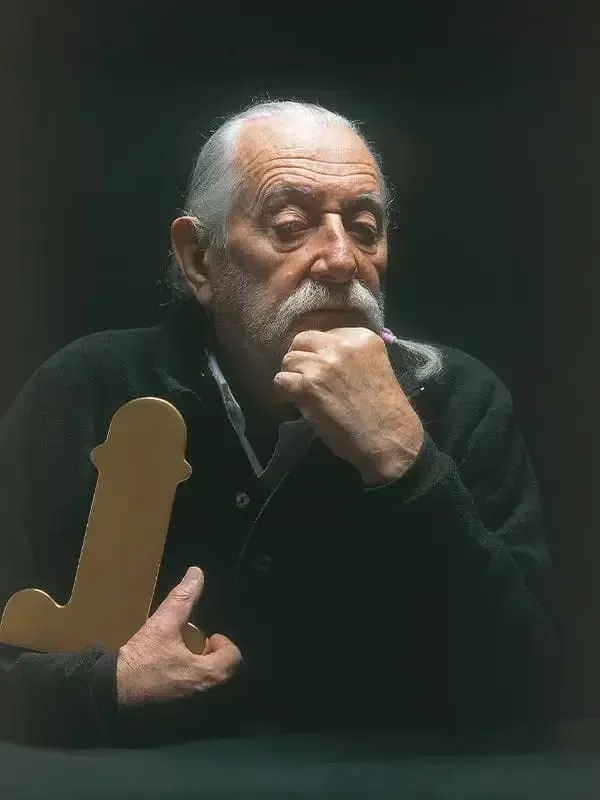
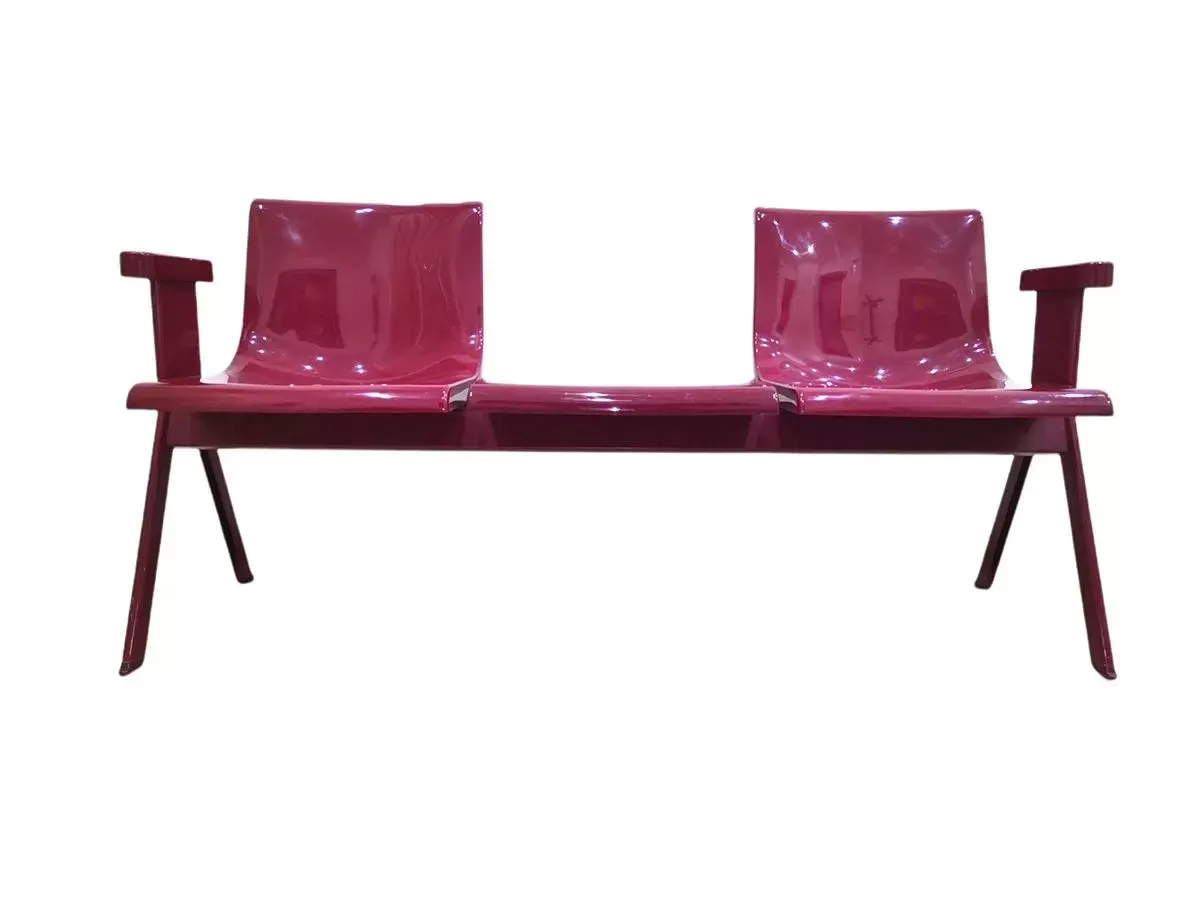

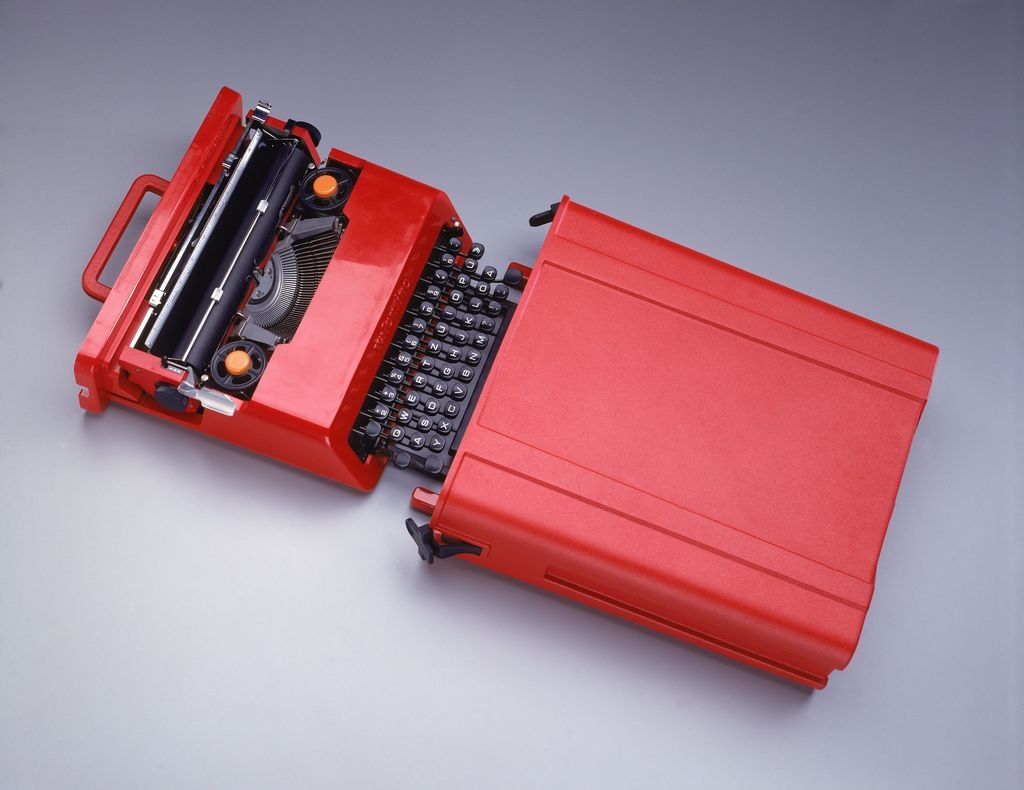

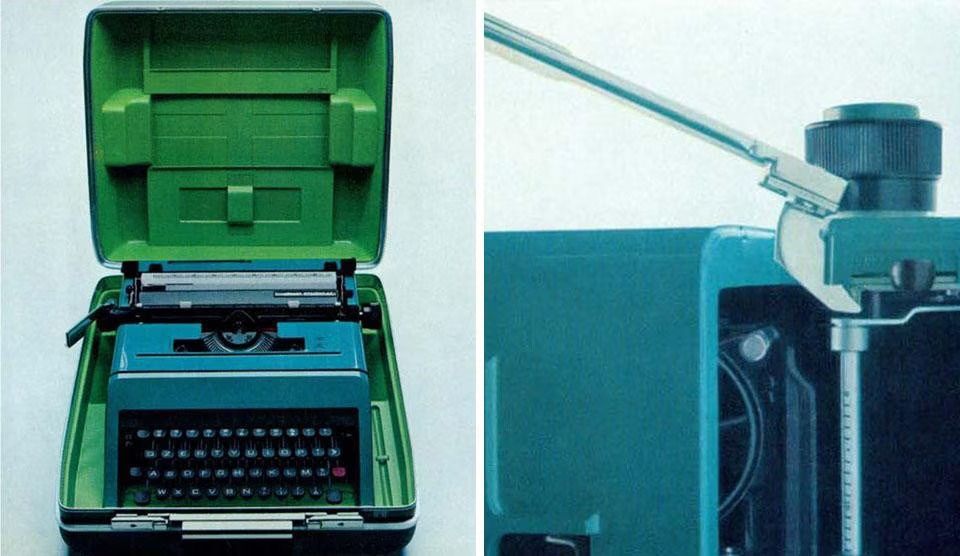
When speaking of Ettore Sottsass, his name is often associated with the colorful and irreverent shapes of the Memphis group. But reducing his journey to the postmodern decade of the 1980s would be like looking at a mountain only from its peak. Sottsass was much more: an intellectual, a storyteller, a spiritual traveler, a restless designer who explored design and architecture with a personal and deeply human perspective. Born in 1917 in Innsbruck and raised in Turin, he was the son of rationalist architect Ettore Sottsass, a prominent figure in Italian architecture during the Fascist era. This legacy deeply influenced him, providing a solid technical foundation, but his language soon distanced itself from the strict canons of functionalism and the pure forms so celebrated in his father's work. After the war, with Italy rebuilding and the world in upheaval, young Sottsass found fertile ground to begin working as an industrial designer and architect, but with an already deeply hybrid approach. His early works reveal a constant contamination from existentialist philosophical readings, travels in the East that opened new spiritual perspectives, and collaborations with avant-garde artists. As early as the 1960s, when he designed the iconic Valentine typewriter for Olivetti (a pop artwork in red plastic, created with Perry King), Sottsass understood that design could and should be ironic, pop, emotional. No longer just form-function, but form-emotion, an object that speaks to those who use it.
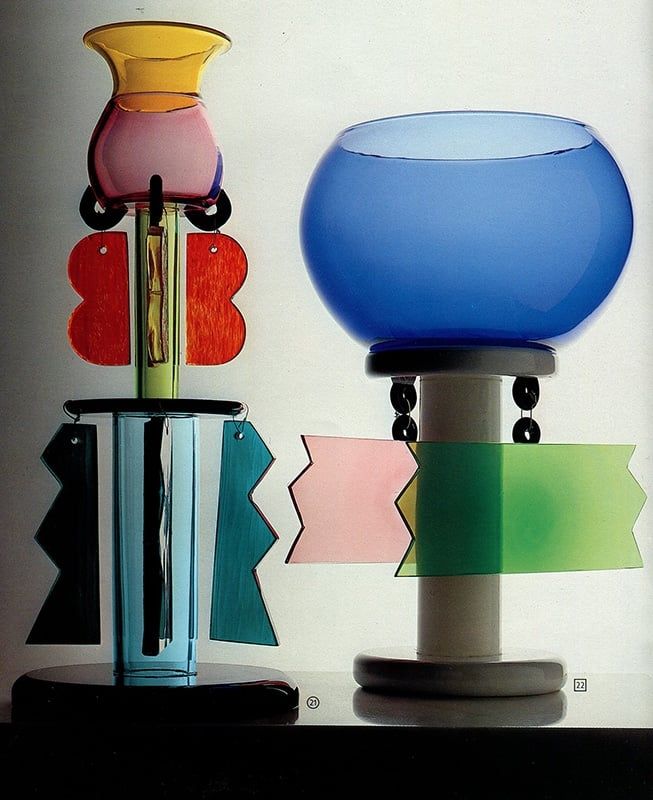
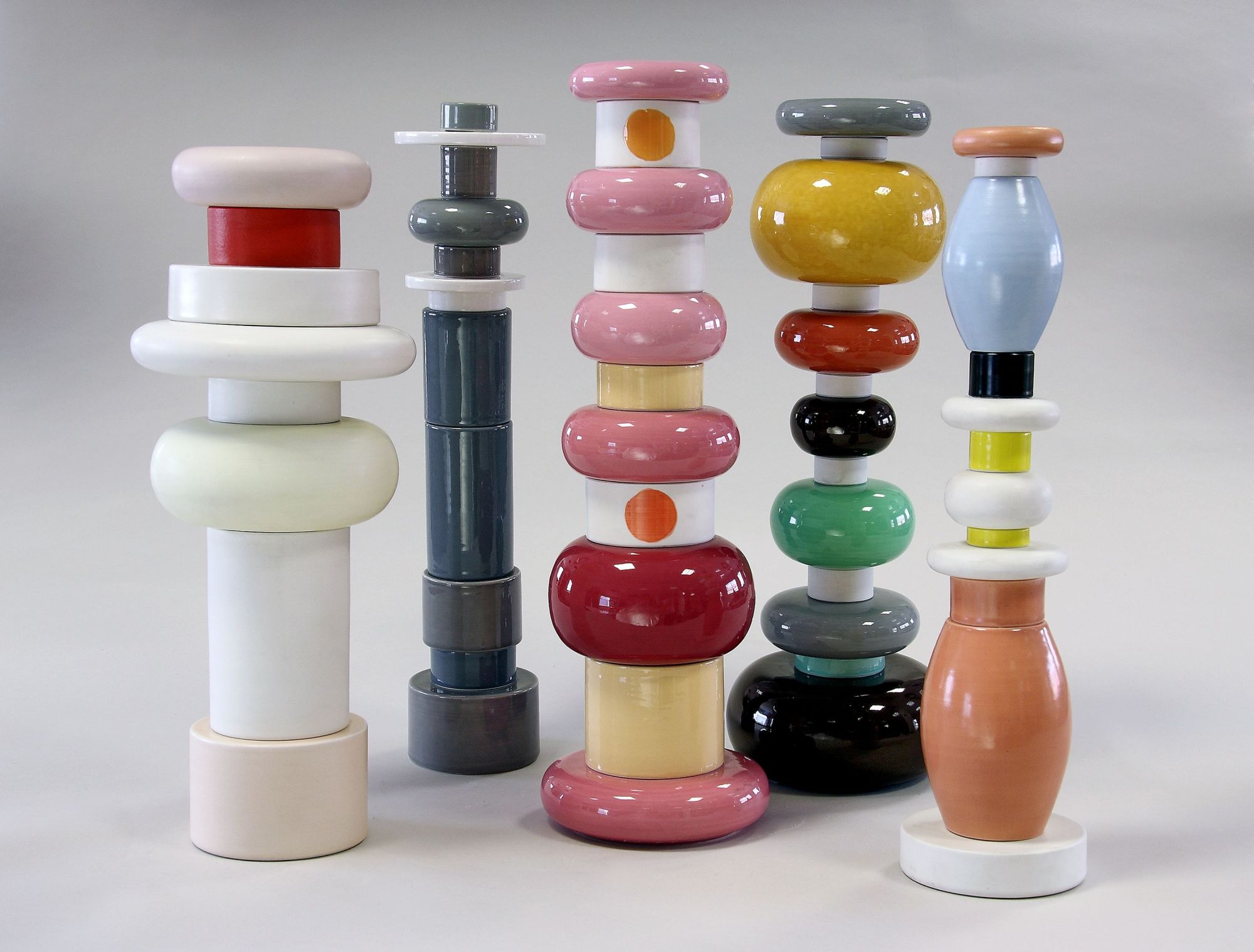
Sottsass’s work with Olivetti, where he became art director for electronics, represents one of the most fertile and innovative phases of Italian design, helping to shape the image of a cutting-edge company. But it was in the 1970s that Sottsass explored the most intimate and radical aspects of his thought: he wrote stories and travel diaries mixing personal and universal observations, took long journeys to India that deeply influenced his vision of the sacred and the everyday, and reflected on desire and the ritual of dwelling. During these years, far from industrial logic, he designed enigmatic domestic altars and his ceramics, works halfway between sculpture, miniature architecture, and ritual objects, in which a spiritual dimension of design emerges. For Sottsass, design was not a neutral activity, but a way to speak of love, the body, solitude, the sacred, and even death, thus infusing objects with a soul.
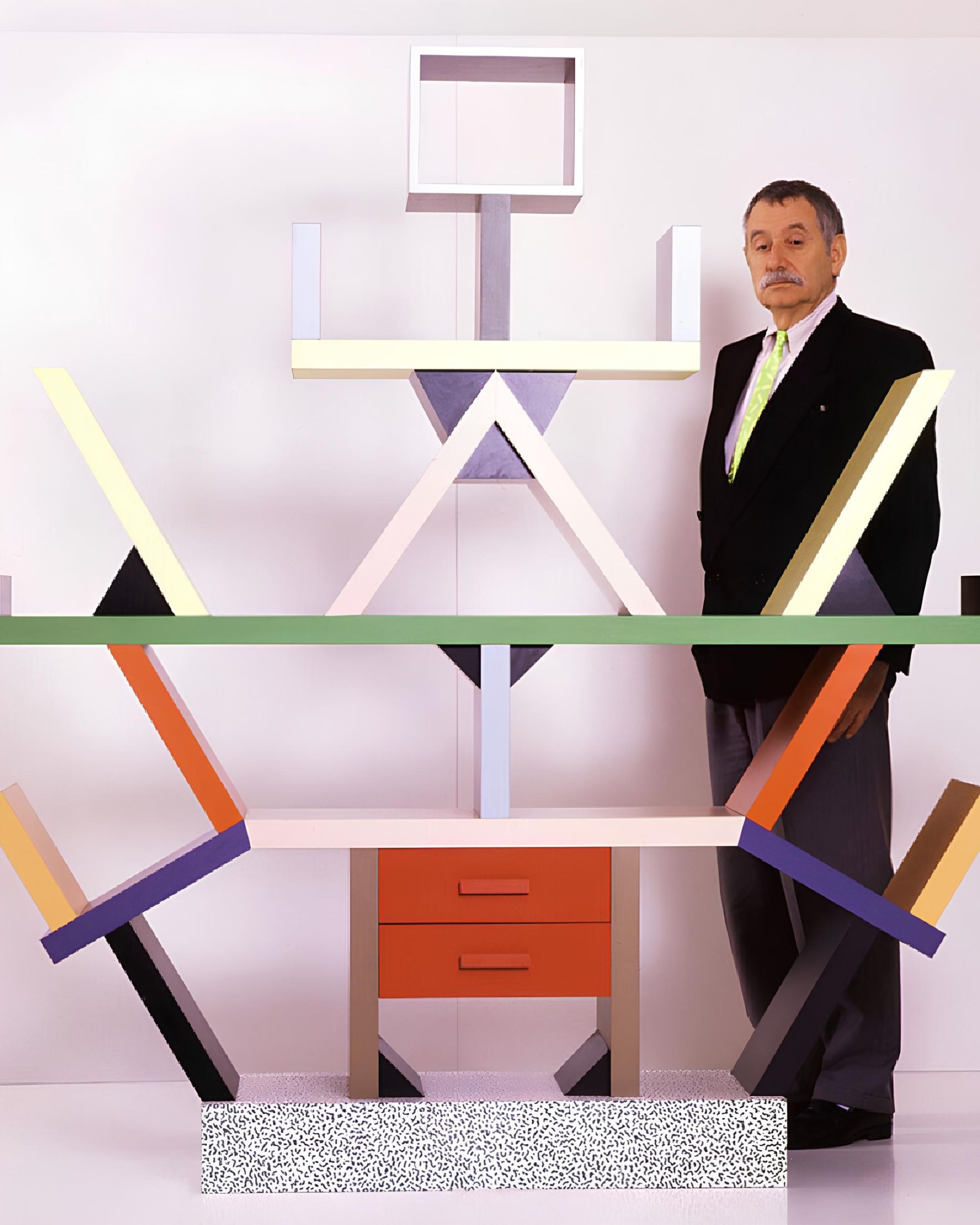
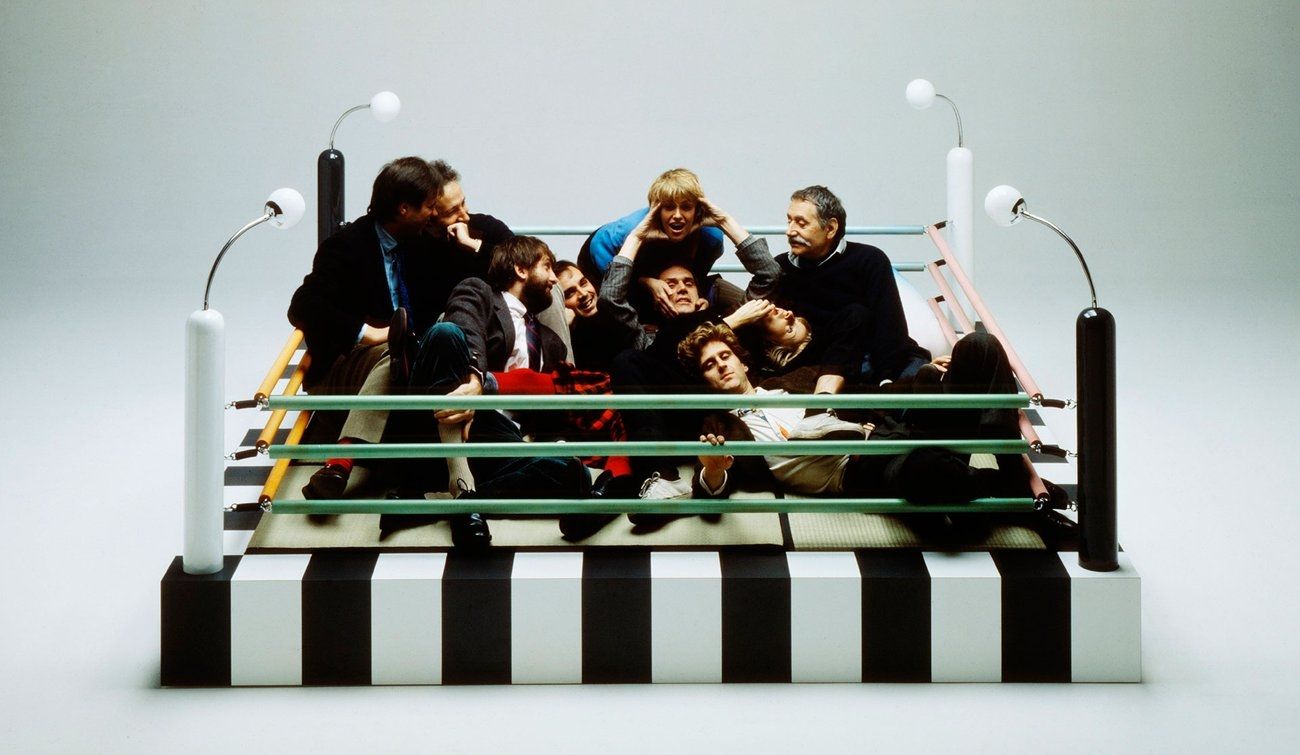
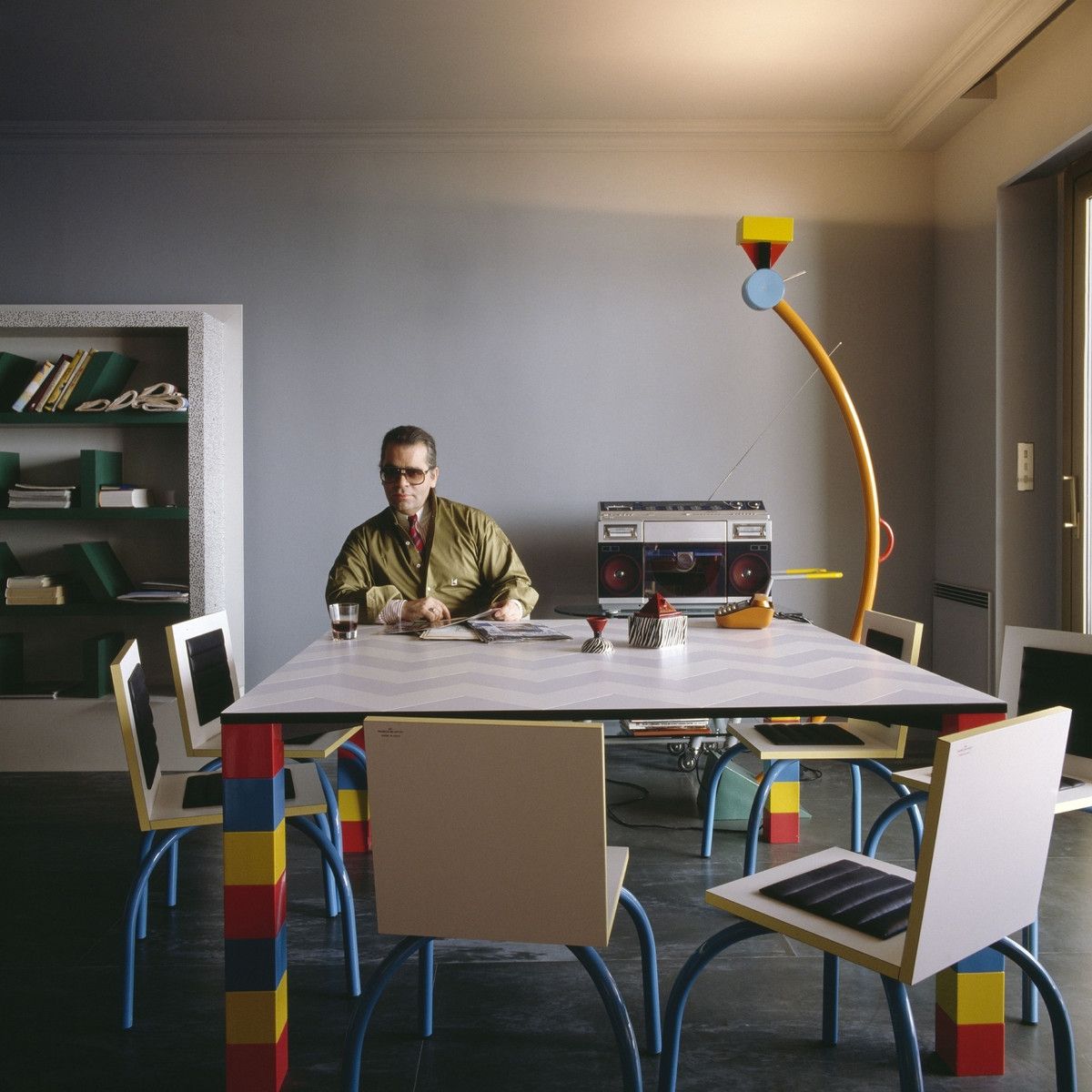
Memphis arrived in 1981 as a true aesthetic revolution, but also as a calculated cultural provocation, a disruptive reaction to minimalism and the seriousness of modernism. Along with a group of talented young designers (from Michele De Lucchi to Nathalie Du Pasquier, from Matteo Thun to George J. Sowden), Sottsass created collections that violently broke the mold with saturated colors, plastic laminates simulating noble materials, playful and deliberately “wrong” shapes, and evocative and irreverent names. Design became gesture, narrative, expression of a newfound freedom. But just as Memphis was being celebrated internationally and becoming a cultural phenomenon, Sottsass, true to his restless explorer nature, chose to step away in 1985 to avoid being imprisoned by it. He rejected the idea of being defined by a single movement or style and thus founded his own studio, Sottsass Associati (already active since 1980), which worked on a global scale with diverse projects for giants like Alessi, Philips, Apple (whose aesthetic was strongly influenced by the designer’s artistic contributions), as well as refined interiors and complex architectures, such as the Esprit headquarters in Germany or the iconic Fiorucci boutiques, where color and experimentation remained key elements.
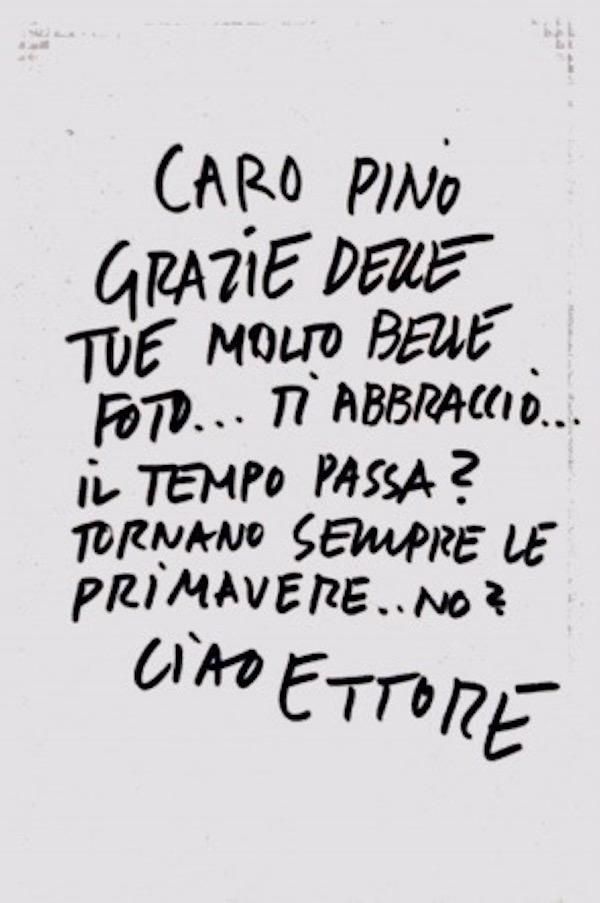
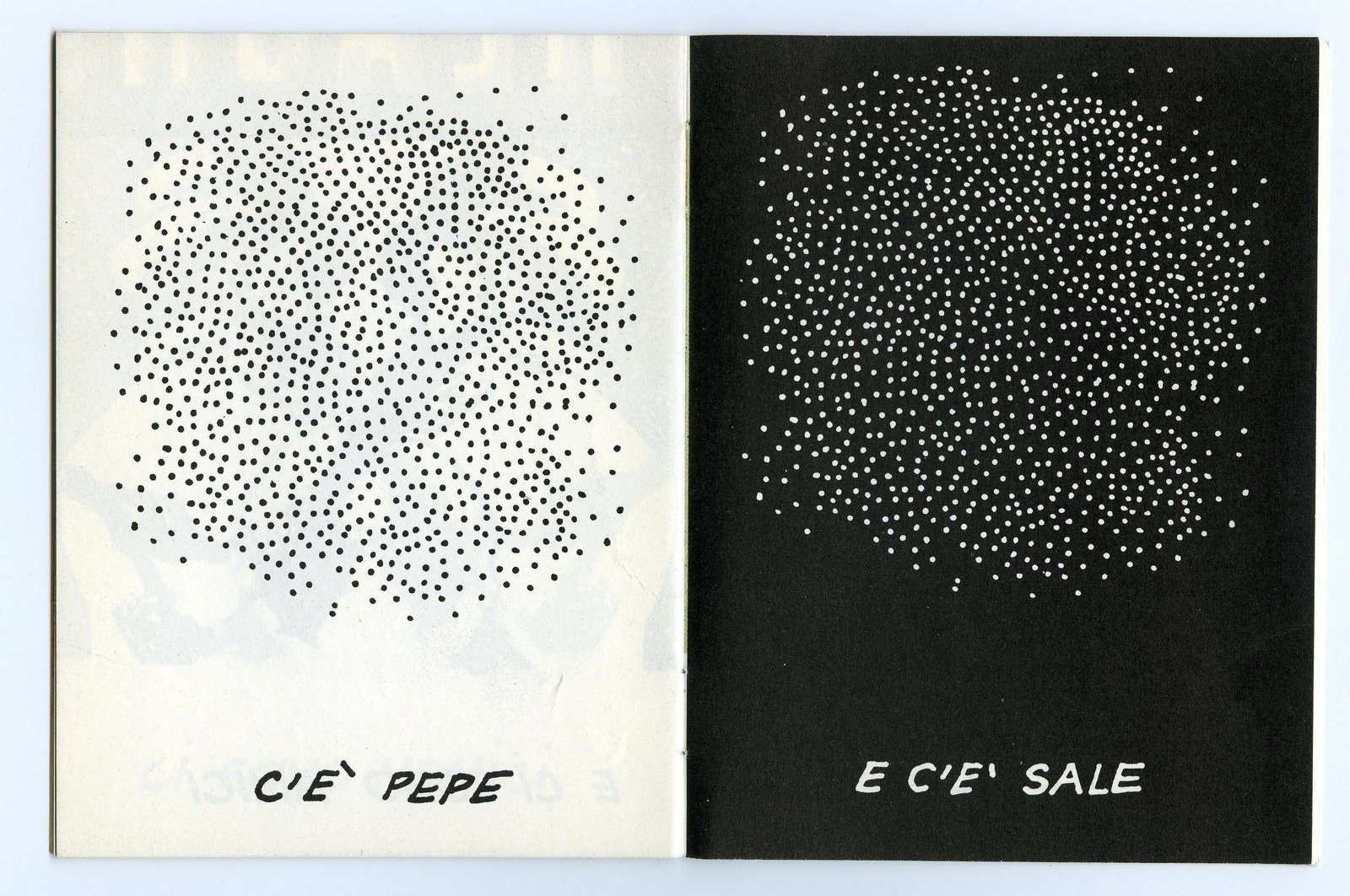
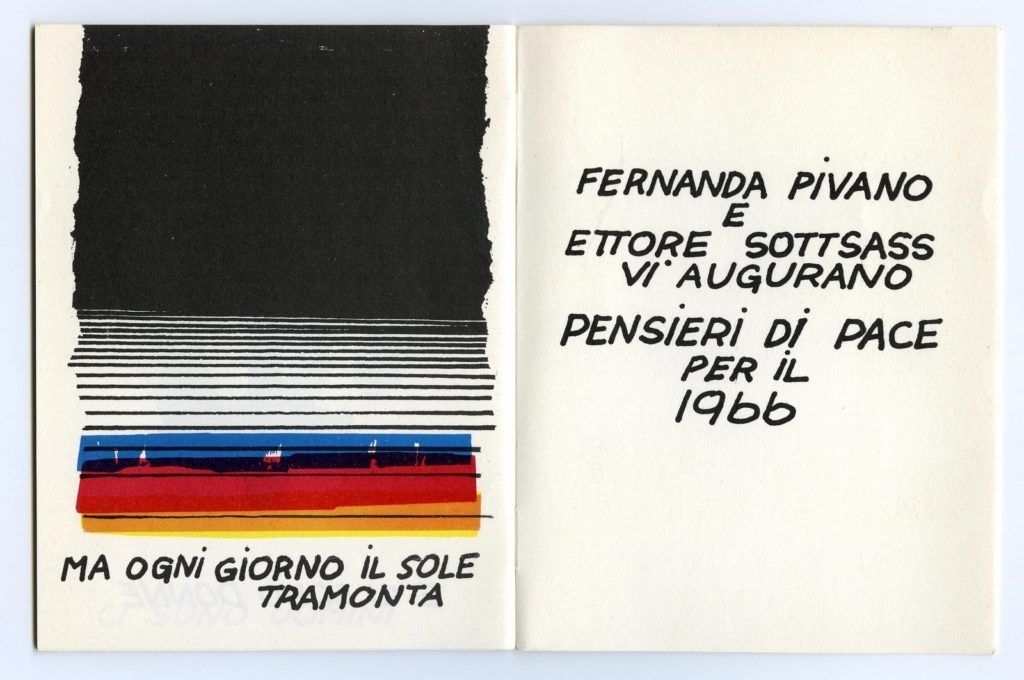
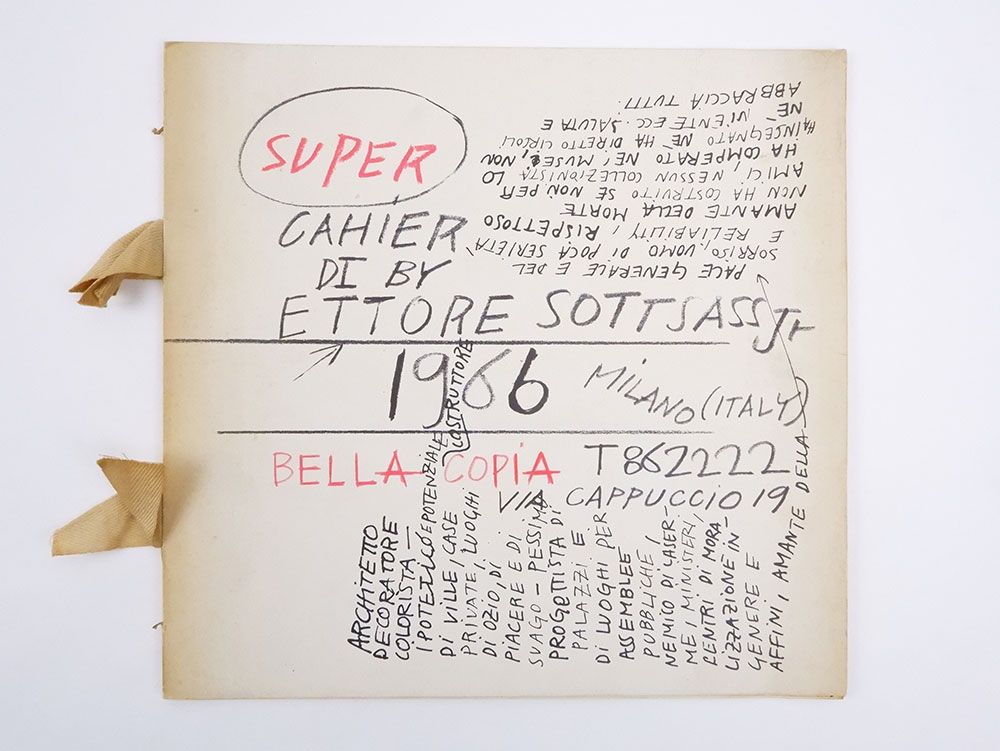
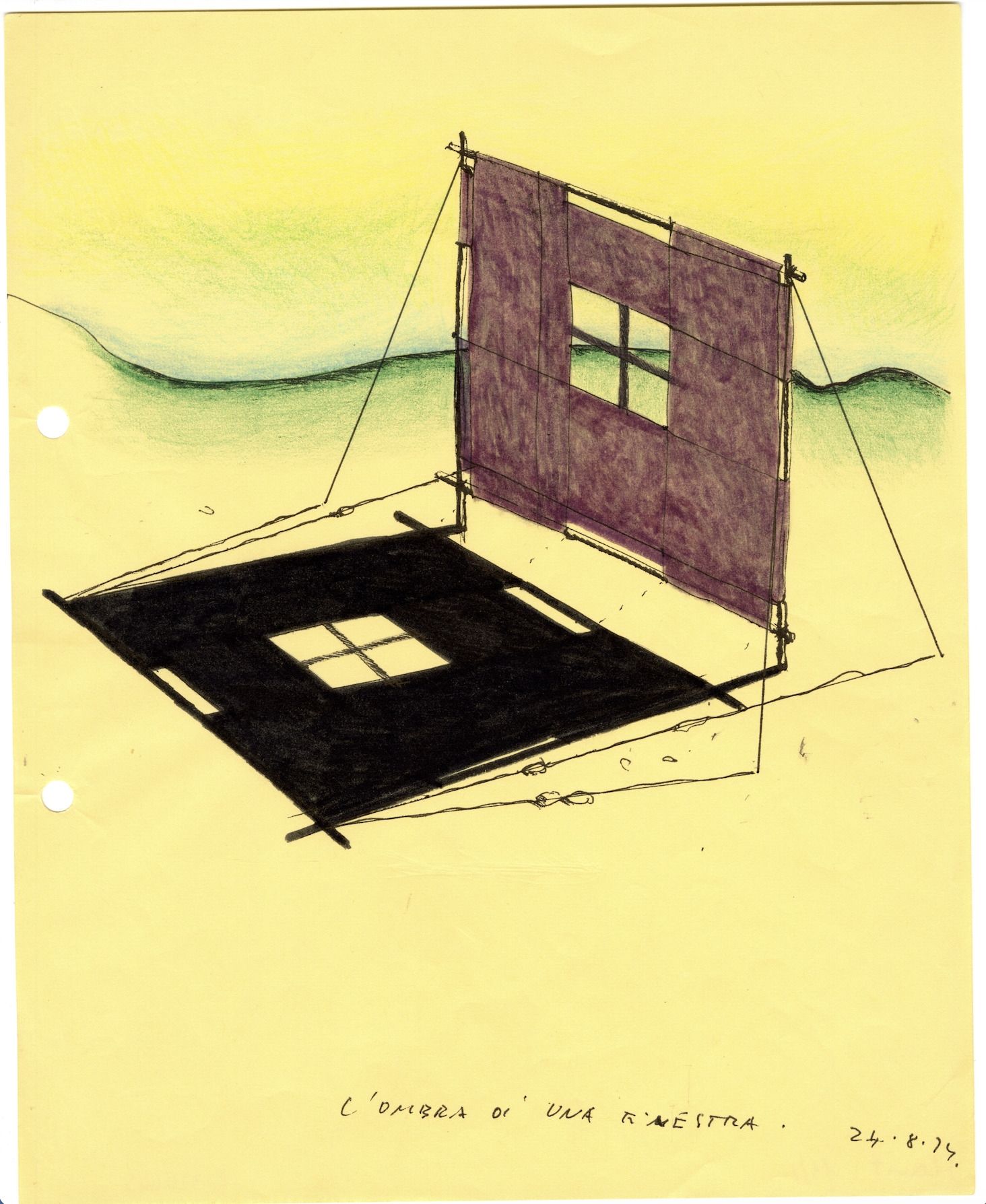
Alongside his famous objects and major projects, there remains a smaller body of work made up of thousands of drawings, sketches, notes, texts, and photographs. His writings, collected in posthumous volumes, are true manifestos of a thought that combines aesthetics and anthropology, political critique and pure poetry. They bear witness to a mind that never stopped observing, criticizing, and questioning the world. In one of his most well-known texts, a sentence summarizes his entire philosophy: «I never thought objects were important in themselves. The only thing that interests me is how they are lived». Understanding design not as a definitive solution but as an evolving experience is perhaps Sottsass’s most profound and relevant legacy. Even today, in an age dominated by digital interfaces and ultra-performing products promising perfect solutions, his vision remains a voice against the grain, a reminder of the complexity of human existence. A vision that invites us to see objects not as static icons, but as life companions, full of signs, memories, ambiguities, and above all, personal stories.
In 2025, between retrospectives that continue to celebrate his work - such as the latest in his house in Filicudi - increasingly widespread reprints of his writings, and "posthumous" collaborations that update his language, the interest in Sottsass is not just nostalgia or uncritical celebration. It is the search for a more human, less cynical, deeper, and at times almost spiritual vision of design. In a world that demands efficiency at all costs and measurable performance, he reminded us to value creative error, the pleasure of an object, and the slowness necessary for design. Ettore Sottsass was a designer who never fully wanted to be one, an intellectual who chose design as a privileged lens to speak of life in all its nuances. And even today, with his unmistakable irony and depth, he teaches us that to dwell, in the broadest sense of existing and shaping one’s world, is a radically poetic act.