




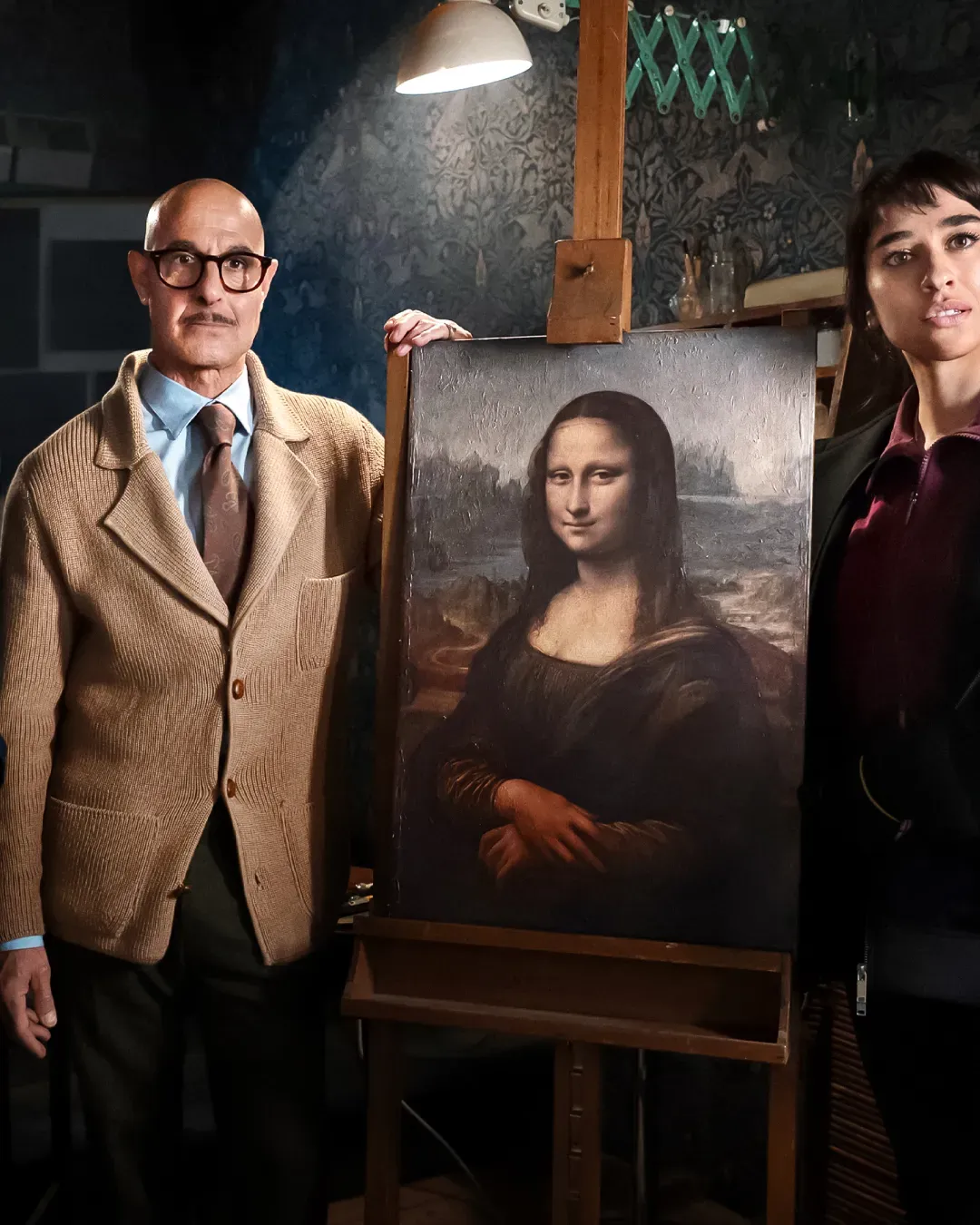




















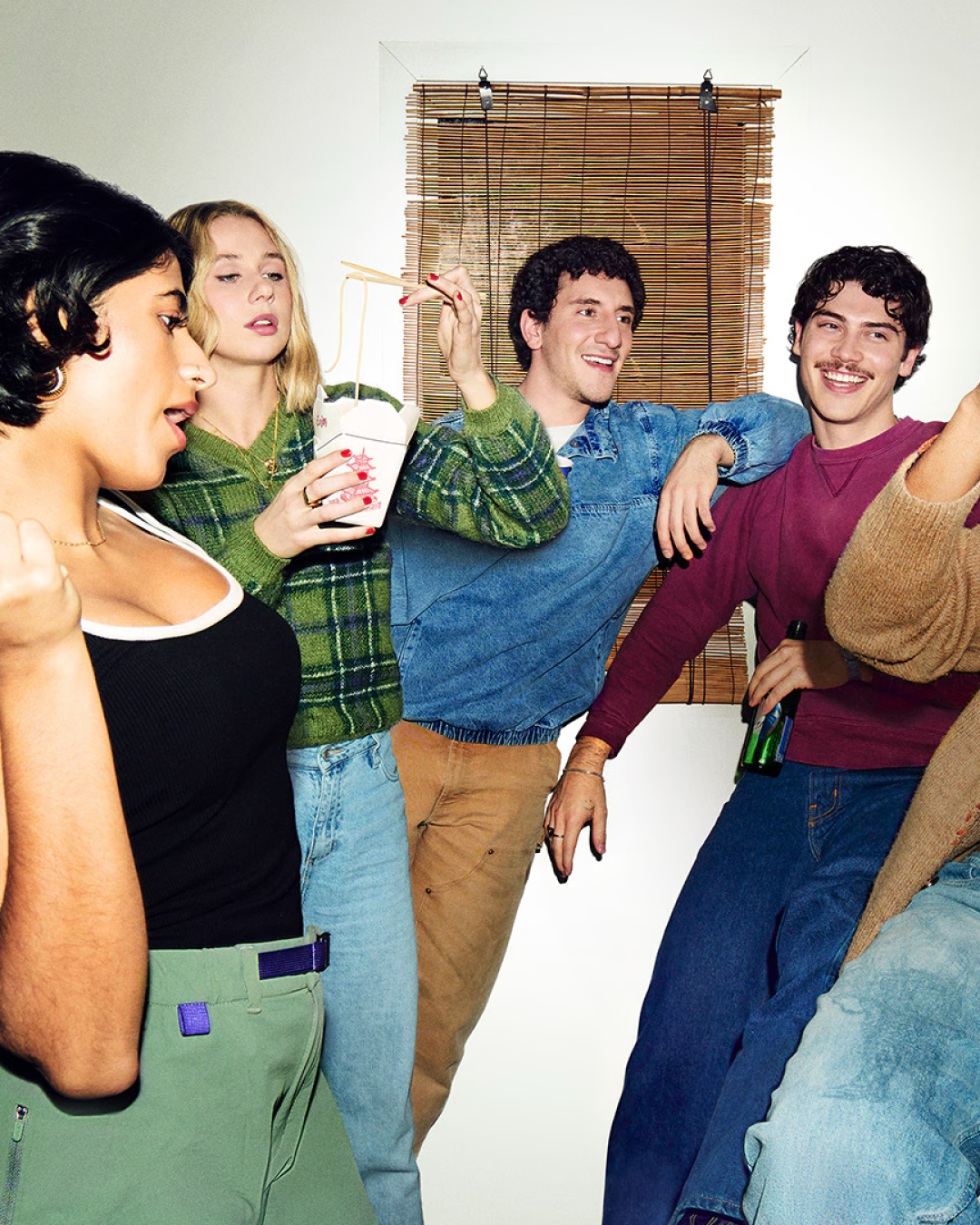
Gen Z stare, how young people are facing the working world Spoiler: badly, but whose fault is it, really?
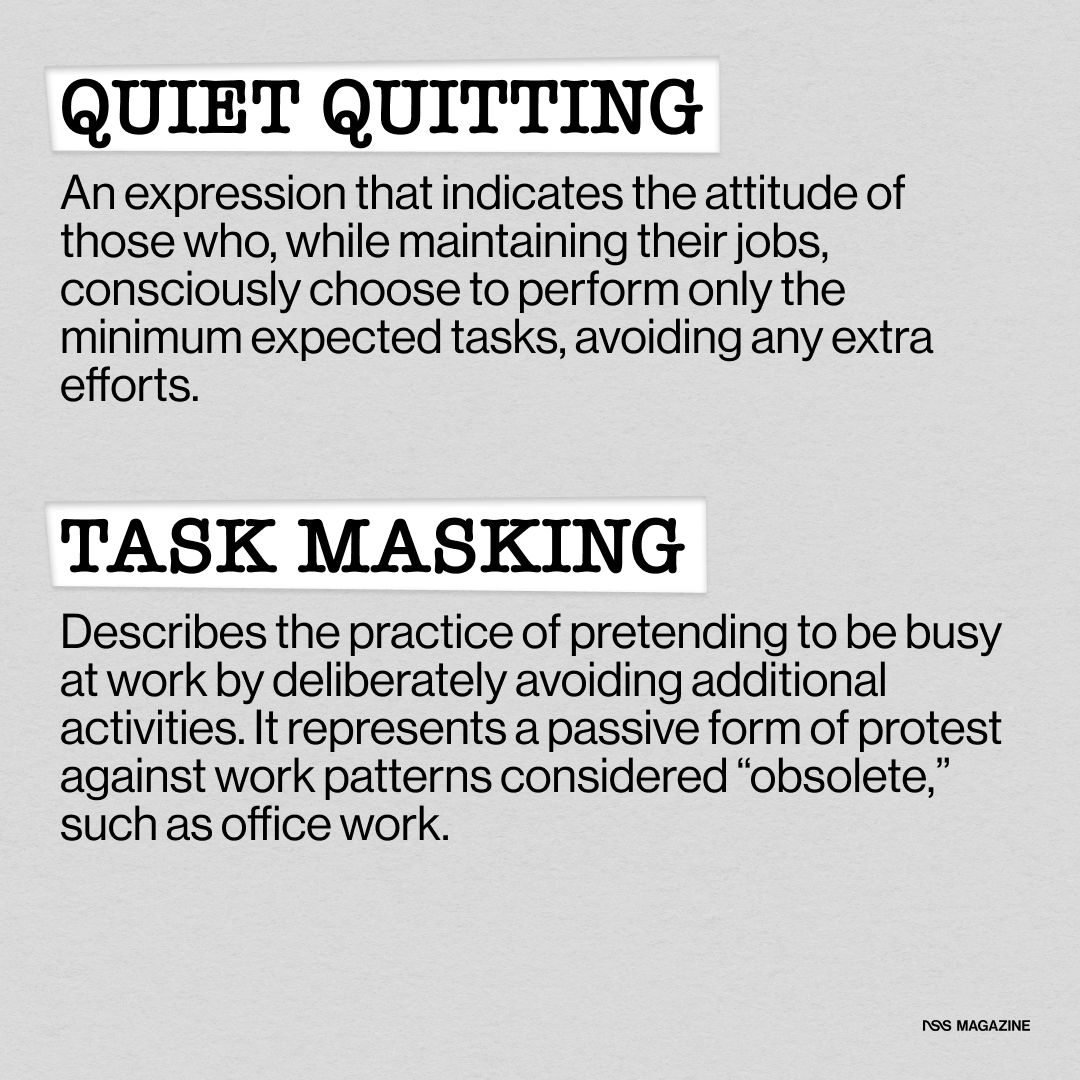
For the first time in history, this year, Gen Z will surpass Boomers in the workforce. It’s a natural shift, linked to the increasing number of mid-20th-century-born individuals reaching retirement age, while the so-called “most controversial generation ever” progressively leaves adolescence behind and approaches their thirties. The relationship between Gen Z and the working world is far from easy—in fact, it could be described as almost dysfunctional. While it’s now widely accepted that office work isn’t for everyone, among younger people, the rejection of traditional work models is becoming more pronounced and visible. Last year, the "quiet quitting" trend went viral, referring to the practice of doing the bare minimum without showing particular commitment or enthusiasm. This year, TikTok introduced a new term: “task masking”. In essence, forced to work on-site instead of remotely, Gen Z members have started pretending to be busy while deliberately avoiding extra tasks, almost as a silent form of protest. By the end of 2024, another concept had emerged, known as “micro-retirement”: the practice of taking a couple of weeks off every six months. The ideas circulating on social media about young people and work are becoming increasingly bizarre, to the point that The Atlantic has published a humorous piece about the absurdity of this lingo. Beyond the labels, however, the general picture seems clear: when it comes to under-30s and work, the situation appears to be getting worse. The question remains: is the problem the work system itself, increasingly disconnected from the real needs of employees, or is it Gen Z, truly unmotivated and lacking drive?
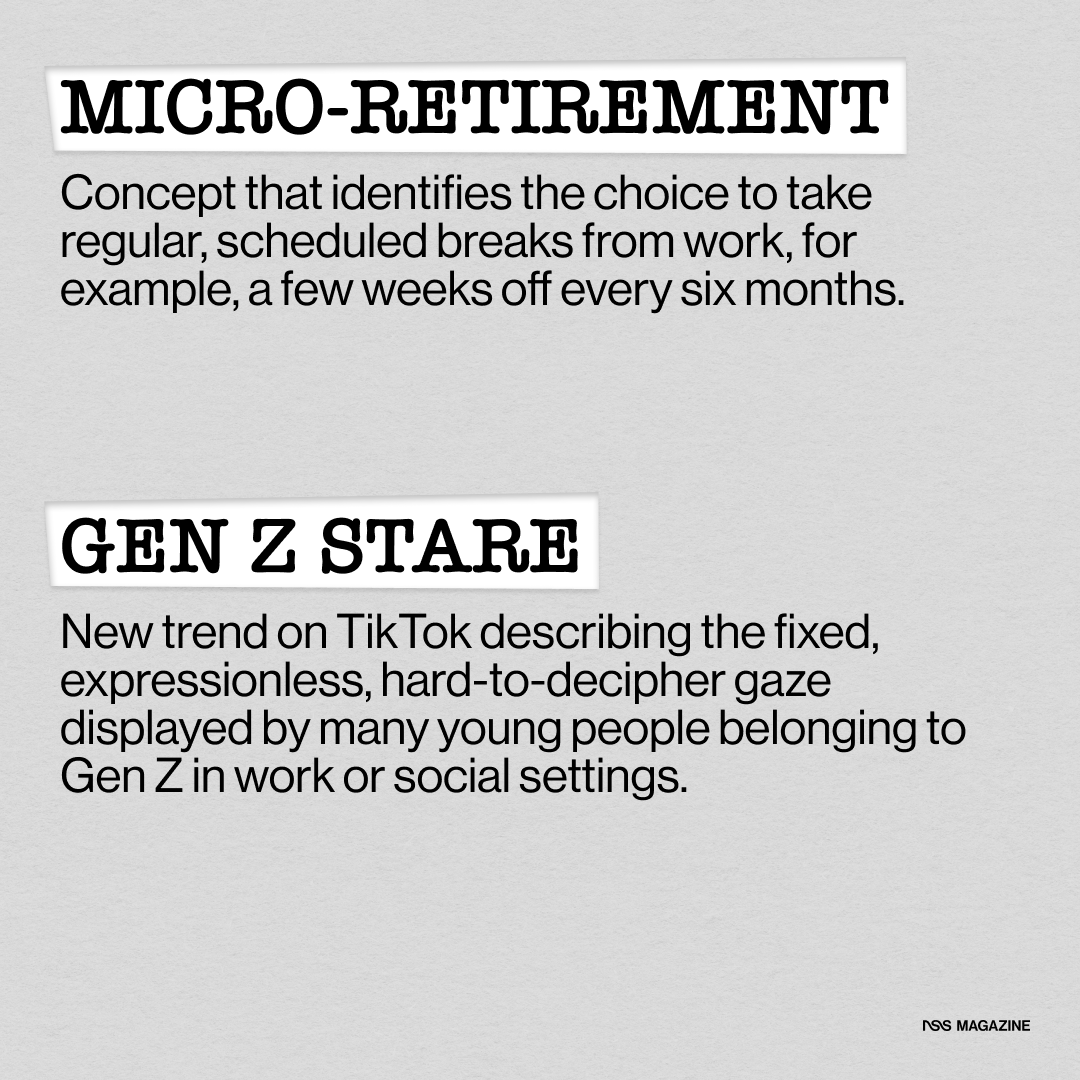
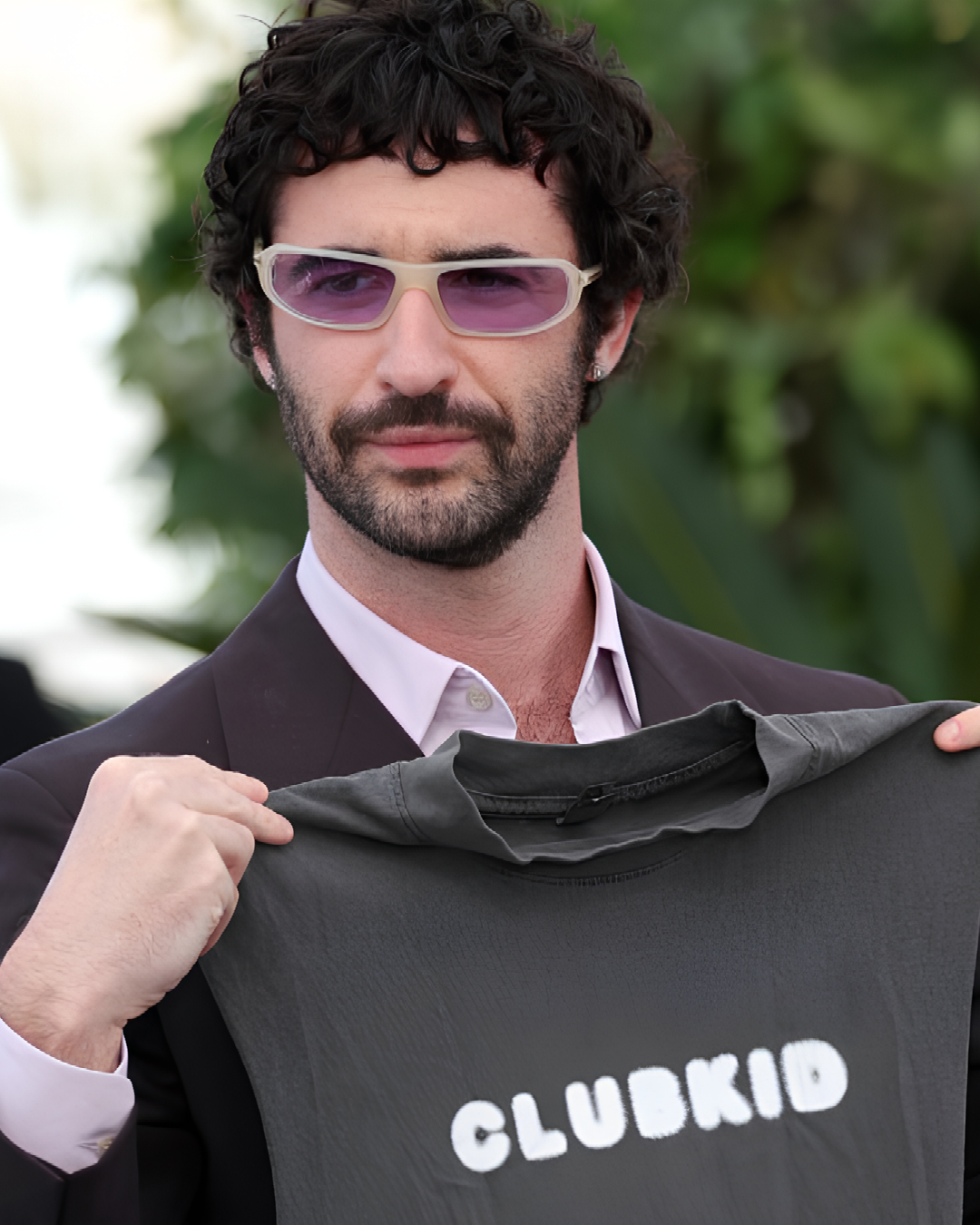
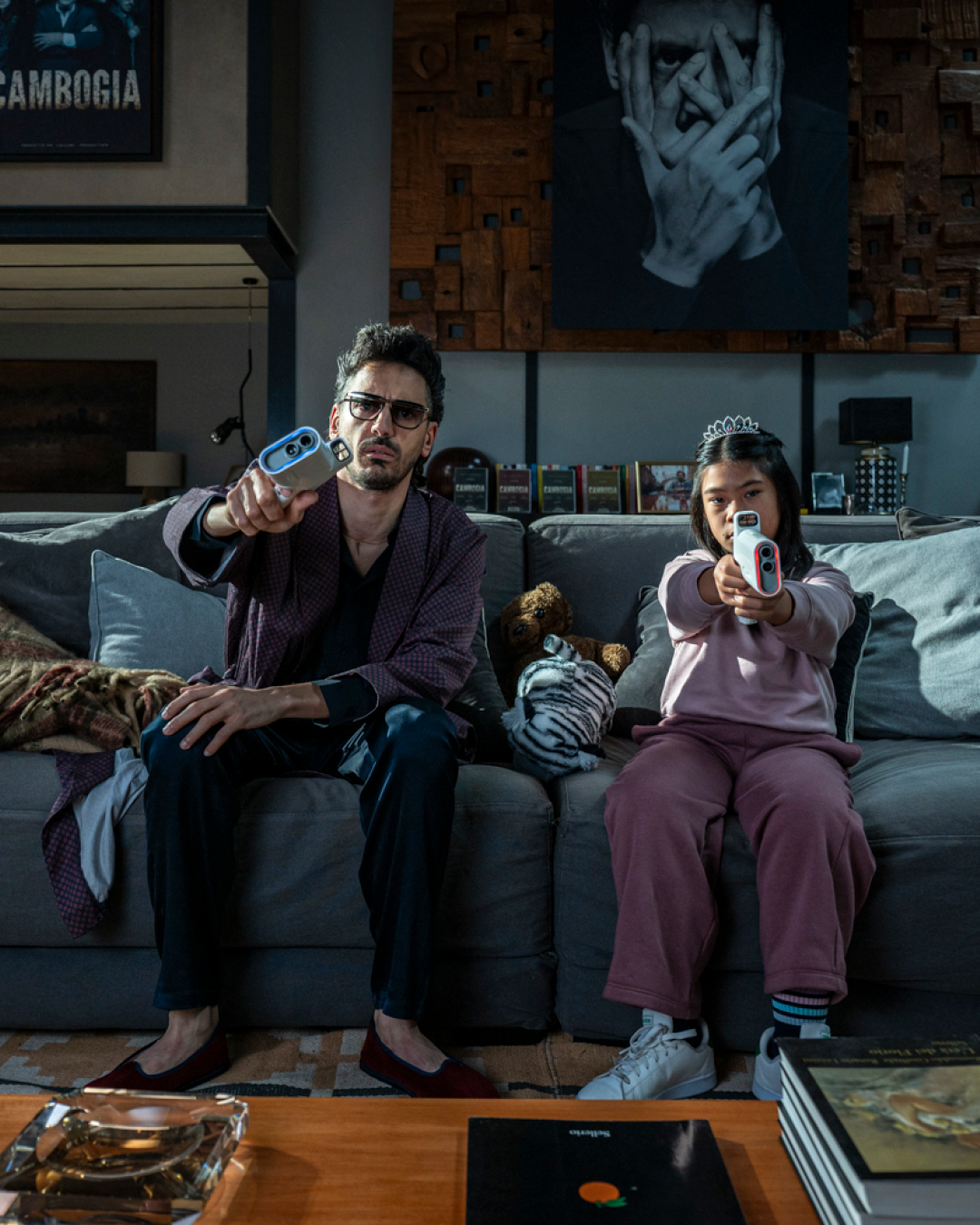
To make things worse, in recent weeks, the trend dominating TikTok’s For You Page is the “Gen Z stare”. This term refers to the blank and expressionless look typical of some young people in various social and work situations. While many critics dismiss this expression as a sign of boredom, indifference, or superiority, experts and sociologists suggest a deeper interpretation. As highlighted by Forbes, the expression doesn’t simply represent disinterest but rather a broader and more significant discomfort towards contemporary work culture. This flat, almost zombie-like look, often observed during meetings or daily interactions, may be the visible manifestation of a growing communication gap between generations and a strong disconnect between young people’s expectations and the reality of traditional work environments. While it’s true that this generation is often labeled as oppositional, hard to manage, and ready to quit a job if it doesn’t provide a balance between private life and work, perhaps the “Gen Z stare” is more than just a viral phenomenon on TikTok—it could be the clearest symptom of a systemic crisis.
On this subject, a few weeks ago, Dazed published an article focused on how, to counter Gen Z’s despair, the only solution might be to “decentre” work from their lives. With the rise of artificial intelligence, the global economic crisis is slowing down hiring, and a generational sense of apathy (“the world is ending, why should I stress about work?”), work might simply become something that “needs to be done” rather than a central life goal. As Dazed points out, “it’s important to understand how one is evaluated in a place where time, skills, mind, and body are traded for money”. The feeling is evident on social media too, where many young people emphasize that work isn’t just a source of personal fulfillment, but an implicit contract that trades something irreplaceable—their time and health—for a salary often insufficient to guarantee economic independence. A reflection echoed in the book After Work by Helen Hester and Nick Srnicek, where the authors explain that “we are forced to work under threat of poverty, hunger, and homelessness”. So, it’s not about “vocation,” but about necessity. Even when work is enjoyable, the time and energy it requires can easily cancel out its positive aspects.
i love my life i love drawing and being unemployed and eating and watching good mythical morning pic.twitter.com/mPpo0C1rKg
— average ponsuke enjoyer (@pibbleponsuke) July 6, 2025
The aversion towards work life has reached such a level that, in recent months, a nostalgic trend has spread on X around the “unemployed life”. Many highlight how life without work not only makes them more relaxed but also gives them the time and space to dedicate to hobbies, sports, and activities that would be hard to balance with a normal office routine. Some even joke about quitting just to enjoy the life of an unemployed person. As ironic and deliberately light as it may be, such a trend once again highlights how new generations are increasingly detached and disillusioned with the “corporate” ideal they grew up with. This is a phenomenon that had already taken root among Millennials, but that in Gen Z has found perfectly fertile ground. The causes of this growing distance are multiple: from studies slowed down or interrupted due to the Covid-19 pandemic, to entering the job market delayed by economic recessions, up to drastically reduced career opportunities caused by ongoing geopolitical tensions and economic wars. So, is it really that terrible not to have a job? After all, as The Smiths sang melancholically back in 1984: “I was looking for a job – and then I found a job – and heaven knows I’m miserable now”, but the chance to live an idyllic life devoted to one's personal interests is a luxury few can afford.
What to read next
adidas Originals opens a new store in Rome on Via del Babuino
Here's what went down at the opening event
Can Gen Z Really Get Rich with Vinted?
A new business model is emerging, tax-free and learnable through an online course
Miu Miu's commercial boom is coming to a halt
The rest of the Prada Group, however, is holding up well