

































"History of Sound" fails to excite despite Paul Mescal and Josh O'Connor At least we found out that the two can sing
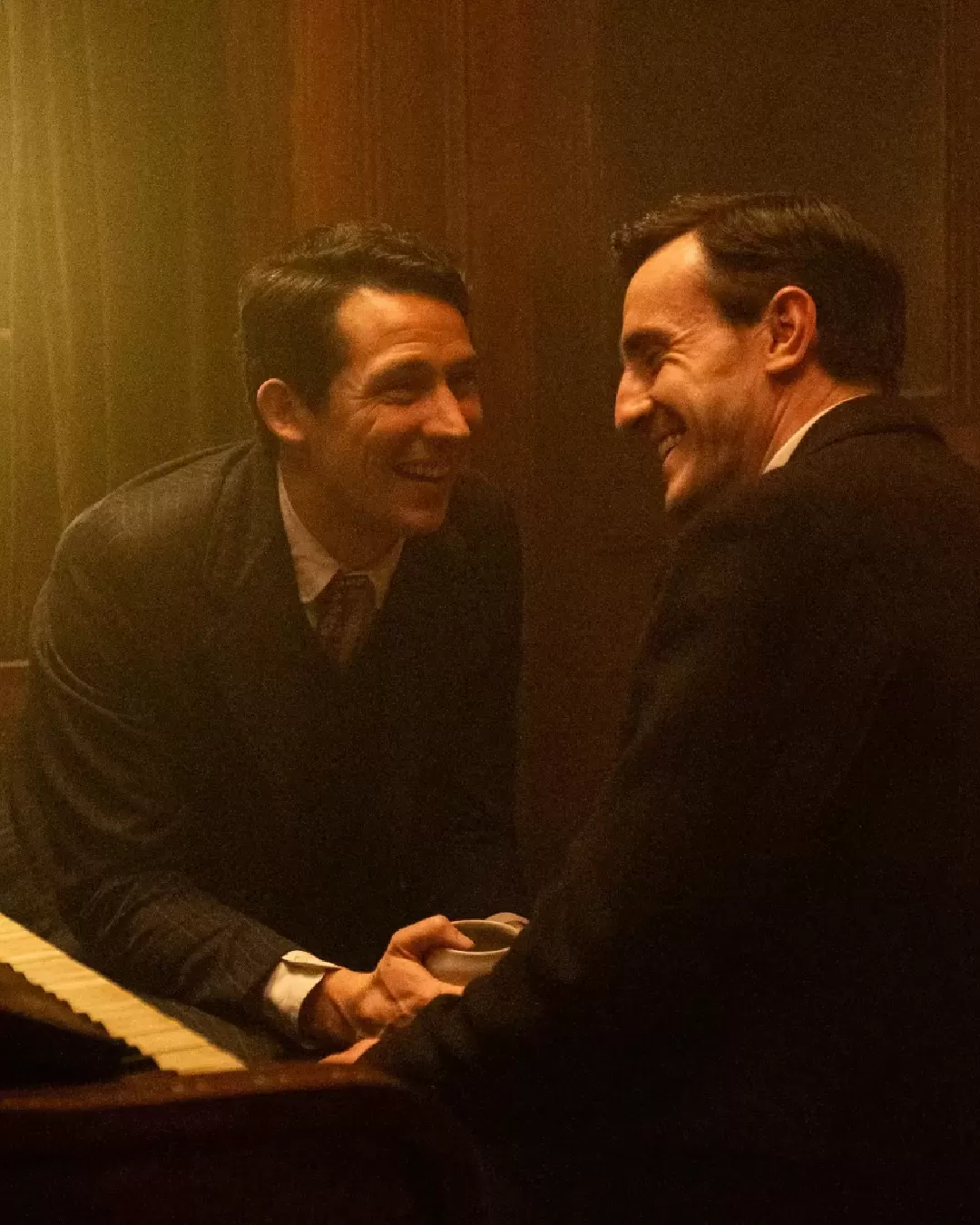
Having Paul Mescal and Josh O’Connor and still failing to make a good film is almost impossible, yet Oliver Hermanus managed it. Premiered in the competition section of the Cannes Film Festival, History of Sound tells the story of two lovers and music scholars who, for a brief moment in their lives, embark on a journey through rural America to record and classify a series of folk songs as a way to map the genre. During this time, the two live out their love story between one song and the next, before parting ways against the backdrop of the horrors of World War I, which haunt the character David White, played by O’Connor. In truth, History of Sound accomplishes neither. Yes, we see the dual narrative unfold lifelessly before our eyes on the big screen, but without delving into either of the two main pillars of the project. Hermanus lets them drift, resulting in a film that remains dizzyingly superficial, failing to utilize any of the available elements. The problem lies in a screenplay shaped by Ben Shattuck, author of the book of the same name from which the film is adapted, possibly forgetting that unlike a novel, where one can explore deeply through page after page, word after word, cinema is a medium where it is necessary to condense the characters' inner and outer worlds with brevity and visuals.
i’ll probably love the history of sound because i love when a movie is boring and gay
— noa (@thenoasletter) May 21, 2025
History of Sound deprives the viewer of discovering more about the connection between David and the character played by Paul Mescal, the actual protagonist Lionel. Not to mention the total lack of exploration into the study of folk songs, which becomes a side note in a film that favors emptiness and silence, expansion over rhythm, and fails to define a musical geography that would give meaning to the protagonists' work (and the film's backdrop) – something that Sinners by Ryan Coogler does manage, even in a single time and place, with blues and Black music. So, if the premises of History of Sound are based on the protagonists' relationship and their bond with music, it’s striking to see how the film gradually fades before the viewer’s eyes, revealing itself as a harmless period piece, as pale as Alexander Dynan’s cinematography, the setting between Europe and the United States, and the (too) whispered relationship between the characters. One can sense the intent to avoid being loud, to keep things balanced and elegant like the two leads, but it ultimately comes across as insubstantial. The film excludes intimacy not only of the bodies, but of the emotions themselves, both of which wander within the film.
The most notable aspect of History of Sound is discovering the voices of Paul Mescal and Josh O’Connor, who, despite committing to performances where some details are admirable – from the Irish actor’s shy, loving smiles to the British colleague’s tense hands and posture – remain trapped in the old-fashioned frame of Hermanus’ title. Mescal’s singing is clean and smooth, contrasting with O’Connor’s deeper and slightly raspy tones. Hopefully, History of Sound can at least serve as a showcase for them to be cast again in projects that highlight this unexpected talent. And above all, may they have another opportunity to collaborate together.
What to read next
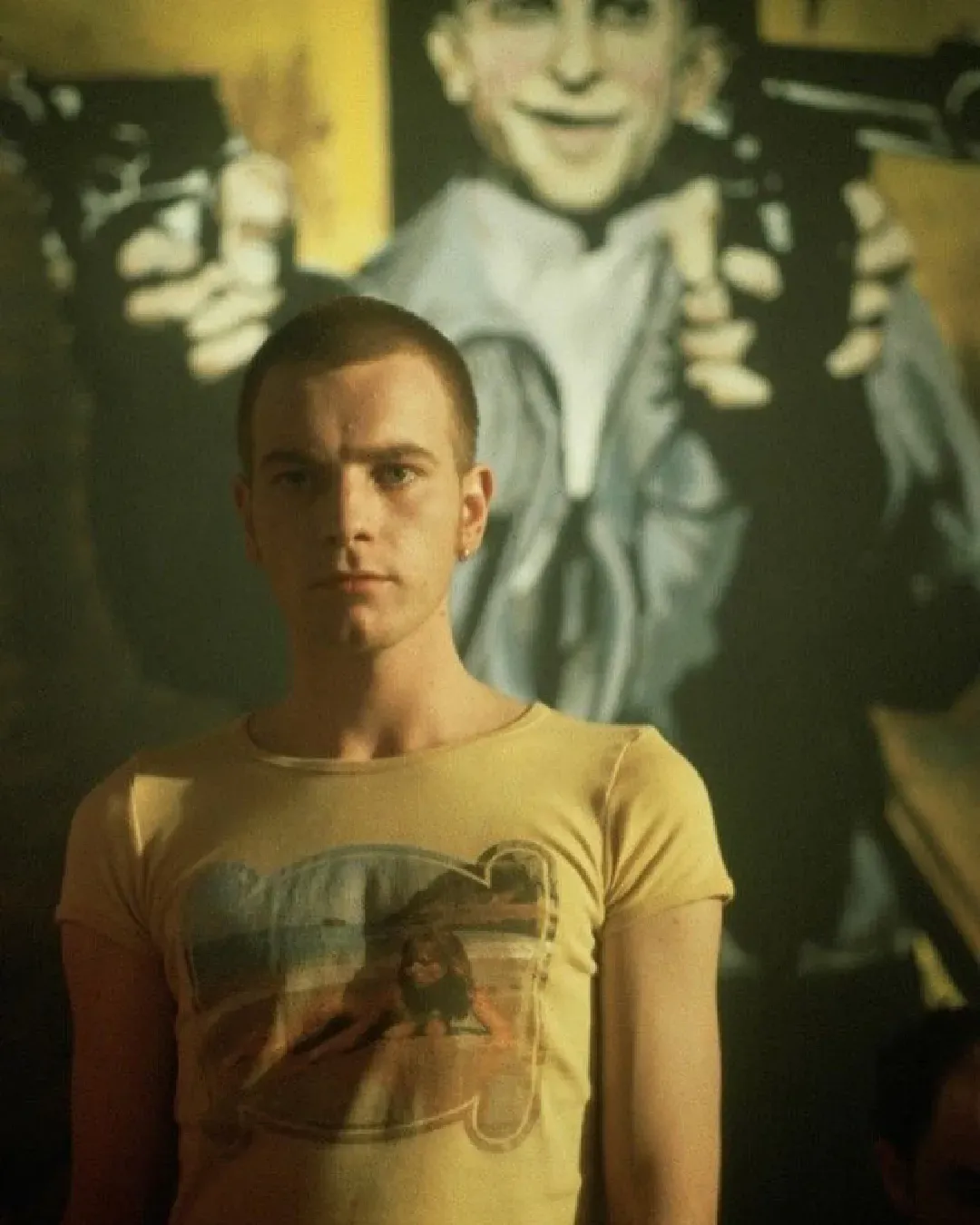
5 trends that Trainspotting anticipated Back in 1996
There is much more to the film than the famous Helmut Lang tank top
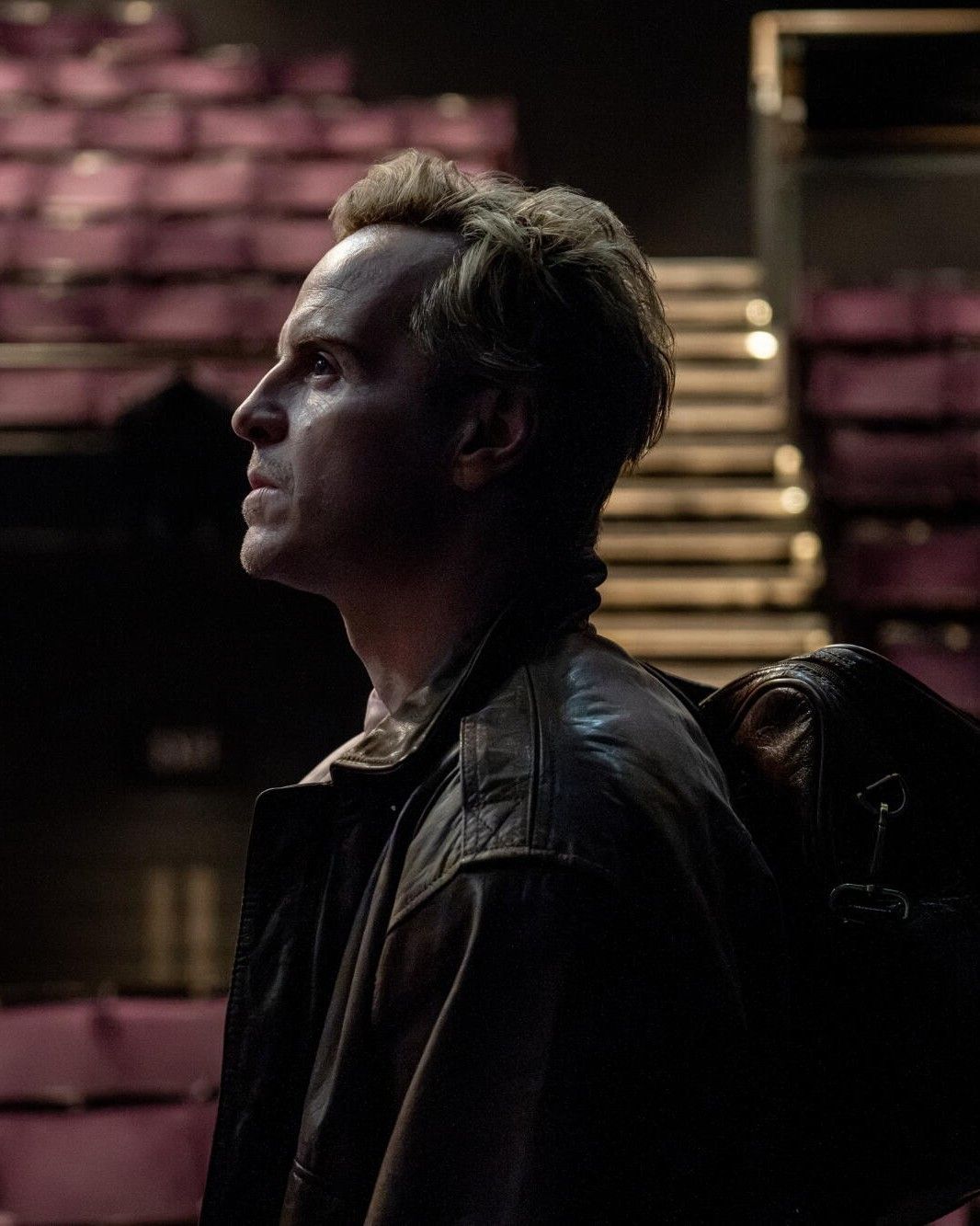
Andrew Scott gives the best performance of his career in "Elsinore"
Simon Stone's film tells the true story of actor Ian Charleson and his production of "Hamlet"

"Il rumore delle cose" by Paolo Genovese opens the 2026 Rome Film Festival
The film, adapted from Genovese's novel of the same name, is nonetheless the usual Italian drama