
































Does Gen Z actually prefer to work in the office? Young people entering the workforce prefer real, human relationships in the workplace over smartworking and remote calls
In recent years, there has been a lot of talk about Generation Z. The young people born between 1997 and 2012 have been labeled, studied, criticized, and praised more than any other generation before them. It has been said that they represent a generation with an awakened political and social consciousness; that they have been damaged by the Covid pandemic and environmental, political, and social crises; that they are the most social media-driven generation of all, enslaved by TikTok; and also that they are the first to consider private life and mental and physical health more important than work, preferring lower pay in exchange for a better work-life balance. On this last point, a recent report by JLL once again analyzed the relationship between Generation Z and work, reaching a surprising conclusion: five years after the lockdown, it is precisely the new generation that is leading the so-called “return to office trend.” The study, published in April 2025, highlights how, contrary to expectations, younger workers are driving the return to the office, showing a preference for in-person contact and physical workspaces over calls and remote work. The survey, conducted on over 12,000 employees across various sectors in 44 countries, found that Generation Z is more likely to work in the office compared to older age groups.
@thatcorporatelawyer Are you team WFH, in office or hybrid?! #work #worklife #millennials #generations #office #corporate #relatable Time to Pretend - MGMT
The report also notes significant geographical differences in return-to-office trends. In Middle Eastern countries, for example, the average is three and a half to four days a week in the office, while in the UK and Canada it drops to about two days. In the United States, too, there is a preference for hybrid work, with an average of slightly more than two days in the office. Younger workers (up to age 24) are present in the office an average of three days a week, a figure higher than all other age groups. The study also highlighted a growing generational gap in attitudes toward work. This represents a major challenge for employers, who must strive to create environments and corporate cultures capable of meeting the needs of both younger workers and older generations, who may offer more experience. While young people seem more enthusiastic about the office, survey responses indicate that they also value flexibility. It emerged that workers under 34 prioritize work-life balance and flexibility, while those over 55 are more attentive to physical workplace conditions, such as temperature, noise, and air quality. But that’s not all. Another recent report on the subject, the 2025 Gen Z and Millennial by Deloitte, found that 26% of the Gen Z sample interviewed felt more engaged and connected to their company after the employer introduced an at least part-time office work schedule. On the other hand, 18% believe that mandatory return to the office has led to a decrease in productivity. Contrary to work stereotypes and memes encouraging quiet quitting, Generation Z appears to be committed to work and to the physical workplace.
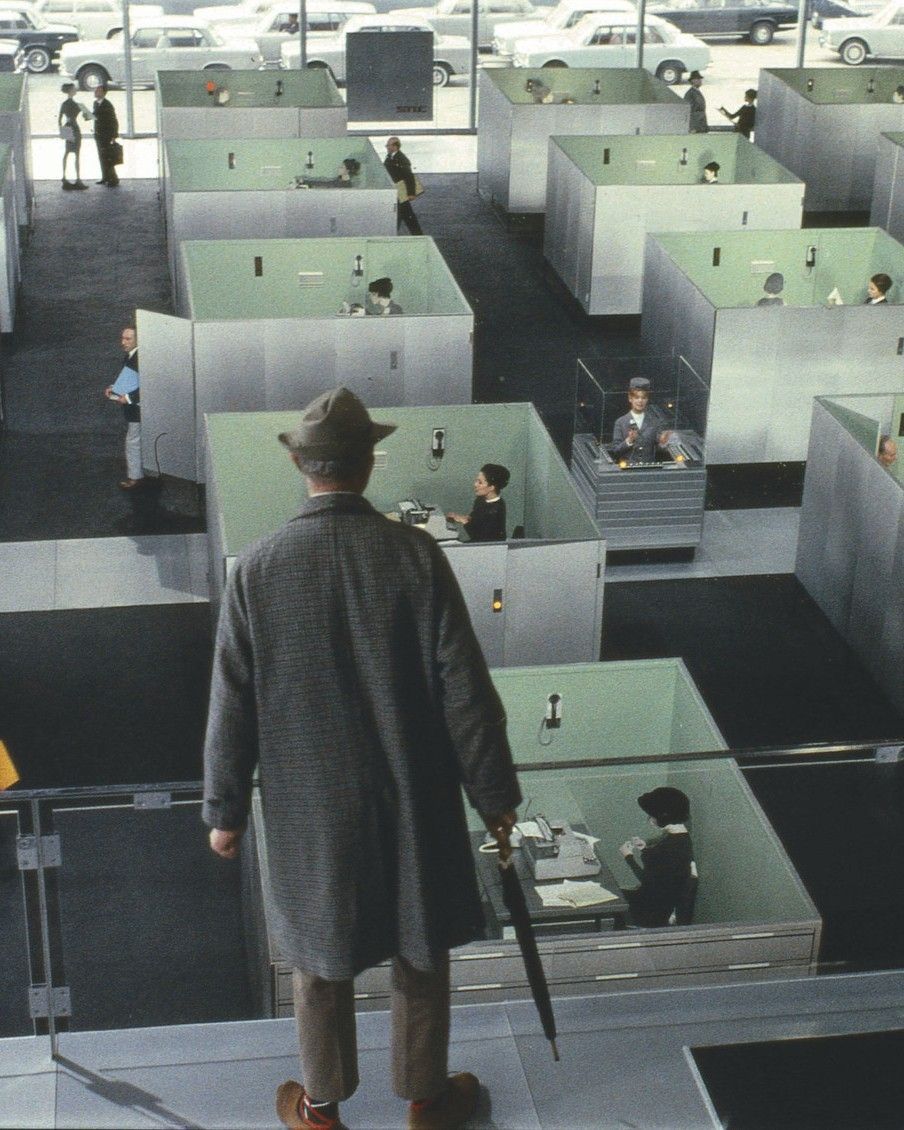
This opinion is also shared by Mark Dixon, founder and CEO of the IWG group, who told the Financial Times that Generation Z “is not only rapidly rising as a highly influential demographic group, but is also incredibly hardworking [and] expects a healthy balance between their professional life and personal commitments.” This trend is also confirmed by numerous TikTok accounts of young Gen Zers working in the corporate world and proudly sharing their “9 to 5” office life. One of them is Jemima Grace, a London-based worker who documents her corporate daily life on TikTok. One of her most recent videos has surpassed 4 million views and shows her morning routine, choosing an office outfit, arriving at work, emails, lunch break, coffee, meetings, and finally heading home. The hashtag #corporategirlies counts over 179,000 videos, all with a similar style to Jemima Grace’s, who, in an interview with the Financial Times, said that these contents help Generation Z navigate the world of work. Young people grow and change habits, priorities, and worldviews. Studying their behaviors and needs is certainly essential, but trying to give a definitive and univocal definition of them risks being ineffective, especially considering how quickly new generations evolve. They may never become the alienated employees of Severance, but even Generation Z is growing up and entering the workforce in a way more similar to previous generations than many expected.
What to read next

Gen Z is spending more on art than any other generation
A new Arts Economics report on global collecting reveals the trend
How Gen Z is changing the rules of physical retail
From clubhouses to test labs, new brands are transforming stores into something that goes far beyond shopping

There Is a Streaming Service Dedicated to John Galliano's Fashion Shows
It's called GallianoFlix and it was created by an Indian fashion writer